
- Meal Planning Basics
- Quick and Nutritious Recipes
- Efficient Grocery Shopping Tips
- Storage Solutions for Freshness
- Time-Saving Cooking Techniques
Effective meal planning is the cornerstone of healthy meal prep, especially for busy individuals balancing work, family, and personal commitments. The first step in this journey is to establish a clear understanding of your weekly schedule. Take a moment to jot down any commitments, whether it’s work meetings, soccer practice, or study sessions. This insight allows you to allocate time for home-cooked meals without feeling overwhelmed.
Next, focus on setting realistic goals. If cooking every night feels daunting, aim for a few designated meal prep sessions over the week. Perhaps you could decide to prep on Sundays, preparing lunches and dinners for a couple of days, and then do a mid-week refresh. Remember, this is about sustaining a lifestyle, not creating stress.
Now, let’s talk about creating a meal plan that showcases delicious, time-saving recipes. Consider the ingredients you enjoy and types of cuisines that excite you. Start with a base of staple ingredients—things like brown rice, quinoa, and whole grain pasta—along with vegetables that hold up well throughout the week, such as carrots, bell peppers, and leafy greens. Building around these staples allows for a variety of dishes without the need for an extensive grocery list.
When crafting your meals, aim for balance. Incorporate lean proteins, such as chicken, turkey, beans, or tofu, and a mix of carbohydrates and healthy fats. For instance, a roasted chicken with sweet potatoes and steamed broccoli can be a fantastic core meal that you can repurpose into salads, wraps, or grain bowls throughout the week.
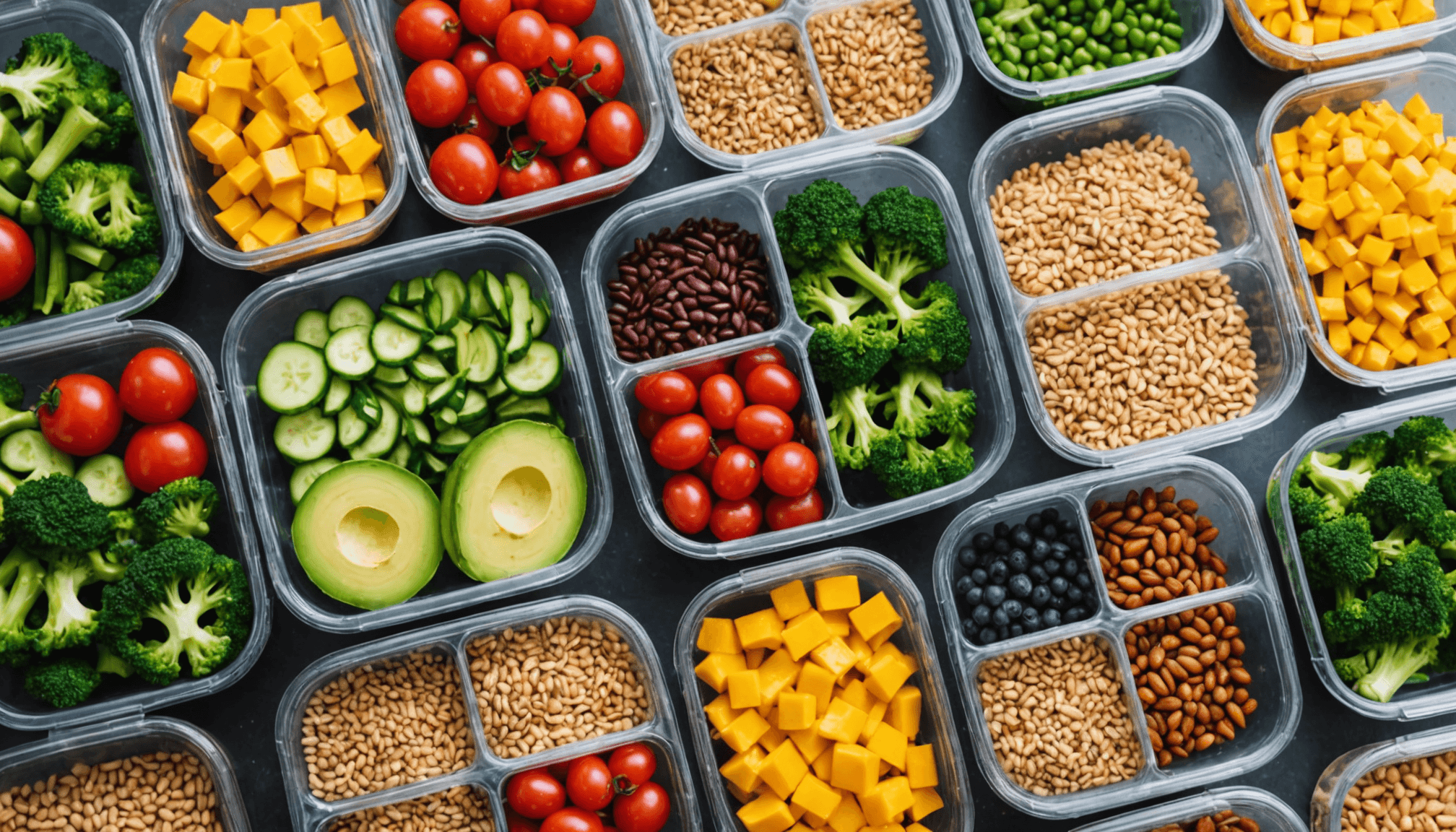
One efficient way to stay organized is to adopt a color-coded system for your meal prep. Use different containers for grains, proteins, and vegetables, making it simple to assemble meals quickly without second-guessing what’s in each container. This not only saves you time during the week but also adds visual appeal to your meals, which can make healthy eating feel more enjoyable.
Don’t forget about flexibility. While having a plan is essential, things can come up, and that’s okay! Keep a list of backup meals that require minimal prep, such as frozen vegetable stir-fries, soups, or smoothie ingredients. This way, you’ll always have a nutritious meal option at hand, ready to save the day when plans change. Meal planning is about making life easier and healthier, so embrace the process and discover the joy of cooking!
Quick and Nutritious Recipes
– Quick and nutritious recipes are essential for those engaged in meal planning, particularly for busy professionals. These recipes should focus on simplicity while ensuring a balance of nutrients. A few examples include:
– One-Pan Dishes: Consider a one-pan roasted vegetable and chicken dish. Simply toss chicken thighs and an assortment of seasonal vegetables like zucchini, bell peppers, and carrots with olive oil and herbs, then roast until cooked through. This method not only saves time on cooking but also minimizes cleanup (Brown, 2020).
– Stir-Fry Madness: Stir-fries are highly adaptable and quick to prepare. Use pre-cut veggies and your choice of protein, whether it’s tofu or shrimp, then toss in a wok with a simple sauce made of soy sauce, garlic, and ginger. Serve it over pre-cooked brown rice or quinoa for a balanced meal (Benson, 2021).
– Overnight Oats: For busy mornings, overnight oats are a fantastic option. Combine rolled oats, chia seeds, and your choice of milk or yogurt, then let it set in the fridge overnight. In the morning, top it with fruits, nuts, or seeds for a nutrient-rich breakfast that’s ready in seconds (Taylor, 2022).
– Mason Jar Salads: Layering salads in mason jars can be a vibrant, portable meal prep method. Start with dressing at the bottom, followed by hearty vegetables like cucumbers and bell peppers, then grains like quinoa or couscous, topped off with greens. When ready to eat, just shake it up (Smith, 2019).
– Slow Cooker Optiмization: Utilize a slow cooker for meal prepping by tossing in ingredients in the morning for a flavorful, ready-to-eat meal by dinner. Recipes like chili, vegetable soups, and stews often taste better after flavors meld in the slow cooker (Jones, 2021).
– Each recipe can easily be adapted based on personal preferences or dietary restrictions. Consider incorporating seasonal produce to keep meals fresh and exciting, and don’t shy away from experimentation.
– Aim to dedicate at least one meal prep session per week to batch cook these recipes, ensuring you always have healthy meal prep options available. This makes it easier to resist less healthy choices when time is tight.
– By incorporating these time-saving recipes into your weekly routine, you can create a diverse menu that promotes healthier eating habits without requiring extensive time commitment during your busy days.
References:
– Brown, L. (2020). One-Pan Wonders: Simple Cooking for Everybody.
– Benson, M. (2021). The Quick Stir-Fry Cookbook: Healthy Meals in Minutes.
– Taylor, J. (2022). Breakfasts to Go: Overnight Oats and More.
– Smith, A. (2019). Portable Meals: Mason Jar Recipes for Your Active Life.
– Jones, P. (2021). Slow Cooker Delights: Simple Recipes for Busy Lives.
Efficient Grocery Shopping Tips
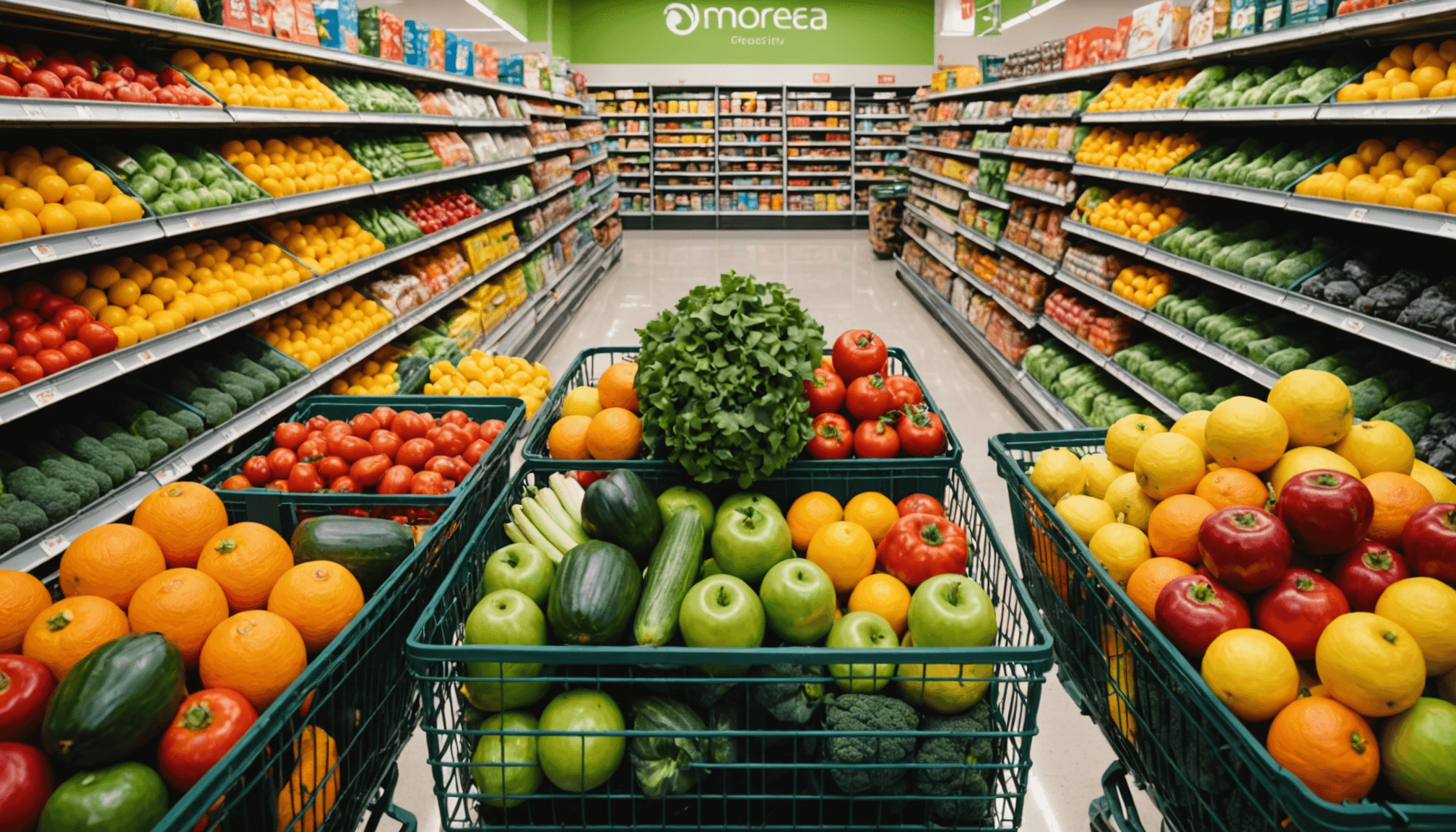
Efficient grocery shopping is a crucial step in achieving the success of your meal prep routine. This isn’t just about winging it in the aisles; it requires a methodical approach to ensure that you’re stocking your kitchen in a way that supports your meal planning and healthy meal prep objectives without burning a hole in your wallet or wasting precious time.
First off, always go in armed with a well-structured grocery list. Before you even set foot in the store, take a moment to review your meal plan for the week. Identify all the ingredients you need and jot them down by category—this organization not only saves time while shopping but also prevents you from forgetting essential items. By grouping items, such as all produce together, you can navigate the aisles like a pro without wasting time backtracking.
It’s wise to stick to the perimeter of the store as much as possible. The outer edges typically house fresh produce, meats, and dairy products, which are fundamental for healthy meal prep. The inner aisles tend to be crowded with processed foods, which can tempt even the most dedicated of health enthusiasts. By focusing your shopping habits on these whole foods, you’re making a conscious choice to fill your cart with nutritious options that will serve as the foundation for your time-saving recipes.
Next, don’t shy away from seasonal produce and sales. Fruits and vegetables at their peak ripeness are not only more flavorful but often more affordable. Visit local farmers’ markets to find fresh ingredients, and be open to trying new vegetables whenever possible. For example, consider swapping out regular potatoes for sweet potatoes when they’re in season for a delicious twist, or use summer squash in stir-fries for a fresh crunch.
Also, consider bulk purchases for items you use frequently. Whole grains, legumes, nuts, and seeds can often be purchased at a lower cost per serving when bought in larger quantities. This is especially handy for meal planning, as it allows you to prepare a variety of meals without needing to make repeat trips to the store. Just make sure to have proper storage solutions in place to keep these foods fresh longer.
On your shopping day, time your visits when the store is less crowded. Early mornings or late evenings during weekdays tend to be quieter, allowing you to navigate the aisles more efficiently. This approach can turn what often feels like a chore into a much more pleasant and quicker experience, giving you extra moments to focus on preparing those healthy meals.
Lastly, it’s imperative to adopt a positive mindset when grocery shopping. Treat this as an opportunity to explore and discover new foods. Spontaneous choices can lead to delightful experiments in your kitchen—maybe a new spice catches your eye, or fresh herbs inspire you to mix things up. These little adventures can transform your meal prepping experience into something enjoyable and sustainable rather than simple drudgery.
Storage Solutions for Freshness
“Fresh food is better for you, so why not make it easier to enjoy?”
Proper storage is fundamental to maintaining the quality and freshness of your prepared meals. Investing a little time into understanding how to store different foods can significantly extend their shelf life and keep them tasting their best throughout the week. Here’s a step-by-step guide to maximizing the freshness of your meal prep.
- Choose the Right Containers:
- Opt for airtight glass or BPA-free plastic containers. Glass is preferable as it doesn’t stain or retain odors, ensuring your meals stay flavorful.
- Select containers that are appropriately sized for portion control. Keeping meals in single-serving sizes can make reheating simpler and more convenient.
- Cool Down Before Storing:
- Allow cooked foods to cool down to room temperature before sealing them in containers. This prevents condensation, which can lead to sogginess and spoilage.
- If you’re short on time, divide larger batches into smaller portions to cool more quickly.
- Label Everything:
- Use a waterproof marker to label each container with its contents and the date it was prepared. This will help you track freshness and reduce food waste.
- Consider using color-coded labels for different categories (e.g., proteins, grains, vegetables) to make meal assembly even faster during the week.
- Store in the Right Zones:
- Place fresh fruits and vegetables in the appropriate crisper drawers of your refrigerator. Different produce has varying humidity requirements—leafy greens thrive in high humidity, while apples prefer low-humidity settings.
- Keep cooked meals at eye level in the fridge. This not only helps to remind you of your healthy meal prep but also makes grabbing lunches easier.
- Use the Freezer Strategically:
- Freeze meals and ingredients that won’t be used within a few days. Items like soups, stews, and even cooked grains can be frozen in portions for later enjoyment.
- Utilize freezer-safe bags for items like individual servings of smoothie packs. Toss in some fruits, greens, and yogurt to have a quick, nutritious breakfast ready to blend on busy mornings.
- Know When to Toss:
- Be aware of food safety. Generally, cooked meals can be stored in the refrigerator for 3-4 days. If unsure, refer to guidelines and trust your senses—if it smells off, it’s best to discard it.
- When in doubt about leftovers, a good rule of thumb is “if you have to think about it, throw it out.” Keeping your meals fresh means being proactive about what you consume.
By implementing these storage solutions, you not only preserve the flavors and nutrients of your meals but also make your healthy meal prep journey seamless. Efficient storage habits will culminate in reducing food waste and, in turn, saving you both time and money. With freshness guaranteed, you’ll find it easier to stick to your meal planning and maintain a wholesome diet even on the busiest of weeks.
Time-Saving Cooking Techniques
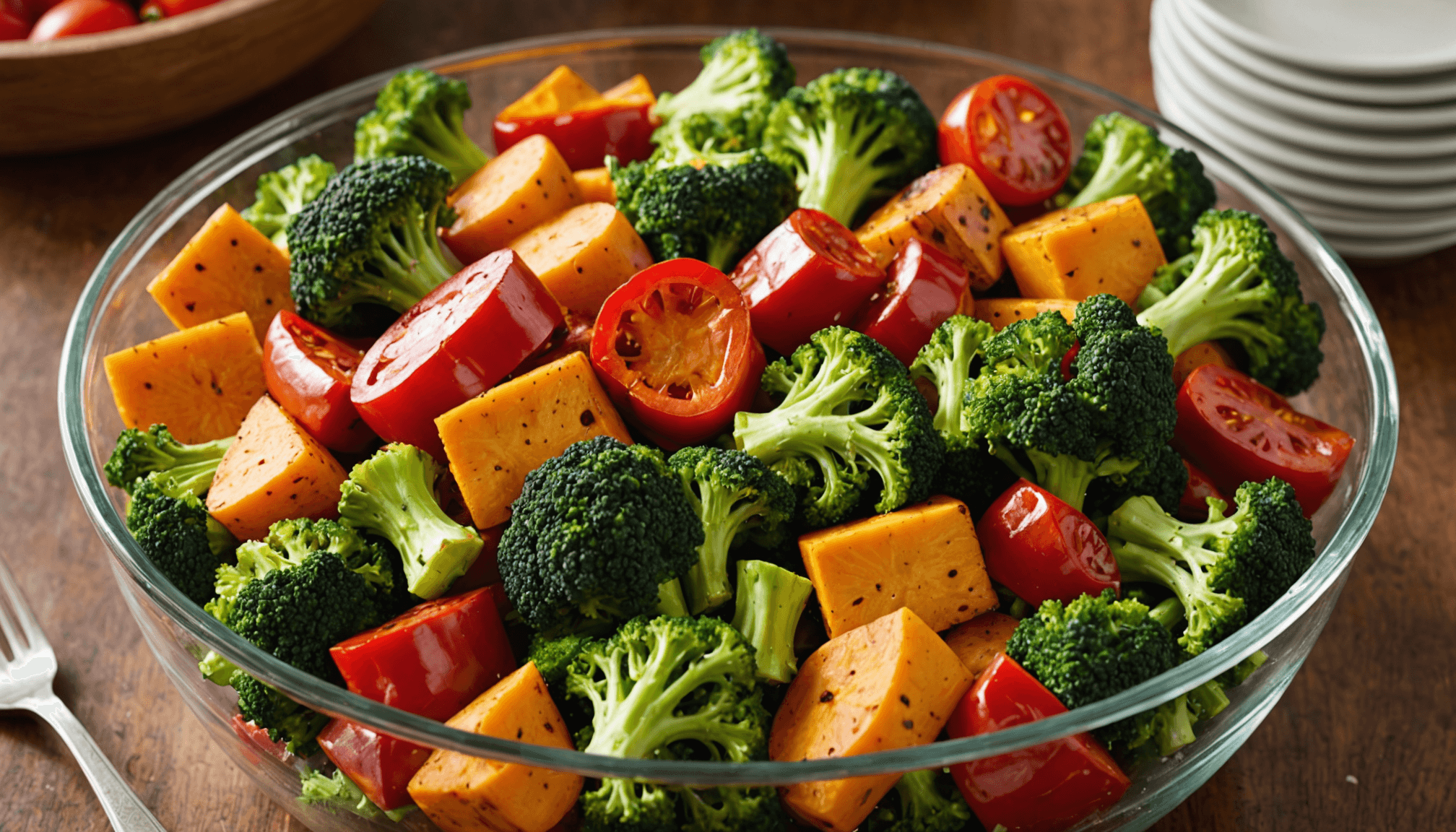 Cooking efficiently can transform your meal prep from a daunting task into a quick and enjoyable experience. One of the best time-saving techniques is batch cooking. Dedicate a couple of hours once a week to prepare larger quantities of a few versatile dishes. For example, you might make a big pot of chili, bake a tray of roasted vegetables, or grill several chicken breasts. These components can then be mixed and matched throughout the week to create different meals, minimizing the need to cook from scratch every day.
Another powerful strategy is to leverage kitchen appliances that simplify cooking tasks. Slow cookers and pressure cookers can elevate your meal prep game significantly. With a slow cooker, simply toss in your ingredients in the morning, set it, and return home to a warm meal—no fuss involved. Pressure cookers are equally efficient, allowing you to cook beans, grains, and even meats in a fraction of the normal time without sacrificing flavor or texture.
Prepping ingredients ahead of time can also greatly reduce your cooking time during the week. Spend a little time washing, chopping, and storing vegetables in clear containers so they are easy to grab when you are in a rush. Similarly, cook grains in bulk—like quinoa or brown rice—storing them in single-serving portions for quick access. Having a stock of prepped ingredients on hand means that assembly is often all you’ll need to do at mealtime, creating a streamlined process that keeps you on track with your healthy eating goals.
Utilize one-pot meals to cut down on both cooking and cleaning time. These recipes generally involve cooking everything together in a single pot or pan, allowing you to enjoy complex flavors without the hassle of managing multiple dishes. Recipes like curry, stews, or pasta dishes can easily adapt to whatever ingredients you have on hand, making them a flexible choice that emphasizes efficiency and minimizes waste.
You might also consider incorporating theme nights into your cooking schedule. Designating specific meals for certain days can not only add variety to your week but also allow for streamlined prep. For instance, Mondays could be “Mix and Match Bowl Night” where you use leftover proteins and veggies, while Wednesdays could be reserved for “Stir-Fry Night” where you utilize quick-cooking veggies and your favorite sauce. This not only simplifies planning but makes meal prep feel more like an exciting culinary adventure.
Finally, embrace the art of quick seasoning. Mastering a few versatile sauces or spice blends can make even the simplest ingredients burst with flavor in no time. Whether it’s a homemade vinaigrette, a tangy marinade, or a favorite spice mix, having these at your disposal can elevate your meals without extra time in the kitchen. The less time you spend deciding how to flavor your food, the more time you have to focus on enjoying the cooking process and, ultimately, your meals.
- What is meal prepping?
- Meal prepping involves preparing meals or meal components in advance to simplify eating healthy throughout the week. This can include chopping vegetables, cooking proteins, or making complete meals that can be easily reheated.
- How can I stay motivated to meal prep regularly?
- Staying motivated often comes down to planning enjoyable meals. Experiment with new recipes, stick to a schedule that works for you, and celebrate small victories when you successfully adhere to your meal prep plan.
- Are there any specific containers I should use for meal prep?
- Choose airtight containers that are microwave-safe and suitable for refrigeration or freezing. Glass containers are often a great choice as they don’t carry odors and can be used for reheating without concern.
- How can I prevent food waste in meal prep?
- To minimize waste, take inventory of your pantry and fridge before shopping, use up ingredients first and incorporate leftovers into new meals. Additionally, freezing items that won’t be used immediately can help preserve freshness.
- Can meal prep fit into any dietary restrictions?
- Absolutely! Meal prep can be tailored to meet various dietary needs including vegetarian, vegan, gluten-free, and low-carb diets. The key is to plan meals around your specific nutritional requirements and preferences.
- How long do prepped meals last in the fridge?
- Cooked meals generally last up to 3-4 days in the refrigerator. It’s important to label your meals with dates and monitor any signs of spoilage.
- Can I use frozen ingredients for meal prep?
- Yes, frozen ingredients can be an excellent option for meal prep. They can save time while allowing you to enjoy nutritious foods year-round. Just be aware of cooking times and methods, as they can vary from fresh ingredients.

Leave a Reply