

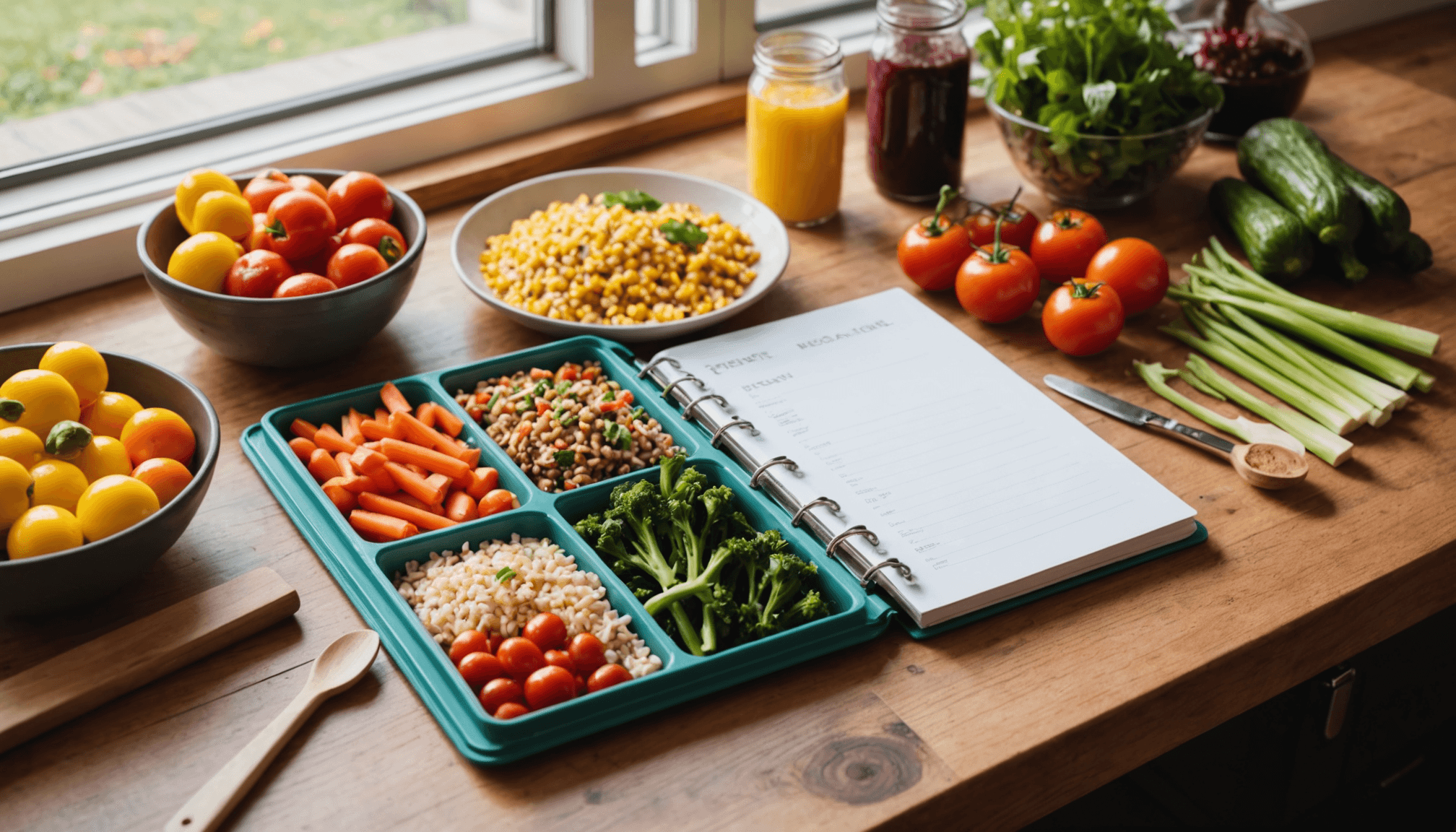
- Meal prep basics for a balanced diet
- Choosing the right ingredients
- Planning your meals ahead
- Storage solutions and techniques
- Incorporating variety in your meals
When embarking on your journey toward effective meal prep, it’s essential to keep a few fundamentals in mind. First and foremost is the idea of healthy meal prep as it should cater to your lifestyle and nutritional needs. Think about the foods you truly enjoy; they should be the foundation of your meal prep. By doing this, you’ll find cooking each week feels less like a chore and more like a joy.
Start by designating a specific day of the week for your meal prep, perhaps Sunday afternoons. This consistent scheduling serves as a reminder and creates a routine, ensuring that meal preparation becomes a valuable and stress-free part of your week. As you gather your ingredients and tools, consider creating a cozy atmosphere—perhaps with some light music or your favorite cooking show playing in the background. The goal here is to make the experience enjoyable.
Next, think about balance. When planning your meals, pay attention to including a variety of food groups on your plate. Each meal should ideally have a healthy source of protein, whole grains, and plenty of colorful vegetables. For example, grilled chicken, quinoa, and roasted seasonal vegetables not only make for a visually appealing meal but also ensure you’re getting a wide array of nutrients. These components not only help you to stay fuller for longer but also contribute to overall well-being.
Moreover, don’t underestimate the importance of balanced meals when it comes to flavors and textures. Try to mix different textures in your meals—crunchy, creamy, and chewy—as this makes eating more interesting. A delightful combination might include crunchy bell peppers, creamy avocado, and chewy black beans in a salad. Each bite is a celebration of taste and nourishment which is ideal for busy professionals and families alike.
Another key aspect is portion control. As you prepare your meals, take the time to measure out portion sizes. This not only helps with maintaining a balanced diet but also makes it easier to grab a meal on the go when time is tight. Consider using glass containers to divide out your meals, ensuring that you have the right amount of food ready when you need it. If you’re cooking for a family or roommates, let everyone choose their portions right from the start, fostering shared responsibility in maintaining a healthy lifestyle.
Be adaptable. Life can be unpredictable, and it’s important to tweak your meal prep as needed. For example, if you have unexpected guests, don’t be afraid to get creative with leftovers or mix and match prepped items to create an entirely new dish. This flexibility can make meal prep less rigid and much more enjoyable.
Choosing the right ingredients
Choosing the right ingredients is paramount to crafting meals that are both nutritious and satisfying. Start by focusing on whole, minimally processed foods. These are typically more nutrient-dense, providing vitamins, minerals, and essential macronutrients without the additives found in processed options. Incorporating a variety of fruits and vegetables is crucial; aim to fill your cart with an assortment of colors. Brightly colored produce often indicates a high level of antioxidants and other beneficial compounds. According to the Centers for Disease Control and Prevention, consuming a colorful array of fruits and vegetables can contribute significantly to overall health and may help reduce the risk of chronic diseases (CDC, 2023).
When it comes to grains, prioritize whole grains over refined grains. Foods such as brown rice, quinoa, and whole grain pasta offer more fiber, which helps with digestion and keeping you full longer. Incorporating legumes like beans, lentils, and chickpeas can also add protein and fiber, enhancing the nutritional profile of your meals. These ingredients are not only versatile but can also be quite economical, allowing for healthy meal prep on a budget.
Additionally, select high-quality protein sources. This could be lean meats, fish, eggs, or plant-based options such as tofu and tempeh. For those who prefer to limit animal products, incorporating a variety of plant proteins ensures you receive all essential amino acids while also adding diverse flavors to your meals. The American Heart Association emphasizes the importance of consuming fish rich in omega-3 fatty acids, such as salmon or mackerel, which can be beneficial for heart health (AHA, 2023).
Don’t forget about healthy fats, which are essential for nutrient absorption and overall health. Incorporate foods like avocados, nuts, seeds, and olive oil into your meal prep. These fats not only enhance flavor and texture but also provide energy and help keep you satiated. A study published in the journal Nutrients highlights the role of dietary fats in supporting metabolic health (Nutrients, 2023).
When selecting ingredients, consider the seasonality and locality of your produce. Seasonal fruits and vegetables are often fresher, tastier, and more affordable. Shopping at local farmers’ markets can offer not only great deals but also support your community and ensure you are consuming ingredients at their peak flavor and nutrition.
Lastly, while creating your shopping list, focus on portion sizing to prevent waste. Buying in bulk for non-perishables or making sure to consume perishable items at the start of the week can help achieve efficient and economical meal prep.
Get Started with Your Healthy Meal Prep Today!
Plan Your Grocery List Now
Discover More Nutrition Tips
Planning your meals ahead
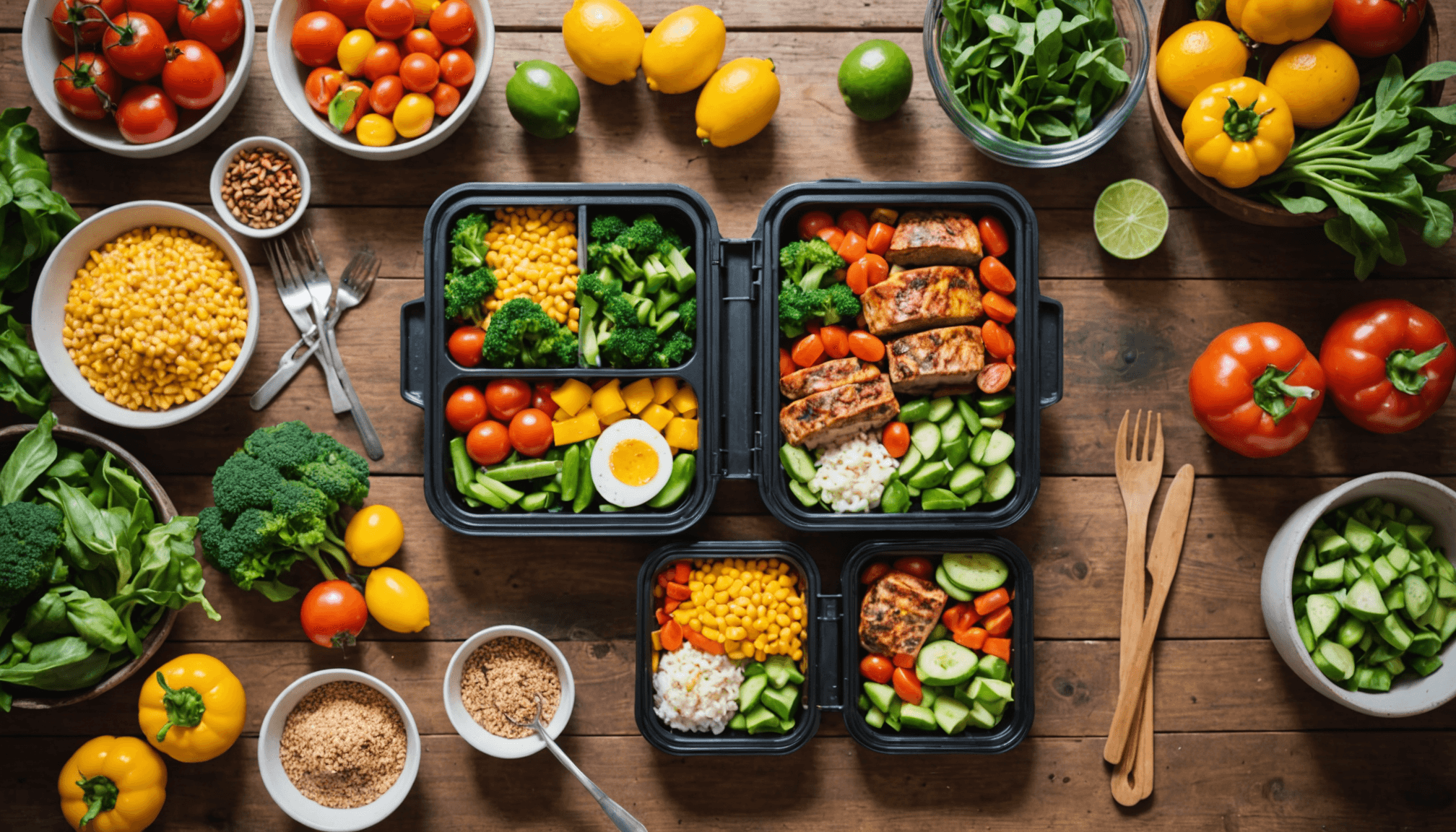
Picture this: it’s Sunday afternoon, the sun is shining just right, and you can already smell the delightful aroma of dinner simmering away in the kitchen as you prepare for the week ahead. Planning your meals is about more than just filling the fridge; it’s about creating that haven where health, flavor, and convenience come together. It’s your little ritual that makes weekdays easier and nights more enjoyable.
Start by sitting down with your favorite notebook or a colorful planner. This is your sacred space to jot down ideas, recipes, and themes for the week. Think about what ingredients you already have in your pantry, and let that inspire you. Is there a half a can of black beans waiting to be transformed into a zesty burrito bowl, or perhaps some chicken thighs that could be marinated and grilled? Getting creative with what’s on hand is not only economical, but it’s also a fantastic way to minimize waste.
Now, let’s dive into the meal ideas! Creating a weekly menu can help you visualize your meals and make grocery shopping a breeze. Aim for a balance throughout the week—maybe Mondays can be dedicated to meatless meals, while Wednesdays might feature grain bowls or hearty soups. If you have a family, involve everyone in this planning; kids can help pick out their favorite veggies or suggest a protein they’d love to see on the table.
After mapping out your main meals, think snacks! Busy professionals, college students, and sports enthusiasts often overlook this important element. Grab some yogurt and berries or make some homemade energy bites with oats and peanut butter for quick and healthy alternatives. Packing these snacks ahead can save you from those late-night cravings or post-work munchies that can lead to less healthy choices.
As you’re planning, jot down when you can dedicate time for cooking. This doesn’t have to be a marathon session! Sometimes an hour here and there can yield significant results. Maybe you’ll batch cook your proteins on one day, roast a variety of vegetables on another, and then prepare grains or legumes in between. It becomes less daunting when you break it down into manageable tasks. Plus, this strategy maximizes flavors; cooking in batches often allows for marinating or blending flavors over a few days, enhancing your meals significantly.
And don’t forget to embrace the beauty of spontaneity! If a particularly appealing recipe catches your eye on Tuesday, don’t hesitate to adjust – after all, meal prep is about making it work for you, not the other way around. Flexibility can keep things fresh and exciting, helping to maintain that vibrant array of nutrition each day.
As your week unfolds, having your meals planned will not only streamline your cooking but will also support your healthy meal prep goals. You’ll see how much easier it is to stick to those balanced meals when everything is at your fingertips, ready to dance together in a skillet or form a scrumptious bowl.
So go ahead, embrace the process of planning your meals ahead. It’s where your culinary creativity flourishes and where those busy weeknights turn into opportunities for quick, nourishing, and delicious homemade meals. Happy cooking!
Storage solutions and techniques
“Meal prep is a powerful tool for maintaining a healthy diet; it transforms the way you approach your meals.” – Nutrition Expert
To maintain the freshness and quality of your prepped meals, effective storage solutions are just as important as the meal preparation itself. Follow these steps for optimal storage techniques:
- Choose the Right Containers: Invest in high-quality, airtight containers that are microwave and dishwasher safe. Glass containers are particularly advantageous as they don’t stain or retain odors and can withstand heat. Having a set of various sizes allows for flexibility in portioning your meals.
- Label Everything: Use a marker or labeling machine to date and name your meals. This habit helps keep track of freshness and makes it easier to select meals throughout the week. Labeling also prevents any confusion, especially when multiple meals are in the fridge.
- Cool Before Storing: Allow your cooked meals to cool to room temperature before sealing them in containers. This prevents condensation, which can lead to moisture buildup and soggy meals. For soups or stews, let them cool for about 30 minutes prior to storage.
- Utilize Freezer Space: Freezing is a great way to extend the life of your meals. Portion out single servings, allowing for easy reheating. Consider using freezer-safe bags or containers specifically designed for freezing to avoid freezer burn. When freezing, be sure to squeeze out excess air from bags to prevent ice crystals.
- Store with Purpose: Organize your fridge and freezer so that the meals you plan to eat first are at the front. This strategy helps you to use meals based on their freshness and prevents any food from getting lost in the back. Place snacks or quick meals at eye level for easy access.
- Maintain a Clean Environment: Regularly clean your fridge and storage containers to prevent cross-contamination and odor transfer. A clean space not only promotes health but also enhances the longevity and quality of your food.
- Know When to Eat: Generally, cooked meals can last in the refrigerator for about 3-4 days. For extended freshness, aim to consume meals within that timeframe. For foods stored in the freezer, use them within three months for optimal taste and texture.
By employing these storage strategies, you ensure that your healthy meal prep remains effective and that your balanced meals stay delicious and nourishing throughout the week. Each step taken in the storage process reinforces your commitment to maintaining a healthy lifestyle, while also providing the convenience and enjoyment of homemade meals ready to be savored.
Incorporating variety in your meals
 Creating balanced meals that don’t feel repetitive is essential for making meal prep enjoyable and sustainable. One of the most effective approaches to incorporating variety in your meals is to explore different cuisines and cooking methods. For instance, switch from Italian to Thai by using similar ingredients but changing your spices and sauces. A base of brown rice can transform into a comforting risotto with mushrooms or a zesty coconut curry. This entrée can be the backbone of your meal plan while allowing you to play with diverse flavors and cooking techniques.
Experimenting with seasonal produce is another fantastic way to keep your meals exciting and nutrient-dense. Seasonal fruits and vegetables tend to taste better and are often less expensive, which can broaden your culinary horizons. A hearty winter stew might use root vegetables and hearty greens, while the summer months can spotlight fresh tomatoes and zucchini. Keeping a vegetable calendar handy can inspire you to try something new each week.
In addition to ingredients and flavors, consider different preparation styles—baking, grilling, steaming, and stir-frying can all yield different results and textures from the same base ingredients. For example, roasted Brussels sprouts have a crispy, caramelized finish that contrasts with steaming, which keeps them tender and moist. Mixing up techniques can satisfy your palate and keep your meal prep interesting.
Don’t overlook the power of herbs and spices. They can transform any dish from bland to spectacular. Experiment with fresh herbs like basil, cilantro, or parsley to finish off a dish, or try a range of spices such as cumin, smoked paprika, or turmeric to add warmth and character. Not only do these add flavor, but many herbs and spices are packed with antioxidants and other health benefits, enhancing the nutritional value of your meals.
Lastly, introducing theme nights can be an effective way to create structure while allowing creativity. For instance, dedicate Mondays to “Meatless Mondays” where you explore various vegetarian recipes. Taco Tuesdays can allow for various fillings and toppings, keeping meals fun but still coherent. This themed structure invites excitement into weeknight cooking and helps develop anticipation for your prepped meals.
With these strategies in mind, meal prep doesn’t need to be monotonous, and it can actively contribute to a well-rounded, flavorful diet. Challenge yourself to think outside the box and be creative with your meals. Your nutritional journey can be a delicious adventure each and every week!
- What is meal prep?
- Meal prep is the practice of preparing meals in advance to save time, reduce stress, and promote healthier eating habits. It typically involves cooking and portioning out meals or their ingredients to make weekday cooking more convenient.
- How can I make meal prep more exciting?
- To make meal prep more exciting, incorporate a variety of cuisines, seasonal produce, and different cooking techniques. Exploring new recipes and using fresh herbs and spices can also keep your meals interesting and flavorful.
- What are balanced meals?
- Balanced meals include a source of protein, whole grains, healthy fats, and a variety of fruits and vegetables. They provide essential nutrients, support overall health, and help keep you satisfied throughout the day.
- How long can I store prepped meals in the fridge?
- Cooked meals can typically be stored in the refrigerator for about 3-4 days. It is essential to label your meals with dates to ensure they are consumed within this timeframe for optimal freshness and safety.
- Can I freeze my prepped meals?
- Yes, freezing is an excellent way to extend the shelf life of your prepped meals. Just make sure to use freezer-safe containers, label them, and consume them within three months for the best taste and quality.
- What are some healthy meal prep ingredients to consider?
- Focus on whole, minimally processed foods such as whole grains (like brown rice and quinoa), lean proteins (like chicken, beans, and tofu), and plenty of colorful fruits and vegetables. Incorporating healthy fats like nuts, seeds, and avocados is also beneficial.
- How do I manage portion sizes during meal prep?
- To manage portion sizes, consider using measuring cups or a kitchen scale when dividing meals into containers. This will help you control calorie intake and ensure that you’re meeting your nutrition goals without overeating.

Leave a Reply