

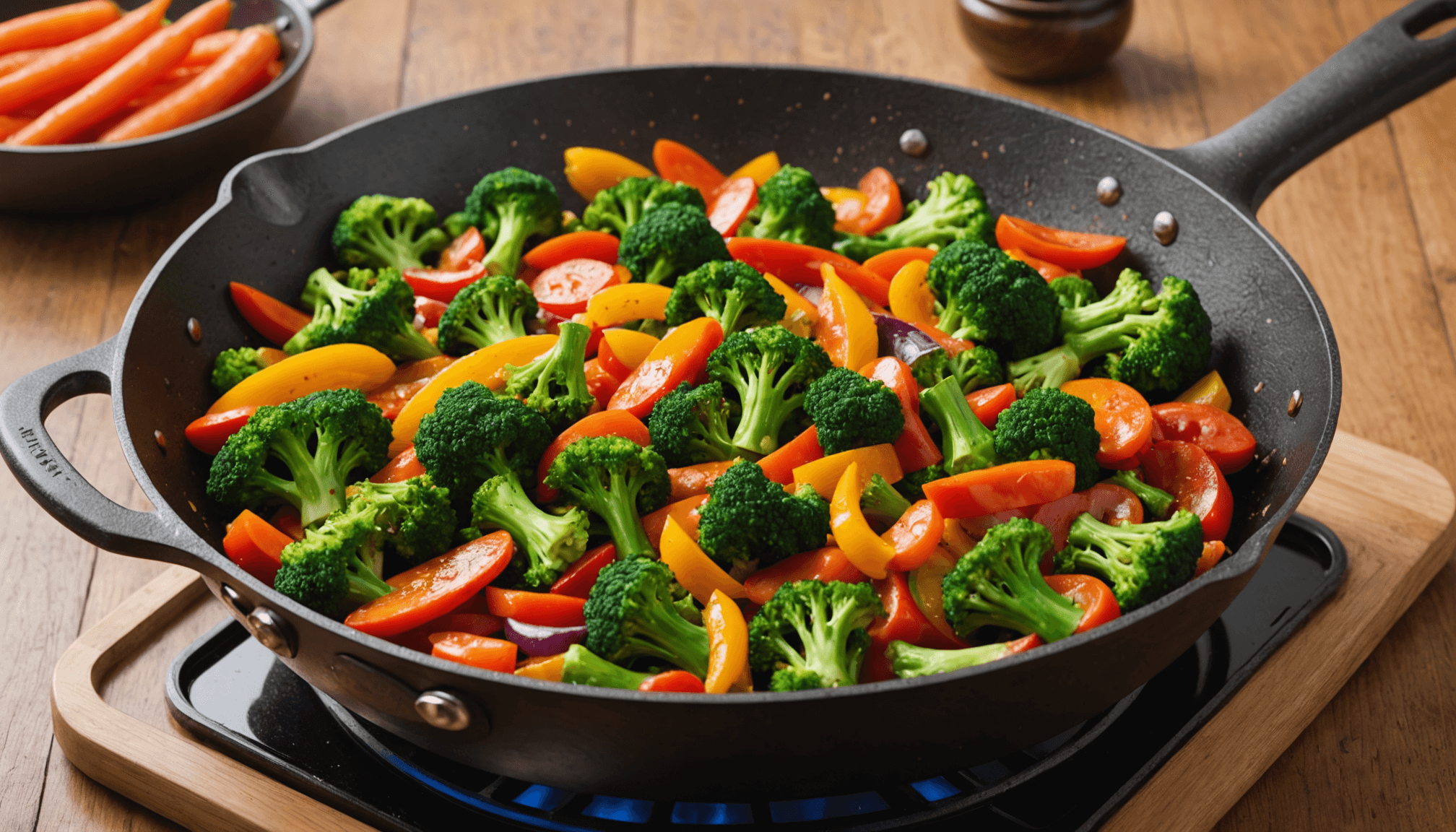
- Healthy meal prep basics
- Choosing nutrient-dense ingredients
- Time-saving cooking techniques
- Family-friendly meal planning
- Tips for involving kids in meal prep
When embarking on the journey of healthy meal prep, it’s essential to equip yourself with the right mindset and skills. Meal prepping isn’t just about cooking; it’s about creating a sustainable routine that promotes health and happiness for your family. Start by setting aside dedicated time each week—perhaps Sunday evening—to plan your meals and prepare ingredients. This small commitment goes a long way in ensuring that your family has access to balanced meals throughout the week.
One of the most critical aspects of meal prep is organization. Consider utilizing clear containers that stack neatly in your fridge. Labeling these containers with the contents and the date prepared can save you time and eliminate guesswork during busy weeknights. Think of containers as your friendly soldiers ready to serve up those healthy family meals when you need them most.
Next, focus on variety when planning your meals. No one wants to eat the same thing every day! Combine different proteins, vegetables, and grains to create colorful, exciting plates. For instance, you could prepare grilled chicken, quinoa, and roasted broccoli one week and the following week switch it up with baked salmon, brown rice, and stir-fried bell peppers. This way, the family stays engaged with what’s for dinner, and you can avoid the dreaded “What’s for dinner?” question altogether.
Also, don’t underestimate the power of spice and herbs. Just a sprinkle of your favorite seasonings can transform a basic dish into a flavor-packed sensation. Think garlic powder, paprika, or Italian herbs to enhance your healthy meal prep. You might even find that your kids enjoy these flavors, helping you create those much-coveted kid-friendly recipes.
Finally, keep in mind that meal prep can also be a great opportunity to cut down on food waste. Use whatever you have in your pantry or fridge. Leftover vegetables can be roasted together or tossed into soups, ensuring you make the most out of your ingredients while keeping meal prep budget-friendly.
By staying organized, embracing variety, enhancing flavors, and minimizing waste, you can turn healthy meal prep into a Saturday or Sunday ritual that transforms hectic weekdays into calm, nourishing family dining experiences. Plus, with just a little planning, you’ll find your weeknights are filled with meals that not only nourish your bodies but also bring everyone together around the table.
Choosing nutrient-dense ingredients
When it comes to selecting nutrient-dense ingredients, it’s vital to focus on whole foods that provide maximum nutrition for your family’s meals. Nutrient-dense foods are those that deliver a high amount of vitamins and minerals relative to their calorie content. For families, this means incorporating a variety of fruits, vegetables, lean proteins, whole grains, and healthy fats into your meal prep.
Research conducted by the Centers for Disease Control and Prevention (CDC) found that only one in ten Americans meets the recommended intake for fruits and vegetables, which significantly impacts overall health. By aiming for a colorful array of produce, you can ensure that your meals are not just healthy but also visually appealing to your children. Consider dark leafy greens like spinach and kale, which are packed with vitamins A, C, and K, along with minerals such as iron and calcium. These can easily be added to smoothies, salads, or as side dishes to enhance the nutritional profile of your family meals.
In addition to vegetables, don’t overlook the importance of proteins. Lean meats, fish, beans, and legumes are excellent sources of protein that help support muscle growth and repair. For instance, studies have shown that including fatty fish, such as salmon, in your diet can dramatically increase omega-3 fatty acid levels, which are beneficial for heart health. Opting for low-fat dairy options or fortified plant-based alternatives can also provide essential calcium and vitamin D, critical for growing kids.
Whole grains should be a staple in your meal prep as well. Foods like brown rice, quinoa, and whole grain pasta not only offer more fiber but are also more satisfying than their refined counterparts. This helps to keep your family full longer, reducing the likelihood of unhealthy snacking throughout the day. According to the Whole Grains Council, incorporating just one serving of whole grains a day can significantly lower the risk of heart disease.
Healthy fats are another critical component of a nutrient-dense diet. Foods rich in monounsaturated fats, such as avocados, nuts, and olive oil, support brain health and can also help in the absorption of fat-soluble vitamins. Including these fats in kid-friendly recipes or drizzling them over salads can make the meals both delicious and nourishing.
When planning your meals, consider creating a shopping list focused on these nutrient-dense foods. Research shows that families who plan their meals and shop with a list tend to eat healthier overall. This approach not only helps in maintaining a nutritious diet but also makes grocery shopping more efficient and cost-effective.
Emphasizing nutrient-dense ingredients in your meal prep ensures that every bite is packed with the vitamins, minerals, and energy your family needs to thrive. By making conscientious choices around these foods, you’re laying the foundation for a healthy lifestyle that can benefit everyone at the dinner table.
Time-saving cooking techniques
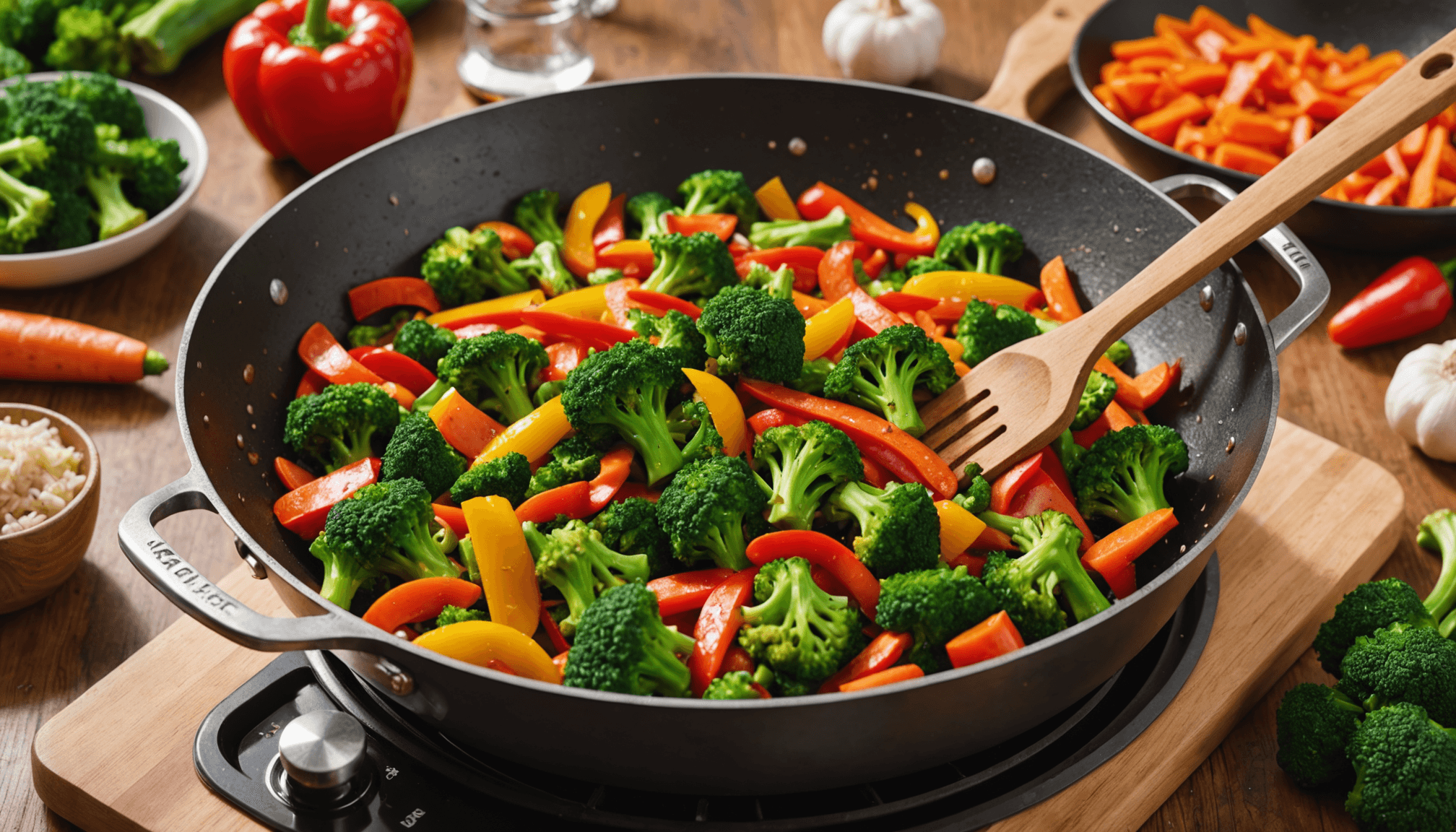
When it comes to saving time in the kitchen, the right techniques can make all the difference in getting those nutritious family meals on the table without the stress. One of the first strategies to consider is batch cooking. This involves preparing larger quantities of food at once, which can then be portioned out for multiple meals. For instance, roasting a big tray of vegetables or grilling a pack of chicken breasts can yield enough for several days, giving you quick options that are ready to go. Just think of it as laying the groundwork for your healthy meal prep—one epic cook session can set you up for the week!
Utilize your freezer as a best friend in this whirlwind culinary adventure. Many foods freeze beautifully, helping to retain nutrients while providing convenience. You can pre-chop vegetables and store them in freezer bags or portion out cooked grains like quinoa and brown rice to keep them handy. A quick tip? Ice cube trays can be a game-changer for storing sauces and herbs in single servings! Just pop them into your dishes as needed, and voilà, another layer of flavor with zero hassle.
Another method to shave valuable minutes off your cooking time is using one-pan or one-pot recipes. Not only do these minimize clean-up, but they also allow flavors to meld beautifully. Think hearty vegetable stir-fries or sheet-pan dinners where everything roasts together. You can toss in your selected proteins, throw in seasonal veggies, maybe drizzle with some olive oil, sprinkle herbs and spices, and let the oven do the work while you focus on other tasks. Practical, efficient, and utterly delicious—how’s that for a winning combo?
Don’t shy away from using small kitchen appliances, such as pressure cookers, slow cookers, or air fryers. These appliances can dramatically reduce cooking times and often yield flavorful results. A pressure cooker can turn dry beans into tender succulent morsels in a matter of minutes, which provides a perfect protein for those family meals. Similarly, a slow cooker allows for meal prep that practically cooks itself while you’re busy attending to the kids or running errands. Toss in your ingredients, set the timer, and before you know it, you’ve got a home-cooked dinner awaiting you.
Lastly, embrace the power of organizing and planning your cooking layout. Keeping your workspace tidy and setting out your ingredients and tools before you start can help streamline the entire process. Think of it as getting into the zone, eliminating any distractions. A well-structured approach not only makes cooking quicker but enhances safety since you’ll be less likely to trip over that rogue bag of flour on the floor!
With these time-saving cooking techniques, you can transform your kitchen into a place of efficiency and creativity. Before long, you’ll be dishing out healthy meals that not only nourish but also bring joy to your family. So roll up your sleeves, put on that apron, and let’s turn the cooking chaos into a well-oiled machine!
Family-friendly meal planning
“Good food is the foundation of genuine happiness.” – Auguste Escoffier
To create family-friendly meal plans that cater to the tastes and preferences of everyone, it’s essential to consider the following steps:
- Involve the Family in Planning: Schedule a family meeting or create a fun survey to gather input on meal preferences. Ask family members to suggest their favorite meals or new dishes they’d like to try. This inclusivity can make them more excited about the meals you’re prepping.
- Choose Themes for Each Day: Assign a theme to each night of the week to streamline your planning. For example, you might have Meatless Mondays, Taco Tuesdays, or Soup Sundays. This structure makes it easier to brainstorm meal ideas while adding variety to your week.
- Balance Nutrients: Aim for a balance of proteins, carbohydrates, fruits, and vegetables in every meal. For instance, if you’re planning a pasta dish, consider adding grilled chicken or beans for protein, spinach or broccoli for vegetables, and whole grain pasta as a nutritious carb source. This approach ensures that your family enjoys both flavor and health benefits in every bite.
- Prep Versatile Ingredients: Select ingredients that can work across multiple dishes to maximize their use. For example, roasted sweet potatoes can be added to salads, served with grilled meats, or mashed as a side dish. This flexibility not only minimizes waste but creates exciting variations that keep mealtime interesting.
- Utilize Leftovers Creatively: Plan for leftovers by intentionally cooking extra portions. Leftover grilled chicken can be transformed into stir-fries, salads, or wraps the next day. This strategy ensures that your family enjoys fresh meals while streamlining your prep time.
- Incorporate Fun Kid-Friendly Recipes: Focus on meals that can be easily customized by kids, such as tacos or DIY pizzas. Set up a toppings bar with various options so everyone can build their meal according to their tastes. This interactive experience not only encourages your kids to eat but also allows them to engage in the cooking process.
- Make it Colorful: Encourage the incorporation of a variety of colorful fruits and vegetables in your meals. A visually appealing plate is often more enticing, and the diversity in colors usually translates to a wider range of nutrients. Think green spinach, red tomatoes, purple cabbage, and yellow corn—each color offers unique health benefits.
- Create a Weekly Menu: Once you gather input and ideas, draft a weekly menu. Writing out your meals gives you a clear overview, making grocery shopping simpler and reducing the likelihood of last-minute unhealthy choices. Display the menu on the fridge so everyone knows what’s coming for dinner.
- Plan for Snacks: Don’t forget about between-meal snacks. Healthy snack options such as cut fruits, yogurt, or homemade trail mix can help maintain energy levels and curb hunger without resorting to less healthy options.
Implementing these steps enhances not just the organization of your meal planning but also the positivity around mealtimes. Family meals become opportunities for bonding, enjoyment, and education about healthy eating, which sets the stage for a lifetime of nutritious habits.
Tips for involving kids in meal prep
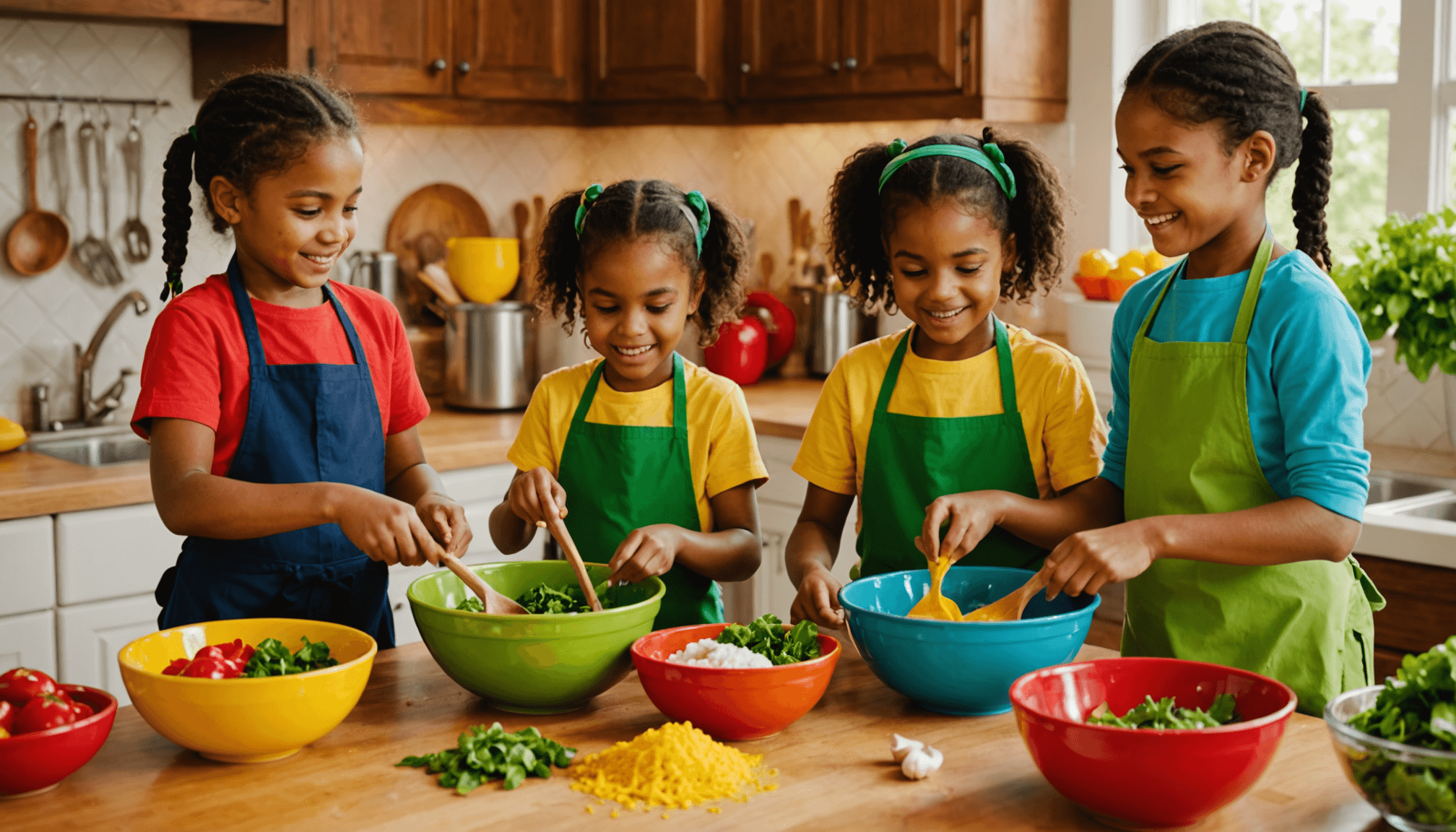 Involving your kids in meal prep is not only a great way to teach them valuable cooking skills, but it also fosters a sense of responsibility and ownership over their meals. Start by assigning age-appropriate tasks to your children, ensuring that they feel like integral members of the family cooking team. Younger kids can help with washing fruits and vegetables, stirring ingredients, or arranging items on plates, while older children can take on more complex assignments like chopping vegetables (with supervision) or measuring ingredients. This not only prepares them for future independence in the kitchen but also helps instill a lifelong appreciation for healthy eating.
Encourage creativity by letting your kids pick out a new recipe to try each week. Explore different cuisines together to make meal prep a fun adventure, sparking their curiosity about flavors and ingredients. For instance, they might enjoy making homemade tacos, allowing them to choose their toppings and learn about the health benefits of adding various vegetables. This engagement can lead to greater interest in trying new foods and flavors, making the mealtime experience something they look forward to rather than resist.
Remember, creating a positive atmosphere is key. Use this time to talk and bond with your children, discussing nutrition and meal choices as you cook. Play music, share stories, and celebrate the small achievements, whether it’s successfully roasting vegetables or constructing the ultimate pizza. Highlight the joy that comes from cooking together, reinforcing that healthy meal prep can be a source of happiness and bonding for the entire family.
Additionally, don’t overlook the value of meal design in encouraging kids to eat healthier. Provide colorful, kid-friendly dishes and emphasize the power of presenting meals in an appealing way. Playful plating can transform an ordinary meal into something extraordinary. Let your children add playful garnishes or arrange their food into fun shapes; these thoughtful touches can make a significant difference in their willingness to eat healthily.
Engaging kids in meal prep can nurture their enthusiasm for healthy eating while relieving some of the burdensome nature of cooking for a family. It combines education and practical life skills, setting the groundwork for a future of nutritious choices, not just for them, but for the entire family.
- How can I get my kids interested in cooking?
- Start by involving them in the meal preparation process. Allow them to choose recipes, handle simple tasks, and express their creativity with the dishes. Making the experience enjoyable and educational can spark their interest in cooking.
- What are some kid-friendly meals I can prepare together?
- Tacos, homemade pizza, smoothie bowls, and stir-fries are excellent choices! They allow for customization, inviting kids to choose their toppings or mix-ins, making them more excited to participate in cooking.
- How do I teach my kids about nutrition while cooking?
- Discuss the nutritional benefits of various ingredients as you cook. Use the opportunity to explain how different foods contribute to health, energy, and growth. Engage them by asking questions about their favorite healthy foods.
- What age should I start involving my kids in meal prep?
- You can start as early as age two with simple tasks like washing vegetables. As they grow older, gradually introduce more complex activities, allowing for increased responsibility and skill development.
- How can I ensure kids are safe while cooking?
- Always supervise your children in the kitchen, especially when using knives or hot appliances. Teach them about kitchen safety, such as how to handle ingredients properly and the importance of cleaning up spills immediately.
- What are some strategies to manage picky eaters during meal prep?
- Involve them in the cooking process by allowing them to choose between various fruits and vegetables. Making meals customizable, such as build-your-own burritos or pizzas, can encourage them to try new things without feeling pressured.
- Can cooking together actually strengthen family bonds?
- Absolutely! Cooking together creates a relaxed environment for communication, fostering connection and teamwork. It allows families to build memories, learn about each other’s preferences, and enjoy a shared sense of accomplishment.

Leave a Reply