
- Effective meal planning strategies
- Budget-friendly grocery shopping tips
- Quick and easy recipes for busy days
- Storage and reheating techniques
- Maintaining a balanced diet on a budget
Meal planning can be a game changer, especially when you’re balancing classes, work, and a social life. The first step is to think about what your week ahead looks like. Grab a pen and paper or open your favorite app; making a weekly menu can simplify your cooking and help you stick to your budget. Start by plotting out your meals for the week, considering what you already have in your pantry. Use this as an opportunity to chalk out healthy meal prep ideas that fit into your hectic schedule.
Next, consider your go-to recipes. Think about meals that are versatile. For instance, roasted chicken can be made on Sunday and used in salads, wraps, or even leftover stir-fries later in the week. If you lean toward vegetarian options, a big pot of chili or soup can serve you for days, and they taste even better after a night in the fridge! By planning nifty combinations, you can cut down on cooking time while enjoying different flavors throughout the week.
Don’t forget to include some easy breakfast ideas in your planning, too! Overnight oats or a breakfast burrito that you can pop in the microwave are perfect for those rushed mornings. They’ll save you time and get your day started on the right foot.
And here’s a little trick: always write down your grocery list based on your meal plan. Stick to the list—this not only helps you save money by reducing impulse purchases but also ensures you have everything you need for your meals. If you can, explore shopping for seasonal produce. Not only is it often cheaper, but it can also add a touch of freshness to your budget meals.
Finally, consider having a few “emergency meals” in the back of the freezer. These can be healthy, quick, and easy meals that come in handy for those particularly chaotic days when cooking just isn’t in the cards. Think frozen veggie stir-fry or a smoothie pack ready to blend. These little nuggets of prepped goodness can come to your rescue when you need them most!
Effective meal planning truly enables you to enjoy delicious home-cooked meals without the stress, making it a smart strategy for busy students and anyone looking to stay on top of their health without breaking the bank!
Budget-friendly grocery shopping tips
To maximize your budget when grocery shopping, begin with a well-constructed list derived from your meal plan. This prevents impulse buys that can easily derail your financial strategy. It’s also wise to follow a rule of thumb: aim to spend no more than 10% of your income on groceries. According to recent studies, average college students spend around $300 a month on food, which emphasizes the importance of budget-friendly strategies.
Prioritize shopping at discount grocery stores or local markets. These places often offer significantly lower prices on fresh produce and staple items compared to larger chains. Research shows that buying from farmers’ markets can reduce costs, especially for seasonal fruits and vegetables (source: USDA), making them an excellent option for students looking to eat healthily without the substantial price tag.
Buying generic or store-brand products is another effective way to save. These items often have the same quality as name brands but are priced more competitively. Additionally, consider purchasing items in bulk. Things like grains, pasta, and canned goods can often be found in larger packs at a lower cost per serving. Just be sure to split bulk purchases with roommates or friends if possible, ensuring that nothing goes to waste.
Don’t shy away from freezer-friendly ingredients. Items like frozen fruits and vegetables are often cheaper and just as nutritious as their fresh counterparts. They can be easily incorporated into smoothies, stir-fries, and stews, enhancing not just flavor but also the nutritional profile of your meals while keeping costs low. According to a study published in Foods journal, frozen produce retains its nutrients effectively, making it an excellent option for busy students who want to maintain healthy meal prep habits.
Another savvy shopping tip is to always check for sales and use coupons. Many grocery stores have apps that allow you to digitally clip coupons, further enhancing your savings. Websites like Coupons.com and Ibotta can help you find deals on products you plan to purchase regularly.
Finally, consider meal prepping not just for cooking efficiency, but also for reducing food waste. Studies suggest that up to 40% of food produced in the U.S. is wasted, which translates into lost money for consumers. By strategically planning your meals and using all the ingredients you buy, you not only save cash but contribute to a more sustainable food system.
Incorporating these grocery shopping techniques will empower you to enjoy nutritious and budget-friendly meals throughout your busy student life, helping you to make the most of your grocery budget while ensuring you stay healthy and satisfied.
Quick and easy recipes for busy days
When you’re juggling classes, assignments, and maybe even a part-time job, whipping up a nourishing meal on busy days can seem like a daunting task. With a few go-to quick and easy recipes, you can embrace the power of healthy meal prep while keeping things delicious and straightforward. Here are some crowd-pleasing ideas that won’t take up all your time but will definitely satisfy your cravings.
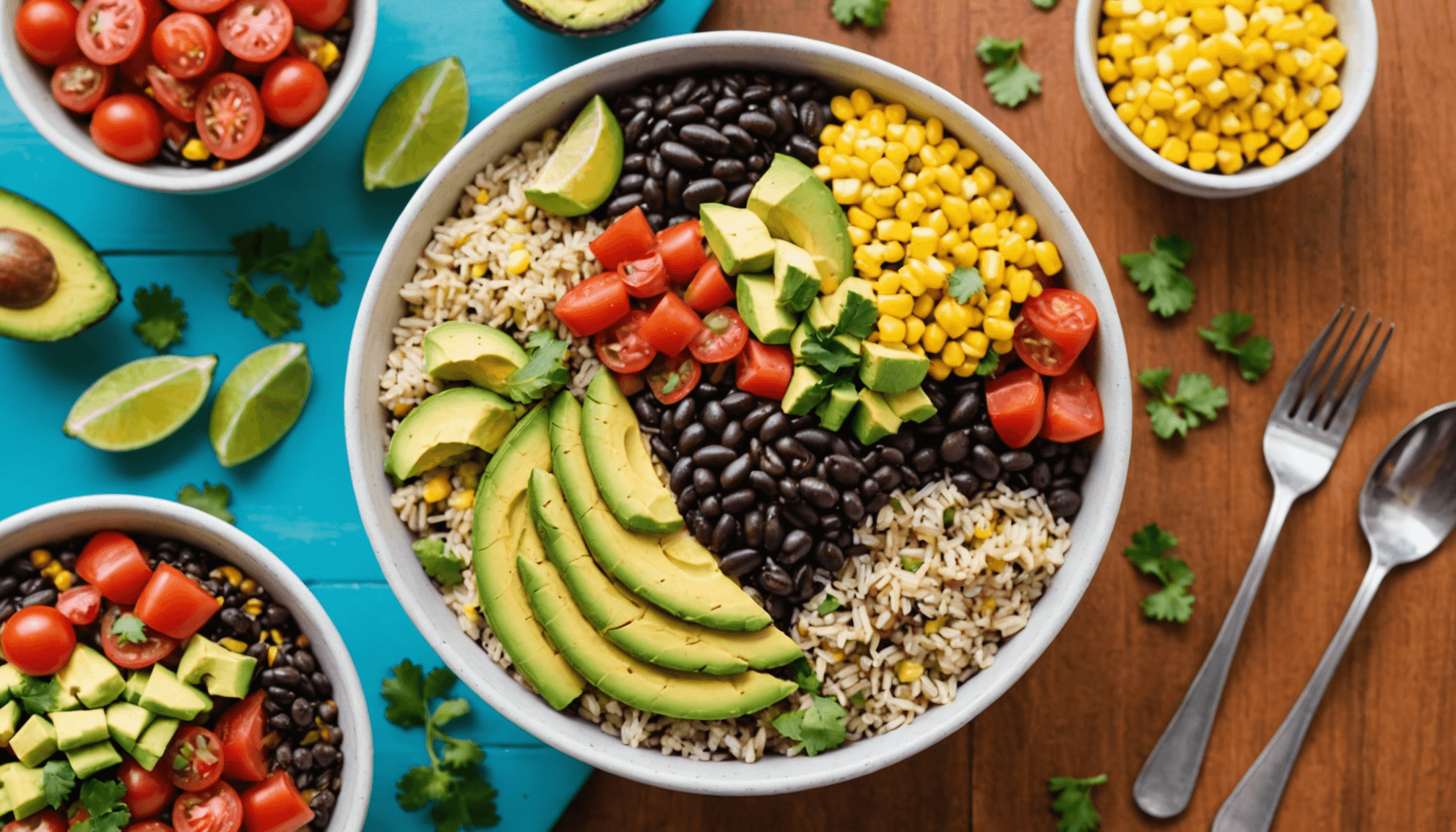
Start your week strong with a hearty and versatile burrito bowl. All you need is some cooked brown rice or quinoa as your base. Toss in some canned black beans, corn, and diced tomatoes. For added flavor, sprinkle in some taco seasoning or salsa. You can throw this together in just minutes, and here’s the beauty of it: customize it! Add grilled chicken, sautéed bell peppers, or even avocado. Prepare individual portions in Tupperware to grab on your way out the door. It’s a fantastic option for lunch or dinner that keeps well in the fridge.
If you’re looking for something a bit quicker, a vegetable stir-fry is your friend. Grab whatever veggies are on sale—think bell peppers, broccoli, or snap peas—and sauté them in a splash of soy sauce and garlic. You can throw this over a bed of quick-cooking rice noodles or even serve it atop steamed rice for a delightful meal that comes together in under 20 minutes. For students and busy professionals alike, getting a bag of frozen stir-fry veggies can be a lifesaver, ensuring you always have healthy options on hand without the prep time.
For breakfast or a quick snack, look no further than the classic overnight oats. In a mason jar or container, combine rolled oats, your choice of milk—dairy or plant-based, yogurt, and a sweetener of your choice. Toss in some fresh fruits, nuts, or a dollop of peanut butter for added flavor and protein. Let them sit in the fridge overnight, and you’ll have a filling and nutritious breakfast ready to grab in the morning. It’s an easy and economical way to enjoy healthy meals that will keep you energized throughout the day.
Another excellent option for a busy day is a sheet pan meal. Simply take your favorite protein—chicken, fish, or even tofu—and pair it with an assortment of colorful veggies like zucchini, carrots, and potatoes. Drizzle with olive oil, season with your favorite herbs, and roast in the oven for about 30-40 minutes. The beauty of this method is that you can prepare your meal in advance, and cleanup is a breeze. Plus, you’ll have yummy leftovers for lunch the next day!
Lastly, don’t overlook the power of soup. Soups and stews can be incredibly satisfying and can last for days in your fridge or even longer in the freezer. A simple vegetable soup can be made by simmering assorted vegetables, vegetable broth, and beans for protein. You can also throw in some pasta or rice. Not only is this a budget-friendly meal, but it’s also a great way to use up any leftover veggies before they go bad, making it perfect for your student budget.
Each of these recipes has the flexibility to adapt to whatever you have on hand, which is a huge bonus when you’re in a pinch. Embracing quick and easy meal prep recipes will not only save you time but also keep you feeling nourished and satisfied throughout your busy day. You’ll find that with a little planning, eating well doesn’t have to be a chore!
Storage and reheating techniques
“Proper food storage keeps meals fresher and saves time and money.”
Maintaining proper food storage and reheating techniques is essential for busy students who want to maximize their meal prep efforts while minimizing waste. Here’s how to ensure your meals stay fresh and ready to eat throughout the week.
- Invest in Quality Storage Containers: Start by selecting airtight containers that are microwave-safe. Look for glass or BPA-free plastic containers in various sizes to accommodate different meal portions. Glass containers are especially beneficial as they can go from freezer to oven without warping.
- Portion Out Your Meals: After cooking, divide your meals into individual portions. This not only makes it easy to grab a meal on the go but also helps with proper cooling and reheating. Aim for serving sizes that align with your dietary needs, ensuring balanced meals whenever you’re ready to eat.
- Label and Date Your Containers: Use masking tape or labels to write the meal name and date on each container. This step helps track freshness and prevents you from forgetting about meals lingering in the fridge. Ideally, consume meals within three to four days of prepping to ensure optimal taste and safety.
- Store Wisely in the Fridge or Freezer: Keep your fridge organized to easily spot meals ready to be consumed. Store cooked meals on the middle shelves, where temperatures remain consistent. For meals intended for later use, place them in the freezer immediately after they have cooled. This method locks in freshness and allows you to enjoy budget meals whenever you need them.
- Master Reheating Techniques: When you are ready to eat, reheating your meals correctly is crucial. For most stove-top dishes, place them in a saucepan over medium heat while stirring occasionally until warmed through. If using the microwave, use a microwave-safe lid or cover to trap steam and ensure even heating. Heat in short intervals, approximately 2 minutes, stirring in between to ensure a thorough warm-up.
- Watch Out for Food Safety: Always be aware of food safety guidelines when reheating meals. The USDA states that leftovers should be heated to an internal temperature of 165°F to ensure they’re safe to consume. Investing in a food thermometer can be a good idea for busy students who want to stay healthy.
- Utilize Freezer Meals: For those chaotic weeks, consider prepping freezer-friendly meals ahead of time. Dishes like chili, stews, or casseroles freeze well. To reheat, simply move them from the freezer to the fridge the night before and heat them on the stove or in the oven when you’re ready to enjoy. This technique not only saves time but also makes sure you have nutritious meals available at your fingertips.
By following these tips for storage and reheating techniques, you will be able to keep your healthy meal prep efforts efficient and effective while ensuring that your meals remain tasty and satisfying. With proper organization, you can effortlessly manage your meal timing and enjoy great budget meals thoughtlessly throughout your busy student life.
Maintaining a balanced diet on a budget
 Maintaining a balanced diet on a budget can seem challenging, but with intentional choices and a little creativity, students can enjoy nutritious meals without overspending. A healthy meal prep strategy involves focusing on whole foods that are both filling and budget-friendly. Incorporating a mix of fruits, vegetables, whole grains, and proteins ensures not just satiety but also energy for those long days filled with classes and study sessions.
Start by incorporating a variety of colorful fruits and vegetables into your meals. These not only provide essential vitamins and minerals but also enhance the visual appeal of your dishes, making them more enjoyable to eat. Consider shopping for seasonal produce as it tends to be more affordable, fresher, and tastier. For example, apples and squash can be great fall staples that can fit seamlessly into your meals and snacks.
Grains should also play a significant role in your diet. Opt for whole grains like brown rice, quinoa, or whole wheat pasta which not only offer more nutrients compared to their refined counterparts but also keep you fuller for longer. A well-balanced plate should consist of half plant-based foods—fruits and vegetables—one-quarter lean protein like beans, chicken, or tofu, and one-quarter grains. This structure keeps meals balanced and helps you to avoid overspending on processed or less nutritious food.
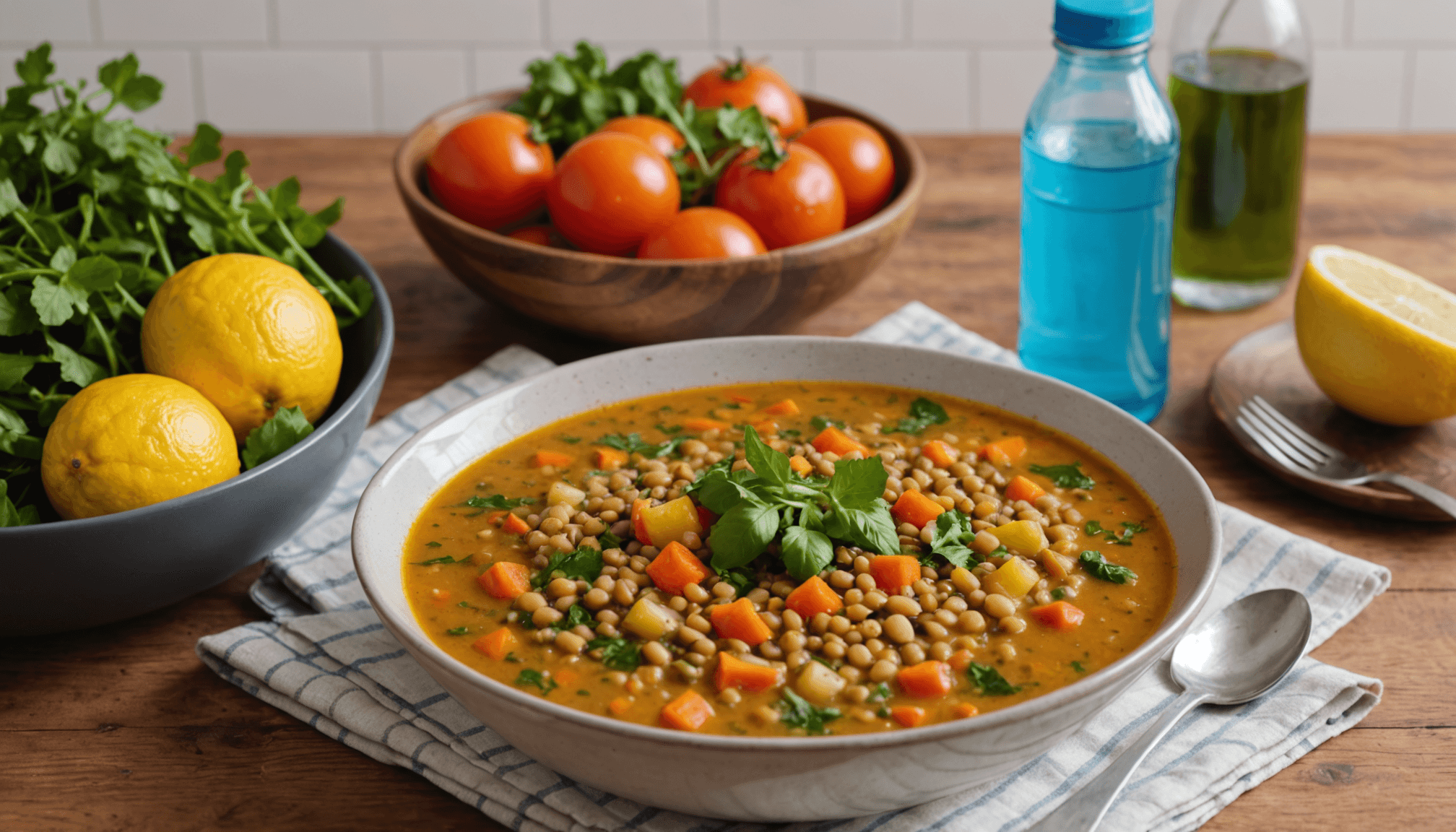
Another essential aspect of maintaining a balanced diet is protein. For those on a student budget, beans, lentils, and eggs can be excellent sources of protein that are often more affordable compared to meat. For example, a large batch of lentil soup can provide numerous meals for a fraction of the cost and is easy to prepare in advance. Adding a handful of nuts or seeds to salads or yogurt can also provide protein and healthy fats, enhancing satisfaction and nutrition.
Don’t overlook the importance of hydration in your dietary regimen. Water is not only the best choice for hydration, but also budget-friendly. Embrace it fully, carrying a refillable water bottle to classes to discourage purchases of sugary drinks which can hurt your wallet and your diet. If you want a bit of flavor, infuse your water with slices of citrus or berries for a refreshing twist.
Lastly, consider planning one or two vegetarian meals each week. These can be cost-effective and packed with nutrition while providing a break from more expensive proteins. Stir-fries, grain bowls, and veggie-packed pasta dishes can be hearty without stretching your budget. Experimenting with plant-forward meals could spark your culinary creativity and enhance your health without burdening your finances.
With these methods, students can sustain a balanced diet, replete with the essential nutrients needed to navigate the demands of academic life, all while keeping a close eye on their budgets. Let this be a reminder of your power to forge habits that promote both health and financial well-being.
- How can I maintain a balanced diet as a busy student?
- Focus on meal prepping with whole foods that include a variety of fruits, vegetables, whole grains, and lean proteins. Planning meals in advance ensures you have nutritious options available throughout the week, making it easier to eat healthy, even on a busy schedule.
- What are some budget-friendly sources of protein?
- Beans, lentils, eggs, and tofu are all affordable protein sources that can be incorporated into various meals. They are versatile and can help you create satisfying and nutritious dishes without breaking the bank.
- How can I save money on groceries as a student?
- Make a grocery list based on your meal plan and stick to it to avoid impulse buys. Shopping at discount grocery stores or local farmers’ markets can also help you find seasonal produce at lower prices.
- What are some easy recipes for maintaining a balanced diet?
- Try making a vegetable stir-fry, burrito bowl, or lentil soup. These recipes are not only easy to prepare but also packed with nutrients, offering flavor and satisfaction without being time-consuming.
- Is it necessary to include meat in my diet?
- No, it’s completely possible to maintain a balanced diet without meat. Incorporating plant-based proteins, like beans, lentils, and quinoa, will provide sufficient nutrition while keeping costs down and supporting a healthy lifestyle.
- How can I incorporate more fruits and vegetables into my meals?
- Focus on meal prepping colorful and diverse fruits and veggies. Add them to meals like salads, stir-fries, or smoothies to enhance flavor and nutrition while boosting meal variety and excitement.
- What are some tips for tracking food safety with leftovers?
- Always label and date your leftovers to keep track of freshness. The USDA recommends consuming refrigerated leftovers within three to four days and reheating them to an internal temperature of 165°F to ensure safety.

Leave a Reply