
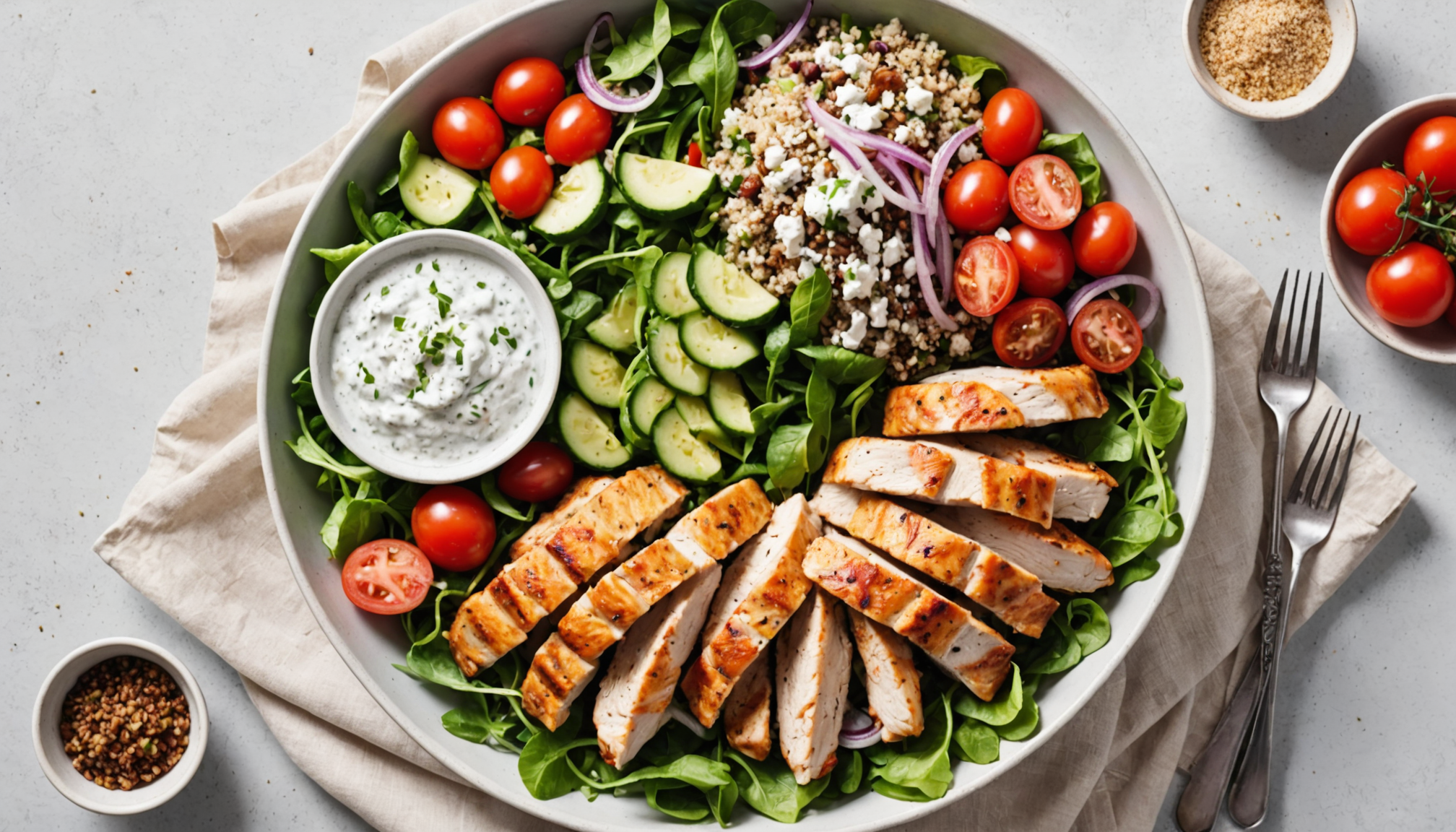
- Smart strategies for building a weight-loss plate
- Quick under-30-minute dinners
- High-protein meals to keep you full
- Low-carb and veggie-packed recipes
- Make-ahead dinners for busy nights
Let’s make this simple. Building a “weight-loss plate” isn’t about perfection or eating like a rabbit. It’s about putting together satisfying, real-food meals that you can make on a Tuesday night after a long day, that still move you toward your goals. Think of it as a loose formula you can mix and match with whatever you have in the fridge. Once you get the hang of it, you can pull together easy healthy dinner ideas almost on autopilot.
To start, I like to think in terms of four pieces: protein, fiber-rich carbs, colorful veggies, and a little healthy fat. When all four show up on your plate, you’re much more likely to feel full and steady instead of starving an hour later and standing in front of the pantry. Research backs this up: higher protein and fiber intakes are consistently linked with better appetite control and weight management over time [1][2]. So we’re not chasing tiny portions here; we’re chasing the right balance.
Here’s a super simple way to picture it. If you glance down at your plate, roughly:
- About half the plate is non-starchy veggies (think broccoli, peppers, zucchini, salad greens, cauliflower, mushrooms).
- About a quarter is lean protein (chicken, fish, tofu, beans, Greek yogurt sauces, eggs).
- About a quarter is fiber-rich carbs (sweet potato, quinoa, brown rice, whole-wheat pasta, beans, lentils, corn).
- Then you add a thumb or two of healthy fat (olive oil drizzle, avocado slices, nuts, seeds, pesto).
Does it need to be exact? Absolutely not. This isn’t a math test; it’s dinner. But keeping those proportions in mind helps turn regular meals into gentle weight loss meals without counting every calorie.
Let’s walk through how this looks in real life when you’re tired, hungry, and tempted to order takeout.
Start with the protein. This is your anchor. Protein keeps you full, helps your muscles recover (hello, athletes and gym lovers), and helps reduce cravings later in the evening [1]. For busy families and professionals, I love having one or two proteins prepped for the week so you can just reheat and build around them:
- Rotisserie chicken (store-bought is totally fine): shred it and you’re halfway to dinner.
- Lean ground turkey or beef cooked with onions and spices: tuck it into taco bowls, stuffed peppers, or over salad.
- Tofu or tempeh baked with soy sauce, garlic, and a bit of honey: great over rice or cauliflower rice.
- Canned beans (black beans, chickpeas, lentils): rinse and toss into sautéed veggies or grain bowls.
Next, bring in the vegetables, and don’t be shy with them. Non-starchy veggies are the quiet heroes of low calorie dinners; they give you volume, fiber, and nutrients for very few calories [3]. That means you can fill your plate, feel like you’ve had a generous meal, and still support your weight goals. If you’re a college student with no time or you’re cooking for kids who “don’t like vegetables,” lean hard on convenience options:
- Frozen mixed veggies you can microwave in 5 minutes.
- Pre-washed salad mixes you can dump into a bowl.
- Baby carrots, snap peas, cherry tomatoes—no chopping, just rinse and eat.
- Pre-cut stir-fry mixes from the produce section.
For every dinner, ask yourself: “Where’s my half a plate of plants?” It could be roasted broccoli and carrots beside salmon, a massive taco salad under your ground turkey, or a big pile of sautéed zucchini under your stir-fry. When veggies are seasoned well and cooked with a little olive oil, they feel like part of dinner, not a punishment.
Now let’s talk carbs, because you do not need to fear them. Choosing the right kinds and portion is what matters. Whole, fiber-rich carbs digest more slowly, help stabilize blood sugar, and keep you full longer than refined ones [2]. That’s a big win for appetite and energy, especially if you’re training, working long shifts, or chasing kids.
Good options to keep on hand include:
- Cooked quinoa or brown rice in the fridge (use those microwave pouches if you need to).
- Roasted sweet potatoes or regular potatoes.
- Whole-wheat pasta or chickpea/lentil pasta for extra protein and fiber.
- Canned beans and lentils—double as protein and carbs.
If you’re very active—maybe you lift, run, or play sports—your plate can lean a bit heavier on these carbs, especially on training days. If you’re more sedentary or just prefer lower-carb meals, you can shrink this quarter of the plate and add more veggies instead. Same formula, just tweaked for your life.
We can’t skip the fats. A little healthy fat makes food taste good and helps you stay full and satisfied. Studies link higher intakes of unsaturated fats (like olive oil, nuts, and avocado) with better heart health and improved long-term weight maintenance compared with low-fat, high-sugar patterns [4]. You don’t need much—just enough to make your food delicious:
- Drizzle olive oil over roasted veggies or a salad.
- Add 1–2 tablespoons of nuts or seeds to bowls and salads.
- Include a few slices of avocado with Mexican, Tex-Mex, or egg-based dinners.
- Use a spoonful of hummus, pesto, or tahini sauce as a finishing touch.
So how do you put this all into practice when life is hectic? Think in “templates” instead of recipes. Here are a few no-brainer combinations you can repeat all week, swap ingredients in and out, and never get bored. These are exactly the kinds of easy healthy dinner ideas that help you stick with healthy eating without feeling like you’re on a diet.
- 5-minute rotisserie chicken bowl: Half a plate of bagged salad mix (add some cherry tomatoes and cucumber if you have them), a quarter plate of shredded rotisserie chicken, a scoop of leftover rice or quinoa, and a drizzle of olive oil and balsamic. Toss right in the bowl.
- Sheet-pan “everyone’s happy” dinner: Line a sheet pan with parchment, add chicken thighs or tofu cubes, scatter broccoli, carrots, and onion all around, drizzle with olive oil and sprinkle with salt, pepper, garlic powder, and paprika. Roast while you change out of work clothes. Add a side of microwaved brown rice if you want more carbs.
- Taco night plate: Base of lettuce and cabbage, spoon of black beans and/or taco-seasoned ground turkey, a small scoop of rice or a warm tortilla on the side, salsa, a sprinkle of cheese, and a few avocado slices. It feels like comfort food but fits our plate formula beautifully.
- Breakfast-for-dinner plate: Scrambled eggs or egg whites with a little cheese, half a plate of sautéed spinach, mushrooms, and tomatoes, and a slice of whole-grain toast with a smear of avocado.
If you cook for a family or roommates, you can set these up buffet-style so everyone builds their own plate using the same basic system. Kids might choose more rice and less salad; you might pile on more veggies and protein. Same dinner, customized plates.
One more small but powerful strategy: plate your food in the kitchen, not at the table. Fill that half-plate with veggies first, add protein, then carbs, then the little bit of fat. When the plate looks full and colorful, your brain registers “big meal” even if the calories are more moderate. There’s interesting research showing that plate size, food volume, and visual cues can influence how satisfied we feel and how much we eat [5]. Use that to your advantage—no tiny bird portions, just smartly built plates.
And if you’re a numbers person, remember you don’t have to count every calorie for this to work. Focusing on structure (protein, veggies, fiber, healthy fat) naturally nudges you toward meals that are more filling and less calorie-dense, which is exactly what we want from sustainable weight loss meals. It’s flexible enough for athletes who need more fuel, college students sharing a tiny kitchen, and parents trying to get everyone fed before homework and bedtime.
Most of all, give yourself some grace. There will be nights with pizza, nights with cereal for dinner, and nights when you eat standing over the sink. That’s life. But if most of your week follows this simple plate strategy, you’re absolutely on the right track with healthy eating—and you’ll feel the difference in your energy, your workouts, and yes, your jeans.
References:
[1] Westerterp-Plantenga, M. S., et al. “Dietary protein—its role in satiety, energetics, weight loss and health.” British Journal of Nutrition, 2012.
[2] Slavin, J. L. “Dietary fiber and body weight.” Nutrition, 2005.
[3] Rolls, B. J. “The relationship between dietary energy density and energy intake.” Physiology & Behavior, 2009.
[4] Schwab, U., et al. “Dietary fats and cardiovascular disease: a joint position statement.” Nutrition Reviews, 2014.
[5] Rolls, B. J., et al. “Portion size: effects on children’s eating and weight.” American Journal of Clinical Nutrition, 2007.
Quick under-30-minute dinners
Why speed matters for weight loss dinners
When healthy eating takes 60–90 minutes, it’s easy to default to takeout. Having a handful of truly fast, realistic recipes removes that barrier. Studies show that people who cook at home more often tend to eat fewer calories, more vegetables, and have better overall diet quality, which supports long‑term weight management [6][7]. The goal here isn’t gourmet; it’s to get balanced, tasty, weight loss meals on the table in under half an hour with as little stress as possible.
To make these quick dinners work in real life, rely on three pillars:
– Minimal chopping (use pre-cut or quick-cook ingredients).
– One-pan or one-pot methods (less cleanup).
– Simple flavor boosters (bottled sauces, spice blends, citrus, garlic).
Below are practical ideas you can put into rotation right away.
5 fast one-pan and one-pot dinners
1. 15-minute skillet salmon with garlic greens
This is a classic example of an easy healthy dinner idea that’s rich in protein and omega‑3 fats, both linked to better cardiometabolic health and possibly improved body composition [8].
How to make it:
– Season salmon fillets with salt, pepper, garlic powder, and a squeeze of lemon.
– Sear in a nonstick or cast‑iron skillet with a little olive oil, about 3–4 minutes per side.
– Remove salmon; in the same pan, toss in bagged spinach or chopped kale with minced garlic (or garlic powder), a pinch of salt, and a splash of broth or water.
– Serve half your plate as garlicky greens, a quarter plate as salmon, and add a small side of quick brown rice or quinoa (microwave pouch) if you’d like more carbs.
Why it works:
High protein, lots of volume from greens, and moderate carbs keep this satisfying yet relatively low in calories. Fish at least twice a week is associated with better heart health and may support weight control through improved satiety [8][9].
2. Weeknight stir-fry with freezer veggies
Stir-fries are ideal for fast low calorie dinners because they turn whatever you have into a balanced bowl in minutes.
How to make it:
– In a large pan, sauté garlic and ginger (fresh or from a jar) in a teaspoon or two of oil.
– Add bite-sized pieces of chicken breast, shrimp, tofu, or tempeh. Cook until browned.
– Toss in a bag of frozen stir-fry vegetables (broccoli, carrots, peas, peppers).
– Add a simple sauce: low-sodium soy sauce or tamari, a drizzle of rice vinegar, and a small amount of honey or maple syrup, plus chili flakes if you like heat.
– Serve over a small portion of brown rice, cauliflower rice, or a mix of both.
Why it works:
You’re getting lean protein, a big hit of vegetables, and controlled portions of carbs. Using frozen veggies keeps nutrient content high—freezing often preserves vitamins and minerals—and slashes prep time [10].
3. 20-minute turkey (or lentil) taco skillet
Taco flavors are familiar and kid‑friendly, making this one of the most realistic weeknight weight loss meals.
How to make it:
– Brown lean ground turkey or plant-based crumbles in a skillet with chopped onion (or frozen chopped onion).
– Stir in a can of black beans or lentils (rinsed and drained), a packet of low-sodium taco seasoning, and a splash of water.
– Simmer for 5 minutes.
– Build bowls: start with shredded lettuce and cabbage, add taco mixture, spoon on salsa, a sprinkle of cheese, and a couple of avocado slices. Optionally add a small scoop of rice or a single corn tortilla on the side.
Why it works:
This hits the plate formula perfectly: half veggies (lettuce/cabbage), quarter protein (turkey/beans), quarter carbs (beans + small serving of grains), plus a little fat (cheese/avocado). Legumes add fiber, which is consistently associated with lower body weight and better appetite control [2][11].
4. Sheet-pan lemon chicken and veggies
With a hot oven and pre-cut ingredients, you can have a complete dinner done in under 30 minutes, with only one pan to wash.
How to make it:
– Preheat oven to 425°F. Line a sheet pan with parchment.
– Toss chicken breast strips or tenderloins with olive oil, lemon juice, garlic powder, dried oregano, salt, and pepper.
– On the same pan, add chopped veggies: broccoli florets, bell peppers, zucchini, or pre-cut “stir-fry mix.”
– Roast for 18–22 minutes, stirring once.
– Serve as-is or over pre-cooked grains. Spoon pan juices over the top for flavor.
Why it works:
Roasting concentrates flavor, so you don’t need heavy sauces. High protein plus a big veg portion helps limit calorie intake without feeling restricted [1][3].
5. 10-minute Mediterranean tuna salad plate
Canned tuna makes this one of the fastest easy healthy dinner ideas when you truly don’t feel like cooking.
How to make it:
– Mix canned tuna (in water), a spoon of Greek yogurt or olive‑oil mayo, lemon juice, salt, pepper, and dried dill or Italian herbs.
– On a plate, arrange: a large pile of mixed greens, sliced cucumber, cherry tomatoes, olives, and a few whole‑grain crackers or a slice of whole‑grain bread.
– Add a drizzle of olive oil and vinegar over the veggies and top with the tuna mixture.
Why it works:
Mediterranean‑style eating—rich in fish, vegetables, whole grains, and olive oil—is linked with better weight maintenance and reduced risk of chronic disease [12][13]. This plate gives you those benefits in minutes.
Time-saving hacks to keep dinners under 30 minutes
Use “shortcut” ingredients strategically
Relying on a few convenience foods can make the difference between cooking and ordering in. When chosen wisely, they fit well into a healthy eating pattern:
– Pre-cooked grains: Microwave brown rice, quinoa cups, or frozen farro cut cooking time to 1–2 minutes.
– Bagged salads and slaws: Add instant veg volume and crunch with no chopping.
– Frozen vegetables: Nutrient content is comparable to fresh and they’re ready to use [10].
– Pre-cut proteins: Chicken tenderloins, sliced sirloin, or pressed tofu cubes cook faster than whole cuts.
Research on dietary patterns suggests that it’s overall quality—not whether each ingredient is scratch-cooked—that matters most for health and weight [7]. If shortcuts help you cook more at home, they’re a win.
Batch-cook “building blocks” once or twice a week
Spending 30–45 minutes once or twice a week prepping a few basics can make almost every night an “under‑30‑minute” night:
– Cook a big batch of chicken, tofu, or beans to reuse in bowls, tacos, and salads.
– Roast a tray of mixed vegetables to reheat quickly.
– Make a simple vinaigrette or yogurt-based sauce you can drizzle on multiple meals.
People who keep ready‑to‑eat healthy foods at home are more likely to choose them and less likely to reach for ultra‑processed options high in sugar, fat, and salt [7][14], which are strongly linked with weight gain.
Lean on flavor boosters
Quick doesn’t have to mean bland. A few low-effort add‑ons can transform simple ingredients:
– Jarred pesto or salsa on chicken, fish, or tofu.
– Spice blends (taco seasoning, curry powder, Italian blend) instead of measuring individual spices.
– Citrus (lemon, lime) squeezed over veggies and proteins right before serving to brighten flavors.
Making meals taste good increases satisfaction, which may reduce the urge to keep snacking after dinner even when you’ve had enough calories [15].
Sample 5-day under-30-minute dinner plan
Here’s how these ideas might look in a typical workweek. Adjust portions to your own needs:
– Monday: Skillet salmon with garlic spinach and microwave quinoa.
– Tuesday: Turkey and black bean taco bowls with shredded lettuce and salsa.
– Wednesday: Freezer-veg stir-fry with tofu over half brown rice, half cauliflower rice.
– Thursday: Sheet-pan lemon chicken and mixed vegetables.
– Friday: Mediterranean tuna salad plate with whole‑grain crackers and olives.
This type of simple rotation lowers decision fatigue and supports consistency—one of the key predictors of successful, sustainable weight management over time [16].
References:
[2] Slavin, J. L. “Dietary fiber and body weight.” Nutrition, 2005.
[3] Rolls, B. J. “The relationship between dietary energy density and energy intake.” Physiology & Behavior, 2009.
[6] Wolfson, J. A., & Bleich, S. N. “Is cooking at home associated with better diet quality or weight-loss intention?” Public Health Nutrition, 2015.
[7] Mills, S. et al. “Is cooking at home associated with better diet quality or weight-loss intention?” Appetite, 2017.
[8] Buckley, J. D. & Howe, P. R. “Anti-obesity effects of long-chain omega-3 polyunsaturated fatty acids.” Obesity Reviews, 2009.
[9] Mozaffarian, D. & Rimm, E. B. “Fish intake, contaminants, and human health.” JAMA, 2006.
[10] Bouzari, A. et al. “Vitamin retention in eight fruits and vegetables: a comparison of refrigerated and frozen storage.” Journal of Agricultural and Food Chemistry, 2015.
[11] Clark, M. J., & Slavin, J. L. “The effect of fiber on satiety and food intake.” Journal of the American College of Nutrition, 2013.
[12] Esposito, K. et al. “Mediterranean diet and weight loss: meta-analysis of randomized controlled trials.” Metabolic Syndrome and Related Disorders, 2011.
[13] Sofi, F. et al. “Adherence to Mediterranean diet and health status: meta-analysis.” BMJ, 2008.
[14] Poti, J. M. et al. “Ultra-processed food intake and obesity.” Obesity Reviews, 2017.
[15] Sørensen, L. B. et al. “Effect of sensory perception of foods on appetite and food intake: a review.” International Journal of Obesity, 2003.
[16] Thomas, J. G. et al. “Weight-loss maintenance: a review of behavioral and psychological factors.” Obesity Reviews, 2014.
High-protein meals to keep you full
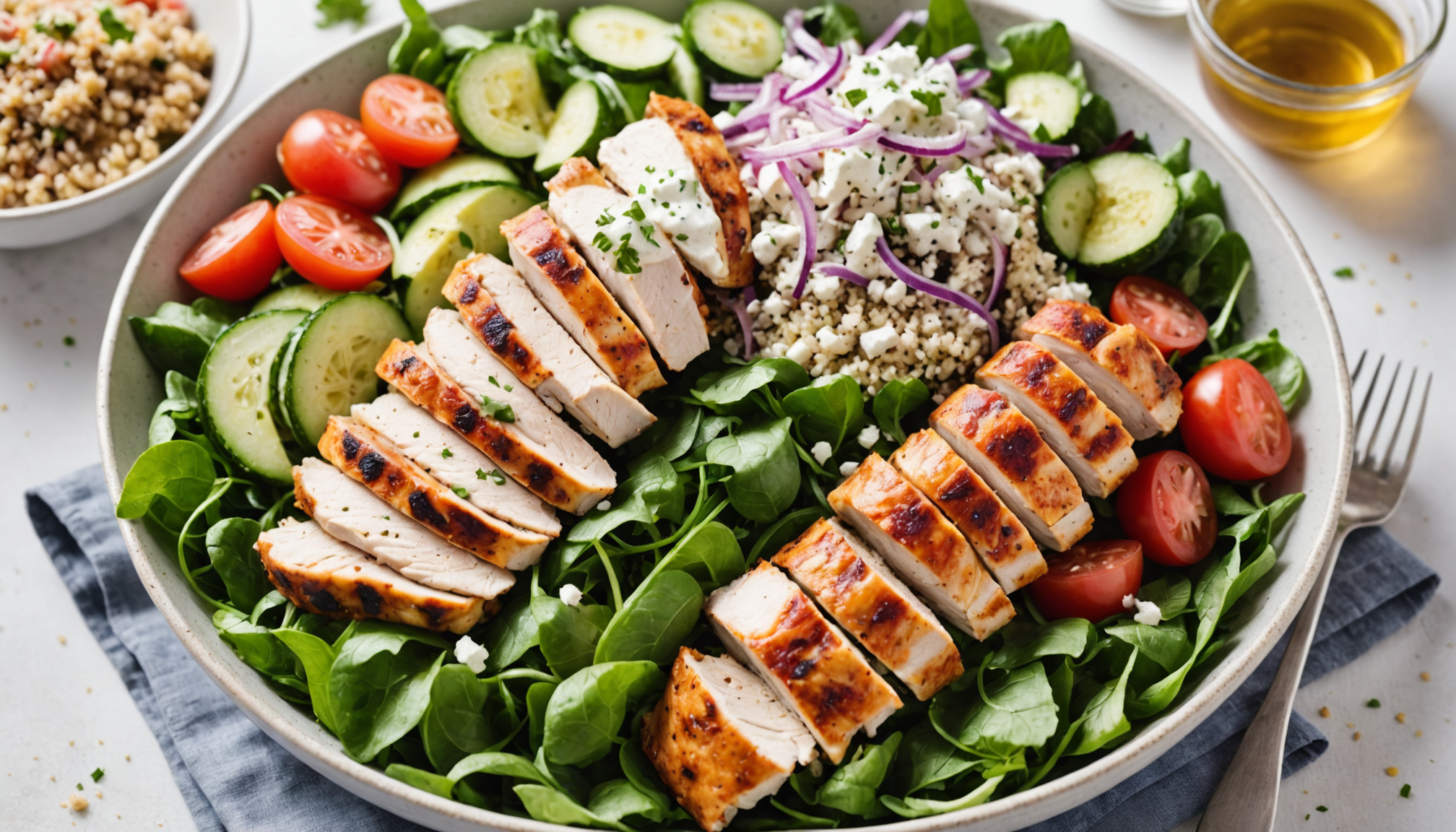
Protein is your best friend when you’re trying to lose weight without feeling like you’re constantly hungry. When you build dinners around protein, you stay full longer, your blood sugar is steadier, and you’re a lot less likely to go hunting for snacks at 9:30 p.m. That’s why so many of the most realistic easy healthy dinner ideas start with “What’s my protein?” and then everything else gets added around that.
For busy families, professionals rolling in after a long commute, college students with night classes, and anyone training hard in the gym, high-protein dinners are kind of a secret weapon. You get that “Ahh, I’m satisfied” feeling instead of, “Cool, now I’m going to eat half the pantry.” Research consistently shows that higher-protein diets can improve satiety, preserve lean muscle during weight loss, and support better body composition over time. In real-life terms: more muscle, better recovery, and fewer “hangry” moments.
Let’s break this down into simple, real-world strategies and specific meals you can throw together even when your brain feels fried.
First, a quick rule of thumb: most adults do well with somewhere around 20–35 grams of protein at dinner, depending on body size, goals, and activity level. You don’t have to weigh and measure, but it helps to know roughly what that looks like:
- About a palm to palm-and-a-half of chicken, turkey, fish, or lean beef.
- About a cup of Greek yogurt or cottage cheese.
- About a cup of cooked lentils or 1–1½ cups of beans.
- About half a block of tofu or tempeh (depending on the size).
If you’re very active or lifting heavy, you’ll likely lean toward the higher end of that range. If you’re smaller or less active, the lower end may be plenty. Adjust portions to your body and your hunger.
Now, let’s make this concrete with some high-protein weight loss meals that fit into regular, busy life.
1. 20-minute Greek chicken (or chickpea) bowls
This is a great “everyone’s happy” meal, because you can mix and match toppings and keep it flexible for meat-eaters, vegetarians, and picky kids.
How to make it:
- Season chicken breast strips with salt, pepper, garlic powder, and oregano, then sauté in a skillet with a bit of olive oil until cooked through. If you’re plant-based, sauté canned chickpeas instead with the same spices.
- While that cooks, chop cucumber, tomato, and red onion or use pre-chopped veggies to save time.
- Set up bowls with:
- A base of romaine or mixed greens.
- A scoop of cooked quinoa or brown rice (or skip for lower-carb).
- The hot chicken or chickpeas on top.
- A dollop of Greek yogurt mixed with lemon, garlic, and a pinch of salt (easy “tzatziki-style” sauce).
You end up with high protein from the chicken or chickpeas plus Greek yogurt, lots of veggies, and moderate carbs. This is the kind of dinner that feels like a big, satisfying bowl instead of some tiny “diet” plate.
2. Protein-packed “lazy lasagna” skillet
This one is a hit with families and roommates. It tastes like comfort food but is secretly one of those sneaky low calorie dinners when you load it up with veggies and lean protein.
How to make it:
- Brown lean ground turkey, chicken, or extra-lean beef in a large skillet with garlic and Italian seasoning.
- Stir in a big handful of chopped spinach or frozen spinach (thawed and squeezed), plus a jar of no-sugar-added marinara sauce.
- Add a scoop of part-skim ricotta or cottage cheese right into the pan and stir until creamy.
- Serve over sautéed zucchini “noodles,” steamed green beans, or a small portion of whole-wheat pasta, and top with a sprinkle of mozzarella if you like.
The meat plus ricotta/cottage cheese gives you a big protein boost. If you’re plant-based, swap the meat for lentils or crumbled tofu. You’ll still get that rich, saucy vibe but with far more protein and fiber than traditional lasagna.
3. Sheet-pan tofu and veggie “power plate”
If you’re vegetarian, or just trying to eat more plant-based for heart health and recovery, this one’s for you. It’s also a legit option for meat-eaters who want something lighter that still keeps them full.
How to make it:
- Preheat the oven to 400°F and line a sheet pan with parchment.
- Press a block of extra-firm tofu (or buy pre-pressed), then cut into cubes.
- Toss tofu with a bit of soy sauce or tamari, garlic powder, onion powder, and a drizzle of olive or avocado oil.
- On the same pan, add chopped veggies like broccoli, bell peppers, and carrots. Toss with a little oil, salt, and pepper.
- Roast for 20–25 minutes, flipping tofu once, until edges are browned.
- Serve half your plate as veggies, a generous portion of tofu, and a bit of brown rice or quinoa if you want extra carbs.
This dinner is high in plant protein, fiber, and volume. It’s the kind of meal where you eat a big plate of food, feel genuinely stuffed, and it still lines up nicely with your healthy eating goals.
4. High-protein breakfast-for-dinner scramble
Breakfast-for-dinner is a lifesaver on nights when you’re exhausted and don’t want to think. It’s also a great option for athletes and gym-goers who need protein plus carbs after an evening workout.
How to make it:
- Whisk together 2–3 whole eggs with extra egg whites (or just use a carton of egg whites if you like), plus salt and pepper.
- In a skillet, sauté chopped veggies (onion, bell pepper, spinach, mushrooms) in a bit of oil until soft.
- Pour in the eggs and scramble gently, adding a sprinkle of cheese if you want.
- Serve with:
- A side of salsa or avocado.
- A slice of whole-grain toast or a small baked sweet potato if you want more carbs.
Eggs + egg whites give you a big protein punch without a ton of calories, and the veggies add volume and nutrients. This is perfect for college students with just a pan and a hot plate, or families who need food on the table in 15 minutes flat.
5. Salmon (or bean) taco bowls
Taco night is sacred in a lot of households, and honestly, it should be. With a few tweaks, it’s one of the easiest ways to get high-protein, nutrient-dense weight loss meals without feeling like you’re “on a diet.”
How to make it:
- Season salmon fillets with chili powder, cumin, garlic powder, salt, and a squeeze of lime. Bake at 400°F for 10–12 minutes, or pan-sear them. For a lower-cost, plant-based version, use black beans or pinto beans warmed in a skillet with the same spices.
- Fill a bowl with shredded lettuce and cabbage as your base.
- Add chunks of salmon or a big scoop of beans.
- Top with salsa, corn, a spoon of Greek yogurt, and a few avocado slices.
- Serve with a small portion of rice or a warm corn tortilla if you want more carbs.
Between the salmon/beans and Greek yogurt, you’re getting plenty of protein, plus fiber and healthy fats to keep you full. This works great buffet-style for families: lay everything out and let everyone build their own bowl.
6. Cottage cheese or Greek yogurt “savory bowl”
This is my go-to “I should probably eat something real but I don’t want to cook” dinner. It works especially well for solo eaters or after-late-practice dinners for athletes.
How to make it:
- Start with a big scoop (1–1½ cups) of cottage cheese or plain Greek yogurt in a bowl.
- Add:
- Cherry tomatoes, cucumber slices, and bell pepper strips.
- A drizzle of olive oil and a sprinkle of everything bagel seasoning or za’atar.
- A few whole-grain crackers or a small piece of toast on the side.
It sounds almost too simple, but you get a pile of protein with very little effort. If you want to bump it up even more, stir in some cooked chicken, turkey, or chickpeas. It’s light, fast, and surprisingly satisfying.
7. High-protein noodle bowls (without the food coma)
If you love pasta or noodles but hate the sleepy crash after, you don’t have to give them up—you just need to flip your ratios: more protein and veggies, less noodle.
How to make it:
- Cook your favorite high-protein pasta (like chickpea or lentil pasta) or use soba noodles.
- In a big pan, sauté a protein (shrimp, chicken, tofu, or edamame) with garlic and ginger.
- Add a big bag of stir-fry veggies (fresh or frozen) and cook until tender.
- Toss everything with a light sauce: a mix of soy sauce, lime juice, and a small spoon of peanut butter or tahini thinned with water.
When you look at your bowl, you want to see at least as much protein and veggies as noodles. That’s how you keep it in “high-protein, supportive of weight loss” territory while still scratching that noodle itch.
To make these kinds of dinners your default, it really helps to stock a few “always in the kitchen” protein staples so you never have to start from zero when you’re tired.
Good protein staples to keep on hand:
- Canned tuna, salmon, or chicken.
- Canned beans and lentils (black beans, chickpeas, white beans).
- Frozen chicken breasts or thighs, shrimp, or fish fillets.
- Tofu or tempeh (they last a while in the fridge).
- Greek yogurt and cottage cheese.
- Eggs and egg whites.
If you’ve got at least one of those plus some veggies (fresh, frozen, or even canned in a pinch), you’re 10–20 minutes away from a solid, high-protein dinner. That’s how easy healthy dinner ideas turn into actual habits instead of just good intentions.
One last thing: high-protein doesn’t mean high-stress or high-effort. Whether you’re juggling kids’ practice schedules, cramming for exams, or squeezing in late workouts after work, you can absolutely eat in a way that supports your goals without cooking for hours. Start by asking, “What’s my protein?” then add plants, then a bit of smart carbs and healthy fat. Do that most nights, and you’ll feel the difference in your energy, your hunger, and how sustainable this whole weight loss thing actually feels.
Low-carb and veggie-packed recipes
Low-carb and veggie-packed dinners are a powerful way to eat large, satisfying portions while keeping calories in check and blood sugar steady. Instead of focusing on what you’re cutting out, think about what you’re adding in: color, crunch, flavor, and fiber. Done right, these meals feel generous and comforting, not restrictive, and they slot perfectly into a realistic healthy eating pattern.
“Higher intakes of non-starchy vegetables are consistently associated with lower body weight and improved diet quality, largely because they increase meal volume and fiber while keeping calories low.”
Below are step-by-step, practical frameworks and recipes you can adapt with whatever’s in your kitchen.
—
If you want instant, flexible low-carb structure, use this simple formula for dinner:
- Pick your protein (chicken, fish, eggs, tofu, tempeh, beans if you’re moderate-carb).
- Load up on non-starchy veggies (aim for at least 2 cups cooked or raw).
- Add a small amount of smart fats (olive oil, avocado, nuts, seeds, olives).
- Keep starchy carbs small or swap them (cauliflower rice, zucchini noodles, spaghetti squash instead of big piles of pasta or rice).
Once you set that structure, you can make endless easy healthy dinner ideas just by switching flavors and sauces.
—
1. Step-by-step low-carb “burrito bowl” with cauliflower rice
This hits all the flavors of a burrito without the giant tortilla and mound of rice, while still feeling like true comfort food.
- Prepare the protein
- Heat a skillet over medium-high heat.
- Add 1 teaspoon of oil and sauté:
- Lean ground turkey or chicken, or
- Firm tofu crumbles, or
- Black beans (for a slightly higher-carb but very fiber-rich version).
- Season generously with chili powder, cumin, garlic powder, paprika, salt, and pepper.
- Cook until browned and fragrant, about 6–8 minutes.
- Make quick cauliflower “rice”
- Use bagged riced cauliflower (fresh or frozen).
- In another pan, heat 1 teaspoon of oil.
- Add the cauliflower rice, a pinch of salt, and a squeeze of lime.
- Sauté for 3–5 minutes until tender but not mushy.
- Prep the veggie toppings
- Shred lettuce or cabbage for crunch.
- Slice cherry tomatoes or dice regular tomatoes.
- Slice some red onion if you like a little bite.
- Rinse a handful of cilantro and roughly chop.
- Assemble your bowl
- Add a generous layer of shredded lettuce/cabbage to your bowl (this is your “half a plate of plants”).
- Spoon cauliflower rice over one side.
- Add a scoop of the seasoned protein mixture.
- Top with:
- Salsa or pico de gallo.
- A spoonful of Greek yogurt (instead of sour cream) for extra protein.
- A few avocado slices or a small spoon of guacamole.
You end up with a big, colorful bowl that’s veggie-heavy, high in protein, and much lower in refined carbs than takeout burritos—exactly the kind of low calorie dinners that still feel indulgent.
—
2. One-pan lemon garlic chicken and broccoli (no carb side needed)
This is a weeknight workhorse: minimal cleanup, familiar flavors, and easy to batch-cook for multiple weight loss meals.
- Preheat and prep
- Preheat your oven to 400°F (205°C).
- Line a sheet pan with parchment paper or lightly oil it.
- Season the chicken
- Cut boneless, skinless chicken breasts or thighs into strips or bite-size pieces.
- In a bowl, toss chicken with:
- 1–2 tablespoons olive oil,
- Juice of 1 lemon,
- 1–2 teaspoons garlic powder or minced garlic,
- 1 teaspoon dried oregano,
- Salt and pepper to taste.
- Prep the veggies
- Use pre-cut broccoli florets or quickly chop a head of broccoli.
- Optional add-ins: sliced bell peppers, red onion wedges, or zucchini rounds.
- Toss veggies in a separate bowl with:
- 1 tablespoon olive oil,
- Salt, pepper, and an extra sprinkle of garlic powder.
- Roast everything together
- Spread chicken pieces on one side of the sheet pan and veggies on the other.
- Roast for 18–22 minutes, stirring the veggies once and flipping the chicken halfway if needed.
- Check that chicken is cooked through (no pink inside).
- Serve and portion smartly
- Fill at least half your plate with the roasted veggies.
- Add a palm-sized portion of chicken.
- Finish with a squeeze of fresh lemon and a sprinkle of fresh parsley if you have it.
If you want a small amount of carbs—say, after a workout—add a few roasted potato wedges or a scoop of quinoa on the side. If you’re aiming for low-carb that night, just stick with extra veggies and chicken.
—
3. Zucchini noodle (“zoodle”) pesto bowl
This is perfect when you’re craving pasta but want something lighter. Using zucchini noodles drops the carb load way down while keeping the twirl-and-sauce satisfaction.
- Create your veggie “noodles”
- Spiralize 2–3 medium zucchinis using a spiralizer, julienne peeler, or buy pre-spiralized “zoodles.”
- Pat them dry with a clean towel to reduce excess moisture.
- Cook the protein
- Choose:
- Chicken breast strips, or
- Shrimp, or
- White beans for a vegetarian twist.
- Sauté the protein in a nonstick skillet with:
- 1 teaspoon olive oil,
- Salt, pepper, and Italian seasoning.
- Cook until browned and cooked through, then set aside.
- Choose:
- Sauté the zoodles briefly
- In the same pan, add another light drizzle of oil if needed.
- Add zucchini noodles and cook over medium heat for just 2–3 minutes, tossing frequently.
- Season with a pinch of salt (not too much or they’ll release water).
- Add pesto and veggies
- Turn off the heat and stir in 1–2 tablespoons of pesto (store-bought or homemade).
- Optional: toss in halved cherry tomatoes or a handful of baby spinach for extra color and nutrients.
- Plate it
- Fill most of your plate with the zoodle mix.
- Top with your cooked protein.
- Finish with a sprinkle of grated Parmesan or nutritional yeast.
This bowl gives you big volume from vegetables, rich flavor from pesto (a small amount of fat that goes a long way), and enough protein to keep you full—ideal as one of your rotating weight loss meals.
—
4. Veggie-loaded egg bake (great for make-once, eat-multiple-times)
This is technically a bake, but you can slice it into squares for quick low-carb dinners all week. It’s especially handy for busy nights when you want something ready in 60 seconds.
- Preheat and prep the dish
- Preheat the oven to 375°F (190°C).
- Lightly oil or spray a 9×13-inch baking dish.
- Chop and sauté veggies
- Dice a mix of non-starchy vegetables such as:
- Bell peppers,
- Onions,
- Spinach or kale,
- Mushrooms,
- Broccoli florets (small pieces).
- In a skillet, sauté the veggies with a teaspoon or two of oil, salt, pepper, and garlic until just softened (5–7 minutes).
- Dice a mix of non-starchy vegetables such as:
- Mix the egg base
- In a large bowl, whisk together:
- 8–10 eggs (or a mix of whole eggs and egg whites),
- 1/4–1/2 cup milk or unsweetened non-dairy milk,
- Salt, pepper, and your favorite herbs (like Italian seasoning or dried basil).
- In a large bowl, whisk together:
- Assemble and bake
- Spread the sautéed veggies evenly in the baking dish.
- Add optional extras:
- Cooked turkey sausage or chicken sausage (for more protein), or
- Crumbled tofu (for a vegetarian boost).
- Pour the egg mixture over the top.
- Sprinkle with a small amount of shredded cheese if desired.
- Bake for 25–35 minutes, until the center is set and the top is lightly golden.
- Cool, slice, and store
- Let cool for at least 10 minutes.
- Slice into squares.
- Store portions in the fridge for up to 4 days.
- Serve
- Reheat a square in the microwave or oven.
- Serve with a simple side salad or extra steamed veggies to keep the meal very low-carb and veggie-forward.
This kind of egg bake is ideal if you’re juggling work, school, or kids and need grab-and-heat low calorie dinners that still feel like real food.
—
5. “Noodle-free” stir-fry with double veggies
This method skips the noodles and grains entirely, but keeps all the bold flavors you’d expect from a stir-fry.
- Prep the base veggies
- Use a big mix like:
- Bagged stir-fry blend (broccoli, snap peas, carrots, peppers), or
- A combo of whatever’s in your fridge.
- Aim for at least 3–4 cups of vegetables for 2 servings.
- Use a big mix like:
- Cook the protein
- Heat a large pan or wok over medium-high heat.
- Add 1 teaspoon of oil and cook:
- Chicken strips, beef strips, shrimp, tempeh, or tofu cubes until browned.
- Remove from the pan and set aside.
- Stir-fry the vegetables
- In the same pan, add another teaspoon of oil if needed.
- Add the vegetables and stir-fry for 5–7 minutes, until crisp-tender.
- Add flavor with a light sauce
- In a small bowl, mix:
- 2–3 tablespoons low-sodium soy sauce or tamari,
- 1 tablespoon rice vinegar or lime juice,
- 1 teaspoon honey or a sugar-free alternative (optional),
- Garlic and ginger (fresh or powdered) to taste.
- Pour the sauce over the veggies and toss.
- Return the cooked protein to the pan and mix everything together.
- In a small bowl, mix:
- Serve with volume, not starch
- Divide stir-fry between bowls, making sure each serving is heavy on veggies and protein.
- If you want a tiny carb boost without a full serving of rice or noodles, add:
- A scoop of cauliflower rice mixed into the stir-fry, or
- A small handful of edamame for extra protein and fiber.
This approach lets you eat a giant, colorful bowl of food that leaves you full and energized instead of sluggish.
—
6. Build-your-own “veggie pizza” plate (without the crust)
This is a fun, family-friendly way to satisfy pizza cravings while staying squarely in low-carb, veggie-first territory.
- Make the base
- Use a large plate or shallow bowl and fill it with:
- Mixed salad greens, or
- Shredded cabbage and romaine for extra crunch.
- Use a large plate or shallow bowl and fill it with:
- Add roasted or sautéed veggies
- Quickly roast or sauté:
- Sliced mushrooms,
- Bell peppers,
- Onion,
- Zucchini rounds.
- Season with Italian herbs, salt, and pepper.
- Quickly roast or sauté:
- Add protein “pizza-style”
- Top your veggie base with:
- Grilled chicken strips, turkey pepperoni, or crumbled turkey sausage, or
- White beans or seasoned tofu for a vegetarian version.
- Top your veggie base with:
- Use sauce and cheese strategically
- Drizzle 2–3 tablespoons of warm marinara sauce over the top.
- Sprinkle a modest amount of shredded mozzarella or Parmesan.
- Optional: briefly broil the plate-safe dish to melt the cheese (or microwave for a few seconds).
- Eat with a fork like a big pizza salad
- Every bite has the familiar pizza flavors—sauce, cheese, herbs—but most of what you’re eating is vegetables and lean protein.
This is a great example of how easy healthy dinner ideas can honor cravings while still supporting your goals.
—
Practical tips to make low-carb, veggie-packed dinners your default
- Keep “instant veggies” on hand
- Stock:
- Frozen broccoli, cauliflower rice, and stir-fry mixes.
- Bagged salad mixes and slaws.
- Baby carrots, snap peas, cherry tomatoes for zero-chop nights.
- Stock:
- Cook once, eat twice (or three times).
- Prep “building blocks,” not just full recipes.
- Store and reheat food in ways that actually taste good.
- Full meals: Great if you like grab-and-heat convenience with zero decisions. Think soups, stews, casseroles, and bakes that portion easily.
- Components: Perfect if you like variety and flexibility. You prep proteins, grains, and veggies separately, then mix and match into different bowls and plates.
- Batch protein:
Cook a tray of chicken breasts, tofu slabs, or salmon fillets with simple seasonings (salt, pepper, garlic, lemon, herbs). These can become tacos one night, grain bowls the next, and salads or wraps after that. - Big pan of roasted vegetables:
Roast a mix of broccoli, carrots, cauliflower, onions, and peppers with olive oil and spices. Reheat and pair with any protein, or toss into pasta, frittatas, or soups. - Cooked grains or starchy sides:
Make a pot of quinoa, brown rice, or farro; or roast a few sweet potatoes. Keep portions moderate to keep dinners in “supportive of weight loss” territory. - Ready-to-go sauces:
A simple vinaigrette, yogurt-based garlic sauce, or peanut/tahini sauce turns plain ingredients into craveable low calorie dinners. - Protein tray:
- Line a sheet pan with parchment.
- Place chicken breasts (or tofu slabs) on one side. Drizzle with olive oil, season with salt, pepper, garlic powder, and paprika.
- Veggie tray:
- On the other side of the same pan, spread broccoli florets, sliced carrots, and bell pepper strips.
- Toss with olive oil, salt, and pepper.
- Roast everything:
- Bake at 400°F (205°C) for 20–25 minutes, until the chicken is cooked through and veggies are tender with browned edges.
- Meanwhile, cook a grain:
- Simmer a pot of quinoa or brown rice according to the package (or use microwave pouches for speed).
- Make a quick sauce:
- Whisk together: olive oil, lemon juice, Dijon mustard, minced garlic (or garlic powder), salt, and pepper. This works as both salad dressing and drizzle for bowls.
- Cool, slice, and store:
- Let everything cool slightly.
- Slice the chicken or tofu, divide the roasted veggies into containers, and store the grain separately so nothing gets soggy.
- Night 1: Grain bowl with chicken, roasted veggies, quinoa, and lemon dressing.
- Night 2: Big salad with chopped chicken, roasted veggies, a handful of lettuce, and a sprinkle of nuts or seeds.
- Night 3: Quick stir-fry: sauté leftover veggies with a splash of soy sauce, toss in sliced chicken or tofu, and serve over a small scoop of rice.
- Night 4: “Power plate”: half a plate of roasted veggies, a palm of protein, a few avocado slices, and maybe a small baked potato or whole-grain toast.
- Turkey or bean chili:
Use lean ground turkey or extra beans/lentils, diced tomatoes, onions, peppers, and spices. Serve with a dollop of Greek yogurt and some chopped cilantro. Portion into containers and freeze some for later. - Vegetable-lentil stew:
Combine lentils, carrots, celery, onions, greens, and vegetable broth. Lentils bring protein and fiber; veggies bring volume. A bowl with a small piece of whole-grain bread or a side salad makes a deeply satisfying, nutrient-dense dinner. - Chicken and vegetable soup:
Poach chicken in broth, add carrots, celery, onions, and leafy greens. Keep noodles or rice separate and add just a small portion when you reheat, if you want some carbs without turning it into a heavy meal. - Veggie-loaded chicken (or chickpea) bake:
- Mix cooked shredded chicken or chickpeas with frozen mixed veggies, a little light cream cheese or Greek yogurt, herbs, and broth.
- Top with a thin layer of whole-grain breadcrumbs and a sprinkle of cheese.
- Bake until bubbly, then portion for several nights’ worth of low calorie dinners.
- Stuffed pepper casserole:
- Combine lean ground turkey or lentils, diced bell peppers, onion, a bit of cooked brown rice or cauliflower rice, tomato sauce, and Italian seasoning.
- Bake in a dish with a light sprinkle of cheese.
- Serve with a simple side salad to hit that “half plate veggies” goal.
- Cool before sealing:
Let hot food cool slightly before closing containers to avoid condensation, which can make food soggy. - Store components separately:
Keep sauces, grains, and delicate greens apart so textures stay appealing. - Reheat gently:
Use medium power in the microwave, or a covered skillet with a splash of water or broth to keep foods moist. Stir halfway through to heat evenly. - Revive with fresh elements:
Add something fresh at serving time—herbs, a squeeze of lemon, crunchy veggies, or a spoonful of yogurt sauce. It makes days-old food taste brand new. - For athletes and active people:
Cook extra lean protein and moderate portions of whole grains. Build post-training dinners with more carbs on heavy workout days and more veggies on lighter days. - For busy families:
Prep “base” ingredients (protein, roasted veggies, grains) and let each family member build their own bowl or plate. Kids can tweak toppings—cheese, salsa, avocado—while you keep your portions aligned with your goals. - For students or those in small spaces:
Even a single pot and a burner can handle a big batch of chili or lentil stew. Store in containers you can grab between classes or shifts. - Can I really lose weight just by prepping dinners ahead of time?
- Prepping dinners isn’t magic by itself, but it removes a huge source of last-minute, high-calorie choices. When your default option is a balanced, portion-aware meal, you naturally reduce overeating and reliance on ultra-processed foods, which supports steady, sustainable weight loss.
- How long can make-ahead dinners safely stay in the fridge?
- Most cooked proteins, grains, and mixed dishes are safe for about 3–4 days in the refrigerator when stored in airtight containers. If you won’t eat something by then, freeze it in individual portions so you always have a backup healthy meal ready.
- What are the best foods to cook in bulk for weight loss-friendly dinners?
- Lean proteins (chicken, turkey, tofu, beans), roasted non-starchy vegetables, and whole grains (quinoa, brown rice) are ideal bulk-cooking options. They combine easily into many different weight loss meals and keep you full without relying on heavy sauces or large portions of refined carbs.
- How do I prevent make-ahead meals from getting boring?
- Keep the base ingredients simple and change the flavors with sauces, spices, and toppings. The same chicken and veggies can become Mexican-inspired bowls with salsa one night, Mediterranean plates with olive oil and herbs the next, and Asian-style stir-fries with soy sauce and ginger another night.
- Are frozen vegetables okay for make-ahead dinners?
- Yes—frozen vegetables are often just as nutritious as fresh and sometimes even retain more vitamins. They’re perfect for quick, low-effort additions to soups, stir-fries, and casseroles, making it easier to build veggie-packed, low calorie dinners on busy nights.
- How can I portion make-ahead dinners to avoid overeating?
- Use the plate method: fill half your container with vegetables, a quarter with protein, and a quarter with whole grains or starchy veggies, plus a small amount of healthy fat. Pre-portioning like this removes the temptation to keep going back for “just one more scoop” when you’re tired or stressed.
- What if I don’t have time for a big meal prep session?
- You don’t need hours—start by doubling tonight’s recipe and saving half for later in the week. Even cooking one extra protein or roasting one extra tray of veggies while you’re already in the kitchen can create several easy healthy dinner ideas with almost no additional effort.
Make-ahead dinners for busy nights
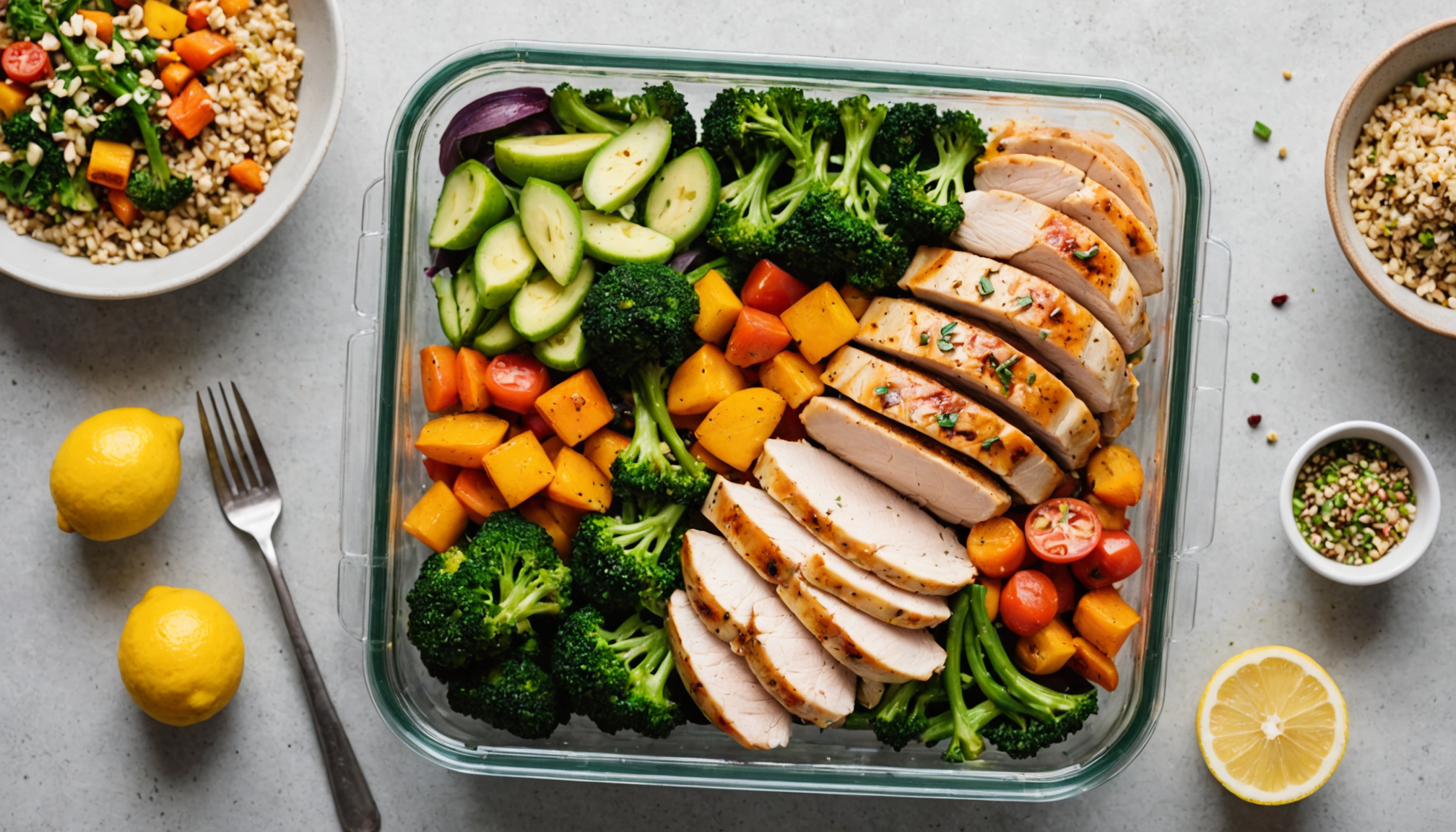 For most people, the nights that derail progress aren’t the “big events”—they’re the long workdays, late practices, and back-to-back meetings that leave you tired and reaching for takeout. Make-ahead dinners quietly solve that problem. When you have something already cooked and waiting, you’re far more likely to stick to your healthy eating plans and turn good intentions into actual habits.
Think of make-ahead meals as a form of future self-care. You spend a little time once—maybe on Sunday afternoon or a quiet weeknight—and buy yourself calm, healthy choices later in the week. This is especially powerful when your goal is to rely on more weight loss meals that are satisfying but not stressful or time-consuming.
You don’t have to become a full-on meal prep person with color-coded containers. Instead, focus on three simple strategies:
Once these are in place, your fridge becomes a lineup of easy healthy dinner ideas you can assemble in 5–10 minutes, even when your brain is fried.
—
Start by deciding whether you want to prep full meals or just components.
Many people find a hybrid works best: one or two full dishes plus a few versatile building blocks.
—
Make-ahead building blocks that transform weeknights
If you only did this one thing—prep 2–3 building blocks once or twice a week—you’d dramatically cut the odds of last-minute drive-thru dinners.
Ask yourself: if you opened your fridge tonight, what 2–3 items would make it almost impossible not to throw together a decent meal? That’s what you prep.
—
Example: one-hour “Sunday prep” for four easy dinners
Set a timer for an hour and move through these steps:
From that one hour, you can build multiple different weight loss meals:
Instead of four separate recipes, you used the same building blocks in different ways. That’s how make-ahead cooking stays sustainable, not overwhelming.
—
Soups, stews, and chilis: the ultimate make-ahead comfort
These dishes usually taste even better the next day, freeze well, and reheat beautifully. They also make it easy to pack in vegetables and lean protein.
Consider:
When you have a container of soup in the fridge or freezer, you automatically have a backup plan that beats almost any last-minute fast-food option—both nutritionally and in how you feel afterward.
—
Casseroles and bakes that won’t weigh you down
Not all casseroles are heavy. With a few tweaks, they can be light, high in protein, and packed with vegetables.
These dishes reheat well for 3–4 days and freeze in individual portions. Having them ready shifts your internal question from “What should I make?” to “Which already-made dinner do I want tonight?”
—
How to store and reheat so food still tastes great
One reason people avoid make-ahead dinners is the fear of sad leftovers. A few simple practices help you avoid that:
Your goal isn’t just to make food in advance; it’s to make food you’ll want to eat in advance.
—
Make-ahead dinners for different lifestyles
Whether you’re an athlete, a busy parent, or a student with limited time and space, you can shape this approach around your real life.
Each of these approaches frees your future self from making tough decisions when you’re tired and hungry—the exact moment your brain is most likely to fall back on old habits.
—
As you explore make-ahead cooking, notice the patterns that work best for you. Do you do better with one big cooking session, or a few smaller ones? Do you like repetition—eating the same bowl every night for a week—or do you crave variety? Use those answers to guide how you plan. Every time you open the fridge and find a ready-to-go, balanced dinner waiting, you’re reinforcing a powerful identity shift: “I’m someone who takes care of my body, even when life is busy.”
Let that curiosity guide you. How much easier would weight management feel if the default choice at 8 p.m. was a tasty, already-made meal instead of something ultra-processed? What would happen to your energy, mood, and confidence if your week was lined with easy healthy dinner ideas that practically assembled themselves?

Leave a Reply