- Quick one-pan veggie dinners
- Simple sheet pan vegetable bakes
- Light and hearty vegetable pastas
- Protein-packed veggie stir-fries
- Make-ahead vegetable-friendly meals
If you’ve ever come home tired, opened the fridge, and thought, “I cannot deal with six pots and pans tonight,” you are exactly who I’m thinking about here. One-pan dinners are that sweet spot where real life meets good food—minimal dishes, lots of vegetables, and enough flavor that nobody at the table feels like they’re “just eating healthy.” It’s the low-stress way to keep your weeknight rotation full of easy healthy dinner ideas without getting bored.
What I love about one-pan cooking is that everything happens in the same place. You chop, you season, you sauté or simmer, and then you’re done. This works if you’re wrangling kids after work, racing to the gym, studying late in a dorm kitchen, or heading home after practice absolutely starving. The pan does most of the heavy lifting while you handle everything else life is throwing at you.
Let’s start with the most forgiving of all: the one-pan veggie skillet. Picture a big skillet—nonstick or cast-iron—warming on the stove. You splash in a little olive oil, add sliced onions and maybe a bell pepper or two, and let them soften while you dig through the fridge. Half a zucchini? A lonely carrot? A handful of spinach that’s on its last day? All of that can go in. This is where veggie forward cooking feels effortless, because you’re not following a strict recipe; you’re just using what you have.
Once your vegetables are starting to look glossy and smell amazing, you add something to make it a real meal. For a family, that might be a few sliced chicken sausages or some pre-cooked chicken breast. For a college student, maybe a can of chickpeas or black beans, rinsed and tossed right into the pan. For a sport-minded eater who needs more protein, add cubes of firm tofu or tempeh, seared until golden. A sprinkle of salt, a shake of dried Italian herbs or smoked paprika, and suddenly you have one of those “how is this so good when it took 12 minutes?” kind of vegetable dinners.
Busy professionals love this trick: at the very end, stir in a pre-cooked grain to soak up all the flavors. You can use microwave rice, frozen quinoa, or leftover farro from the night before. Everything warms together in those last few minutes, and the juices from the vegetables act like a built-in sauce. If you’re cooking for kids, a light shower of shredded cheese over the top works wonders; if you’re eating dairy-free, a squeeze of lemon and some toasted nuts or seeds give you brightness and crunch without any extra effort.
Another favorite is a one-pan skillet “ratatouille-ish” dinner. It’s not fussy or traditional—just fast, cozy, and full of vegetables. You dice eggplant, zucchini, and bell pepper, and cook them down with onion and garlic until they’re soft and sweet. Then you add a can of crushed tomatoes, a pinch of dried thyme or oregano, and let it simmer while you answer emails or help with homework. In about 20 minutes, you’ve got a chunky, saucy vegetable base that can go in several directions: spoon it over toast for a quick meal, serve over microwave polenta for something a bit more special, or toss it with whole-wheat pasta for a rustic bowl of comfort. It’s one of those plant based meals that feels like something from a little café, but it’s really just your skillet doing its thing.
If you’re the type who likes to meal prep on Sundays but doesn’t want to live out of identical containers all week, one-pan veggie hashes are your new best friend. You can make a big batch of a base—say, cubed sweet potatoes, onions, bell peppers, and broccoli florets—seasoned with olive oil, salt, pepper, and maybe a little cumin or chili powder. Cook everything in a large pan until the vegetables are tender and caramelized at the edges. During the week, that same hash can become a breakfast with a fried egg on top, a lunch stuffed into a whole-wheat tortilla, or a dinner bowl with black beans and salsa. One pan on Sunday, three or four completely different meals later on.
For sport enthusiasts or anyone coming home after a workout, a one-pan grain-and-veggie skillet is perfect. Start by cooking onions and garlic with a little oil, then stir in uncooked quinoa or brown rice and toast it lightly. Add broth (or water with a bouillon cube), bring it to a simmer, then scatter in bite-sized vegetables—green beans, peas, carrots, or whatever you like. Cover and let it all cook together. The grains soak up the flavor from the broth and the vegetables steam on top, so everything ends up tender and flavorful. Add chickpeas or shredded rotisserie chicken at the end, and you have a complete dinner in one pan, with plenty of leftovers for lunch the next day.
College kitchens can be, let’s say, “limited,” but you can still eat well with just a single pan and a hot plate. A really forgiving option is a one-pan noodle stir-in. Boil some whole-wheat or rice noodles, drain them, and set aside. In the same pan, cook a mix of quick-cooking veggies—frozen stir-fry mix works beautifully here. Add a splash of soy sauce, a drizzle of sesame oil if you have it, and maybe a spoonful of peanut butter thinned with a little water. Toss the noodles back in and mix everything together. It’s fast, budget-friendly, and you’ve already washed half the dishes by reusing the same pan.
Time is always the hurdle for busy families, so it helps to have a couple of ideas you can almost do on autopilot. One reliable go-to is a one-pan “Mediterranean” skillet: cherry tomatoes, sliced zucchini, red onion, and olives cooked in olive oil with garlic and oregano. When everything is soft and jammy, crumble in some feta or toss in white beans. You can serve this over couscous or orzo, or just put it in the middle of the table with warm pita. It’s colorful, it feels special, and you can make it while you’re loading the dishwasher and asking about everyone’s day.
The nice thing is, once you understand the basic formula—oil + aromatics (like onion and garlic) + vegetables + protein + a little seasoning—you can improvise endlessly. It becomes second nature to look at what’s in your fridge and think, “That could be a skillet dinner.” Over time, these one-pan meals turn into your personal repertoire of “I’ve got this” dishes, the kind that make healthy eating feel not just doable, but actually kind of fun.
And as you get comfortable with these stove-top wonders, it’s an easy leap to move from the pan to the oven, where a simple sheet pan can open up even more relaxed, veggie-forward weeknight options.
Simple sheet pan vegetable bakes
If one pan on the stove feels freeing, a single sheet pan in the oven is almost revolutionary. You spread everything out, slide it in, and as James Beard put it, “Food is our common ground, a universal experience.” Sheet pan cooking lets you share that experience without hovering over the stove or juggling multiple burners. While the vegetables roast, you can help with homework, shower after a workout, or just take a breath between work and dinner.
To keep sheet pan meals squarely in the “easy healthy dinner ideas” category, think in simple building blocks:
– A base of sturdy vegetables
– A protein that can roast alongside them
– A simple seasoning mix or quick sauce
– Optional carb (like potatoes or pre-cooked grains) or a side of bread
Use that structure and you can create endless veggie forward combinations without memorizing recipes.
Here’s how to make sheet pan vegetable bakes truly work for you.
– Choose vegetables that roast well together:
– “Hard” veggies (longer-cooking)
– Potatoes and sweet potatoes
– Carrots and parsnips
– Butternut squash or pumpkin
– Beets (pre-cook or slice very thin if mixing with quicker veggies)
– “Medium” veggies
– Broccoli and cauliflower florets
– Brussels sprouts, halved
– Green beans
– Red onion wedges
– “Soft” veggies (quick-cooking)
– Zucchini and yellow squash
– Bell peppers
– Cherry tomatoes
– Mushrooms
– Asparagus
– Make timing your friend:
– Start with hard vegetables:
– Roast them 10–15 minutes first.
– Then add medium and soft vegetables.
– Cut strategically:
– Dice potatoes smaller if you want everything done at once.
– Leave faster-cooking veg in bigger chunks if you’re roasting them together.
– Aim for a single layer:
– Crowding = steaming instead of roasting.
– Use two pans if needed; switch their positions halfway through.
– Use simple but bold flavor formulas:
– Mediterranean-style:
– Olive oil, garlic, oregano, lemon zest, salt, pepper
– Finish with feta, olives, and fresh parsley.
– Smoky and cozy:
– Olive oil, smoked paprika, cumin, garlic powder, salt, pepper
– Finish with a dollop of Greek yogurt or avocado.
– Herby and bright:
– Olive oil, dried Italian herbs, crushed red pepper, salt
– Finish with a squeeze of lemon and grated Parmesan.
– Asian-inspired:
– Neutral oil, soy sauce or tamari, minced garlic, ginger
– Finish with sesame seeds and green onions.
– Line your pan for easier cleanup:
– Use parchment paper for most vegetables.
– Use foil if you’re glazing with sticky sauces like honey or teriyaki.
– Lightly oil the lining so veggies crisp instead of sticking.
As Michael Pollan reminds us, “Eat food. Not too much. Mostly plants.” A sheet pan is one of the simplest ways to live that out in a busy week.
To turn roasted vegetables into complete vegetable dinners, add protein to the same pan whenever possible.
– Quick “tray-bake” chicken and vegetables:
– Build the base:
– Toss chunks of potato, carrot, and red onion with olive oil, salt, pepper, and dried thyme.
– Spread in a single layer on the sheet pan.
– Add chicken:
– Nestle bone-in thighs or drumsticks on top.
– Season with the same spices; add a sprinkle of paprika for color.
– Roast:
– Bake until the chicken is cooked through and the vegetables are tender and caramelized at the edges.
– Finish:
– Squeeze lemon juice over everything.
– Add a handful of chopped fresh herbs if you have them.
– Serve:
– Straight from the pan at the table for a low-fuss, family-style meal.
– Salmon and veggie bake:
– Prep the vegetables:
– Toss green beans, halved cherry tomatoes, and thinly sliced red onion with olive oil, garlic, salt, and pepper.
– Roast 10–12 minutes to give them a head start.
– Add salmon fillets:
– Brush with a mixture of Dijon mustard, lemon juice, and a touch of honey.
– Place on top of the partially roasted vegetables.
– Roast again:
– Bake until the salmon flakes easily and vegetables are lightly browned.
– Serve:
– Spoon pan juices over everything.
– Add a side of whole-grain bread or reheat leftover quinoa to serve underneath.
– Tofu or tempeh with roasted vegetables (great for plant based meals):
– Prep the protein:
– Press firm tofu and cut into cubes, or slice tempeh.
– Toss with soy sauce, a little oil, garlic powder, and smoked paprika or curry powder.
– Prep the vegetables:
– Use a mix like broccoli florets, bell peppers, and sliced carrots.
– Coat lightly with oil, salt, and pepper.
– Arrange:
– Spread vegetables on the pan, then scatter tofu or tempeh cubes over the top.
– Roast:
– Bake, flipping tofu once halfway through for even browning.
– Finish:
– Drizzle with a quick sauce made from yogurt or tahini, lemon juice, and a pinch of salt.
– Serve over brown rice or wrap in warm tortillas.
For nights when you want mostly vegetables with just a little something extra, sheet pan bakes make veggie forward eating feel abundant, not restrictive.
– Rainbow “any-vegetable” roast:
– Pick a mix of colors:
– Red: bell peppers, red onions, cherry tomatoes
– Orange: carrots, sweet potatoes
– Green: broccoli, Brussels sprouts, green beans
– White: cauliflower, fennel, garlic cloves
– Toss each type lightly with olive oil, salt, and pepper.
– Roast until edges are browned and centers are tender.
– Turn into dinner by:
– Serving over cooked grains with a dollop of hummus or pesto.
– Folding into cooked pasta with a bit of olive oil and Parmesan.
– Piling into a bowl with a fried or poached egg on top.
– Sheet pan “Mediterranean market” dinner:
– On the pan:
– Cherry tomatoes
– Zucchini rounds
– Red onion wedges
– Sliced bell peppers
– Season:
– Olive oil, garlic, oregano, salt, pepper.
– Roast:
– Bake until tomatoes are burst and vegetables are tender.
– Finish:
– Crumble feta cheese over the hot vegetables.
– Scatter olives and fresh basil or parsley.
– Serve:
– With whole-wheat pita or over couscous.
– Add canned chickpeas (tossed in at the start) for extra protein.
– Tex-Mex roasted vegetable tacos:
– Vegetables:
– Bell peppers and onions, sliced
– Zucchini strips
– Corn kernels (fresh or frozen)
– Season:
– Toss with oil, chili powder, cumin, garlic powder, salt, and pepper.
– Roast:
– Bake until vegetables are soft with some charred edges.
– Serve:
– Spoon into warm tortillas.
– Top with avocado, salsa, a squeeze of lime, and maybe a spoonful of Greek yogurt instead of sour cream.
– Make it more filling:
– Add black beans or pinto beans to the pan for the last 10 minutes of roasting.
For students, sport enthusiasts, or anyone counting minutes between activities, sheet pan meals can be designed to be as hands-off and fast as possible.
– “Dump-and-roast” formula for busy nights:
– On the counter:
– 1 sheet pan, lined
– 1–2 types of vegetables
– 1 protein
– 1 seasoning blend
– Steps:
– Cut vegetables into similar-sized pieces.
– Toss everything with oil, salt, and your chosen seasoning in a big bowl.
– Spread on the pan in a single layer.
– Roast, stirring once halfway through, until cooked.
– Quick seasoning ideas:
– Lemon-pepper + garlic powder
– Taco seasoning packet
– Curry powder + cumin
– Italian herb blend + grated Parmesan added at the end
– Budget-friendly college version:
– Use:
– Frozen mixed vegetables (stir-fry blend or broccoli and carrots)
– Canned chickpeas or drained tofu cubes
– Toss:
– Mix with oil, salt, pepper, garlic powder, and paprika straight on the lined pan.
– Roast:
– Bake until edges are crisp and chickpeas are golden.
– Serve:
– Over instant brown rice or with whole-grain toast.
– Bonus:
– Make extra roasted chickpeas as a crunchy snack for the next day.
– Post-workout “protein and veg” tray:
– Vegetables:
– Sweet potato cubes, Brussels sprouts halves, red onion wedges.
– Protein:
– Chicken breast strips or extra-firm tofu cubes.
– Season:
– Olive oil, salt, pepper, smoked paprika, and a little garlic powder.
– Roast:
– Bake, stirring once, until sweet potatoes are soft and protein is cooked.
– Finish:
– Drizzle with a quick sauce: mix Greek yogurt or tahini with lemon juice, water to thin, and a pinch of salt.
– Store:
– Pack leftovers into containers for ready-to-go lunches.
If you like having options but hate washing dishes, use one sheet pan to create a base that can transform into different meals across a few days.
– Roast once, eat three ways:
– Day 1:
– Big sheet pan of mixed vegetables (like broccoli, carrots, red onion, Brussels sprouts) with olive oil, garlic, and herbs.
– Serve hot as a side with simple baked chicken, fish, or tofu.
– Day 2:
– Reheat leftover vegetables.
– Toss with cooked whole-wheat pasta or quinoa and a spoonful of pesto or tomato sauce.
– Day 3:
– Warm vegetables in a pan.
– Pile into whole-grain tortillas with beans and cheese for quick quesadillas or burritos.
– Use roasted vegetables as ready-made flavor boosters:
– Toss into salads with leafy greens and a simple vinaigrette.
– Add to omelets or scrambled eggs.
– Stir into soups to make them heartier and more colorful.
– Layer on sandwiches or flatbreads with hummus or ricotta.
Ralph Waldo Emerson wrote, “The first wealth is health.” A well-stocked fridge full of roasted vegetables and a couple of simple proteins makes that wealth feel accessible on even the most chaotic nights, especially when you can build nourishing, veggie forward sheet pan meals with almost no active cooking time.
Light and hearty vegetable pastas
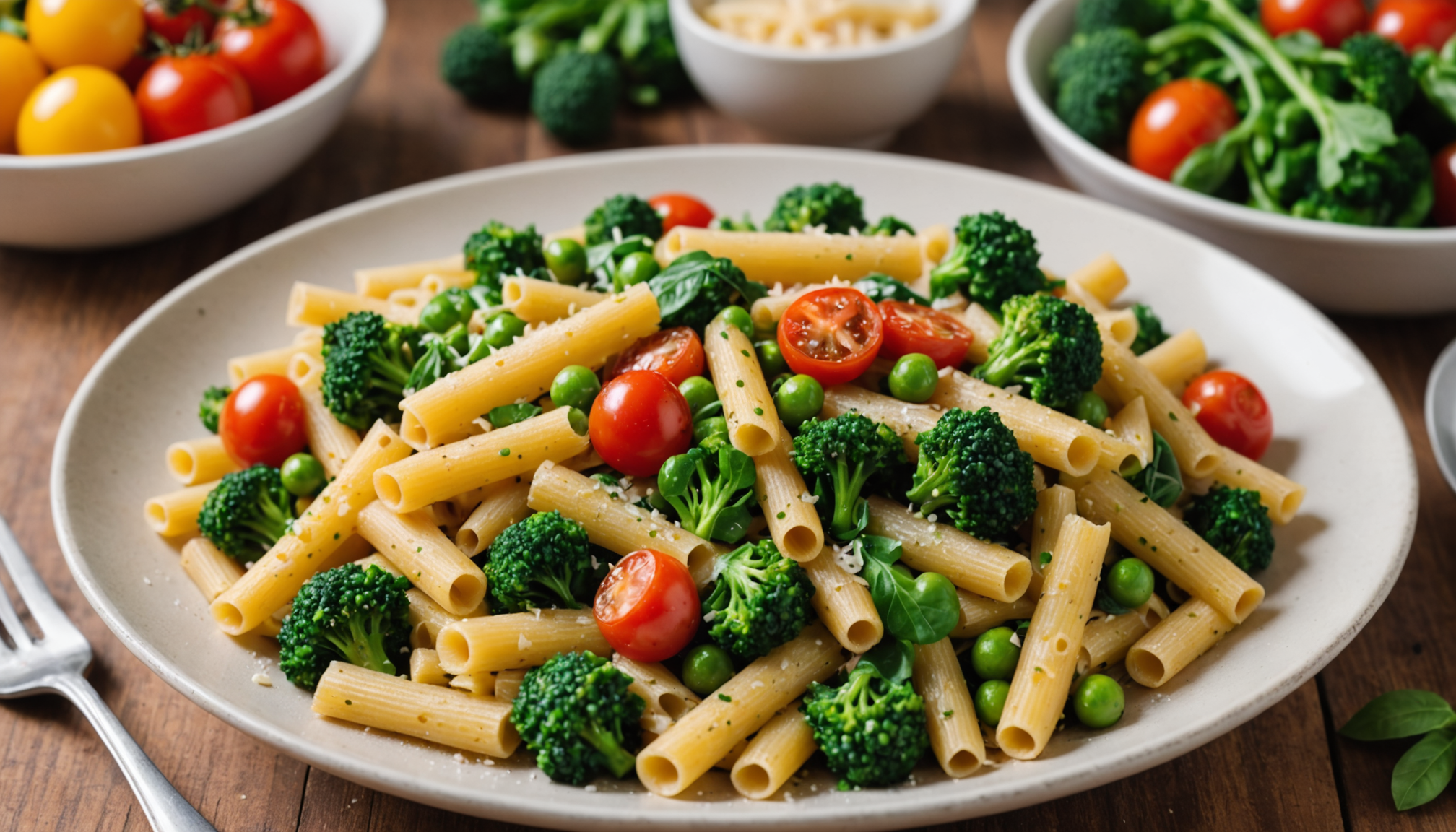
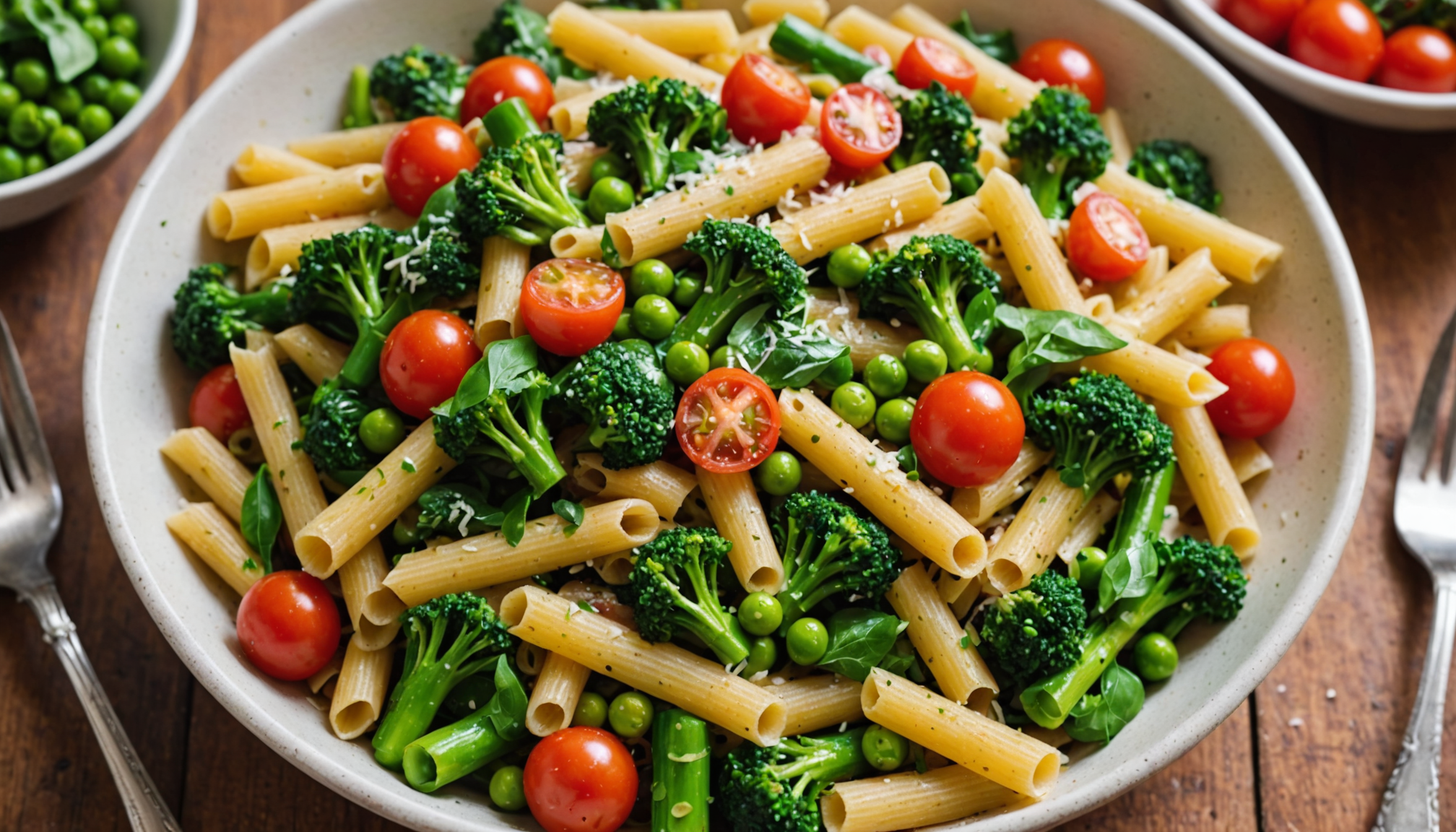
Let’s talk about pasta, because it gets an unfair reputation. People hear “pasta” and think “heavy,” “carb bomb,” or “I’ll need a nap after this.” But when you flip the script and make the vegetables the star and the pasta the supporting actor, you get dinners that are light, satisfying, and surprisingly energizing. For busy families, professionals walking in the door at 7:30 p.m., athletes coming home from a workout, or college students cooking in a tiny kitchen, vegetable pastas can be those easy healthy dinner ideas you actually look forward to at the end of the day.
The magic is in the balance: more vegetables than pasta, plenty of color, a little good fat, and enough protein to keep everyone full. Think of it as a “salad meets comfort food” situation. You still get the cozy bowl, but you also get fiber, vitamins, and slow-burning energy that supports everything from studying to training to running after small children. Research consistently links higher vegetable intake with better long-term health and lower risk of chronic disease, and using pasta as the vehicle to get those vegetables in is both realistic and delicious [1].
A good rule of thumb for veggie forward pasta: aim for at least a 1:1 ratio of vegetables to pasta by volume, and ideally 2:1. If you’re feeding athletes or anyone with a high energy output, you can push the pasta portion up a bit; if you’re more desk-bound all day, lean into the vegetables. Whole-wheat, chickpea, or lentil pastas add extra fiber and protein, but regular pasta works beautifully, too—what matters most is what you’re putting around it.
Here are a few simple patterns you can lean on, no matter how busy life is.
1. Everyday “fridge clean-out” veggie pasta
This is the weeknight workhorse. You can make it with almost anything you have on hand, which is exactly what most of us need on a random Tuesday.
- Boil your pasta (whole-wheat penne, fusilli, or shells hold onto sauces nicely). Salt the water generously; it should taste like the sea.
- While it cooks, heat olive oil in a large skillet. Add sliced onion or shallot and a couple of cloves of garlic.
- Raid the fridge: zucchini, bell peppers, cherry tomatoes, spinach, kale, mushrooms, broccoli, even leftover roasted vegetables—all fair game. Chop everything into bite-size pieces.
- Sauté the harder vegetables (like broccoli, carrots, or peppers) first, then add softer ones (like spinach or tomatoes) at the end.
- Reserve a cup of that starchy pasta water before you drain the pasta. Toss the hot pasta straight into the skillet with the vegetables.
- Add a splash of pasta water to create a light, glossy sauce, then finish with a handful of grated Parmesan or nutritional yeast, a squeeze of lemon, and lots of black pepper.
Families can add grilled chicken or turkey meatballs on top. College students can toss in a can of drained chickpeas. For sport enthusiasts, a base of lentil or chickpea pasta plus extra olive oil bumps up the protein and calories in a way that actually fuels recovery, rather than leaving you sluggish.
2. Light lemon-garlic broccoli and pea pasta
This one tastes like spring, even in the dead of winter. It’s bright, fast, and has that “I can’t believe this is this simple” feeling.
- Cook short pasta (like bowties or orecchiette) in salted water.
- During the last 3–4 minutes of cooking, toss in small broccoli florets right into the pasta water. Add frozen peas for the final 1–2 minutes.
- While everything boils, gently warm olive oil in a large pan with thinly sliced garlic and a pinch of red pepper flakes; you want fragrance, not browned garlic.
- Transfer the pasta, broccoli, and peas directly into the garlicky oil, along with a ladle of pasta water.
- Add lemon zest, lemon juice, salt, and pepper. Toss over low heat until it all becomes silky.
- Finish with freshly grated Parmesan or a dollop of ricotta, plus chopped parsley if you have it.
This version is naturally quite light, so for a post-workout dinner you might stir in white beans, shredded rotisserie chicken, or extra Parmesan for protein. For a more plant based meals approach, use chickpea pasta and add toasted walnuts or sliced almonds at the end for healthy fats and staying power.
3. Roasted vegetable “antipasto” pasta
When you have a bit more time—or you’ve done some sheet pan meal prep—this pasta feels like it came straight out of a little Italian café. It’s still simple, but the roasted flavor adds a lovely depth.
- Roast a tray of mixed vegetables at 400°F: cherry tomatoes, red onion wedges, zucchini, bell peppers, and halved mushrooms tossed with olive oil, salt, pepper, and dried oregano. Roast until tender and caramelized at the edges.
- Cook whole-wheat penne or rotini while the vegetables roast.
- In a big bowl, combine hot pasta and roasted vegetables.
- Toss with a splash of good olive oil, a spoonful of balsamic vinegar, and a little of the reserved pasta water to loosen things up.
- Add torn fresh basil, a handful of arugula (it wilts down and adds a peppery note), and either crumbled feta or shaved Parmesan.
This is a wonderful “bridge” dish: it can be served warm for dinner, then eaten at room temperature as a packed lunch the next day. For busy professionals or students, it holds up well in a container and gives you a colorful, veggie forward meal instead of defaulting to takeout. Add canned tuna, grilled shrimp, or marinated tofu cubes for a stronger protein punch.
4. Creamy-but-light spinach and mushroom pasta (without heavy cream)
You know those nights when you want Alfredo but also want to sleep well and wake up feeling good? This is that compromise in a bowl.
- Cook fettuccine or linguine in salted water.
- In a large skillet, sauté sliced mushrooms in olive oil until they release their moisture and start to brown. Season with salt and pepper.
- Add minced garlic and a pinch of thyme or Italian seasoning.
- Stir in a big handful (or two) of baby spinach until just wilted.
- Reduce the heat and add a splash of milk (or unsweetened oat/soy milk) and a generous spoonful of plain Greek yogurt or silken tofu, whisking gently to create a creamy sauce. Add pasta water as needed to reach a silky consistency.
- Toss the drained pasta into the pan, coat well, and finish with grated Parmesan (or nutritional yeast if dairy-free) and more black pepper.
Greek yogurt adds protein and tang without the heaviness of cream, and using mushrooms and spinach ups the fiber and micronutrient content. For athletes, you can increase the pasta portion and add grilled chicken or seared tempeh. For families, this is often a “gateway” pasta for kids who are still warming up to green vegetables.
5. “All-in-one” skillet ratatouille pasta
This is perfect when you want something hearty and rustic, but still firmly in the world of vegetable dinners.
- In a large, deep skillet, heat olive oil and soften chopped onion and minced garlic.
- Add diced eggplant, zucchini, and bell peppers. Season with salt, pepper, and dried basil or oregano.
- Cook until the vegetables are soft and lightly browned; add a little extra oil if they start to stick.
- Pour in a can of crushed tomatoes and about 1 cup of water or vegetable broth. Bring to a gentle simmer.
- Stir in dry short pasta directly into the sauce, cover, and cook, stirring occasionally and adding more liquid as needed, until the pasta is al dente and the sauce is thick and glossy.
- Finish with a drizzle of olive oil, a handful of fresh basil if you have it, and a sprinkle of cheese or toasted breadcrumbs for texture.
This “one-pan pasta” method keeps cleanup down and works wonderfully for college kitchens or anyone without a full set of cookware. Nutritionally, you’re getting a big volume of vegetables, which helps with fullness and overall nutrient density, and the slow-cooked tomato base provides lycopene, which has been associated with heart health benefits [2].
6. High-protein veggie pasta bowls for sport enthusiasts
If you or someone at your table is training hard—running, lifting, playing team sports—pasta can be a powerful, practical tool. The key is combining it with plenty of vegetables and adequate protein so you’re not just loading up on simple carbs.
- Choose a higher-protein pasta (lentil, chickpea, or edamame) as your base.
- Load up on quick-cooking vegetables: frozen mixed vegetables, spinach, peas, and broccoli florets are great options.
- While the pasta cooks, sauté vegetables in olive or avocado oil with garlic and herbs.
- Add a can of white beans, sliced chicken sausage, crumbled turkey, or cubed tofu to the pan.
- Toss everything together with a spoonful of pesto or tomato sauce, thinning with pasta water as needed.
Sports nutrition research supports combining carbohydrates with protein within a couple of hours after exercise to help replenish glycogen stores and support muscle repair [3]. A bowl like this checks all those boxes without feeling like “gym food.”
7. Fast pantry “tomato and greens” pasta
For those nights when the fridge is suspiciously empty but you still want something nourishing, the pantry steps in.
- Cook spaghetti or any long pasta in salted water.
- In a pan, warm olive oil and add minced garlic and a pinch of red pepper flakes.
- Add a can of diced tomatoes (or crushed tomatoes) and simmer for 5–8 minutes with a pinch of salt and dried basil or oregano.
- Stir in a few handfuls of baby spinach or frozen chopped spinach until wilted.
- Toss the pasta with the sauce, adding some pasta water to loosen it.
- Finish with a drizzle of olive oil and grated cheese.
For protein, crack in an egg or two and poach them gently right in the simmering sauce before adding the pasta, or stir in a can of drained beans. This is a reliable back-pocket meal for college students and busy professionals because the core ingredients—pasta, canned tomatoes, frozen greens—keep well and are budget-friendly.
8. Make-it-your-own vegetable pasta “bar” for families
If you’ve got different eaters at the table—little kids, teens, adults with specific preferences—a pasta “bar” can restore a bit of peace at dinnertime without turning you into a short-order cook.
- Cook a big pot of pasta—whole-wheat or regular, whatever your crew will happily eat.
- Prepare a large batch of simple sautéed or roasted vegetables: think broccoli, bell peppers, cherry tomatoes, zucchini, spinach, and peas.
- Offer 1–2 simple sauces: marinara and olive oil–garlic, or pesto and a light yogurt-based “Alfredo.”
- Set out toppings: grated cheese, toasted nuts or seeds, red pepper flakes, lemon wedges, and maybe some chopped fresh herbs.
Everyone builds their own bowl: some go heavy on vegetables, some choose extra sauce, some add a little more cheese. It nudges kids and hesitant adults to experiment while still feeling like they have control, and it’s a gentle way to normalize bigger portions of vegetables as just “how we do pasta around here.”
The beauty of these light and hearty vegetable pastas is that they bend with your life. On nights when you’re exhausted, you can lean on frozen vegetables and a jar of good marinara. When you have more space to cook, you can slowly roast a tray of vegetables and turn them into something a little special. Over time, your fridge, pantry, and routine start to support this way of eating almost automatically: a box of whole-wheat pasta here, a bag of frozen broccoli there, a few cans of beans, a block of Parmesan, and suddenly you have half a dozen vegetable dinners in your back pocket without really trying.
Healthy eating does not need to be complicated or precious. It can be a pot of boiling water, a skillet with some olive oil, and whatever vegetables you have time to chop. When you think of pasta not as a guilty pleasure but as a canvas for vegetables, protein, and flavor, it becomes a dependable weeknight ally—for the family juggling homework and soccer practice, the grad student with back-to-back deadlines, or the runner coming home from a long training session. A simple, generous bowl of veggie forward pasta can quietly support all of that, one comforting forkful at a time.
References
[1] Slavin, J. & Lloyd, B. “Health Benefits of Fruits and Vegetables.” Advances in Nutrition, 2012.
[2] Story, E. N. et al. “An update on the health effects of tomato lycopene.” Annual Review of Food Science and Technology, 2010.
[3] Thomas, D. T., Erdman, K. A., & Burke, L. M. “Position of the Academy of Nutrition and Dietetics, Dietitians of Canada, and the American College of Sports Medicine: Nutrition and Athletic Performance.” Journal of the Academy of Nutrition and Dietetics, 2016.
Protein-packed veggie stir-fries
Stir-fries are one of the fastest ways to get a satisfying, high-protein, veggie forward dinner on the table. With a hot pan, a smart sauce, and a mix of vegetables and protein, you can go from “starving” to “eating” in under 20 minutes. They’re perfect for weeknights, post-practice dinners, study breaks, or any time you need easy healthy dinner ideas that actually deliver on flavor.
“Real cooking is more about following your heart than following recipes.” — Anonymous home cooking wisdom, echoed in many modern cookbooks that encourage flexible, mix-and-match stir-fry formulas
To make stir-fries work for you, think in four parts: protein, vegetables, sauce, and a base (like rice or noodles). Once you know the pattern, you can plug in whatever you have on hand and still get a reliably good meal.
- Build-your-own basic veggie stir-fry formula
- Prep your base (do this first so it’s ready when the stir-fry is done):
- Cook brown rice, quinoa, or whole-grain noodles according to package directions.
- If you’re in a rush, use:
- Microwaveable rice packets.
- Leftover grains from another night.
- Quick-cooking rice noodles (they often just need a hot soak).
- Choose your protein (aim for about 3–4 oz per person):
- Animal options:
- Chicken breast or thighs (thinly sliced).
- Lean beef strips.
- Shrimp (peeled and deveined).
- Turkey or chicken mince (for a “ground meat” stir-fry).
- Plant based meals options:
- Firm or extra-firm tofu, pressed and cubed.
- Tempeh strips or cubes.
- Edamame (shelled, frozen is fine).
- Chickpeas, black beans, or lentils (rinsed and drained).
- Animal options:
- Pick 3–4 vegetables (fresh or frozen):
- Harder vegetables (cook first):
- Carrots (matchsticks or thin slices).
- Broccoli stems (peeled and sliced) and florets.
- Green beans.
- Cauliflower florets.
- Softer vegetables (add later):
- Bell peppers.
- Snow peas or snap peas.
- Mushrooms.
- Zucchini.
- Spinach, kale, or bok choy.
- Frozen mixed stir-fry vegetables.
- Aromatics (for flavor):
- Garlic (minced).
- Ginger (minced or grated).
- Green onions (sliced).
- Harder vegetables (cook first):
- Stir together a simple sauce (in a small bowl, mix):
- 3 tbsp soy sauce or tamari.
- 1–2 tbsp rice vinegar or lime juice.
- 1–2 tsp honey or maple syrup (optional, for balance).
- 1 tsp sesame oil (optional, for flavor).
- 1–2 tsp cornstarch mixed with 2 tbsp water (for thickening).
- Stir-fry step-by-step:
- Heat a large skillet or wok over medium-high to high heat until very hot.
- Add 1–2 tbsp oil (canola, avocado, or peanut oil work well for high heat).
- Cook the protein:
- Add your protein in a single layer.
- Let it sear without moving for 1–2 minutes, then stir until just cooked through.
- Remove to a plate and set aside.
- Cook the vegetables:
- Add a bit more oil if needed.
- Add harder vegetables first (carrots, broccoli, green beans); stir-fry 3–4 minutes.
- Add softer vegetables (peppers, mushrooms, greens); stir-fry 2–3 minutes more.
- Add aromatics (garlic, ginger, green onions) in the final 30–60 seconds so they don’t burn.
- Combine and sauce:
- Return the cooked protein to the pan.
- Give the sauce a quick stir (cornstarch settles), then pour it over everything.
- Cook 1–3 minutes, stirring, until the sauce thickens and coats the vegetables and protein.
- Serve:
- Spoon over hot rice, quinoa, or noodles.
- Top with sesame seeds, extra green onion, or chopped peanuts for crunch.
- Prep your base (do this first so it’s ready when the stir-fry is done):
- High-protein tofu and broccoli stir-fry (plant-based “takeout” at home)
- Press and prep the tofu:
- Drain a block of firm or extra-firm tofu.
- Wrap in a clean towel and place a light weight (like a pan) on top for 10–15 minutes.
- Cut into bite-size cubes.
- Crisp the tofu:
- Toss tofu cubes with:
- 1–2 tsp soy sauce.
- 1–2 tsp cornstarch (helps them get golden).
- Heat 1–2 tbsp oil in a nonstick pan or wok over medium-high heat.
- Add tofu and cook, turning occasionally, until golden and crisp on most sides. Remove and set aside.
- Toss tofu cubes with:
- Cook the broccoli:
- Add a little more oil if needed.
- Add broccoli florets and a pinch of salt.
- Stir-fry 3–4 minutes.
- Add a splash of water, cover for 1–2 minutes to steam until bright green and crisp-tender.
- Make a simple garlic-ginger sauce:
- In a bowl, whisk:
- 3 tbsp soy sauce or tamari.
- 1 tbsp rice vinegar.
- 1 tbsp honey or maple syrup.
- 1 tsp grated ginger.
- 2 cloves garlic, minced.
- 1 tsp cornstarch + 2 tbsp water.
- In a bowl, whisk:
- Finish the stir-fry:
- Return tofu to the pan with the broccoli.
- Pour in the sauce and stir over medium-high heat until thickened and glossy.
- Serve over brown rice or quinoa and sprinkle with sesame seeds.
- Press and prep the tofu:
- Chicken and rainbow vegetable stir-fry for busy families
- Slice the chicken:
- Thinly slice boneless, skinless chicken breast or thighs across the grain.
- Optional quick marinade (10–15 minutes):
- 1 tbsp soy sauce.
- 1 tsp cornstarch.
- 1 tsp oil.
- Prep a “rainbow” of vegetables:
- Red: bell peppers, thin strips.
- Orange: carrots, matchsticks.
- Green: broccoli or snap peas.
- White: onion or sliced cabbage.
- Cook the chicken:
- Heat oil in a large pan over medium-high heat.
- Add chicken in a single layer.
- Cook 3–5 minutes, stirring once or twice, until cooked through. Remove and set aside.
- Cook the vegetables in stages:
- Add carrots and broccoli first; stir-fry 3 minutes.
- Add onions and peppers; stir-fry 2–3 minutes more.
- Make a family-friendly sauce:
- In a bowl, mix:
- 3 tbsp soy sauce.
- 2 tbsp orange juice or water.
- 1 tsp honey or brown sugar.
- 1 tsp cornstarch + 2 tbsp water.
- In a bowl, mix:
- Combine and serve:
- Return chicken to the pan.
- Pour in the sauce and stir until thickened.
- Serve over rice, noodles, or cauliflower rice for a lower-carb option.
- Let kids sprinkle on their own toppings (peanuts, sesame seeds, extra sauce) to make it more fun.
- Slice the chicken:
- College-friendly 10-minute egg and veggie stir-fry
- Grab your ingredients:
- 2–3 eggs.
- 1–2 cups frozen mixed vegetables or leftover cooked veggies.
- Cooked rice or instant rice (microwaveable).
- Soy sauce, garlic powder, and a splash of oil.
- Cook the eggs:
- Heat 1 tsp oil in a pan over medium heat.
- Beat the eggs in a bowl and pour into the pan.
- Scramble until just set, then remove to a plate.
- Stir-fry the vegetables and rice:
- In the same pan, add another tsp oil.
- Add frozen veggies and cook until hot.
- Add cooked rice and a splash of soy sauce; sprinkle with garlic powder.
- Combine:
- Stir the scrambled eggs back into the pan.
- Taste and add more soy sauce or a squeeze of hot sauce if desired.
- Eat straight from the pan if you’re doing dishes-avoidance, or pack into a container for class.
- Grab your ingredients:
- Post-workout shrimp and vegetable stir-fry (fast protein boost)
- Prep shrimp and veggies:
- Use peeled, deveined shrimp (fresh or thawed frozen).
- Pat dry with paper towels.
- Slice quick-cooking vegetables:
- Bell peppers.
- Snow peas or snap peas.
- Baby spinach or bok choy.
- Thinly sliced onion.
- Make a light, zesty sauce:
- Whisk together:
- 2–3 tbsp soy sauce.
- Juice of 1 lime.
- 1 tsp honey or maple syrup.
- 1 tsp grated ginger.
- Optional: a little sriracha or chili flakes.
- Whisk together:
- Cook the shrimp:
- Heat oil in a hot pan.
- Add shrimp in a single layer.
- Cook 1–2 minutes per side until just pink and opaque. Remove and set aside.
- Cook vegetables:
- In the same pan, add onions and peppers; stir-fry 2–3 minutes.
- Add peas and greens; cook another 1–2 minutes.
- Finish and serve:
- Return shrimp to the pan.
- Pour sauce over everything and toss for 1–2 minutes.
- Serve over brown rice or whole-grain noodles for a complete, recovery-friendly meal.
- Prep shrimp and veggies:
- Tempeh and vegetable “power bowl” stir-fry (for sport enthusiasts and plant-based eaters)
- Prep the tempeh:
- Slice tempeh into thin strips or small cubes.
- Optional quick marinade (15–20 minutes, or while you chop veg):
- 2 tbsp soy sauce.
- 1 tbsp rice vinegar.
- 1 tsp maple syrup.
- Pre-cook your grain:
- Use quinoa, brown rice, or farro.
- Leftovers or microwaveable pouches are great time-savers.
- Stir-fry the tempeh:
- Heat oil in a pan over medium-high heat.
- Add tempeh; cook until golden on most sides (about 5–7 minutes).
- Remove and set aside.
- Add vegetables:
- Use a colorful mix:
- Broccoli or broccolini.
- Carrots.
- Red cabbage (thin shreds).
- Spinach or kale.
- Stir-fry 4–6 minutes until crisp-tender.
- Use a colorful mix:
- Toss with a nutty sauce:
- In a bowl, whisk:
- 2 tbsp peanut butter or almond butter.
- 2 tbsp warm water (to thin).
- 1 tbsp soy sauce.
- 1 tsp lime juice or rice vinegar.
- 1 tsp honey or maple syrup.
- Return tempeh to the pan with vegetables.
- Pour sauce over, toss to coat, and cook 1–2 minutes.
- In a bowl, whisk:
- Assemble the bowls:
- Place warm grains in the bottom of bowls.
- Top with the tempeh and vegetable stir-fry.
- Finish with sliced green onions, crushed peanuts, or seeds for extra crunch and healthy fats.
- Prep the tempeh:
- Stir-fry shortcuts for super-busy nights
- Keep smart freezer and pantry staples:
- Frozen stir-fry
Make-ahead vegetable-friendly meals
 Meal prep is where your good intentions stop being theoretical and start living in your fridge, ready to save you on the nights when cooking feels impossible. Make-ahead, vegetable-friendly meals turn a single relaxed cooking session—maybe on Sunday afternoon, or whenever you can carve out an hour—into multiple veggie forward dinners that practically assemble themselves. Instead of asking, “What’s for dinner?” when you’re already tired, you get to ask, “Which of my ready-made options sounds best tonight?”
Start by shifting how you think about prep: you’re not just batch-cooking a giant pot of the same thing; you’re creating flexible building blocks. Imagine having three or four of these on hand most weeks:
- A big container of roasted mixed vegetables (any color, any combo).
- One cooked whole grain (quinoa, brown rice, farro, barley, or whole-wheat couscous).
- At least one ready protein (beans, lentils, tofu, tempeh, eggs, chicken, or fish).
- One or two quick sauces or dressings in jars (tahini-lemon, yogurt-herb, or a simple vinaigrette).
Those four pieces alone can become grain bowls, wraps, salads, stuffed pitas, or warm “throw-it-in-a-skillet” vegetable dinners in under 10 minutes. Look at your own schedule and ask yourself: when during the week would life feel radically easier if your future self had already done a little chopping and roasting?
One of the most practical strategies is the “base + toppings” bowl. You cook a generous batch of one grain, roast two sheet pans of vegetables, and prep a protein or two. Then, over the next three to four days, you build different bowls:
- Night 1: Quinoa + roasted broccoli and carrots + chickpeas + tahini-lemon drizzle.
- Night 2: Brown rice + roasted sweet potatoes and Brussels sprouts + shredded rotisserie chicken or baked tofu + yogurt-sriracha sauce.
- Night 3: Farro + roasted peppers, onions, and zucchini + white beans + olive oil, balsamic, and fresh herbs.
From a nutrition standpoint, bowls like these are naturally high in fiber, packed with vitamins and minerals, and balanced with complex carbohydrates, protein, and healthy fats. For sport enthusiasts, they’re an easy way to hit recovery targets: you can simply increase the grain and protein portion, or add extras like nuts, seeds, or a slice of whole-grain bread. For college students, precooked grains and canned beans keep costs down and make “real” food as convenient as instant noodles.
Soups and stews are another make-ahead hero. A large pot of vegetable-rich soup gives you several nights of low-effort comfort and can often be frozen in individual portions. Consider a minestrone loaded with onions, carrots, celery, tomatoes, zucchini, beans, and a handful of pasta or barley. Or a lentil and vegetable stew with spinach, tomatoes, and whatever root vegetables you have. Store a few servings in the fridge for the next couple of days, and freeze the rest. On a night when everyone is exhausted, reheating a bowl of soup and adding whole-grain toast or a side salad suddenly becomes one of those easy healthy dinner ideas that takes less time than ordering delivery.
Casseroles don’t have to be heavy to be satisfying. Think “vegetable bake with a protein backbone,” rather than endless layers of cheese and cream. For example:
- Layer roasted or lightly sautéed vegetables (like spinach, mushrooms, zucchini, and onions) with cooked whole-wheat pasta or quinoa and a can of drained white beans.
- Pour over a simple sauce made from blended cottage cheese or Greek yogurt, a bit of milk, garlic, and herbs.
- Top with a modest sprinkle of cheese or whole-grain breadcrumbs and bake until bubbly.
Portion this into glass containers and you’ve got grab-and-reheat lunches for the office, or quick dinners for kids between activities. The vegetables carry the bulk and fiber, the beans and yogurt add protein, and the lighter sauce keeps it from feeling like “brick in your stomach” comfort food. Ask yourself: how many nights a week would be calmer if you knew there was a balanced, veggie-heavy slice of something like this waiting in the fridge?
Make-ahead, vegetable-friendly breakfasts and “anytime” meals can quietly support your dinners too. A vegetable frittata or egg bake made with bell peppers, spinach, onions, and maybe a bit of feta can be sliced and stored in the fridge. Pair a wedge with a side salad or a piece of whole-grain toast and fruit, and you’ve got an easy meal that works at 7 a.m., noon, or 8 p.m. For plant-based eaters, a chickpea flour “quiche” or tofu scramble bake layered with vegetables performs the same trick, turning breakfast food into high-protein plant based meals that reheat beautifully.
Don’t overlook the power of make-ahead sauces and dips to transform simple vegetables into craveable meals. Blend a batch of:
- Tahini-lemon sauce: tahini, lemon juice, garlic, water, salt.
- Herbed yogurt: plain Greek yogurt with lemon, garlic, dill or parsley.
- Cashew cream: soaked cashews blended with water, lemon, and a pinch of salt (dairy-free).
Keep them in jars in the fridge. Suddenly, plain roasted vegetables become a “bowl,” sliced cucumbers and carrots become a snack platter, and leftover grains and beans become a sturdy, flavorful dinner. This is where a lot of people quietly shift from “I should eat more vegetables” to “I actually want to,” because flavor is no longer an afterthought. How many simple veggies in your fridge would you eat more often if you always had a good sauce ready?
Wraps and handheld meals also lend themselves beautifully to advance prep. Think of them as portable, deconstructed bowls:
- Prep fillings: shredded lettuce or cabbage, sliced peppers, grated carrots, roasted vegetables, cooked beans, and a protein (like baked tofu, chicken strips, or boiled eggs).
- Store everything separately in containers so textures stay fresh.
- At mealtime, spread hummus, yogurt sauce, or mashed avocado on a whole-wheat tortilla or pita, pile on your fillings, roll it up, and you’re done.
Busy professionals can pack two or three wraps at once for multiple days. Students can assemble wraps right in the dorm with a mini-fridge and a cutting board. Families can create a “wrap bar” from prepped ingredients and let everyone build their own. It’s all the flexibility of takeout, with control over how many vegetables and how much protein make it into each bite.
Freezer-friendly vegetable meals are your true emergency backup plan, and they can be surprisingly fresh-tasting when done right. Try:
- Individually portioned vegetable lasagna made with layers of roasted eggplant, spinach, whole-wheat noodles, and a light ricotta mixture.
- Black bean and roasted vegetable burritos (sweet potatoes, peppers, onions) wrapped tightly and frozen. Reheat in a dry pan or oven for crisp edges.
- Vegetable and grain-filled stuffed peppers or cabbage rolls, baked once, then frozen in portions.
Label with the date and contents so your freezer doesn’t become a mystery archive. Next time you’re tempted by fast food, you’ll know a balanced, veggie heavy meal is minutes away in your own kitchen. Ask yourself honestly: what would change in your week if your freezer held three “I can just heat this and eat” options that actually nourished you?
To make all this sustainable, you need a simple planning rhythm, not perfection. Try this pattern:
- Pick a prep day: 60–90 minutes, once a week.
- Choose 2–3 “anchors”: one soup or stew, one grain-and-veg bowl base, one versatile protein (beans, tofu, chicken).
- Prep a few shortcuts: wash and chop salad greens, slice carrots and peppers, cook a pot of grains, whip up one sauce.
- Leave room for spontaneity: keep 1–2 nights open for something fresh or social so your plan feels like support, not a cage.
Over time, your personal system will emerge. Maybe you discover that a big jar of lentil soup plus a tray of roasted vegetables is all you really need. Maybe you realize that pre-cooking protein is the biggest stress reliever, or that chopped vegetables are your nonnegotiable. The goal isn’t to copy someone else’s routine; it’s to observe your own life and design a make-ahead pattern that gently removes friction from your evenings.
As you experiment, pay attention: which meals make your body feel steady and energized the next day? Which make your future self silently thank your past self when you open the fridge at 9 p.m.? The more you notice, the more you can refine—not toward some abstract ideal of “perfect eating,” but toward a way of living where easy healthy dinner ideas aren’t a special project, they’re simply the default.
- How long can I safely store make-ahead vegetable meals in the fridge?
- Most cooked vegetable dishes, grains, and proteins keep well in the refrigerator for about 3–4 days when stored in airtight containers. If you know you won’t eat something within that window, freeze portions right away to maintain quality and safety.
- What are the best vegetables for make-ahead meals that won’t get soggy?
- Sturdier vegetables like carrots, broccoli, cauliflower, Brussels sprouts, bell peppers, green beans, and sweet potatoes hold up best after cooking and reheating. More delicate vegetables (like spinach or zucchini) work well too, but are often better added closer to serving time or enjoyed in soups and saucy dishes where a softer texture is welcome.
- How can I keep make-ahead meals from all tasting the same?
- Use neutral bases (like plain roasted vegetables and unsauced grains) and change up the flavors with different sauces, herbs, and toppings throughout the week. A tahini-lemon drizzle, a spoonful of pesto, or a yogurt-garlic sauce can make the same ingredients feel like completely different meals.
- Are make-ahead meals still healthy after reheating?
- Yes—while some heat-sensitive vitamins (like vitamin C) decrease slightly with cooking and reheating, the overall nutrient content, especially fiber, minerals, and many antioxidants, remains beneficial. The key is to reheat just until hot rather than boiling or overcooking, and to base your meals around a variety of vegetables, whole grains, and lean proteins.
- What’s an easy way to add enough protein to veggie forward make-ahead meals?
- Pair your vegetables and grains with simple, prep-friendly proteins like canned beans or lentils, baked tofu, tempeh, boiled eggs, rotisserie chicken, or frozen edamame. Aim to add a palm-sized portion of protein to each meal so your plant based meals and mixed dishes keep you full and support muscle repair.
- Can I do make-ahead cooking if I only have a tiny kitchen or dorm setup?
- Absolutely; focus on one-pot or one-pan recipes and rely on items like microwaveable grains, canned beans, and frozen vegetables. Even with just a hot plate, a microwave, and a cutting board, you can batch-cook a pot of soup, a stir-fry, or a grain-and-veggie mix to portion out for the week.
- How do I start meal prepping without feeling overwhelmed or obsessed with “perfect” eating?
- Begin with one small habit—like roasting a single tray of vegetables and cooking one pot of grains each week—and build from there as it feels helpful. Use meal prep as a tool to make your life easier, not stricter: notice what genuinely reduces stress and supports your energy, and let curiosity guide you more than rigid rules.
- Frozen stir-fry
- Keep smart freezer and pantry staples:
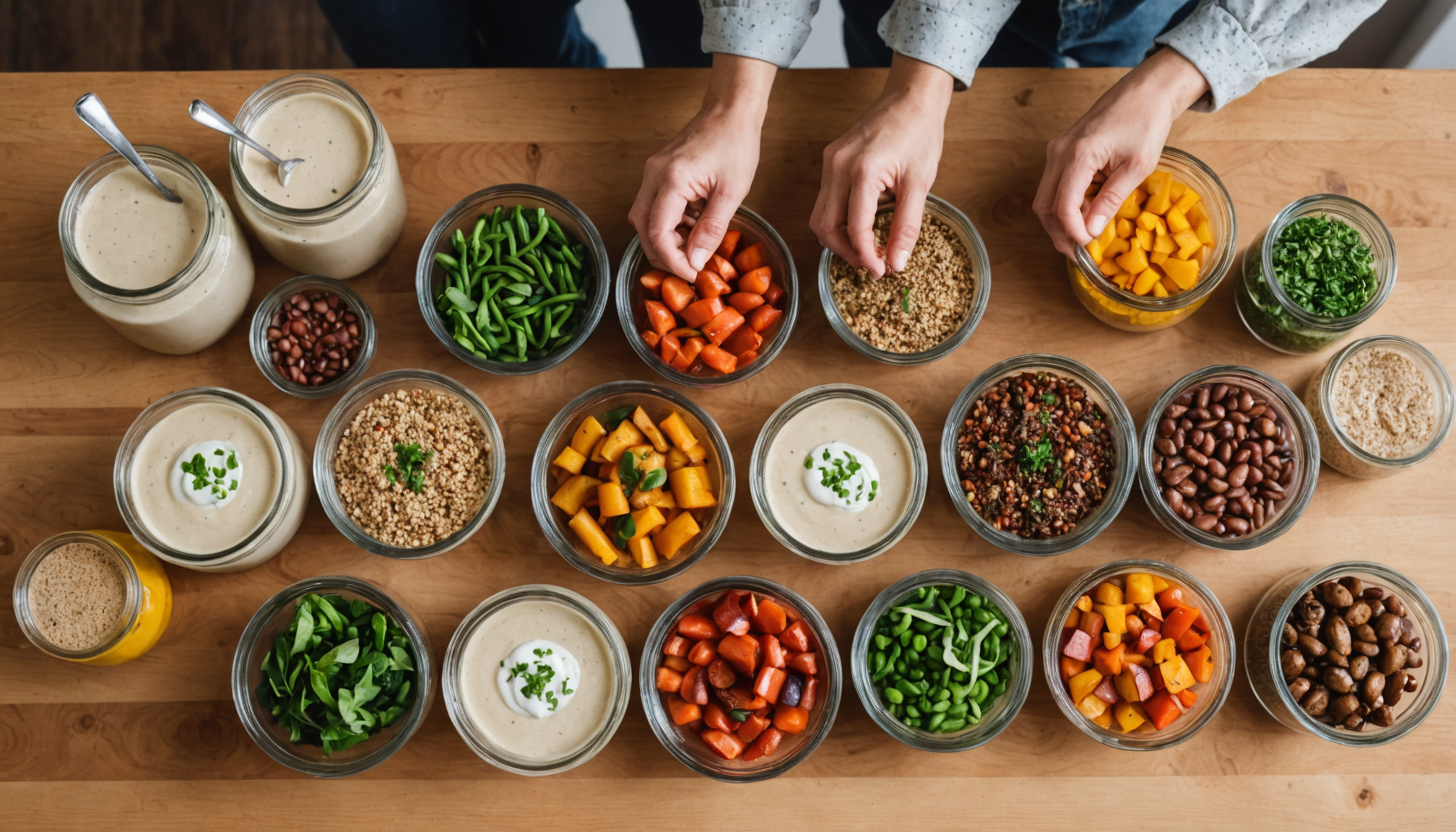 Meal prep is where your good intentions stop being theoretical and start living in your fridge, ready to save you on the nights when cooking feels impossible. Make-ahead, vegetable-friendly meals turn a single relaxed cooking session—maybe on Sunday afternoon, or whenever you can carve out an hour—into multiple veggie forward dinners that practically assemble themselves. Instead of asking, “What’s for dinner?” when you’re already tired, you get to ask, “Which of my ready-made options sounds best tonight?”
Leave a Reply