- Healthy meal prep tips for gluten-free diets
- Essential gluten-free ingredients to stock your kitchen
- Easy gluten-free meal prep recipes
- Meal prep strategies for busy lifestyles
- Storing and reheating gluten-free meals safely
When diving into the world of healthy meal prep for gluten-free diets, it’s all about setting yourself up for success. One of the best ways to kickstart your week is by carving out a little time to prepare some of your meals in advance. Believe me, it saves so much hassle on those busy weekdays! A solid game plan can make all the difference. First things first, gather your containers. Choose some glass or BPA-free plastic containers in various sizes to suit the type of meals you’re prepping.
Next, let’s talk about variety. Nobody wants to eat the same thing all week, right? Mix it up by incorporating a range of proteins, vegetables, and healthy carbs. If you’re a fan of proteins like chicken, turkey, or tofu, you can bake or grill a big batch at the beginning of the week, ensuring you have something ready to go. Remember to season them differently so you don’t get bored! Using spices or different marinades can really elevate these straightforward ingredients into something special.
Don’t forget your veggies! Steaming a colorful range of vegetables is an easy task; just throw them in a pot with a little water and steam until bright and slightly tender. Try to include lots of greens like spinach, kale, or broccoli, and don’t shy away from some radishes or bell peppers for a pop of color and flavor. Roasting these with a little olive oil, salt, and pepper can also bring out their natural sweetness, making them a hit at mealtime.
For the starch component, think outside the typical rice and potatoes. Quinoa, brown rice, or even lentils are fantastic options that are both filling and nutritious. You can cook a batch of quinoa and use it in various dishes throughout the week. Toss it into salads, stir it into your veggies, or make a quick quinoa bowl topped with your protein. It’s all about keeping it flexible and easy!
Another tip? Invest in a salad spinner! This nifty gadget not only helps keep your greens fresh and crisp but also encourages you to enjoy salads more frequently. Batch-prepped salads can be a game-changer—just store the dressing separately until you’re ready to eat.
One last idea is to utilize your freezer; it’s a fantastic tool for gluten-free meal prep. Make larger portions of your favorite meals and freeze individual servings. That way, you’ve got quick lunches or dinners ready in a pinch! Just remember to label your containers with the contents and a date to keep track of everything.
Meal prep is not just about cooking; it’s also about picking the right tools and the freshest ingredients. So, stock your kitchen with a mix of your favorite gluten-free staples, and you’ll find that making healthy meals becomes second nature. Your busy life deserves the gift of nutritious, homemade meals that keep you feeling vibrant and energized!
Essential gluten-free ingredients to stock your kitchen
To create a kitchen that supports your gluten-free lifestyle, it’s essential to fill it with ingredients that are both nutritious and versatile. By stocking your pantry with the right gluten-free staples, you can streamline your healthy meal prep and ensure you always have the building blocks for delicious meals on hand. Here are some key ingredients to consider:
– Gluten-free grains: Stock up on a variety of gluten-free grains that serve as excellent bases for meals:
– Quinoa: High in protein and fiber, quinoa can be used in salads, bowls, or as a side dish.
– Brown rice: A staple that pairs well with almost anything. It can be served alongside stir-fries or stuffed into wraps.
– Gluten-free oats: Perfect for breakfast, use them for oatmeal, smoothies, or homemade granola.
– Legumes and pulses: These are great sources of protein and fiber while being naturally gluten-free:
– Lentils: Easy to cook and can be incorporated into soups, salads, or used as a meat substitute in various recipes.
– Chickpeas: Use them in salads, make hummus, or add to stews for added texture and protein.
– Black beans: A versatile option that works well in tacos, salads, or as a side dish.
– Fruits and vegetables: Fresh produce is the foundation of any healthy meal prep:
– Leafy greens: Spinach and kale can be used in salads, smoothies, or sautéed as a side dish.
– Cruciferous vegetables: Broccoli and cauliflower are great for roasting or adding to stir-fries.
– Seasonal fruits: Stock your kitchen with apples, berries, bananas, and citrus for snacks or additions to breakfasts.
– Nuts and seeds: These are great sources of healthy fats and can enhance your dishes:
– Almonds and walnuts: Excellent for snacking, adding to salads, or incorporating into healthy bars.
– Chia seeds and flaxseeds: Great for smoothies, oatmeal, or as egg substitutes in baking.
– Condiments and flavorings: Elevate your meals without gluten:
– Tamari: A gluten-free soy sauce that can be used in marinades or stir-fries.
– Mustard and vinegar: Essential for dressings and marinades to add flavor.
– Olive oil and coconut oil: Healthy fats that are perfect for cooking or drizzling over salads.
– Gluten-free flours: For those who love to bake or make sauces:
– Almond flour: A great option for low-carb baking, pancakes, or breading.
– Coconut flour: This absorbs a lot of moisture and is perfect for thickening or in baking recipes.
– Gluten-free all-purpose flour: Convenient for easy substitutions in traditional recipes.
By ensuring you have a well-stocked pantry filled with these essentials, you’ll streamline your healthy meal prep. This foundation allows for creativity and flexibility in your cooking, letting you whip up allergy-friendly recipes that fit your gluten-free lifestyle. Investing time in your kitchen inventory pays off during your busy weeks, fostering nutritious eating habits easily.
Easy gluten-free meal prep recipes
When it comes to easy gluten-free meal prep recipes, simplicity and flavor are your best friends. Let’s dive into some delights that will not only satisfy your palate but also make your busy days feel less overwhelming. These recipes are designed for variety and ease, making them perfect for families, professionals, and students alike.
First up is a one-pan baked lemon herb chicken and veggies. Simply take some chicken breasts and marinate them in a mixture of olive oil, lemon juice, garlic, and your favorite herbs like thyme or rosemary. Place them on a baking sheet alongside your choice of chopped vegetables—think carrots, zucchini, and bell peppers. Roast everything in the oven at 400°F for about 25-30 minutes. The result? Juicy chicken with perfectly roasted veggies, all in one dish for easy cleanup!
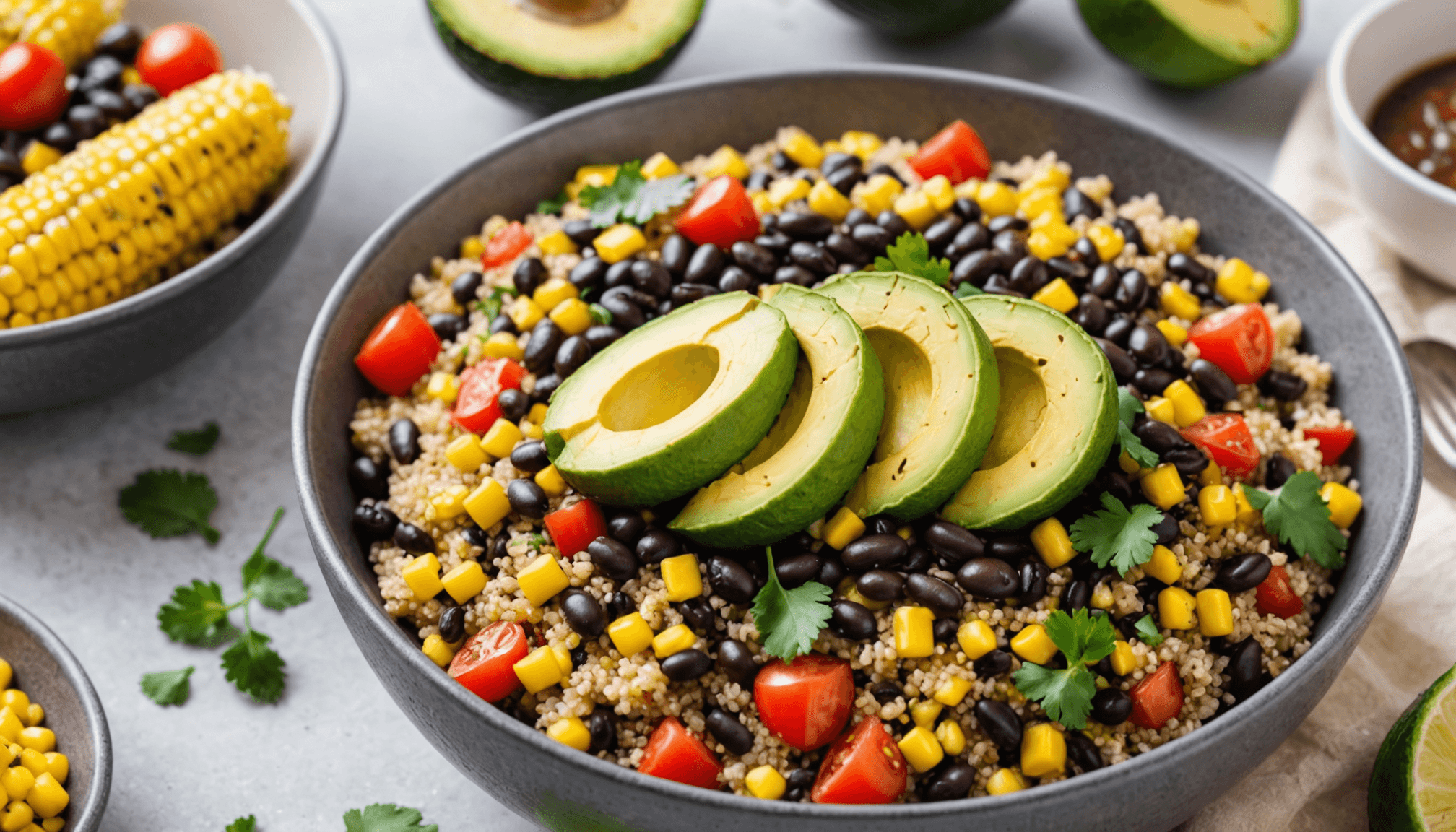
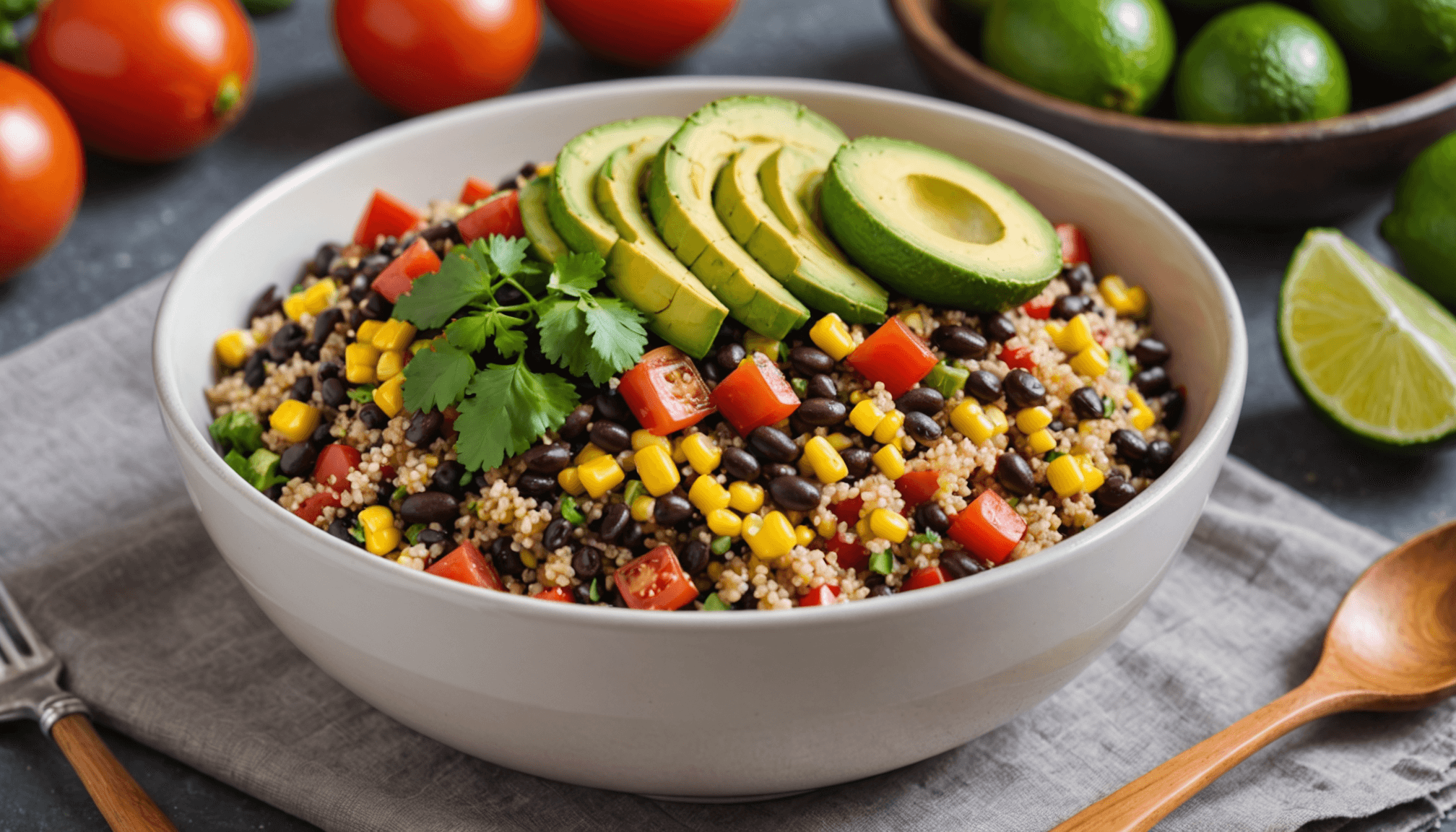
Next, consider making quinoa and black bean bowls. Cook a big batch of quinoa according to package instructions and let it cool. In a separate bowl, combine canned black beans (rinsed and drained), chopped tomatoes, corn, and diced avocado. Dress this salad with lime juice and a sprinkle of cumin for an extra kick. When you’re ready to eat, layer your quinoa with the black bean mixture, and don’t forget a dollop of salsa or a handful of chopped cilantro for flavor. This dish is not only gluten-free but loaded with nutrients, making it a fantastic option for meal prep.
If you’re looking for something to pack for lunches, try out some gluten-free turkey and spinach meatballs. Mix lean ground turkey with chopped fresh spinach, gluten-free breadcrumbs, an egg, and your favorite seasonings. Roll them into bite-sized balls and bake at 375°F for about 20 minutes. These meatballs are perfect over pasta, in a wrap, or simply enjoyed with some homemade marinara sauce. They freeze wonderfully, too, so batch cooking means you’ll always have a quick, hearty meal on hand.
And let’s not forget breakfast—meal prepping for the morning can transform your day! Try overnight oats—an absolute breeze. Combine gluten-free oats with your choice of milk (dairy or nut-based) and mix in chia seeds for added nutrition. Add in toppings like fresh berries, sliced banana, or a drizzle of honey. Store them in cute mason jars in the fridge, and you’ll have grab-and-go breakfasts that are nourishing and delicious.
Whether you’re making meals for yourself or for a crowd, these gluten-free recipes are perfect for healthy meal prep. Each dish can serve as a canvas for your creativity, allowing you to swap in different proteins or vegetables based on what you have at hand. So why not get cooking and enjoy the delicious benefits of a well-prepped kitchen?
Meal prep strategies for busy lifestyles
- Plan your prep time. Schedule a couple of hours during the weekend or whenever you have a free moment to dive into your meal prep. Block this time on your calendar like any other important appointment.
- Batch cooking is your best friend. Prepare large portions of foods that can be used in multiple meals throughout the week. This could include proteins, grains, and roasted vegetables. For example:
- Cook a big batch of quinoa or rice.
- Grill or bake enough chicken, turkey, or a plant-based protein for several meals.
- Roast a variety of vegetables in a single session.
- Invest in quality containers. Choose airtight, stackable containers that are microwave- and dishwasher-safe to store your prepped meals. Clear containers allow you to easily see what you have available without opening each one.
- Use a dry-erase board or app to track meals. Create a meal plan for the week, noting what you’ll have for lunch and dinner each day. This not only helps you stay organized but also reduces the hassle of deciding what to eat last minute.
- Incorporate versatile ingredients to maximize your recipes:
- Choose ingredients that can be swapped easily. For instance, if you have grilled chicken, it can be used in salads, wraps, or rice bowls.
- Make sauces and dressings in larger batches. Store them in jars to add instant flavor to various dishes.
- Label and date your meals. Each container should be labeled with the name of the dish and the date it was made. This simple step helps you track freshness and prevents food waste.
- Utilize your freezer. Not all meals need to be eaten right away. Freeze individual portions of meals for quick lunches or dinners on days when you don’t have time to cook.
- Pack up single servings for easy thawing.
- Date them to ensure you eat them within a reasonable timeframe.
- Stay flexible with your menu. If you find you are tired of one meal, don’t hesitate to swap things around. This approach keeps you from feeling restricted and helps maintain variety in your diet.
- Involve the whole family. Get everyone on board with meal prep. Assign tasks according to age and skill level, making it a fun family activity where everyone can contribute and learn about healthy eating.
“By failing to prepare, you are preparing to fail.” – Benjamin Franklin
Storing and reheating gluten-free meals safely
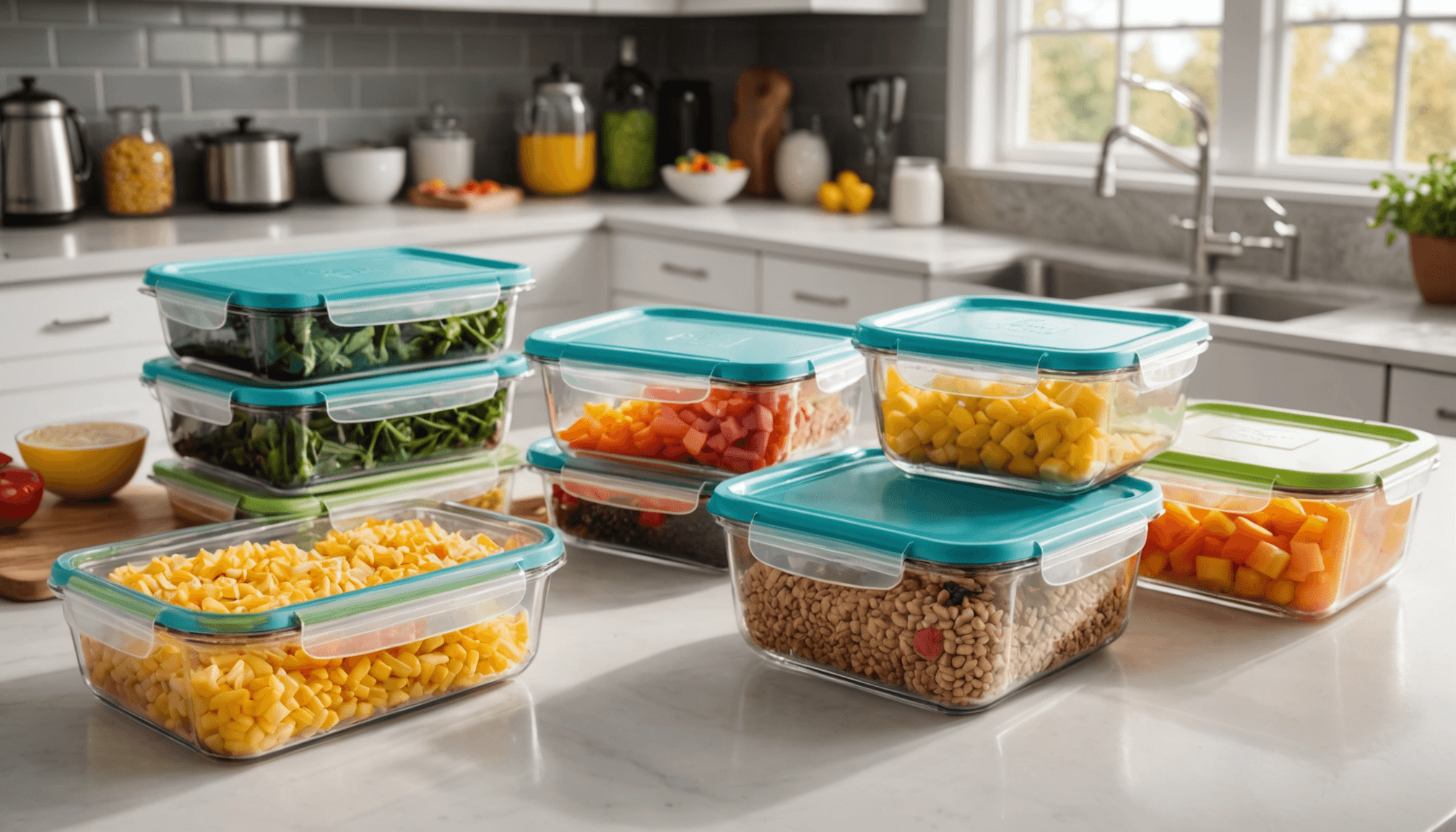 Storing your gluten-free meals properly is just as important as preparing them. To maintain their freshness and flavor, it’s crucial to use the right storage techniques. Start by allowing your cooked meals to cool completely before transferring them to containers. This helps prevent condensation, which can lead to soggy textures and spoilage. Airtight glass or BPA-free plastic containers are ideal for storage, as they keep out air while allowing you to see your meals at a glance.
When preparing multiple meals, consider portioning them into single-serving sizes. This way, you can simply grab an individual meal when you’re short on time or feeling peckish, ensuring you stick to your healthy eating goals without any effort. A quick tip: if you plan to freeze your meals, use freezer-safe containers and leave some space at the top for expansion, as liquids tend to swell when frozen.
For foods that you plan to eat within a few days, store them in the refrigerator. Ensure your refrigerator is set to the right temperature (below 40°F) to inhibit bacterial growth. On the other hand, meals intended for longer storage should be frozen. Be mindful to label each container with the name of the dish and the preparation date so you can keep track of what needs to be eaten first.
Reheating gluten-free meals requires attention, as some foods dry out easily or lose texture. When reheating in the microwave, cover the dish with a microwave-safe lid or a damp paper towel to trap moisture. Stir your meal halfway through the reheating process to ensure even warmth. Alternatively, reheating in the oven can help restore crispness—just preheat it to a moderate temperature and cover the dish with aluminum foil to prevent drying out.
Think about your eating habits and plan your meals accordingly. Assess what works best for you in terms of batch cooking and storage. Do you prefer one-pot meals that can be easily reheated, or do you enjoy a variety of separate components to mix and match? Exploring different meals can reshape your approach to healthy meal prep, making it more enjoyable and fulfilling.
- How long can I store gluten-free meals in the refrigerator?
- Most gluten-free meals can be safely stored in the refrigerator for 3 to 4 days. Use airtight containers to maintain freshness and prevent contamination.
- Can I freeze gluten-free food?
- Yes, most gluten-free meals freeze well. Just make sure to use freezer-safe containers and label them with the contents and date for best results. Generally, frozen meals are best consumed within 2 to 3 months for optimal quality.
- What’s the best way to reheat gluten-free meals?
- Microwaving is convenient, but for optimal texture, reheating in the oven is preferable. Cover the food to maintain moisture and stir halfway through the process to ensure even heating.
- Are there specific containers I should use for gluten-free meal storage?
- Glass or BPA-free plastic airtight containers are best, as they prevent contamination and keep food fresh. They also allow you to microwave and dishwasher clean them easily.
- Can I meal prep with gluten-free flour for baking?
- Absolutely! Gluten-free flours like almond and coconut flour can be used in meal prep for healthy snacks and baked goods, just keep in mind that they may require specific recipes.
- What about leftovers? Can I store them too?
- Leftovers can be stored just like regular meals. Seal them properly in airtight containers and consume them within the same timeframe—typically 3 to 4 days in the fridge.
- Are there any gluten-free foods that shouldn’t be frozen?
- Some foods, like delicate vegetables or those with high water content (like lettuce), may not freeze well, as they can become mushy when thawed. Stick to heartier options when meal prepping for freezing.

Leave a Reply