

- Understanding Food Waste
- Planning Your Meals
- Efficient Storage Techniques
- Creative Uses for Leftovers
- Incorporating Seasonal Ingredients
Picture this: you’ve just come home from a grueling day at work, your bag is heavy with groceries, and you’re determined to whip up something delicious for dinner. But, in the back of your mind, you can’t shake the nagging feeling that half of that beautiful produce might end up in the bin by the end of the week. That’s the dirty secret of food waste – it sneaks up on us when we least expect it. We’re all guilty of cringing as we spot that sad-looking celery languishing in the fridge, or those expired yogurts hiding in the back, hoping you’d forget about them. Let’s rip off that Band-Aid and confront the reality of food waste together, shall we?
When we talk about food waste, we’re not just toting around a fancy buzzword. It’s a staggering global issue. Did you know that nearly one-third of all food produced for human consumption is wasted? That’s approximately 1.3 billion tons of perfectly edible food each year! It’s heart-wrenching to think about all the resources that went into producing, transporting, and storing that food. Consequently, as a health-conscious individual, it’s essential to shift our mindset to embrace sustainable cooking. Not only is it beneficial for your wallet, but it’s also a mighty step towards preserving our planet.
Now, before you throw your hands in the air, let’s break down the ways to reduce food waste while making your life easier and your meals absolutely scrumptious. Begin by taking a good look at what’s in your pantry and fridge. Have you ever gotten lost in the labyrinth of Tupperware, only to unearth that container of chili from two months ago? Let’s turn that game around. Assess what you have. Organizing your fridge can spark creativity in the kitchen, and it can help you plan your week ahead. If you know the contents, you’re more likely to use them, avoiding that woeful fate of becoming a hashtag in the food waste crisis.
Moreover, getting acquainted with the concept of ‘First In, First Out’ (FIFO) can help combat that burgeoning food graveyard in your fridge. This means that when you bring in fresh ingredients, place them behind the older items. Visually, it becomes a game of ensuring that you reach for that ripe avocado or those shrinking bell peppers before they go bad. Trust me, it’s like a little friendly competition with yourself, and you’ll end up with dinnertime favorites that aren’t ghostly shadows of their former selves.
As you gear yourself up for a week of culinary creation, consider crafting a meal plan. This isn’t just about jotting down what’s on the menu; it’s strategically thinking about how you can incorporate the items you have while aiming for nutritious and quick recipes. Balancing variety and familiarity is key. For families, this can mean mixing up pasta nights with taco Tuesdays, giving kids a surprise they’ll love while keeping things healthy. You don’t have to be a Michelin-star chef to keep it exciting – just have fun with it!
To put this into perspective, let’s say you’re preparing a healthy meal prep for busy professionals. Cook a big batch of quinoa on a Sunday, then pair it with whatever seasonal veggies you have on hand. Throw in some grilled chicken or chickpeas, and suddenly, you’ve crafted personal-sized meals that just need a quick microwave at lunchtime. It’s convenient, and it uses up the food before it reaches that point of no return.
So, whether you’re a busy parent, a college student burning the midnight oil, or a fitness enthusiast always on the go, adopting mindful meal prep can tackle food waste while delighting your taste buds. Let’s get into the delicious details of how to plan those meals effectively! Stay tuned.
Planning Your Meals
Begin by designing a weekly meal schedule that aligns with your lifestyle and culinary preferences. This doesn’t have to be rigid; rather, view it as a general guide to keep your meals organized. Drafting a plan can include both your staples and any perishable items that need to be consumed quickly. For instance, if you buy a bunch of kale and a pack of cherry tomatoes, think ahead: how can you use these ingredients creatively throughout the week? Perhaps start with a vibrant kale salad, then incorporate the leftover kale into a veggie-packed omelet, and finally, roast the cherry tomatoes with pasta or in a savory grain bowl.
“Meal prep isn’t just about cooking; it’s about creating a cycle of sustainability in your kitchen. Each planned dish should lead you seamlessly to the next!”
Another great technique is to create themed days that revolve around specific cuisines or ingredient types. Motivating yourself with identifiable days like “Meatless Monday” or “Throwback Taco Tuesday” can inspire meals that allow you to explore different flavors while using similar ingredients. If you plan to use ground turkey for tacos, save some for a stir-fry or a hearty soup later in the week. Those combinations not only minimize waste but also give you a delightful variety in your meals.
To streamline your grocery shopping and ensure everything you purchase will be utilized, carry out a thorough inventory of your pantry. Create a list based on your meal plan and stick to it, avoiding impulsive buys that might end up forgotten. By limiting your trips to the store, you also save resources, money, and reduce the risk of accumulating excess food waste.
“Smart grocery shopping is like playing chess; each move counts toward achieving your goals in sustainability and taste.”
Additionally, make use of tools and apps available for meal planning that allow you to input what you already have at home. Such resources can help generate recipe ideas based on those ingredients, further minimizing any chances of food squander. You might be surprised by how many possibilities lie within that half-eaten bell pepper or those wilting herbs.
If you find that you often have leftover ingredients, consider making your meal plan flexible enough to incorporate shifts based on what’s in your fridge. This adaptability not only enhances your cooking skills but also encourages you to rely on what you have at hand, promoting a lifestyle of sustainable cooking.
For example, if you purchase a larger quantity of spinach for a recipe, and there are still some left by mid-week, plan a day where you can mix it into a soup or blend it into smoothies. The more you learn to pivot based on your available ingredients, the more adept you become at reducing waste and maximizing taste.
Lastly, don’t underestimate the power of breakfast meal prep. Mornings can be hectic, leading to the temptation of skipping meals entirely or opting for convenience, often resulting in triggering food waste later. Prepare overnight oats or smoothie packs that are easy to whip up and can help you kick-start your day with healthy nutrients.
By carefully planning your meals, you transform your approach to cooking into one that cherishes resources and nourishes both body and soul. Each time you sit down to eat, you’ll notice the joy in knowing that your efforts have not only created delightful dishes but have also significantly cut down on food waste.
Efficient Storage Techniques
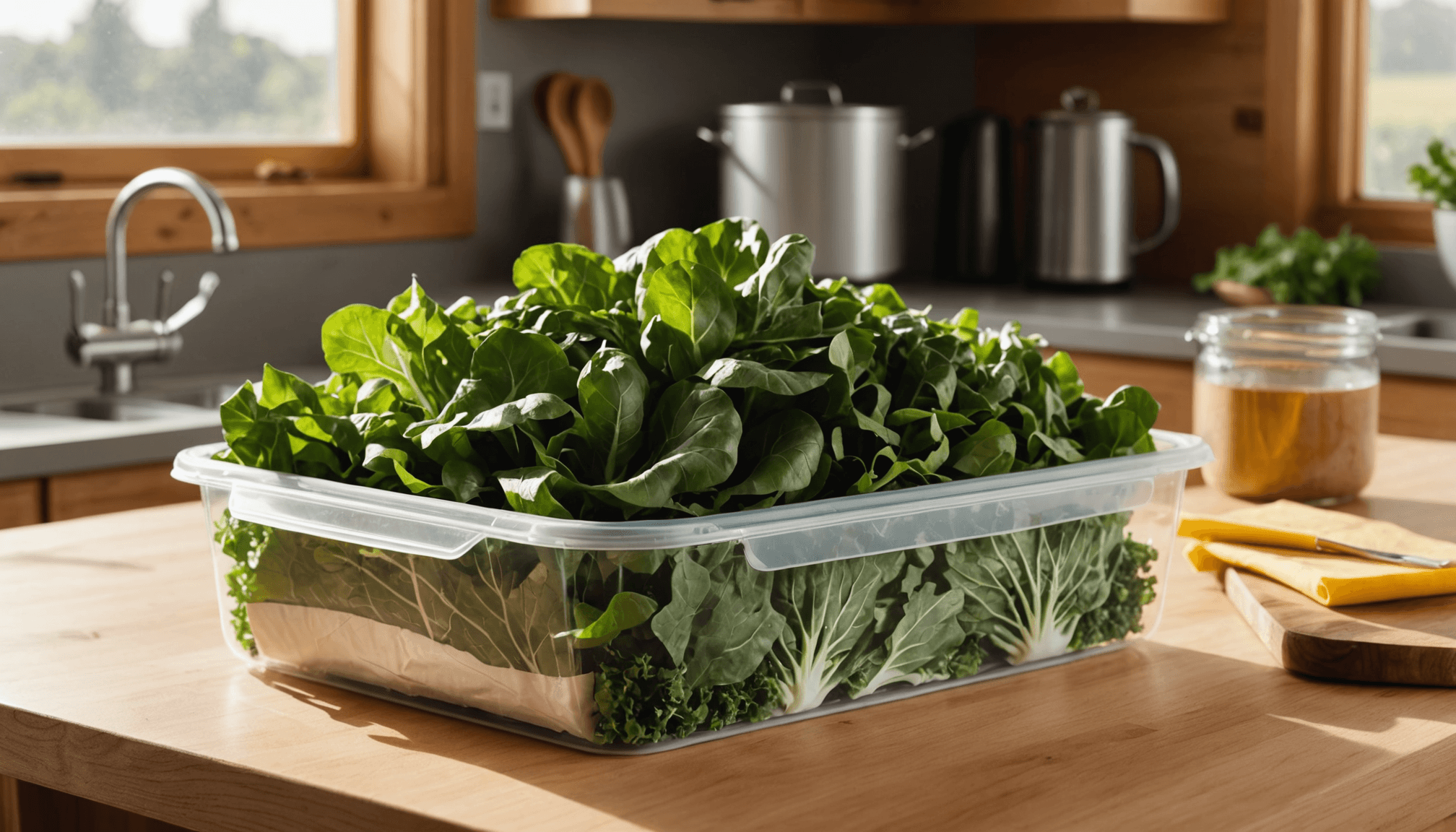
Efficient storage techniques are the unsung heroes of a well-organized kitchen, ensuring that every carrot, cucumber, and chicken breast retains its freshness and flavor for as long as possible. The way you store your food can make all the difference, not only in meal prep efficiency but also in reducing food waste. Let’s embrace a few key strategies that can elevate your food storage game.
First, it’s essential to understand your refrigerator. Different foods thrive in different environments. For instance, leafy greens prefer a slightly more humid environment, so keep them in a container that allows for a little airflow without excess moisture. A crisper drawer lined with a paper towel can absorb any extra moisture and thus prolong the life of your veggies. On the other hand, tomatoes should never be refrigerated, as the cold can alter their texture and taste. Instead, find a cool and dark spot in your kitchen where they can ripen to sweet perfection.
Using clear storage containers can help you keep track of your ingredients easily. In a busy life filled with work deadlines and family activities, it’s a joy to open the fridge and know exactly what you have waiting for you. Labeling containers with the date you opened or cooked the food can also give you a mental timeline and help you prioritize what needs to be consumed first. This is particularly vital for leftovers, which should ideally be eaten within three to four days. If you find something on the verge of being past its prime, challenge yourself to create a quick and healthy meal with it!
When it comes to freezing, do it like a pro. Many people shy away from freezing fresh produce, thinking it will lose its flavor or texture. On the contrary, freezing can be a fantastic way to extend the life of seasonal fruits and vegetables. Just remember to blanch your veggies first, as this step helps to preserve their vibrant colors and nutrients. For example, if you’ve bought a bounty of asparagus, blanch it and freeze in portion-sized bags, making it easier to add to stir-fries or casseroles later. Not only are you preserving precious resources, but you’re also paving the way for quick meal prep options down the road.
Another storage tip to simplify your healthy meal prep is to use mason jars. These versatile containers are perfect for salads, grains, or even layered parfaits. By packing your ingredients in layers, with dressing on the bottom and greens on top, you can make grab-and-go meals that remain fresh for days. This method minimizes the need for excessive packaging and takes the hassle out of daily meal assembly.
If you find that you often encounter an abundance of certain items—like herbs or citrus—make an effort to store them wisely. Fresh herbs can be stored upright in a glass with water, just like flowers. Cover them loosely with a plastic bag to keep them from wilting. Zest and juice any extra lemons or limes and freeze them in ice cube trays; later, you’ll have conveniently portioned flavor boosts ready to go into your dishes.
Lastly, don’t overlook the role of an airtight container. Whether it’s for bulk grains, nuts, or even baked goods, your food will maintain its quality much longer when properly sealed. This little investment helps protect against both spoilage and pesky critters that might invade your pantry. By taking care of how you store food, you’re not just being responsible; you’re also being resourceful and smart about enjoying what you’ve purchased.
In essence, adopting these efficient storage techniques not only benefits your personal cooking experiences but contributes greatly to reducing food waste. By valuing and properly storing your ingredients, you create a sustainable cooking environment that respects both your time and the resources of our planet. Now, let’s delve into the creative world of leftovers!
Creative Uses for Leftovers
“Leftovers are the foundation of creativity in the kitchen. Transforming them not only reduces waste but also opens new culinary doors.”
There’s a wealth of ways to creatively repurpose leftovers, allowing you to whip up exciting and delicious meals while slashing food waste in the process. Instead of viewing leftovers as tedious, think of them as an opportunity to experiment and innovate in the kitchen. Here’s a step-by-step guide to help you turn your leftover ingredients into delightful dishes:
- Assess What You Have: Start by taking stock of your leftovers. Whether it’s roasted vegetables, proteins, or grains, lay them out and evaluate how they can complement one another. This initial assessment sparks inspiration for what to cook next.
- Get Inspired by Global Cuisines: Many cultures have perfected the art of transforming leftovers. For instance, consider making a stir-fry with leftover rice and veggies, or use those roasted meats in a wrap or sandwich. Research recipes from different cuisines that celebrate using what’s available; this not only provides variety but also introduces new flavors to your routine.
- Mix and Match: Find ways to combine your leftovers into one cohesive meal. For example, mix cooked quinoa with leftover roasted vegetables, adding a dressing or seasoning to elevate it to a whole new dish. Incorporating sauces, spices, or herbs can breathe new life into any base ingredient.
- Embrace Breakfast: Breakfast is a prime opportunity for repurposing leftovers. Leftover veggies can easily find their way into an omelet or frittata, and you can transform stale bread into a fabulous French toast. Creative breakfast dishes allow you to start your day while minimizing food waste.
- Make a Soup or Stew: Nothing warms the soul quite like a hearty soup. Gather leftover meats, grains, and vegetables, toss them into a pot with some broth, and let them simmer. Soups are particularly forgiving and thrive on leftover ingredients, providing a wholesome meal that’s comforting and nutritious.
- Casseroles are Your Friend: If you’re looking for an easy way to combine various leftovers, consider making a casserole. Layer your grains, proteins, and veggies, adding a topping of cheese or a creamy sauce. Bake until everything is warmed through and melded together—this allows for a satisfying meal while using up what remains in your fridge.
- Freeze for Later: If you’re not ready to eat your leftovers right away, freeze them. Items like soups, casseroles, and even pasta freeze well. Portion them into containers, label them with dates, and you’ll have quick meals on hand for busy days ahead.
- Get Creative with Snacks: Leftover ingredients can also be repurposed into healthy snacks. For instance, blend leftover fruits into smoothies or use excess veggies for a nutritious dip with hummus. Trail mixes can be enhanced with leftover nuts or dried fruits, providing a satisfying bite anytime.
By leveraging your creativity and being resourceful with leftovers, you can significantly reduce food waste while also enjoying healthy meal prep that excites your palate. Each time you embrace your leftovers, you’re not just saving money; you’re promoting a culture of sustainable cooking that cherishes every bite.
Incorporating Seasonal Ingredients
 Incorporating seasonal ingredients into your meal prep is not just a culinary practice; it’s a powerful strategy for reducing food waste and supporting sustainable cooking. Seasonal produce often boasts superior flavor, freshness, and nutritional value, creating opportunities for healthy meal prep that emphasizes taste and quality. As you become familiar with local growing seasons, you’ll develop a deeper connection with your food and an appreciation for what nature has to offer.
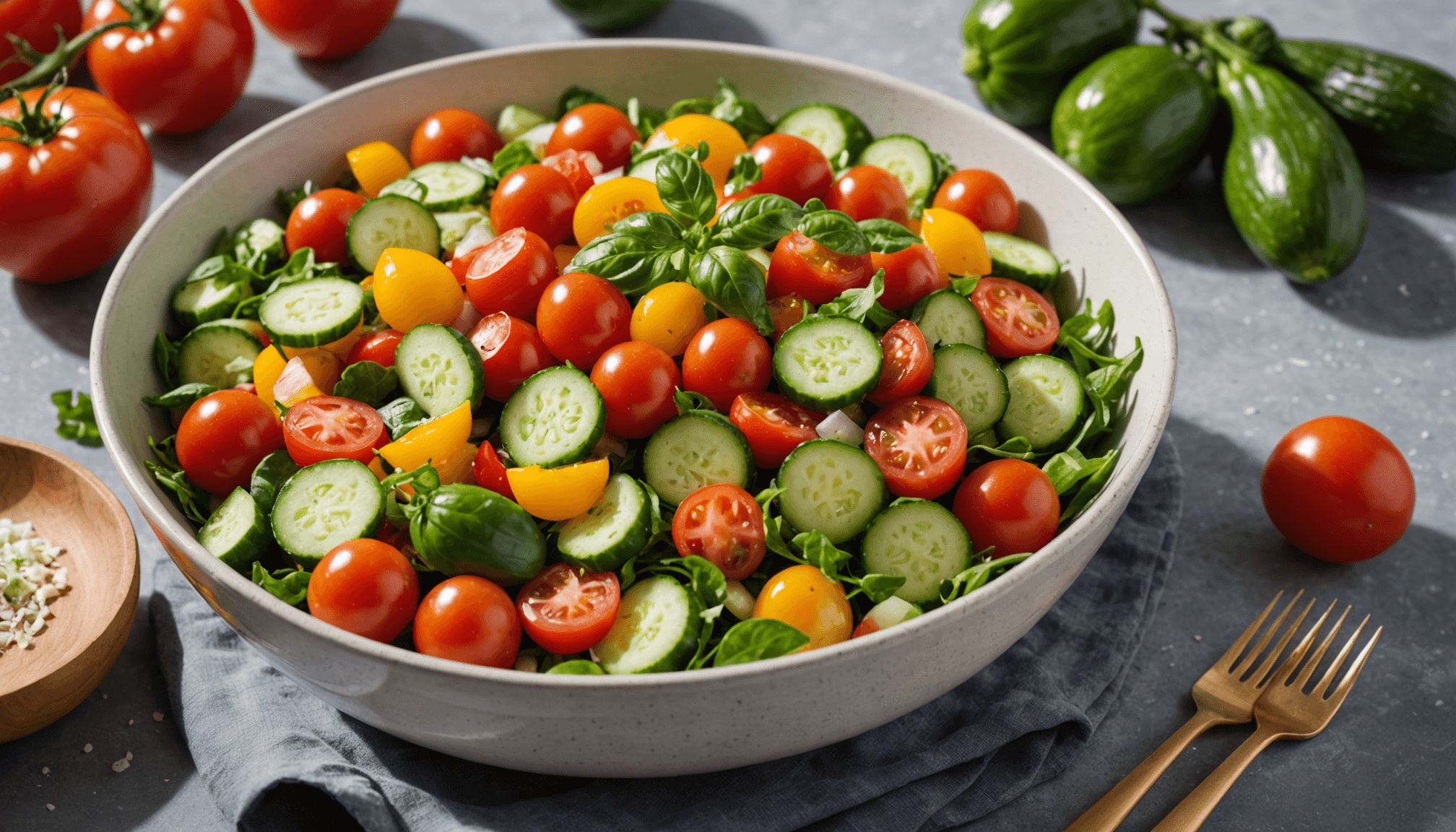
When you choose to buy seasonal ingredients, you often save money, as these items are typically in abundance and priced accordingly. For example, during summer months, you can find beautiful tomatoes, cucumbers, and peppers, all of which can be utilized in various ways. Consider creating a vibrant summer salad bursting with these fresh flavors or a hearty vegetable ratatouille. By aligning your meals with what’s in season, you’re less likely to have unused ingredients languishing in your fridge, leading to a significant decline in food waste.
Furthermore, seasonal cooking encourages creativity in the kitchen. You might discover new recipes or culinary techniques that highlight the unique characteristics of the ingredients available at different times of the year. Each season brings its own bounty, from comforting root vegetables in the fall to bright berries in the spring. By embracing this cycle, you not only diversify your meals but also foster an ongoing curiosity about your food sources. Explore local farmers’ markets, join a community-supported agriculture program, or even start your own garden.
Incorporating seasonal ingredients seamlessly into your weekly meal plan can help you capitalize on the freshest foods available at their peak. Begin by checking what’s in season each week, then brainstorm meals that allow you to use those ingredients in a way that promotes flavor and enjoyment. Moreover, if you find yourself with an excess of seasonal produce, consider gift-giving or providing meals to friends or family. This not only spreads joy but also creates a community spirit that collectively values sustainability.
Creating healthy meal prep solutions using seasonal ingredients can also pave the way for inventive cooking practices. For instance, if you have an abundance of zucchini in the summer, try spiralizing them for a nutritious pasta alternative or grilling for a smoky flavor. The key lies in being proactive and adaptable; when you know what ingredients are at your disposal, you can strategize meals that match your lifestyle while minimizing food waste.
As you familiarize yourself with seasonal cooking, it can ignite a thirst for knowledge about local agriculture, seasonal recipes, and culinary techniques. Engage with fellow food enthusiasts, whether through online forums or locally organized events, to share your culinary journeys and glean insights from others.
- Why is it important to use seasonal ingredients?
- Seasonal ingredients tend to be fresher, tastier, and more affordable, making your meals healthier and more enjoyable. They also contribute to sustainability by reducing the need for transportation and storage, ultimately lowering carbon footprints.
- How can I find out what fruits and vegetables are in season?
- You can check local agricultural extension websites, farmers’ markets, or seasonal produce charts. Many apps and resources are available that specifically highlight seasonal produce based on your geographic location.
- What are some quick meal prep ideas with seasonal ingredients?
- Consider making seasonal grain bowls, salads, or stir-fries. Cooking large batches of seasonal soups or roasting mixed vegetables can create easy grab-and-go meals for the week, minimizing food waste.
- Can using seasonal ingredients really reduce my food waste?
- Yes, by using ingredients that are in season, you can design meals that fit perfectly within your weekly schedule, ensuring you use them before they spoil, thus reducing waste.
- How do I store seasonal ingredients to prolong their freshness?
- Different ingredients have unique storage requirements. For example, leafy greens do well in a slightly humid environment, while tomatoes last longer at room temperature. Research specific storage tips tailored to the produce you buy.
- Can I freeze seasonal produce for later use?
- Yes, freezing is an excellent way to extend the life of seasonal produce. Be sure to blanch vegetables before freezing to preserve their color, texture, and nutrients for future meals.
- Why should I care about reducing food waste?
- Reducing food waste lessens the environmental impact caused by discarded food, promotes sustainable cooking practices, and can save you money while encouraging you to make healthier food choices.

Leave a Reply