

- Understanding the Importance of Nutrition for Energy
- Essential Ingredients for Energizing Meals
- Meal Prep Strategies for Success
- Sample Recipes for Focus and Vitality
- Tips for Staying Motivated and Consistent
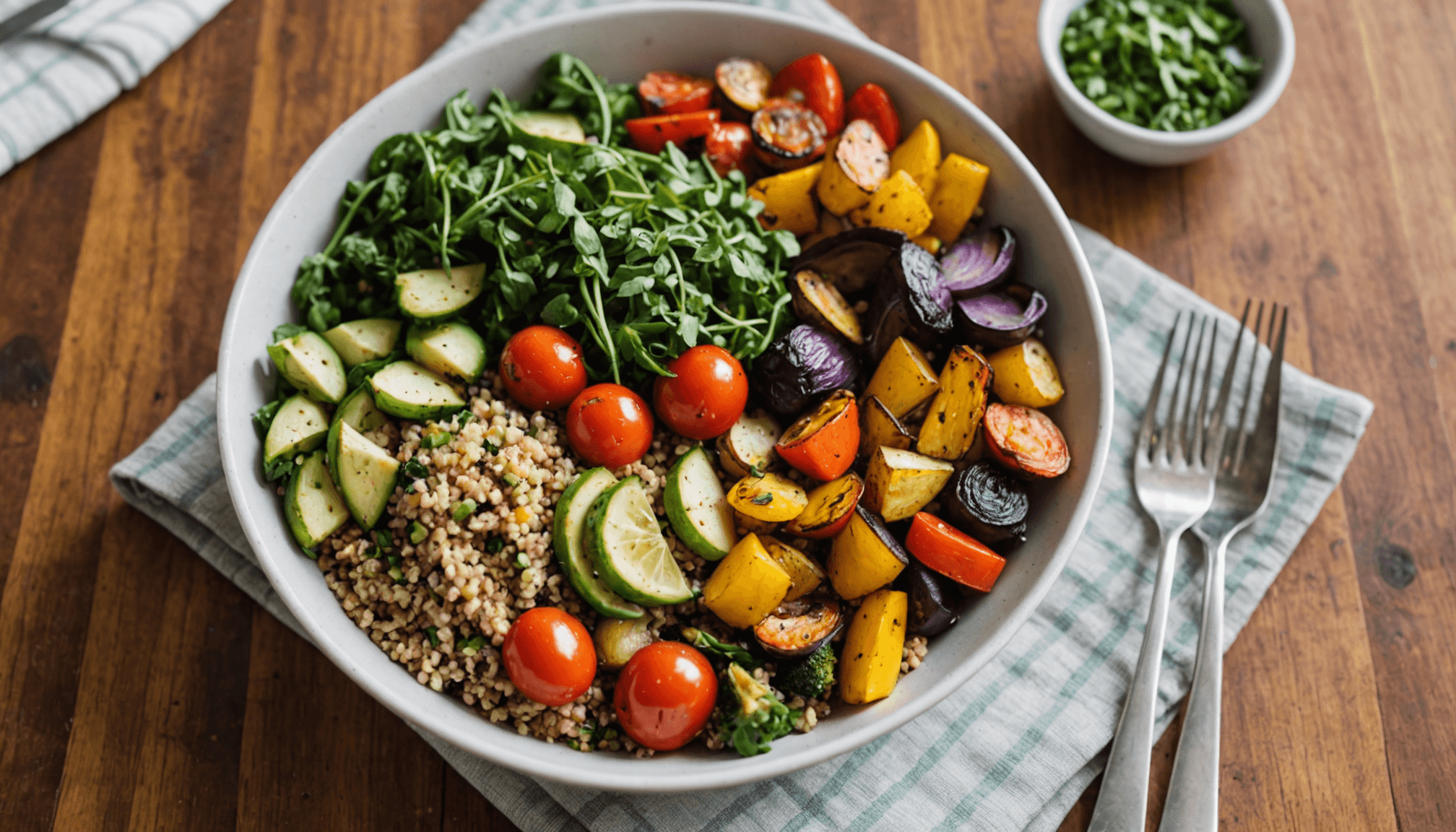
When it comes to fueling your day, understanding the critical role of nutrition can’t be overstated. The food you consume is akin to the high-octane fuel that powers a finely-tuned machine. If you want that machine to operate at peak performance—whether in the boardroom, gym, or classroom—you need to prioritize nutrient-rich meals that promote both energy and focus.
Now, let’s talk about energy. Your body requires a constant supply of nutrients to maintain energy levels and support brain function. Foods rich in complex carbohydrates, such as whole grains and legumes, provide a steady release of glucose, fueling your body without the crash that comes from sugary snacks. Pair these carbs with lean proteins and healthy fats, and you’ve got a trifecta of nutritional goodness that keeps you invigorated and alert.
Variety is essential as well. Incorporating a spectrum of fruits and vegetables not only gives you the vitamins and minerals vital for health, but also antioxidants that combat oxidative stress—something that can lead to fatigue. Think of vibrant options like spinach, berries, and sweet potatoes. These are not just for garnishing your plate; they should be at the center of your healthy meal prep.
You’ve probably heard the term ‘you are what you eat,’ but let’s delve a bit deeper. Each bite impacts your mood, cognitive function, and overall energy levels. Research shows that certain nutrients, like omega-3 fatty acids found in fish, support brain health and cognitive function, while other nutrients, like magnesium and B vitamins, are vital for energy production in your cells. It’s not just about eating to fill your stomach but about choosing foods that will help you focus and enhance your daily performance.
The importance of hydration can’t be overlooked either. Dehydration can lead to fatigue and reduced concentration, defeating the purpose of a well-planned meal. So, alongside those crisp salads and hearty grain bowls, remember to keep a water bottle handy, perhaps infused with fruits for an extra kick.
Ultimately, understanding the importance of nutrition for energy isn’t just a fleeting notion; it’s a lifestyle choice. By making informed decisions about what you eat, you’re setting yourself up for a day ripe with productivity and vigor. It’s achievable for everyone—from busy professionals to health-conscious students—by focusing on simple, energizing meals that fit seamlessly into your routine. Let’s dive into the essential ingredients that can transform those meals from mundane to magnificent, ensuring you stay sharp and ready to tackle any challenge that comes your way!
Essential Ingredients for Energizing Meals
The foundation of energizing meals lies in selecting the right ingredients that not only satisfy your taste buds but also fuel your body and mind for optimal performance. Whole grains should be prioritized in your healthy meal prep. Foods like quinoa, brown rice, and oats are not only rich in fiber but also packed with essential nutrients that stabilize blood sugar levels and provide sustained energy. As the renowned author and nutritionist Michael Pollan aptly said, “Eat food, not much, mostly plants.” Incorporating whole grains sets the stage for meals that keep you fuller for longer, preventing those mid-afternoon slumps.
Lean proteins are another critical component in creating meals that enhance focus and energy. Options such as chicken, turkey, fish, and plant-based proteins like beans and lentils are necessary for repairing tissues and producing neurotransmitters in the brain. This is vital for maintaining concentration throughout the day. As renowned motivational speaker Tony Robbins states, “The secret to success is learning to use pain and pleasure instead of having pain and pleasure use you.” This suggests that intentional dietary choices can empower you, transforming your relationship with food to drive success in daily tasks.
Don’t overlook the power of healthy fats in your meal prep. Foods high in omega-3 fatty acids, like salmon, flaxseeds, and walnuts, contribute to brain health, potentially improving mood and cognitive performance. They serve as an excellent source of sustained energy while also enhancing memory and focus. As Aristotle wisely pointed out, “We are what we repeatedly do. Excellence, then, is not an act, but a habit.” Engaging in the habit of including healthy fats in your meals cultivates a lifestyle that supports ongoing productivity.
In addition to these foundational elements, consider the vibrancy of colorful fruits and vegetables as they bring a wealth of vitamins, minerals, and antioxidants into your energy meals. Foods like berries, leafy greens, and bell peppers not only add diversity in flavor but also play a crucial role in fighting inflammation and oxidation in the body. They serve as a delightful reminder that food should not just nourish the body but also please the senses.
Finally, stay hydrated. Water is essential for every bodily function, including energy production. Herbal teas and infused waters can enhance hydration while providing additional nutrition. Without adequate hydration, even the healthiest meal prep can fail to deliver the expected energy boost. As the ancient philosopher Socrates said, “Let food be thy medicine and medicine be thy food.” By ensuring you are well-hydrated, you maximize the benefits of your nutrient-rich meals.
Incorporating these essential ingredients into your meal planning guarantees that you prepare meals not just for sustenance, but as tools for achieving energy and focus throughout your day. This comprehensive approach highlights that food is not just about maintaining health but about enabling the very best version of yourself.
Meal Prep Strategies for Success
Meal prep can often feel like a daunting task, especially for those balancing busy schedules and numerous responsibilities. However, with a few strategic approaches, it can become a streamlined and enjoyable part of your weekly routine. The key to successful healthy meal prep lies in planning and efficiency, ensuring that you always have energizing meals ready to go when you need them the most.
The first step in effective meal prep is to dedicate a specific day and time each week to plan, shop, and prep your meals. Consider making it a family event or a fun solo activity—put on some music, grab a beverage of choice, and get ready to chop and cook! Choose a day when you have a few uninterrupted hours, usually on weekends, to set the stage for the week ahead.
The planning phase is crucial. Start by mapping out your meals for the week, incorporating a variety of energy-packed options that cater to everyone’s tastes. Focus recipes can revolve around whole grains, lean proteins, colorful fruits, and vegetables, making the process not only nutritious but also enjoyable. A quick inventory of your pantry and fridge can help avoid duplicate purchases and wasted ingredients, and it ensures you make the most of what you already have.
Once you have your menu set, create a shopping list sorted by category—produce, proteins, grains, and so forth. This approach allows you to navigate the grocery store efficiently, saving both time and energy. Don’t be afraid to experiment with new ingredients or recipes each week to keep things fresh and exciting.
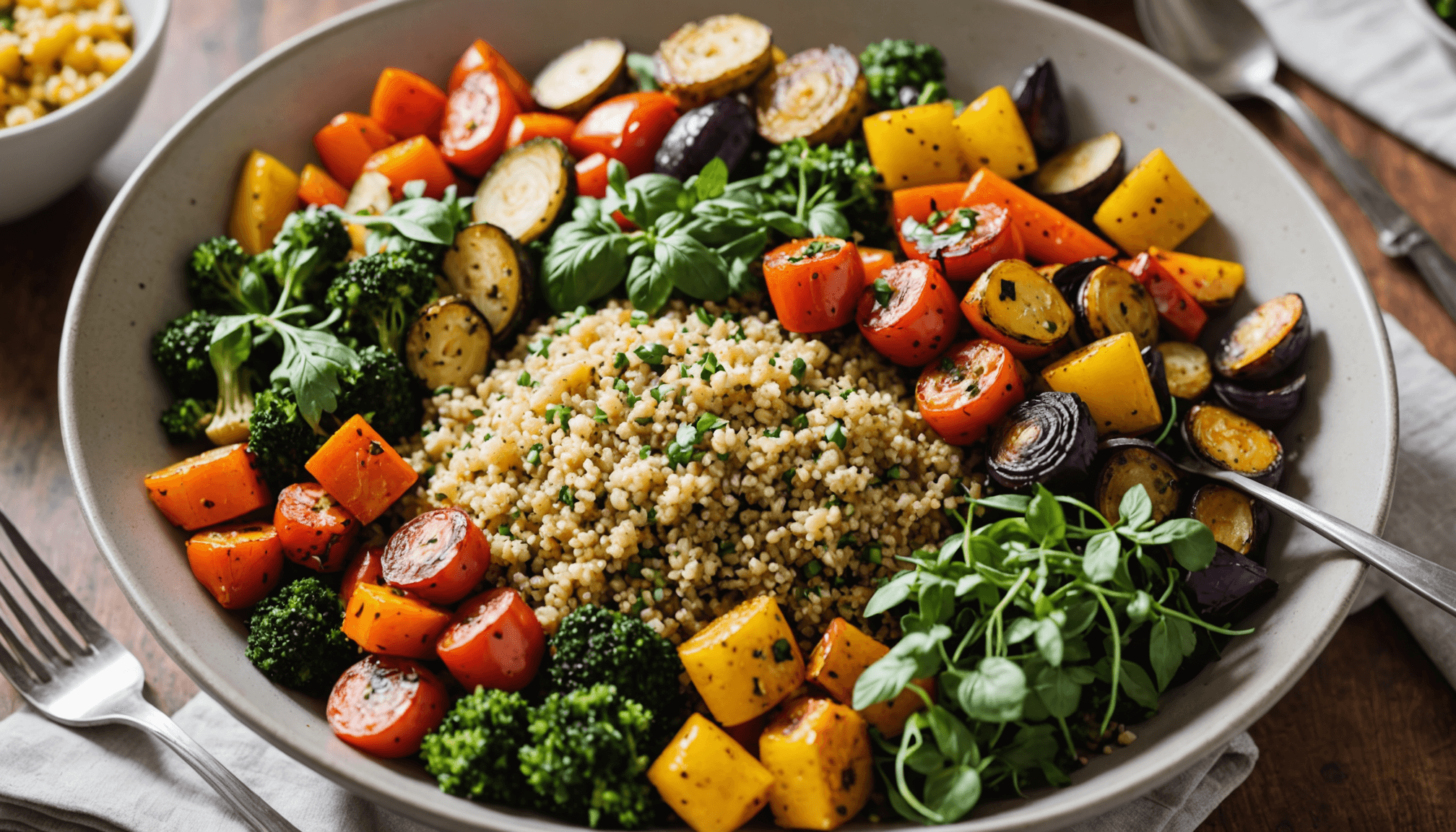
When it comes to the actual cooking, batch cooking is your best friend. Prepare larger portions of various components, like quinoa, roasted vegetables, or grilled chicken, that can be mixed and matched throughout the week. This not only minimizes cooking time but also maximizes versatility in your dishes. For example, you can have a base of quinoa with different toppings each day—one day with black beans and salsa, another with roasted butternut squash and feta, and so on!
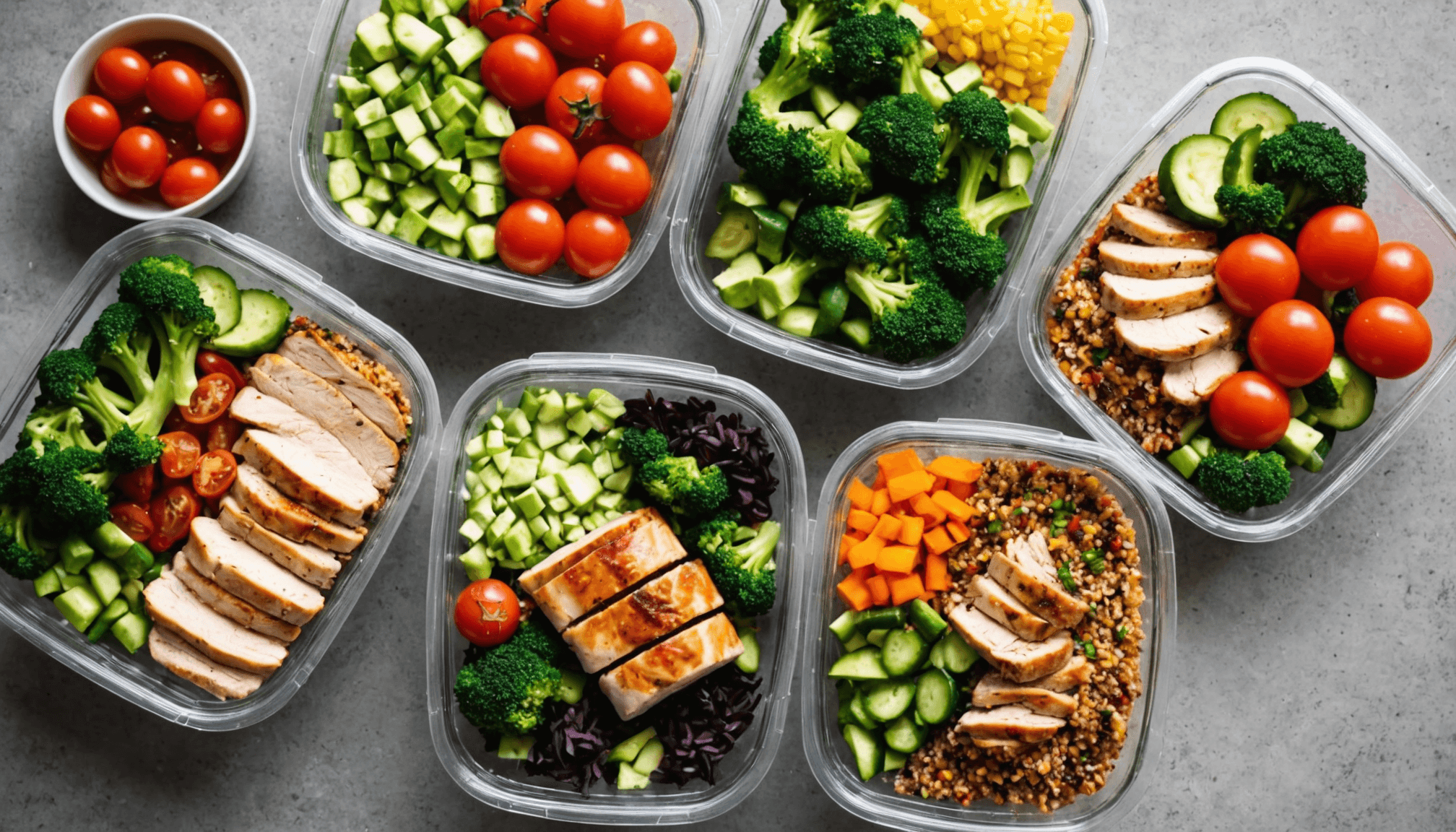
Utilizing high-quality storage containers is essential, too. Opt for clear, airtight containers that allow for easy visibility and access. This helps minimize the temptation to reach for less nutritious options when you can quickly grab a pre-made energizing meal. Labeling containers with the contents and date prepared can also aid in keeping track of freshness and prevents meals from being forgotten in the back of the fridge.
Don’t forget the snacks! Preparing healthy snacks in advance is just as important as prepping main meals. Portion out nuts, cut up veggies, or create grab-and-go smoothie packs that can be blended on busy mornings. Having these on hand helps curb hunger and keeps your energy levels steady throughout the day.
Lastly, keep your meal prepping sustainable. Set achievable goals for the number of meals you want to prepare and adjust based on your schedule and needs. If cooking for an entire week seems intimidating, start with just a couple of days at a time. The more you practice, the quicker and more efficient you will become, ultimately leading to a delightful rhythm of healthy meal prep that brings joy and nourishment into your everyday life.
Sample Recipes for Focus and Vitality
“Cooking is like love—it should be entered into with abandon or not at all.” —Harriet Van Horne
To create energizing meals that promote both focus and vitality, consider the following delicious and nutritious recipes that can be easily incorporated into your healthy meal prep routine:
- Quinoa and Black Bean Bowl
- Ingredients: 1 cup quinoa, 1 can black beans (rinsed), 1 red bell pepper (diced), 1 avocado, 1 lime, cilantro, and spices (cumin, paprika).
- Rinse the quinoa under cold water, then cook it according to package instructions, typically using a 2:1 water to quinoa ratio.
- In a large bowl, combine the cooked quinoa, black beans, and diced red bell pepper.
- Add spices to taste, squeezing fresh lime juice over the mixture.
- Top with diced avocado and fresh cilantro before serving.
- Spinach and Feta Stuffed Chicken Breast
- Ingredients: 4 chicken breasts, 1 cup fresh spinach, ½ cup feta cheese, garlic, olive oil, salt, and pepper.
- Preheat the oven to 375°F (190°C).
- In a skillet, sauté garlic and spinach in olive oil until wilted. Mix in feta cheese.
- Cut a pocket in each chicken breast and fill with the spinach-feta mixture. Season the outside with salt and pepper.
- Bake for 25-30 minutes or until the chicken is cooked through.
- Berry and Yogurt Smoothie
- Ingredients: 1 cup Greek yogurt, 1 cup mixed berries (fresh or frozen), 1 banana, and a splash of almond milk.
- In a blender, combine Greek yogurt, mixed berries, banana, and almond milk.
- Blend until smooth, adding more almond milk to reach your desired consistency.
- Serve immediately or store in a pre-portioned container for a quick grab-and-go breakfast or snack.
- Sweet Potato and Chickpea Salad
- Ingredients: 2 medium sweet potatoes, 1 can chickpeas (drained), 1 red onion (diced), arugula, olive oil, balsamic vinegar.
- Preheat the oven to 400°F (200°C). Dice sweet potatoes and toss them with olive oil, salt, and pepper; roast for 25 minutes.
- In a bowl, mix roasted sweet potatoes, chickpeas, red onion, and a handful of arugula.
- Drizzle with balsamic vinegar and a little more olive oil before serving.
Each of these recipes is designed to be simple, quick, and full of nutrients to support your energy meals throughout the day. By incorporating a range of flavors and textures, you make healthy meal prep enjoyable, encouraging consistency and enthusiasm toward your dietary goals.
Tips for Staying Motivated and Consistent
 Staying motivated and consistent with your healthy meal prep is essential in achieving your dietary goals and feeling your best. One effective way to maintain motivation is to set clear, achievable goals. Start small by aiming to prepare just a couple of meals at first and gradually increase the number as you become more comfortable with the process. Setting specific goals, such as incorporating at least one new recipe each week, not only encourages creativity but also keeps your meal prep exciting and sustainable.
Creating a routine around your meal prep can also enhance consistency. Designate a specific day and time each week to engage in meal prep, treating it as a regular activity you look forward to—perhaps a Saturday morning or Sunday evening. This dedicated time can become a ritual, allowing you to unwind while you chop, cook, and create nourishing meals for the week. You might even invite family or friends to join you, making it a more social and enjoyable experience.
Another inspiring strategy is to keep a meal prep journal. Documenting your meals, feelings, and experiences can offer insights into what works best for you and serves as a visual reminder of your progress. This is also an excellent opportunity to note which meals have energized you most effectively or helped you stay focused during busy days, reinforcing the positive outcomes associated with your efforts.
To keep things fresh, don’t hesitate to explore new recipes and ingredients. Consider setting aside a certain evening each week to browse cookbooks or favorite food blogs for new ideas. Trying out different cuisines or seasonal ingredients can invigorate your meal prep and prevent it from becoming monotonous. Keep a collection of go-to focus recipes that you love and can easily rotate, giving you both satisfaction and efficiency in your planning.
Embracing flexibility in your meal prep is also vital. Life can be unpredictable—whether it’s an unexpected schedule change or a sudden craving for something different. Give yourself the grace to adapt and adjust your plans as needed, without feeling guilty for deviating from the original plan. Sometimes, taking a shortcut like preparing a quick stir-fry with leftover veggies can provide the energy boost you’re looking for without compromising your healthy eating goals.
Lastly, focus on the satisfaction and benefits that come from nourishing your body with healthy meals. Reflect on how you feel after enjoying an energizing breakfast or a wholesome lunch. These positive affirmations can serve as reminders of why you committed to this endeavor in the first place. Staying connected to the larger purpose of your meal prep will help sustain your motivation, making it easier to stick with your healthy eating journey.
- What are the benefits of meal prepping?
- Meal prepping helps save time during the week, reduces food waste, and allows for healthier eating choices. By preparing meals ahead, you can ensure you have energizing foods on hand that support your nutritional goals.
- How can I make meal prep easier?
- Simplify your meal prep by choosing versatile ingredients and batch cooking. Preparing large portions of grains or proteins can make it easier to combine different meals, reducing cooking time and effort throughout the week.
- What should I include in my energizing meals?
- Focus on whole grains, lean proteins, healthy fats, and a colorful array of fruits and vegetables. These ingredients provide the right nutrients to maintain energy levels and support cognitive function throughout the day.
- How do I stay motivated to meal prep consistently?
- Establish a routine by dedicating a specific day for meal prep and exploring new recipes regularly. Keeping a meal prep journal can also help track your experiences and inspire consistency.
- Can meal prepping help with weight management?
- Yes, meal prepping can support weight management by helping you control portion sizes and make healthier choices. When you have nutritious meals ready, you’re less likely to grab unhealthy snacks or fast food.
- Are there any quick and easy healthy meal prep ideas?
- Absolutely! Simple options include overnight oats, quinoa salads, and stir-fried veggies with protein. These meals can be prepared in under 30 minutes and are great for maintaining your energy levels.
- How long can prepped meals be stored in the fridge?
- Prepped meals can typically last in the fridge for 3 to 5 days. For longer storage, consider freezing meals, which can extend their shelf life and maintain their nutritional value.

Leave a Reply