
- Meal prep basics
- Essential tools and equipment
- Choosing the right ingredients
- Meal prep techniques
- Storing and reheating meals
When you’re diving into the world of meal prep, it’s all about laying a solid foundation. The first thing to recognize is that meal prep isn’t just about cooking; it’s about making your life easier and healthier. Embracing this approach can save you time during those hectic weekdays, giving you more moments to enjoy with family, work, or your favorite Netflix show.
Let’s start with a game plan! First off, think about how you can incorporate healthy meal prep into your weekly routine. Consider setting aside a couple of hours during the weekend to prepare. You can whip up meals for the week ahead, and trust me, your future self will thank you! Choose recipes that you can easily double or triple, so you’re not in the kitchen every single night. Dishes like chili, pasta bakes, or grain bowls are perfect contenders for this.
Next, deciding on a few go-to recipes makes a world of difference. Think about your favorites and how they fit into the week. For instance, if Taco Tuesday is your jam, batch cooking seasoned chicken or beans can set you up for success. Simply warm them up on Tuesday, toss in some fresh toppings, and you’re good to go!
Alongside recipes, don’t overlook the power of versatile ingredients. Stock your pantry with the essentials—grains like quinoa and brown rice, canned beans, spices, and sauces that can elevate even the simplest meals. Fresh veggies and proteins are key, too—grab what’s on sale or in season to keep things budget-friendly and vibrant.
Lastly, creating a rhythm can help too. Investigate what days you have the most time and schedule meal prep into your calendar. Making it a habit will not only become second nature, but it will also bring a delightful sense of accomplishment. Remember, the goal is to simplify your meals while keeping them nutritious and delicious—and that’s totally achievable with just a little planning! Enjoy the process, and happy prep!
Essential tools and equipment
When diving into meal prep, having the right tools and equipment is crucial to streamline the process and ensure efficiency. Here’s a list of essential tools that every beginner should consider to make meal prep a breeze:
– Cutting Board: A sturdy, easy-to-clean cutting board is vital for chopping vegetables, proteins, and grains. Opt for one that’s large enough to handle multiple ingredients at once.
– Chef’s Knife: A sharp chef’s knife will help you slice through produce like butter. Investing in a quality knife not only speeds up prep time but also enhances safety as they require less force.
– Measuring Cups and Spoons: Precision is essential in cooking. A complete set of measuring cups and spoons ensures that your ingredients are added in the right quantities, especially important for new recipes.
– Food Storage Containers: Having a variety of food storage containers is essential for portioning out meals. Look for BPA-free options that are microwave and dishwasher safe. Glass containers are particularly beneficial as they are durable and can go from the fridge to the oven.
– Mixing Bowls: A set of mixing bowls in various sizes is needed for everything from tossing salads to mixing batters. Consider nesting bowls for easy storage.
– Sheet Pans and Baking Dishes: These are perfect for roasting vegetables or baking proteins in bulk. They help in preparing large quantities of food at once, which is key for efficient meal prep.
– Slow Cooker or Instant Pot: These appliances can significantly reduce cooking time. They allow you to set it and forget it, making them ideal for busy beginners who may not have time to monitor food on the stove.
– Blender or Food Processor: A blender is great for making smoothies, soups, and sauces, while a food processor can save time on chopping and shredding ingredients.
– Spatula and Tongs: These utensils are essential for flipping, mixing, and serving cooked dishes without damaging your pots and pans.
– Labels and Markers: To keep your meals organized and ensure you eat them before they spoil, use labels to mark dates and contents on prepared containers.
These beginner tools not only help simplify the cooking process but also make it easier to manage healthy meal prep. By streamlining equipment and maximizing efficiency, you can focus on creating delicious, nutritious meals without the stress. Investing in these essentials creates a solid foundation for your meal prep journey and enhances your overall cooking experience.
Choosing the right ingredients
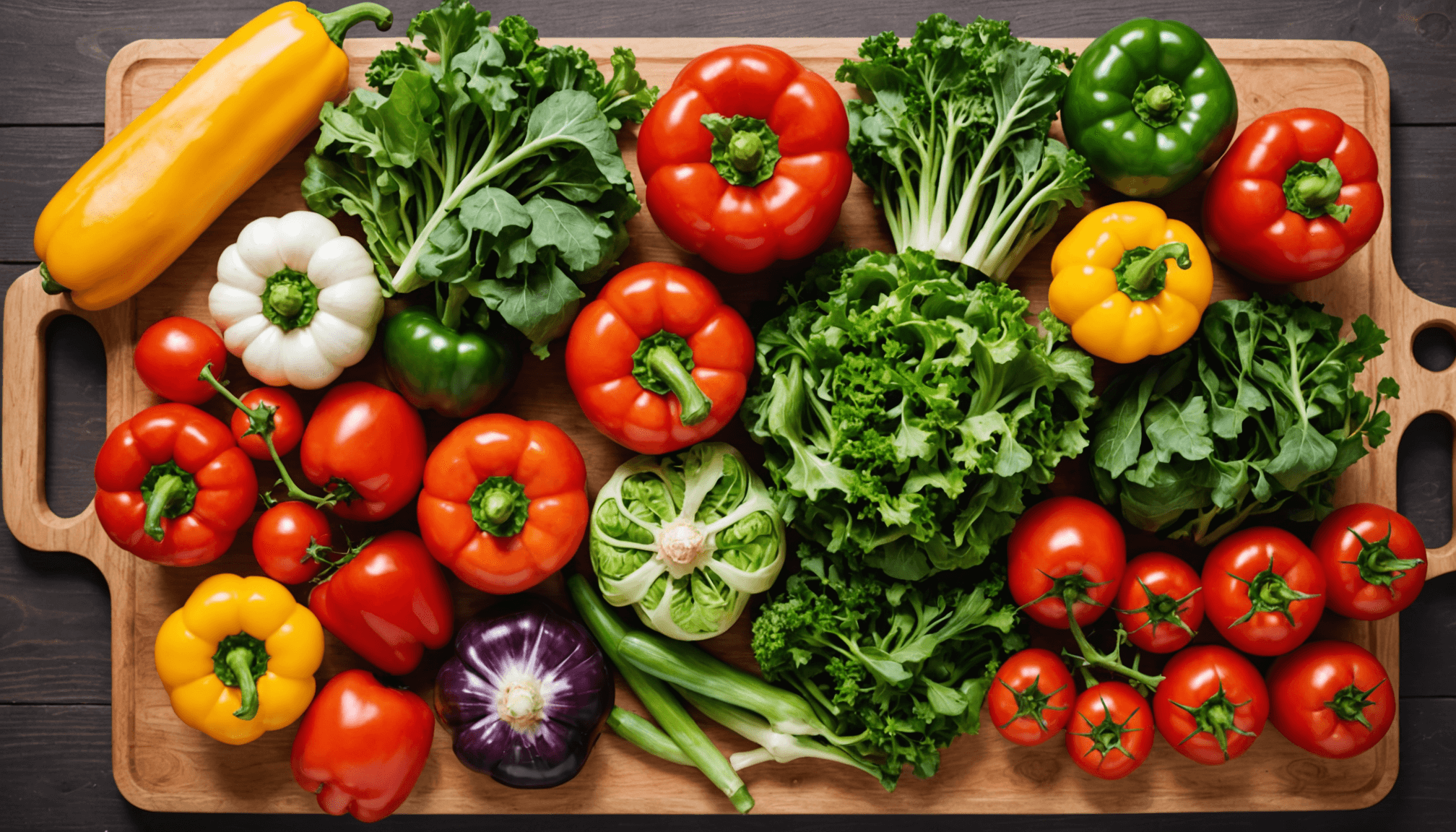
Choosing the right ingredients is a game changer when it comes to healthy meal prep. Having a well-stocked pantry and fridge makes a world of difference and can turn your weekly cooking into a seamless affair. First things first, let’s talk about the basics. When picking ingredients, aim for whole foods as your foundation. This means focusing on fresh fruits and vegetables, lean proteins, whole grains, and healthy fats. Not only will they nourish your body, but they will also keep your meals vibrant and tasty.
Start by stocking up on seasonal produce. Not only is this a great way to support local farmers, but it also usually means you’re getting the best flavor and freshness. Think about staples like leafy greens, bell peppers, tomatoes, carrots, and broccoli. Feel free to expand your horizons by experimenting with different veggies each week. They can add variety to your meals and keep things exciting. Plus, frozen fruits and vegetables are fantastic options—they’re often picked at peak ripeness and can be stored for long periods, making them convenient to have on hand.
When it comes to proteins, don’t shy away from variety. Chicken, turkey, lean cuts of beef, and plant-based proteins like tofu and beans can be versatile stars of your meal prep. Consider cooking proteins in bulk and seasoning them differently throughout the week for a tasty twist. For example, grill up chicken breasts with a zesty lemon-herb marinade and then use them in salads, wraps, or grain bowls. Quality proteins will help keep you full and satisfied, which is key for busy folks on the go.
Now, let’s not forget the power of grains. Incorporate options like quinoa, brown rice, or farro into your meal plan for added fiber and nutrients. These grains can serve as a hearty base to your meals, helping to fill you up and provide sustained energy. Make a big batch at the beginning of the week, and you’ll have a versatile element ready to complement your proteins and veggies.
Healthy fats are another essential component of your meal prep repertoire. Avocados, nuts, seeds, and olive oil can add flavor and richness to your dishes. They not only enhance taste but also support overall health by keeping your heart happy and your skin glowing. A drizzle of olive oil over roasted veggies or a sprinkle of nuts on a salad can elevate your meals effortlessly.
And speaking of convenience, pre-packaged items can be a lifesaver. Look for items like pre-chopped vegetables, canned beans, or pre-cooked grains if you’re short on time. Just make sure to read the labels and avoid those sneaky additives. You can effortlessly whip up a meal that feels homemade while giving your busy schedule a helping hand.
Lastly, keep in mind that meal prepping should bring you joy, not stress. Focus on ingredients you love and feel excited about cooking with. This will make your healthy meal prep journey feel less like a chore and more like a fulfilling experience. Embrace the process, and you’ll quickly see how easy it can be to create wholesome meals that nourish both body and spirit!
Meal prep techniques
“Eating well is a form of self-respect.” – unknown
To elevate your meal prep game, it’s essential to master a few techniques that save time and maximize flavor. Here’s how to efficiently prep, cook, and serve your meals with ease:
- Batch Cooking: This involves preparing a large quantity of food at once, which can then be stored for later use. Start by selecting a few recipes you want for the week. Aim to make a big pot of chili, a tray of roasted vegetables, or a bulk batch of grains. Consider the following steps:
- Choose recipes that use overlapping ingredients to simplify shopping and preparation.
- Set aside a few hours on your chosen meal prep day.
- Cook your main proteins, starches, and vegetables simultaneously in large batches. For instance, bake chicken while steaming broccoli and cooking rice.
- Once cooked, divide the meals into individual portions using your food storage containers.
- Freezer-Friendly Meals: Prep meals that can be frozen for future convenience. These are perfect for days when you don’t have time or energy to cook. Here’s how to prepare and freeze meals:
- Choose recipes that freeze well, such as soups, stews, and casseroles.
- Allow cooked meals to cool before transferring them to airtight, freezer-safe containers.
- Label the containers with the date and contents for easy identification.
- When reheating, make sure to thaw safely in the fridge overnight before cooking or use the microwave.
- Mix and Match: Creating versatile base meals can streamline your meal prep while keeping things interesting throughout the week. Here’s how you can do it:
- Cook a variety of proteins, such as grilled chicken, ground turkey, and roasted chickpeas.
- Prep a range of grains and starches, like quinoa and sweet potatoes.
- Use a selection of seasonal vegetables, both cooked and raw for added crunch.
- Combine these elements throughout the week into salads, wraps, or grain bowls, switching up dressings and toppings to keep meals exciting.
- Time-Saving Techniques: Embrace shortcuts that will save you time during the prep process. Here are some ideas:
- Chop vegetables in bulk and store them in the fridge for easy access during the week.
- Utilize appliances like slow cookers or Instant Pots to allow for set-it-and-forget-it cooking.
- Invest in a food processor to reduce chopping time for dicing, mincing, or grating ingredients.
- Incorporate pre-washed salad greens and pre-chopped options to minimize preparation time.
- Seasonal Rotation: Keep your meal prep fresh and interesting by rotating ingredients with the seasons. Consider these steps:
- Research seasonal fruits and vegetables available at your local farmer’s market.
- Plan your meal prep around these ingredients, ensuring maximum freshness and flavor.
- Incorporate festive spices and herbs that complement seasonal produce to enhance the taste.
By employing these techniques, you can create a seamless and enjoyable meal prep experience, ensuring that nutritious, flavorful meals are always within reach. Embrace the art of healthy meal prep as a pathway to both convenience and culinary exploration.
Storing and reheating meals
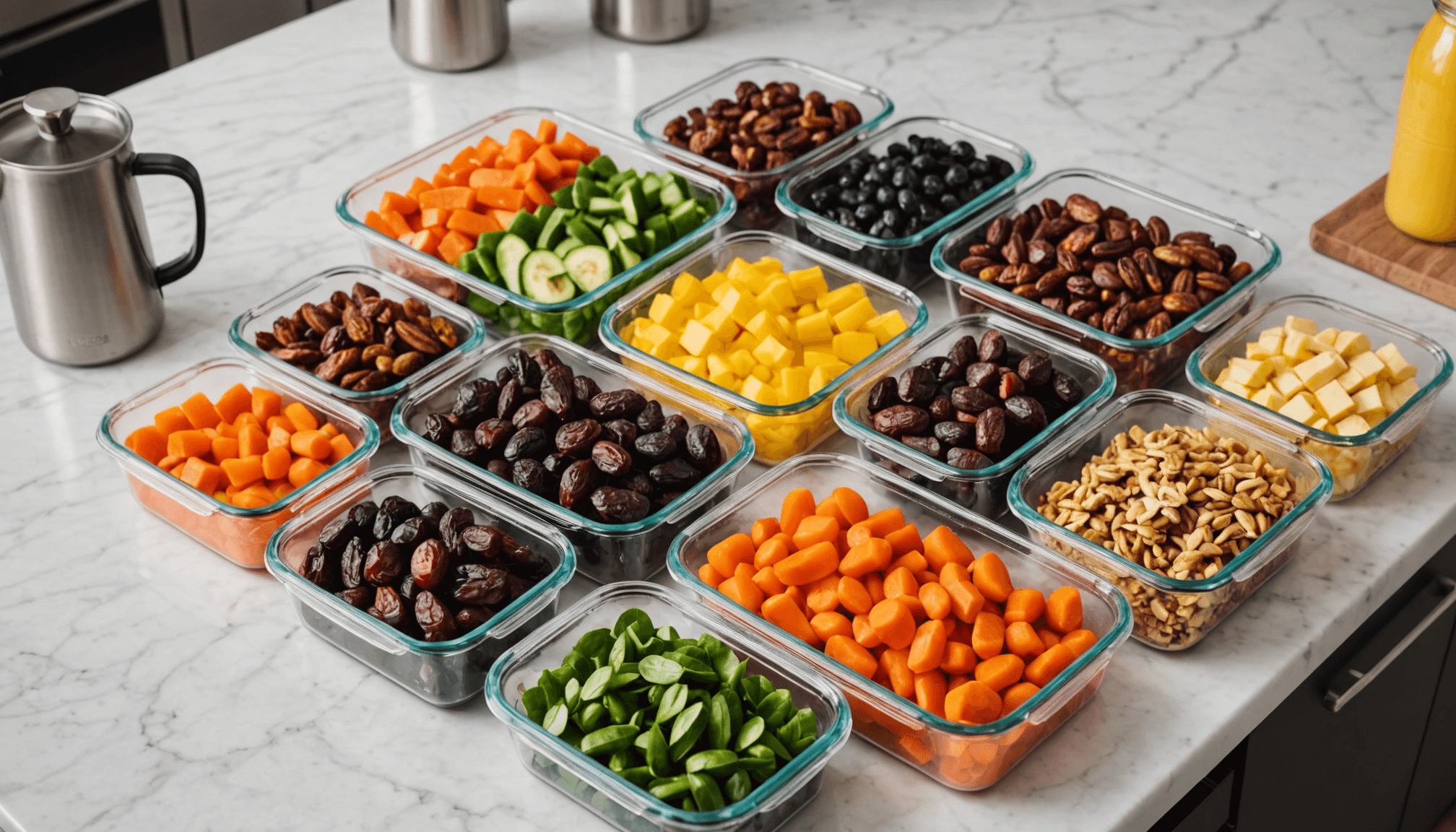 Storing your prepped meals correctly is essential for preserving freshness, flavor, and nutritional value. First, it’s important to cool down your cooked meals before storing them in the refrigerator or freezer. Placing hot food directly into a cold storage environment can raise the temperature within your fridge, potentially compromising other foods. Cooling your dishes to room temperature allows for safe storage while preventing spoilage.
When it comes to containers, quality matters. Invest in BPA-free containers that can be safely used in the microwave and dishwasher. Glass containers are a popular choice, as they can transition from the fridge to the oven without the risk of melting or damaging the container. Ensure that you have a variety of sizes—small containers for snacks and sauces, and larger ones for hearty meals. Using clear containers can help you easily identify what meals you have prepped at a glance.
Labeling each container with the date and contents is another simple yet effective practice. This prevents food waste by ensuring you consume meals within their best timeframe while keeping track of your meal inventory. Use masking tape or washable markers to make this process fast and efficient.
When it comes to reheating your meals, it’s essential to do so safely to maintain their taste and texture. If you’ve stored food in the fridge, aim to consume those meals within three to four days to guarantee freshness. For frozen meals, be sure to thaw them overnight in the fridge or use your microwave’s defrost setting before reheating. When reheating, ensure your meals reach an internal temperature of 165°F to eliminate any harmful bacteria.
Think about variety when planning your meals. If you prepped similar dishes, rotate them throughout the week as a way to keep your palate excited and prevent monotony. Pairing different sauces or sides with the same protein can create a whole new experience. This strategy not only enhances your meals but can also spark creativity in your cooking journey.
Utilizing these strategies will lead not only to practical meal prep but also to nourishing food practices, ultimately contributing to a healthier lifestyle. The more familiar you become with these essentials, the more confidence you will gain as you embark on your meal prep journey!
- How long can I store prepped meals in the refrigerator?
- Prepared meals can typically be stored in the refrigerator for three to four days. Make sure to keep an eye out for any signs of spoilage and smell before consuming.
- Can I freeze all types of meals?
- Most meals freeze well, especially soups, stews, and casseroles. Be cautious with those containing dairy or certain vegetables, as they may alter in texture once thawed.
- What are the best containers for meal prep storage?
- BPA-free plastic or glass containers that are microwave and dishwasher safe are the best options. Glass containers are particularly great for long-term storage as they do not leach chemicals.
- How can I prevent food waste when meal prepping?
- Efficient labeling and rotating meals based on dates can significantly reduce food waste. Also, plan to use seasonal ingredients that are likely to stay fresher longer.
- Is there a difference between reheating in the microwave vs. the oven?
- Yes, reheating in an oven can help retain the texture of baked dishes, while the microwave can speedily warm meals through. Choose the method that suits the type of dish you have prepared.
- Can meal prep help save money on groceries?
- Absolutely! By planning and prepping meals in advance, you reduce food waste, utilize bulk ingredients, and take advantage of sales. This can lead to considerable savings in your grocery budget.
- What if I don’t eat all my prepped meals?
- If you find yourself not eating a certain meal, consider sharing with friends or family, or freeze the unconsumed portions for later use. This is a great way to implement flexibility into your meal prep without wasting food.

Leave a Reply