
- Healthy meal prep for a busy lifestyle
- Understanding the benefits of meal prep
- Essential tools and equipment for meal prep
- Creating a balanced meal plan
- Time-saving meal prep techniques
- Storing and reheating meals effectively
Imagine this: It’s a Tuesday evening, you’ve just finished a long day at work, and the last thing you want to think about is what to cook for dinner. Sound familiar? That’s where healthy meal prep comes to the rescue! The beauty of meal prep lies in its ability to make your hectic lifestyle just a little more manageable. When you prepare your meals in advance, not only do you save precious time during the week, but you also set yourself up for success when it comes to eating right. Who wouldn’t want that?
Let’s picture the scene. You’ve carved out a couple of hours on a Sunday afternoon and gathered your favorite ingredients. You start chopping veggies, marinating proteins, and whirling up some healthy sauces. As you cook, you feel a warm sense of accomplishment knowing that, come Monday, you’ll have delicious meals waiting for you. That’s the magic of healthy cooking! It’s like having a personal chef but without breaking the bank.
For those busy professionals, college students, or families on the go, think about the incredible variety of meals that can easily be made in batches. Like, have you ever tried making a big pot of quinoa at the start of the week? You can mix it into salads, toss it with roasted veggies, or even stir it into soups. It’s versatile and will help you create meals that are not only quick but packed with nutrients. And let’s not forget about prepping those proteins! Grilling chicken or baking salmon can be done in large quantities, and they store beautifully in the fridge for easy grab-and-go lunches or quick dinners.
Another fun idea is to create a “mason jar salad” assembly line. You layer your ingredients in jars, starting with the dressing at the bottom, then your hearty veggies, grains, and finally, greens. When the workweek rolls around, all you have to do is shake it up, and voilà! A fresh, crunchy, and vibrant salad ready in minutes. This sort of innovation can truly revolutionize your meal options throughout the week.
And here’s a little tip: don’t shy away from using your freezer. Freezing is a fantastic option for those meals that you may not eat right away. You can take those splendid prepped dishes, portion them out into containers, and stash them in the freezer for a rainy day or a particularly busy week. That way, you always have a nutritious meal at your fingertips, ready to be reheated and enjoyed.
Incorporating these methods not only ensures you’re eating healthy but also challenges your creativity in the kitchen. Try themed prep days or experiment with different cuisines. Who doesn’t love a little taco night, even when it’s a Tuesday? Picture soft tortillas filled with well-seasoned ground turkey, fresh salsa, and sprinkled cheese, all prepped ahead of time. All you need after a long day is to heat, fill, and eat.
By making a few small adjustments to your routine, you can easily fit healthy meal prep into your busy lifestyle and say goodbye to last-minute takeout or unhealthy snacking! So, gear up, gather your ingredients, and start embracing the joy of stress-free, nutritious meals that keep you energized and satisfied throughout the week.
Understanding the benefits of meal prep
– Meal prep dramatically reduces stress levels associated with daily cooking decisions. By planning your meals ahead of time, you eliminate the “what’s for dinner?” dilemma that often leads to poor food choices or takeout.
– The financial benefits of meal prep should not be underestimated. Preparing your meals in bulk often results in savings as you buy items in larger quantities and minimize waste. For instance, purchasing a family-size pack of chicken breasts is typically cheaper than buying smaller portions, and you can divide and freeze what you don’t use immediately.
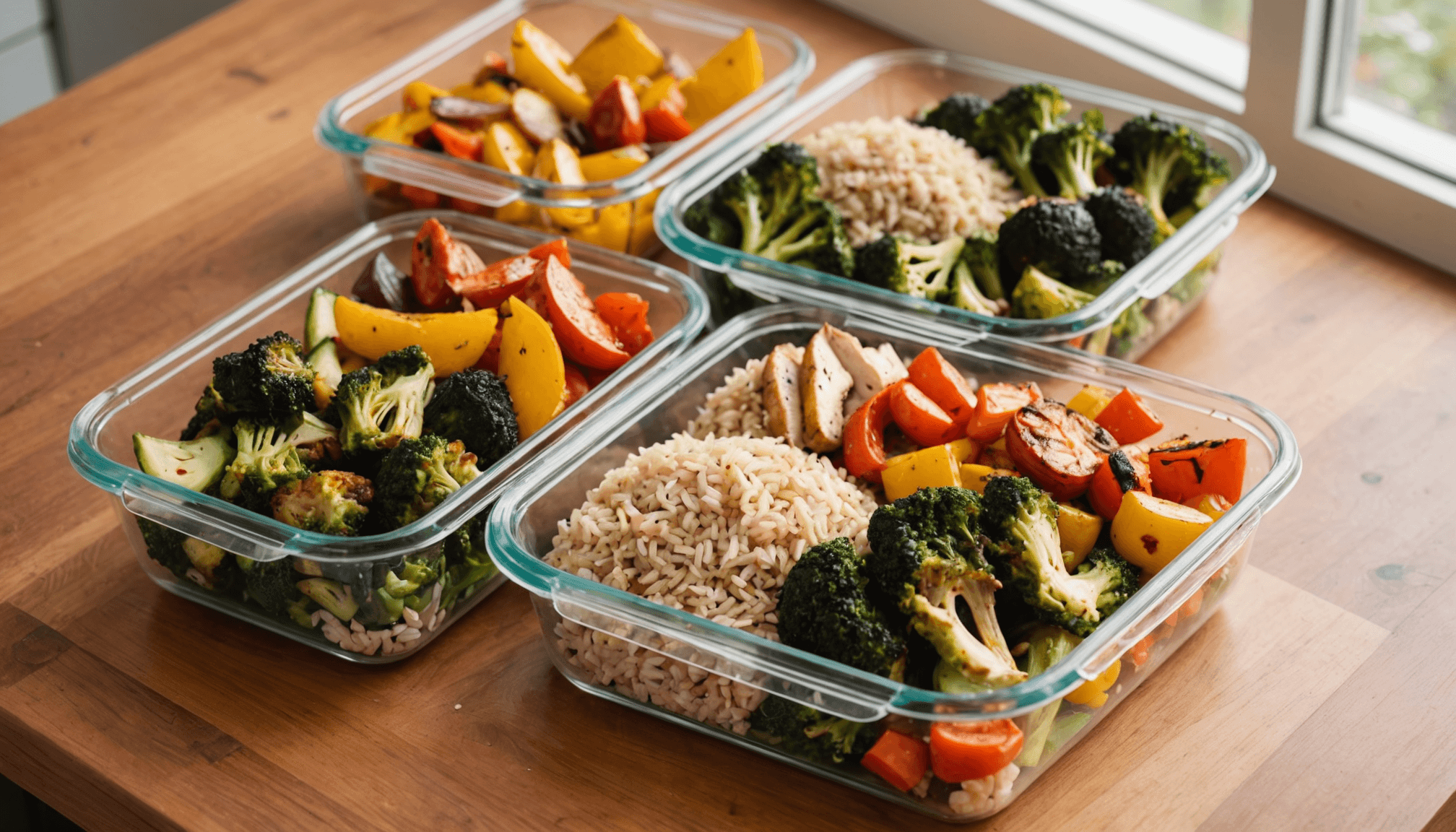
– Healthy meal prep aids in portion control, making it easier to monitor caloric intake. Pre-portioning meals ensures you’re not overeating. For example, you could fill containers with a balanced plate of grilled chicken, brown rice, and steamed broccoli; a visual representation of a healthy plate can help cement these habits.
– It promotes healthier eating patterns. When you have pre-made meals ready to go, you are less tempted to super-size fast food or convenience meals loaded with preservatives. Think about a prepped veggie stir-fry with tofu that is ready to be heated; it’s a far better choice than hitting up the drive-thru.
– Meal prep also supports diverse diets. Planning allows you to cater to specific dietary needs—whether vegan, gluten-free, or low-carb—by selecting ingredients that meet those requirements. A busy lifestyle shouldn’t mean sacrificing dietary preferences. You can create a week’s worth of meals that respect your nutritional choices.
– Incorporating snacks into your meal prep can help maintain energy levels throughout the day. For instance, prepping individual bags of mixed nuts, fruit slices, or yogurt parfaits can stop impulsive snacking on unhealthy options.
– Healthy cooking techniques, such as steaming, grilling, or baking, can be effectively planned during meal prep. You might schedule a big batch of roasted vegetables and whole grains, allowing flavors to develop while being healthier than frying or sautéing in excess oil.
– The act of meal prepping can also foster mindfulness about the foods you consume. By selecting fresh ingredients and spending quality time preparing them, you cultivate an appreciation for nutrition that can impact your overall health and wellness. A delicious homemade chili made with fresh beans and vegetables not only tastes better but also nurtures your body with real nutrients.
– Lastly, meal prep encourages family involvement. Involve family members in the process, making it a shared activity. Children can help wash and chop veggies, while partners can handle proteins. This teamwork can make health-conscious choices a family affair, leading to greater adherence to healthy eating practices.
Essential tools and equipment for meal prep
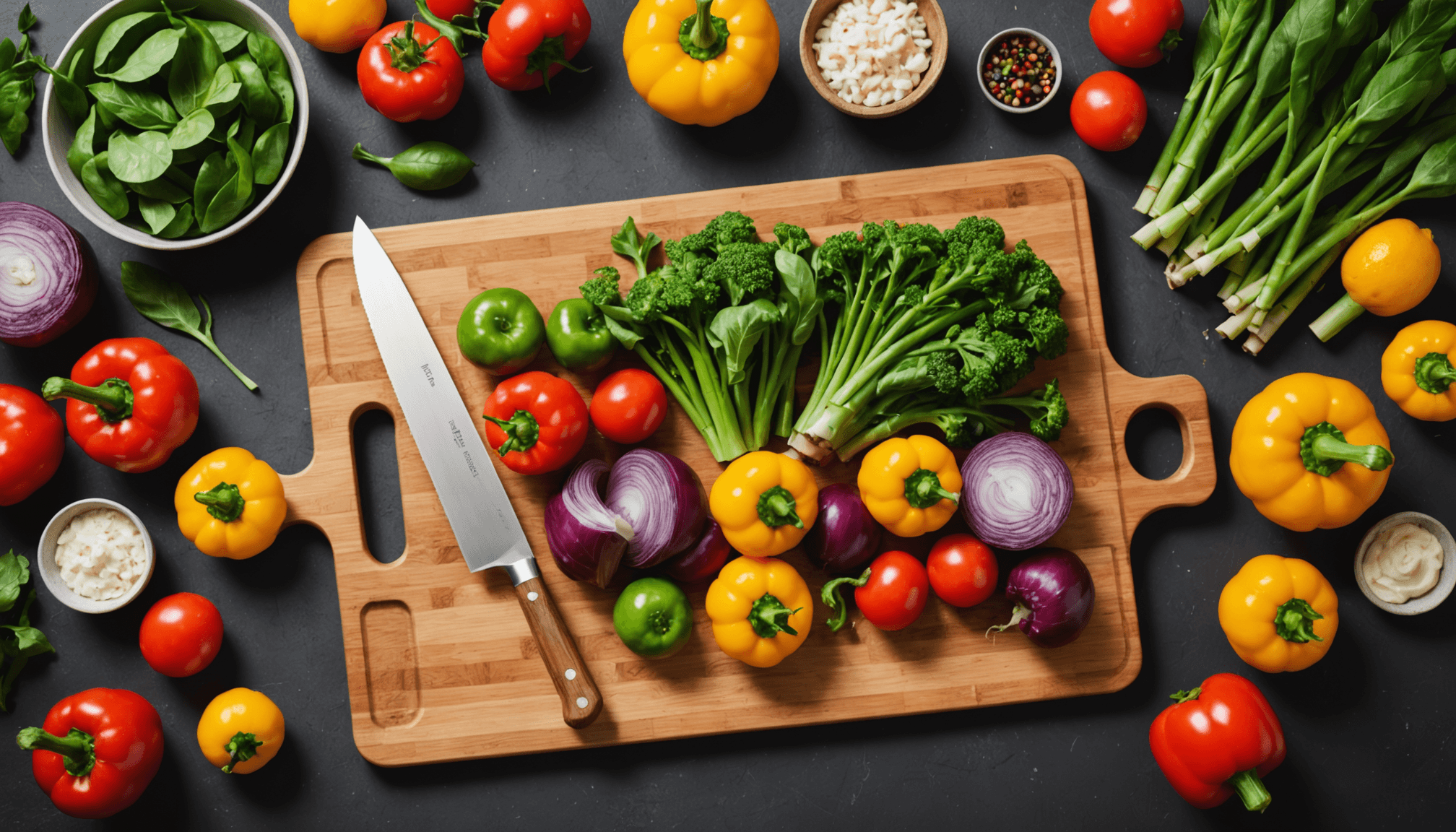
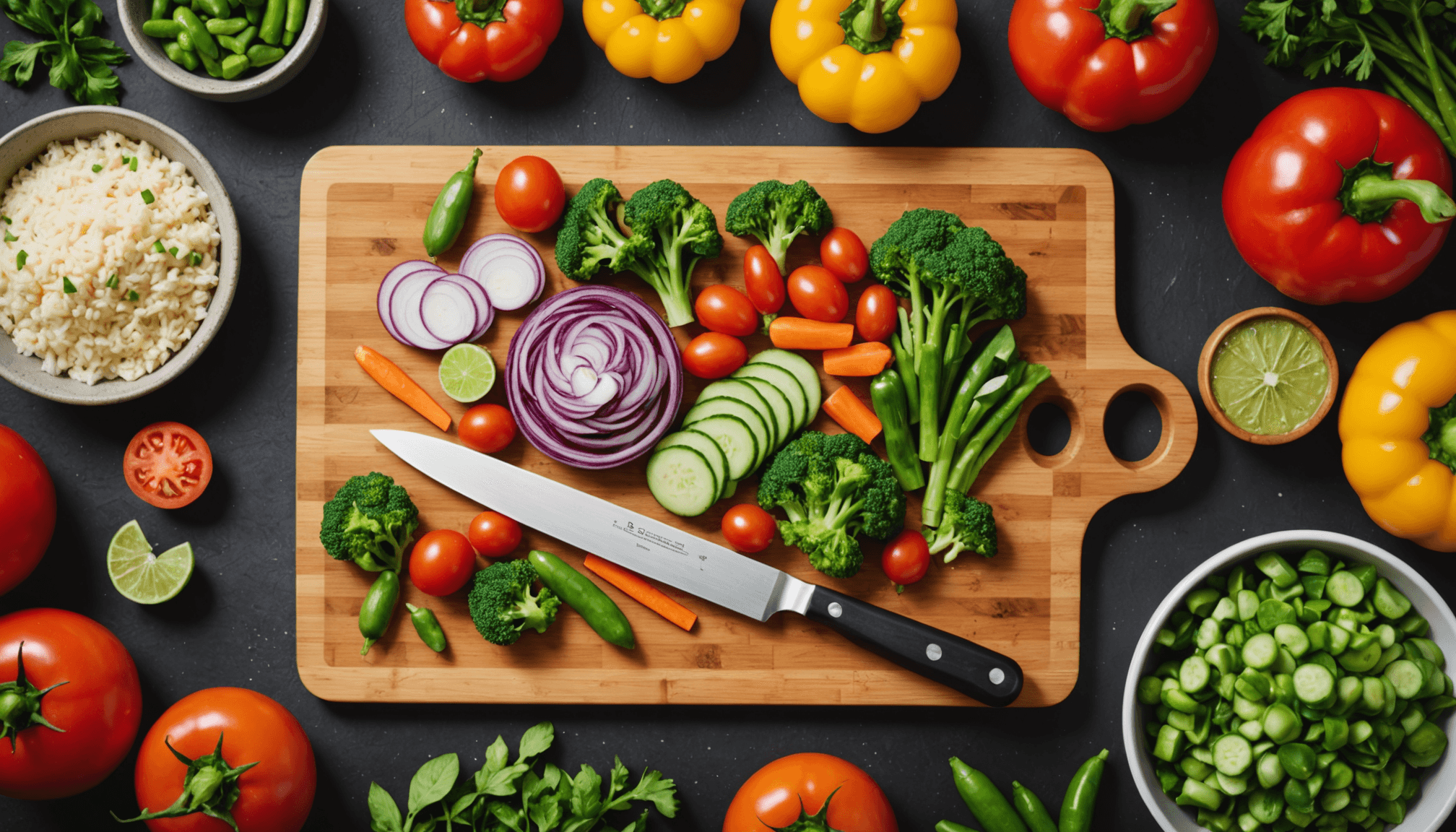
Having the right tools and equipment in your kitchen can make all the difference when it comes to streamlining your healthy meal prep. A well-equipped kitchen not only saves time but also enhances the cooking experience, allowing you to whip up nutritious meals with ease. First and foremost, let’s talk about the basics. You’ll want to have a good set of quality knives. A sharp chef’s knife is invaluable—whether you’re chopping up veggies for a stir-fry or slicing a piece of grilled chicken. Investing in a cutting board that can handle everything from juicy tomatoes to hard squash is equally important. Look for boards that are easy to clean and durable; bamboo boards are an excellent combination of eco-friendliness and resilience.
Next up, consider your pots and pans. A good non-stick skillet is essential for everything from sautéing greens to cooking eggs. Choose one that can withstand high heat and is easy to clean. A heavy-duty sheet pan is also a must for roasting vegetables and proteins alike. Try lining it with parchment paper for easy clean-up and browning—homemade roasted carrots or Brussels sprouts will be scrumptious! Don’t overlook the importance of quality storage containers, either. Opt for glass containers with airtight lids; they keep food fresh and are perfect for reheating your meals in the microwave. You can also use various-sized containers that cater to different meal portions—something small for a snack and something larger for dinner.
Your kitchen appliances are your best friends when it comes to efficient meal prep. A slow cooker or an Instant Pot can help you set it and forget it, perfect for busy professionals or families with tight schedules. Throw in some ingredients in the morning, and by the time you come back, you’ll have a steaming bowl of chili or a healthy stew waiting for you. An immersion blender can be a game-changer too—no need to transfer hot soup to a traditional blender; just blend right in the pot for a smooth, creamy texture that’s perfect for a quick lunch in just minutes.
And let’s not forget about a reliable food processor. It will save you so much time chopping and grating. Fancy a homemade hummus for your snack prep? A food processor will have it ready in seconds! Plus, it’s great for making nut butters, sauces, and even dough if you’re feeling adventurous.
If you’re a smoothie lover, a high-speed blender should be on your counter. Quick morning smoothies packed with spinach, almond milk, and protein powder are a breeze to make, ensuring you start your busy day with a healthy kick. For quick clean-ups, consider a spiralizer as well—it turns zucchini into “noodles” that you can whip up in moments, transforming regular weeknight dinners into a fun, healthier twist.
Invest in some good kitchen towels and oven mitts; these are important for safety and cleanliness, especially when you’re juggling multiple meal prep tasks at once. The right tools foster a pleasant cooking environment and invite creativity into your healthy cooking routine. Remember to keep your workspace organized as you go; it makes reaching for those handy tools all the easier. Cooking doesn’t have to be a chore; with the appropriate equipment, it can be a relaxing endeavor that fits right into your busy lifestyle.
Creating a balanced meal plan
“A balanced meal contains the proper proportions of macronutrients, essential vitamins, and minerals to fuel your body effectively.” – Nutrition Expert
To create a balanced meal plan, it’s essential to incorporate a variety of food groups that provide the necessary nutrients your body needs. A well-structured meal plan not only supports your health but also aligns with a busy lifestyle, making it easier to maintain your dietary goals. Follow these steps to build your balanced meal plan effectively:
- Define Your Dietary Goals: Consider your health goals. Are you focusing on weight loss, muscle gain, or just maintaining a healthy diet? This will shape the types of meals you plan.
- Incorporate Food Groups: Aim to include a balance of protein, carbohydrates, and healthy fats in each meal.
- Proteins: Include lean meats like chicken, fish, legumes, and plant-based proteins to support muscle health.
- Carbohydrates: Choose whole grains such as brown rice, quinoa, and whole-grain bread that provide sustained energy.
- Fruits and Vegetables: Aim for a colorful array of seasonal produce. Vegetables like leafy greens, bell peppers, carrots, and fruits like berries, apples, and bananas help provide essential vitamins and minerals.
- Healthy Fats: Incorporate sources of healthy fats such as avocados, nuts, seeds, and olive oil, which are vital for brain health and absorption of nutrients.
- Plan Specific Meals: Based on the food groups you’ve selected, plan out your meals for the week.
- Breakfast: Think of options like overnight oats topped with fruits and nuts or a smoothie packed with greens and protein.
- Lunch: Consider grain bowls with quinoa, grilled chicken, mixed veggies, and a drizzle of tahini sauce.
- Dinner: Prepare meals like baked salmon with roasted sweet potatoes and steamed broccoli.
- Snacks: Pre-portion healthy snacks such as Greek yogurt with honey, cut-up veggies with hummus, or mixed nuts.
- Batch Cooking: Set aside time during the week for batch cooking.
- Cook large portions of staples such as grains and proteins that can be easily mixed and matched throughout the week.
- Chop and prepare vegetables in advance to save time on busy nights.
- Marinate proteins ahead of time to enhance flavor and make cooking easier.
- Organize Your Meal Prep: Organize your meals effectively.
- Use clear containers to separate different meal components, making it easy to grab meals or snacks when you’re busy.
- Label containers with the contents and dates to keep track of freshness.
- Evaluate and Adjust: At the end of the week, take some time to assess what worked and what didn’t in your meal plan.
- Tweak the recipes or ingredients based on your preferences or what was most convenient.
- Consider rotating new recipes to keep meals exciting and avoid monotony.
- Stay Flexible: Life can be unpredictable, so maintain flexibility in your meal plan.
- Have backup meals or ingredients ready, such as frozen vegetables, canned beans, or quick recipes for those nights when time is tight.
By following this method, you can construct a meal plan that not only addresses your nutritional needs but also seamlessly integrates into your busy lifestyle. Prepping healthy meals will ensure that you’re always ready with nutritious options, steering clear of the temptation for unhealthy fast food choices.
Time-saving meal prep techniques
 Time-saving meal prep techniques can dramatically simplify your day-to-day routine while keeping your meals nutritious and satisfying. One of the most effective ways to save time is to embrace batch cooking. By preparing large quantities of ingredients, such as grains, proteins, and vegetables, you create a solid base for various meals throughout the week. For example, cooking a large pot of brown rice or quinoa can be repurposed in salads, stir-fries, or grain bowls, ensuring you have versatility without the daily hassle.
Another technique to consider is the use of a slow cooker or Instant Pot. These devices allow you to throw in your ingredients and walk away, making them perfect for busy individuals. Imagine coming home to a warm chili or soup after a long day—no need for extensive cooking when you have a reliable appliance doing the work for you. You can even set it up the night before, leaving you with a hearty meal ready right when you walk in the door, bringing a comfort of home-cooked meals into your busy lifestyle.
When it comes to preparation, focusing on ingredient versatility is key. For instance, roasting a big tray of mixed vegetables on the weekend allows you to use those same veggies in different meals throughout the week, whether they’re tossed into omelets, added to pasta dishes, or used as a side with proteins. This not only saves time but also maximizes flavor and nutrition.
Utilizing storage containers effectively is also crucial. Invest in a good set of glass containers with compartments; this helps keep different food items separate yet ready to grab and go. You can portion out your meals in advance, ready for quick lunches or dinners. Combine this with labeling your containers with dates to ensure freshness, and you’ll save yourself from confusion and waste.
Do not overlook the power of freezing meals. Preparing extra portions of your favorite dishes and freezing them can help you maintain a healthy eating routine on the busiest of days. You’ll always have something nutritious ready to go when hunger strikes, eliminating the temptation to reach for unhealthy options.
Think about creative solutions like having a designated snack prep day. Spend some time prepping nutrient-rich snacks like energy bites, yogurt parfaits, or veggie packs for the week ahead. This not only saves time but encourages healthier snacking habits, making it easier to stay on track when cravings hit.
Lastly, engage in the practice of planning your meals, wherein you outline what you will eat throughout the week. This proactive approach minimizes the stress associated with meal decisions every day. It allows you to streamline your grocery shopping, ensuring you purchase exactly what you need, thus eliminating unnecessary waste and saving time.
- What is meal prep?
- Meal prep involves preparing meals in advance, typically on a designated day of the week, to make eating healthy easier during busy days. It can include cooking, portioning, and packaging meals to ensure that nutritious options are readily available.
- How can meal prep save time?
- By preparing meals in bulk, you can reduce daily cooking time significantly. Instead of cooking fresh meals every day, meal prep allows you to simply reheat pre-prepared dishes, streamlining your eating routine.
- Can I meal prep for the entire week?
- Yes, many people successfully meal prep for the entire week. It’s important to store prepared meals properly, categorizing them into easy-to-reheat containers to maintain freshness throughout the week.
- What types of meals can I prep?
- You can prep a variety of meals including grilled proteins, roasted vegetables, hearty grains, and salads. Consider creating a mix of lunches and dinners that can be easily stored and reheated.
- Is meal prep expensive?
- Meal prep can actually save you money in the long run by reducing food waste and encouraging bulk purchasing. Planning your meals helps you buy only what you need and avoid expensive takeout options.
- Can I meal prep for special diets?
- Absolutely! Meal prepping is highly adaptable and can cater to any dietary requirements, whether gluten-free, vegan, or low-carb. You can customize your ingredients to fit your nutritional needs.
- How do I keep my meal prep interesting?
- To keep meals exciting, experiment with different cuisines, spices, and ingredients. Rotate recipes regularly and incorporate seasonal produce to enhance variety and avoid monotony.
Storing and reheating meals effectively
Now that you’ve put in all the hard work prepping those delicious meals, let’s talk about how to properly store and reheat them to keep everything fresh and tasty. It’s one thing to make your meals in advance, but if you don’t store them right, they can lose their appeal quickly. Trust me, no one wants to dig into a sad, wilted salad or a dry piece of chicken!
First off, grab some quality storage containers. Glass containers with tight-fitting lids are perfect for keeping your meals fresh and free from spills. They are microwave safe, so you can go straight from fridge to microwave when you’re ready to eat. And if you’re feeling extra organized, invest in containers of varying sizes. You’ll want smaller ones for snacks and larger ones for those hearty dinners. Make sure to label everything with the contents and the date you cooked it. That way, you’ll know what to eat first and keep things from getting lost in the back of the fridge.
As for fully prepared meals, keep them in the refrigerator for around three to four days. If you’re planning to hold onto them longer—say for those busy weeks ahead—pop them in the freezer. Almost all your prepped meals can be frozen, but remember to let them cool first before sealing them up. When you’re ready to enjoy something from the freezer, let it thaw in the fridge overnight and then reheat. It’s like having instant homemade meals at your fingertips!
When it comes to reheating, be smart about it. If you’re using a microwave, consider breaking up any large dishes into smaller portions for even heating. Stir things around a bit halfway through to ensure everything gets warmed up nicely. For those who prefer to avoid the microwave, using the oven can add a little extra crispiness back to certain dishes. For example, a baked casserole or roasted veggies can taste even better with a quick reheat in the oven, giving them that fresh-out-of-the-oven vibe again.
Also, don’t forget about the power of stovetops. You can sauté some pre-cooked proteins quickly in a skillet with a splash of broth to keep everything moist, or throw together a quick stir-fry with those prepped veggies you’ve got in the fridge. This not only warms your meals but gives them a little extra life and flavor. And remember, some dishes actually taste better after a day in the fridge; flavors meld and develop into something wonderful!
Lastly, save those delicious sauces or dressings separately! It keeps salads crisp and proteins juicy. It’s the little things that can elevate your meal experience. With these storing and reheating tips, you’ll be eating well, no matter how busy life gets! So go ahead, dive into that meal prep adventure, and don’t let those beautiful, healthy meals go to waste!

Leave a Reply