
- Understanding Portion Control
- Benefits of Meal Prep
- Tips for Effective Portioning
- Meal Prep Techniques and Tools
- Sustaining Portion Control Long-Term
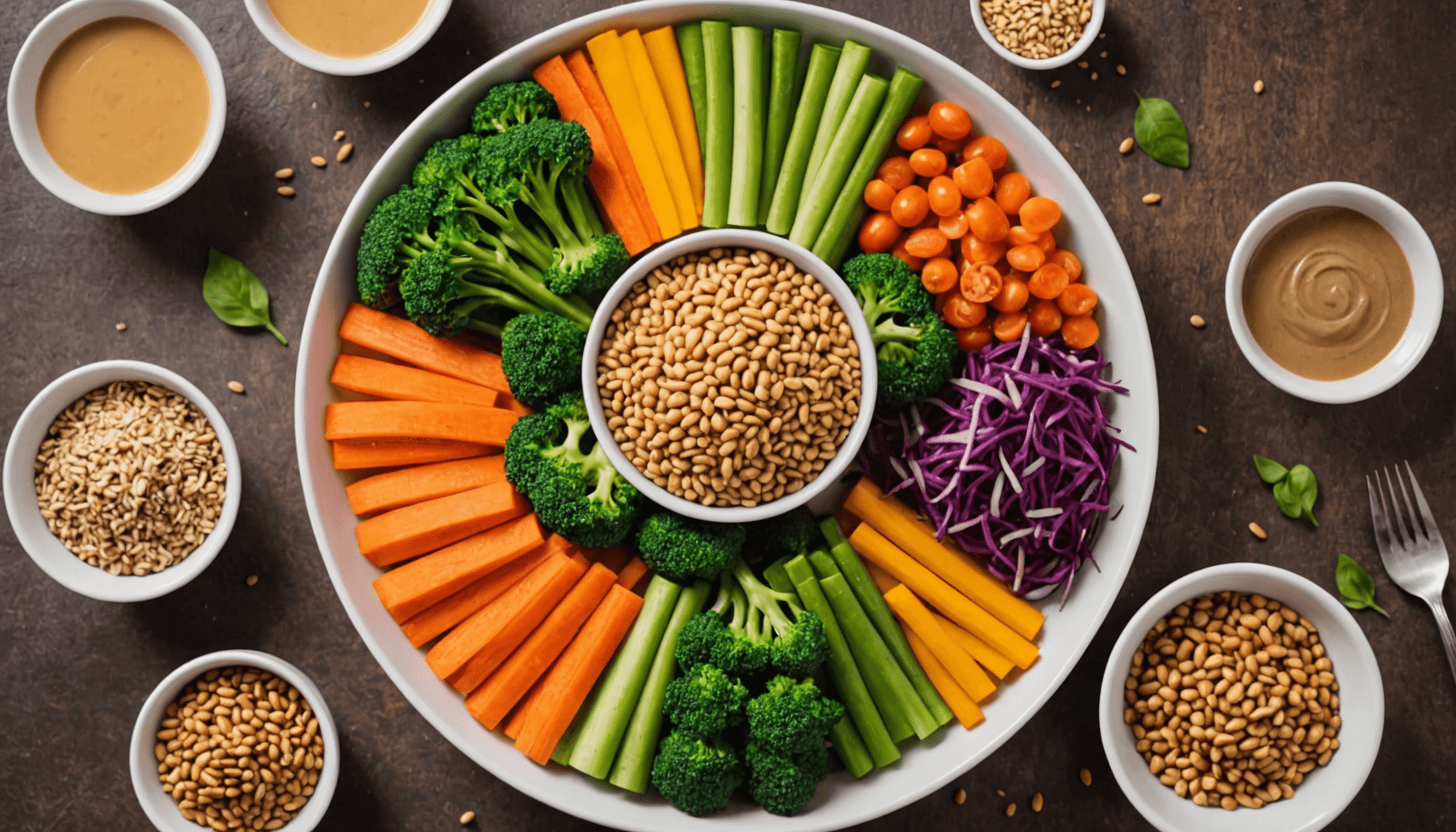
Portion control is more than just a simple guideline; it’s a powerful tool for anyone looking to enjoy their meals without compromising their health goals. First off, let’s break down what portion control really means. Essentially, it’s about understanding what a realistic serving size looks like for different foods. For example, a healthy serving of protein is typically around the size of your palm, while carbs can be about the size of your fist. This isn’t just arbitrary; it’s based on nutritional requirements and how your body metabolizes food.
Now, it’s easy to overlook these guidelines when we’re busy or distracted. Have you ever sat down with a bag of chips, only to find that half the bag is gone before you even realized it? That’s the power of portion sizes playing tricks on us. When we prep our meals in advance, we have the opportunity to measure and package healthy meal prep servings that take the guesswork out of eating. This makes it much easier to stick to those appropriate portions and helps prevent those mindless munching moments.
Here’s an example: imagine pre-packing your lunch for the week on Sunday. A grilled chicken breast, a half-cup of quinoa, and a generous helping of roasted vegetables all neatly portioned in containers can not only save you time during the week, but it ensures you’re consuming the right amounts of each food group. You’d be surprised how satisfying a balanced meal can be when it’s presented in the right proportions. It keeps you fueled without the urge to overindulge.
Incorporating tools like measuring cups, food scales, and even portion control containers can really enhance your understanding of what’s on your plate, and it helps to strategize for success. Plus, by visually dividing your meals, you can create a plate that’s not just nutritious but also visually appealing. After all, who doesn’t love a colorful plate? It’s about creating an enjoyable eating experience while consciously aware of what you’re consuming.
Ultimately, mastering portion control doesn’t just help you eat healthier; it can influence your overall relationship with food. When you know what a balanced plate looks like, you gain confidence in your meal choices, which adds up to greater satisfaction with your meals. So, whether you’re a busy professional dashing through the week, a college student with a packed schedule, or a parent trying to balance family meals, remember that understanding portion control is your ally in the journey toward better health.
Benefits of Meal Prep
The process of meal preparation offers a multitude of benefits that extend far beyond simply having food ready for the week. At its core, meal prep enables individuals to take control of their dietary choices, promoting healthier habits and lifestyles. As the renowned author Michael Pollan states, “Eat food, not much, mostly plants.” This philosophy resonates with the principles of meal prep, where preparing meals ahead can lead to more intentional selection of ingredients, ensuring nutritious choices that align with health goals.
Efficient time management is one of the most significant advantages of meal prepping. When meals are planned and prepared in advance, it simplifies the daily routine, particularly during hectic work weeks. No longer do individuals find themselves grabbing unhealthy snacks or fast food on busy days. Instead, they can reach for a pre-portioned meal that fulfills their nutritional needs. Allocating a few hours once a week to prepare meals can save substantial time during weekdays, reducing stress and increasing productivity.
Furthermore, meal prep fosters a keen awareness of portion control, leading to healthier servings that are visually and nutritionally optimal. Author and nutrition expert Ellie Krieger highlights, “Food is meant to be enjoyed, not just intended as filling or fuel.” When individuals take the time to prepare meals, they can not only create balanced dishes but also take pleasure in the aesthetics of a well-plated meal. This mindful approach enhances the eating experience, encouraging individuals to savor their food and listen to their body’s hunger cues.
Additionally, meal preparation contributes to significant financial savings. Preparing meals at home is often more economical than constantly dining out or ordering takeout. By buying ingredients in bulk and planning meals around sales and seasonal produce, individuals can lower their grocery bills dramatically. This not only benefits the wallet but also allows for better control over meal quality, ensuring that only fresh, wholesome ingredients are used.
Incorporating variety into a weekly meal prep routine is essential for maintaining interest in healthy eating. When individuals embrace diverse recipes and food combinations, they’re less likely to fall into monotonous eating patterns that could sabotage their health goals. “Variety’s the very spice of life,” as the poet William Cowper observed. By experimenting with different cuisines, flavors, and textures while prepping meals, individuals can consistently enjoy their food without the risk of overindulgence that often accompanies repetitive eating.
The emotional benefits of meal prep cannot be overlooked either. Cooking can serve as a therapeutic and creative outlet, enabling individuals to take pride in their food creations. Knowing that you have made a conscious effort to prepare healthy meals can enhance your overall mindset regarding food, cultivating a positive relationship with eating. The act of preparing and portioning meals transforms food into a source of health and joy rather than stress and guilt.
Finally, as individuals start to embrace the benefits of meal prep, they often experience a shift in their lifestyle and behavioral patterns. The repetitive nature of planning and preparing meals fosters discipline and consistency, which are critical components in achieving long-term health objectives. By establishing a solid routine centered around healthy meal prep and portion control, individuals can weave nutritious eating seamlessly into their daily lives, promoting wellness that lasts.
Tips for Effective Portioning
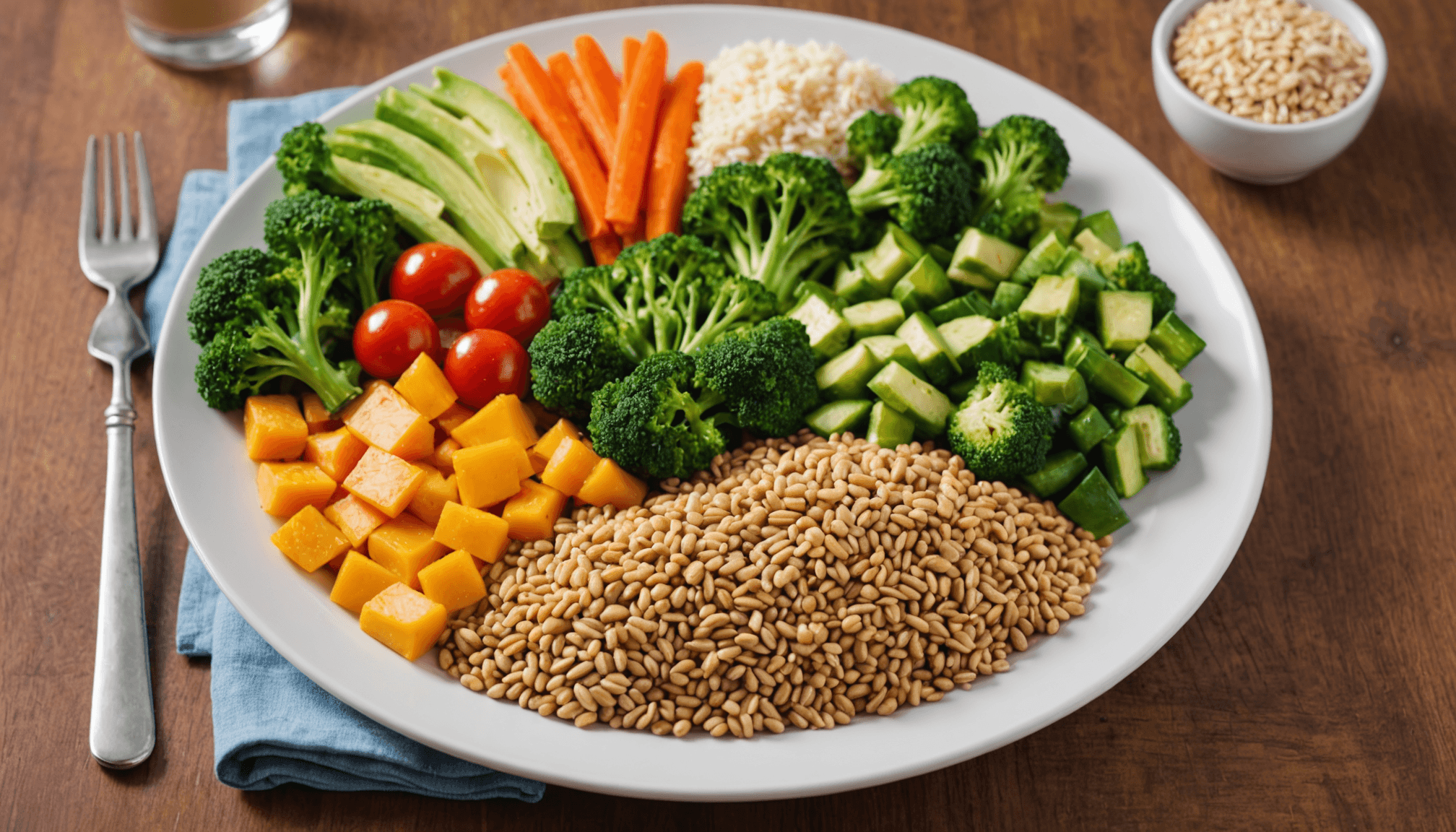
Portioning your meals effectively is like giving yourself a little gift each day—it ensures you’re set up for success! One of the best tips I can share is to use your tools wisely. Invest in some good quality measuring cups and a kitchen scale. I know, I know, it might sound a bit over the top, but trust me, having those tools in your kitchen can make a world of difference. If you’re using a measuring cup for grains or pasta or a scale for proteins, you’ll get to know what proper portions really look like. Plus, it makes it super easy to stick to your healthy eating goals since you’ll have a clear view of what’s going on your plate.
Another nifty trick is to batch cook your proteins. Cook a large amount of chicken, turkey, or even flavored tofu, and then portion it out into containers. Each container will have just the right amount for a meal or a salad topping. It’s all about making it easy to grab something nutritious when hunger strikes. Think of it as having your very own healthy meal prep station right in your fridge. And don’t forget about the power of prepping veggies too! Chop up some colorful peppers, cucumbers, or carrots—a crisp, bright platter of veggies can elevate any meal while keeping your portions in check.
When it comes to starchy foods like rice, quinoa, or sweet potatoes, remember that a portion can be roughly the size of your clenched fist. So, prepare those carbohydrate-heavy ingredients ahead of time and put them into containers, too. This way, you’ll prevent any sneaky scooping that happens when you reach for that big bowl, thinking just a couple of spoonfuls won’t hurt. Trust me; portion control is about keeping those little temptations at bay!
And let’s not forget the power of visual appeal! You can create meals that not only taste good but look good, too. Fill half of your plate with veggies, a quarter with lean protein, and the last quarter with whole grains. This mindful plating technique guides your portions and makes for a vibrant meal that feels satisfying. It’s amazing how seeing a colorful plate can make healthy servings feel even more enticing.
If you’re prepping for your family, get everyone involved. Kids can help wash and slice veggies (safely, of course!), while your partner can grab your prepped containers from the fridge. Making it a team effort not only lightens your load but also instills good habits in the little ones—bonus points for teaching them about healthy cooking and portion sizes for their future!
Lastly, don’t forget to listen to your body. Sometimes, it’s easy to get caught up in the idea of portion control and forget that everyone’s needs can vary. What might be a perfect serving size for one person might not satisfy another. So, keep that in mind! Enjoy your meals, soak in the flavors, and let your hunger cues guide you as much as the portion sizes do.
Meal Prep Techniques and Tools
“The more you use the tools of meal prep, the more control you gain over your eating habits and health.”
Utilizing the right techniques and tools for meal prep can significantly streamline your process and enhance your adherence to portion control. Here’s how to effectively implement meal prep techniques to foster healthy eating habits:
- Choose Your Containers Wisely: Invest in high-quality, BPA-free meal prep containers that are microwave and dishwasher safe. Look for containers with compartments to help keep different food groups separate, which can aid in portion control by ensuring balanced meals. Color-coded containers can also make it visually appealing and easy to recognize what each meal includes.
- Utilize Measuring Tools: Incorporate measuring cups, spoons, and a food scale into your prep routine. For dry ingredients such as grains or snacks, measuring cups can be invaluable. For proteins and denser foods, using a food scale provides the most accurate portioning. Weighing your food allows you to get a true sense of what a healthy serving size looks like.
- Create a Balanced Plate: Follow the plate method for meal prep—fill half of your container with vegetables, a quarter with lean protein, and a quarter with whole grains or starchy foods. This visual guide makes it easier to maintain portion control while ensuring a variety of nutrients are represented.
- Batch Cook and Portion: Designate a day each week for batch cooking. Prepare large quantities of proteins and grains, then portion them into individual containers. For example, grill several chicken breasts or roast a tray of sweet potatoes, then divide them into servings. This method saves time and sets you up for success by providing grab-and-go healthy meals.
- Pre-pack Snacks: Don’t forget to prep snacks! Portion out nuts, yogurt, or hummus with veggie sticks into smaller containers. This makes it easy to avoid mindless snacking and helps control portion sizes when cravings hit. Having pre-portioned snacks can assist in preventing overeating.
- Label Everything: Clearly label your containers with the meal name and date. This organization helps you track freshness and ensures you eat meals within their optimal timeframe. Labels can also include the calorie count for those tracking their intake, reinforcing your commitment to portion control.
- Embrace Freezing Options: If you prepare more food than you can consume within a week, utilize your freezer! Many healthy meals freeze well, allowing you to keep a variety of prepped meals on hand for busier days. Just make sure to portion these meals accordingly before freezing.
- Use Colorful Ingredients: Incorporate vibrant, diverse ingredients into your meals. Color is not only appealing but also indicates a range of nutrients. For instance, include red bell peppers, leafy greens, sweet potatoes, and a variety of beans. This not only enhances the nutritional value but also makes your meals visually interesting.
- Stay Consistent: Consistency is key to mastering portion control through meal prep. Make it a regular part of your weekly routine, and stick to your planned meals. Over time, this will become second nature, and you’ll be more adept at recognizing and sticking to healthy servings.
By leveraging these techniques and tools, meal prepping becomes a manageable and enjoyable endeavor. Not only does it promote healthier eating habits, but it also empowers you to take charge of your portion control, ultimately leading to a more satisfying and balanced diet.
Sustaining Portion Control Long-Term
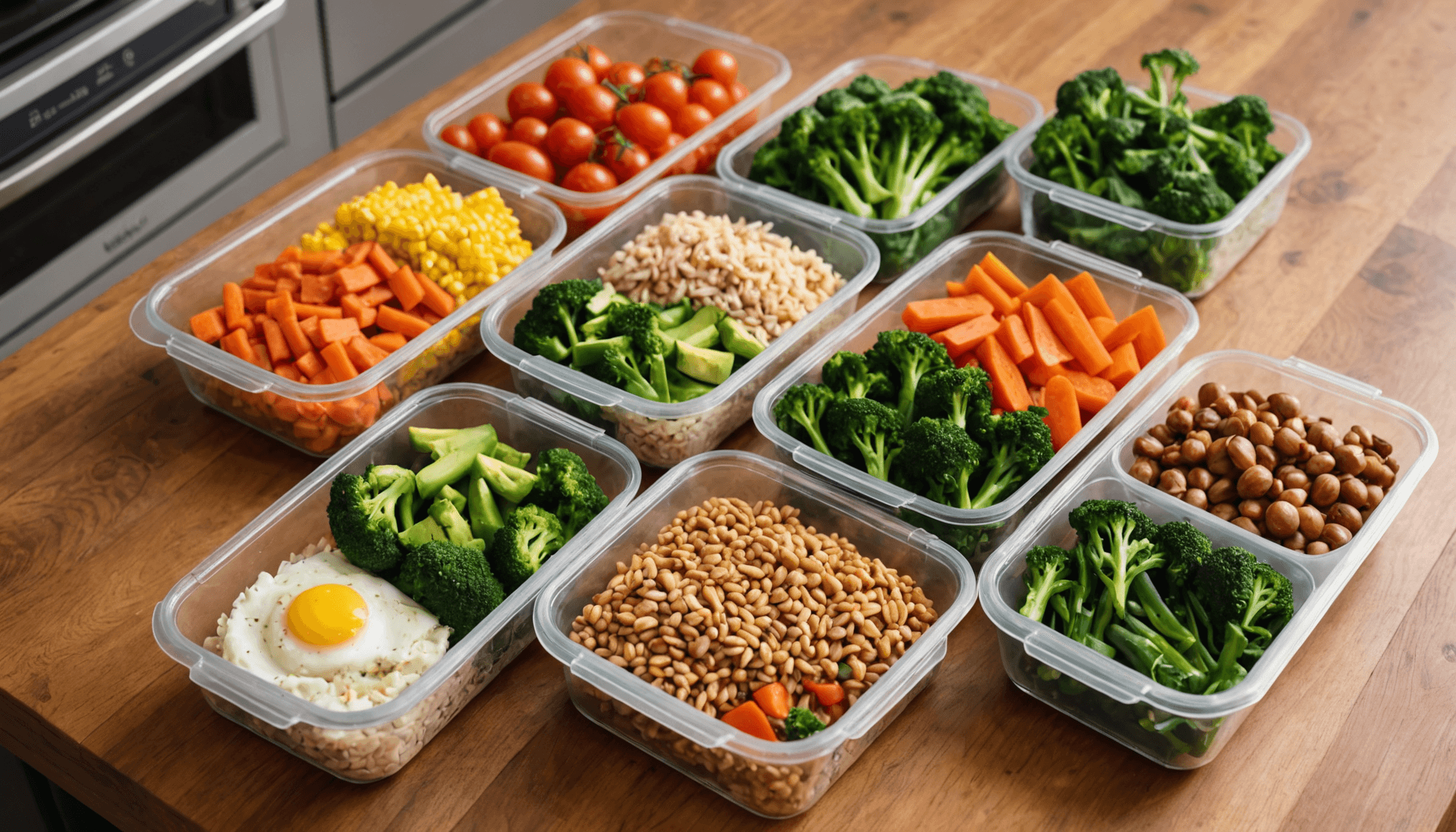 Maintaining portion control long-term involves creating sustainable habits that not only align with your health goals but also fit seamlessly into your lifestyle. One of the most effective strategies is to establish a consistent meal prep routine. Set aside dedicated time each week to prepare your meals, whether it’s on the weekends or your day off. This practice not only helps you stay organized but also encourages you to make mindful choices about your food. When healthy meals are readily available, you’re less likely to reach for unhealthy options out of convenience.
It’s also important to foster a positive mindset around food and portion sizes. Acknowledge that you might have days when you eat more than intended, and that’s okay. What matters is recognizing it and adjusting your habits moving forward, rather than allowing guilt to sabotage your progress. Embrace the idea of balance; treat yourself occasionally while ensuring that the majority of your meals consist of healthy servings.
Another key element is to personalize your portion sizes based on your unique needs, physical activity levels, and hunger cues. Everyone’s body requires different amounts of nutrients and calories, so becoming acquainted with your body’s signals will assist in maintaining portion control. Additionally, exploring new recipes or cuisines keeps mealtime exciting and engaging, helping you stay committed to your goals. This way, healthful eating transforms from a chore into an enjoyable adventure.
Do not overlook the importance of reflection—regularly assess your meal prep outcomes and how well your portion control strategies are serving you. Keep a food journal or use a tracking app to note what works and what might need adjustment. This habit not only reinforces accountability but can also bring clarity to patterns in your eating habits. As you grow more attuned to your body’s needs, you’ll find that sustaining portion control becomes second nature, allowing you to thrive amidst life’s hustle and bustle.
- How can I effectively portion my meals while still enjoying my favorite foods?
- Portion control can be achieved by balancing your meals and being mindful of serving sizes. You can still enjoy your favorites by incorporating them in moderation, using smaller plates, or pairing them with healthier options to create a satisfying, balanced meal.
- What are some quick meal prep ideas for busy professionals?
- Quick meal prep ideas include batch cooking proteins like chicken or tofu, preparing overnight oats for breakfast, or chopping vegetables to use in salads and stir-fries. Also, consider making one-pot meals or sheet pan dinners that are both fast and flavorful.
- How do I stay motivated to continue meal prepping?
- Staying motivated can be achieved by setting specific health goals that excite you, trying out new recipes, or involving friends or family in the process. Celebrating small victories and noticing improvements in your energy or well-being can keep the momentum going.
- Can I freeze my meal preps, and how do I do it best?
- Yes, you can freeze most meals to maintain freshness. To do so, ensure your meals are cooled before packing them into airtight containers, leaving space for expansion. Label them with the date, and aim to consume within a few months to enjoy optimal flavor.
- Is there a specific container type I should use for meal prep?
- Opt for BPA-free, microwave-safe containers that allow portion control. Containers with compartments are great for keeping different food groups separate, and glass containers are often more durable and healthier for storage than plastic alternatives.
- What are the benefits of including snacks in my meal prep?
- Including healthy snacks in your meal prep helps maintain your energy levels throughout the day and prevents overeating at meal times. Pre-portioned snacks make it easier to choose nutritious options when cravings hit, promoting better overall dietary habits.
- How can I teach my children about portion control?
- You can teach your children about portion control by involving them in meal prep. Allow them to help with measuring ingredients, discussing healthy serving sizes, and making their own plates. This hands-on approach makes learning about food fun and engaging for them.

Leave a Reply