

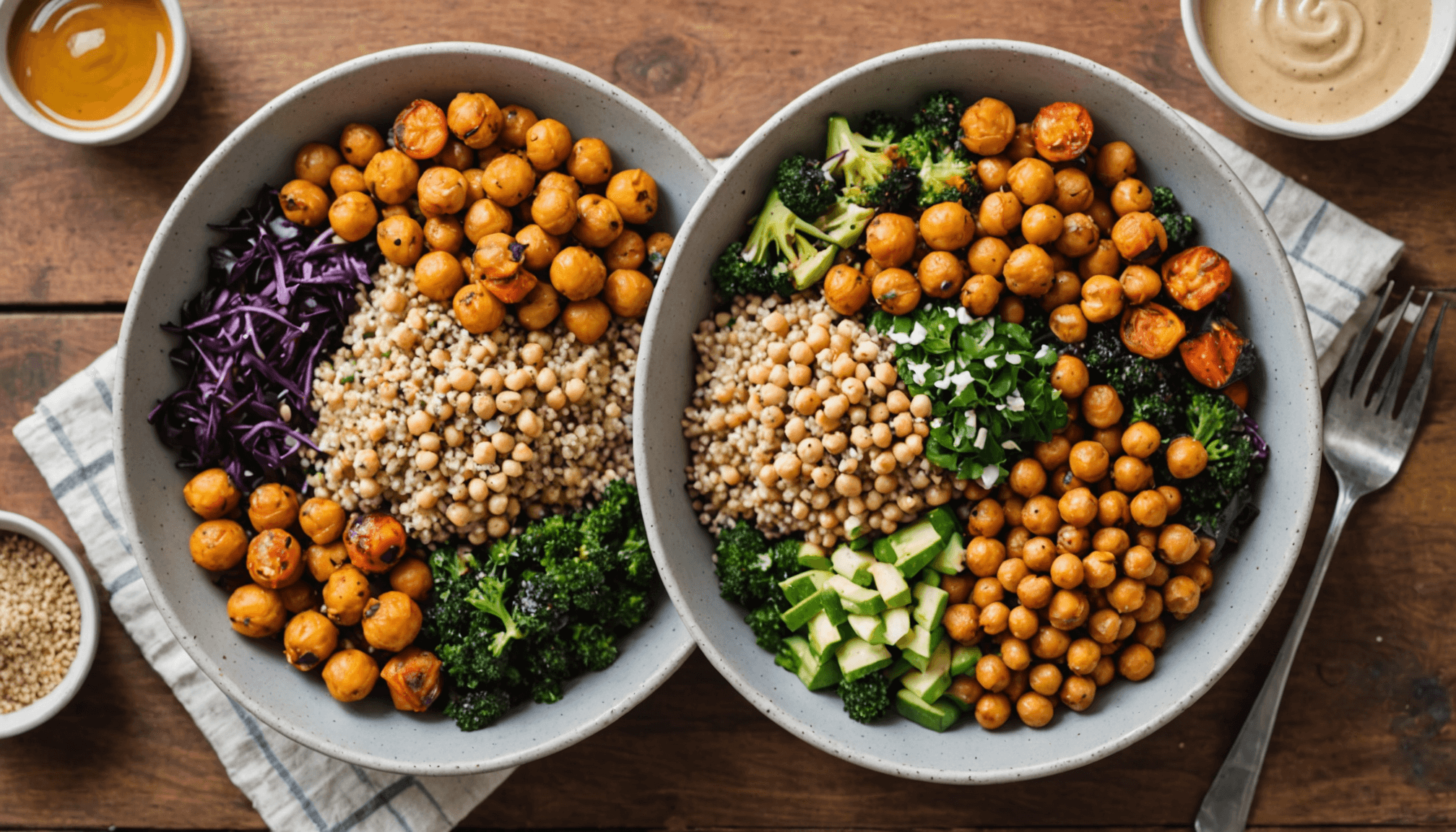
- Healthy protein alternatives for meal prep
- Tips for effective meal preparation
- Quick and easy recipes
- Nutritional benefits of plant-based proteins
- Storage and reheating strategies
When diving into healthy meal prep, it’s essential to consider the variety of protein alternatives available that not only meet your nutritional needs but also bring excitement to your weekly menu. If you’re looking to swap out traditional meats for something just as satisfying and wholesome, you’re in the right place. First off, let’s talk about legumes. Beans, lentils, and chickpeas are fantastic sources of protein, packed with fiber, and will keep you feeling full for longer. Toss a can of black beans into your taco filling or whip up a lentil soup that rivals any meat-based dish.
Nuts and seeds are delightful as well; they add a delightful crunch and can be tossed into salads, blended into smoothies, or even used as a topping for your morning oats. Think almonds, walnuts, chia seeds, and hemp seeds. These tiny powerhouses are bursting with protein, healthy fats, and essential nutrients. Think about crafting a crispy chickpea snack – roast them with a sprinkle of your favorite spices, and enjoy a crunchy, protein-packed munchy.
Tofu and tempeh are your best mates in the kitchen when it comes to meatless meals. They’re both incredibly versatile and take on the flavors of whatever you decide to marinate or season them with. Slice some firm tofu, marinate it in soy sauce and sesame oil, then grill it for a smoky addition to your stir-fry. Tempeh, with its nutty flavor and chewy texture, can be sliced and added to sandwiches, giving your lunch a protein boost without the heaviness of meat.
For those missing the experience of traditional meat, seitan might just be a revelation. This wheat-based option has a texture remarkably similar to chicken or beef, making it an excellent substitute in dishes like stir-fries or wraps. But don’t forget the wonders of plant-based protein powders! These can be blended into smoothies or oatmeal for a quick and easy protein boost, especially perfect for busy professionals or students on the go.
Let’s not overlook the array of whole grains that can contribute to your meal prep game. Quinoa, farro, and barley are great options that not only provide protein but also deliver a hearty texture that pairs well with a variety of vegetables. So, next time you’re planning a week of meals, think beyond traditional protein sources. Your body and your taste buds will thank you for the exploration of these wholesome and nutritious protein alternatives.
Tips for effective meal preparation
Effective meal preparation can transform your week, ensuring that you have nourishing meals ready to go when your schedule gets hectic. One key strategy is to plan your meals ahead of time. Start by dedicating a specific day each week to outline your menus. This approach not only saves time but also reduces stress as you won’t be scrambling to figure out what to eat on busy days. Mark the meals you’ll prepare based on your protein alternatives, seasonal vegetables, and whole grains for a well-rounded diet.
“Planning your meals is the first step in ensuring you stick to healthy choices,” notes nutritionist Jane Smith. “It allows you to be intentional about your food intake while keeping your grocery budget in check.”
When it comes to shopping, create a comprehensive grocery list based on your meal prep plan. This can help you avoid impulse purchases and ensure that you have all the ingredients necessary for your recipe. Focus on buying fresh, whole foods that feature prominently in your meals, and don’t hesitate to explore local farmers’ markets for seasonal produce.
Batch cooking is another effective technique. This involves preparing large quantities of one or more dishes at the same time. For instance, cook a big pot of chili packed with beans and lentils, or a curry with tofu and seasonal vegetables, and portion them out for the week. “Batch cooking allows you to maximize your time in the kitchen and minimizes food waste,” says chef Michael Lee. “You can enjoy a variety of meals without the repetitive work each day.”
Investing in quality storage containers is also essential. Choose containers that are microwave-safe and can be easily stacked in your refrigerator. This not only keeps your meals fresh but also makes reheating a breeze. Label each container with the meal name and the date it was prepared, so you can easily keep track of freshness.
Another crucial aspect of effective meal prep is understanding how to balance flavors and textures. Incorporate a variety of colors and tastes to keep your meals vibrant and exciting. Use herbs, spices, and sauces to enhance your dishes—think of how a tangy tahini dressing can turn a simple kale salad into a delightful dish, or how a sprinkle of nutritional yeast can add a cheesy flavor to your grain bowl.
Lastly, don’t forget to mix things up. Rotate different protein alternatives to prevent monotony. One week, you might enjoy chickpeas in your salad, while the next week, tempeh could be the star of your stir-fry. This not only keeps your palate engaged but also ensures a broader spectrum of nutrients, promoting optimal health.
“Diversity in meals ensures that no single nutrient is overemphasized and helps your body get a range of what it needs,” emphasizes dietitian Sarah Roberts. “With a little planning and creativity, healthy meal prep can be both enjoyable and beneficial.”
Quick and easy recipes
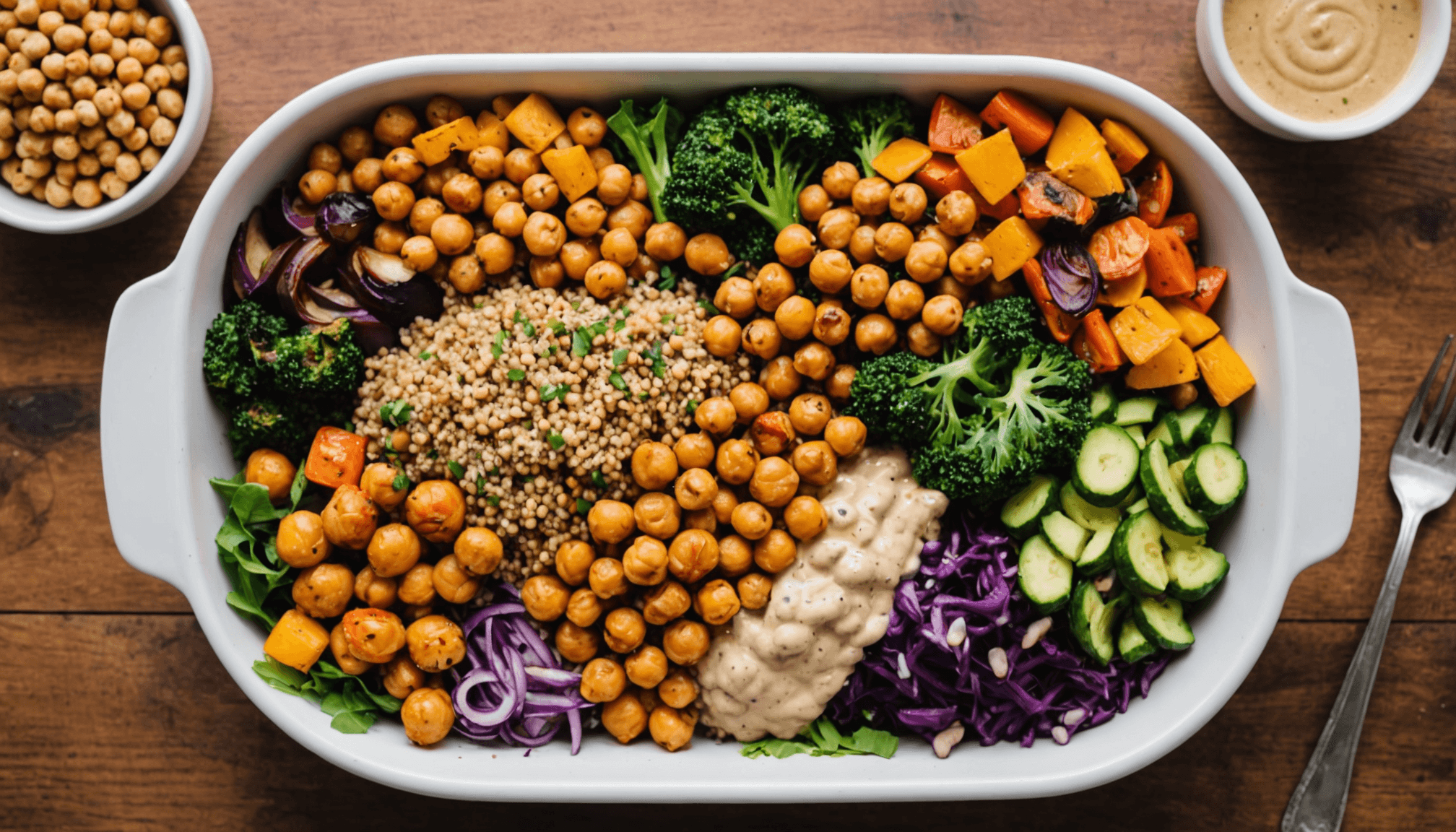
When it comes to whipping up quick and easy recipes, the key is to keep things simple yet incredibly delicious. First up, let’s talk about the beauty of grain bowls. These are not just a trendy Instagram post but a hearty, versatile meal suitable for any busy schedule. Start with a base of quinoa or brown rice, then pile on whatever you fancy. Roasted veggies, fresh greens, and, of course, your favorite protein alternatives—this could include roasted chickpeas, grilled tempeh, or a sprinkle of hemp seeds. Drizzle with a zesty vinaigrette or a tahini dressing to elevate the flavors and voila, you’ve just created a satisfying meal in minutes!
Another fantastic option is stir-fries. They’re quick, require minimal cleanup, and you can throw in whatever you have lying about in the fridge. Sauté colorful bell peppers, broccoli, snap peas, and carrots with tofu or seitan for a hearty protein hit. Add a splash of soy sauce or tamari, toss in some sesame seeds, and you’ve got a vibrant, protein-rich meal ready in no time. Perfect for post-workouts or a family dinner, stir-fries adapt themselves to your taste. Get creative with spices or even add a hint of ginger for an extra kick.
Tacos can be made healthy and hearty too! Use corn tortillas as your base and fill them generously with black beans, corn, diced avocado, and fresh cilantro. For a punch of flavor, mix in salsa or a squeeze of lime juice. These delightful little hand-held bites are perfect not just for busy weeknights but also for impressing friends at a weekend gathering. And don’t skip the toppings; add some cashew cream or guacamole for a creamy, satisfying finish.
For breakfast, consider overnight oats. Combine rolled oats with your choice of non-dairy milk, hemp seeds, and a dollop of nut butter. Top with fresh fruits like bananas or berries, and let it sit overnight in the fridge. You’ll wake up to a scrumptious, filling meal that’s not only a breeze to make but also packed with nutrients to fuel your day. It’s a perfect option for those hectic mornings when you barely have time to breathe!
Lastly, let’s not overlook the power of soups. They’re perfect for meal prep and can be customized based on what you have on hand. A simple lentil soup can be made by sautéing onions, garlic, and carrots, then adding lentils and vegetable broth. Let it simmer until the lentils are tender, and you have a warming meal ready to go. Portion it out, freeze what you won’t eat right away, and just reheat when you’re ready for something comforting and filling. It’s the ideal go-to meal after a long day.
Remember, the trick is to keep things enjoyable. Use vibrant flavors, fresh ingredients, and don’t hesitate to experiment. Each dish becomes your canvas to create lovely, crowd-pleasing meals that not only nourish your body but also satisfy the taste buds! With these quick and easy recipes in your arsenal, you’re well on your way to achieving your healthy meal prep goals.
Nutritional benefits of plant-based proteins
Plant-based proteins are not only a fantastic alternative to meat, but they also come packed with a range of nutritional benefits that can enhance your overall health. Here are some notable advantages:
- Rich in Essential Nutrients: Many plant-based proteins, such as lentils, quinoa, and chickpeas, are abundant in essential nutrients including fiber, vitamins, and minerals. These nutrients are critical for maintaining a healthy metabolism and supporting overall bodily functions. For instance, lentils provide iron and folate, while chia seeds are an excellent source of omega-3 fatty acids.
- Heart Health: Plant proteins typically contain lower levels of saturated fat and cholesterol compared to animal proteins, making them heart-healthy options. Consuming these proteins can help reduce the risk of heart disease and maintain healthy cholesterol levels. By including more beans and legumes in your meals, you can significantly contribute to heart health.
- Weight Management: The high fiber content found in most plant-based proteins can aid in weight management. Fiber helps you feel fuller for longer, reducing the chances of overeating. Incorporating options like black beans into your diet can support your weight loss goals by slowing digestion and curbing hunger.
- Digestive Health: If you struggle with digestive issues, plant-based proteins can provide relief. The fiber content promotes healthy bowel movements and can help prevent constipation. Foods like lentils and chickpeas are not only delicious but also facilitate smooth digestion.
- Anti-Inflammatory Properties: Many plant proteins are rich in antioxidants and phytonutrients, which help combat inflammation in the body. Foods such as quinoa and nuts have been shown to possess anti-inflammatory effects, supporting the overall reduction of disease risk.
- Environmental Sustainability: Incorporating more plant-based proteins into your diet can also support environmental sustainability. Producing plant-based foods generally requires fewer resources and emits fewer greenhouse gases compared to raising livestock. By choosing plant proteins, you contribute positively to the environment.
“A plant-based diet can meet all your nutritional needs while offering a range of health benefits,” says nutritionist Linda Green. “It not only enhances physical well-being but also supports a sustainable future.”
By understanding these nutritional benefits, you can effectively incorporate protein alternatives into your healthy meal prep strategy. Embracing these delicious options will not only enrich your meals but also support your long-term health and wellness goals.
Storage and reheating strategies
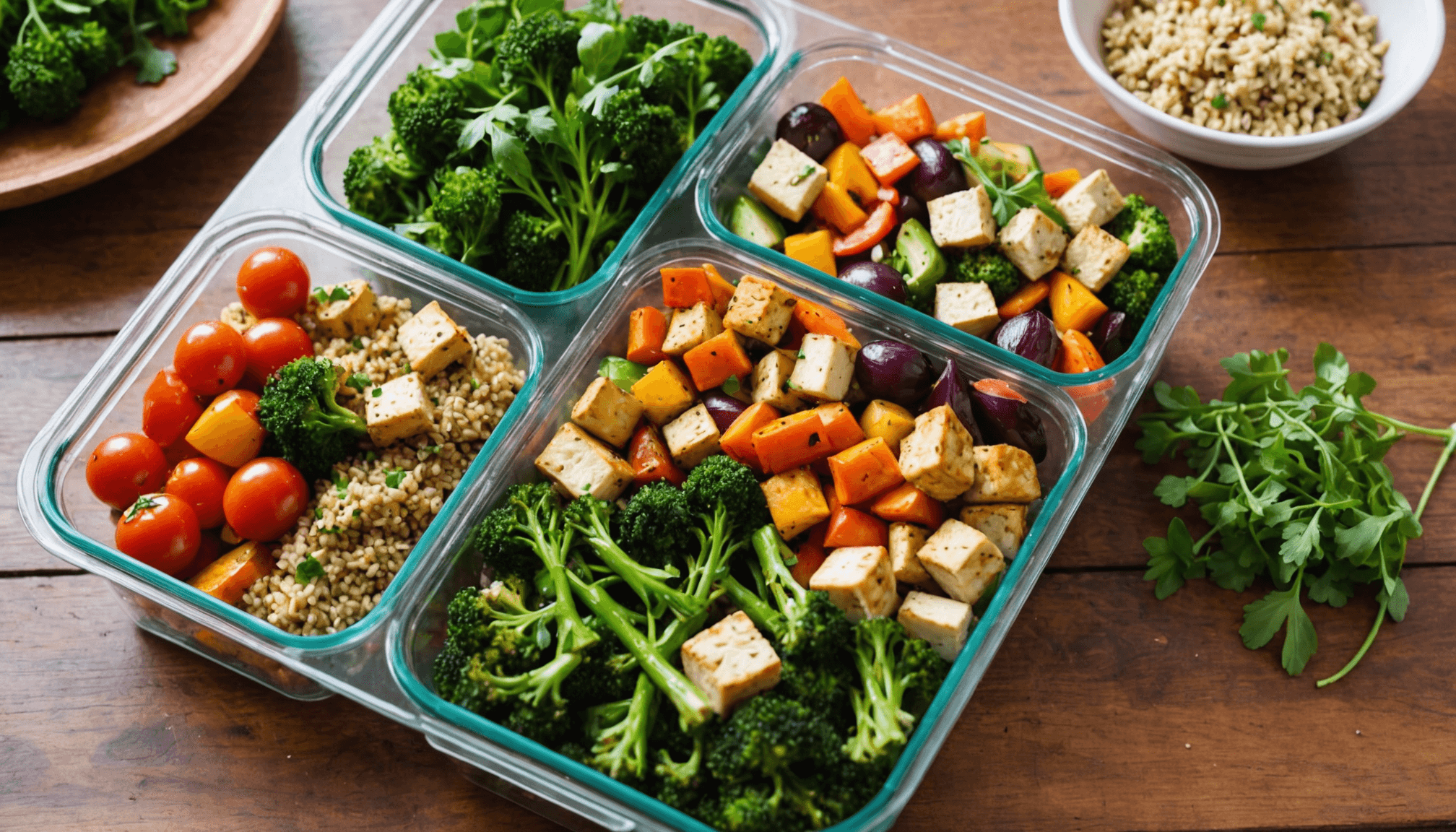 Storing and reheating your meal prep can often be the difference between a quick, nutritious meal or an inconvenient task that leads to unhealthy choices. Using glass containers is advantageous; they don’t leach chemicals into food like some plastics and can go from the refrigerator to the microwave without issues. Make sure to pack your containers with a balanced meal—each should contain a healthy protein alternative, a serving of vegetables, and a whole grain to ensure variety and nutrient intake throughout the week.
When it comes to refrigeration, consider how long different proteins will hold up. For example, cooked beans and lentils can last about a week in the fridge, while tofu and tempeh are generally good for 5 to 7 days. Freezing is another excellent way to preserve meals for later—just ensure that everything is cooled adequately before placing it in the freezer to maintain texture and flavor. If you’re planning on a big batch of soup, divide the portions and store them flat in zipper bags. This not only takes up less space but also allows for quicker thawing when you’re ready to enjoy it.
Reheating should be done mindfully to ensure you preserve the meals’ taste and nutritional value. Using a microwave is common, but consider transferring your meal to a stovetop pan if you have time. The gentle heat can help revive flavors and textures that might become rubbery in the microwave. Steaming the food for a few minutes or adding a splash of water to a covered dish before microwaving can help retain moisture and enhance the meal quality.
For a quick reheat, try incorporating fresh herbs, spices, or a squeeze of citrus to brighten up your dish. This little trick can turn a typical leftover meal into something that feels fresh and vibrant. Also, remember to periodically check for any off smells or changes in texture, as this can determine food safety. By implementing these simple storage and reheating strategies, your healthy meal prep will not only last longer but also taste fabulous every time you enjoy it.
- What are the best containers for meal prep storage?
- Glass containers are ideal for meal prep storage as they are durable, non-toxic, and microwave-safe. They also allow you to easily see the contents and can minimize the chance of food contamination.
- How long can meal prepped foods be stored in the fridge?
- Most meal prepped foods can be safely stored in the fridge for up to 4-7 days. It’s important to check for any signs of spoilage before consuming.
- Can I freeze meal prepped meals?
- Yes, freezing is a great way to extend the shelf life of your meal prepped meals. Just ensure they are properly cooled and stored in freezer-safe containers or bags.
- How can I prevent my meals from becoming soggy when reheating?
- To prevent sogginess, reheat meals in a pan instead of the microwave, as this helps restore texture. Adding a splash of water and covering the dish can also help keep moisture but prevent sogginess.
- What is the best way to reheat grains?
- The best way to reheat grains is either by steaming them or microwaving them with a splash of water. Covering the grains while reheating helps to maintain their texture and moisture.
- Should I mix dressings or sauces into meals before storing?
- It’s usually best to store dressings or sauces separately and mix them in just before serving. This keeps the ingredients fresher and maintains the desired texture of your meal.
- How do I know if my meal prep is still safe to eat?
- Always check for any off smells, changes in color, or unusual textures when assessing the safety of meal prep. If in doubt, it’s prudent to err on the side of caution and discard the food.

Leave a Reply