

- Understanding nutritional needs for athletes
- Planning balanced meals and snacks
- Tips for efficient meal prepping
- Key ingredients for optimal performance
- Adjusting meals for different training phases
Understanding the nutritional needs of athletes goes beyond simply counting calories; it’s about fueling the body with the right balance of macronutrients and micronutrients to perform at its peak. Athletes require a diet that provides sufficient energy and the right building blocks for recovery, muscle repair, and overall performance. That means carbohydrates, proteins, and healthy fats must be in sync, working like a well-oiled machine.
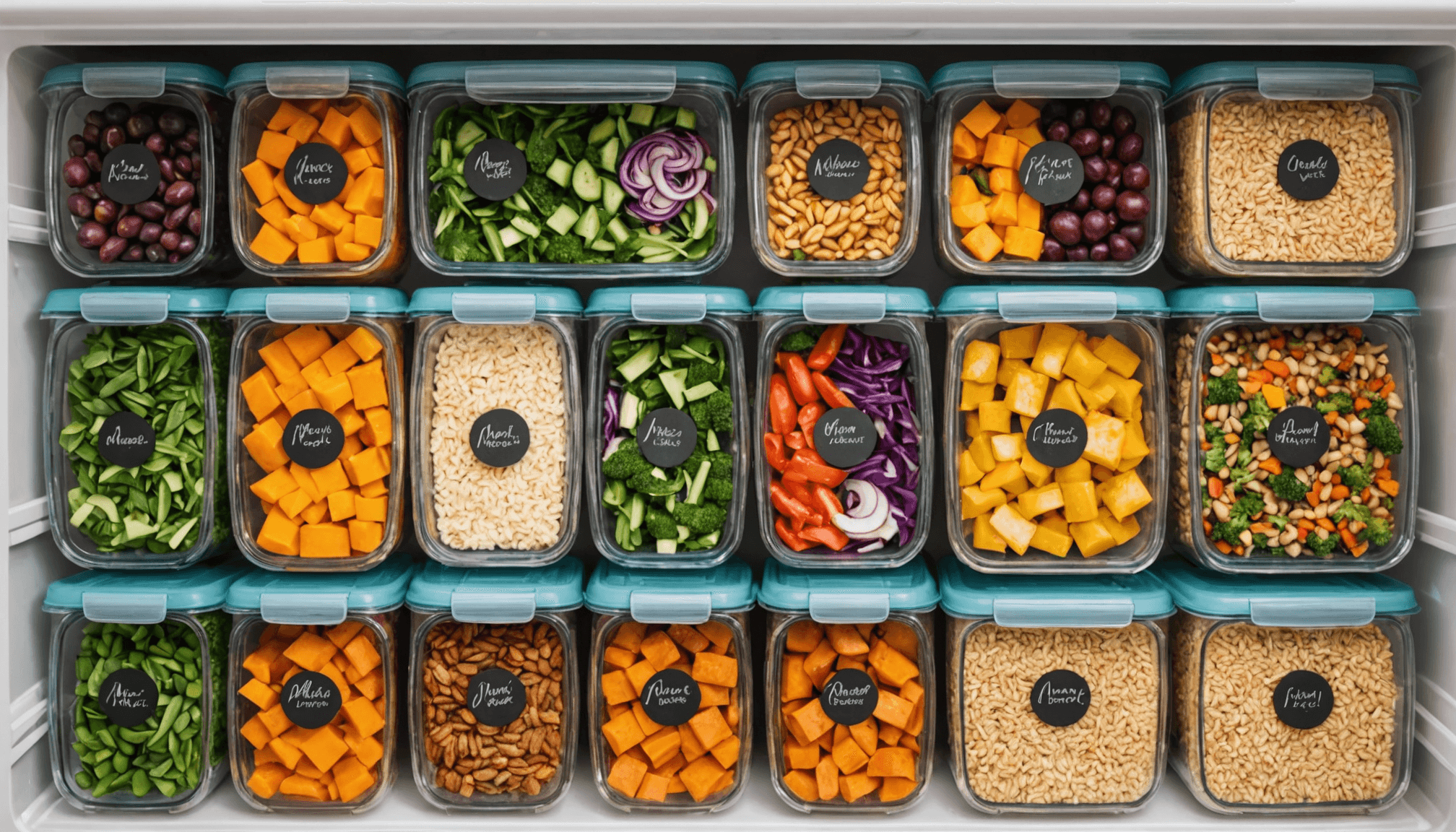
Carbohydrates serve as the primary source of energy, especially during high-intensity workouts. It’s essential to choose complex carbohydrates, like whole grains, fruits, and vegetables, to ensure a sustained release of energy. Loading up on these foods not only fuels performance but also aids in recovery. For instance, having a hearty bowl of quinoa salad garnished with roasted veggies prepped on a Sunday can be a game-changer during busy weekdays.
Then we have proteins, the muscle builders! Whether an athlete is aiming to bulk up, maintain muscle mass, or facilitate recovery, adequate protein intake is crucial. Lean meats, fish, eggs, dairy, and plant-based sources like lentils and beans should be prevalent in an athlete’s diet. This not only strengthens and repairs muscle but also supports metabolic functions vital for peak performance.
Don’t forget dietary fats, which are often misunderstood. Healthy fats from sources like avocados, nuts, seeds, and olive oil are essential for hormone production, absorption of vitamins, and providing long-lasting energy. Think about incorporating nut butter in smoothies or topping off a bowl of oatmeal with seeds as a quick energy meal that’s both satisfying and nutritious.
Micronutrients—those vitamins and minerals—shouldn’t be overlooked either. They support various bodily functions, from immune health to energy production. Consuming a colorful array of fruits and veggies ensures a comprehensive intake of necessary micronutrients. Meal prepping colorful stir-fries or vibrant salads is a simple yet effective way to keep those nutrients in check.
Finally, hydration is vital. Athletes often overlook the importance of fluids in their meals. Staying properly hydrated aids in performance, recovery, and overall health. Consider adding hydrating foods like cucumbers, watermelons, and soups to your meal prep repertoire.
By understanding the specific dietary needs necessary for fueling their workouts, athletes can take charge of their nutrition, enjoying healthy meal prep that keeps them energized and ready to conquer. It’s all about making informed choices and embracing a well-balanced diet that serves their unique lifestyle.
Planning balanced meals and snacks
Creating balanced meals and snacks is essential for athletes seeking optimal performance and recovery. The composition of these meals must reflect an understanding of the intricate balance between macronutrients—carbohydrates, proteins, and fats—as well as the timing of nutrient intake relative to training and competition.
Start by focusing on incorporating whole food options. Each meal should include a source of complex carbohydrates, lean protein, and healthy fats. For example, a meal combining grilled chicken with brown rice and steamed broccoli not only meets nutritional needs but also offers a satisfying flavor profile. As renowned chef and author Alice Waters once stated, “The best way to cook is to cook with the seasons”—which supports the idea that using seasonal ingredients can enhance the quality and nutritional value of meals.
Snacking is equally crucial, particularly for athletes who may require sustenance between meals. Healthy snacks like Greek yogurt with mixed berries, a handful of almonds, or hummus with carrot sticks can provide the necessary fuel without resulting in energy crashes. It’s important to strategize snacks to ensure they are nutrient-dense and substantial enough to support energy levels throughout training sessions. Athletes should aim to consume carbohydrates before workouts to ensure glycogen stores are optimal, while protein intake afterward helps with recovery and muscle synthesis.
Meal timing also plays a pivotal role in performance. Before training, meals should be composed primarily of carbohydrates, with a moderate amount of protein. A snack that includes a banana along with a tablespoon of nut butter, eaten about 30 minutes prior to a workout, can deliver quick energy. Post-workout nutrition should prioritize protein to assist in muscle repair, along with some carbohydrates to replenish energy stores. A smoothie containing protein powder, spinach, and berries can serve as an effective recovery meal.
Batch-cooking meals can save time and ensure that athletes have easy access to balanced options, eliminating the temptation to resort to less nutritious convenience foods. Pre-portioned containers with pre-cooked grains, proteins, and roasted vegetables can be easily reheated for quick access. As meal prep expert and author Jess Smith suggests, “The key to meal prep is to create a variety of options that are not only nutritious but also delicious.”
Incorporating vibrant colors into meals also signals a variety of nutrients. A plate filled with greens, reds, yellows, and purples not only looks appealing but also indicates a rich intake of vitamins and minerals that support overall health. Athletes might opt for meals featuring roasted sweet potatoes, sautéed kale, grilled salmon, and a sprinkle of sesame seeds for an energy-packed offering.
As athletes plan their days, keeping a consistent meal and snack schedule is crucial for optimal performance. This routine supports not only their energy needs but helps in establishing a healthy relationship with food that can sustain their training regimens in the long run. By prioritizing balanced meals and strategic snacking, athletes can enjoy the benefits of healthy meal prep that truly fuels their workouts.
Tips for efficient meal prepping
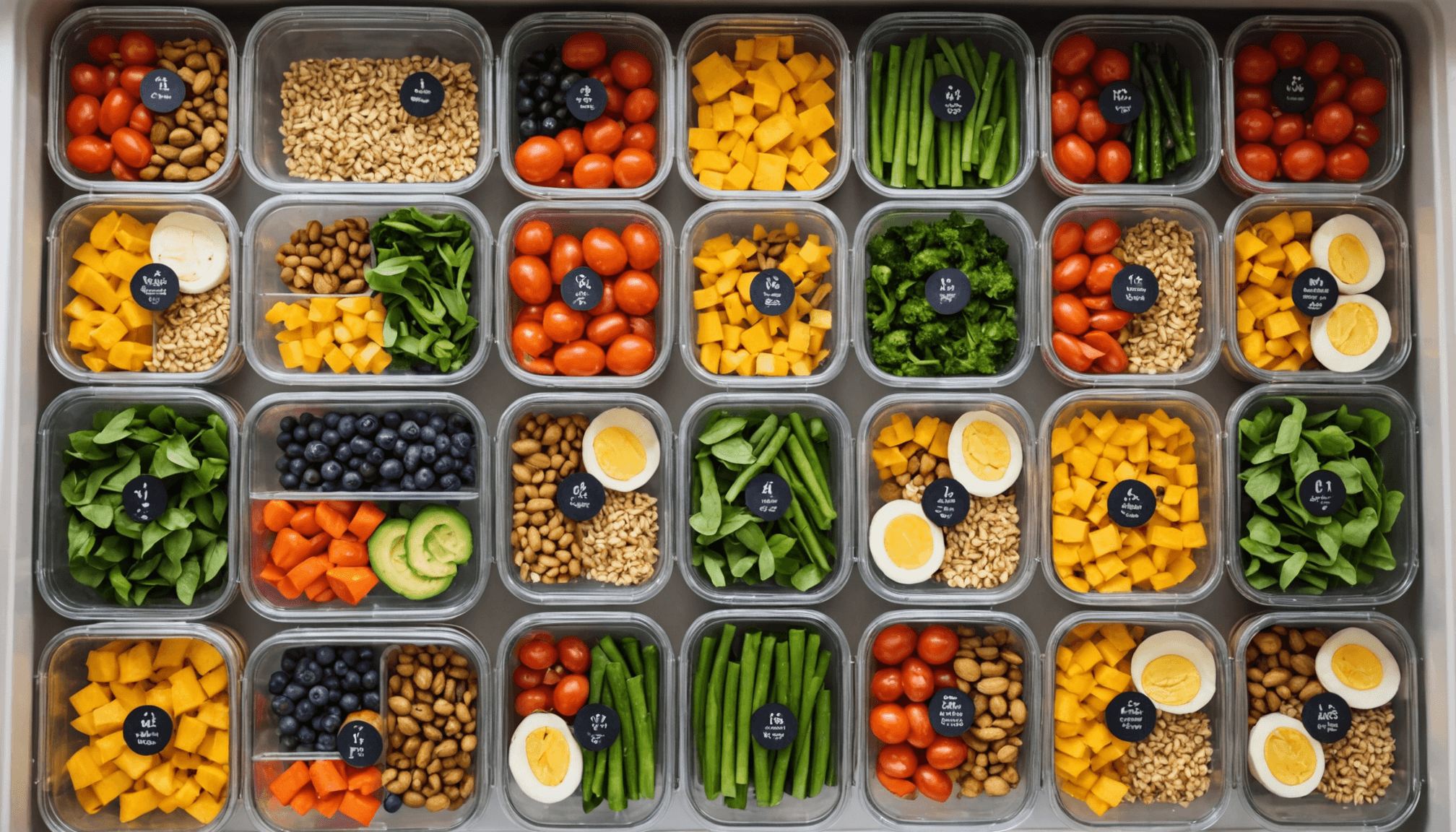
Meal prepping doesn’t have to be a daunting task; with a few tips and tricks up your sleeve, you can streamline the entire process and set yourself up for success! Imagine opening your fridge and seeing neatly organized containers filled with wholesome meals ready to grab and go. This is not only a time-saver but also a game changer when it comes to maintaining your nutrition as an athlete or a busy professional.
First things first, it’s all about organization. Designate a specific day for your meal prep—Sunday works for many people. Get your grocery shopping done with a list modeled after your meal plan. This way, you’ll avoid those impulse buys and stick to what truly fuels your body. Pair up with a friend or workout buddy for some accountability and make it a fun cooking date! You could swap recipes, share tips, and enjoy each other’s company while preparing healthy meals. It’s amazing how much easier it is to stick with it when you have a buddy by your side.
Now, let’s talk about batch cooking. Select a few versatile recipes that can be adapted across meals. For instance, cooking up a large batch of brown rice or quinoa doesn’t just fill up one meal; you can use it as a base for grain bowls, stir-fries, and even breakfast bowls topped with eggs. Another great example is roasting a tray of mixed vegetables. You can toss them into salads, serve alongside proteins, or fold them into scrambled eggs for breakfast. The possibilities are endless, and everything tastes better when it’s prepped in advance!
Labeling is also key. Purchase some reusable containers that can go from freezer to microwave. As you portion out your meals, make sure to label them with the date and contents using a dry-erase marker or masking tape. This will keep you informed on what needs to be eaten soon and adds a delightful touch, making meals feel special. You can even jot down reheating instructions or add a little note, like “You’ve got this!” to uplift your spirit on a busy day.
Don’t forget to keep it exciting! Even with your healthy meal prep, repetition can get boring. Switching gears between different flavor profiles can keep your taste buds tingling. Try out global cuisines! Cook up a batch of Moroccan-spiced chickpeas one week, and the next, whip up a Tex-Mex quinoa casserole. Incorporate different herbs, spices, and condiments to give even the simplest meals a different flair. A drizzle of tahini here, a splash of hot sauce there—it all counts! It’s about enjoying what you eat and feeling revitalized instead of restricted.
Lastly, consider convenience foods that complement your meal prep rather than complicate it. Pre-chopped veggies, ready-to-eat grains, or even rotisserie chicken can work wonders. They can be added into your meals for a quick boost without all the prep time. Think quick energy meals that keep your performance levels high without stressing you out. Just remember to focus on quality; whole, minimally processed foods will always yield the best nutrition and health benefits.
Meal prepping isn’t just about making life easier; it’s about embracing a lifestyle. With a few smart strategies, you can create meals that not only nourish you as an athlete but keep you thriving as a busy individual. Prioritizing intentional meal prep can transform the way you approach food, making healthy living feel like a breeze rather than a burden. Let the meal prep adventures begin!
Key ingredients for optimal performance
“You are what you eat, so don’t be fast, cheap, easy, or fake.” — Unknown
To maximize performance, athletes should focus on key ingredients that not only provide energy but also support optimal recovery and overall well-being. When planning meals, consider the following essential components and how they can be incorporated into a healthy meal prep routine.
- Proteins – Lean protein sources are fundamental for muscle repair and growth. Incorporate:
- Chicken breast or turkey
- Fish such as salmon or tuna
- Plant-based options like black beans, chickpeas, or tofu
Prepare these proteins by grilling, baking, or stir-frying. For example, having a large batch of grilled chicken available can serve as a versatile option across various meals throughout the week.
- Complex Carbohydrates – These provide sustained energy, crucial for training sessions. Emphasize:
- Brown rice or quinoa
- Whole grain pasta or bread
- Sweet potatoes and legumes
Opt to cook these grains in bulk; combined with proteins, they can form the foundation of quick energy meals. A quinoa and black bean bowl topped with salsa is an excellent choice post-workout.
- Healthy Fats – Essential for maintaining hormone levels and providing long-lasting energy. Include:
- Avocados
- Nuts and seeds
- Olive oil or coconut oil
Use these fats to enhance the flavor and nutritional profile of your meals. A scoop of nut butter in your morning oats or a drizzle of olive oil over roasted veggies can elevate any dish.
- Fruits and Vegetables – Aim for a colorful variety to ensure a broad spectrum of vitamins and minerals. Consider:
- Spinach, kale, or mixed greens for salads
- Seasonal fruits such as berries, bananas, or apples for snacks
- Carrots, bell peppers, or cucumbers for quick munching
Smoothies can be a great way to combine these ingredients. Try blending spinach, banana, and a scoop of protein powder for a refreshing post-workout drink.
- Hydration Sources – Don’t forget to account for fluids. Include:
- Water-rich fruits like watermelon and oranges
- Soups and broths
- Electrolyte-infused drinks for intense training days
Prepare infused water using citrus slices or herbs for a refreshing twist on hydration throughout your meal prep week.
To transform these ingredients into a cohesive meal prep strategy, follow these simple steps:
- Plan your meals for the week ahead. Set aside a specific time for food prep, and devise a menu that includes a variety of proteins, carbs, and fats.
- Create a shopping list based on your meal plan to ensure you gather all necessary ingredients. Stick to whole, minimally processed foods.
- Cook in batches. Dedicate a few hours to cook and portion out meals. Consider using a slow cooker for ease or an instant pot for efficiency.
- Assemble your meals in clear, labeled containers. Include a protein, carbohydrate, and plenty of vegetables in each container to ensure balanced meals are ready to go.
- Store meals in suitable locations in your fridge or freezer to keep them fresh. Know which meals need to be consumed first based on when they were prepared.
Utilizing these key ingredients and following a structured meal prep plan can significantly enhance an athlete’s performance while ensuring that meals remain flavorful and enjoyable. By making informed choices about what goes into their bodies, athletes can sustain their energy levels and aid recovery, resulting in precise performance during training and competitions.
Adjusting meals for different training phases
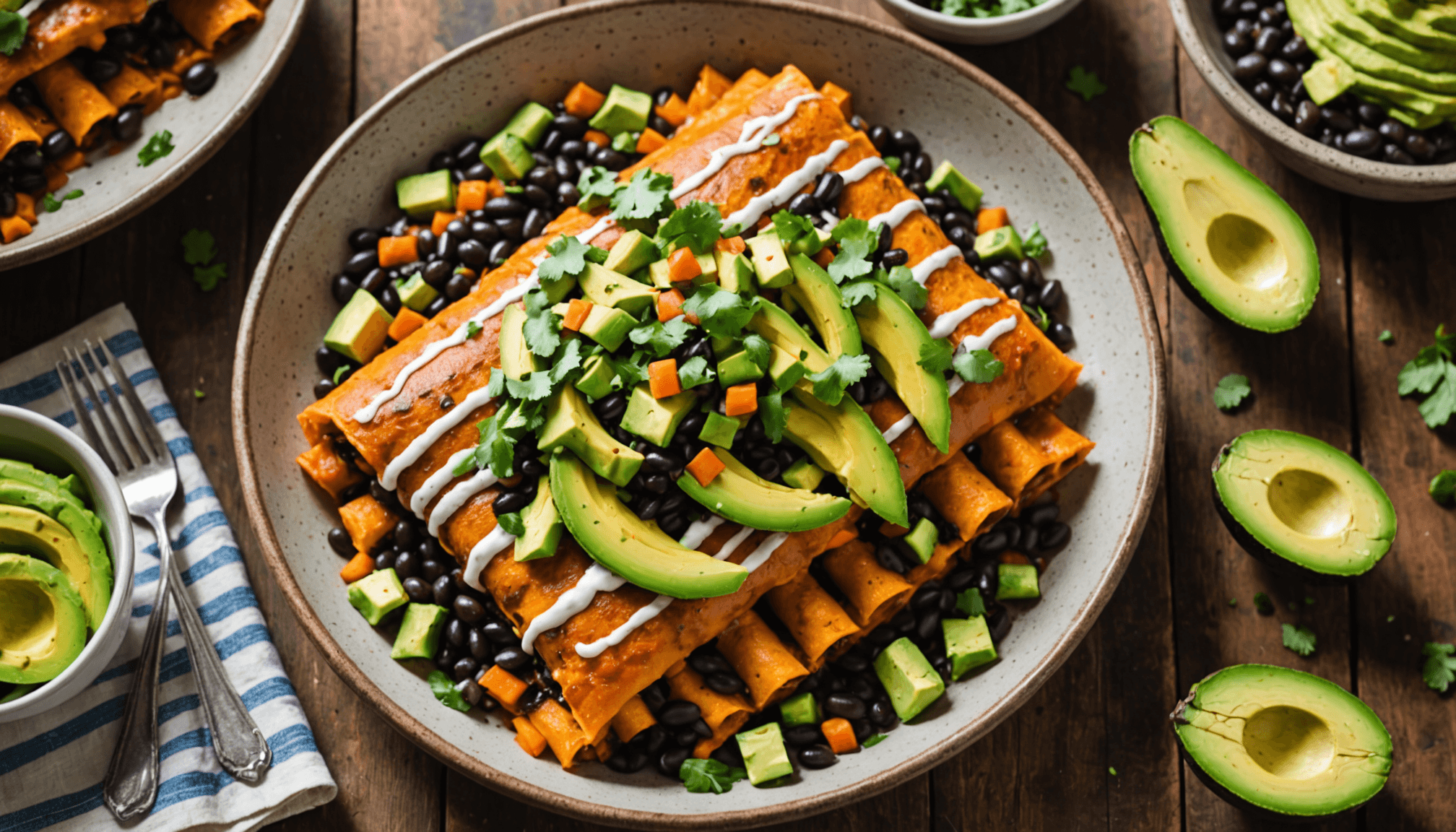 Athletes’ nutritional requirements can shift dramatically depending on their training intensity, goals, and phases of competition. For those in a heavy training phase, the focus should be on energy-dense meals that provide the stamina needed to support rigorous workouts. This means prioritizing carbohydrates to fuel muscles and enhance endurance. Building plates with larger portions of whole grains, starchy vegetables, and fruits can meet these engendered energy demands. Consider energy meals like sweet potato and black bean enchiladas topped with avocado for a delicious yet nutritious feast that provides sustained energy without compromising on taste.
Conversely, during tapering periods—when an athlete reduces their training intensity to allow for recovery before competitions—adjusting the calorie intake is essential. At this stage, athletes should be mindful not to overconsume, as the body’s energy needs may be lower. Focusing on lean proteins and plenty of vegetables while slightly reducing carbohydrate portions can maintain strength without excess caloric intake. A hearty vegetable stir-fry with a moderate serving of brown rice or quinoa can deliver the right balance while keeping things light.
Competitive phases introduce another layer of nutritional strategy. Pre-competition meals should be strategically timed and constructed for optimal performance. Athletes might benefit from easily digestible carbohydrates, such as oatmeal or white rice, along with some protein to provide a quick source of energy. A delicious bowl of oatmeal with banana and a sprinkle of almond butter served about two hours before an event can be a game-changing approach to fueling performance. Post-event, on the other hand, shifts back to recovery-focused meals rich in protein and carbohydrates to replenish energy stores. A protein-packed smoothie blended with nutrient-dense ingredients can help fit this need seamlessly.
Understanding how to adjust meals according to training phases can empower athletes, fostering a more personalized and strategic approach to their nutrition. This awareness helps to cultivate a deeper relationship with food, urging one to embrace an intuitive and responsive methodology that not only caters to changing needs but also enhances overall athleticism. Think about how you can integrate these principles into your routines, and let the quest for optimal fueling begin!
- How often should athletes meal prep?
- Meal prepping can be tailored to personal schedules, but many find that prepping weekly works best. This allows for fresh ingredients while ensuring that nutritious meals are readily available during more hectic training periods.
- What are some quick and healthy meal prep ideas for athletes?
- Consider preparing items like quinoa salads, grilled chicken with vegetables, and overnight oats. These meals provide essential nutrients and can be made in bulk to simplify the process.
- How do I know if I’m eating enough for my training?
- Keep track of your energy levels, training performance, and recovery. If you feel fatigued or your performance dips, you may need to increase your calorie intake, focusing on quality foods rich in nutrients.
- Can meal prep help with weight management?
- Absolutely! Meal prep allows you to control portion sizes and choose healthier ingredients, which can support weight management goals while still ensuring you have the energy needed for athletic performance.
- What snacks should I prep for my training sessions?
- Opt for nutrient-dense options such as homemade energy bars, trail mix, or yogurt with fruit. These snacks offer an excellent balance of carbohydrates and protein to keep energy levels high during workouts.
- How should I adjust my meal prep during off-season vs. in-season?
- During the off-season, you may want to focus on building muscle, so incorporate higher protein meals. In-season, adjust to lighter meals that emphasize recovery and quick energy replenishment, ensuring you’re well-fueled for competitions.
- Is it necessary to consult a nutritionist for meal prep?
- While it’s not strictly necessary, consulting with a nutritionist can provide tailored advice that aligns with your specific training goals and dietary needs, helping you optimize your meal prep for maximum performance.

Leave a Reply