

- Colorful Ingredients for Every Meal
- Creative Meal Prep Techniques
- Balancing Flavors and Textures
- Presentation Tips for Stunning Plates
- Incorporating Seasonal Produce
When it comes to making colorful meals, one of the easiest ways to brighten up your plates and boost your meals’ nutritional value is by incorporating a rainbow of ingredients. Think about it—every color in fruits and vegetables often signifies different vitamins and minerals. This not only makes your dish visually appealing but also packs a nutritional punch. To start, look for ingredients across the color spectrum: red bell peppers, orange carrots, golden corn, green broccoli, blue blueberries, and purple eggplants. Each brings its unique flavor and health benefits to your meal prep.
When you’re shopping, try to fill your cart with at least one item from each color group. Fresh produce markets or local farmer’s markets are great places to find vibrant, seasonal ingredients that inspire creativity in your meal prep. For example, start with a base of dark leafy greens like kale or spinach; throw in some cherry tomatoes and yellow squash for that pop of color; and don’t forget to sprinkle some nuts or seeds on top for an added crunch and extra nutrients!
Now, let’s talk about proteins. Consider incorporating colorful options like salmon (which can also be quite rich in Omega-3s), chicken marinated with vibrant spices, or plant-based proteins like lentils and black beans. They not only add texture but also create a feast for the eyes when tossed with your colorful vegetables.
One of my favorite tricks is to use herbs and spices—not just for taste but to enhance the presentation as well. Think cilantro, basil, or parsley—not only do they add freshness, but their green hues can contrast beautifully against the reds and yellows in your dish.
Mixing and matching these colorful ingredients doesn’t have to be a chore. Try creating a colorful grain bowl. Start with quinoa or brown rice as a base, then pile on your assorted veggies, proteins, and a drizzle of a tasty dressing. This way, you get a rainbow of flavors and a healthy meal prep masterpiece all in one! Plus, it’s so easy to prepare in batches for the week ahead.
Creative Meal Prep Techniques
Meal prepping can be elevated with a touch of creativity. One inventive technique is to utilize mason jars for layering salads and meals, allowing for both visual appeal and practicality. Imagine a vibrant quinoa salad where you begin with the dressing at the bottom, followed by hearty ingredients that won’t get soggy, like chickpeas and cherry tomatoes, topped with colorful greens. Not only will this method keep your food fresh, but it’s also a delightful way to unveil your carefully curated ingredients with each pour onto your plate. “To live is the rarest thing in the world. Most people exist, that is all,” said Oscar Wilde, and why not live colorfully through our meals?
Another approach is to explore the art of spiralizing vegetables. This technique transforms zucchinis, carrots, and beets into eye-catching noodles that can serve as a base for any dish. Spiralized veggies add both a splash of color and a nutritious punch to your healthy meal prep, making it an exciting alternative to traditional pasta. Pair these colorful spirals with a rich, homemade pesto or marinara sauce to bring your dish full circle—a delicious representation of the rainbow on your plate.
For those who love to embrace new flavors, consider infusing oils with herbs and spices that not only elevate taste but also create a stunning presentation when drizzled. Homemade chili oil with floating red pepper flakes or flavor-infused garlic oil can add depth to your meals while providing a visual element that sparks conversation.
Additionally, experimenting with cooking techniques can transform your meal prep into gourmet-worthy dishes. Roasting vegetables enhances their natural sweetness and brings out beautiful colors. Toss asparagus, carrots, and red onions in olive oil, sprinkle with sea salt, and roast until they develop golden edges. The resulting medley not only offers varying textures but also a feast for the eyes, proving that the right cooking methods can amplify both taste and presentation.
Dare to try unconventional combinations too. How about a colorful tacos night with purple cabbage, mango salsa, and bright orange grilled peppers? Each layer introduces new textures and flavors that excite the palate. “Variety’s the very spice of life, that gives it all its flavor,” said William Cowper—a sentiment that rings true in every vibrant meal you prepare.
Embrace the notion of batch cooking while keeping a focus on creativity. Prepare various components like roasted vegetables, flavored grains, and diverse proteins separately, then mix and match them throughout the week. This not only simplifies your preparation but also keeps your meals fresh and exciting.
Let your imagination flourish in the kitchen! Click below to share your own creative meal prep techniques and inspire others on their culinary journey:
[Share Your Techniques!]
By infusing these creative meal prep techniques into your routine, you can ensure that nutritious eating is never dull but a celebration of color, flavor, and texture.
Balancing Flavors and Textures
Achieving the perfect balance of flavors and textures can take your culinary creations from good to spectacular without much effort. Imagine sitting down to a plate that sings to your taste buds and keeps you coming back for more. To start, let’s dive into the fundamental players at work here: salty, sweet, sour, bitter, and umami. Each of these flavors has a role to play, and when combined thoughtfully, they can elevate your healthy meal prep into something memorable.
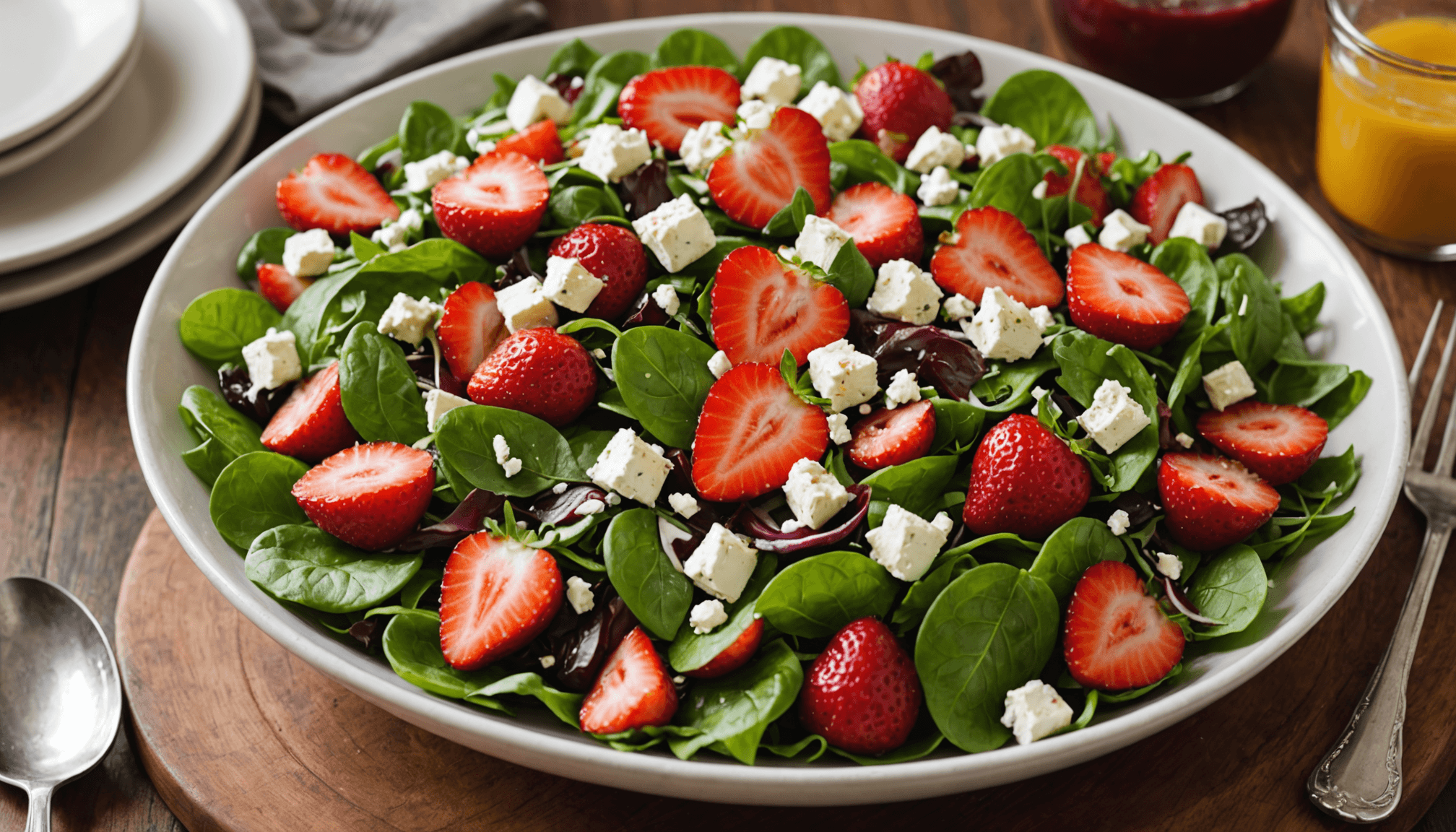
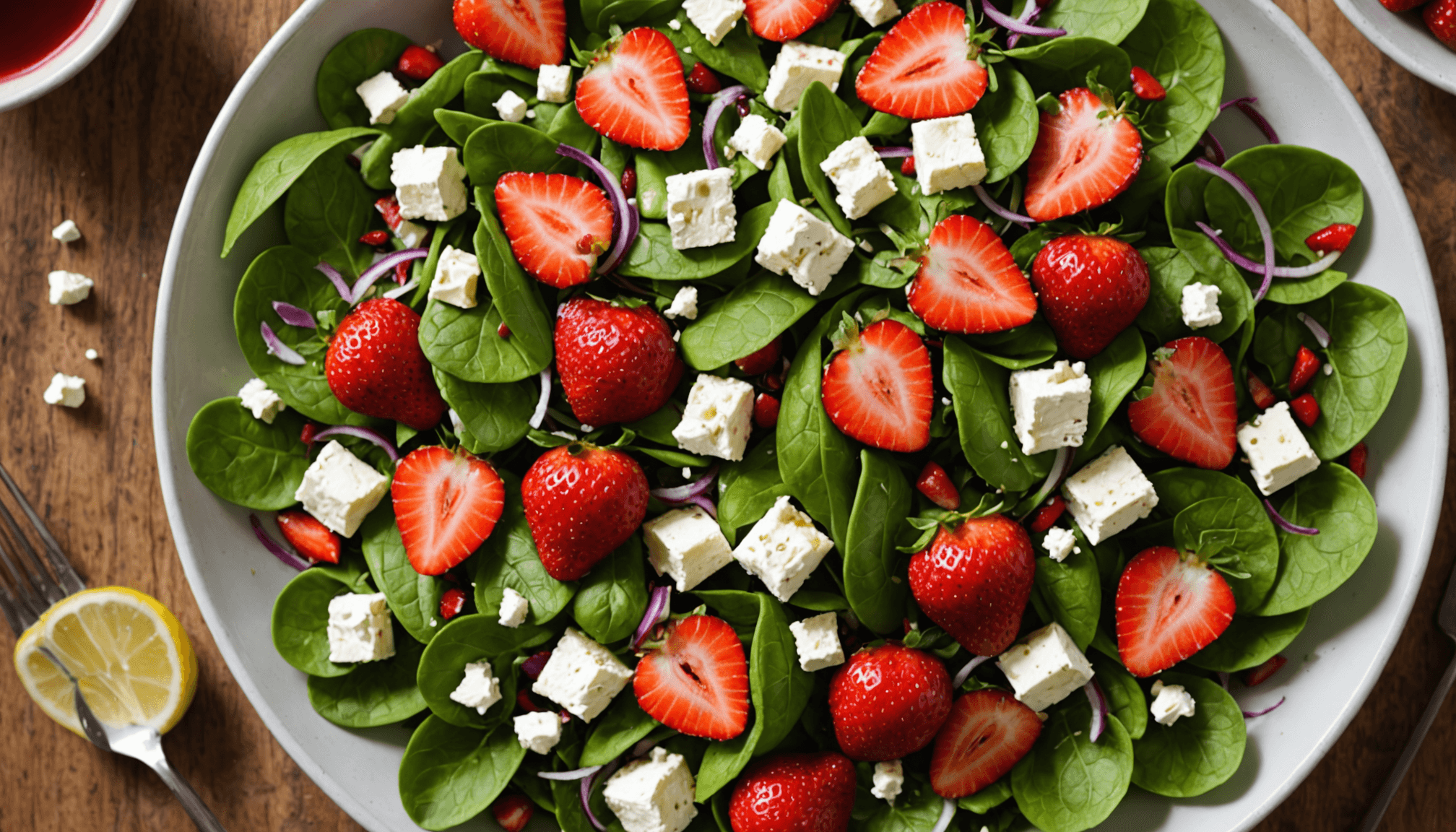
Take, for example, the classic pairing of sweet and salty. Picture a vibrant salad bursting with juicy strawberries alongside tangy feta cheese. The sweetness of the strawberries cuts through the creaminess of the cheese, creating a dance of flavors that brings your meal to life. Or consider roasted sweet potatoes, drizzled with a touch of honey and topped with a sprinkle of sea salt—each bite enchanting with its contrasting flavor profiles. Don’t shy away from playing around with ingredients that excite your palate!
Now, let’s talk textures. This is where things get really fun. A dish needs that delightful crunch to break up the smooth, tender bits, right? Think about crispy roasted chickpeas tossed onto a bed of creamy hummus or a sprinkle of toasted nuts over a soft spinach salad. It’s this contrast that keeps you engaged with every mouthful. If you’re aiming for colorful meals that leave a lasting impression, it’s essential to consider how your ingredients feel in your mouth and what sounds they make as you dig in. There’s nothing quite like the satisfying snap of a fresh sugar snap pea against a soft, buttery avocado.
And let’s not forget about acidity. A squeeze of fresh lemon juice or a splash of balsamic vinegar can work wonders in tying everything together. These bright notes are like the cherry on top of a sundae—cutting through richness and adding a refreshing zing. Imagine a quinoa bowl tossed with roasted vegetables, each bite complemented by a drizzle of zesty lemon-tahini dressing that brightens up the entire dish. You can almost feel the flavor fireworks happening!
Seasoning—oh, the magic of herbs and spices. Don’t just stick to the basics; go bold! Experiment with fresh herbs like cilantro, basil, or mint that breathe life into a dish, bringing aroma and flavor that can transport you to another place. A hint of chili flakes or a dash of smoked paprika can add warmth and depth. It brings out a lovely harmony in your meal, balancing and enhancing the other elements around it.
Layering is a fantastic technique to harness these flavors and textures effectively. Start with a hearty base—maybe brown rice or farro—as the canvas. Then, add your vibrant mix of vegetables for crunch and color. Top it off with your favorite protein, a dash of seasoning, and a heavenly sauce or dressing that ties it all together. It’s essential to create a harmony of flavors that resonates with whatever meal prep you’re planning. The layering of tastes and textures will not only excite the senses but also make for an impressive presentation when served. Let’s face it; everyone loves a meal that looks as good as it tastes!
Lastly, remember the balance of meal size. Portion control plays a crucial role in achieving that satisfying bite. Don’t overstuff your plate; it’s far better to have a well-proportioned meal that allows each flavor to shine through rather than a chaotic heap where nothing stands out. “Good cooking is about balance—not merely ingredients, but temperatures, textures, and flavors,” as seasoned chefs would say. So, take a moment to appreciate the craft involved in preparing a meal that not only fills your belly but also pleases your eyes and palate.
Presentation Tips for Stunning Plates
“The art of presentation is not just about making the dish look good; it’s about creating an experience.” — Unknown
When it comes to showcasing your colorful meals, presentation plays a vital role in elevating the dining experience. A beautifully arranged plate not only delights the eyes but also enhances the anticipation of the flavors that await. Here are some practical steps to help you present your healthy meal prep in a stunning manner:
- Choose the Right Plate: Opt for plates that complement your food. White plates often create a beautiful contrast against vibrant foods, allowing colors to pop. Consider using varied shapes and sizes to create visual interest.
- Create a Clean Base: Start with a clean foundation. If you’re using a grain or pasta, spread it evenly across the plate. Keep different components separated so that each ingredient is visible.
- Layer Wisely: Employ height in your arrangement. Stack your components or use a vibrant vegetable as a base to build upon. For instance, pile grilled chicken on a bed of sautéed spinach while arranging colorful bell peppers around the dish for added visual layers.
- Use Color Strategically: Arrange food in a way that showcases the bounty of colors. For instance, if serving a quinoa salad, layer red cherry tomatoes, orange carrots, yellow corn, and green herbs throughout the dish. This rainbow effect can create an appetizing and lively presentation.
- Garnish with Purpose: Enhance the presentation with thoughtful garnishes. Fresh herbs, edible flowers, or a sprinkle of nuts can add a touch of elegance. A drizzling of quality olive oil or a balsamic reduction at the end of plating can also boost visual appeal.
- Experiment with Textures: Incorporate a variety of textures on the plate. Balance the softness of a creamy sauce with crisp vegetables or crunchy toppings. This not only makes the meal visually appealing but also enticing to eat.
- Mindful Portioning: Avoid overcrowding the plate. Leaving some empty space allows each component to stand out and makes the dish feel less rushed. Portion control also ensures each flavor has room to shine.
- Final Touches: Before serving, take a moment to step back and assess your work. Wipe any spills or drips off the edge of the plate, allowing the food to take center stage. A clean look improves the overall presentation tremendously.
By focusing on these practical presentation tips, you can transform everyday healthy meal prep into a culinary artwork that excites the senses. Each meal becomes not just food to eat but a visual delight that captivates your guests or family members, making them look forward to every bite.
Incorporating Seasonal Produce
 Embracing the concept of seasonal produce is a transformative approach to meal prep that fosters creativity while ensuring your dishes burst with flavor and freshness. Each season brings a unique array of fruits and vegetables, rich in vitamins and minerals, which not only enhance the nutritional profile of your meals but also add visual appeal. By incorporating seasonal ingredients, you participate in local food systems and support sustainability while experiencing the best flavors Mother Nature has to offer.
Take a moment to consider what’s in season around you. Spring often unveils vibrant asparagus, delicate peas, and aromatic herbs like cilantro and basil. Summer introduces a bounty of juicy tomatoes, sweet corn, and an array of berries that can elevate any dish into a colorful delight. Autumn delights with the seasonal harvest of squash, apples, and leafy greens, while winter provides hearty root vegetables and citrus fruits that can brighten even the coldest days.
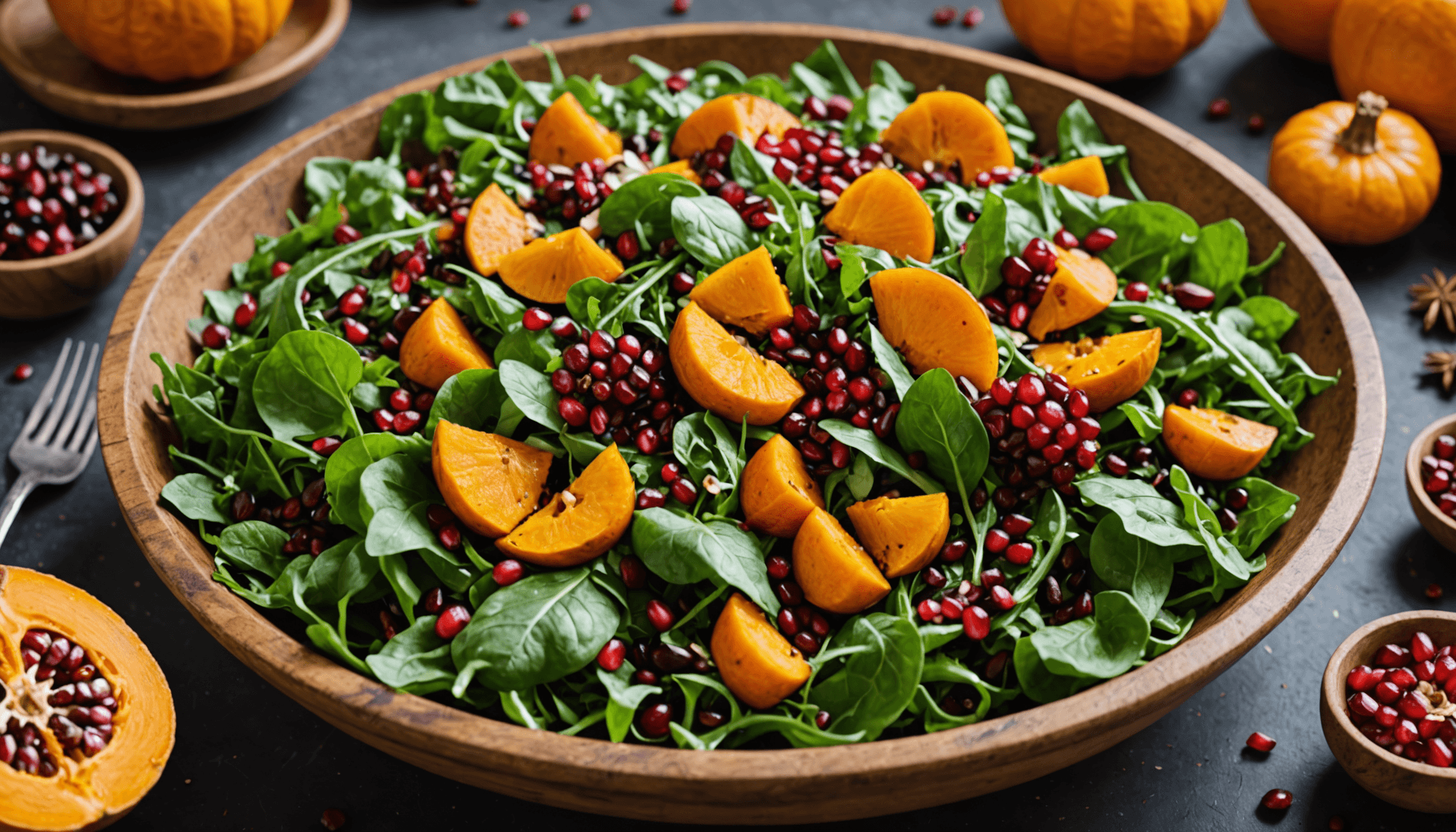
Using seasonal produce not only allows for a stunning presentation with naturally varied colors but also offers the opportunity to create dishes that resonate with the time of year. Imagine plating up a warm, hearty autumn salad drizzled with roasted pumpkin and garnished with pomegranate seeds—this not only showcases the season’s bounty but also celebrates the flavors of the harvest.
Seasonal meals prompt an exploration of new recipes and fresh ideas; consider how the flavors of these ingredients can lead to innovative pairings. The slight sweetness of a ripe summer peach can complement the saltiness of prosciutto, while the earthiness of roasted root vegetables in winter can perfectly harmonize with the sharpness of feta or goat cheese. This encourages an adventurous spirit as you play with ingredients that naturally harmonize during their respective seasons.
Moreover, when you focus on seasonal eating, you’ll often find that the flavors are more intense and satisfying, leading to meals that are profoundly pleasurable. The freshness of seasonal vegetables directly impacts not only the taste but also your overall health, enhancing your eating experience. As you design your meal prep, challenge yourself to explore local farmer’s markets or join a community supported agriculture (CSA) program. By sourcing ingredients that are harvested at their peak ripeness, you’ll enjoy flavors that support your health and inspire you to create colorful meals that are both beautiful and nutritious.
- Why should I use seasonal produce in my meal prep?
- Using seasonal produce increases flavor and nutritional value, while typically supporting local farmers and sustainability. It encourages creativity in the kitchen and makes your meals fresher and more satisfying.
- How can I find out what produce is in season?
- Most regions have seasonal produce guides available online, which list fruits and vegetables by their peak growing times. You can also visit local farmer’s markets to see what’s freshly available.
- What if my favorite ingredients aren’t in season?
- Consider experimenting with substitutes or frozen options. For example, if fresh berries are unavailable, frozen berries can retain their nutrients and flavor while still making delightful additions to your dishes.
- Can I meal prep with frozen seasonal produce?
- Absolutely! Frozen fruits and vegetables are often harvested and frozen at their peak ripeness, so they can be just as nutritious as fresh options. They’re convenient for meal prep and still provide vibrant colors and flavors.
- How do I store seasonal produce properly?
- Follow guidelines for specific items, as different fruits and vegetables have varying storage needs. Generally, most produce should be kept in a cool, dry place, with some items best stored in the fridge and others left at room temperature.
- What are some quick recipes to incorporate seasonal produce?
- Try simple recipes like a summer vegetable stir-fry, a hearty pumpkin soup in fall, or a refreshing salad with fresh berries in spring. These dishes are easy to prepare while showcasing the best of what’s in season.
- Does seasonal eating impact my budget?
- Yes, seasonal produce is often cheaper due to higher supply levels during peak seasons, allowing you to save money while accessing fresher options. Planning meals around these ingredients can also help you avoid waste.

Leave a Reply