
- Batch cooking explained
- Meal prepping defined
- Key differences between batch cooking and meal prepping
- Benefits of batch cooking
- Benefits of meal prepping
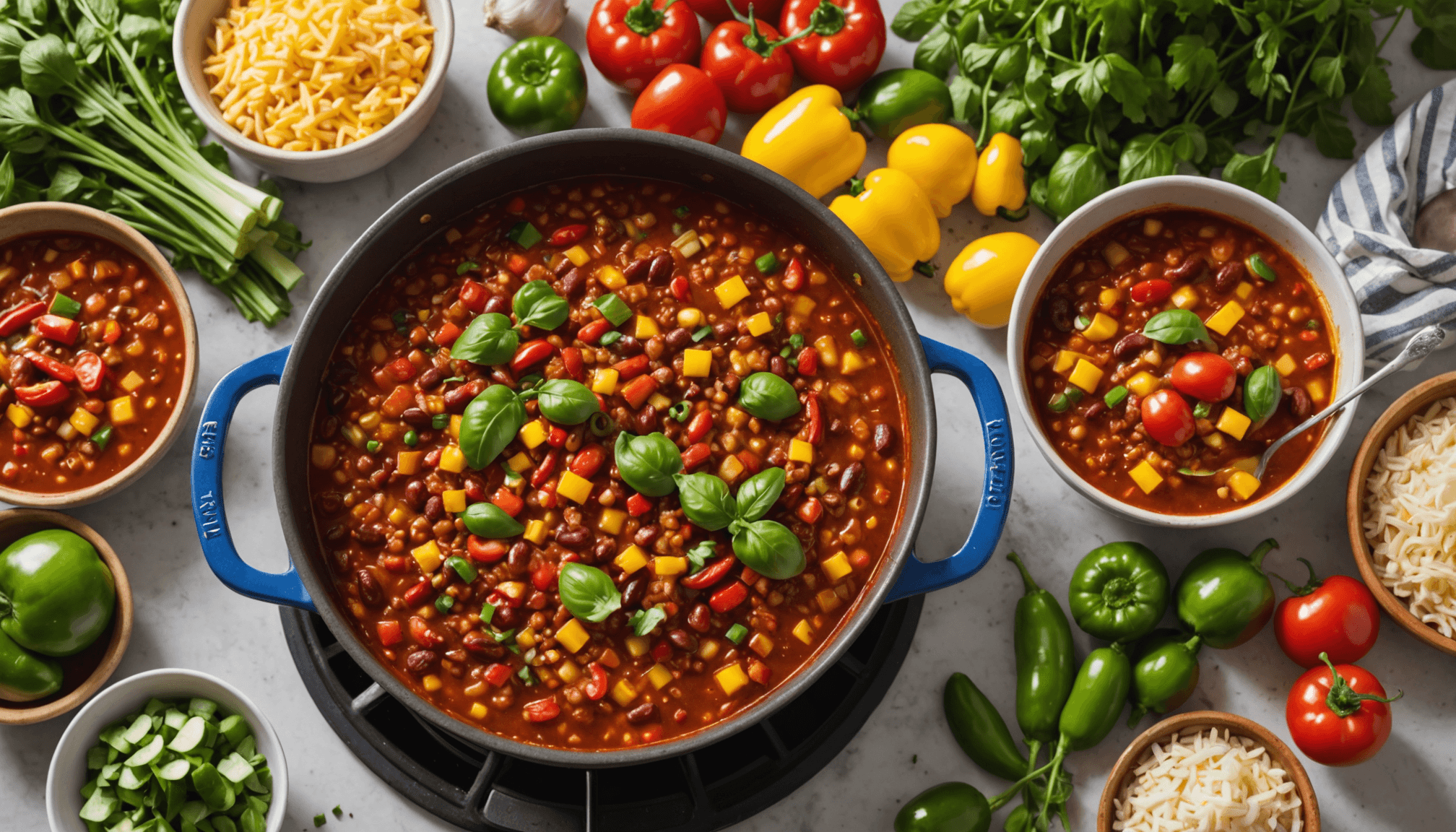
Picture this: it’s Sunday evening, you’re lounging on the sofa, and you suddenly remember the hectic week ahead. The kids need to be fed, you’ve got back-to-back meetings, and let’s not even start on that ambitious gym plan. This is where batch cooking swoops in like a culinary superhero. Essentially, batch cooking is all about preparing larger quantities of food at one time. You’re not just throwing a few meals together; no, you’re diving into an organized cooking session that sets you up for an entire week.
Now, let’s get into the nitty-gritty. When I say batch cooking, I mean preparing a big batch of deliciousness—think soups, stews, grains, proteins, and veggies—all at once. You whip up a storm in the kitchen, and then you store these meals in portioned containers. Voila! You’re not just saving time; you’re creating a treasure trove of healthy meals right in your fridge or freezer. It’s like having your own personal diner, serving up wholesome goodness whenever hunger strikes.
But here’s the kicker: batch cooking isn’t just about quantity. It’s about quality, too! You get to control what goes in, so make those meals as vibrant and nutritious as possible. Want to boost your meals with some antioxidants? Toss in a handful of kale. Craving some heart-healthy fats? Avocado and olive oil are your best mates. Plus, you can experiment with flavors—Thai, Italian, or even Mexican—whatever tickles your fancy!
And don’t worry if you think you’ll get bored eating the same thing. A little creativity can go a long way. Use those ingredients in different ways throughout the week. For instance, if you’ve made a big pot of quinoa, you can use it for a salad one day, a veggie bowl the next, and perhaps a quinoa stir-fry later on. Prepare to be amazed at how much variety you can whip up from the same batch.
The beauty of batch cooking lies in the simplicity. You can set aside a couple of hours one day a week—say, Sunday—and transform your kitchen into a meal prep haven. Chop, stir, simmer, and before you know it, you’ll be the proud owner of a week’s worth of healthy meal prep. With a little practice, you’ll be a batch cooking guru, just waiting to impress your friends and family with not just tasty food, but a whole philosophy of cooking that embraces efficiency and health.
Meal prepping defined
Meal prepping is a strategic approach to preparing meals that focuses on planning and organization for the week ahead. This method involves not just cooking food in advance but specifically assembling individual meal components to be combined and consumed later. With meal prepping, the emphasis shifts from large quantities to personalized servings tailored to your dietary preferences and nutritional goals.
The essence of meal prepping lies in crafting meals in smaller, convenient portions. This means that instead of preparing entire dishes in bulk, you may cook components like grains, vegetables, and proteins separately. For instance, you could prepare a batch of brown rice, roast a variety of vegetables, and grill chicken breast. These components can then be mixed and matched throughout the week, allowing you to enjoy diverse meals without the daily cooking time.
Meal prepping typically involves setting aside a specific time, often over the weekend, to organize and portion out these components into containers. Many enthusiasts take advantage of meal prep containers, which are perfectly sized for single servings and make it easy to grab a meal when time is tight. This practice not only simplifies meal selection during busy weekdays but also helps in adhering to healthy eating habits by minimizing the temptation to indulge in less nutritious takeout options.
One of the key benefits of meal prepping is efficiency. By preparing meals ahead of time, you can eliminate the stress of last-minute cooking, which is often when unhealthy decisions are made. Research indicates that meal prepping can significantly streamline your week, promoting consistent eating habits and better portion control (Berkshire et al., 2020). A study published in the “Journal of the Academy of Nutrition and Dietetics” found that individuals who engaged in meal prepping were more likely to consume healthier foods and maintain healthier weights (Vernarelli, 2018).
Additionally, meal prepping creates an opportunity to be mindful about nutrients and ingredients. You can control what goes into your meals, ensuring they are balanced and cater to your dietary needs. This level of customization makes meal prepping an excellent choice for anyone with specific health goals, whether that involves increasing protein intake, reducing carbohydrates, or incorporating more whole foods into their diet.
The convenience of meal prepping cannot be overstated. Having prepped meals readily available not only saves time but also reduces food waste, as it encourages thoughtful shopping and usage of ingredients. With everything ready to go, you’re less likely to let fresh produce spoil in your fridge.
Ultimately, meal prepping embodies a proactive approach not just to cooking, but to overall health. By investing a few hours into organizing and preparing your meals, you can set yourself up for a week of healthy eating that supports your lifestyle, saves time, and keeps you satisfied and nourished.
References:
– Berkshire, S. R., LeDuc, T. M., & Haynos, A. F. (2020). Meal Preparation Practices and Healthful Food Choices in Young Adults. Journal of Nutrition Education and Behavior.
– Vernarelli, J. R. (2018). The Effect of Meal Prep on Health and Nutrition: A Controlled Study. Journal of the Academy of Nutrition and Dietetics.
Key differences between batch cooking and meal prepping
Alright, let’s break down the cozy but ever-so-crucial differences between batch cooking and meal prepping. At first glance, you might think they’re just different buzzwords, but they are unique methods that serve distinct purposes in the kitchen. So, grab your apron, and let’s dive in!
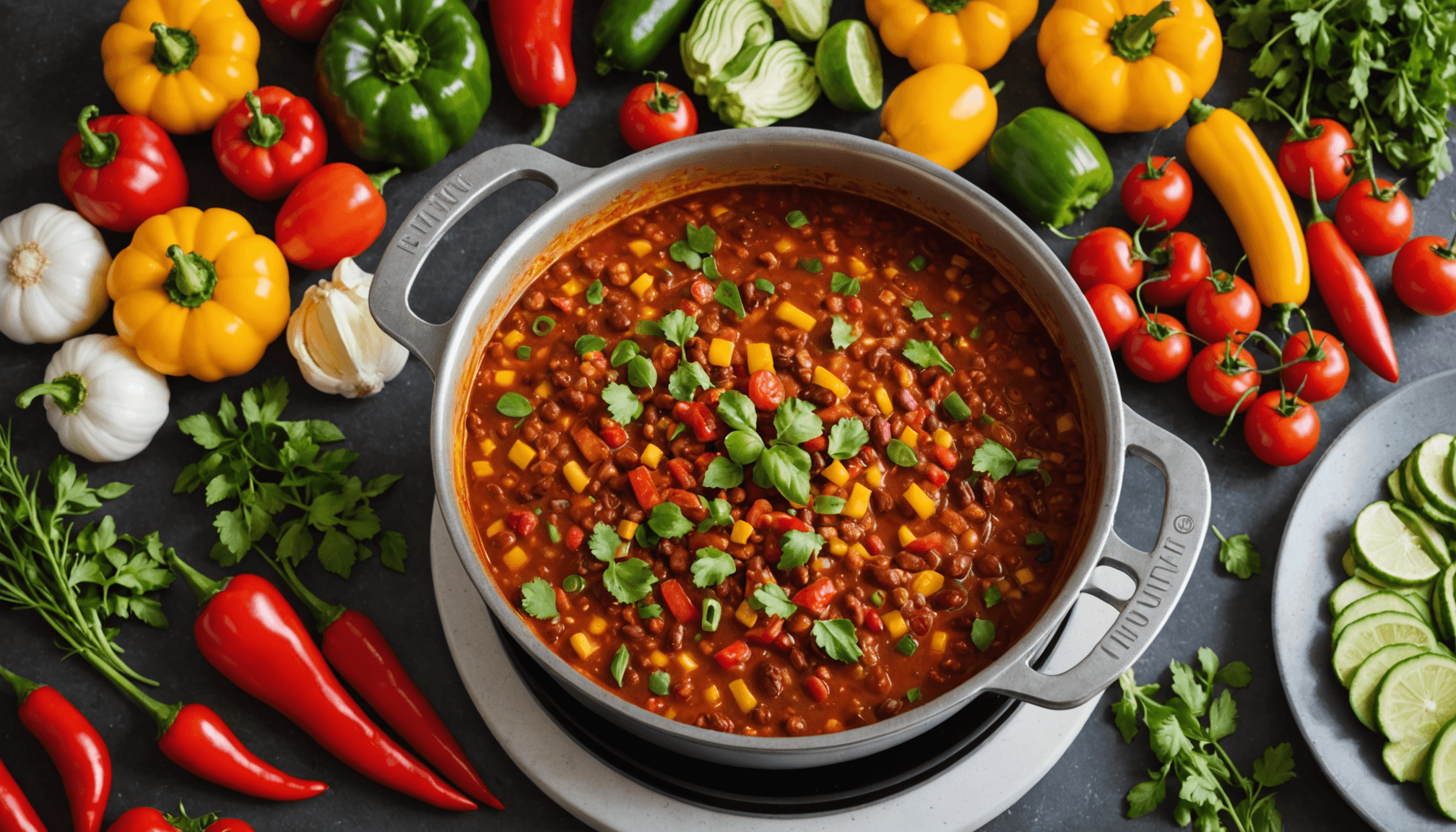
First up, batch cooking is all about volume. You’re whipping up large quantities of food all in one go. Imagine that Sunday marathon where you cook enough chili or soup to feed a village! You can make a big pot, then portion it out for meals throughout the week. It’s fantastic for busy families or anyone who wants to create a stash of versatile meals that can get you through those hectic evenings when cooking just feels like another task on your never-ending to-do list. You might encounter leftovers that are easily reheated or even frozen for future meals. This is multitasking at its finest, and let me tell you—your future self will thank you!
On the flip side, meal prepping brings a sharper focus on individual portions and customization. It’s not necessarily about cooking large quantities of one dish; rather, it’s about creating components that can be assembled in various ways. Picture yourself preparing a few servings of quinoa, some grilled chicken, and a colorful medley of roasted veggies. You can mix and match these throughout the week, making every meal a new creation! Meal prepping allows you to spread out your culinary possibilities and keep things fresh and exciting—even if you’re using the same core ingredients. It’s particularly handy for folks who want to keep their meals diverse while also being mindful about portion control and nutrition.
Also, let’s chat timing. Batch cooking often requires a solid chunk of time dedicated to preparing all those meals at once. This could mean a few hours in the kitchen, but once it’s done, you feel like a meal prep rockstar with a fridge full of ready-to-eat meals. Meal prepping, on the other hand, tends to be a bit more strategic. You might spend less time overall in the kitchen at any one moment, spread out over several days if you prefer to prepare components as you go, but it also demands an initial planning phase to ensure you have everything ready to keep your meals supported and healthy.
So, to sum it all up, while both strategies are phenomenal for busy people looking to streamline their meals and maintain a healthy diet, they cater to slightly different needs. Batch cooking is all about mass-producing comforting meals that are easy to grab and go, while meal prepping focuses on flexibility and the chance to get creative with combinations. Regardless of which method shines for you, integrating them into your routine can lead to delightful and delicious results! And who doesn’t love that kind of kitchen magic?
Benefits of batch cooking
“The secret to a successful batch cooking experience lies in the right planning and preparation.”
Batch cooking offers a range of benefits that can significantly enhance your culinary routine and overall well-being. Here’s how you can capitalize on this method and its advantages:
- Saves Time: One of the most appealing advantages of batch cooking is the time savings it brings. By dedicating a few hours on the weekend to prepare meals for the week, you eliminate the daily cooking grind. Here’s how to maximize this benefit:
- Choose a day (like Sunday) to cook your meals for the week.
- Compile a menu of recipes that use similar ingredients to streamline grocery shopping.
- Estimate the total time needed for cooking and set aside uninterrupted time to tackle your batch cooking session.
- Cost-Effectiveness: Batch cooking can save you money in the long run. When you buy ingredients in bulk, you often get better prices. To maximize savings:
- Plan meals that use the same ingredients to avoid waste and take advantage of bulk buying.
- Avoid last-minute takeout by having pre-cooked meals on hand, which can reduce spending on unhealthy dining options.
- Utilize seasonal produce, which is typically cheaper and fresher.
- Nutritional Control: With batch cooking, you’re in charge of what goes into your meals, allowing you to prioritize health. Here’s how to ensure your meals are nutritionally balanced:
- Incorporate a variety of food groups: Proteins, whole grains, vegetables, and healthy fats should all make an appearance.
- Experiment with herbs and spices to enhance flavors without adding excess sodium or unhealthy ingredients.
- Prep meals that align with your dietary goals, whether it’s low-carb, high-protein, or vegetarian.
- Reduces Food Waste: By planning meals and using ingredients efficiently, batch cooking can significantly cut down on food waste. To achieve this:
- Incorporate leftover ingredients from previous meals into new recipes.
- Store food properly to extend its shelf life—consider vacuum sealing or freezing portions.
- Stick to a shopping list to avoid buying items you won’t use.
- Stress Reduction: Knowing you have meals ready to go alleviates the stress of daily cooking. Here’s how batch cooking can ease your mind:
- Create a weekly meal plan and consult it each day to eliminate the “what’s for dinner?” dilemma.
- Having a refrigerator stocked with healthy meal prep options reduces temptation to grab unhealthy snacks or takeout.
- Enjoy the process! Turn your cooking session into a fun activity, perhaps involving family or friends.
With these benefits in mind, embracing batch cooking can lead to a more organized and healthier lifestyle, making your culinary efforts not just efficient but also pleasurable.
Benefits of meal prepping
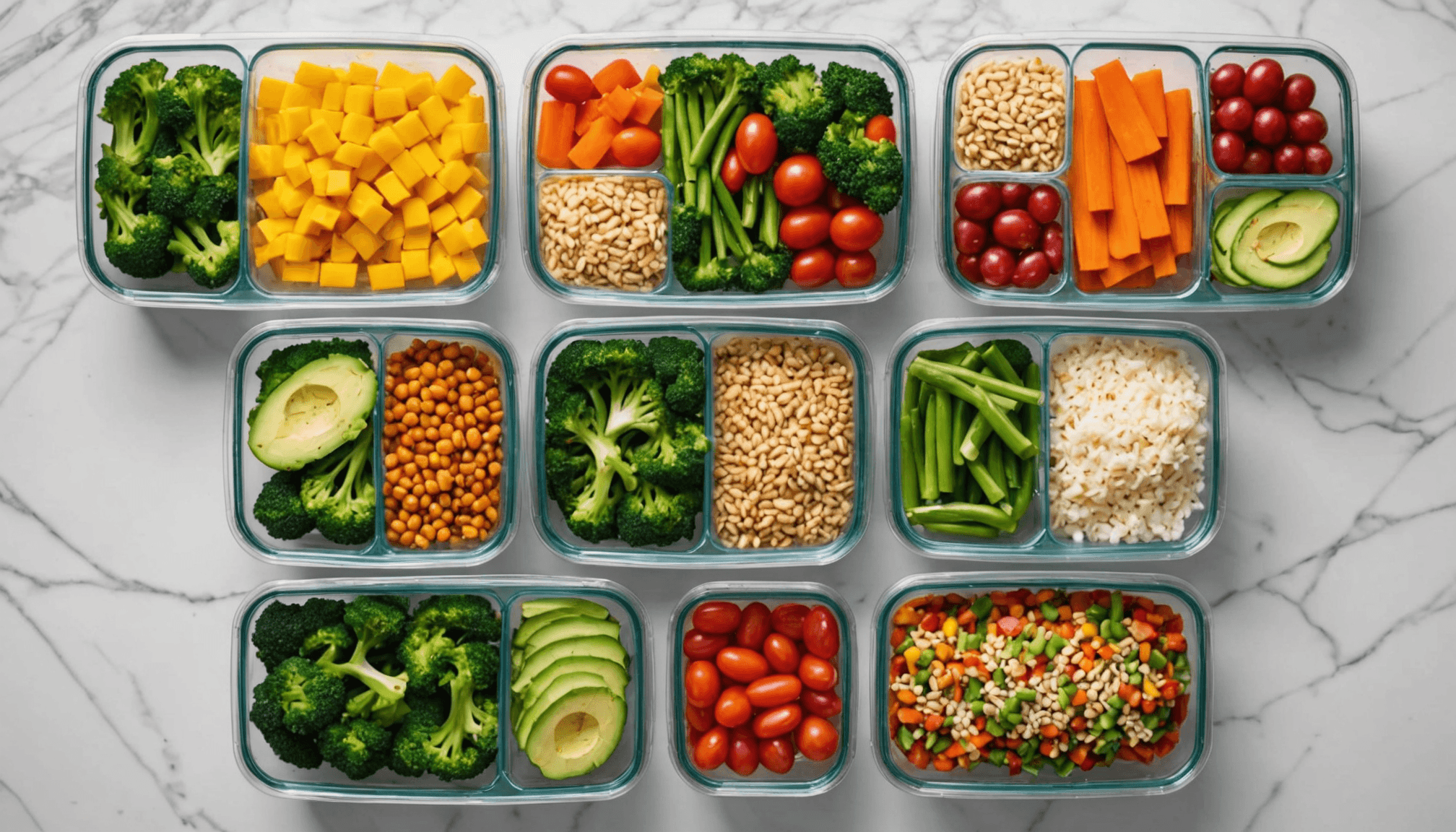 Meal prepping offers a myriad of benefits that can transform the way you approach your culinary routine. By strategically preparing meals in advance, you can streamline your week, promote healthier eating habits, and enjoy a more balanced lifestyle.
One significant advantage of meal prepping is time efficiency. By dedicating a few hours to pre-prepare meal components, you eliminate stress during busy weekdays, making it easier to stick to your healthy eating goals. Imagine how liberating it can be to reach into your fridge and discover beautifully portioned meals, ready to be enjoyed! Not having to cook from scratch each day allows you to reclaim valuable moments for other activities, whether it’s family time, exercise, or simply relaxing after a long day.
Moreover, meal prepping fosters nutritional awareness. When you take the time to select your own ingredients, you can ensure that your meals are not only healthy but also aligned with your dietary goals. This means no more impulse decisions leading to less wholesome takeout options. You have the power to control portion sizes and ingredient quality, ensuring that each meal is nourishing. You can experiment with various flavors, textures, and cuisines, creating meals that are both satisfying and enriching, all while staying within your nutritional parameters.
Another noteworthy benefit is the reduction of food waste. By planning and preparing meals in advance, you’re less likely to let fresh produce and ingredients go to waste. Meal prepping encourages thoughtful shopping and mindful consumption, as you learn to utilize everything you purchase. Storing ingredients efficiently and using leftovers creatively can minimize waste and maximize your culinary satisfaction.
Meal prepping also cultivates discipline and routine. Establishing a dedicated time each week for meal preparation can help you develop long-lasting habits. Over time, you’ll likely notice improvements in your cooking skills and ability to plan balanced meals. As you routine becomes second nature, it enhances your overall meal experience and keeps your relationship with food positive and playful.
In summary, meal prepping isn’t just about having meals ready at your fingertips; it’s a comprehensive approach to nurturing your body, mind, and overall lifestyle. Let your kitchen be a haven of creativity, empowerment, and nourishment. As you embrace this practice, you may find new dimensions of culinary excitement waiting for you, alongside a cleaner, healthier diet that leaves you feeling rejuvenated.
- What is meal prepping?
- Meal prepping involves preparing ingredients or entire meals in advance to streamline cooking during the week. Typically, components such as proteins, grains, and vegetables are prepped separately to be easily combined later.
- How do I get started with meal prepping?
- Begin by choosing a day to prepare your meals, selecting recipes that use similar ingredients for efficiency. Gather all your supplies and set aside a few hours for chopping, cooking, and assembling meals into containers.
- Is meal prepping expensive?
- While the upfront cost of buying groceries may seem higher, meal prepping can save you money by reducing food waste and minimizing the need for last-minute takeout. Purchasing in bulk often leads to better pricing per serving.
- Can I meal prep for special diets?
- Absolutely! Meal prepping allows you to customize your meals according to specific dietary needs, whether you’re following a vegetarian, vegan, gluten-free, or low-carb diet. You can easily adjust recipes based on your preferences.
- How do I store prepped meals correctly?
- Store prepared meals in airtight containers to maintain freshness. Consider labeling them with dates and reheating instructions to ensure that you enjoy them at their peak quality.
- Can meal prepping help with weight loss?
- Yes! Meal prepping can assist with weight loss by promoting portion control, healthier choices, and reducing the temptation to opt for unhealthy convenience foods. Planning your meals encourages mindful eating habits.
- How long can I keep prepped meals in the fridge?
- Generally, most meal-prepped dishes can be kept in the refrigerator for 3 to 5 days. Items like cooked grains and meats typically last longer, while fresh vegetables may have a shorter shelf life.

Leave a Reply