

- Healthy meal prep ideas for picky children
- Understanding picky eaters
- Nutritious ingredient swaps
- Fun and engaging meal themes
- Easy make-ahead recipes
- Tips for involving kids in prep
When it comes to planning healthy meal prep for picky eaters, the key is to keep things simple, colorful, and fun. Kids often respond better to meals that look appealing and have a bit of variety. Think about incorporating a rainbow of fruits and veggies into their meals so that each plate is visually inviting. This not only makes meal time exciting but also provides essential nutrients.
Start by creating a weekly meal plan that’s flexible. This way, you can swap out ingredients based on what your kids enjoy, while still maintaining a sense of routine. For example, if they love pasta but aren’t big fans of broccoli, consider using zucchini noodles or whole grain pasta, and pair it with their favorite dipping sauce. Making it interactive, like a build-your-own pasta bar, can also encourage them to try new combinations.
Incorporate some of their favorite foods into healthy meals by making small changes. For instance, if your kids love quesadillas, try using whole wheat tortillas and lean protein like chicken or beans, piled high with cheese and some hidden veggies like spinach or bell peppers. Slice them into fun shapes and serve with a side of salsa for dipping. These little tweaks can transform familiar favorites into healthier options without sacrificing taste.
Another great idea is to prep snacks in advance. Involve your kids in making their own snack packs! Set up a snack station in the fridge with a variety of options like sliced fruits, cheese cubes, whole-grain crackers, and baby carrots. Provide small containers, so they can mix and match their own healthy snacks. Not only does this teach them about healthy eating, but it also gives them a sense of control over what they consume.
Don’t underestimate the power of smoothies. These can be packed with nutrients and are perfect for busy mornings. Blend together a combination of spinach or kale, a banana, some Greek yogurt, and a splash of almond milk or juice. You can even add nut butter or protein powder for an extra boost. Consider letting your kids choose a fruit to add each week, turning it into a fun experiment to discover new flavors.
Lastly, remember that repetition is key. If a certain meal or dish doesn’t go over well the first time, don’t be discouraged. Kids often need multiple exposures to accept new foods. Plan for a “theme night” once a week where you explore different cuisines or types of meals, which keeps things fresh while gradually introducing new recipes. Over time, they may surprise you by developing a taste for something that once seemed off-limits.
Understanding picky eaters
Understanding the behaviors of picky eaters can provide crucial insights into how to approach meal preparation effectively. Picky eating is a common phase for many children, often stemming from a variety of factors including developmental stages, sensory sensitivities, and any lingering preferences established during earlier feeding experiences.
One significant aspect to consider is that many kids prefer familiar foods due to their comfort in repetition. This is when establishing a base of “safe” foods can be particularly beneficial. For instance, if a child enjoys chicken nuggets, try making them at home with whole grain breadcrumbs and baked instead of fried. Pair these with a side of sweet potato fries and a small cup of ketchup for dipping. By doing so, you’re not just providing healthy meal prep, but also presenting an enticing option that resembles a familiar favorite.
Another important component is sensory sensitivity. Some kids are more sensitive to textures, smells, and colors of foods. Introducing new foods alongside familiar ones can help ease them into trying different items. For example, serve mashed potatoes made with a mix of cauliflower to lighten the dish while keeping the texture smooth. Initially, you could use a light hand with the cauliflower—generally, they won’t notice the difference—and later on, gradually increase the cauliflower ratio.
Pull quotes can further illustrate the importance of patience and understanding when it comes to picky eating:
“Kids thrive on familiarity, but that doesn’t mean they can’t learn to love new flavors.”
Engagement plays a significant role as well. When children are involved in the kitchen, they are more likely to take an interest in what they are eating. Consider allowing them to pick ingredients for meals or encourage them to help with the cooking process. For example, making homemade pizza engages their imagination and allows them to choose healthy toppings such as peppers, mushrooms, and olives. The act of creating their meals offers a sense of ownership, making them more willing to try the new toppings they selected.
Additionally, consider using creative language when discussing food. Instead of labeling a dish simply as “vegetables,” try referring to them as “crunchy rainbow bites” or “dragon boat green beans.” This playful approach captures their imagination, encouraging them to explore what might typically be deemed unappealing.
Understanding the psychology behind picky eating also emphasizes the need to remain calm and patient. When faced with a refusal, it’s essential to avoid pressuring them to eat certain foods. Instead, celebrate small victories. If they try a few bites of broccoli without fuss, praise their adventurous spirit! Acknowledging their efforts with enthusiasm can foster a positive relationship with food.
“Celebrate their small victories and create a positive eating environment—a little encouragement goes a long way!”
Incorporating discussion about the nutritional benefits of foods subtly can also intrigue them. You might say, “Did you know that carrots can help you see in the dark?” This sparked curiosity can prompt them to give carrots a try.
In summary, understanding the intricacies of picky eaters involves patience, creativity, and a willingness to adapt. By recognizing their preferences and sensitivities, applying engaging methods of meal preparation, and celebrating every attempt, you can create enjoyable and healthy meal prep experiences that cater specifically to picky eaters.
Nutritious ingredient swaps
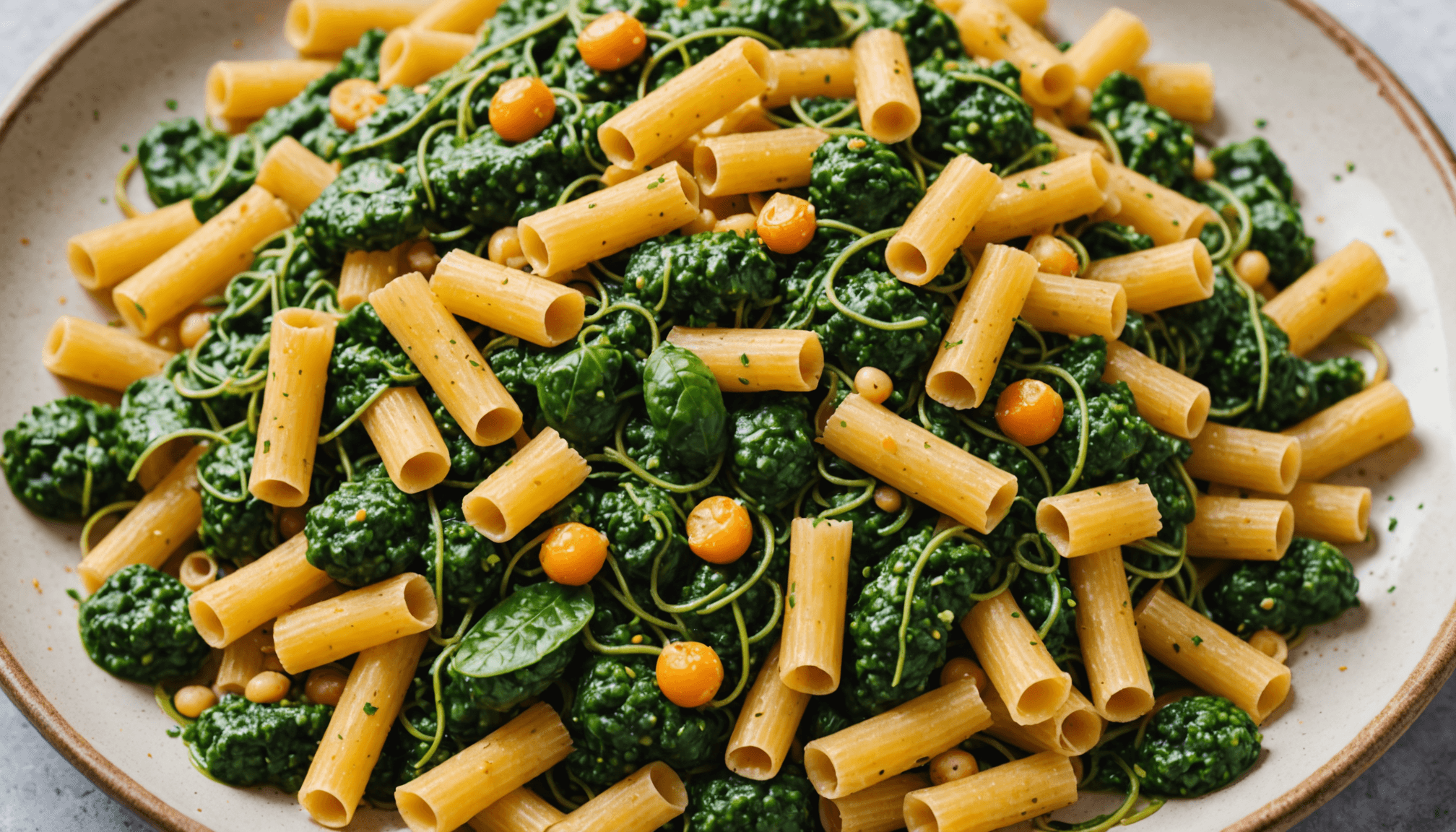
When it comes to offering deliciously nutritious meals for picky eaters, think of ingredient swaps as your secret weapon—an arsenal of clever alternatives that will not only satisfy their taste buds but also elevate the nutritional profile of your kids’ meals. It’s time to channel your inner culinary alchemist! Picture this: your little darlings coming to the table not just to eat, but to embark on a flavor adventure.
Let’s kick things off with the often-beloved pasta. Ah, pasta night is sacred in most households, but rather than relying on the overload of refined pasta, why not give it a fresh twist? Try swapping traditional white pasta for legume-based pasta made from lentils or chickpeas. They pack a punch of protein and fiber that will keep your kiddos full and satisfied. Serve it tossed in a colorful sauce made from pureed veggies—like spinach or roasted red peppers—blending it smoothly to make it extra sneaky! Your picky eaters will be none the wiser as they dive into a plateful of vibrant, healthy goodness.
Another classic ingredient ripe for swapping is ground meat. If your family loves tacos, consider swapping beef for turkey or even finely chopped mushrooms. This’ll not only cut down on fat but also introduce your kids to different textures and flavors. Magic happens when you mix in spices they love, like cumin and garlic powder, transforming the dish into something they can’t resist. Serve with whole-grain tortillas and top with fresh toppings like diced tomatoes and avocado for that extra flourish!
What about breakfast, you ask? Now, here’s where the magic of ingredients really shines! If pancakes are a staple, spin them into a healthy breakfast dream using rolled oats instead of flour. Blend oats into a fine powder and mix it with mashed bananas and eggs for a nourishing twist. Cook them up, and voilà, you have fluffy, healthy pancakes that even the pickiest of eaters will devour! Drizzle with pure maple syrup or serve with a berry compote to entice those taste buds further.
Let’s not forget about sneaky snacks! Consider substituting traditional chips and sugary snacks with wholesome alternatives. Take roasted chickpeas, for instance. Simple to make—just toss canned chickpeas with olive oil and seasonings, roast until crispy, and you have a crunchy, savory snack that’s packed with protein and fiber. You can present them as “crunchy nuggets” to make them more appealing to your little ones.
Vegetables can often trigger a debate at the dinner table, but here’s a little trick: swap out those raw carrot sticks for colorful “veggie fries.” Slice zucchini, beets, or sweet potatoes into thin strips, toss them in a bit of olive oil, sprinkle with seasoning, and roast until crispy. Not only do they look delightful, but the fun shapes will have your picky eaters excited to munch on their “fries.” Serve them with a delightful yogurt dip for that extra zing!
Remember, using fresh herbs can also transform ordinary meals. Toss fresh basil into dishes—like homemade “pasta sauce” or scrambled eggs. Herbs come with vibrant flavors and can intrigue the senses of picky eaters effectively. Start with a small sprinkle and encourage your little ones to join in, “Help me pick the herbs for our dinner!” It’ll certainly turn into a fun culinary project.
As you explore these nutritious ingredient swaps, incorporate frequent taste-testing activities in your kitchen sessions. Make it a challenge! How many swaps can your picky eaters guess? Excitement in the kitchen can lead to excitement at the dinner table, and every dish becomes a story filled with exploration. Soon, you’ll find your little chefs eagerly awaiting the next meal, ready for another round of healthy meal prep!
Fun and engaging meal themes
“Making food enjoyable is the first step towards healthy eating habits.”
Creating fun and engaging meal themes makes mealtime an adventure for kids, especially picky eaters. Here are several interactive themes you can implement to make healthy meal prep exciting:
- Build-Your-Own Stations
- Taco Night: Set up a taco bar with soft or hard shell tortillas, seasoned ground turkey or black beans, shredded lettuce, diced tomatoes, cheese, and various salsas. Let kids construct their tacos and choose toppings.
- Pasta Party: Offer a selection of noodle types (like whole grain and legume-based) and toppings (sauces made from pureed vegetables, cheese, lean meats). Encourage kids to mix and match, creating their own unique dishes.
- Pizza Night: Use whole wheat or cauliflower crusts as a base. Supply a variety of toppings including tomato sauce, shredded cheese, veggies, and lean proteins. Kids can assemble their creations before baking!
- Cultural Cuisine Nights
- Italian Night: Introduce kids to Italian classics. Feature dishes such as veggie lasagna made with whole-grain noodles and lots of hidden vegetables. Set the atmosphere with Italian music for extra flair.
- Mexican Fiesta: Combine staples like quesadillas and guacamole, focusing on fresh ingredients. Serve with colorful sides like corn salad or black bean dip, making the plate as vibrant as possible.
- Asian-Inspired Dishes: Present simple stir-fries with assorted vegetables and chicken or tofu, flavored with low-sodium soy sauce, or noodle bowls with lots of colorful toppings. Set out ingredients to allow kids to customize their bowls.
- Theme Days
- Color Day: Choose a color theme for the meal, such as “green day” with broccoli, spinach, green beans, and kiwi. This can add an element of fun and also promote nutritional variety.
- Animal Shapes: Use cookie cutters to create food in animal shapes. Whether it’s sandwiches, fruits, or cheese, this playful approach can encourage kids to try new foods.
- Breakfast for Dinner: Make breakfast dishes like oatmeal, pancakes, and smoothies the main course for dinner. Kids enjoy the novelty, and you can load breakfast items with nutritious ingredients.
- Cooking Competitions
- Family Cook-Off: Separate into teams and create personalized meal creations. Assign a healthy ingredient that must be included, motivating kids to think creatively about how to use it.
- Iron Chef Challenge: Pick a main ingredient and let each family member propose a healthy meal using that ingredient. Have taste tests to see which creations win!
- Fun Snack Creations
- Fruit Kabobs: Provide an assortment of fruits and let kids assemble their skewers. Pair with yogurt for dipping to make it a treat.
- Yogurt Parfaits: Let kids layer yogurt with granola and berries in clear cups, creating visually appealing and healthy snacks.
Incorporating these meal themes not only engages picky eaters but also sparks curiosity and excitement about food, fostering a healthy relationship with eating while ensuring nutritious options are always at the forefront.
Easy make-ahead recipes
When thinking about easy make-ahead recipes for picky eaters, the focus should be on meals that can be prepared in batches and frozen or stored for later consumption, making weeknight dinners stress-free. Start with versatile ingredients that can be mixed and matched to cater to your children’s taste preferences. For instance, consider preparing mini muffins using wholesome ingredients like oats, applesauce, and mashed bananas. These can be packed with nutrition and easily stored for a quick breakfast or snack option.
Another great idea is to make freezer-friendly breakfast burritos. Use whole wheat tortillas and fill them with scrambled eggs, spinach, shredded cheese, and diced bell peppers. Wrap them tightly in foil and freeze. When hunger strikes, simply microwave for a few minutes for a satisfying and healthy meal. You can even set up an assembly line with your kids to customize their burritos, letting them choose the fillings they prefer—picking out their favorite ingredients helps them feel engaged and more likely to eat the finished product.
Soups and stews are perfect for make-ahead meals as well. Prepare a large pot of vegetable soup loaded with nutritious ingredients like carrots, zucchini, and beans. Divide the soup into individual containers to freeze, making it simple to heat up a delicious and healthy meal at any time. Consider pairing the soup with whole grain bread or homemade croutons that can be fun and crunchy, encouraging your kids to enjoy the whole meal.
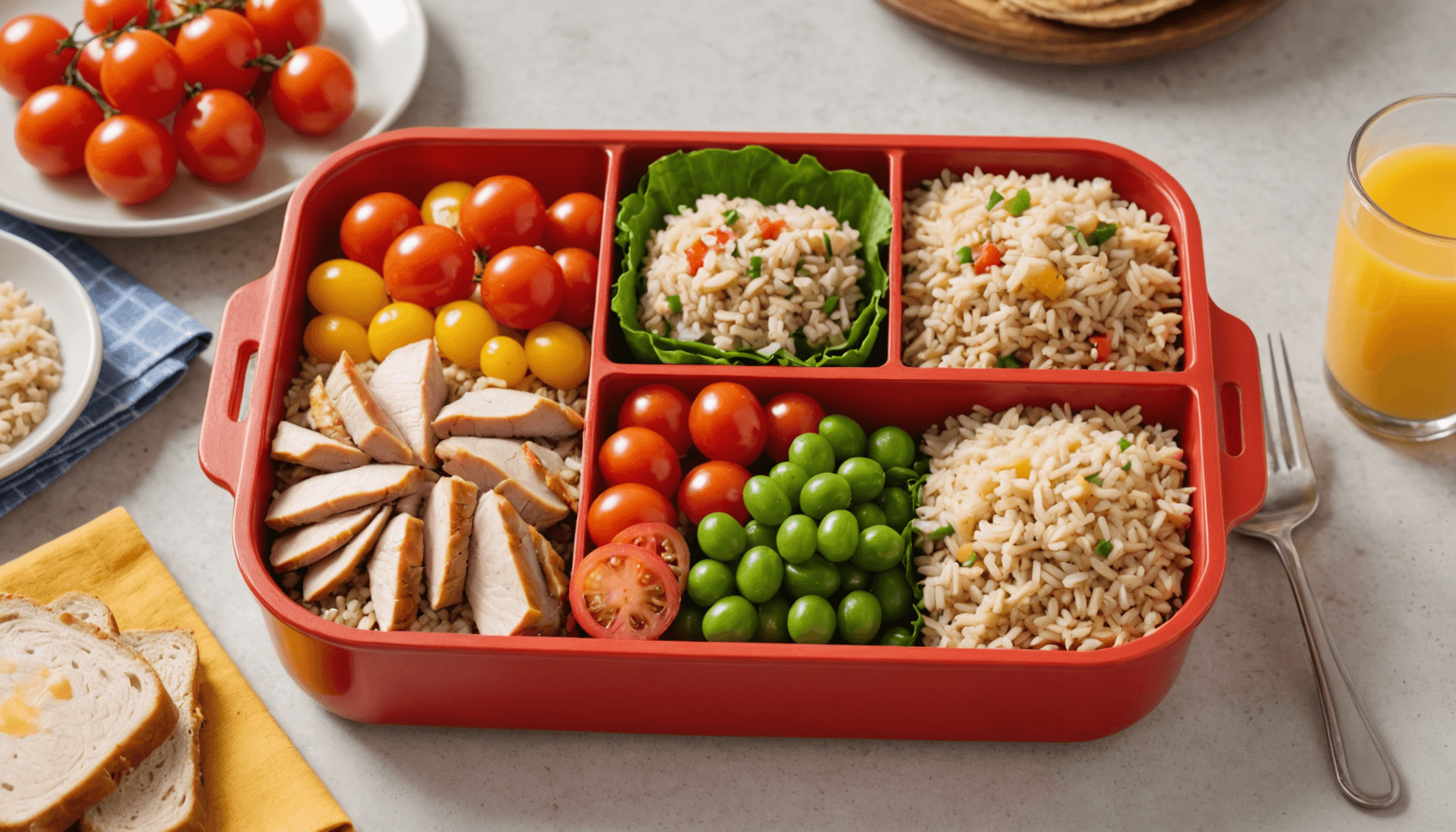
In the realm of healthy meal prep, lunch options can be equally fun and varied. Try assembling bento-style lunch boxes with compartments filled with items like sliced turkey, cheese cubes, cherry tomatoes, and brown rice. The visual appeal of a colorful and compartmentalized meal can entice picky eaters to dive into their lunch with enthusiasm. Moreover, this type of preparation allows for a variety of choices each day without extensive cooking.
Don’t forget about healthy snack prep. Create a mixed trail mix using nuts, dried fruit, and whole grain cereal. Portion out little baggies so your kids can easily grab a nutritious snack on the go or after school. These small steps into healthy meal prep cultivate autonomy and encourage conscious eating habits early on. Emphasize the fun of preparing these dishes together, and over time, these delightful make-ahead recipes will help build a stronger foundation for their eating habits.
- What are make-ahead meals and why are they beneficial for picky eaters?
- Make-ahead meals are dishes you prepare in advance and store for later use. They are beneficial for picky eaters because they save time during busy weeknights and allow for the inclusion of healthy, nutritious ingredients while encouraging kids to try different flavors.
- How can I involve my kids in the meal prep process?
- Encourage involvement by letting your kids pick ingredients, assist with chopping (using child-safe knives), or creating their own meal combinations. By participating, they may become more invested in trying new foods.
- What are some healthy make-ahead snack ideas?
- Healthy make-ahead snack ideas include yogurt parfaits, homemade granola bars, mini muffins, and vegetable sticks with dip. Preparing these snacks ahead of time makes it easier for picky eaters to access nutritious options.
- Can leftover meals be used for meal prep?
- Absolutely! Leftover meals can be transformed into new dishes or packaged up as is for quick heat-and-eat options. Just ensure they are stored properly and consumed within safe timeframes.
- How can I ensure that make-ahead meals stay fresh?
- Store make-ahead meals in airtight containers or freezer bags to prevent freezer burn. Label containers with dates to track freshness and ensure they are consumed within recommended timeframes.
- Are there specific cuisines that work well for make-ahead meals?
- Cuisines like Mexican, Italian, and Asian are excellent for make-ahead meals due to their variety in flavors and ingredients. Dishes like burritos, lasagnas, and stir-fries can be easily prepped and frozen.
- What can I do if my child refuses to try new make-ahead recipes?
- If your child is reluctant to try new make-ahead recipes, offer them alongside familiar favorites, gradually introducing new flavors. Be patient and celebrate any small victories when they try even a bite.
Tips for involving kids in prep
Getting kids involved in the meal prep process can be a game changer, especially for picky eaters. When they take part in planning and preparing their meals, they often feel a sense of ownership and pride, making them more willing to try new foods. Start by inviting them to brainstorm meal ideas. Whether it’s pizza night or taco Tuesday, ask for their input and let them help choose ingredients. This can be as simple as asking, “What do you want to put on our homemade pizza?” or “Which veggies should we add to our tacos?”
As you move into the preparation stage, designate specific tasks for your little ones that are safe and age-appropriate. Younger kids can wash vegetables, stir mixes, or assemble their own snack packs, while older kids can take on more challenging roles, like chopping soft fruits or mixing ingredients together. For example, make a family assembly line for homemade sandwiches: one person spreads the condiments, another layers the ingredients, and someone else cuts the sandwiches into fun shapes. The teamwork aspect makes it not only productive but enjoyable too!
Another fun way to engage kids is to host a “create your own meal” night. Set up stations with different toppings, fillings, or ingredients, and let them build their own plates. Think of nacho bars with baked chips, beans, cheese, and various toppings like avocado and salsa, or a smoothie station where they can choose their base from yogurt or milk and select fruits or greens. This kind of interactivity allows them to creatively express their taste preferences while still ensuring the meal is nutritionally balanced.
Don’t forget about the educational component; cooking offers fantastic learning opportunities. Teach them about the nutritional benefits of different ingredients in a fun way. For example, while preparing a colorful stir-fry, discuss how each vegetable contributes to health—like how carrots help their eyesight or how spinach is a source of energy. You can make this even more enticing by letting them become “food scientists,” experimenting with flavors and textures enthusiastic about healthy meal prep.
Making cooking a family affair doesn’t have to be a long or daunting process. Even dedicating just 10-15 minutes to prep can make a lasting impact. Consider simple activities like washing fresh produce or organizing the pantry together. This not only solidifies their understanding of meal preparation but also fosters a bond as they see the effort that goes into creating healthy meals.
And since kids love a good challenge, why not turn meal prep into a friendly family contest? Set a timer and see who can come up with the most creative or healthy meal idea using a limited selection of ingredients. This approach can spark their interest in food while instilling a sense of accomplishment, making healthy eating habits seem less like a chore and more like an engaging adventure.
Ultimately, involving kids in prep is about fostering a positive, fun, and exploratory environment around food. It allows picky eaters to feel more connected to their meals and, as a result, may open them up to trying foods they wouldn’t have considered before. By promoting collaboration in the kitchen, you’re not just preparing nutritious meals; you’re building lasting memories together as a family.

Leave a Reply