

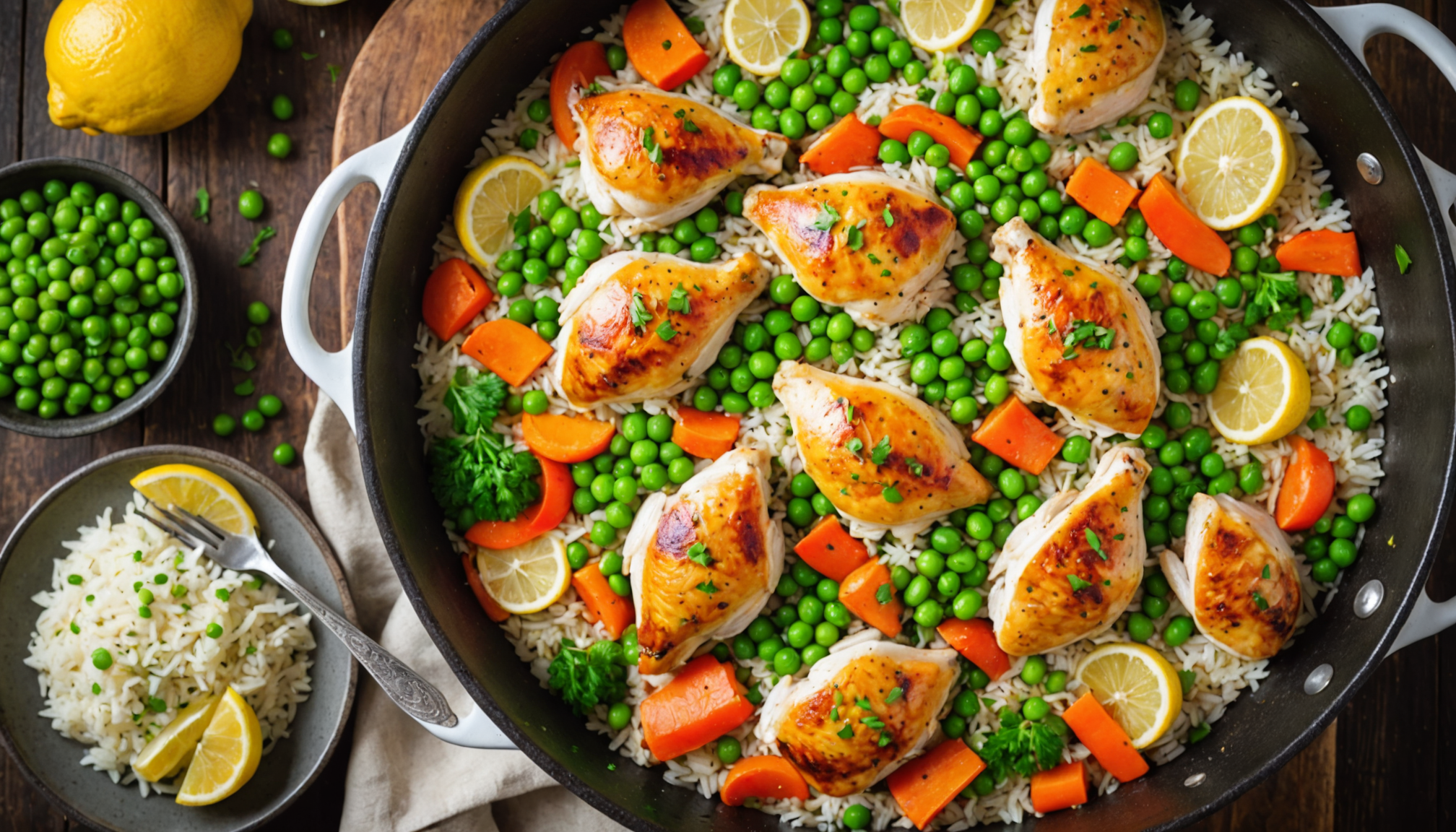
- Quick skillet chicken recipes
- Sheet pan chicken dinners
- One-pot chicken and veggie meals
- Light and flavorful chicken salads
- Make-ahead chicken meal prep ideas
If you’re juggling work, workouts, kids’ activities, or late-night study sessions, a skillet can feel like your best friend in the kitchen. It heats up fast, cooks evenly, and leaves you with just one pan to wash. That alone makes it a hero for easy healthy dinner ideas, but when you add chicken to the mix, you’ve got something special: a quick, reliable source of lean protein that works with practically any flavor profile you’re in the mood for.
Think of skillet chicken as your “blank canvas” dinner. Once you know a couple of simple techniques, you can dress it up for cozy family dinners, pack it into meal prep containers for the week, or throw it over greens after the gym. It’s flexible enough for college students cooking in tiny kitchens, and it’s impressive enough that you’d be happy to serve it when friends pop by.
Let’s start with the basics. For most quick skillet chicken recipes, boneless, skinless chicken breasts or thighs are your go-to. Breasts are classic and very lean, while thighs are a bit more forgiving if you tend to get distracted and overcook things. Either way, pat the chicken dry with a paper towel, season it well with salt and pepper, and cut it into thinner cutlets or bite-sized pieces so it cooks in under 15 minutes. Research actually backs up what many of us feel instinctively: cooking at home with simple ingredients is strongly associated with better overall diet quality and healthier body weight over time, especially when we lean on lean proteins and vegetables instead of ultra-processed options (Mills et al., 2017; Wolfson & Bleich, 2015).
One of the easiest skillet dinners I love is a lemon-garlic chicken that comes together in the time it takes to set the table. Warm a little olive oil in a large skillet over medium-high heat, sear your seasoned chicken pieces until golden, then move them to a plate. In the same pan, toss in some minced garlic, a squeeze of lemon juice, a splash of chicken broth, and maybe a teaspoon of Dijon mustard if you have it. Let that bubble for a minute, scrape up the flavorful bits from the bottom, then slide the chicken back in to finish cooking. You end up with tender chicken and a bright, silky pan sauce that tastes like you fussed over it, even though you didn’t.
If you’re cooking for athletes, people who are very active, or anyone trying to support muscle recovery, this type of skillet dinner is a quiet overachiever. Chicken breast, for example, offers high-quality protein with all the essential amino acids and very little saturated fat, which is associated with better cardiometabolic health when it replaces higher-fat red meats (USDA, 2020; Micha et al., 2017). Pair the chicken with a quick vegetable—frozen peas, baby spinach, or pre-shredded cabbage tossed straight into the pan—and maybe some microwaved quinoa or brown rice, and you’ve got a balanced meal in under 20 minutes.
For busy professionals and parents, stir-fry style skillet meals are another weeknight lifesaver. Slice chicken thinly, season it with a little soy sauce or coconut aminos, and cook it quickly in a hot pan with neutral oil. When the chicken is almost done, throw in a bag of frozen stir-fry vegetables or any chopped odds and ends you have: bell peppers, broccoli, snap peas, carrots. A quick sauce—soy sauce, a bit of honey or maple syrup, rice vinegar, and ginger—pulls everything together. Toss it with cooked brown rice or whole grain noodles, or just spoon it into a bowl and top with sliced green onions. It’s colorful, it’s fast, and unlike takeout, you can control the sodium and fats.
College students especially appreciate this style of cooking because the equipment list is short and the method is forgiving. If you can heat oil in a pan and stir, you can make dinner. And it’s genuinely budget-friendly: grabbing a pack of chicken, a bag of frozen vegetables, and a pantry staple like rice usually costs less per portion than ordering food, but with far more nutrients and less added sugar and salt (USDA, 2020).
On nights when you want something cozy but still light, a skillet chicken “almost-piccata” feels like a little treat. Dredge chicken cutlets lightly in whole wheat flour (or skip the flour if you’re avoiding it), sear in a bit of olive oil until browned, and then build a quick sauce with broth, lemon, and capers or a handful of chopped olives if that’s what you have. Add a handful of baby spinach at the end until it wilts. Serve it over cauliflower rice or a small scoop of whole wheat pasta. It tastes restaurant-level, but you still know exactly what’s in your meal.
Sport-minded readers and gym-goers often worry they’ll get bored with plain chicken, but a skillet lets you change the personality of the dish just by swapping spices. Try:
- Smoky paprika and cumin with lime for a “fajita-style” bowl.
- Italian seasoning, garlic, and tomatoes for a Mediterranean feel.
- Curry powder or garam masala with coconut milk for a quick, gentle curry.
- Chili powder, oregano, and a spoonful of salsa for a speedy taco filling.
This is where quick skillet meals really support a sustainable healthy routine: the more variety you build in with herbs and spices, the more interesting your meals stay, and research suggests that enjoying your food is key to sticking with healthy patterns long term (Papies et al., 2015). You’re not “dieting”; you’re just making flavorful, doable dinners that happen to be good for you.
For family dinners, the skillet is also very forgiving when everyone’s on a slightly different schedule. If one kid gets home from practice earlier than another, or if your partner is running late from work, you can keep the cooked chicken in the warm pan over low heat with a splash of broth to keep it moist. Then each person can scoop out what they need, when they’re ready, and add their own toppings—grated cheese, avocado, a sprinkle of nuts, or extra veggies. It creates this casual, build-your-own situation that feels relaxed rather than rushed.
And if you’re the kind of person who likes to “cook once, eat twice”—or three times—skillet chicken is a dream for leftovers. Make a double batch, and tomorrow’s lunch practically makes itself: toss the extra chicken with greens and a vinaigrette, tuck it into a whole grain tortilla with veggies, or add it to a quick soup. When protein is already cooked, the rest of the meal comes together in minutes, which research shows is often the difference between actually cooking and defaulting to convenience food after a long day (Wolfson & Bleich, 2015).
Once you’re comfortable throwing together these fast skillet meals, it’s an easy leap to another time-saving style of cooking: spreading everything on a pan and letting the oven do the work. Skillets are wonderful when you want that hands-on, stovetop control, but sometimes, especially on the busiest nights, it’s nice to prep for ten minutes and then walk away while dinner roasts itself.
Sheet pan chicken dinners
When you switch from the stovetop to the oven, you trade constant stirring for set-it-and-forget-it ease. Sheet pan chicken dinners are perfect for nights when you want a real meal but don’t have the bandwidth to hover over a skillet. You load everything onto one pan—your lean protein, your vegetables, sometimes even your starch—slide it into the oven, and let the heat do the work while you help with homework, squeeze in a workout, or simply sit down for a minute.
To keep these meals squarely in the “easy healthy dinner ideas” category, a few simple guidelines help:
– Aim for a mix of:
– Lean protein (chicken breasts or thighs)
– Non-starchy vegetables (broccoli, green beans, peppers, zucchini)
– Optional smart carbs (sweet potatoes, baby potatoes, carrots)
– Cut ingredients into similar-sized pieces so they cook at roughly the same rate.
– Use heart-healthy fats like olive or avocado oil instead of heavy sauces.
– Season generously with herbs and spices for big flavor without extra calories.
Here are several go-to combinations that work for busy professionals, students, athletes, and family dinners alike.
– Lemon herb chicken with broccoli and potatoes
– Toss chicken breast chunks or thighs with:
– Olive oil
– Lemon zest and juice
– Garlic powder or minced garlic
– Dried oregano or Italian seasoning
– Salt and pepper
– On a sheet pan, spread:
– Small diced potatoes (Yukon gold or red)
– Broccoli florets
– Drizzle veggies lightly with olive oil, season with salt, pepper, and extra herbs, then nestle the chicken pieces on top.
– Roast at 400–425°F (about 200–220°C) for 20–30 minutes, stirring once halfway.
– Finish with:
– A squeeze of fresh lemon
– Optional sprinkle of Parmesan or chopped parsley
– Why it works:
– The potatoes crisp up on the edges, the broccoli gets that delicious roasted flavor, and the chicken stays juicy from the lemony marinade. You get a full plate of lean protein, fiber, and complex carbs with almost no extra dishes.
– Mediterranean chicken with tomatoes and olives
– In a bowl, combine:
– Chicken thighs (bone-in or boneless)
– Olive oil
– Garlic
– Dried oregano or thyme
– Paprika
– Salt and pepper
– On the sheet pan, scatter:
– Cherry or grape tomatoes
– Sliced red onion
– Pitted Kalamata olives
– Sliced bell peppers (optional)
– Arrange the chicken over the vegetables.
– Roast at 400°F until the chicken is cooked through and the tomatoes burst (about 25–30 minutes for boneless thighs).
– Serve with:
– A spoonful of plain Greek yogurt or tzatziki
– A handful of fresh basil or parsley
– Optional side of quinoa or brown rice
– This combo is especially good for athletes and anyone focused on recovery: you get lean protein from the chicken plus antioxidants and healthy fats from the vegetables and olives, all in a bright, flavorful dish that feels anything but “diet food.”
– Fajita-style sheet pan chicken
– Slice:
– Chicken breasts into thin strips
– Bell peppers (any color)
– Onions
– Toss everything in a large bowl or directly on the pan with:
– Olive oil
– Chili powder
– Cumin
– Smoked paprika
– Garlic powder
– Salt and pepper
– Optional squeeze of lime
– Spread into an even layer on the sheet pan.
– Roast at 425°F for 18–22 minutes, tossing once.
– Serve in different ways:
– In warm tortillas with avocado, salsa, and shredded lettuce
– Over cauliflower rice or brown rice for a bowl
– On top of mixed greens with a dollop of Greek yogurt instead of sour cream
– This is ideal for family dinners because everyone can customize: one person loads up tortillas, another builds a rice bowl, and someone else might keep it low-carb with extra veggies.
– Garlic Parmesan chicken with green beans and carrots
– Mix together:
– Olive oil
– Minced garlic
– Grated Parmesan
– Italian seasoning
– A pinch of red pepper flakes (optional)
– Salt and pepper
– Toss:
– Chicken tenders or chicken breast strips
– Trimmed green beans
– Thinly sliced carrots or carrot sticks
with the garlic-Parmesan mixture.
– Spread in a single layer on a lined sheet pan.
– Roast at 400°F for about 20 minutes, until the chicken is cooked through and the veggies are tender-crisp.
– Serve with:
– Lemon wedges for squeezing over the top
– A simple side salad if you want extra greens
– This one is surprisingly kid-friendly, thanks to the mild garlic and cheesy flavor. It turns basic chicken recipes into something that feels comfort-food cozy but stays light enough for an everyday dinner.
– Maple Dijon chicken with Brussels sprouts and sweet potatoes
– In a small bowl, whisk:
– 2–3 tablespoons Dijon mustard
– 1–2 tablespoons pure maple syrup
– 1 tablespoon olive oil
– A splash of apple cider vinegar
– Salt and pepper
– On the pan, add:
– Cubed sweet potatoes
– Halved Brussels sprouts
– Drizzle half the sauce over the veggies and toss.
– Add:
– Chicken thighs or breasts (whole or large chunks)
– Brush the remaining sauce over the chicken.
– Roast at 400°F for 25–30 minutes, stirring veggies once.
– This combination is especially satisfying after a long run or workout session: the sweet potatoes provide slow-burning carbohydrates, the chicken offers lean protein for muscle repair, and the Brussels sprouts add fiber and micronutrients, all wrapped in a slightly sweet, tangy glaze.
For households with different schedules, sheet pan meals are remarkably flexible:
– If someone is running late:
– Turn the oven off and leave the pan inside for 5–10 minutes; the food stays warm without overcooking too much.
– If you need earlier portions:
– Pull a few chicken pieces and veggies off the pan a bit sooner for the first eater, then give the rest another 5 minutes to roast and deepen in color.
To streamline prep and keep these dinners truly weeknight-easy, a few practical strategies help:
– Use prepped ingredients when it makes sense
– Pre-cut vegetables like broccoli, cauliflower, or butternut squash cubes
– Baby carrots or trimmed green beans
– Pre-marinated chicken from the store (just check for added sugars and sodium), or marinate your own on the weekend
– Line your pan for fast cleanup
– Use parchment paper or a silicone mat to prevent sticking.
– Avoid crowding the pan; if everything is piled up, you’ll steam instead of roast. Use two pans if needed.
– Make it work for next-day lunches
– Roast a little extra:
– Add a couple more chicken breasts
– Double the vegetables
– Store leftovers in containers with:
– A scoop of cooked grain (rice, farro, quinoa)
– A handful of fresh greens added just before eating
– The next day, you can:
– Reheat the mix for a warm grain bowl
– Toss the cooled chicken and vegetables with baby spinach, cherry tomatoes, and a light vinaigrette for a hearty salad
For readers who prioritize nutrition but don’t want to spend hours in the kitchen, sheet pan chicken dinners hit the sweet spot. They turn basic ingredients into complete meals, support consistent intake of lean protein and vegetables, and shrink both active cooking time and cleanup. And because you can endlessly mix and match seasonings and vegetables, these meals slide seamlessly into your regular rotation without feeling repetitive.
One-pot chicken and veggie meals
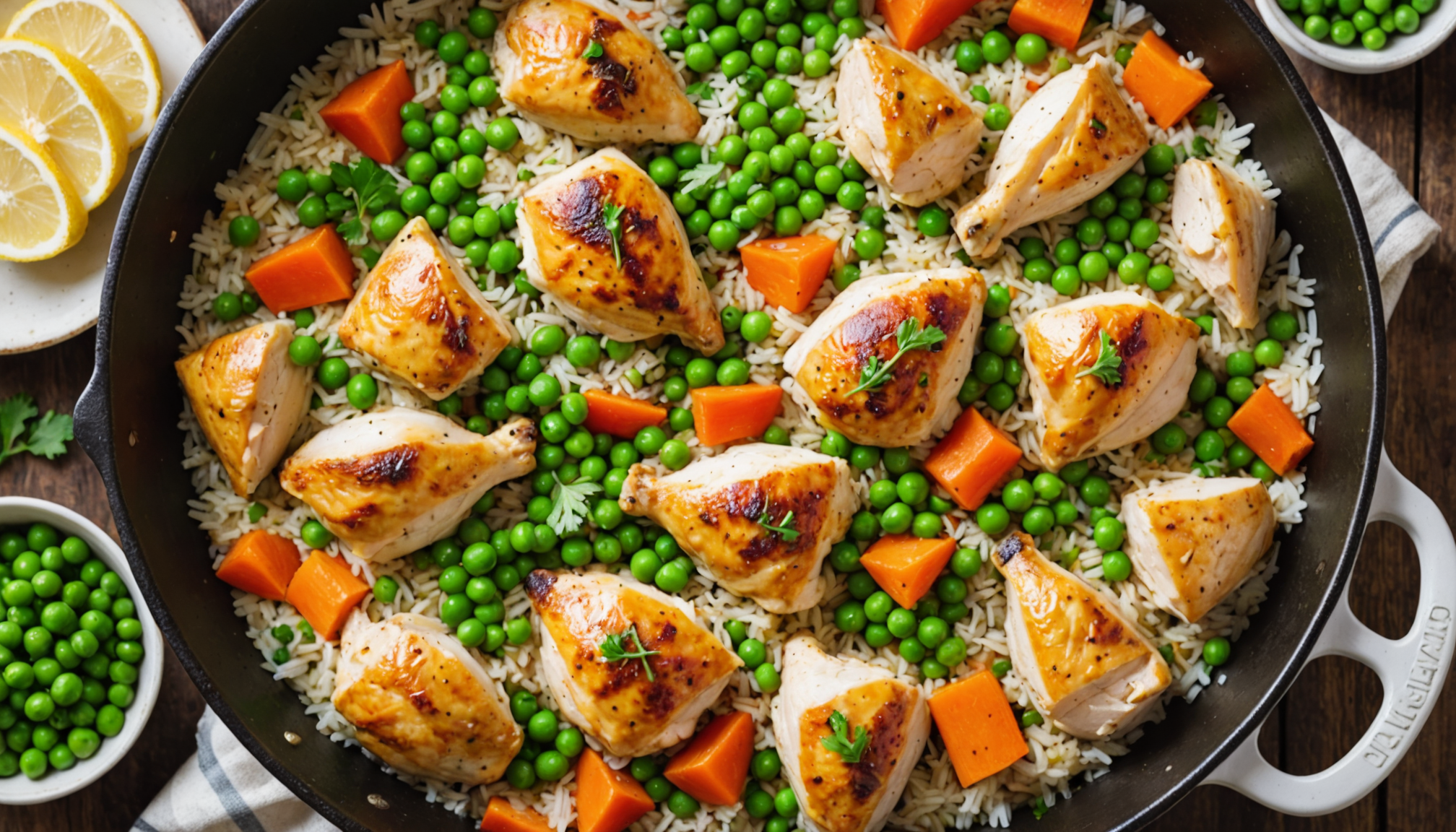
One-pot meals are like the calm friend who shows up when life feels chaotic. Everything goes into a single pot or Dutch oven, it simmers away, and you end up with something cozy, nourishing, and minimal on cleanup. For busy professionals racing the clock, parents trying to get family dinners on the table, athletes coming home from training, or college students cooking in shared kitchens, this style of cooking checks all the boxes: fast, filling, budget-friendly, and built around lean protein and veggies.
At their core, one-pot chicken and veggie meals are just smart layering. You brown the chicken first for flavor, add aromatics (like onion and garlic), toss in veggies, pour in some liquid (broth, crushed tomatoes, coconut milk, etc.), and let everything cook together. When foods simmer in the same pot, they share flavors, and you often need less added fat or salt to make things taste good. That fits right into what research tells us about healthy eating: simple, home-cooked meals built around minimally processed ingredients tend to support better weight management and overall health than heavily processed convenience foods (Mills et al., 2017; USDA, 2020).
Let’s walk through a few one-pot ideas you can keep in your regular rotation, whether you’re feeding a crowd or just stocking your meal prep containers for the week.
1. One-pot lemon chicken and veggie rice
This is the type of dish that feels like Sunday dinner but cooks fast enough for Wednesday night. You can scale it up easily and portion it out for lunches, too.
- Start with the chicken:
– Use boneless, skinless chicken thighs or breasts, cut into medium pieces.
– Season generously with salt, pepper, garlic powder, and a little dried thyme or Italian seasoning.
– In a large pot or deep skillet, sear the chicken in olive oil over medium-high heat until lightly browned on the outside. It doesn’t need to be fully cooked yet—just get some color. Transfer it to a plate. - Build the base:
– In the same pot, add a little more olive oil if needed.
– Sauté chopped onion and minced garlic until soft and fragrant.
– Stir in 1–2 cups of brown rice or long-grain white rice (rinsed). Toasting the rice for a minute or two helps deepen the flavor. - Add veggies and liquid:
– Toss in chopped carrots, bell peppers, and a handful of frozen peas or green beans.
– Pour in low-sodium chicken broth (enough to cover the rice by about an inch) plus the juice of a lemon and a bit of lemon zest.
– Nestle the chicken pieces back into the pot, making sure they’re partly submerged. - Let it do its thing:
– Bring to a gentle boil, then reduce to low, cover, and simmer until the rice is tender and the chicken is cooked through.
– Brown rice will take longer (around 35–40 minutes); white rice is closer to 18–20 minutes. - Finish with freshness:
– Right before serving, stir in a handful of chopped fresh parsley or spinach.
– Taste and adjust with a pinch of salt, pepper, or an extra squeeze of lemon.
This hits most of the major boxes for easy healthy dinner ideas: lean protein, fiber-rich whole grains, and plenty of vegetables in each serving. It also reheats well, making it a great choice for athletes or busy office days when you want something substantial that won’t put you into a food coma.
2. Creamy (but light) one-pot chicken and vegetable pasta
If you grew up loving creamy pasta dishes, this is a lighter, everyday-friendly version that still feels like comfort food. You cook the pasta right in the same pot with the chicken and veggies, so the starch from the pasta helps create a naturally silky sauce.
- Sear the chicken:
– Cube boneless, skinless chicken breast or thigh.
– Season with salt, pepper, and Italian seasoning.
– Sauté in olive oil until just cooked through. Remove to a bowl. - Sauté the veggies:
– In the same pot, cook chopped onion and sliced mushrooms until they release their moisture.
– Add chopped zucchini or broccoli florets, and cook a few more minutes.
– Stir in minced garlic and a pinch of red pepper flakes if you like a little heat. - Add pasta and liquid:
– Pour in dry whole wheat or high-protein pasta.
– Add enough low-sodium chicken broth and a splash of milk (or unsweetened almond milk) to just cover the pasta.
– Bring to a boil, then reduce to a simmer, stirring occasionally so it doesn’t stick. - Pull it all together:
– When the pasta is nearly tender, stir the chicken back in.
– Add a small handful of grated Parmesan and a big handful of spinach or kale.
– Stir until the greens wilt and the sauce thickens slightly.
Compared to a heavy cream-based sauce, this relies more on the starch from the pasta, a modest amount of cheese, and broth for body, keeping saturated fat on the lower side while still giving you that creamy vibe (USDA, 2020). It makes an excellent post-workout meal: carbohydrates to refuel glycogen stores, protein from the chicken and cheese to support muscle repair, and vegetables for vitamins and minerals.
3. One-pot chicken, beans, and veggie chili
Chili is a classic “feed everyone” dish, and making a lighter version with chicken is perfect for people who want the comfort factor without feeling overly heavy. Beans bring extra fiber and plant protein, and the spices do most of the flavor work.
- Brown the chicken:
– Use ground chicken or finely chopped chicken breast.
– Cook in a little olive oil until no longer pink, seasoning with salt, pepper, chili powder, and cumin. - Add aromatics and veggies:
– Stir in diced onion, bell pepper, and chopped carrot or celery.
– Cook until the vegetables start to soften.
– Add minced garlic, smoked paprika, and a pinch of oregano. - Beans and broth time:
– Add 1–2 cans of beans (like black beans or kidney beans), rinsed and drained.
– Stir in a can of crushed or diced tomatoes and enough low-sodium broth or water to reach your desired thickness. - Simmer and adjust:
– Let it simmer for at least 20–30 minutes so the flavors come together; longer is even better if you have the time.
– Taste and adjust with more chili powder, lime juice, or a pinch of salt. - Serve smart:
– Top with plain Greek yogurt instead of sour cream, a sprinkle of cheese, cilantro, or avocado slices.
– For extra carbs (say, for endurance athletes or very active kids), serve over brown rice or with a small side of whole grain tortilla chips.
Chili like this is a great example of how you can use chicken recipes to keep things high in protein and fiber while still aligning with heart-health recommendations that suggest leaning on poultry and plant proteins more often than red and processed meats (Micha et al., 2017). It also freezes beautifully, so making a big batch once can save you on multiple future nights.
4. One-pot coconut curry chicken and vegetables
This is a weeknight-friendly spin on curry that doesn’t aim to be fully authentic to any one cuisine, but gives you those warm, cozy flavors with minimal effort. It’s flexible and works with almost any vegetables you have hanging around.
- Sear the chicken:
– Cut chicken thighs into bite-size pieces, season lightly with salt and pepper, and brown in a bit of oil. Remove to a plate. - Build your flavor base:
– In the same pot, sauté diced onion until translucent.
– Stir in minced garlic and ginger.
– Add curry powder or a mild curry paste and cook for 30–60 seconds to bloom the spices. - Add vegetables and liquid:
– Toss in chopped vegetables—think bell peppers, green beans, cauliflower, or sweet potato cubes.
– Pour in a can of light coconut milk plus some chicken broth to thin it out, if needed.
– Return the chicken to the pot, along with a splash of lime juice and a pinch of salt. - Simmer gently:
– Let everything simmer until the vegetables are tender and the chicken is fully cooked.
– Finish with fresh cilantro and extra lime if you like.
Serve this with brown rice, quinoa, or even cauliflower rice if you want to keep the carbs lighter. You get a blend of high-quality protein, non-starchy vegetables, and satisfying fats from the coconut milk. For people training hard or doing long cardio sessions, this type of meal offers a nice combination of energy, recovery nutrients, and comfort in one bowl.
5. One-pot “clean out the fridge” chicken stew
This is less a strict recipe and more of a template to help you waste less food and still eat well. Any time you’ve got random veggies, a little leftover rice or pasta, or half a carton of broth, you’re basically halfway to dinner.
- Start with aromatics and chicken:
– Sauté onion, celery, and carrot in a little olive oil.
– Add bite-size chicken pieces, season with salt, pepper, and your favorite herbs (thyme, rosemary, Italian blend all work). - Add your “extras”:
– Toss in any chopped vegetables you need to use: zucchini, greens, mushrooms, green beans, even a handful of frozen mixed veggies.
– Add broth to cover everything by about an inch. - Optional starch:
– Stir in a small amount of whole wheat pasta, cooked barley, or leftover rice. If adding uncooked pasta or grains, make sure there’s enough liquid and that you simmer long enough for it to cook through. - Simmer and taste:
– Cook until the chicken is tender and the vegetables are soft.
– Adjust with salt, pepper, and maybe a squeeze of lemon or a splash of vinegar to brighten the flavors.
This style of cooking lines up nicely with research on sustainable, health-supportive diets: more home cooking, more vegetables, fewer ultra-processed throwaway meals, and less food waste overall (Mills et al., 2017). Plus, it’s low-pressure—perfect for nights when you don’t have the mental bandwidth to follow a strict recipe.
For athletes and gym-goers, these one-pot chicken and veggie meals make it easy to hit your protein targets while getting in plenty of fiber and micronutrients. For college students and busy professionals, they keep your sink from filling up with pans. And for families, they’re the answer to “I don’t want to make five different things” because you can customize bowls at the table with toppings—shredded cheese, avocado, hot sauce, extra herbs—so everyone feels like they’re getting something tailored, even though you cooked just one pot.
Once you get into the rhythm of one-pot cooking, it pairs naturally with another habit that keeps healthy eating realistic over time: building light, satisfying chicken-based salads that come together quickly from whatever cooked chicken and vegetables you already have on hand.
Light and flavorful chicken salads
Chicken salads are one of the most flexible ways to turn cooked chicken into a fresh, satisfying meal that doesn’t weigh you down. They’re especially handy when you’ve already made a batch of chicken from earlier chicken recipes—grilled, baked, or roasted—and want to spin it into something light but filling. With the right mix of lean protein, crunchy veggies, and a balanced dressing, you can build salads that work for desk lunches, post-workout fuel, or relaxed family dinners where everyone assembles their own bowl.
Research on eating patterns consistently shows that meals built around vegetables, lean proteins like chicken, and minimally processed fats and grains are associated with better cardiometabolic health and weight management than diets centered on refined carbohydrates and ultra-processed foods.
Below are step‑by‑step ideas you can follow and adapt. Think of each salad as a template, not a strict rulebook.
—
Step-by-step: Build-your-own balanced chicken salad bowl
- Start with a hearty base of greens
- Choose 1–2 types of greens:
- Romaine or leaf lettuce for crunch
- Baby spinach for iron and folate
- Mixed spring greens for variety
- Kale (finely chopped or massaged with a bit of olive oil and salt)
- Fill at least half your bowl with greens to boost fiber and volume without adding many calories.
- Choose 1–2 types of greens:
- Add lean protein (chicken)
- Use 3–4 ounces of cooked chicken per serving (about the size of your palm):
- Grilled or baked chicken breast, sliced
- Leftover roasted chicken, shredded
- Poached chicken, cubed
- Season the chicken if it’s plain:
- Toss with a pinch of salt, pepper, and garlic powder.
- Add a squeeze of lemon or lime for brightness.
- Spread the chicken evenly over your greens so every bite gets some protein.
- Use 3–4 ounces of cooked chicken per serving (about the size of your palm):
- Add colorful vegetables for crunch and nutrients
- Pick 3–4 colors for maximum variety:
- Red: cherry tomatoes, red bell pepper
- Orange: shredded carrot, roasted sweet potato cubes (cooled)
- Green: cucumber, snap peas, broccoli florets (lightly steamed)
- Purple: red cabbage, sliced red onion, beets (roasted, then cooled)
- Layer at least 1 cup of mixed vegetables on top of the greens and chicken.
- Use different textures (crisp, juicy, tender) so the salad feels satisfying, not boring.
- Pick 3–4 colors for maximum variety:
- Include a smart carb (optional but helpful)
- If you need more staying power—after a workout or for a long evening—add:
- ½ cup cooked quinoa, farro, or brown rice
- ½ cup roasted potatoes or sweet potatoes
- ½ cup cooked whole grain pasta
- Scatter the carb lightly over the salad; you want it present but not dominating.
- If you need more staying power—after a workout or for a long evening—add:
- Add healthy fats for flavor and fullness
- Choose 1–2 options:
- ¼ avocado, sliced or diced
- 1–2 tablespoons nuts or seeds (almonds, sunflower seeds, pumpkin seeds, walnuts)
- 1–2 tablespoons feta, goat cheese, or Parmesan
- Olive oil in your dressing
- Keep portions modest—healthy fats are nutrient-dense but also calorie-dense.
- Choose 1–2 options:
- Finish with a light, flavorful dressing
- Whisk a simple vinaigrette:
- 3 parts olive oil
- 1 part acid (lemon juice, lime juice, or vinegar)
- Salt, pepper, and ½–1 teaspoon Dijon mustard or honey to help emulsify
- Drizzle about 1–2 tablespoons over your bowl.
- Toss gently to coat everything without drowning it.
- Whisk a simple vinaigrette:
This method turns leftover chicken into one of the most reliable easy healthy dinner ideas you can keep in your weekly rotation.
—
Step-by-step: Mediterranean chicken salad
- Prep the base
- Fill a large bowl with:
- ½ romaine (chopped) for crunch
- ½ baby spinach or arugula for tenderness and flavor
- Fill a large bowl with:
- Season the chicken
- Use 3–4 ounces sliced or cubed cooked chicken breast.
- Toss with:
- 1 teaspoon olive oil
- ½ teaspoon dried oregano
- ½ teaspoon garlic powder
- Pinch of salt and pepper
- Squeeze of lemon juice
- Set aside to let the flavors soak in while you chop the vegetables.
- Add Mediterranean vegetables
- Top the greens with:
- ½ cup cherry tomatoes, halved
- ½ cup cucumber slices
- ¼ cup thinly sliced red onion (soaked briefly in cold water if you want it milder)
- ¼ cup bell pepper strips
- Top the greens with:
- Include classic Mediterranean extras
- Add:
- 2 tablespoons sliced olives (Kalamata if you have them)
- 2 tablespoons crumbled feta cheese
- Scatter the marinated chicken over the top.
- Add:
- Mix a lemon-oregano vinaigrette
- In a small jar, combine:
- 2 tablespoons olive oil
- 1 tablespoon fresh lemon juice
- ½ teaspoon dried oregano
- ½ teaspoon Dijon mustard
- Salt and pepper to taste
- Shake until creamy.
- Pour over the salad and toss just before serving.
- In a small jar, combine:
—
Step-by-step: High-protein chicken and avocado power salad
Ideal for athletes or anyone needing a more substantial but still light meal.
- Lay the foundation
- Use a mix of:
- 2 cups baby kale or spinach
- ½ cup shredded red cabbage for crunch and color
- Use a mix of:
- Add plenty of chicken
- Place 4–5 ounces of grilled or baked chicken (sliced or cubed) on top of the greens.
- If the chicken is plain, sprinkle with:
- Chili powder
- Cumin
- A pinch of salt
- Layer in energizing extras
- Add:
- ½ cup cherry tomatoes
- ½ cup cooked quinoa or brown rice (cooled)
- ¼ cup shredded carrots
- Add:
- Add avocado and crunch
- Slice ¼–½ avocado and fan it over one side of the bowl.
- Sprinkle 1–2 tablespoons of:
- Pumpkin seeds or sunflower seeds
- Or toasted sliced almonds
- Finish with a lime-yogurt dressing
- Stir together:
- 3 tablespoons plain Greek yogurt
- 1 tablespoon lime juice
- 1 teaspoon olive oil
- Pinch of salt, pepper, and cumin
- Thin with a teaspoon or two of water if needed.
- Drizzle over the salad and toss gently.
- Stir together:
—
Step-by-step: Light chicken “Caesar-style” salad
- Prep the lettuce
- Chop 2–3 cups romaine lettuce into bite-size pieces.
- Rinse and dry thoroughly so the dressing sticks nicely.
- Cook or repurpose the chicken
- Use:
- 3–4 ounces grilled chicken breast, sliced thin, or
- Leftover roasted chicken, sliced
- If desired, quickly warm it in a skillet with:
- ½ teaspoon olive oil
- Pinch of garlic powder and black pepper
- Use:
- Add lighter Caesar-style toppings
- Toss in:
- ¼ cup whole grain croutons (or toasted whole wheat bread cubes)
- 2 tablespoons shaved or grated Parmesan
- Toss in:
- Make a lighter Caesar-inspired dressing
- In a small bowl, whisk:
- 3 tablespoons plain Greek yogurt
- 1 tablespoon lemon juice
- 1 teaspoon Dijon mustard
- 1 teaspoon olive oil
- ½ teaspoon Worcestershire sauce
- 1 small clove garlic, finely minced (or ¼ teaspoon garlic powder)
- Salt and pepper to taste
- Thin with a little water if necessary.
- Pour over the romaine and toss until every leaf is lightly coated.
- Top with sliced chicken just before serving.
- In a small bowl, whisk:
—
Step-by-step: Family-style chicken salad “bar” for easy healthy dinner ideas
This setup works especially well for family dinners, picky eaters, and mixed dietary needs.
- Prepare the chicken
- Cook a larger batch of chicken:
- 2–3 large chicken breasts or 6–8 chicken tenders, grilled or baked
- Season simply with:
- Olive oil, salt, pepper, garlic powder, and paprika
- Slice or cube the chicken and place in a large serving bowl.
- Cook a larger batch of chicken:
- Set out a variety of bases
- Offer 2–3 types of greens in separate bowls:
- Romaine
- Spinach
- Spring mix
- Offer 2–3 types of greens in separate bowls:
- Prepare colorful toppings in small bowls
- Chopped or sliced vegetables:
- Cucumbers, carrots, cherry tomatoes, bell peppers
- Steamed broccoli florets or green beans
- Shredded red cabbage or lettuce
- Extra add-ins:
- Cheese: feta, shredded cheddar, or Parmesan
- Nuts/seeds: sunflower seeds, sliced almonds, pumpkin seeds
- Carbs: small bowl of cooked quinoa, brown rice, or whole grain croutons
- Fruit: sliced strawberries, apple pieces, or dried cranberries (in moderation)
- Chopped or sliced vegetables:
- Offer 2–3 light dressings
- Place out small jars or bottles of:
- Simple olive oil–balsamic vinaigrette
- Lemon-herb vinaigrette
- Greek yogurt–based creamy dressing
- Place out small jars or bottles of:
- Let everyone build their own bowl
- Have each person:
- Fill their bowl with greens.
- Add a scoop of chicken for lean protein.
- Choose at least 3 different vegetables.
- Add optional extras (nuts, cheese, whole grains) based on appetite and goals.
- Finish with 1–2 tablespoons of their favorite dressing.
- Encourage kids or hesitant eaters to add “just one new veggie” alongside their favorites.
- Have each person:
This approach keeps dinner interactive and customizable while still grounded in the same healthy pattern: plenty of vegetables, a solid portion of chicken, and thoughtful use of fats and carbs. Over time, it becomes second nature to turn simple cooked chicken into light, flavorful salads that fit almost any schedule or nutrition goal.
Make-ahead chicken meal prep ideas
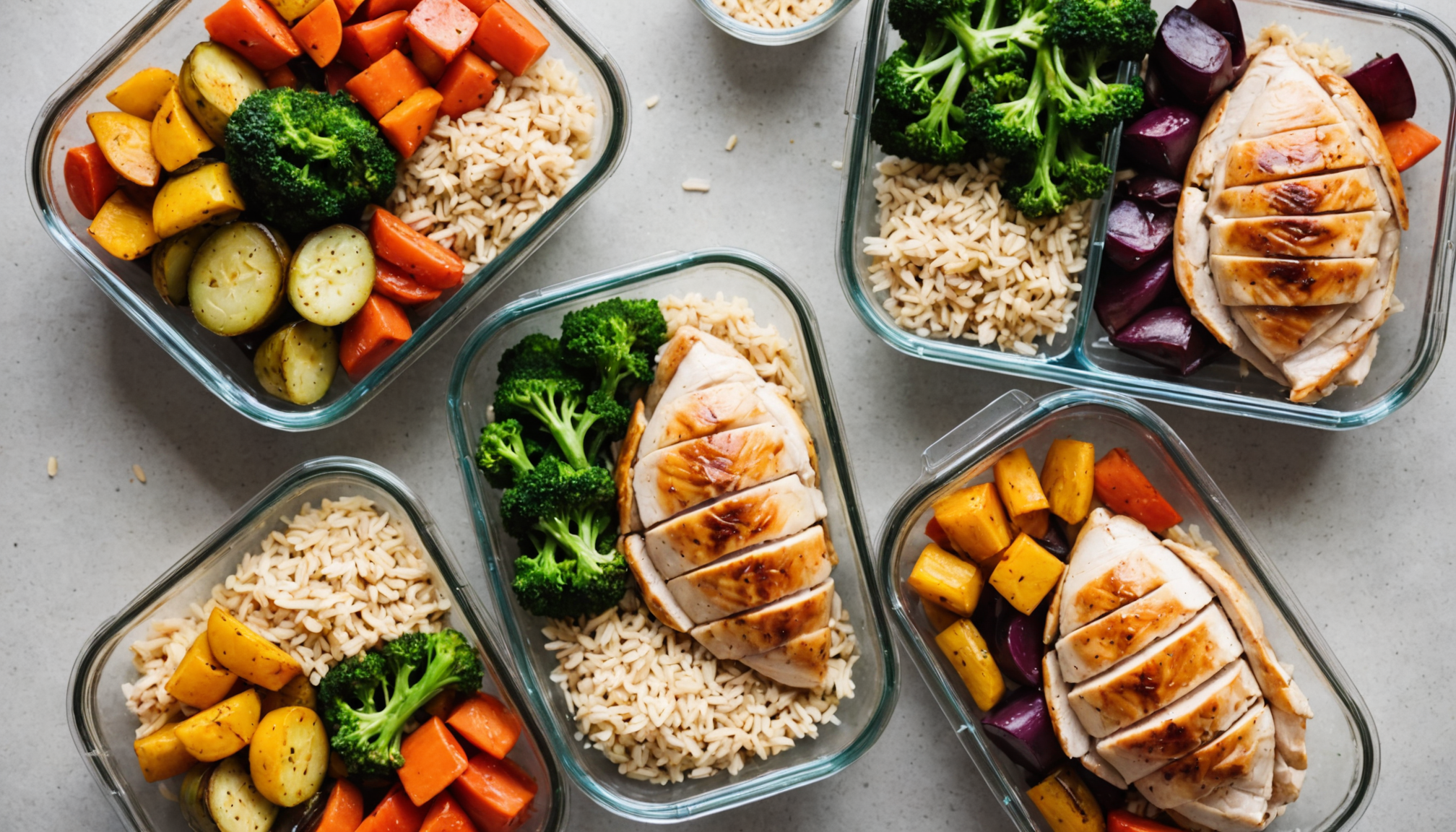 Batch-cooking chicken can completely shift how you feel about weeknights. Instead of wondering, “What’s for dinner?” at 7 p.m., you’re just asking, “Which of my options sounds best?” When you treat cooked chicken as a flexible building block—rather than a one-time meal—you gain time, control over your ingredients, and the freedom to eat in line with your goals without feeling boxed in. It’s one of the most practical ways to turn “easy healthy dinner ideas with chicken” from theory into your actual week.
Think of make-ahead chicken as your nutrition safety net. On the days when work runs late, practice goes overtime, or you’re simply tired, you already have high-quality, ready-to-use protein waiting in the fridge. Because chicken is naturally a lean protein, it slots easily into different eating styles—higher-carb for endurance athletes, lower-carb for those watching blood sugar, or balanced plates for typical family dinners.
A powerful starting point is to cook a big batch of simply seasoned chicken once or twice a week. Use boneless, skinless breasts or thighs, pat them dry, and rub them with olive oil, salt, pepper, garlic powder, and one or two spices you enjoy—paprika, Italian seasoning, or cumin all work. Roast at 400°F until just cooked through, or grill them in batches. Once cooled, slice or shred the meat and store it in airtight containers in the fridge (3–4 days is a safe window) or freezer (up to 2–3 months). This one habit can reduce how often you lean on ultra-processed convenience foods when you’re tired.
From there, you can turn that pre-cooked chicken into fast meals in minutes:
– Toss shredded chicken into a skillet with jarred tomato sauce, spinach, and cooked whole wheat pasta for a quick, balanced bowl.
– Add cubed chicken to a pan of sautéed vegetables and canned beans with spices and broth for a speedy soup or chili.
– Stir it into cooked grains (quinoa, brown rice, farro) with chopped veggies and a drizzle of vinaigrette for instant grain bowls.
– Sprinkle over flatbread or whole grain tortillas with sauce and veggies for “cheater” pizzas or quesadillas.
Each of these takes advantage of protein you’ve already prepared, so the remaining steps are mostly assembling and reheating, not “cooking from scratch.” Notice how your choices change when the hardest part of the meal is already done—do you feel more curious to try a new vegetable or spice combo when dinner is 10 minutes away instead of 45?
For many people, lunch is the weak link in their healthy eating pattern. Packing or prepping chicken-based lunches ahead of time can help you avoid the mid-day scramble that leads to random snacks or heavy takeout. One simple strategy is to assemble “mix-and-match” containers on Sunday or Monday:
– In compartment-style containers, add:
– 1 portion of cooked chicken (3–4 ounces)
– 1 serving of a cooked grain (½–1 cup brown rice, quinoa, barley, or whole grain pasta)
– 1–2 cups of vegetables (raw like carrots and cucumbers, or roasted like Brussels sprouts and peppers)
– Keep dressings, sauces, or toppings (like nuts, seeds, and cheese) in small side containers so everything stays fresh and crisp.
With this setup, you can switch the personality of the meal just by changing the sauce or seasoning: a lemon-herb vinaigrette one day, a spoonful of salsa and Greek yogurt the next, a peanut or tahini dressing later in the week. You’re essentially running your own mini “healthy fast food” station, but with full control over sodium, added sugars, and fats.
Another game-changing approach is to build full “freezer kits” that turn into dinners with almost no thinking. Assemble uncooked ingredients that can cook together later:
– For a slow cooker or Instant Pot:
– Add raw chicken pieces to a freezer bag with:
– Frozen vegetables (like mixed peppers and onions, or broccoli and carrots)
– A simple sauce (tomato sauce with herbs; a mix of broth, garlic, and lemon; or a light coconut milk–curry mixture)
– Label the bag with the contents and cooking instructions (time and setting).
– On a busy morning, dump the frozen contents into the slow cooker, press start, and come home to a hot meal.
– For oven-ready bakes:
– In a freezer-safe dish, layer:
– Raw chicken, a modest amount of whole grain (like par-cooked brown rice or farro), and sturdy vegetables (carrots, cauliflower, broccoli stems)
– Enough broth or sauce to keep everything moist
– Freeze, then thaw in the fridge overnight and bake when needed.
These strategies respect the reality that motivation and time change from day to day. What could you prep in a calm hour on the weekend that would save you from ordering takeout on your most chaotic evenings?
For athletes and very active people, meal prep with chicken can help you consistently hit your protein targets without feeling chained to the kitchen. Consider cooking chicken in two or three different flavor profiles at once to avoid boredom: a lemon-herb batch, a smoky paprika–cumin batch, and a neutral salt-and-pepper batch. Pair them with pre-cooked grains and prepped vegetables so you can assemble performance-focused plates quickly:
– Post-workout:
– Chicken + brown rice or quinoa + roasted sweet potatoes + mixed vegetables
– Lighter fuel before training:
– Chicken + a small serving of whole grain + extra vegetables and fruit on the side
– Higher-fat, lower-carb evening meal:
– Chicken tossed with roasted non-starchy vegetables and avocado or nuts over leafy greens
By planning these combinations ahead, you reduce decision fatigue and support recovery with foods you actually enjoy. How might your training feel different if your meals were consistently aligned with your energy needs instead of whatever happens to be available?
For family dinners, make-ahead chicken brings calm to the evening rush. If the protein is already cooked, you can build a full meal in 15–20 minutes around it, even when everyone’s on a slightly different schedule. Try:
– A “taco night” with warmed shredded chicken, whole grain tortillas, beans, and a spread of toppings.
– DIY rice or grain bowls with chicken, steamed or roasted veggies, and a simple sauce.
– Speedy stir-fries made by tossing pre-cooked chicken into a hot pan with frozen vegetables, a quick soy–ginger sauce, and microwaveable brown rice.
Let each family member assemble their own plate based on appetite and preferences. You set the foundation—lean protein, vegetables, smart carbs—and everyone builds from there. Over time, kids (and adults) see that nutritious meals can be flexible and personal rather than rigid or restrictive, which makes long-term healthy habits more realistic.
A practical detail that matters for both taste and safety is how you store your prepped chicken. Cool cooked chicken quickly (within two hours) by spreading it out in a shallow dish before refrigerating in airtight containers. Use most cooked chicken within three to four days, or freeze portions you won’t get to in that time. When reheating, bring it to steaming hot (165°F) but avoid overcooking; a splash of broth, a bit of olive oil, or a sauce can help keep it moist. How would your weekly rhythm change if you always had safe, ready-to-use protein waiting for you?
As you experiment with make-ahead chicken, you might notice your mindset shifting from “I don’t have time to eat healthy” to “I design my week so that healthy is my default.” Once that happens, curiosity tends to grow. You may find yourself wondering: what new spices could I try? Which vegetables keep best for prep? How can I tweak portions to match my personal goals? Those questions are signs that you’re not just following recipes—you’re learning to think like your own nutrition coach.
- How long can I safely store cooked chicken for meal prep?
- Cooked chicken keeps well in the refrigerator for about 3–4 days when stored in airtight containers and cooled promptly. For longer storage, freeze it in portions and use it within 2–3 months for best flavor and texture.
- What’s the healthiest way to cook chicken for make-ahead meals?
- Baking, grilling, poaching, or using an air fryer with a small amount of healthy fat (like olive oil) all work well for lean protein. Avoid heavy breading and deep-frying, which add extra refined carbs and saturated fat without improving nutrition.
- How do I keep reheated chicken from becoming dry?
- Store chicken in slices or chunks rather than very thin shreds, and reheat gently with a splash of broth, water, or sauce. Cover the dish when warming in the microwave or oven to trap steam and preserve moisture.
- Can I use rotisserie chicken for easy healthy dinner ideas?
- Yes, rotisserie chicken can be a convenient shortcut, especially if you remove the skin and focus on the white and dark meat. Just be mindful of sodium content and balance it with plenty of vegetables and minimally processed sides.
- How much chicken should I prep per week?
- Many people find that prepping 1–2 pounds of chicken is enough for several lunches and a couple of dinners, but your ideal amount depends on your household size and protein needs. A common guideline is 3–4 ounces of cooked chicken per meal per person.
- Is it safe to reheat chicken more than once?
- For best food safety and quality, it’s ideal to reheat cooked chicken only once. If you anticipate multiple meals, store it in single-meal portions so you only warm what you plan to eat that day.
- How can I keep meal-prepped chicken from tasting boring?
- Cook different batches with different spice blends—Mediterranean herbs, smoky fajita seasoning, curry spices—so your chicken recipes feel varied even when the base ingredient is the same. Pair each flavor with matching sauces, grains, and vegetables to create completely different meals from one round of prep.

Leave a Reply