
- Weeknight veggie-packed mains
- Lean protein dishes in a hurry
- One-pan and sheet-pan suppers
- Healthy pastas, grains, and bowls
- Make-ahead shortcuts for busy nights
Let’s be honest: getting more vegetables into your weekday dinners isn’t about perfection, it’s about strategy. You’ve got 30 minutes—maybe less—kids are hungry, emails are still coming in, or you’ve just finished a workout and your legs feel like jelly. This is where veggie-packed mains earn their place. We’re not talking about sad side salads. We’re talking about full-on healthy dinners where vegetables carry the plate, taste incredible, and still feel like comfort food.
From a nutrition standpoint, loading up on vegetables during your evening meal is one of the simplest ways to improve overall diet quality—more fiber, more vitamins, more minerals, and usually fewer excess calories and refined carbs. Research consistently links higher vegetable intake with lower risk of heart disease, type 2 diabetes, and certain cancers, plus better weight management and gut health (Harvard T.H. Chan School of Public Health, 2023). That sounds fancy, but in real life it just means: more energy, better recovery after workouts, fewer afternoon crashes, and a smoother digestion game.
Now, the catch: vegetables can be a total drag if you treat them badly—overcooked, under-seasoned, or drowned in heavy sauces. So the mindset shift is this: build the plate around vegetables the way you’d normally build around pasta or meat. Choose fast-cooking veg, cut them small so they cook even faster, use high heat, and season like you mean it. That’s how you turn “I should eat more vegetables” into “I’d actually make this again.” These are the kinds of easy healthy dinner ideas you can repeat on autopilot.
Here’s how to make weeknight veggie mains work, no drama, no fuss.
1. Stir-fry: the 15-minute vegetable workhorse
A stir-fry is basically controlled chaos in a pan—and that’s why it’s perfect for busy nights. You use high heat, quick cooking, and loads of vegetables, then balance it out with a simple sauce. The key is order and prep.
- Pick your veg: fast-cooking options like bell peppers, snap peas, broccoli florets, shredded cabbage, carrots (thinly sliced), mushrooms, spinach or baby kale.
- Cut everything small and uniform: the smaller the cut, the faster it cooks. No giant broccoli trees, just bite-sized pieces.
- Start with aromatics: garlic, ginger, green onions. They turn a pile of veg into something that actually tastes restaurant-level.
Here’s a quick framework you can use with whatever you’ve got in the fridge:
- Heat a tablespoon of olive or avocado oil in a big pan or wok.
- Add minced garlic and ginger, cook 30 seconds until fragrant.
- Toss in harder veg first (carrots, broccoli, green beans), cook 3–4 minutes.
- Add softer veg (peppers, mushrooms, snap peas), cook another 3–4 minutes.
- Finish with leafy greens (spinach, baby kale), toss just until wilted.
- Splash in soy sauce or tamari, a drizzle of rice vinegar or lime, maybe a squeeze of honey or a pinch of chili flakes.
Serve this over microwaved brown rice, quinoa, or even leftover spaghetti if that’s what you’ve got. For athletes and gym-goers, this is an ideal base—add tofu, edamame, rotisserie chicken, or a fried egg on top and you’ve got a balanced plate with carbs for energy, protein for recovery, and a ton of micronutrients.
2. Sheet-pan roasted veggie “dinners in a tray”
If you’re coming home shattered from work or class and don’t want to babysit a pan, the oven is your friend. Roasting concentrates flavor, caramelizes edges, and makes vegetables taste like they belong in a restaurant, not just a diet plan. Studies show that people eat more vegetables when they’re cooked in more appealing ways—roasting does exactly that (Slavin & Lloyd, 2012).
Think in three zones on one sheet pan:
- Base veg: sweet potatoes, carrots, cauliflower, broccoli, Brussels sprouts, red onions.
- Quick veg: cherry tomatoes, zucchini, bell peppers, mushrooms.
- Protein top-up (if you want): chickpeas from a can (drained and dried), cubes of tofu, or halloumi for a bit of indulgence.
Rough blueprint:
- Preheat oven to 425°F (220°C). Hot is key—this is where you get those crispy edges.
- Toss base veg with olive oil, salt, pepper, garlic powder, and a pinch of smoked paprika.
- Spread in a single layer and roast 12–15 minutes.
- Add your quick veg and chickpeas or tofu, toss everything right on the tray, and roast another 10–12 minutes until browned and tender.
- Finish with a squeeze of lemon and a drizzle of yogurt + lemon + garlic sauce or tahini + lemon + water + salt.
Serve over pre-cooked grains or with whole-wheat pita. For families, this is a brilliant “DIY bowl” setup—put the tray in the middle, grains on the side, sauce in a little jug, and let everyone build their own plate. Kids are way more likely to taste veggies when they can choose their own bits.
3. Veggie-loaded tacos and wraps
Tacos and wraps are a psychological trick: the format screams comfort food, but you can absolutely pack them with vegetables and still have them feel like Friday night. You’re aiming for 50–70% veg in the filling, plus a bit of protein and something creamy to tie it together.
Try this “Tuesday night, no time” setup:
- Sauté onions and peppers with a little oil, chili powder, cumin, and garlic.
- Add black beans or lentils from a can (drained and rinsed), warm through.
- Fold in chopped spinach or shredded cabbage at the end for extra volume and crunch.
- Serve in corn or whole-wheat tortillas with salsa, a spoon of Greek yogurt, avocado, and a squeeze of lime.
For sport-minded readers, this is a solid recovery option: carbs from the tortillas and beans, protein from the beans and Greek yogurt, and fiber to keep blood sugar steadier, which is linked to better energy and satiety after meals (Ludwig, 2002). For college students, everything here is pantry-friendly and forgiving—you can burn the onions a bit and it’ll still taste good under salsa.
4. “Fridge clean-out” frittatas and skillet bakes
Egg-based dishes are one of the smartest moves when you want 30 minute meals that are high in protein and heavy on veggies. A frittata or crustless quiche is essentially a vehicle to use up sad-looking produce, and it works for dinner just as well as breakfast.
Basic method:
- Preheat oven to 375°F (190°C).
- Sauté any combination of vegetables you’ve got: onions, peppers, spinach, mushrooms, zucchini, leftover roasted veg—season well with salt, pepper, and herbs.
- Whisk eggs with a splash of milk or unsweetened plant milk, add a pinch of salt and pepper.
- Spread the vegetables evenly in an oven-safe skillet or baking dish, pour the eggs over, sprinkle with a little cheese if you like.
- Bake 12–18 minutes until just set in the center.
Slice it into wedges and serve with a quick side salad or some toast. Great for families because you can make a large pan and eat leftovers for breakfast or lunch. Also brilliant for meal prep—protein + vegetables in one go. Research shows that high-protein meals help keep you fuller longer and can support weight management and muscle maintenance (Leidy et al., 2015), so this kind of dish earns its place in a weekly routine.
5. Big, bold “meal salads” that actually fill you up
If your idea of salad is a few leaves and a tomato, no wonder it doesn’t work for dinner. A proper meal salad should be heavy in the bowl and satisfying. You want contrast: something crunchy, something creamy, something fresh, something warm. And you want volume—lots of low-energy-density foods like leafy greens and raw veg, which are strongly associated with lower calorie intake and better long-term weight control (Rolls, 2009).
Use this structure for quick recipes you can remix every week:
- Base: mixed greens, romaine, shredded kale, or cabbage.
- Color & crunch: shredded carrots, cucumbers, radishes, bell peppers, cherry tomatoes, shredded red cabbage.
- Heft: roasted sweet potato cubes, chickpeas, lentils, quinoa, or farro.
- Protein: boiled eggs, canned tuna or salmon, grilled chicken strips, tofu, or tempeh.
- Fat & flavor: avocado, feta, seeds (pumpkin, sunflower), nuts, plus a punchy dressing.
For the dressing, keep a simple go-to in your head: olive oil + lemon or vinegar + Dijon mustard + salt + pepper. Shake it in a jar. Done. Once you get the hang of it, these become your easiest weeknight 30 minute meals, because there’s no timing stress—just assemble, toss, and eat.
6. Plant-based skillet “comfort bowls”
Some nights you want something that eats like comfort food but doesn’t sit in your stomach like a brick. Enter plant-based skillets—things like lentil Bolognese, chickpea and spinach curry, or bean-and-veg chili. They’re one-pot, forgiving, and perfect for feeding families or roommates.
Here’s a fast chickpea and spinach skillet you can riff on:
- Sauté onions and garlic in olive oil until soft.
- Add a spoonful of curry powder or garam masala, toast for 30 seconds.
- Pour in a can of diced tomatoes and a can of coconut milk (or half, plus water if you want it lighter).
- Add canned chickpeas (rinsed) and simmer 8–10 minutes.
- Stir in a big handful of spinach or frozen peas at the end, cook until just wilted.
Serve over microwaved rice or with naan. For athletes, this kind of meal gives a good carbohydrate base with plant protein and healthy fats, ideal for post-training evenings. For busy professionals, it’s minimal chopping, maximum reward, and you can eat it on the sofa without feeling like you’re destroying your nutrition plan for the week.
The real win with all of these veggie-packed mains is that they’re flexible. You don’t need every ingredient, you just need the structure: high veg volume, enough protein, some healthy fat, and strong seasoning. Rotate stir-fries, sheet pans, tacos, frittatas, big salads, and cozy skillets, and suddenly “what’s for dinner?” turns into a short list of go-to healthy dinners you can cook on autopilot—even on the longest days.
Lean protein dishes in a hurry
– Building dinners around lean protein is one of the most efficient ways to get full, support muscle recovery, and keep energy stable—all without spending an hour in the kitchen. The trick is choosing proteins that cook fast (or are already cooked), then pairing them with vegetables and smart carbs so you’ve got a complete plate. Think of these as plug-and-play templates you can rotate through the week whenever you need truly easy healthy dinner ideas.
– A smart strategy is to keep a few “hero” proteins on hand that transform into multiple 30 minute meals:
– Rotisserie chicken
– Canned tuna or salmon
– Extra-firm tofu or tempeh
– Shrimp (fresh or frozen)
– Lean ground turkey or chicken
– Eggs and egg whites
– Plain Greek yogurt and cottage cheese
– When you combine these with frozen vegetables, pre-washed greens, and fast-cooking grains like quinoa or microwaveable brown rice, you can have healthy dinners ready before takeout would even arrive.
– Here are practical ways to turn lean protein into satisfying meals on busy nights:
– Rotisserie chicken “instant upgrades”:
– Shred or dice the chicken as soon as you bring it home and store it in the fridge so it’s ready to grab.
– Use it in:
– Quick burrito bowls:
– Warm canned black beans with cumin, garlic powder, and a splash of salsa.
– Heat microwaveable brown rice or quinoa.
– Pile into a bowl with rotisserie chicken, shredded lettuce, corn, and avocado.
– Top with Greek yogurt mixed with lime and a pinch of salt instead of sour cream.
– 10-minute salad plates:
– Toss mixed greens, cucumber, cherry tomatoes, and shredded carrots with olive oil and vinegar.
– Add a big handful of chicken and a sprinkle of nuts or seeds.
– Serve with a slice of whole-grain toast or a small baked potato for extra carbs if you’re active.
– Speedy flatbread pizzas:
– Use whole-wheat pita or naan.
– Spread with tomato sauce or pesto, top with chicken, spinach, and a little mozzarella.
– Bake at 400°F (205°C) for 8–10 minutes until crisp and bubbly.
– Shrimp: the ultra-fast protein:
– Shrimp cooks in about 4–5 minutes, straight from thawed or quickly rinsed frozen shrimp.
– Keep a bag of peeled, deveined shrimp in your freezer for last-minute meals.
– Try:
– Garlic-lime shrimp skillet:
– Sauté minced garlic in olive oil until fragrant.
– Add shrimp, salt, pepper, and a pinch of chili flakes.
– Cook 2–3 minutes per side until pink and opaque.
– Squeeze over lime juice and toss with chopped cilantro.
– Serve with:
– A bag of microwave-steamed broccoli or green beans.
– Pre-cooked rice, farro, or cauliflower rice for a low-carb option.
– Shrimp taco night:
– Toss shrimp with chili powder, cumin, paprika, and a drizzle of oil.
– Sear in a hot pan 2–3 minutes per side.
– Serve in corn tortillas with:
– Shredded cabbage or coleslaw mix.
– Pico de gallo or jarred salsa.
– A drizzle of Greek yogurt thinned with lime juice and salt.
– Lean ground turkey or chicken “one-pan crumbles”:
– Ground poultry cooks quickly and absorbs flavor, making it perfect for quick recipes that still feel hearty.
– Use a nonstick pan and break the meat up finely so it cooks evenly and fast.
– Ideas:
– 15-minute turkey lettuce wraps:
– Brown lean ground turkey with garlic and ginger.
– Add soy sauce or tamari, a spoon of hoisin or a drizzle of honey, and a splash of rice vinegar.
– Toss in shredded carrots or coleslaw mix and sliced green onions.
– Spoon into lettuce leaves (butter lettuce or romaine) and top with crushed peanuts or cashews.
– Weeknight turkey skillet “chili”:
– Sauté onion and bell pepper until soft.
– Add ground turkey and brown with chili powder, cumin, and smoked paprika.
– Stir in canned tomatoes and canned beans, simmer 8–10 minutes.
– Serve over rice or baked sweet potatoes, or with a side of steamed frozen veggies.
– Tofu and tempeh for fast plant protein:
– Extra-firm tofu and tempeh are excellent for anyone wanting more plant-based protein without sacrificing convenience.
– Press tofu quickly in a clean towel to remove excess moisture; tempeh can go straight into the pan or be steamed a few minutes to soften flavor.
– Easy uses:
– Crispy tofu cubes:
– Cut tofu into cubes and toss with cornstarch or arrowroot, garlic powder, salt, and pepper.
– Pan-sear in a little oil until golden on all sides, 8–10 minutes.
– Toss with a simple sauce made from soy sauce, honey or maple syrup, and a splash of rice vinegar.
– Serve over stir-fried vegetables and microwave rice or soba noodles.
– Tempeh “ground meat” crumbles:
– Crumble tempeh into a pan with a little oil.
– Add taco seasoning or your own mix of chili powder, cumin, and garlic.
– Stir in a splash of water or broth and cook 5–7 minutes until browned.
– Use in tacos, burritos, or over salad bowls in place of ground meat.
– Canned tuna or salmon “no-cook” solutions:
– Shelf-stable and protein-dense, canned fish is a go-to when you don’t even want to turn on the stove.
– Look for tuna or salmon packed in water, then add your own healthy fats like olive oil or avocado.
– Simple meals:
– Mediterranean tuna salad plate:
– Mix canned tuna with olive oil, lemon juice, salt, pepper, chopped parsley, and diced cucumber.
– Serve with:
– Cherry tomatoes, olives, and sliced bell peppers.
– Whole-grain crackers or a slice of whole-wheat toast.
– Salmon-stuffed avocados:
– Mash canned salmon with Greek yogurt, Dijon mustard, and chopped celery.
– Spoon into avocado halves.
– Serve with a pile of mixed greens dressed in olive oil and vinegar.
– Egg-based dinners that feel substantial:
– Eggs are a near-perfect lean protein for busy nights, and they cook in minutes.
– Ideal when you want healthy dinners but the fridge looks empty.
– Options:
– 10-minute veggie scramble:
– Sauté any chopped vegetables you have—spinach, peppers, mushrooms, onion—in a bit of olive oil.
– Whisk eggs with a splash of milk, salt, and pepper.
– Pour over the vegetables and gently scramble until just set.
– Serve with whole-grain toast or leftover roasted potatoes.
– Protein-packed egg and bean toast:
– Toast whole-grain bread.
– Smash white beans or chickpeas with olive oil, lemon, salt, and pepper; spread on toast.
– Top with a fried or poached egg and a sprinkle of red pepper flakes.
– Greek yogurt and cottage cheese “protein bowls”:
– These are especially useful if you’ve trained late, are too tired to cook, or it’s hot and you don’t want to turn on any heat.
– They can lean savory or sweet, depending on your mood.
– Savory yogurt bowl:
– Spread plain Greek yogurt in a shallow bowl.
– Top with sliced cucumbers, cherry tomatoes, olives, and leftover cooked chicken or chickpeas.
– Drizzle with olive oil and sprinkle with salt, pepper, and dried oregano.
– Cottage cheese power bowl:
– Add cottage cheese to a bowl.
– Top with sliced fruit, nuts or seeds, and a drizzle of honey for a higher-carb option after workouts.
– Or go savory with cherry tomatoes, avocado cubes, and everything bagel seasoning.
– To make these lean protein dishes truly work on weeknights, focus on simple habits that shave minutes off your routine:
– Keep at least one cooked protein ready for the week (rotisserie chicken, baked tofu, or a batch of turkey crumbles).
– Stock your freezer with shrimp and frozen vegetables.
– Use microwaveable whole grains and pre-cut or pre-washed produce whenever your time or energy is low.
– Rely on a few “house sauces” you can make in 2–3 minutes—like yogurt-lime, tahini-lemon, or soy-ginger—to turn basic ingredients into something that tastes restaurant-level.
– Once you’ve got these pieces in place, “What’s for dinner?” becomes a matter of assembling parts rather than starting from zero. Lean protein, quick-cooking vegetables, and simple seasonings are the backbone of 30 minute meals that support your health, performance, and busy schedule without sacrificing flavor.
One-pan and sheet-pan suppers
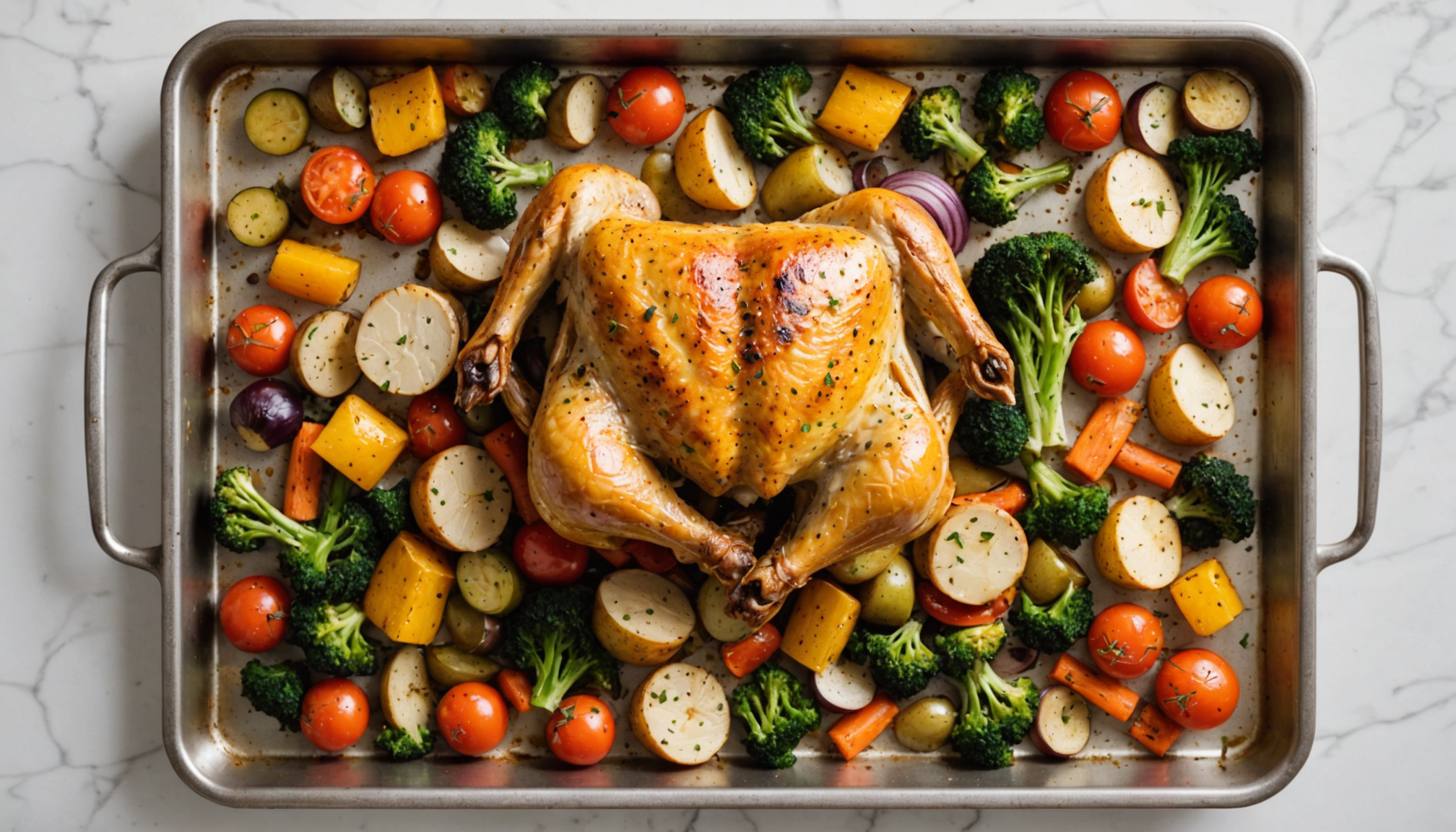
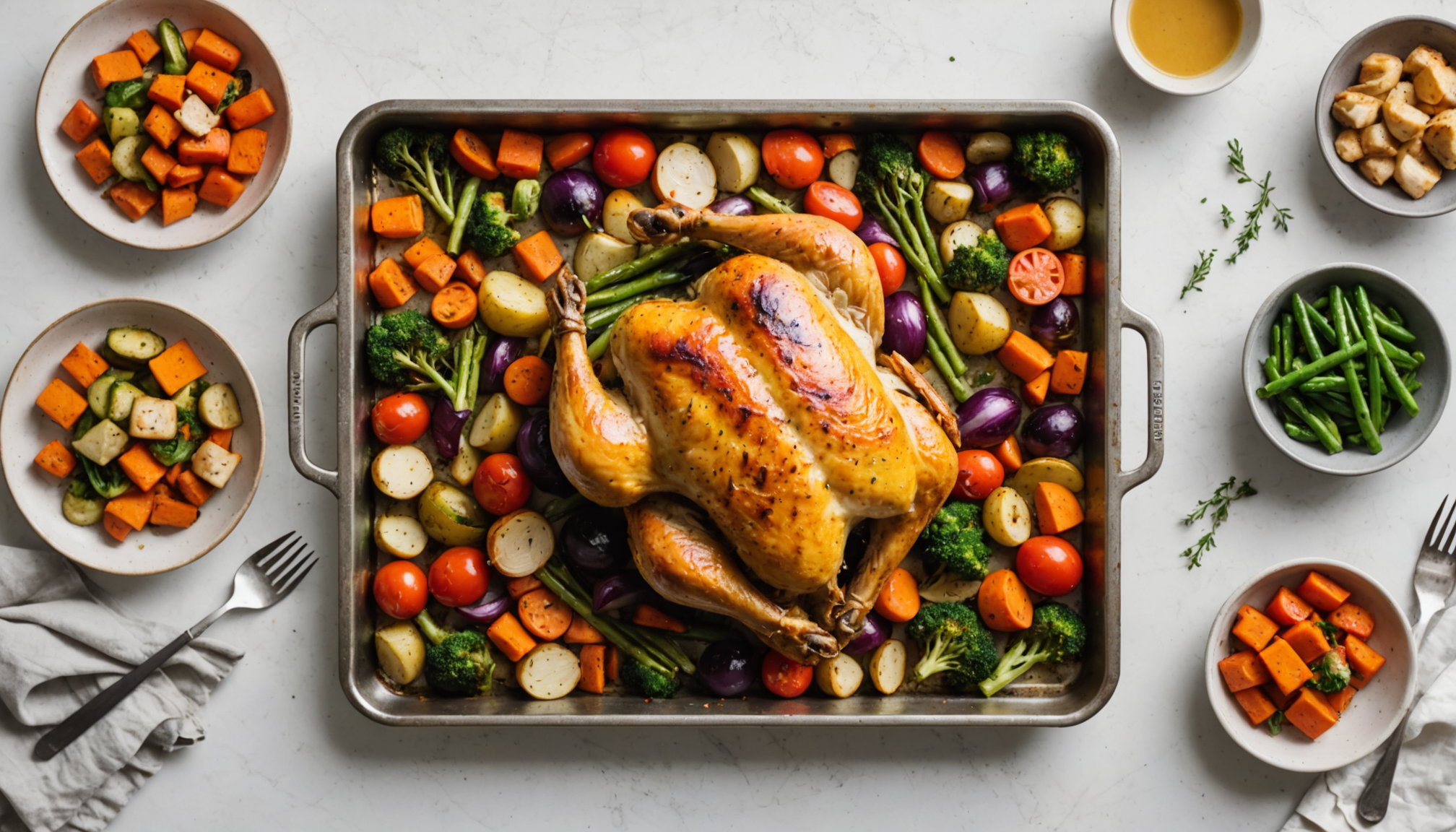
There is something so satisfying about getting dinner on the table with just one pan to wash. When life is busy—work, workouts, homework, late classes—one-pan and sheet-pan meals are like a little gift you give your future self. You still get nourishing, cozy, healthy dinners, but cleanup is basically one quick rinse and you’re done. These kinds of easy healthy dinner ideas are perfect for families juggling activities, professionals getting home late, and students who don’t have access to a full kitchen or a dishwasher.
The beauty here is in the structure: you put your protein and vegetables together, add a fast-cooking carb if you want it, season well, then let the oven or stovetop do most of the work. Once you understand those basic “formulas,” you can improvise with what you already have instead of following a strict recipe every time.
1. Sheet-pan chicken and vegetables three ways
Chicken and vegetables on a sheet pan is truly a weeknight classic. It checks all the boxes: protein, veggies, optional starch, and minimal prep. You can keep the base the same and change up the seasonings to avoid getting bored.
Core method (works for chicken thighs or chicken breast cutlets):
- Preheat the oven to 425°F (220°C).
- Line a sheet pan with parchment paper for easy cleanup.
- Choose your vegetables:
- Fast-roasting: broccoli florets, bell peppers, red onion, zucchini, cherry tomatoes, green beans.
- Slower-roasting: potatoes, sweet potatoes, carrots—cut these smaller to help them cook in under 30 minutes.
- Toss veggies in olive oil, salt, pepper, and your seasoning blend of choice.
- Season chicken on both sides, place on the same tray.
- Roast 18–25 minutes, depending on cut and size, until the chicken is cooked through and veggies are browned at the edges.
To keep things fun, rotate flavors:
- Lemon herb: Use garlic powder, dried oregano, dried basil, and a squeeze of lemon at the end. Pair with potatoes, green beans, and red onions.
- Smoky paprika: Toss everything with smoked paprika, cumin, and a pinch of chili powder. Great with sweet potatoes, broccoli, and peppers.
- Garlic Parmesan: Season with garlic powder and Italian seasoning. Sprinkle grated Parmesan during the last 5 minutes of roasting. Add zucchini, cherry tomatoes, and mushrooms.
For active adults and athletes, serve this over microwaveable brown rice or quinoa for extra carbs. For families, just set the sheet pan on the table with a bowl of whole-grain bread on the side and let everyone fill their own plates. This is the kind of meal where you can double the tray and turn leftovers into tomorrow’s lunch salad or wraps.
2. One-pan skillet “meals in minutes”
Stovetop skillet dinners are perfect when you want that “made from scratch” feeling but don’t have the brain space to juggle multiple pots. Everything cooks in layers: aromatics, protein, vegetables, then a sauce or quick grain. If you can sauté onions, you can make a one-pan meal.
Here is a flexible formula for a 20–25 minute skillet dinner:
- Step 1 – aromatics: Heat a tablespoon of olive oil in a large skillet. Add chopped onion and garlic; cook 3–4 minutes until soft and fragrant.
- Step 2 – protein: Add lean ground turkey, chicken, beef, or crumbled tofu/tempeh. Season with salt, pepper, and your favorite spices (Italian seasoning, taco seasoning, curry powder—whatever matches your mood). Cook until no longer pink, about 5–7 minutes.
- Step 3 – vegetables: Stir in chopped vegetables. Good fast options are zucchini, spinach, bell peppers, mushrooms, canned tomatoes, or frozen mixed vegetables. Cook another 5–8 minutes.
- Step 4 – “sauce” or grain: Add a can of crushed tomatoes, a splash of broth, or even a little pesto or marinara. Or stir in pre-cooked grains like leftover rice or quinoa so it becomes a full meal in one pan.
Examples of how this can look in real life:
- Italian-style skillet: Ground turkey + garlic + Italian seasoning + canned tomatoes + spinach + a handful of cooked pasta shells. Top with a sprinkle of mozzarella and cover for 2 minutes to melt.
- Tex-Mex skillet: Lean ground beef or tempeh + chili powder + cumin + canned black beans + corn + peppers + salsa. Serve straight from the pan with tortillas or spooned over rice.
- Veggie-packed tofu skillet: Crumbled tofu + soy sauce + garlic + ginger + frozen stir-fry vegetables + a drizzle of sesame oil at the end. Serve over microwaveable rice or soba noodles.
This kind of one-pan cooking is ideal for college students with limited space and equipment. One skillet, one spatula, and 20 minutes gets you a home-cooked dinner that keeps you full and energized for late-night study sessions or early-morning lifts.
3. Salmon and veggie sheet pans for omega-3 power
If you are trying to eat more fish but find it intimidating, the sheet pan is your best friend. You season everything once, slide it in the oven, and you are done. Salmon in particular is rich in omega-3 fats, which are linked with heart health and may support recovery and reduced inflammation for active folks.
Quick salmon sheet-pan method:
- Preheat oven to 400°F (205°C).
- Place salmon fillets skin-side down on one side of a parchment-lined sheet pan.
- On the other side, pile your vegetables—think asparagus, green beans, broccoli, or sliced zucchini and red peppers.
- Drizzle everything with olive oil, then season with salt, pepper, garlic powder, and either:
- Lemon zest + dried dill
- Smoked paprika + cumin
- A mix of soy sauce + honey + minced garlic (brush this on the salmon)
- Roast 12–15 minutes, depending on the thickness of the salmon, until it flakes easily with a fork and the veggies are tender-crisp.
If you want to keep things super quick, serve this with instant brown rice, microwave quinoa, or even whole-grain couscous, which cooks in about 5 minutes. For busy professionals getting home late, this is a perfect “hands-off” option: you can quickly prep it, pop it in the oven, then change out of work clothes or answer a couple of emails while it bakes.
4. One-pan sausage, veggies, and potatoes
For nights when you want something heartier that still fits with your health goals, lean sausages on a tray with vegetables and potatoes are a great compromise. Choose chicken or turkey sausage with simple ingredients, and let the oven do the caramelizing.
Here is a basic blueprint:
- Preheat oven to 425°F (220°C).
- Slice baby potatoes in halves or quarters so they roast quickly.
- Chop bell peppers and red onions into thick strips, and add some broccoli or Brussels sprouts if you like.
- Toss all the vegetables with olive oil, salt, pepper, smoked paprika, and dried thyme.
- Spread on a sheet pan, then nestle whole or sliced sausages on top.
- Roast 20–25 minutes, flipping halfway, until the potatoes are tender and the sausage is browned.
This one is so family-friendly because the components are familiar and you can easily tweak portions. Kids may go heavier on the sausage and potatoes; adults and athletes can stack on the veggies and add a side of salad. Either way, you’re still getting a balanced plate with protein, complex carbs, and fiber.
5. One-pot grain and veggie skillets
One of the best secrets for true 30 minute meals is using grains that can simmer right in the pan with your protein and vegetables. Think of it like a lighter, faster take on risotto or paella—no constant stirring needed. Everything cooks together and the grains soak up all the flavor.
Fast options that work well in one-pot skillets:
- Quick-cooking brown rice (or parboiled rice)
- Quinoa
- Bulgur
- Small pasta shapes like orzo
Simple one-pot chicken and quinoa skillet:
- Sauté onion and garlic in olive oil until soft.
- Add small pieces of chicken breast or thigh, season with salt, pepper, and paprika, and cook until lightly browned.
- Stir in rinsed quinoa and toast it in the pan for 1–2 minutes.
- Pour in chicken or vegetable broth (check your quinoa package for ratios, usually about 2 parts liquid to 1 part quinoa).
- Add chopped vegetables like peppers, zucchini, and spinach.
- Cover and simmer 15 minutes, until the quinoa is fluffy and the liquid is absorbed.
This style of dish works beautifully for meal prep. Make a big batch once, and you have lunches ready for a couple of days. For athletes, this is the type of “all-in-one” bowl that hits protein, carbs, and micronutrients for recovery without feeling heavy.
6. Sheet-pan “build-your-own” dinners for picky eaters
If you are cooking for people with different preferences—kids, roommates, partners—it can feel exhausting to make separate meals. Sheet-pan “bars” are a great compromise. You roast a mix of proteins and vegetables on one or two trays, then let everyone assemble their own bowls, wraps, or plates from the same base ingredients.
Here is how to set it up without extra work:
- On one tray, roast bite-sized chicken, tofu cubes, and maybe some shrimp (added halfway if needed) with a neutral seasoning like garlic, salt, pepper, and a little olive oil.
- On a second tray, roast a big mix of veggies: broccoli, peppers, onions, zucchini, carrots—anything you have.
- While they roast, warm a pot of rice or quinoa, or set out whole-wheat tortillas or pitas.
- Put out simple toppings: shredded cheese, avocado slices, salsa, hummus, yogurt-based sauce, or a bottle of your favorite vinaigrette.
Everyone can then decide: wrap, bowl, or plate. One person might make a burrito-style wrap with chicken, peppers, and salsa; another might build a big veggie-forward grain bowl topped with tofu and hummus. You do the roasting once, but it feels customizable and fun—which is key if you are trying to build better eating habits without constant battles at the table.
Once you get comfortable with these one-pan and sheet-pan formulas, dinner really does feel lighter—on time, effort, and dishes. You know you can throw protein and vegetables on a tray or in a skillet, season well, and get a real meal on the table fast. That makes it much easier to stick with healthy dinners on those nights when takeout is calling your name, and it frees up some mental space for the other parts of life you care about just as much as what’s on your plate.
Healthy pastas, grains, and bowls
Pasta, grains, and bowls are often seen as “carb bombs,” but with a few smart tweaks, they can become nutrient-dense, satisfying healthy dinners that still feel like comfort food. The goal is to combine fiber-rich carbs, lean or plant-based proteins, and plenty of vegetables so you get steady energy instead of a crash an hour later. These are the kinds of easy healthy dinner ideas that work after a long day, a hard workout, or a late class.
“Choosing whole grains and pairing them with vegetables and lean proteins improves satiety and supports better weight and blood sugar control compared to refined grains alone.” – summarized from Harvard T.H. Chan School of Public Health (2023)
Here’s how to turn pastas, grains, and bowls into balanced, under-30-minute meals you can put on repeat.
1. Whole-wheat “loaded” weeknight pasta
Instead of a giant bowl of plain pasta with heavy sauce, think of pasta as one part of the meal, not the entire thing. You’re aiming for a bowl that’s at least half vegetables by volume, with a visible source of protein.
- Choose your base pasta:
- Pick whole-wheat, chickpea, lentil, or other high-fiber pasta. These options have more protein and fiber than regular white pasta.
- Measure about 2 ounces of dry pasta per adult (roughly a heaping cup cooked) so carbs stay in balance with everything else.
- Prep fast-cooking vegetables:
- Chop a mix like cherry tomatoes, baby spinach, zucchini, mushrooms, or frozen broccoli florets.
- Cut everything into bite-size pieces so they cook in the same time the pasta does.
- Cook pasta and veg together (time saver):
- Bring a large pot of salted water to a boil.
- Add the pasta and cook according to package directions.
- During the last 3–4 minutes, toss in harder vegetables like broccoli or carrots.
- During the last 1–2 minutes, toss in quick-cooking veg like spinach or peas.
- Drain everything together to save time and dishes.
- Build a light, flavorful sauce:
- In the same pot, heat 1–2 tablespoons olive oil.
- Add minced garlic and a pinch of chili flakes; sauté 30–60 seconds until fragrant.
- Optional: stir in a spoonful of pesto, tomato paste, or a splash of jarred marinara for extra flavor.
- Add protein and finish:
- Return the drained pasta and vegetables to the pot.
- Stir in:
- Canned white beans or chickpeas (rinsed), or
- Cooked chicken, shrimp, or turkey sausage slices, or
- Crumbled tofu or lentils for a plant-based version.
- Toss everything together with salt, pepper, and a squeeze of lemon.
- Top with a little grated Parmesan or nutritional yeast for umami.
This method turns a basic pasta night into one of your go-to 30 minute meals: high in fiber, rich in micronutrients, and still super cozy.
2. 15-minute “any-veg” grain bowls
Grain bowls are like adult lunchboxes: component-based, colorful, and endlessly customizable. When you use quick-cooking grains and prepped ingredients, they come together faster than most takeout.
- Pick a fast whole grain:
- Use:
- Microwaveable brown rice or quinoa packets (90 seconds), or
- Pre-cooked grains from a previous night (stored in the fridge), or
- Couscous or bulgur (often done in 5–10 minutes with just hot water or broth).
- Portion about ½–1 cup cooked grains per person, depending on your hunger and activity level.
- Use:
- Layer in vegetables for volume:
- Use a mix of:
- Raw: shredded carrots, cucumbers, cherry tomatoes, baby spinach, coleslaw mix.
- Cooked: leftover roasted vegetables, frozen peas, sautéed peppers, or a handful of stir-fried greens.
- Aim to make at least half your bowl vegetables for fiber and nutrients.
- Use a mix of:
- Add a convenient protein:
- Choose one:
- Rotisserie chicken or pre-cooked chicken strips.
- Canned beans or lentils, drained and rinsed.
- Canned tuna or salmon.
- Baked tofu, tempeh, or leftover grilled meat.
- Use roughly a palm-sized portion of protein (or ½–1 cup beans) per bowl.
- Choose one:
- Top with healthy fats and crunch:
- Add sliced avocado, a drizzle of olive oil or tahini, or a spoon of hummus.
- Sprinkle on nuts or seeds (pumpkin, sunflower, sesame) for extra texture and staying power.
- Finish with a fast “house sauce”:
- In a small jar or bowl, whisk:
- 2 tablespoons olive oil
- 1 tablespoon lemon juice or vinegar
- ½–1 teaspoon Dijon mustard
- Salt and pepper to taste
- Drizzle over the bowl right before eating and toss lightly.
- In a small jar or bowl, whisk:
This structure works for families, athletes, and students alike: cook a big batch of grains once, then build different bowls all week with whatever protein and vegetables you have on hand.
3. High-protein “one-pot” pasta and grain skillets
One-pot pastas and grain skillets are the perfect blend of comfort and convenience: everything simmers together, flavors meld, and you only wash one pot. This approach keeps starch, protein, and vegetables balanced and is ideal for weeknight healthy dinners.
- Start with aromatics:
- Heat 1 tablespoon olive oil in a large pot or deep skillet.
- Add chopped onion and minced garlic; sauté 3–4 minutes until softened.
- Add protein to brown:
- Stir in lean ground turkey or chicken, crumbled tofu, or diced chicken breast.
- Season with salt, pepper, and a spice blend (Italian herbs, smoked paprika, or curry powder).
- Cook until lightly browned, 5–7 minutes.
- Stir in pasta or grains:
- Add:
- Whole-wheat small pasta shapes (like penne or shells), or
- Quinoa, bulgur, or quick-cooking brown rice.
- Toast for 1–2 minutes, stirring, to deepen flavor.
- Add:
- Add liquid and vegetables:
- Pour in broth and/or crushed tomatoes (check package directions for grain-to-liquid ratios; usually 2:1 for grains, enough to just cover for pasta).
- Add chopped vegetables: zucchini, peppers, frozen peas, spinach, or kale.
- Simmer until tender:
- Bring to a gentle boil, then reduce heat to low.
- Cover and cook, stirring occasionally, until the pasta or grains are tender and most of the liquid is absorbed (usually 10–15 minutes).
- If it starts to look dry before the grains are done, add a splash more broth or water.
- Finish with flavor boosters:
- Stir in:
- A squeeze of lemon or lime juice.
- A spoonful of pesto or grated Parmesan (for Italian-style dishes).
- A swirl of Greek yogurt (off the heat) for creaminess without heavy cream.
- Taste and adjust salt, pepper, and herbs before serving.
- Stir in:
This kind of skillet makes excellent leftovers for lunch and is particularly helpful if you want quick recipes that still feel like “real food” rather than snacks on a plate.
4. Nourish bowls with noodles or rice (hot or cold)
Noodle and rice bowls are a flexible way to use what you have, from leftover roast chicken to that half-bag of coleslaw mix. They can be served warm or cold and adapted to almost any cuisine style.
- Choose your base:
- Use:
- Brown rice, jasmine rice, or cauliflower rice.
- Soba, whole-wheat spaghetti, or rice noodles.
- Cook according to package directions (or reheat leftovers or microwave pouches).
- Use:
- Prep vegetables two ways for contrast:
- Raw/crunchy: shredded cabbage, grated carrots, sliced cucumbers, bell peppers.
- Cooked/soft: steamed broccoli, stir-fried mushrooms, sautéed greens.
- Add protein quickly:
- For warm bowls:
- Stir-fry shrimp, tofu, or thinly sliced beef/chicken with garlic and ginger.
- Or reheat leftover roasted or grilled proteins.
- For cold bowls:
- Use edamame, boiled eggs, canned tuna/salmon, or pre-cooked chicken.
- For warm bowls:
- Mix a simple sauce:
- For an Asian-inspired bowl, stir together:
- 2 tablespoons soy sauce or tamari
- 1 teaspoon sesame oil
- 1 teaspoon honey or maple syrup
- 1 teaspoon rice vinegar or lime juice
- Optional: minced garlic or ginger, chili flakes
- For a Mediterranean-style bowl, whisk:
- Olive oil, lemon juice, garlic, and dried oregano.
- For an Asian-inspired bowl, stir together:
- Assemble your bowl:
- Layer rice or noodles in the bottom of a bowl.
- Top with a generous pile of vegetables.
- Add your protein on top.
- Drizzle with sauce and finish with toppings like sesame seeds, chopped nuts, herbs, or a spoon of Greek yogurt for creaminess.
This format is especially useful if you’re feeding people with different tastes: set everything out “bar style” and let each person build their own combination.
5. Overnight and make-ahead grain bases
One of the smartest ways to make pastas, grains, and bowls weeknight-friendly is to prep the slow part—the grains—ahead. Then, on busy nights, you’re simply reheating and assembling.
- Cook a big batch once:
- On a less busy day, cook:
- 2–3 cups dry brown rice, quinoa, or farro, or
- A full box of whole-wheat pasta.
- Cool completely, then store in airtight containers in the fridge for up to 4 days.
- On a less busy day, cook:
- Store in “ready-to-use” portions:
- Divide cooked grains or pasta into single- or family-size containers.
- Label them with the date so you remember to use them in time.
- Reheat without drying out:
- For grains:
- Add a splash of water or broth, cover, and microwave until hot.
- For pasta:
- Briefly dunk in boiling water for 30–60 seconds, or microwave with a splash of water and sauce.
- For grains:
- Turn into instant meals:
- Combine reheated grains or pasta with:
- Frozen vegetables (steamed in the microwave).
- Pre-cooked protein (rotisserie chicken, beans, tofu).
- A quick dressing or sauce.
- Season to taste and serve in bowls for minimal cleanup.
- Combine reheated grains or pasta with:
This approach turns “I have nothing ready” into “I can have dinner in 10 minutes,” and makes it far easier to rely on wholesome, home-cooked bowls instead of defaulting to takeout.
By leaning on whole grains, high-fiber pastas, and bowl-style meals packed with vegetables and protein, you transform simple staples into fast, balanced, and satisfying options. These structures make it easy to create quick recipes that feel like comfort food but still support your health, performance, and busy schedule.
Make-ahead shortcuts for busy nights
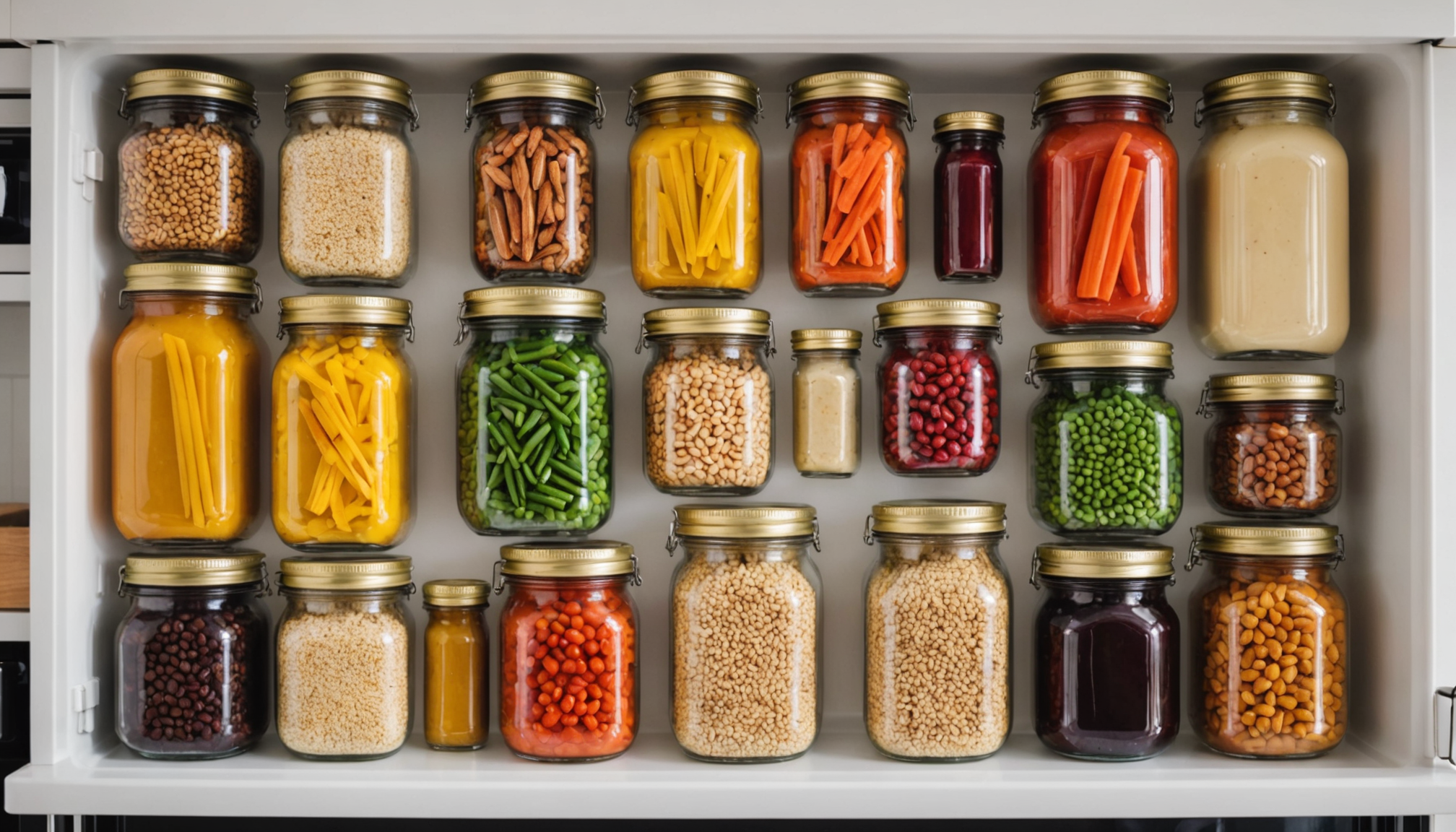 Batch-cooking a few smart components can turn even the most chaotic evenings into calm, 10–15 minute cooking sessions. Instead of starting from zero every night, you’re simply combining building blocks you’ve already prepared: a cooked grain, a ready protein, a jar of sauce, and maybe a container of chopped vegetables. Suddenly, “What’s for dinner?” becomes more like assembling a puzzle than facing a blank page.
Think about what usually slows you down at 6 or 7 p.m.—is it chopping vegetables, waiting for grains to cook, marinating protein, or just decision fatigue? Once you identify your biggest bottleneck, that’s what you target with make-ahead shortcuts. Over time, these habits will quietly turn your kitchen into a kind of “healthy fast food” hub built around your favorite easy healthy dinner ideas.
One of the highest-impact habits is cooking proteins in bulk. On a weekend or a lighter evening, bake or grill a tray of chicken breasts or thighs, press and roast a couple of blocks of tofu, or brown a pound or two of lean ground turkey with basic seasonings (garlic, onion, salt, pepper, maybe a little paprika). Divide into containers and chill. During the week, you can toss that pre-cooked protein into stir-fries, grain bowls, tacos, salads, wraps, or quick soups, with dinner often ready in under 15 minutes. For plant-based eaters, a big batch of lentils or chickpeas works the same magic: make once, use three or four times.
Grains are another smart make-ahead anchor. Cooking a pot of brown rice, quinoa, or farro takes 20–30 minutes, but if you do it once for the next 3–4 days, your weeknight dinners speed up dramatically. Store cooked grains in the fridge and reheat with a splash of water or broth. Then, when you’re exhausted, you can stir-fry some frozen vegetables, add your pre-cooked grain and protein, drizzle on a fast sauce, and you’ve got a complete, balanced meal. Many athletes and active people find that having these carbs prepped helps them actually meet their energy needs without leaning on takeout or ultra-processed snacks.
Vegetables are often where time disappears, especially washing and chopping. Prepping a “veg box” once or twice a week is a powerful shortcut. Wash and chop sturdy vegetables like carrots, bell peppers, cucumbers, celery, red cabbage, or broccoli, then store them in clear containers so they’re visible when you open the fridge. You’re much more likely to toss a handful into a skillet, salad, wrap, or pasta when they’re already ready to go. For softer vegetables or leafy greens, use pre-washed mixes or keep frozen options on hand—frozen spinach, broccoli, peas, and mixed veg are flash-frozen at peak ripeness and retain most nutrients, making them ideal for 30 minute meals.
Sauces and dressings are where flavor—and cravings—live, and having a couple pre-made can turn very simple ingredients into “I’d pay for this in a café” meals. In 10 minutes, you can mix a small rotation: a lemony yogurt sauce (Greek yogurt, lemon, garlic, salt), a tahini-lemon dressing (tahini, lemon juice, water, pinch of salt), and a soy-ginger drizzle (soy sauce or tamari, grated ginger, a little honey, rice vinegar). Store them in jars in the fridge. When you get home tired, you can roast whatever vegetables you have, warm your pre-cooked protein and grains, and finish with one of these sauces. The plate feels intentional and satisfying, not like random leftovers.
If your evenings are particularly intense—late shifts, kids’ activities, or training sessions—consider “full meal prep” for at least a few nights. That might look like cooking two sheet pans on Sunday: one with chicken and mixed vegetables, another with tofu and a different set of veg, plus a big pot of grains. Package them into single-serve containers as “ready-to-heat” dinners. You can add fresh elements on the night—like avocado, herbs, nuts, or a squeeze of citrus—so they still feel lively instead of repetitive. Research on meal prep suggests it’s associated with better diet quality and more consistent intake of fruits and vegetables; in real life, that translates to fewer last-minute drive-thru runs and more control over your energy and recovery.
Freezer habits are another underrated shortcut. When you’re making chili, soup, curry, or a hearty lentil dish, double the recipe and freeze half in portions. Label with the name and date. On a brutal day, you can reheat a frozen homemade meal in about the same time it takes to argue with yourself about ordering takeout. Pair it with microwave-steamed frozen vegetables or a quick side salad, and you’ve got one of the easiest healthy dinners you’ll eat all month.
It also helps to build “modular” prep instead of rigid meal plans. Rather than prepping five identical lunches that you dread by Wednesday, think in terms of components: one or two proteins, one or two grains, a big tray of roasted vegetables, a fresh salad base, and a couple of sauces. From those building blocks, you can create completely different quick recipes—chicken grain bowl with tahini on Monday, tofu tacos with roasted veg on Tuesday, lentil pasta with tomato sauce and side salad on Wednesday—without starting from scratch each night. This approach keeps things interesting and flexible while still protecting your time and mental energy.
As you experiment with make-ahead shortcuts, pay attention to how they change the way you feel at dinner time. Do you notice you’re less stressed, more likely to cook at home, and more consistent with your nutrition goals? Do they free up space in your mind for other things you care about—family, hobbies, training, study—because dinner doesn’t feel like a daily emergency? Let those observations guide how you refine your system. There’s no single “right” way, only the version that actually works in your life and keeps you curious about what else is possible in your kitchen.
- How can I prep for healthy dinners if I only have an hour once a week?
- Use that hour to batch-cook one protein (like chicken, tofu, or lentils), one grain (such as brown rice or quinoa), and chop a few sturdy vegetables. Store each separately so you can mix and match for different 30 minute meals during the week. A couple of quick sauces made in jars will multiply your options without adding much time.
- Is it safe and healthy to eat the same make-ahead meal several days in a row?
- It’s generally safe to eat refrigerated cooked food for 3–4 days if stored properly in airtight containers. Nutritionally, repeating a meal can be fine as long as your overall week includes a variety of vegetables, proteins, and grains. If you get bored easily, prep core components and assemble them differently each night instead of pre-building identical meals.
- What are the best proteins to cook in bulk for quick weeknight dinners?
- Versatile options include baked chicken breasts or thighs, roasted tofu, cooked lentils, and browned lean ground turkey or beef with simple seasonings. These all reheat well and can be used in tacos, salads, grain bowls, pastas, and wraps. Choose at least one animal-based and/or one plant-based option so you have flexibility across the week.
- How do I keep prepped vegetables from getting soggy or going bad quickly?
- Stick to sturdy vegetables like carrots, bell peppers, broccoli, cabbage, and celery for advance chopping, and dry them well before storing. Use paper towels or clean dish towels in the container to absorb excess moisture, and keep delicate greens (like spinach or spring mix) uncut until closer to serving. For ultra-fast nights, keep frozen vegetables on hand, since they’re prepped, long-lasting, and nutrient-dense.
- Can make-ahead shortcuts still work if I have a very small fridge or kitchen?
- Yes—focus on high-impact, low-space items: a single container of cooked grains, one prepped protein, and a bag or box of chopped vegetables. You can also rely heavily on pantry and freezer staples, like canned beans, frozen veggies, and microwaveable grain pouches, which don’t need much fridge space. A couple of simple sauces in small jars can still transform these basics into satisfying healthy dinners.
- How do I stop my make-ahead meals from tasting bland or repetitive?
- Build variety into your flavor, not just your ingredients. Prepare one or two neutral base components (like plain roasted chicken and simple grains), then change things up with different sauces, herbs, spices, and fresh toppings like citrus, nuts, or pickled onions. Rotating between, say, a Mediterranean, Mexican, and Asian-inspired sauce can make the same basic components feel completely new.
- What if I’m too tired at night to even reheat and assemble things?
- Plan for at least one or two “zero-cook” backup options each week: think whole-grain bread or crackers, canned beans or tuna, pre-washed salad mix, and a jar of good-quality hummus or Greek yogurt. With those, you can build a no-heat plate—like a hearty salad or snack board-style meal—in under 5 minutes. Ask yourself what you realistically reach for on your most exhausted nights and design your make-ahead strategy to beat that, not to impress anyone else.

Leave a Reply