
- Quick one-pan meals
- Speedy sheet-pan dinners
- Healthy 20-minute pasta dishes
- Nourishing grain bowls and salads
- Make-ahead freezer-friendly options
If you’re juggling work, kids’ activities, the gym, or late study sessions, one-pan meals are your best friend in the kitchen. You get layers of flavor, a balanced plate, and only one pan to wash. That’s the magic combination for quick healthy meals that actually fit into real life. The key is thinking like a strategist: choose ingredients that cook in roughly the same amount of time, build in protein, veggies, and complex carbs, and let the pan do the heavy lifting.
First, let’s talk about cookware. If you can invest in just one thing, make it a large, heavy skillet or sauté pan — 10 to 12 inches is ideal, with a lid if possible. A good nonstick or enamel-coated pan lets you use less oil and still get that lovely golden browning, which adds flavor without adding time. For college students in tiny kitchens or dorms, a single good skillet plus a cutting board is honestly enough to make a whole rotation of easy healthy dinner ideas.
When you’re cooking in one pan, order matters. Think in “layers” rather than separate steps. Start by building flavor with aromatics — onions, garlic, scallions, ginger, spices, or herbs. Then add your protein, get some color on it, and finally add quick-cooking vegetables and a simple sauce or broth. This structure works whether you’re a marathon runner who needs a protein-heavy meal, a parent racing between homework and bedtime, or a student trying to eat something that didn’t come out of a microwave tray.
Here’s a simple framework I like for one-pan dinners: protein + “fast” veg + “slow” veg + seasoning + a little liquid. “Fast” vegetables (spinach, peas, zucchini, cherry tomatoes, bell peppers) cook in 3–5 minutes. “Slow” vegetables (carrots, potatoes, butternut squash, thick broccoli stems) take longer. If you add the slow ones first and the fast ones last, everything finishes at the same time and you won’t end up with mushy spinach and crunchy potatoes in the same bite.
Chicken is a weeknight hero for a reason, especially boneless, skinless thighs. They’re forgiving, hard to overcook, and full of flavor. For a family friendly skillet dinner, try this pattern: sear chicken thighs with salt, pepper, and a little smoked paprika until they’re nicely browned, then slide them to one side of the pan. Add sliced onions and bell peppers to the empty side, sauté until softened, then stir in a spoonful of tomato paste, a splash of broth or water, and a handful of cherry tomatoes. Simmer everything together for a few minutes and finish with a squeeze of lemon. Serve over quick couscous, canned beans, or even leftover rice. It feels like something from a cozy bistro, but it’s 30 minutes and one skillet.
If you’re cooking for athletes or anyone who wants extra protein, swap in turkey cutlets or lean pork tenderloin medallions and use the same approach. Brown first for that crust, then let them gently finish in a flavorful sauce. You’re layering flavor without adding extra steps or extra pans.
One-pan meals also shine for plant-based nights. A hearty chickpea and vegetable skillet can keep you satisfied for hours. Start with a little olive oil, sauté chopped onion and garlic, then add spices — cumin, smoked paprika, maybe a pinch of red pepper flakes. Stir in canned chickpeas (rinsed and drained), some sliced carrots, and a splash of broth. Cover and let the carrots soften while you answer a couple of emails. Then uncover, add zucchini or spinach, and cook just until the greens wilt and the sauce thickens slightly. Finish with lemon juice and a sprinkle of feta if you eat dairy. Spoon it into bowls with whole-grain pita or over quinoa and you’ve got a balanced, protein-rich dinner without any fuss.
For busy professionals and students, the real obstacle isn’t cooking; it’s decision fatigue. One-pan “formulas” take away the mental load. Keep a small list on your fridge or in your phone: chicken + peppers + onions + tomatoes; shrimp + zucchini + cherry tomatoes + basil; tofu + broccoli + snap peas + soy-ginger sauce. On the way home, buy whatever matches one of those combinations, and you’re halfway to dinner before you even unlock your front door.
Seafood is another excellent option when you want fast, nutrient-dense one-pan meals. Shrimp cooks in about 4–5 minutes, which is a gift on a rushed evening. Heat a skillet, add a little olive oil, garlic, and red pepper flakes, then toss in shrimp with salt and pepper. As soon as the shrimp turn pink, add halved cherry tomatoes and a big handful of baby spinach. The tomatoes soften and release juice, the spinach wilts, and you’ve suddenly got a light sauce. Finish with lemon and maybe a spoonful of grated Parmesan. Serve this over whole-wheat couscous or just with crusty bread to mop up the juices. It tastes like restaurant food, but you can make it faster than you can wait for delivery.
For families, the best one-pan meals are the ones you can deconstruct easily. Not every kid wants sauce all over everything, and that’s fine. If you’re making a chicken, veggie, and rice skillet, cook the chicken and rice in the pan with some mild seasoning and keep a portion of the cooked chicken and rice plain on one side. Add bolder flavors — like extra herbs, lemon, or a spoonful of pesto — to the rest. That way you have one base, but everyone can customize their plate without you cooking multiple dinners.
One-pan meals are also a smart way to stretch leftovers. Say you have a container of cooked rice or quinoa in the fridge — perfect. Sauté a little onion, garlic, and any vegetables that are starting to look tired. Add the grain, plus a protein like canned beans, rotisserie chicken, or leftover salmon. Season well (soy sauce, lemon, herbs, or a spoonful of curry paste all work), and cook until it’s hot and a little crisp in spots. Now you’ve taken bits and pieces that might have gone to waste and turned them into a satisfying, cohesive meal with very little work.
For sport-minded folks, think of one-pan meals as your way to pre-load your macros without turning it into a chemistry experiment. Start with a lean protein (chicken, tofu, shrimp, or beans), add complex carbs (sweet potatoes, brown rice, farro), and load up on vegetables. Finish with a healthy fat like olive oil, avocado, or a sprinkle of nuts. A quick example: sauté diced sweet potatoes until they’re almost tender, add sliced chicken sausage and broccoli florets, and cook until everything is browned and cooked through. Drizzle with a little olive oil and grainy mustard right in the pan. In under 30 minutes, you’ve got protein, carbs, and fiber in one bowl, and you’re set up for tomorrow’s workout.
A little prep earlier in the week makes one-pan cooking even easier. When you get home from the store on Sunday, chop a few onions, slice some peppers, and wash your greens. Store them in containers so on a Wednesday night you can just grab a handful, toss them into a hot pan, and be halfway to dinner. That 15 minutes of prep changes everything about your weeknight dinners. Instead of staring at a full fridge and feeling overwhelmed, you open it and see ingredients that are already halfway to the finish line.
One of my favorite time-savers is pre-cooking a grain like brown rice, farro, or quinoa and keeping it in the fridge. Then, on a busy night, make a quick skillet with onion, garlic, whatever vegetables you have, and a protein. Add the cooked grain at the end, toss with a splash of broth or water to loosen it, and you’ve got a complete, one-pan meal in about 15 minutes. It’s almost like having your own little meal kit waiting at home, but you control exactly what goes in it.
Most importantly, don’t worry about making it perfect. One-pan cooking is forgiving. Did your vegetables get a little too soft? Call it a rustic stew. Did the rice stick a bit? Congratulations, you just made the crispy bits everyone fights over. The goal is not restaurant-style plating; it’s feeding yourself and the people you love in a way that feels doable, nourishing, and sustainable during busy weeks.
Once you find two or three one-pan combinations that you love, put them on repeat. That’s how real-life cooking works. You’re building a little rotation of reliable, family friendly dishes that you can make almost on autopilot — exactly what you need when life is moving fast and you still want dinner that’s comforting, healthy, and cooked at home.
Speedy sheet-pan dinners
If one-pan dinners are the weeknight workhorse, sheet-pan dinners are their low-effort cousin that practically cook themselves. Everything roasts together in the oven while you answer emails, help with homework, or squeeze in a quick workout. As Michael Pollan put it, “Cooking is not a chore; it’s an act of love.” Sheet-pan cooking lets that “act of love” happen even on nights when you’re exhausted, because the oven does nearly all the work.
The basic formula is simple: choose a protein, add a couple of vegetables, season generously, and roast on a single rimmed baking sheet. You want ingredients that cook in roughly the same time, or you stagger them so the slower items go in first. This is where sheet pans shine for easy healthy dinner ideas: you can build in lean protein, colorful vegetables, and smart carbs without juggling multiple pots.
A good, heavy-duty half-sheet pan (18×13 inches) is worth having if you can swing it. It gives ingredients space to spread out, which means better browning and crisp edges instead of steaming. As Julia Child famously said, “No one is born a great cook, one learns by doing.” With sheet-pan dinners, “learning by doing” is easy, because the technique is so forgiving: chop, toss with oil and seasoning, spread out, roast. That’s it.
Roasting is your flavor amplifier. High heat caramelizes natural sugars in vegetables and deepens the taste of proteins without adding extra sauces or calories. Think of it as nature’s shortcut to complexity. Harder vegetables like potatoes, carrots, and Brussels sprouts benefit from slightly smaller cuts so they cook quickly. Softer vegetables like zucchini, bell peppers, and green beans should be cut into larger pieces so they don’t overcook. Ten seconds of thought when you’re chopping can be the difference between “meh” and “wow” on a busy night.
Here’s a reliable, family friendly pattern to lean on: chicken + potatoes + one green vegetable. Toss bone-in chicken thighs or drumsticks with olive oil, salt, pepper, garlic powder, and smoked paprika. On the same pan, add halved baby potatoes and carrot coins, also lightly oiled and seasoned. Roast at 400–425°F until the chicken is cooked through and the potatoes are crisp on the edges, about 30–40 minutes. In the last 8–10 minutes, scatter green beans or broccoli florets around the chicken. They’ll roast quickly and pick up all the tasty drippings. Serve with lemon wedges and a quick yogurt or mustard sauce if you like. That one pan gives you protein, starch, and vegetables without touching the stovetop.
For quicker weeknight dinners, choose faster-cooking proteins like shrimp, thin pork chops, or salmon fillets. A classic example: toss peeled shrimp, sliced zucchini, and halved cherry tomatoes with olive oil, garlic, Italian seasoning, salt, and pepper. Spread on a sheet pan and roast at 425°F for about 8–10 minutes, just until the shrimp are pink and the zucchini is tender. Finish with fresh basil and a squeeze of lemon. Spoon it over cooked whole-wheat pasta, brown rice, or canned white beans for a complete meal in under 20 minutes.
If you prefer salmon, try a simple tray of salmon fillets with asparagus and cherry tomatoes. Season everything with olive oil, salt, pepper, and lemon slices, then roast at 400°F for about 12–15 minutes, depending on the thickness of the fish. Add a sprinkle of fresh dill or parsley at the end. As James Beard observed, “Food is our common ground, a universal experience.” A sheet pan like this can please everyone at the table — the athlete who wants lean protein, the parent who wants more vegetables on the plate, and the kid who just wants dinner to taste good.
For plant-based nights, sheet pans are a powerhouse tool. Toss chickpeas (drained and patted dry), cauliflower florets, and sliced red onion with olive oil, curry powder, garlic, and salt. Roast at 400°F until the cauliflower is tender and browned at the edges and the chickpeas are crisp, about 25–30 minutes. Serve over baby spinach or cooked quinoa with a drizzle of plain yogurt or tahini thinned with lemon juice. You’ve just turned pantry staples into something that feels special, with no stand-over-the-stove time.
Another flexible option: a sheet-pan veggie “mix and match” that you can repurpose throughout the week. Choose a rainbow of vegetables — bell peppers, broccoli, red onion, sweet potato cubes, Brussels sprouts — toss with olive oil, salt, pepper, and your favorite spice blend (Italian herbs, taco seasoning, or smoked paprika all work). Roast at 400°F, stirring once, until caramelized. On night one, serve them with rotisserie chicken or baked tofu. On night two, tuck the leftover roasted vegetables into whole-grain wraps with hummus or scramble them with eggs. With one pan of roasting, you’ve built in multiple quick healthy meals.
Sheet-pan dinners are also ideal for “deconstructed” meals that keep everyone happy. Maybe one child loves chicken but not roasted veggies, or someone else is vegetarian. Arrange different components in distinct zones on the same pan: seasoned chicken pieces on one side, tofu cubes on the other, and a big middle section of tossed vegetables. Roast everything together, then let each person build their own plate. You’ve still cooked one dinner, on one pan, and everyone gets what they need. As Anne Lamott writes, “A meal… represents kindness, community, and nourishment.” Let the sheet pan be the neutral ground where those needs meet.
One sneaky but effective strategy is building sauces right on the pan. Roast your ingredients until nearly done, then, in the last few minutes, drizzle with a simple mixture like:
– Equal parts Dijon mustard and maple syrup with a splash of vinegar
– Olive oil, lemon juice, minced garlic, and oregano
– Soy sauce, honey, and grated ginger
Toss gently and return the pan to the oven for 3–5 minutes so everything glazes lightly. This maximizes flavor without extra dishes or complicated steps, which is exactly what a slammed weeknight requires.
To lean harder into effortless weeknight dinners, do 10 minutes of prep the night before or in the morning. Stir together a quick marinade in a container — olive oil, lemon juice, garlic, herbs, or your favorite bottled vinaigrette — and toss it with chicken, tofu, or vegetables. Leave it in the fridge. When you walk in the door at 6:30 p.m., all you have to do is dump that container onto a sheet pan and slide it into the oven. By the time you’ve changed clothes and refilled your water bottle, dinner is almost ready.
For athletes or anyone tracking macros, sheet pans make it easy to scale portions. Roast extra chicken breasts, salmon fillets, or tofu slabs alongside more vegetables than you need for one meal. Eat part of the tray fresh from the oven, and pack the rest into containers with a scoop of cooked grains for grab-and-go lunches. You don’t need a dedicated “meal prep Sunday” if you just make your sheet-pan dinners a little larger.
If you’re often tempted by takeout, try this simple comparison: you can have a tray of chicken sausage, sliced bell peppers, red onion, and sweet potato wedges in the oven in the same time it takes to scroll a delivery app. Toss everything with olive oil, Italian seasoning, salt, and pepper; roast at 425°F until the sausage is browned and the vegetables are tender. Serve in bowls with a spoonful of pesto or grated Parmesan. The cleanup is one pan, one cutting board, and maybe a knife — far less than the pile of containers from takeout.
When decision fatigue hits, keep a short list of go-to sheet-pan combos on your fridge or phone. For example:
– Chicken thighs + potatoes + green beans (garlic, paprika, lemon)
– Salmon + asparagus + tomatoes (olive oil, lemon, dill)
– Shrimp + zucchini + cherry tomatoes (garlic, Italian herbs)
– Tofu + broccoli + carrots (soy sauce, sesame oil, ginger)
– Chickpeas + cauliflower + red onion (curry powder, yogurt drizzle)
Rotate through these and you’ll have a reliable line-up of easy healthy dinner ideas that you can almost make on autopilot. Ralph Waldo Emerson wrote, “The first wealth is health.” Building a simple habit of sheet-pan dinners is one quiet, practical way to invest in that “wealth” even when your schedule is packed.
Healthy 20-minute pasta dishes
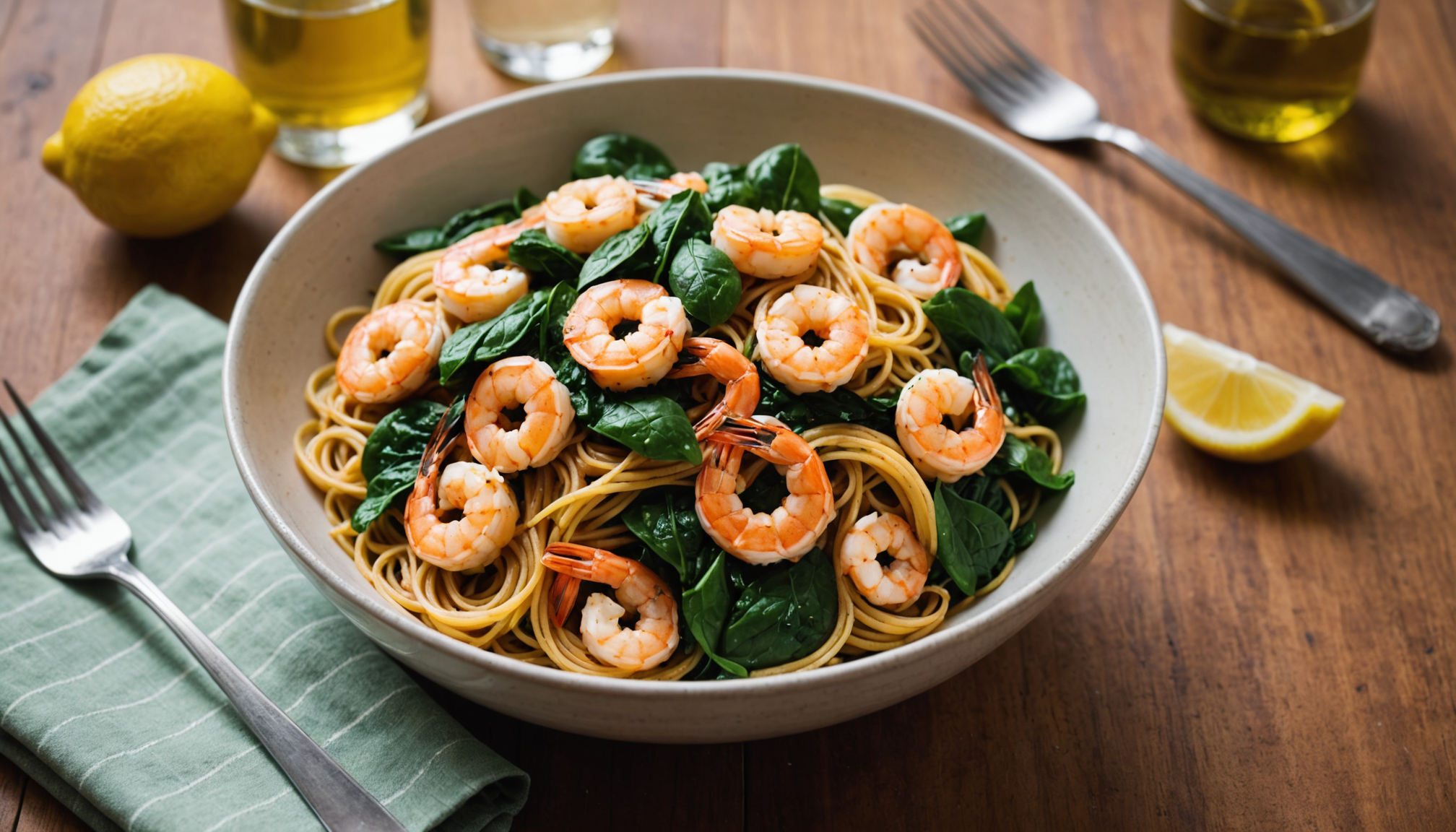
Let’s get one thing straight: pasta is not the enemy. Over-sauced, heavy, cream-drenched pasta that leaves you in a food coma? That’s the problem. But fast, fresh, veggie-packed pasta with smart carbs and solid protein? That’s a lifesaver for busy weeknight dinners — and you can absolutely pull it off in 20 minutes while still hitting your health goals.
Here’s the secret: you treat pasta like a vehicle for vegetables and protein, not the main event. Most dietitians will tell you the same — building meals around whole grains, lean protein, and plenty of plants supports better energy, weight management, and recovery after workouts [1][2]. Done right, pasta can tick all those boxes and still taste like comfort food.
The game plan is simple:
- Choose better carbs (whole-wheat or legume-based pasta).
- Add a solid protein (chicken, shrimp, beans, lentils, tofu).
- Pack in vegetables (fresh or frozen — no one’s judging).
- Finish with good fats (olive oil, nuts, seeds, a bit of cheese).
Follow that formula and you’re not just making “a bowl of pasta”; you’re building quick healthy meals that work for sport-minded folks, students running between classes, and families trying to eat well without losing their minds at 6 p.m.
Right, let’s cook. Fast.
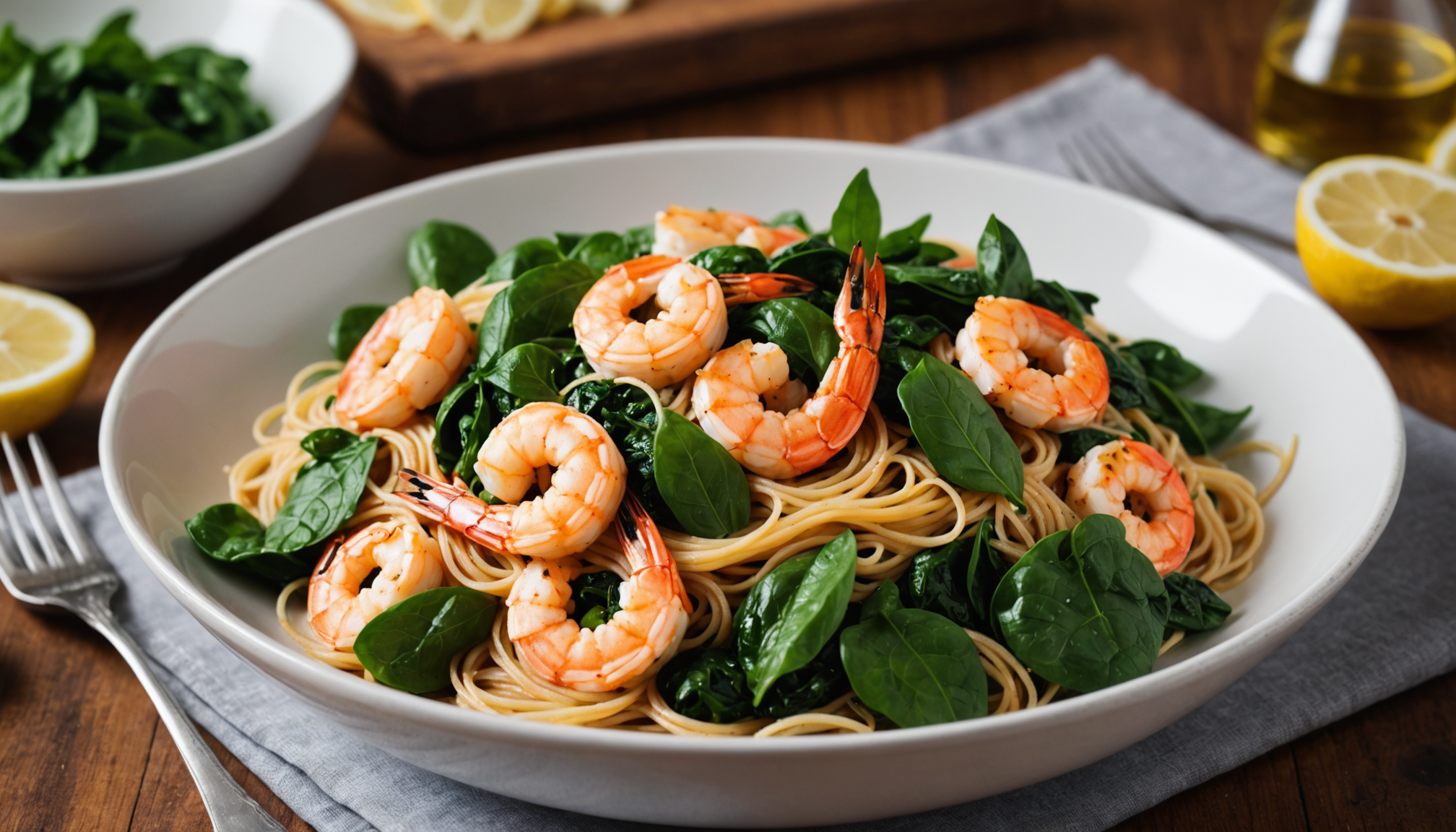
1. The 10-minute garlic shrimp and spinach pasta (your post-workout hero)
This one’s for anyone coming home from the gym or a late shift absolutely starving. Shrimp cooks in minutes, and whole-wheat pasta gives you complex carbs and fiber, which means steady energy instead of a spike-and-crash [3].
Here’s how you do it:
- Get a big pot of salted water on first. Salt it properly — it should taste like the sea. That’s your only chance to season the pasta itself.
- Drop in whole-wheat spaghetti or linguine. Set a timer for 1 minute less than the package says.
- While the pasta’s going, heat a large skillet with a splash of olive oil. Medium-high heat — don’t baby it.
- Add sliced garlic and a pinch of red pepper flakes. Let it sizzle just until fragrant — no color, or it’ll go bitter.
- Toss in peeled shrimp, salt, and pepper. Cook 2–3 minutes, flipping once, until just pink.
- Throw in a huge handful of baby spinach and a splash of the starchy pasta water. Let the spinach wilt down.
- Drain the pasta (save a bit of that water), then straight into the skillet. Toss like you mean it, loosening with more pasta water if it looks dry.
- Finish with lemon juice, grated Parmesan (or nutritional yeast for dairy-free), and a drizzle of olive oil.
In under 15 minutes, you’ve got protein for muscle repair, complex carbs for glycogen, and a pile of greens for fiber and micronutrients. It’s one of those easy healthy dinner ideas that tastes ridiculously indulgent but is secretly balanced.
2. Protein-packed chickpea tomato pasta (budget-friendly, dorm-approved)
This is for the college students and budget-conscious families who still want something that feels like “proper food” without wrecking your wallet. Canned chickpeas plus a can of tomatoes turns into a surprisingly rich sauce — and chickpeas are loaded with fiber and plant protein, which help keep you full and support heart health [4].
Here’s the move:
- Boil whole-wheat or high-protein pasta (chickpea or lentil pasta works brilliantly here).
- While it cooks, heat olive oil in a pan. Add chopped onion (or even just garlic if that’s all you’ve got).
- Soften for a few minutes, then add minced garlic and a pinch of red pepper flakes or Italian seasoning.
- Tip in a can of diced tomatoes (with the juice) and a drained can of chickpeas.
- Season with salt, pepper, and a pinch of sugar if the tomatoes are sharp.
- Let that bubble for 5–7 minutes while the pasta finishes; smash a few chickpeas with the back of a spoon to thicken the sauce.
- Stir in a handful of baby spinach or frozen peas at the end if you’ve got them lying around.
- Toss pasta into the sauce, add a bit of pasta water to bring it together, and finish with fresh basil or dried oregano, plus a sprinkle of cheese if you like.
This is pure weeknight magic: pantry staples, one pan for the sauce, and you’ve got a family friendly dinner that hits carbs, protein, and fiber without any drama. Leftovers? Fantastic for lunch the next day — the flavors actually get better.
3. Lighter creamy chicken and broccoli pasta (comfort food without the food coma)
You want creamy, cozy pasta but don’t want to feel like lying on the sofa regretting your life choices. Fair. Instead of heavy cream, we use a lighter base — a mix of milk and a bit of Parmesan, or even Greek yogurt added off the heat for extra protein.
Here’s how to pull it off fast:
- Start your pasta — short shapes like penne or rotini work best here.
- In a skillet, sear small pieces of chicken breast or thigh in a little olive oil. Season with salt, pepper, and garlic powder. Get some color on it; that browning is where the flavor lives.
- Once the chicken is almost cooked, toss in small broccoli florets. If you’re in a rush, use frozen — no need to thaw.
- Add a splash of broth or the starchy pasta water, cover for 2–3 minutes to steam the broccoli until just tender.
- Turn the heat down. Stir in a small splash of milk (or unsweetened almond milk), a spoonful or two of grated Parmesan, salt, and pepper. You’re looking for a light, glossy sauce, not soup.
- Drain the pasta, add it straight to the skillet, and toss to coat. If you want extra creaminess and protein, take it off the heat and stir in a spoonful of plain Greek yogurt right at the end.
You get all the comfort of a creamy pasta without the heaviness, plus lean protein and a big hit of veg. For sport enthusiasts and active kids, this is a brilliant post-training meal — carbs to refill energy stores, protein to help with muscle repair, and plenty of micronutrients from the broccoli [2][5].
4. Mediterranean veggie pasta with olives and feta (fast, fresh, and ridiculously good)
This one is for the nights when you want something bright and bold, but you’ve got zero brainpower left. You lean on the Mediterranean pattern — olive oil, vegetables, whole grains, nuts, seeds — which is strongly linked to better long-term health, reduced risk of heart disease, and improved weight management [1].
This is how it comes together:
- Cook whole-wheat pasta — penne, fusilli, or farfalle all work.
- While it boils, warm a generous splash of olive oil in a skillet over medium heat.
- Add sliced red onion and bell pepper, sauté until starting to soften.
- Toss in halved cherry tomatoes, minced garlic, and a big pinch of dried oregano.
- Cook just until the tomatoes begin to collapse and release their juices.
- Stir in sliced olives (black or Kalamata), a handful of baby spinach or arugula, and a splash of pasta water.
- Drain the pasta, toss it into the skillet, and finish with more olive oil, lemon zest, and crumbled feta on top.
This is the kind of dish that makes healthy eating feel easy. Loads of vegetables, good fats from olive oil, a bit of salty cheese so you don’t feel deprived — and it’s ready in under 20 minutes. Perfect for busy professionals who want something that feels like a proper meal, not “diet food.”
5. High-protein “pasta” for athletes and low-carb days
If you’re watching carbs some days, or you’re an athlete cycling your intake, you can still have something that feels like pasta night. The trick is swapping all or part of the pasta for zucchini noodles or high-protein lentil/chickpea pasta, and then loading up on lean protein and veg.
Try this approach:
- Sauté ground turkey or chicken with onion, garlic, and Italian herbs until browned.
- Add crushed tomatoes, salt, and pepper; let it simmer for 5–10 minutes to thicken slightly.
- Meanwhile, quickly sauté zucchini noodles (zoodles) or another spiralized veg in a separate pan with a touch of olive oil, just 2–3 minutes so they stay firm.
- Toss part cooked whole-wheat pasta and part zoodles together to lighten the carb load without losing that pasta “chew,” or go all zoodles if you prefer.
- Ladle the rich turkey-tomato sauce over the top, finish with Parmesan and fresh basil.
You end up with a dish that looks and feels like a big bowl of bolognese, but it’s lean, protein-heavy, and packed with vegetables. Great for sport-minded individuals who want to refuel without blowing their macros.
Time-saving hacks so 20 minutes really means 20 minutes
To make this all sustainable on manic weeknights, you set yourself up for success before you’re tired and hungry. A few simple habits turn pasta night into the easiest of all your easy healthy dinner ideas:
- Pre-chop some basics once a week: Red onions, bell peppers, carrots, and broccoli florets keep well in the fridge. Chop them on Sunday, use them in pastas all week.
- Keep “flavor bombs” ready: A jar of pesto, sun-dried tomatoes, frozen chopped spinach, frozen peas, and a wedge of Parmesan can turn plain pasta into a proper meal in 5 extra minutes.
- Use the pasta water: That cloudy water is liquid gold. It helps sauces cling to the pasta without loading up on extra oil or cream.
- Cook extra for lunches: Double the recipe and pack into containers. Cold pasta salad with veggies and protein is a brilliant grab-and-go option the next day.
- Lean on frozen veg: Frozen broccoli, spinach, peas, and mixed vegetables are picked at peak freshness and can be just as nutritious as fresh [6]. Toss them straight into the pan or pot.
The goal here isn’t to make restaurant-level art on a plate. It’s to get nutritious, satisfying, family friendly food on the table fast, so you can fuel your body, look after your people, and still have time for real life — homework, training, Netflix, sleep. When you’ve got two or three 20-minute pasta dishes in your back pocket, weeknight dinners stop feeling like a crisis and start feeling manageable, even on the craziest days.
References
[1] Estruch, R. et al. “Primary Prevention of Cardiovascular Disease with a Mediterranean Diet.” New England Journal of Medicine, 2013.
[2] Thomas, D.T., Erdman, K.A., & Burke, L.M. “Position of the Academy of Nutrition and Dietetics, Dietitians of Canada, and the American College of Sports Medicine: Nutrition and Athletic Performance.” Journal of the Academy of Nutrition and Dietetics, 2016.
[3] Jenkins, D.J.A. et al. “Glycemic index: overview of implications in health and disease.” American Journal of Clinical Nutrition, 2002.
[4] Marinangeli, C.P.F., & Jones, P.J.H. “Pulse grain consumption and obesity: effects on energy expenditure, substrate oxidation, body composition, fat deposition and satiety.” British Journal of Nutrition, 2012.
[5] Slavin, J. “Dietary fiber and body weight.” Nutrition, 2005.
[6] Bouzari, A., Holstege, D., & Barrett, D.M. “Vitamin retention in eight fruits and vegetables: A comparison of refrigerated and frozen storage.” Journal of Agricultural and Food Chemistry, 2015.
Nourishing grain bowls and salads
Grain bowls and hearty salads are basically “assembly-required” dinners: you cook a couple of components, then build them into customizable bowls that work for athletes, students, and families alike. They’re perfect for weeknight dinners because most parts can be prepped ahead, mixed and matched, and stretched over several meals.
“The simple truth is that healthy eating is really not about dieting or deprivation, it’s about building better plates.” — Academy of Nutrition and Dietetics
At their core, grain bowls follow a simple formula:
– Base: whole grains or leafy greens
– Protein: animal or plant-based
– Color: 2–3 kinds of vegetables
– Crunch: nuts, seeds, or crisp veggies
– Sauce: a bold dressing to pull everything together
Once you understand that structure, you can riff endlessly and turn them into easy healthy dinner ideas that feel different every night.
—
How to build a balanced grain bowl (step-by-step)
- Pick your base
- Choose 1–2 whole grains: brown rice, quinoa, farro, barley, bulgur, or wild rice blend. You can also use sturdy greens (kale, spinach, arugula) as part of the base.
- Cook a large batch once a week:
- Rinse grains (especially quinoa and brown rice).
- Add to a pot with water or broth (usually 1 cup grain : 2 cups liquid, check package).
- Bring to a boil, then reduce to low, cover, and cook until tender.
- Fluff, cool, and store in an airtight container for up to 4–5 days.
- For speed on a busy night, reheat pre-cooked grains in the microwave with a splash of water or warm them in a skillet with a teaspoon of olive oil.
- Add a solid protein
- Choose what fits your style and schedule:
- Animal protein: grilled chicken, leftover steak, salmon, canned tuna, hard-boiled eggs, rotisserie chicken.
- Plant protein: beans, lentils, chickpeas, tofu, tempeh, edamame.
- Prep a simple protein once and use it for several bowls:
- Toss chicken breasts or tofu cubes with olive oil, salt, pepper, and a spice blend (Italian herbs, taco seasoning, curry powder, or smoked paprika).
- Bake at 400°F (about 15–20 minutes for tofu, 20–25 for chicken, depending on size) or pan-sear until cooked through.
- Cool, slice, and store in containers to grab for quick healthy meals all week.
- On a truly rushed night, open a can of beans or lentils:
- Rinse and drain under cold water.
- Season with salt, pepper, lemon juice, and a drizzle of olive oil.
- Add herbs, garlic powder, or a spoonful of salsa for extra flavor.
- Choose what fits your style and schedule:
- Layer on vegetables (raw + cooked)
- Aim for at least 2 colors per bowl to cover a spectrum of nutrients.
- Use a mix of textures:
- Raw: shredded carrots, chopped cucumbers, cherry tomatoes, sliced radishes, baby spinach, shredded cabbage.
- Cooked: roasted sweet potatoes, steamed broccoli, sautéed peppers, roasted Brussels sprouts.
- Quick vegetable prep when you’re tired:
- Microwave frozen broccoli or mixed veggies with a splash of water for 3–5 minutes.
- Slice a cucumber and a bell pepper while the grains reheat.
- Use pre-washed salad greens straight from the box or bag.
- Add crunch and healthy fats
- Pick 1–2 options:
- Nuts: almonds, walnuts, cashews, pistachios.
- Seeds: pumpkin, sunflower, sesame, hemp, chia (sprinkled at the end).
- Other: sliced avocado, toasted panko, crispy chickpeas, crushed whole-grain crackers.
- Toast nuts or seeds for 3–5 minutes in a dry skillet over medium heat to boost flavor. Store in a jar so they’re ready to go.
- Pick 1–2 options:
- Finish with a sauce or dressing
- In a jar, shake together a basic dressing:
- 3 parts olive oil
- 1 part acid (lemon juice, lime juice, or vinegar)
- Salt, pepper, and 1–2 teaspoons mustard or honey (optional)
- Keep 1–2 “house dressings” in the fridge so bowls come together in minutes:
- Lemon-garlic: olive oil + lemon juice + minced garlic + oregano.
- Asian-inspired: soy sauce + rice vinegar + sesame oil + honey + grated ginger.
- Creamy yogurt: Greek yogurt + lemon + garlic + dill or cilantro + a little water to thin.
- Drizzle the dressing right before eating to keep textures crisp.
- In a jar, shake together a basic dressing:
—
Example 1: Mediterranean quinoa bowl (meal-prep friendly)
This one is bright, satisfying, and full of fiber and healthy fats. It keeps well, so it’s ideal for making multiple portions at once.
- Cook the quinoa
- Rinse 1 cup quinoa in a fine-mesh strainer.
- Add to a pot with 2 cups water and a pinch of salt.
- Bring to a boil, then cover and reduce to low.
- Cook 15 minutes, then let stand off heat for 5 minutes before fluffing.
- Prepare the protein
- Drain and rinse 1 can of chickpeas.
- Pat dry with a towel.
- Toss with 1 tablespoon olive oil, 1 teaspoon smoked paprika, 1/2 teaspoon garlic powder, salt, and pepper.
- Spread on a baking sheet and roast at 400°F for 20–25 minutes, shaking once, until crisp. (On a busy night, skip roasting and use them straight from the can.)
- Chop the vegetables
- Dice 1 cucumber.
- Halve a handful of cherry tomatoes.
- Thinly slice 1/4 red onion.
- Roughly chop a handful of fresh parsley or spinach.
- Make a quick lemon-herb dressing
- In a jar, combine:
- 3 tablespoons olive oil
- 2 tablespoons lemon juice
- 1 teaspoon Dijon mustard
- 1 small clove garlic, minced (or 1/4 teaspoon garlic powder)
- Salt, pepper, and 1 teaspoon dried oregano
- Shake until emulsified.
- In a jar, combine:
- Assemble the bowls
- Add 1/2–1 cup cooked quinoa to each bowl.
- Top with a scoop of chickpeas.
- Add piles of cucumber, tomato, and onion.
- Sprinkle with chopped parsley, crumbled feta, and a few olives if you like.
- Drizzle with lemon-herb dressing right before serving.
This is a family friendly option: kids can skip the onion or olives, adults can add extra greens or hot sauce, and everyone gets protein, fiber, and healthy fats.
—
Example 2: Teriyaki brown rice bowl (better-than-takeout)
Use this when you’re tempted by takeout. It hits the same flavors but with more vegetables and less grease.
- Cook the rice (ahead if possible)
- Rinse 1 cup brown rice.
- Cook with 2 1/4 cups water and a pinch of salt (follow package timing, usually 35–40 minutes).
- For weeknight speed, cook a big batch on Sunday and reheat portions.
- Make a quick “cheater” teriyaki sauce
- In a small bowl, mix:
- 1/4 cup low-sodium soy sauce
- 2 tablespoons water
- 1 tablespoon honey or maple syrup
- 1 tablespoon rice vinegar or lime juice
- 1 teaspoon grated ginger (or 1/4 teaspoon ground)
- 1 teaspoon minced garlic
- If you want it thicker, stir in 1 teaspoon cornstarch until smooth.
- In a small bowl, mix:
- Cook the protein
- Cut firm tofu or chicken breast into bite-size cubes.
- Heat 1 tablespoon oil in a nonstick skillet over medium-high heat.
- Add the cubes in a single layer; sprinkle with a little salt and pepper.
- Cook, turning occasionally, until browned on multiple sides and cooked through (5–7 minutes for tofu, 7–10 for chicken depending on size).
- Add the vegetables
- Add 2–3 cups mixed vegetables to the skillet (e.g., broccoli florets, sliced carrots, snap peas, bell pepper strips).
- Stir-fry for 3–5 minutes until crisp-tender.
- Pour the teriyaki sauce into the pan.
- Simmer 1–2 minutes until the sauce coats everything and thickens slightly.
- Assemble the bowls
- Place warm brown rice into bowls.
- Spoon the teriyaki protein and vegetables over the rice.
- Top with sliced green onions and a sprinkle of sesame seeds.
- Add chili flakes or sriracha for heat if desired.
This hits all the marks for quick healthy meals: whole grains, lean protein, a rainbow of vegetables, and a flavorful sauce that comes together in one pan.
—
Example 3: Warm roasted veggie salad with lentils (hearty and meatless)
Warm salads are especially satisfying when you want something lighter than pasta but heartier than a side salad.
- Roast the vegetables
- Preheat oven to 400°F.
- Chop 2–3 cups of sturdy vegetables: sweet potato cubes, Brussels sprouts halves, cauliflower florets, red onion wedges.
- Toss with 1–2 tablespoons olive oil, salt, pepper, and 1 teaspoon smoked paprika or curry powder.
- Spread on a sheet pan in a single layer.
- Roast 20–30 minutes, stirring once, until tender and browned at the edges.
- Prepare the lentils
- Rinse 1 cup green or brown lentils.
- Add to a pot with 3 cups water or broth and a bay leaf if you have it.
- Simmer 20–25 minutes until tender but not mushy.
- Drain, discard bay leaf, and season with salt, pepper, and a splash of vinegar.
- For a shortcut, use 1–2 cans of lentils, rinsed and drained, warmed in a pan with a bit of water or broth.
- Make a mustard vinaigrette
- Whisk together:
- 3 tablespoons olive oil
- 1 1/2 tablespoons red wine or apple cider vinegar
- 1 teaspoon Dijon mustard
- 1/2 teaspoon honey
- Salt and black pepper to taste
- Whisk together:
- Assemble the warm salad
- Place a generous handful of baby spinach or mixed greens in each bowl.
- Top with a warm scoop of lentils.
- Add a pile of roasted vegetables.
- Drizzle with mustard vinaigrette.
- Finish with chopped nuts (walnuts or almonds) and, if you like, a crumble of goat cheese or feta.
Because the components are warm, this feels like a full dinner, not just “having salad.” It keeps well, so it’s perfect for prepping several portions to cover multiple weeknight dinners.
—
Family-friendly grain bowls: “topping bar” method
Grain bowls are ideal when everyone at the table has different tastes. Instead of building individual bowls in the kitchen, set up a DIY bar and let each person assemble their own.
- Choose 1–2 bases
- Cook a pot of brown rice or quinoa.
- Rinse and spin a bowl of salad greens.
- Offer at least 2 proteins
- Prep a neutral option: simply seasoned chicken or tofu.
- Add a quick plant-based option: rinsed beans or hard-boiled eggs, sliced.
- Prep a tray of vegetables
- Include both raw and cooked: cherry tomatoes, shredded carrots, sliced cucumbers, steamed broccoli, roasted sweet potatoes.
- Place everything in small bowls or on a large platter.
- Offer toppings and dressings
- Set out small bowls of nuts or seeds, shredded cheese, and avocado slices.
- Provide 1–2 dressings (like the lemon-garlic and yogurt dressings above).
- Let everyone build
- Show the basic formula: base + protein + 2 vegetables + 1 crunch + dressing.
- Encourage kids to “eat the rainbow” by choosing at least two colors.
- Adjust for picky eaters by keeping flavors mild on the base ingredients and letting them skip or add toppings as they like.
This approach turns dinner into an activity, reduces pushback from picky eaters, and keeps things truly family friendly without you cooking separate meals.
—
Time-saving habits for grain bowls and salads
- Prep “building blocks” once
- On a less-busy day, cook:
- 1–2 grains (e.g., quinoa and brown rice).
- 1 protein (roasted chicken, baked tofu, or a pot of beans).
- 1 tray of roasted vegetables.
- Store each component in its own container.
- On weeknights, reheat and assemble bowls in 5–10 minutes.
- On a less-busy day, cook:
- Keep “instant” additions on hand
- Stock quick-toppers:
- Canned beans or lentils.
- Pre-washed salad mixes.
- Frozen vegetables.
- Nuts, seeds, and dried fruit.
- Use them to stretch leftovers into another meal.
- Stock quick-toppers:
- Batch-make dressings
- Once a week, mix a cup or so of
Make-ahead freezer-friendly options
 Batch-make dressings in a jar and stash them in the fridge. A good dressing turns a bowl of leftovers into something that tastes intentional, not thrown together.
 - Think “components,” not recipes
- Instead of rigid recipes, ask: What grain do I have? What protein? What two vegetables? What crunchy topping? What sauce?
- This flexible mindset makes weeknight dinners feel more like a creative puzzle than a stressful test.
When you start seeing grain bowls and salads as blank canvases, your kitchen becomes a quiet lab for better habits. You’re not just assembling food; you’re experimenting with the way different textures, colors, and nutrients make you feel through the week. Notice which combinations keep you energized, which ones help you recover faster from workouts, which ones keep your kids fuller longer — and let that curiosity guide your next bowl.
Make-ahead freezer-friendly options
Freezer-friendly meals are like future-you’s love letters to present-you. On the days when traffic is awful, practice runs late, or work explodes, opening the freezer to find a homemade, nourishing dinner waiting can change the entire tone of your evening. The goal isn’t stockpiling mystery containers; it’s building a small library of easy healthy dinner ideas that reheat beautifully and still taste fresh.
Start by thinking in terms of “freezer building blocks” instead of only full meals. Cooked grains, portioned proteins, sauces, and vegetable mixes can all freeze well and combine into countless quick healthy meals. This approach gives you flexibility: one batch of turkey chili might become chili bowls one night, stuffed sweet potatoes the next, and nacho-style baked tortilla chips another — all from the same base.
Best kinds of meals to freeze
Certain dishes are naturally freezer-friendly:
– Soups and stews (bean soups, lentil soups, vegetable-packed chicken soup)
– Chilis (with beans, with turkey, or vegetarian)
– Casseroles and bakes (lasagna made lighter, enchilada bakes, veggie rice bakes)
– Saucy dishes (curries, tomato-based pasta sauces, shredded chicken in broth)
– Marinated uncooked proteins (chicken or tofu in freezer bags with marinade)Look for recipes that are moist, saucy, or brothy. Dry dishes tend to get drier in the freezer, while sauces protect texture and flavor.
Planning a small “freezer rotation”
You don’t need a chest freezer or a whole day of meal prep. Instead, build a quiet habit:
– Once or twice a month, double a dinner you’re already making.
– Eat half that night; cool and freeze the other half in portions.
– Aim for 3–5 different kinds of meals in your freezer at any time.This mini-rotation might look like:
– One soup or stew
– One chili
– One pasta bake or casserole
– One batch of frozen marinated protein
– One versatile sauce (like tomato sauce or curry base)That’s enough variety to cover several emergencies without turning your kitchen into a factory.
Freezer-friendly soup and chili framework
Soups and chilis are some of the most forgiving, family friendly options for the freezer. Use this pattern:
1. Build a flavor base
– Sauté onion, garlic, carrot, and celery in olive oil with salt and pepper.
– Add spices (chili powder, cumin, smoked paprika, curry powder, or Italian herbs).2. Add protein and bulk
– For animal protein: ground turkey, chicken, or lean beef; or shredded rotisserie chicken.
– For plant protein: beans (black, kidney, cannellini), lentils, or split peas.3. Add vegetables
– Use a mix of fresh and frozen: bell peppers, corn, zucchini, spinach, kale, or peas.
– The more vegetables, the more fiber, volume, and nutrients without extra calories.4. Pour in liquid
– Low-sodium broth (chicken, vegetable, or beef), crushed tomatoes, or a mix.
– Simmer until flavors marry and textures are tender.5. Cool and portion
– Let the soup or chili cool to room temperature before freezing to protect texture and food safety.
– Portion into airtight containers or freezer bags, label clearly, and freeze flat if using bags for easier storage.The next time you’re exhausted, pull out a container, thaw gently (fridge overnight, or defrost setting in the microwave), and reheat slowly on the stove. Add a fresh element — chopped herbs, a squeeze of lemon, a dollop of yogurt, or a handful of baby spinach stirred in at the last minute — to wake up the flavors and boost nutrients.
Lightened freezer casseroles and bakes
Many traditional casseroles freeze well but can be heavy. With a few tweaks, you can keep them comforting and freezer-friendly while making them lighter:
– Use whole grains (brown rice, quinoa, whole-wheat pasta) instead of refined ones.
– Swap part of the cheese or cream for Greek yogurt or cottage cheese stirred in after reheating.
– Load at least half the volume with vegetables (broccoli, spinach, peas, carrots, zucchini).A simple structure for a freezer-friendly bake:
1. Base: whole-wheat pasta, cooked brown rice, or quinoa.
2. Protein: cooked chicken, turkey, beans, or tofu.
3. Vegetables: lightly steamed broccoli, frozen spinach (well squeezed), peas, or mixed veg.
4. Binder sauce: tomato sauce or a light white sauce made with broth and a small amount of milk and cheese.Layer these in a baking dish, top with a modest sprinkle of cheese or whole-grain breadcrumbs, and bake until hot and bubbly. For the freezer, let it cool completely, wrap tightly (plastic wrap + foil, or a tight lid), label with the date, and freeze. When ready to eat, thaw in the fridge overnight, then reheat covered in the oven until the center is piping hot.
Marinated “dump-and-bake” freezer proteins
Freezing proteins in their marinade is one of the smartest hands-off strategies for busy weeknights. The freezer acts like a pause button; when you thaw, the flavors soak in as the protein defrosts.
Try this method:
1. Place chicken breasts or thighs, tofu slabs, or fish fillets in a freezer bag.
2. Add a simple marinade, such as:
– Olive oil + lemon juice + garlic + oregano
– Soy sauce + sesame oil + ginger + garlic
– Lime juice + olive oil + cumin + chili powder
3. Squeeze out excess air, seal, massage gently, and label with the flavor and date.
4. Lay flat to freeze for faster thawing and easier stacking.On a rushed day, transfer a bag to the fridge in the morning. By dinner, it’s usually thawed enough to bake or pan-sear. Pair it with a bag of frozen vegetables and pre-cooked grains from the fridge or freezer, and you have a complete meal in under 30 minutes with almost no chopping.
Freezing grains, beans, and vegetables
You can also stock your freezer with nutrient-dense building blocks:
– Cooked grains: Brown rice, quinoa, farro, and barley freeze beautifully. Spread cooked, cooled grains on a tray to freeze, then transfer to bags. Reheat with a splash of water.
– Cooked beans: If you cook beans from dry, freeze them in portions with some of their cooking liquid. They’ll be ready to toss into soups, chilis, and bowls.
– Par-cooked vegetables: Lightly steam broccoli, green beans, or carrots, cool quickly, then freeze in bags. This keeps color, texture, and nutrients intact.These components help you assemble near-instant bowls, stir-fries, and soups — the backbone of many family friendly, nutritious weeknight dinners.
Smart packaging, labeling, and reheating
How you freeze matters just as much as what you freeze:
– Use the right containers: Freezer-safe, airtight containers or heavy-duty freezer bags reduce freezer burn and preserve flavor.
– Portion wisely: Freeze some meals in single portions for solo nights and some in family-sized portions. This prevents waste and speeds up thawing.
– Label everything: Include the dish name, date, and any reheating or finishing notes (e.g., “add cheese after baking,” “serve with rice,” “add fresh spinach when reheating”).For reheating:
– Thaw in the fridge overnight when possible for the best texture and safety.
– Reheat soups and stews gently on the stove until steaming hot; add fresh herbs or greens at the end.
– For casseroles, cover with foil to prevent drying. Remove foil for the last 10 minutes to crisp the top.Always make sure food is reheated to a safe internal temperature (165°F / 74°C). For athletes, kids, or anyone with a busy schedule, knowing your freezer meals are both safe and nourishing frees up mental energy for everything else on your plate.
Keeping frozen meals fresh-tasting and bright
One reason some people avoid freezer meals is the fear of dull, “leftover” flavors. You can fix this with small, fresh additions at serving time:
– Add fresh greens (spinach, arugula, herbs) just before serving.
– Finish soups and stews with lemon juice or vinegar to brighten flavors.
– Top reheated casseroles with a spoonful of Greek yogurt, salsa, or a quick crunchy slaw.That bit of contrast — hot and cold, soft and crunchy, rich and acidic — makes yesterday’s cooking taste like tonight’s.
As your freezer slowly fills with homemade options, notice how your evenings feel different. When you’re not negotiating between takeout menus and exhaustion, what else becomes possible — a walk after dinner, homework done earlier, a better night’s sleep, a little more energy for your training? Let that question nudge you toward experimenting: what one meal could you double this week so future-you has a lifeline waiting in the freezer?
- How long can I safely keep homemade freezer meals?
- Most homemade freezer meals are best within 2–3 months for optimal flavor and texture, though they’re often safe a bit longer if kept fully frozen and airtight. Label each container with the date and try to rotate older items to the front so you use them first.
- What are the healthiest types of dinners to freeze ahead?
- Soups, stews, chilis, and vegetable-rich casseroles with lean proteins and whole grains freeze especially well. Look for meals that are brothy or saucy and packed with beans, lentils, vegetables, and whole grains to maximize fiber, protein, and nutrients.
- How can I prevent freezer meals from tasting bland when reheated?
- Season your meals well before freezing, then add a “fresh finish” when you reheat — such as lemon juice, fresh herbs, a spoonful of yogurt, or a crunchy topping. These small touches wake up flavors and make reheated food feel like a brand-new dish.
- Are frozen vegetables as nutritious as fresh ones?
- Frozen vegetables are typically picked and frozen at peak ripeness, so their nutrient levels can match or even surpass produce that has been sitting in the fridge for days. They’re a convenient, budget-friendly way to add more plants to your weeknight dinners without extra prep.
- What’s the best way to reheat freezer meals safely?
- Thaw meals overnight in the refrigerator when possible, then reheat on the stovetop or in the oven until they reach 165°F (74°C) throughout. If you use a microwave, stir partway through and let the food sit a couple of minutes so the heat distributes evenly.
- How can I make freezer-friendly meals that my whole family will enjoy?
- Choose familiar, family friendly flavors — mild tomato-based sauces, simple herbs, and gentle spices — and build in room for customization with toppings like cheese, hot sauce, herbs, or yogurt. Involve kids in choosing a few favorite dishes to batch-cook so they feel invested in eating them later.
- Is batch cooking and freezing meals worth the time if I’m already busy?
- Doubling a recipe you’re already making adds only a little extra time upfront but can save you multiple hours — and a lot of stress — in future weeks. Think of it as shifting effort from your most chaotic nights to calmer moments, and notice how it changes your choices when you’re tired and hungry.
- Once a week, mix a cup or so of
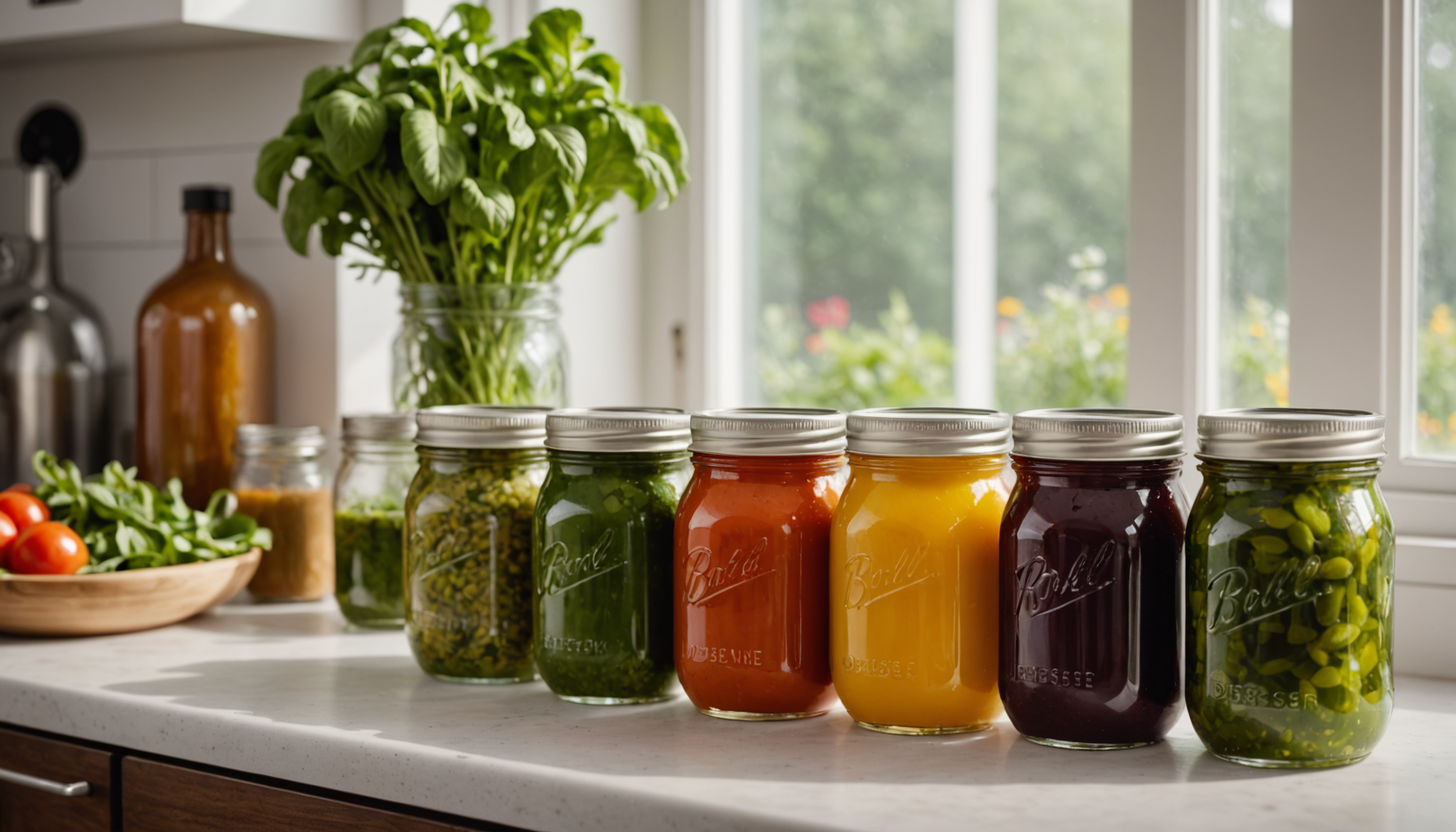 Batch-make dressings in a jar and stash them in the fridge. A good dressing turns a bowl of leftovers into something that tastes intentional, not thrown together.
Leave a Reply