
- Quick weeknight skillet meals
- Light and satisfying pasta dishes
- Sheet pan dinners with minimal cleanup
- Protein-packed vegetarian options
- Simple sides and healthy add-ons
If you’ve ever opened the fridge at 6:30 pm, stared at random ingredients, and thought, “Ugh, let’s just order something,” you are so not alone. This is exactly where quick skillet meals come in and totally save the night. One pan, about 20–25 minutes, and you can have something that feels like it took way more effort than it actually did. It’s one of my favorite ways to pull together easy healthy dinner ideas without a ton of planning, especially when you’re cooking dinners for two.
Think of your skillet as your weeknight sidekick. Whether you’re a student studying late, a parent racing between activities, a fitness lover coming home from the gym, or just someone who’s exhausted after work, the formula is the same: a protein, a veggie (or two), a quick sauce, and something to soak it all up if you want—like rice, quinoa, or a slice of toasted sourdough. Once you get the hang of that basic pattern, you can start riffing with whatever you have on hand.
Let’s walk through a simple example that works for almost everyone: a chicken, veggie, and grain skillet. Picture this: you toss bite-sized pieces of chicken in olive oil, garlic, salt, pepper, and a pinch of smoked paprika. They hit the hot skillet and start to sizzle. While that cooks, you chop up whatever vegetables are looking at you from the crisper—bell peppers, zucchini, broccoli, even frozen peas if that’s what you’ve got. The chicken gets golden, you slide in the veggies, add a splash of chicken broth and a squeeze of lemon, and let everything mingle for a few minutes. Spoon it over warm brown rice or quinoa and boom—dinner done.
That same pattern works beautifully with shrimp if you’re craving something lighter and faster. Shrimp cook in just a few minutes, so they’re perfect for nights when you’re truly running on fumes. Sauté some minced garlic and a pinch of red pepper flakes in olive oil, toss in the shrimp, and as soon as they turn pink, throw in halved cherry tomatoes and baby spinach. A quick splash of lemon juice or a spoonful of pesto at the end makes it taste like you put real thought into it, even if it was a total last-minute move.
If you’re cooking for one or two and trying to avoid a ton of leftovers, skillets are amazing for small batch cooking. You’re not locked into a huge casserole that you’ll be eating all week. You can just scale everything down: one chicken breast instead of two, half a block of tofu instead of a full one, one cup of chopped veggies instead of three. And if you do end up with a little extra, most skillet meals reheat so well for lunch the next day—perfect if you’re heading into the office or grabbing a quick bite between classes.
For my sport-minded friends who care about fueling up with protein, skillet meals are a total win. You can easily build a high-protein plate by doubling up on your main protein or adding in beans or lentils. Imagine a turkey taco skillet with ground turkey, black beans, onions, peppers, and taco seasoning. You can serve it over cauliflower rice if you’re watching carbs, spoon it into tortillas, or pile it into lettuce wraps. It’s easy to customize depending on your goals—more protein, more fiber, or just more flavor.
Now, if you’re reading this and thinking, “I’m not really a meat person,” skillet meals still have your back. You can swap in tofu, tempeh, or chickpeas and get that same satisfying, one-pan vibe. A quick tofu stir-fry is a great place to start: press the tofu (or just pat it dry if you’re in a rush), cut it into cubes, and sear it in a hot pan until it’s golden. Add frozen stir-fry veggies and a simple sauce made from soy sauce, a little honey or maple syrup, garlic, and ginger. Serve it over rice, and you’ve got something that feels like takeout but way more wholesome.
Skillet meals are also surprisingly perfect for cozy date night meals when you don’t want a ton of dishes. Think pan-seared salmon with a quick lemon-garlic butter (or olive oil if you want to keep it lighter), tossed with asparagus and cherry tomatoes right in the same pan. It looks fancy, but it’s really just a few basic steps. Light a candle, pour some sparkling water or wine, and you’ve got one of those easy healthy dinner ideas that feels special without requiring a full-on restaurant-level effort.
One of my favorite tricks for keeping skillet meals interesting is to lean on simple, bold flavors. A spoonful of pesto, a drizzle of balsamic glaze, or a sprinkle of crumbled feta at the end can totally transform a basic combo of chicken and vegetables. The same goes for spices—cumin and chili powder for a Tex-Mex vibe, curry powder and coconut milk for a quick curry skillet, or Italian seasoning, tomatoes, and spinach for something more Mediterranean. Once you have a little “flavor library” in your head, it’s so much easier to improvise with whatever is already in your kitchen.
And if dishes are the thing that makes you dread cooking, that’s another reason to love skillet meals. It’s literally one pan for the main event, plus maybe a cutting board and a knife. That’s it. Cleanup is quick, which means you can actually enjoy your evening instead of spending it scrubbing pots. This alone can make home cooking feel way more realistic on a busy weeknight, especially if you’re juggling work, workouts, kids’ homework, or late-night study sessions.
The next time you’re tempted to scroll through delivery apps, try this instead: peek in your fridge, pick a protein, grab two veggies, and pull out your favorite skillet. In less time than it usually takes for food to arrive, you can have a colorful, balanced meal on the table that you feel good about eating—and maybe even good enough to pack for lunch tomorrow.
Light and satisfying pasta dishes
If you love pasta but don’t love the heavy, post-dinner slump, the good news is you don’t have to give it up. The trick is to shift the balance on your plate: more veggies and lean protein, a bit less pasta, and lighter sauces. Recent research backs this up—an analysis in the journal *Nutrients* found that traditional Mediterranean-style pasta dishes (think tomato-based sauces, olive oil, and vegetables) were linked with better weight management and cardiometabolic health when eaten in reasonable portions and as part of an overall balanced diet (read more here).
For easy healthy dinner ideas that still feel cozy and satisfying, start with a simple formula for two people: about 4–5 ounces of dry pasta total (that’s usually around 2 heaping cups cooked), 2 cups or more of vegetables, and 4–6 ounces of protein to share. That ratio keeps the meal light but filling and makes it perfect for dinners for two without mountains of leftovers. If you’re especially active or extra hungry, you can bump the pasta amount slightly and still keep the overall dish balanced.
One of the easiest options is a veggie-loaded, olive oil–based pasta. Cook whole-wheat or protein-enriched pasta—these versions typically offer almost double the fiber or protein compared with regular pasta, which can help you stay full longer, according to data summarized by the Harvard T.H. Chan School of Public Health. While the pasta cooks, sauté sliced cherry tomatoes, garlic, and a big handful of spinach or arugula in olive oil. Add a pinch of red pepper flakes, salt, and pepper. Toss in the drained pasta with a splash of cooking water, finish with a squeeze of lemon, and sprinkle on some grated Parmesan. You get brightness, healthy fats, fiber, and just enough cheese to feel indulgent without weighing you down.
If you want more protein without a lot of fuss, a quick shrimp or chicken pasta is a go-to. Shrimp is especially convenient because it cooks in just a few minutes and adds lean protein. Boil whole-grain linguine while you sear shrimp in a little olive oil with garlic and lemon zest. Stir in frozen peas or asparagus pieces, toss everything with the pasta, and finish with chopped parsley. For chicken, slice a small chicken breast thinly so it cooks fast, brown it in the pan, then add zucchini ribbons or broccoli florets before tossing with pasta. You’ll get a complete, high-protein meal in about 20 minutes.
For nights when you want a cozy, restaurant-style pasta that still fits your health goals—hello, date night meals—creamy-but-light sauces are your friend. Instead of heavy cream, try a base made from Greek yogurt or blended cottage cheese. For example, cook pasta and a cup of broccoli florets in the same pot. In a blender, combine low-fat cottage cheese, a little grated Parmesan, garlic powder, and a splash of pasta water until silky. Toss the hot pasta and broccoli with the sauce in the pot over very low heat so it stays smooth. You get that creamy comfort with a big boost of protein and calcium. A 2023 review in *Frontiers in Nutrition* noted that higher-protein meals can support appetite control and muscle maintenance, especially when spread evenly throughout the day (see the review here), so this kind of pasta can pull double duty for flavor and nutrition.
Tomato-based sauces are another smart way to keep things light. A simple marinara bolstered with vegetables and lean ground turkey or lentils can feel like classic comfort food while still lining up with your health goals. Sauté onions, carrots, and celery until soft, add lean turkey or cooked lentils, then pour in crushed tomatoes and simmer for 10–15 minutes. Serve over whole-wheat spaghetti or chickpea pasta. Lentils, in particular, bring fiber and plant-based protein; the Food and Agriculture Organization highlights pulses like lentils as key foods for supporting both human health and sustainable diets. This kind of “lighter Bolognese” is ideal for small batch cooking, because you can make just enough sauce for two and a modest bit extra for lunch.
If you prefer to keep things vegetarian most nights, pasta is an easy canvas. Try a roasted vegetable and pesto pasta: toss bite-sized pieces of bell pepper, cherry tomatoes, and red onion with a drizzle of olive oil and roast until caramelized. Cook a small amount of pasta, then stir in a spoonful of store-bought or homemade pesto, using pasta water to thin it out. Fold in the roasted veggies and top with toasted pine nuts or walnuts for crunch and healthy fats. Research from the American Heart Association suggests that regularly including nuts and unsaturated fats in your diet is associated with better heart health outcomes (more details here), so that handful of nuts is doing more than just adding texture.
On really hot or extra-busy evenings, a warm pasta salad can be the light, flexible answer. Cook a short pasta shape like fusilli or farfalle, then toss it with canned chickpeas (rinsed), chopped cucumber, cherry tomatoes, olives, and crumbled feta. Dress it with olive oil, lemon juice, oregano, and a pinch of salt. Because it’s good warm or at room temperature, it works when you and your partner are eating at slightly different times—or when you want to cook once and enjoy it again for lunch the next day.
A few practical tips help keep these pasta dishes aligned with your goals:
– Use smaller bowls or plates so portions look and feel generous without overdoing the pasta itself.
– Aim for at least half the volume of your dish to come from vegetables; it adds bulk and nutrients for relatively few calories.
– Keep add-ins like cheese and oil measured rather than eyeballed; a tablespoon or two of olive oil and an ounce of cheese per person often gives plenty of flavor.
– Choose whole-grain or legume-based pasta most of the time to boost fiber and protein, which multiple studies link with better blood sugar control and satiety (example study).
When you build pasta around vegetables, lean protein, and smart portions, it fits easily into a pattern of easy healthy dinner ideas. You still get the comfort and familiarity of twirling a forkful of noodles, just with more color, more nutrients, and a lighter, feel-good finish that works well for busy weeknights and relaxed dinners for two alike.
Sheet pan dinners with minimal cleanup
On nights when even standing at the stove feels like too much, this is where sheet pan cooking absolutely shines. Everything roasts together in the oven, you line the pan with parchment or foil, and cleanup is basically tossing one piece of paper in the trash. For busy professionals, college students with tiny kitchens, sport-minded folks coming home late, or parents juggling homework and bath time, sheet pans can turn easy healthy dinner ideas into a no-brainer.
The basic idea is simple: you spread your ingredients out on a single baking sheet, roast them at a fairly high heat, and let the oven do the work. That dry heat caramelizes vegetables, crisps up proteins, and concentrates flavors without needing loads of butter or cream. Research from the Harvard T.H. Chan School of Public Health notes that roasting vegetables with small amounts of healthy fats like olive oil can help your body better absorb fat-soluble vitamins such as A, D, E, and K (source). So we’re not just saving time; we’re actually improving nutrient availability, too.
A helpful way to think about sheet pan dinners for two is to build them like a balanced plate: half vegetables, a quarter protein, and a quarter starch or whole grain. Because you’re cooking for just one or two people, you don’t need to drown a massive pan in food—keep things in a single layer so everything browns instead of steaming. That’s one of the small batch cooking secrets that makes this method feel restaurant-level instead of “sad tray of baked chicken.”
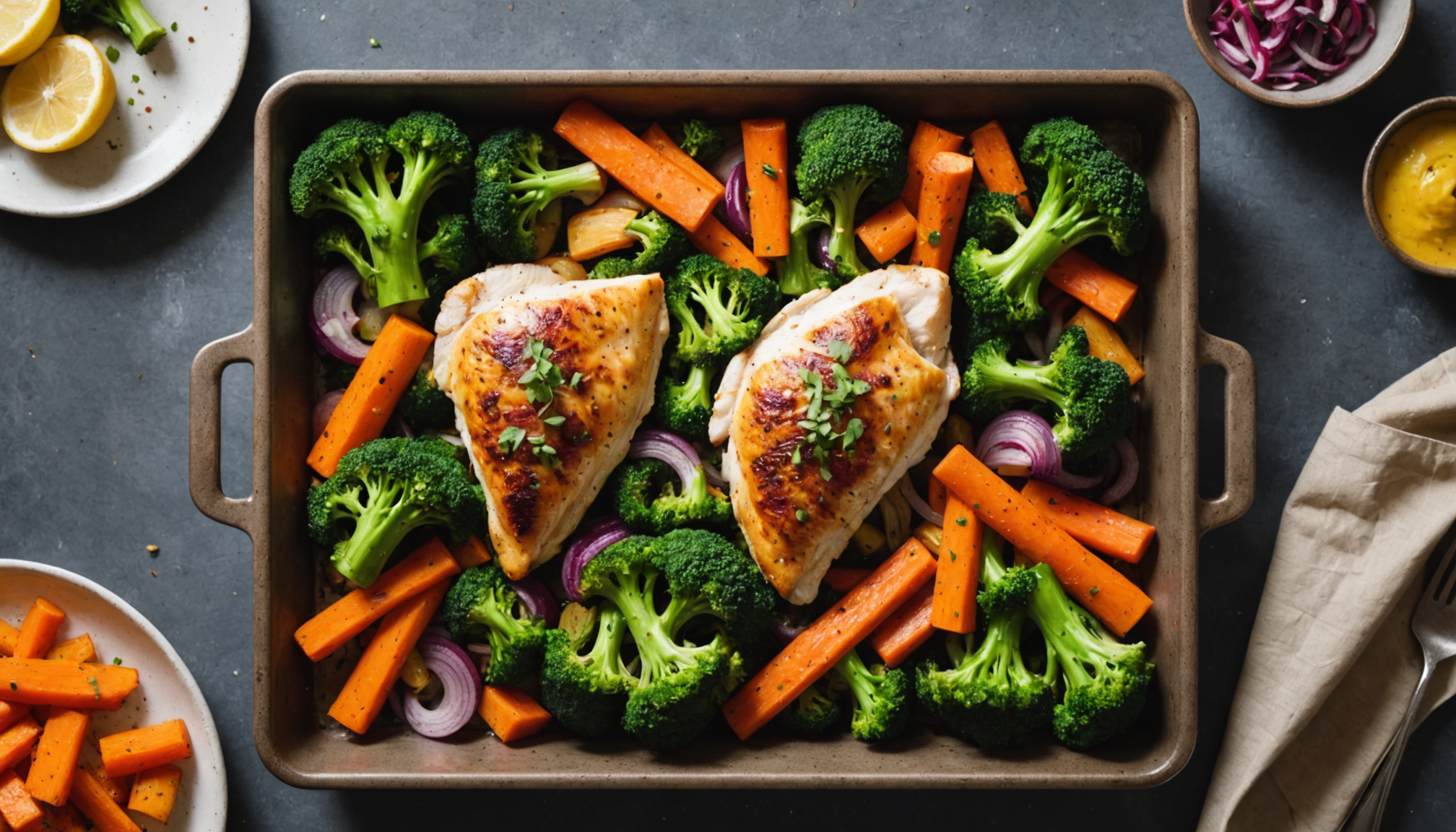
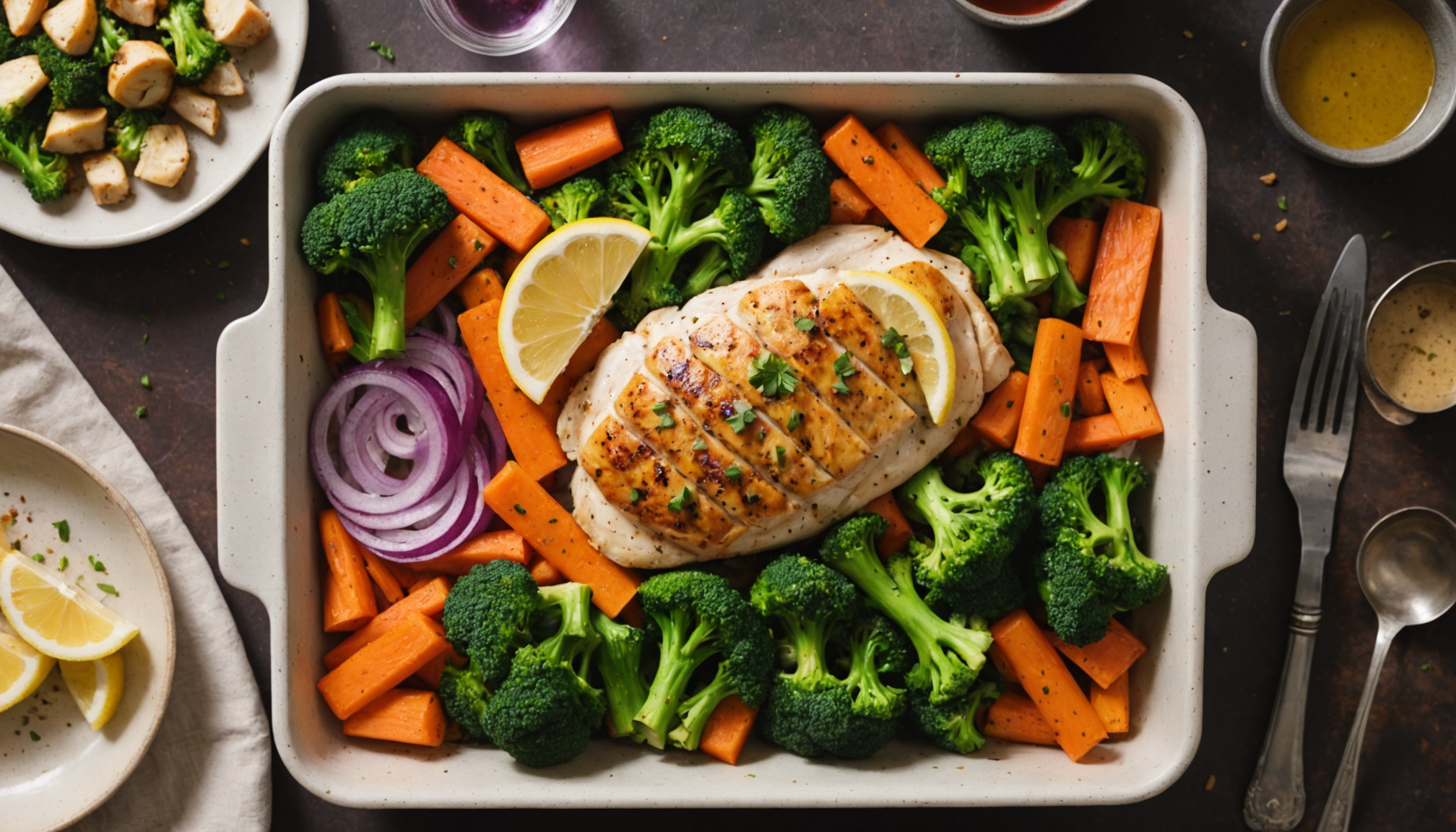
Let’s start with a classic: lemon-garlic chicken with roasted vegetables. For two people, you really only need one medium chicken breast (split horizontally if it’s thick) or two small ones. Toss the chicken in olive oil, minced garlic, salt, pepper, and plenty of lemon zest. On the same lined sheet pan, scatter chopped carrots, broccoli florets, and red onion. Drizzle with a bit more olive oil, season well, and slide the chicken right on top of the veggies. Roast at around 400°F (205°C) until the chicken is cooked through and the vegetables are caramelized on the edges—usually 18–22 minutes, depending on thickness. This is one of those easy healthy dinner ideas that feels like a full Sunday roast but actually fits into a weeknight.
If you’re coming back from a workout and want something higher in protein and complex carbs, sheet pan salmon with sweet potatoes is a great go-to. Cut a small sweet potato into cubes and toss with olive oil, paprika, and salt, then start roasting those first because they take longer—about 12–15 minutes head start. Then add two salmon fillets to the same pan, brush them with a quick mix of Dijon mustard, maple syrup, and a squeeze of lemon, and throw in some green beans or asparagus around the sides. Roast another 10–12 minutes until the salmon flakes easily. You end up with heart-healthy omega-3 fats, slow-digesting carbs, and fiber-rich veggies all on one tray. The American Heart Association encourages including fish—especially fatty fish like salmon—at least twice a week to support cardiovascular health (guidelines here), so this kind of dinner is doing triple duty.
For folks who are watching their budget or just want to keep things really simple, a sheet pan sausage-and-vegetable bake is almost impossible to mess up. Choose a lean chicken or turkey sausage (ideally with minimal added sugar and sodium—labels vary a lot here), slice it into rounds, and toss it on a pan with chopped bell peppers, zucchini, and red onion. A drizzle of olive oil, a generous shake of Italian seasoning, and a pinch of red pepper flakes is all you need. Roast at 425°F (220°C), turning once, until the sausage is browned and the veggies are tender—about 20 minutes. Serve it as is, or pile it into whole-grain pitas or over a small scoop of brown rice. It’s fast, flavorful, and feels like takeout, but you control the ingredients.
If you’re cooking for someone special and want low-stress date night meals, sheet pans are honestly your best friend. You can do a “fancy but easy” steakhouse-style dinner without hovering over a hot pan. Season two small sirloin or flank steaks with salt, pepper, and a bit of garlic powder. On the pan, arrange halved baby potatoes tossed with olive oil and rosemary, plus a handful of trimmed green beans. Roast the potatoes and beans first (about 15–18 minutes), then push them aside and add the steaks for the last 8–10 minutes, depending on thickness and how you like them cooked. While everything rests, whisk a quick pan sauce in a bowl—Greek yogurt, a bit of Dijon mustard, and chopped chives. It looks and tastes like something you’d order out, but you have one pan and one bowl to rinse later. Light a candle, pour your drink of choice, and that’s dinner.
Sheet pan meals are also perfect for college students or anyone in a small space, because you don’t need special tools or a ton of ingredients. A sheet pan “burrito bowl” is a reliable option when you’re tired, broke, or both. Drain and rinse a can of black beans, toss them on a pan with sliced bell peppers and red onion, add a few cherry tomatoes, and sprinkle with chili powder, cumin, garlic powder, and salt. Roast until the vegetables soften and start to char. Warm up some pre-cooked brown rice or frozen cauliflower rice and scoop the roasted mixture over the top. Add a dollop of Greek yogurt, salsa, and a little shredded cheese or avocado. You get protein, fiber, and color, and it tends to be less expensive than ordering delivery.
Vegetables absolutely shine on sheet pans, and that’s helpful if you’re trying to nudge yourself—or your family—toward more produce. Roasting brings out sweetness and depth, which can be a game changer for kids or picky eaters. Studies consistently show that higher intakes of vegetables and fruits are associated with reduced risk of chronic diseases like heart disease and certain cancers (BMJ meta-analysis). When they’re crisp and caramelized instead of steamed and soggy, people are much more likely to actually eat them.
To keep things practical for busy evenings, a few smart strategies make sheet pan cooking even easier:
- Cut everything to similar sizes. Smaller pieces cook faster, but you want your veggies and proteins to be roughly the same thickness so they finish at the same time. Dense vegetables (like potatoes or carrots) need smaller pieces or a head start in the oven.
- Don’t overcrowd the pan. A little space between ingredients helps them brown instead of steam. If they’re packed tightly, you’ll miss out on that delicious caramelization.
- Use high-ish heat. Temperatures around 400–425°F (205–220°C) are the sweet spot for getting crisp edges without burning, especially when you’re including both protein and vegetables.
- Layer flavors simply. Start with salt, pepper, olive oil, and one or two flavor boosters—smoked paprika, Italian seasoning, curry powder, or a spice blend you love. You can always finish with fresh lemon juice, chopped herbs, or a spoonful of pesto after roasting for extra brightness.
- Make just enough. For true dinners for two, think in terms of about 8–10 ounces of total protein, 2–3 cups of chopped vegetables, and 1–2 small potatoes or 1 cup cooked grain to share. That keeps portions satisfying without creating a ton of leftovers.
For sport-minded readers, sheet pans are a quiet powerhouse for recovery meals. You can easily design a tray that combines lean proteins, complex carbohydrates, and antioxidant-rich vegetables. For example, roast chicken thighs with cubed butternut squash and Brussels sprouts, then drizzle with a simple balsamic and honey glaze right at the end. Research in sports nutrition suggests that combining high-quality protein with carbohydrates after exercise supports muscle repair and glycogen restoration (JISSN review), and this kind of sheet pan hits that target with almost no hands-on time.
If you’re leaning more plant-based, sheet pans still have you covered. Try a Mediterranean-inspired tray: chickpeas (drained and dried), cauliflower florets, and red onion tossed with olive oil, cumin, smoked paprika, and a pinch of salt. Roast until the chickpeas are crisp and the cauliflower is deeply browned. Serve it over a bed of baby spinach with a quick yogurt-tahini-lemon sauce. You’ve got fiber, plant protein, and healthy fats, and it all feels very “bistro lunch” without requiring a single fancy technique.
What makes sheet pan dinners so appealing—beyond the minimal cleanup—is how easy they are to adapt to whatever’s happening in your life. If you’re exhausted, keep it simple: one protein, one vegetable, one starch, basic seasoning. If you’re in the mood to play, use them as a canvas for global flavors: curry-spiced chicken with cauliflower and peas, miso-glazed tofu with broccoli and snap peas, or harissa-rubbed shrimp with carrots and red onions. It’s all the same method; you just change the spice profile.
When you start relying on sheet pan meals, home cooking stops feeling like a big production and becomes something you can realistically fit into a packed schedule. You prep for 10 minutes, the oven works quietly in the background while you answer emails, change into sweats, or help with math homework, and then you sit down to a balanced, colorful meal you actually feel good about eating. And with one pan to wash, you’re free to enjoy your evening instead of spending it at the sink.
Protein-packed vegetarian options
When you’re aiming for easy healthy dinner ideas without leaning on meat, building meals around plant-based proteins can keep dinner both satisfying and nutrient-dense. Beans, lentils, tofu, tempeh, edamame, Greek yogurt, and eggs all bring serious protein to the table, along with fiber, healthy fats, and a lot of versatility. For dinners for two, these ingredients are especially convenient because you can open a single can of beans, use half a block of tofu, or cook just one cup of lentils and have exactly what you need without a fridge full of leftovers.
Plant-based proteins such as beans, lentils, soy foods, nuts, and seeds can provide ample protein while also contributing fiber and beneficial phytochemicals to the diet, supporting overall health when eaten in a varied pattern.
Here are a few practical, step-by-step ideas you can plug into your weekly routine.
—
1. One-pan smoky chickpea and veggie skillet
This is a simple, high-protein option that comes together quickly and works nicely for small batch cooking.
- Gather your ingredients (for two):
- 1 can (15 oz) chickpeas, drained and rinsed
- 1 small onion, sliced
- 1 bell pepper, sliced
- 1 small zucchini, chopped
- 2 cups baby spinach or kale, roughly chopped
- 1–2 tablespoons olive oil
- 1 teaspoon smoked paprika
- 1/2 teaspoon ground cumin
- 1/2 teaspoon garlic powder (or 2 cloves minced garlic)
- Salt and black pepper, to taste
- 1/2 lemon, cut into wedges
- Cooked quinoa, brown rice, or whole-grain couscous (about 1–1 1/2 cups cooked total)
- Prep your base:
- Cook your grain if it isn’t already prepared. Quinoa and couscous both cook in about 15 minutes or less, which pairs well with this quick skillet.
- While the grain cooks, slice and chop all the vegetables so they’re ready to go.
- Sauté the aromatics:
- Heat olive oil in a large skillet over medium heat.
- Add sliced onion and bell pepper. Cook for 3–5 minutes, stirring occasionally, until they begin to soften.
- Add chickpeas and spices:
- Stir in chickpeas and zucchini.
- Sprinkle with smoked paprika, cumin, garlic, salt, and pepper.
- Cook for another 5–7 minutes, letting the chickpeas get slightly crisp and the zucchini turn tender.
- Wilt in the greens:
- Add spinach or kale to the skillet.
- Toss everything together until the greens are wilted and bright, 1–2 minutes.
- Squeeze in a little lemon juice to brighten the flavors.
- Plate and serve:
- Divide the cooked grain between two bowls.
- Top with the chickpea and veggie mixture.
- Serve with extra lemon wedges and a sprinkle of fresh herbs (like parsley or cilantro) if you have them.
This meal delivers fiber, plant protein, and colorful vegetables in under 30 minutes, and it scales easily up or down depending on how many people you’re feeding.
—
2. High-protein lentil and walnut “taco” bowls
Lentils cook quickly and make an excellent stand-in for ground meat, especially when you add nuts for texture. This is a great option if you want something hearty but still fully vegetarian.
- Cook the lentils:
- Rinse 1/2 cup dry brown or green lentils under cool water.
- Place in a small pot with 1 1/2 cups water and a pinch of salt.
- Bring to a boil, then reduce to a simmer and cook 20–25 minutes until tender but not mushy. Drain any excess water.
- Prepare the “taco” mixture:
- In a skillet, warm 1 tablespoon olive oil over medium heat.
- Add 1/2 small onion (diced) and 1 small carrot (finely chopped, optional for extra bulk and sweetness).
- Cook 3–4 minutes until softened.
- Stir in the cooked lentils and 1/4 cup finely chopped walnuts.
- Season with 1–2 teaspoons chili powder, 1/2 teaspoon ground cumin, 1/2 teaspoon smoked paprika, and salt to taste.
- Cook for another 3–5 minutes, stirring, until everything is lightly toasted and fragrant.
- Prep the bowl components:
- Warm 1–1 1/2 cups cooked brown rice or quinoa.
- Rinse and drain 1/2 can black beans if you want extra protein.
- Slice toppings like cherry tomatoes, lettuce or cabbage, avocado, and red onion.
- Stir together 1/4 cup plain Greek yogurt with a squeeze of lime and a pinch of salt for a quick sauce.
- Assemble the bowls:
- Spoon grains into two bowls as your base.
- Add a scoop of lentil-walnut “taco” mix to each.
- Top with black beans, veggies, avocado, and a dollop of yogurt-lime sauce.
- Finish with fresh cilantro and an extra lime wedge if you like.
The combination of lentils, walnuts, beans, and Greek yogurt provides a substantial amount of protein plus fiber and healthy fats, making this particularly satisfying after a long day or a workout.
—
3. Crispy sesame tofu with broccoli and edamame
Tofu and edamame are both soy-based proteins that fit easily into easy healthy dinner ideas. This dish has a takeout-style feel but relies on simple, lighter ingredients.
- Press and prep the tofu:
- Use about half of a 14–16 ounce block of extra-firm tofu for two people.
- Pat the tofu dry with paper towels. If you have time, wrap it in a clean towel, place a plate on top, and press for 10–15 minutes to remove excess moisture.
- Cut into 1/2-inch cubes.
- Coat the tofu lightly:
- Toss the cubes in 1 tablespoon cornstarch or arrowroot starch and a pinch of salt. This helps create a crisp exterior.
- Cook the tofu:
- Heat 1–2 tablespoons neutral oil (like avocado or canola) in a nonstick skillet over medium-high heat.
- Add tofu in a single layer.
- Cook 2–3 minutes per side, turning until all sides are golden and crisp. Transfer to a plate.
- Sauté the vegetables:
- In the same pan, reduce heat to medium and add 2 cups small broccoli florets (fresh or thawed from frozen).
- Pour in 2–3 tablespoons water, cover briefly, and steam for 3–4 minutes until bright green and just tender.
- Stir in 1 cup shelled edamame (thawed if frozen) and cook another 2–3 minutes.
- Make a quick sesame sauce:
- In a small bowl, whisk together:
- 2 tablespoons low-sodium soy sauce or tamari
- 1 tablespoon rice vinegar or lime juice
- 1–2 teaspoons honey or maple syrup
- 1 teaspoon toasted sesame oil
- 1 small clove garlic (minced) and/or 1/2 teaspoon grated ginger
- In a small bowl, whisk together:
- Combine everything:
- Return the crispy tofu to the pan with the broccoli and edamame.
- Pour the sauce over and toss to coat evenly.
- Cook 1–2 minutes until the sauce slightly thickens and clings to the tofu and vegetables.
- Sprinkle with sesame seeds and sliced green onion if you have them.
- Serve:
- Serve over hot brown rice, cauliflower rice, or soba noodles.
- Adjust seasoning at the table with a little extra soy sauce or chili flakes if you like more punch.
This meal delivers complete protein (soy plus grains), plenty of fiber, and a satisfying mix of textures.
—
4. Greek-style yogurt and bean “power bowls”
If you’re short on time, combining Greek yogurt with beans and vegetables can create a surprisingly filling, high-protein meal with almost no cooking.
- Make the yogurt base:
- In a medium bowl, stir together:
- 1 cup plain Greek yogurt (2% or 0%)
- 1 small clove garlic (finely minced or grated)
- Juice of 1/2 lemon
- 1 tablespoon olive oil
- Pinch of salt and black pepper
- Divide this mixture between two shallow bowls, spreading it across the bottom like a creamy base.
- In a medium bowl, stir together:
- Prepare the toppings:
- Rinse and drain 1 can white beans or chickpeas.
- Slice cucumber, cherry tomatoes, and red onion.
- Crumb le 2–3 tablespoons feta (optional) and chop a handful of parsley or dill.
- Assemble the bowls:
- Arrange beans in the center of each yogurt bowl.
- Fan sliced veggies around the beans.
- Drizzle with a bit more olive oil and sprinkle with herbs, salt, and pepper.
- Add olives or a spoonful of hummus if you’d like extra flavor.
- Serve with something to scoop:
- Serve with warm whole-grain pita, whole-wheat toast, or a small side of cooked farro or quinoa.
- Use the bread or grains to scoop up the yogurt, beans, and veggies for each bite.
This approach is ideal for nights when you don’t want to cook but still want something that feels intentional, colorful, and balanced.
—
5. Baked egg and vegetable “mini frittatas”
Eggs are a compact, affordable protein source that cook fast and are easy to portion for dinners for two. These mini frittatas can be baked in a muffin tin and served with a simple salad or roasted vegetables.
- Preheat and prep:
- Preheat oven to 375°F (190°C).
- Lightly grease 6 muffin cups with olive oil or cooking spray.
- Chop the fillings:
- Finely chop about 1/2 cup total of vegetables, such as spinach, bell pepper, onion, or mushrooms.
- Grate 1/4 cup cheese (like cheddar, mozzarella, or Parmesan), optional.
- Whisk the eggs:
- In a bowl, whisk together:
- 4 large eggs
- 2 tablespoons milk or water
- Pinch of salt, black pepper, and dried herbs (like oregano or Italian seasoning)
- In a bowl, whisk together:
- Assemble the cups:
- Divide the chopped vegetables evenly among the 6 muffin cups.
- Sprinkle cheese on top, if using.
- Pour the egg mixture over the vegetables, filling each cup about 3/4 full.
- Bake:
- Bake for 12–16 minutes, until the eggs are set and lightly puffed.
- Let cool for a few minutes, then gently run a knife around the edges to release the mini frittatas.
- Serve:
- Enjoy 2–3 mini frittatas per person with a big side salad or roasted potatoes and veggies.
- Store any extra in the fridge for an easy breakfast or lunch the next day.
Egg-based dinners are especially useful when you want something quick that still delivers high-quality protein and pairs well with almost any leftover vegetables you have on hand.
—
With a few go-to combinations like these, it becomes much easier to lean into plant-forward, protein-rich choices that still feel like real, satisfying meals. Whether you’re cooking after a workout, planning low-effort date night meals, or just trying to keep small batch cooking simple and efficient, vegetarian options can fit seamlessly into your weekly rotation.
Simple sides and healthy add-ons
 Clever sides and little add-ons can turn basic dinners for two into something that feels intentional, colorful, and deeply satisfying. They’re where you can sneak in more vegetables, fiber, and healthy fats without overhauling your main dish. When you think this way, “What should we have with it?” stops being an afterthought and becomes your secret weapon for building easy healthy dinner ideas that actually leave you energized.
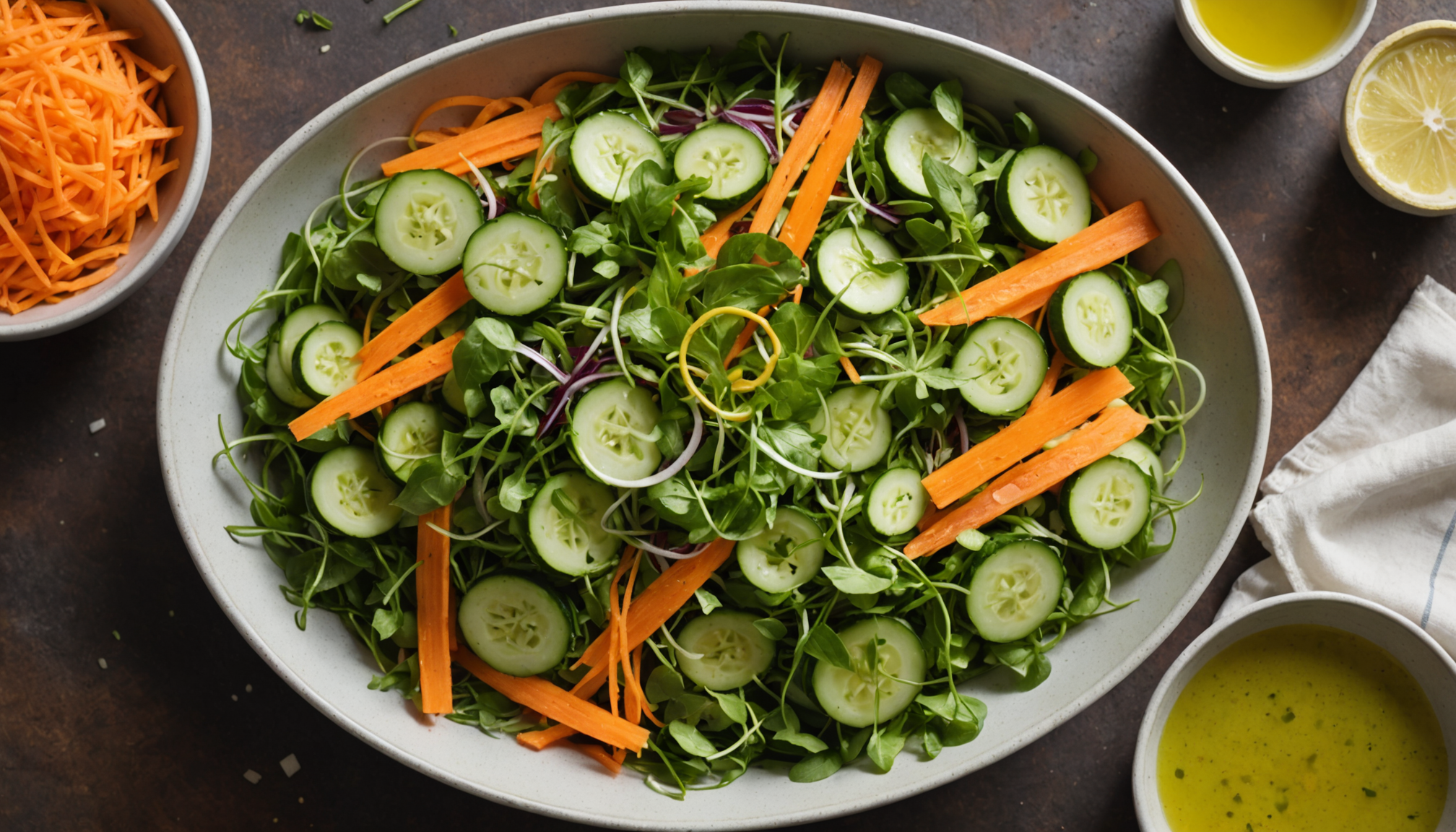
A simple green salad is one of the most powerful, underrated side dishes you can use. Instead of limp lettuce with a bottled dressing, try a generous bowl of mixed greens, thinly sliced cucumber, shredded carrot, and any herbs you have—parsley, cilantro, dill, basil. Whisk together olive oil, lemon juice, a small spoonful of Dijon mustard, and a pinch of salt and pepper. Toss just before serving so the leaves stay crisp. That splash of healthy fat from the olive oil not only adds flavor but also helps your body absorb fat-soluble vitamins from the vegetables.
Roasted vegetables belong on repeat in your weeknight rotation because they adapt to almost anything you’re cooking. Chop whatever you’ve got—broccoli, carrots, Brussels sprouts, cauliflower, sweet potatoes—toss with olive or avocado oil, salt, pepper, and a favorite spice blend, and roast at 400–425°F (205–220°C) until caramelized. Make just enough for two if you’re focusing on small batch cooking, or intentionally roast a bit extra to repurpose into grain bowls, omelets, or wraps the next day. The more you play with spices (smoked paprika one night, curry powder the next, Italian herbs another), the more you’ll realize how differently the same vegetables can taste.
Whole grains make an excellent “background” side, especially when you dress them up. Instead of plain rice, try cooking brown rice, farro, quinoa, or barley in low-sodium broth. When it’s done, stir in chopped herbs, a squeeze of lemon, and maybe some toasted nuts or seeds. A modest half-cup portion per person can help stabilize blood sugar and keep you full, especially when paired with lean protein and vegetables. Think of these grains as blank canvases—what if you added orange zest and parsley with salmon, or lime and cilantro with black beans and chicken?
Beans and lentils don’t have to be a full main course; they can also show up as easy, protein-rich sides. A quick white bean salad—canned white beans rinsed and tossed with olive oil, lemon, garlic, chopped tomato, and parsley—takes under 10 minutes and adds fiber and plant-based protein to any plate. Warm lentils stirred with sautéed onion, carrot, and celery can sit under grilled fish or alongside roasted chicken. These small additions steadily move your overall eating pattern closer to the high-fiber, plant-forward style associated with better long-term health.
Don’t overlook the power of healthy fats as finishing touches. A sprinkle of chopped nuts or seeds (walnuts, almonds, pistachios, pumpkin seeds, sunflower seeds) over salads, roasted vegetables, or grain bowls adds crunch and staying power. A few slices of avocado on the side of scrambled eggs, tacos, or a hearty soup bring creaminess and heart-healthy monounsaturated fats. These extras are calorie-dense, so you don’t need a lot—often a tablespoon or two per person is enough to make a dish feel more complete.
Sauces and condiments can be the difference between “fine” and “I can’t wait to eat this again.” Try keeping a few light, versatile options in your weekly rotation. A quick yogurt sauce—Greek yogurt, lemon, garlic, salt, and herbs—can go on salmon, chicken, roasted vegetables, or falafel-style patties. A simple tahini sauce (tahini, lemon juice, water, garlic, pinch of salt) is incredible drizzled over grain bowls, roasted sweet potatoes, or sautéed greens. Even a small spoonful can lift the flavors and texture of whatever’s on your plate.
Speaking of greens, learning one or two ways to cook dark leafy vegetables can transform your dinners for two. Sautéed spinach or kale with garlic, olive oil, and a squeeze of lemon is ready in under five minutes and pairs with almost everything. If you find greens bitter, try mixing them half-and-half with milder vegetables like zucchini or peppers, or finish them with a dusting of Parmesan or a few raisins for sweetness. Each time you add a serving of leafy greens, you’re stacking your day with more folate, vitamin K, and antioxidants.
Fresh herbs and citrus are tiny add-ons that make home cooking taste restaurant-worthy. Keeping a lemon or lime on your counter and a small bunch of herbs in your fridge means you’re always one squeeze or sprinkle away from brighter-tasting food. Toss chopped parsley into grain salads, tear basil over pasta, or shower cilantro over tacos and sheet pan meals. Squeeze citrus over roasted vegetables, grilled meats, and even soups right before serving—this one habit can dramatically change how vivid and “alive” your meals taste.
For cozy date night meals, a couple of thoughtful sides can make a very simple main feel special. Grilled or roasted asparagus with a light lemon-yogurt drizzle, a small beet and goat cheese salad with walnuts, or garlicky sautéed green beans instantly dress up plain chicken, fish, or tofu. You don’t need restaurant-level complexity; you just need something that adds color, texture, and a hint of surprise on the plate. What could your next date-night plate look like if you built it around variety—crunch, creaminess, brightness—rather than just a big piece of protein?
Even the way you handle bread and “snack-y” sides can shift a meal’s health profile. Instead of a basket of refined white bread, try one or two slices of whole-grain sourdough brushed with olive oil and toasted, served with a side of hummus or olive tapenade. Swap heavy cream-based dips for Greek yogurt–based ones. Consider a handful of raw or lightly roasted vegetables on the table—carrot sticks, cucumber rounds, cherry tomatoes—as something to nibble on while you cook or plate dinner. These small choices add up day after day more than any single “perfect” recipe ever will.
As you experiment with simple sides and healthy add-ons, notice how they change the way you feel after eating. Do you stay full longer when there’s a bean salad or roasted vegetable mix on the plate? Does a squeeze of lemon and a spoonful of yogurt sauce make you more excited to cook at home again tomorrow? Let your curiosity guide you: what’s one new side dish or topping you could try this week that nudges your usual dinner closer to the way you want to eat long-term?
- How can I make quick, healthy sides when I’m really short on time?
- Lean on no-cook or nearly no-cook options: bagged salad mixes with a simple olive oil and lemon dressing, canned beans rinsed and tossed with herbs, or pre-cut veggies roasted at high heat for 15–20 minutes. Keeping a few “base” ingredients ready—like cooked grains or washed greens—makes it easy to assemble sides in 5–10 minutes.
- What are good nutrient-dense sides that go with almost any main dish?
- Roasted mixed vegetables, a basic green salad, and a simple whole-grain pilaf (like brown rice or quinoa with herbs) work with most proteins, from fish and chicken to tofu. They add fiber, vitamins, and minerals without overpowering the flavors of your main dish.
- How do I add more protein to my meals without changing the main recipe?
- Use sides as your protein boosters: add a bean or lentil salad, sprinkle nuts and seeds on salads or vegetables, or include a small serving of Greek yogurt or cottage cheese. Even a half-cup of beans or a few tablespoons of seeds per person can noticeably increase the protein content of the meal.
- What are healthy add-ons that make dinners for two feel more special?
- Think about texture and color: a handful of toasted nuts, a drizzle of herb-yogurt sauce, thin shavings of Parmesan, or a bright herb and citrus garnish. Small touches like a beet and arugula side salad, roasted asparagus, or a homemade dip with whole-grain bread can instantly shift a simple meal into date night territory.
- How can I keep sides healthy when I love creamy or cheesy flavors?
- Use richer ingredients as accents instead of the base. Try Greek yogurt instead of heavy cream for sauces, mix a small amount of strong cheese (like feta or Parmesan) into a large bowl of vegetables or grains, and rely on herbs, garlic, and lemon to carry most of the flavor.
- What are good make-ahead sides for easy healthy dinner ideas during the week?
- Cook a batch of whole grains, roast a tray of mixed vegetables, and prepare a simple bean or lentil salad that keeps well in the fridge for 3–4 days. These components can be mixed and matched with different proteins to build fast, balanced dinners without starting from scratch each night.
- How do I know if my plate is balanced when I’m adding sides and extras?
- A simple visual guide is to aim for half your plate as vegetables or fruit, about a quarter as lean protein, and about a quarter as whole grains or starchy vegetables, plus a small amount of healthy fat. As you add sides and toppings, ask yourself: do I have color, fiber, protein, and some healthy fat on this plate—and what could I add or swap to get closer?

Leave a Reply