

- Quick weeknight wins packed with nutrition
- Hidden veggie meals even picky eaters love
- Protein-packed favorites with a healthy twist
- Better-for-you versions of kid-approved classics
- Make-ahead dinners for stress-free evenings
If you’ve ever walked in the door at 6:30 p.m., dropped your bag, and thought, “What on earth are we going to eat?” — you’re in very good company. Most of us want to eat better, but real life gets in the way: late meetings, homework, practice, workouts, or just plain exhaustion. That’s why it helps to have a few easy healthy dinner ideas you can almost make on autopilot — fast, filling, and gentle enough for picky eaters, too.
When I build quick weeknight meals, I always think in three parts: a good protein, some kind of fiber-rich carb (or starchy veggie), and at least one colorful vegetable. It doesn’t have to be perfect; it just has to be doable. Research consistently shows that balanced meals with protein, complex carbs, and healthy fats help keep blood sugar steadier and hunger at bay, which means fewer late-night snack raids and more consistent energy for kids, athletes, and tired professionals alike (Harvard T.H. Chan School of Public Health, 2021).
Let’s walk through a few go-to formulas that work whether you’re feeding a full house of family meals or just yourself after a long day.
1. Sheet pan suppers that practically cook themselves
Sheet pan dinners are the weeknight hero none of us deserve but all of us need. Everything roasts together, cleanup is minimal, and you can mix and match based on what’s in the fridge or freezer. The basic formula is: protein + veggie + seasoning + healthy fat.
- Protein ideas: chicken thighs or tenders, salmon fillets, extra-firm tofu, turkey sausage, shrimp (add this near the end so it doesn’t overcook).
- Veggie ideas: baby carrots, broccoli florets, Brussels sprouts, green beans, bell pepper strips, zucchini, or even frozen mixed vegetables (no need to thaw first; just add 5–10 minutes to the cook time).
- Seasoning ideas: olive oil, salt, pepper, garlic powder, smoked paprika, Italian seasoning, or taco seasoning.
For a simple, kid friendly chicken and veggie pan, toss chicken tenders and chopped carrots and broccoli with olive oil, salt, pepper, and a sprinkle of garlic powder. Roast at 425°F until the chicken is cooked through and the veggies are caramelized at the edges — about 18–22 minutes. Serve with a quick side of microwave brown rice or quinoa, or even some whole-grain bread and hummus if you’re really short on time.
The beauty of this is that you can keep the seasonings mild for hesitant eaters and offer extras at the table: hot sauce, pesto, or grated Parmesan. It feels like everyone is getting something tailored to them, but you only cooked once.
2. One-pot pasta that secretly leans healthy
Pasta is one of the ultimate family meals — it’s familiar and cozy, and most kids (and grown-ups) love it. The trick is making it a bit more nutrient-dense without sacrificing the comfort factor. Whole-wheat or chickpea pasta adds more fiber and protein than regular pasta, which can help you feel full longer and support steady energy for sports and late-night study sessions (USDA, 2020).
Try a one-pot pasta where everything cooks together in the same pan: pasta, broth, veggies, and a protein. For a quick version, sauté a little garlic in olive oil, add dry pasta, low-sodium chicken or veggie broth, a handful of frozen peas, and some baby spinach. Simmer until the pasta is just tender, then stir in rotisserie chicken or canned chickpeas and a handful of grated Parmesan. You get a creamy, almost risotto-like dish in about 15–20 minutes with minimal cleanup.
If you’re cooking for picky eaters, you can keep the veggies small and soft — peas and finely chopped spinach almost melt into the sauce — so they’re less noticeable but still adding fiber, vitamins, and minerals. For everyone else, set out a bowl of extra veggies (roasted cherry tomatoes, steamed broccoli, or arugula) to toss in at the table.
3. Build-your-own grain bowls that work for everyone at the table
Grain bowls are basically a flexible template — perfect when you’re feeding athletes who need more fuel, college students who want something fast, and a toddler who only wants to eat three ingredients. The secret is to prep one or two basics early in the week and then mix and match as you go.
- Base: brown rice, quinoa, farro, or even frozen cauliflower rice if you’re going lighter on carbs.
- Protein: grilled or baked chicken, canned tuna or salmon, black beans, lentils, tofu, or hard-boiled eggs.
- Veggies: cucumbers, shredded carrots, cherry tomatoes, roasted sweet potatoes, sautéed spinach, or leftover roasted vegetables from another night.
- Flavor boosters: salsa, guacamole, hummus, feta, nuts or seeds, or a drizzle of olive oil and lemon.
For a super simple bowl night, reheat cooked brown rice, warm up a can of black beans with a pinch of cumin and salt, slice some cherry tomatoes, and add pre-washed salad greens. Top with chicken or tofu if you have it, and finish with a spoonful of salsa and a little shredded cheese. It feels like a burrito bowl but takes about 10 minutes, start to finish, if your grain is already cooked.
What I love about this is that everyone can customize their own: one person skips the cheese, another adds extra beans, someone loads up on veggies. Meals that let people choose their toppings are often less stressful for families with varying tastes and food preferences.
4. Fast skillet meals that go from fridge to table in 20 minutes
Skillet dinners are a lifesaver on nights when you don’t want to turn on the oven. They come together quickly, and if you keep a few staples on hand — eggs, frozen vegetables, a can or two of beans — you can almost always improvise something that feels like a real meal.
One simple option is a veggie and egg skillet. Sauté chopped onions and any vegetables you have (peppers, spinach, zucchini, even leftover roasted veggies) in olive oil. When they’re tender, push them to the sides of the pan, scramble a few eggs in the center, then stir everything together and top with a little cheese. Serve with whole-grain toast or a warmed tortilla. Eggs are an affordable, high-quality protein source containing essential amino acids and key nutrients like choline and vitamin D (USDA, 2020), which makes this especially satisfying after workouts or long study sessions.
Another quick skillet dinner: turkey taco skillet. Brown lean ground turkey with taco seasoning, add a can of black beans, a handful of corn, and some salsa. Simmer for a few minutes, then spoon it over rice, into lettuce cups, or roll into tortillas. Set out toppings — shredded lettuce, avocado, Greek yogurt instead of sour cream — and let everyone build their own. It’s cozy, fun, and takes about the same time as standing in line for takeout.
5. Soup-and-salad nights that don’t feel like “diet food”
There’s something so comforting about a big bowl of soup, especially when you’re tired. And despite its reputation, soup can actually be incredibly satisfying and nutrient-dense. Studies have shown that broth-based soups can help with satiety, likely because of their combination of liquid and solids plus the volume of food for relatively few calories (Rolls, 2009). That’s especially helpful for anyone trying to eat more mindfully without feeling deprived.
Keep it simple: sauté onions, carrots, and celery in olive oil, add garlic, then pour in low-sodium broth, a can of beans, and some chopped greens or frozen vegetables. Simmer 10–15 minutes and finish with herbs and a squeeze of lemon. Serve with a side salad or some whole-grain toast, and you have a very cozy dinner that feels much more intentional than it actually was.
If salad sounds like extra work, think of it as a “pile of things” rather than a formal recipe: a big bowl of mixed greens, a chopped apple or pear, nuts, and whatever cheese you have on hand. Toss with olive oil, lemon, salt, and pepper. Done. It’s fresh, satisfying, and adds color and crunch to the meal.
Once you have a few of these quick formulas in your back pocket — a sheet pan, a one-pot pasta, a grain bowl, a skillet dinner, and a soup-and-salad combo — weeknights start to feel so much more manageable. And the best part is, you can adjust each one to fit different lifestyles: extra protein and carbs for athletes, lighter portions and more veggies for weight-conscious professionals, and softer textures or familiar flavors for picky eaters and younger kids. It’s all about having a little structure and a lot of flexibility — and letting dinner support your life, instead of the other way around.
Hidden veggie meals even picky eaters love
Why “hidden” veggies work (and why that’s okay)
Many parents feel torn between wanting kids to love vegetables and feeling like they’re “tricking” them by hiding produce in meals. As James Clear, author of Atomic Habits, reminds us, “You do not rise to the level of your goals. You fall to the level of your systems.” Hiding veggies is simply one system among many that can move your family toward better nutrition while you also work on long-term habits like exposure and food curiosity.
Blending, grating, and finely chopping vegetables changes the texture and visibility—often the two biggest barriers for picky eaters—without changing the familiar flavors they already enjoy. Over time, you can gently “upgrade” these recipes by making the veggies more visible once kids already like the dish.
Hidden veggie strategies that work well:
– Pureeing cooked vegetables directly into sauces and soups
– Grating or finely mincing veggies into ground meat or meat substitutes
– Swapping part of the starch (like pasta or rice) for finely chopped or “riced” vegetables
– Using naturally sweet veggies (like carrots or sweet potatoes) in place of some sugar
As you use these ideas, still serve visible vegetables on the side, even if they’re barely touched. Consistent, low-pressure exposure is what eventually makes new foods feel normal.
—
Smooth sauces that secretly pack in produce
Many kid friendly favorites—pizza, pasta, tacos—have sauces that are perfect for hiding extra vegetables. As chef and writer Samin Nosrat puts it, “Salt, fat, acid, and heat… not only guide every decision you make in the kitchen, but also make anything taste great.” When you get the flavor balance right, those veggies simply disappear into deliciousness.
Supercharged marinara for pasta, pizza, and more
This is a flexible base you can freeze in portions for fast family meals:
– Sauté onions, carrots, celery, and red bell pepper in olive oil until very soft.
– Add garlic, canned crushed tomatoes, a pinch of salt, and dried Italian herbs.
– Simmer 15–20 minutes, then blend smooth with an immersion blender.
– Stir in a small knob of butter or a splash of cream for extra richness if your crew prefers a milder flavor.
Use this richer, sweeter sauce:
– On whole-wheat or chickpea pasta
– As pizza sauce on flatbreads or English muffins
– Spooned over turkey meatballs or baked chicken
– As a dipping sauce for mozzarella sticks or grilled cheese
Every serving quietly adds several portions of vegetables, but tastes just like cozy tomato sauce.
Creamy “mac and cheese” with squash or cauliflower
For many kids, mac and cheese is the gold standard of comfort food. A blended veggie sauce lets you keep that comfort while boosting nutrition.
– Steam or roast butternut squash or cauliflower until very soft.
– Blend with milk, a small handful of shredded cheese, salt, and a little garlic or onion powder.
– Toss with hot cooked pasta (whole wheat or protein-enriched if you like).
The veggies make the sauce naturally thick and creamy, so you can often use less cheese overall. Start with a 50/50 mix of veggie puree and cheese sauce; as kids get used to it, you can increase the proportion of vegetables.
—
Sneaky sides: nuggets, tots, and patties with built‑in veggies
Finger foods are often less intimidating for hesitant eaters. As children’s author Dr. Seuss famously wrote, “Sometimes the questions are complicated and the answers are simple.” When the question is “How do I get more vegetables into my child?”, sometimes the simple answer really is: put them in a nugget.
Veggie-loaded chicken (or bean) nuggets
– Mix ground chicken or mashed white beans with very finely grated carrot or zucchini (squeezed dry), minced spinach, breadcrumbs, and an egg.
– Season lightly with salt, garlic powder, and a bit of grated Parmesan.
– Shape into small nuggets or patties, then bake at 400°F until cooked through and golden.
Serve with familiar dips—ketchup, barbecue sauce, or yogurt-based ranch. Even if kids peel off the outer crust, they’re still getting vegetables in every bite of the interior.
Crispy veggie tots for dipping
These are a fun alternative to fries and can be made in big batches and frozen:
– Finely chop or pulse steamed broccoli, cauliflower, or carrots in a food processor.
– Mix with mashed potato or cooked quinoa, an egg, breadcrumbs, and cheese.
– Shape into small cylinders and bake or air-fry until crisp.
Put them out with a plate of sauces (ketchup, marinara, honey-mustard, or yogurt dip). Let kids pick the dips—it gives them a sense of control, which often reduces tension at the table.
—
Blended soups that taste like comfort, not “health food”
Smooth, creamy soups are one of the easiest ways to deliver a lot of veg in one cozy bowl. As Michael Pollan wrote, “Eat food. Not too much. Mostly plants.” Blended soups help you lean toward “mostly plants” without making dinner feel like a lecture.
“Magic orange” soup (carrots, sweet potato, or squash)
– Sauté onions in olive oil or butter until soft.
– Add chopped carrots and/or sweet potato, a pinch of salt, and enough broth to cover.
– Simmer until very tender, then blend silky-smooth.
– Stir in a splash of cream or coconut milk for richness.
For reluctant eaters, call it “magic orange soup” or “sunshine soup” and top with fun garnishes like goldfish crackers, croutons, or shredded cheese. Offer grilled cheese or quesadillas on the side to make it feel familiar and filling.
Green soup that doesn’t taste “green”
If green foods are a hard sell, pair them with mild, starchy vegetables:
– Cook potatoes and onions in broth until tender.
– Add a large handful of spinach or kale at the very end of cooking.
– Blend until totally smooth, then season with salt, pepper, and a squeeze of lemon.
The potato base softens the flavor of the greens, and the color looks more like a gentle pastel than a dark “scary” green. Top with a swirl of plain yogurt or a sprinkle of cheese.
—
Comfort favorites with invisible upgrades
The dishes many kids request most—tacos, burgers, pizza—are also the easiest to stealthily enhance. By building veggies into the base, you get more nutrients in before the toppings even hit the table.
Veggie-packed taco filling
Taco night can stay fun and familiar while still nudging the nutrition up:
– Brown lean ground beef, turkey, or plant-based crumbles.
– Finely mince mushrooms, onions, carrots, or zucchini (a food processor helps).
– Cook the veggies with the meat and taco seasoning until everything is soft and well-blended.
– Add a splash of tomato sauce or salsa to help it all come together.
The finely chopped vegetables nearly disappear into the crumbled texture, but they add fiber, moisture, and extra flavor. Serve with whole-grain tortillas, lettuce cups, or over rice, plus all the usual toppings.
Burgers with a better base
Burgers feel like classic “fun food,” which is why they’re powerful tools in your easy healthy dinner ideas toolkit:
– Combine ground meat or beans with very finely chopped or grated vegetables (mushrooms, onion, carrot, or spinach), plus breadcrumbs and egg.
– Season simply—salt, pepper, maybe a little Worcestershire or soy sauce.
– Form into patties and pan-sear or grill.
The veggies keep burgers juicy and tender, especially if you use leaner meat. Serve on whole-wheat buns or slider rolls with toppings kids already love: cheese, pickles, ketchup, or avocado.
—
Baking and breakfast-for-dinner with hidden produce
Breakfast-for-dinner tends to feel playful and low-pressure, and it’s a perfect time to tuck in extra fruits and vegetables. As Maya Angelou said, “Do the best you can until you know better. Then when you know better, do better.” Once you know how well certain veggies melt into batters and bakes, it becomes second nature to add them.
Pancakes and waffles with hidden fruit and veg
You don’t need to overhaul beloved recipes—just upgrade them step by step:
– Stir pumpkin puree or mashed sweet potato into pancake batter, reducing the sugar a bit because these ingredients are naturally sweet.
– Add very finely grated zucchini or carrot to waffle batter, along with a little cinnamon and vanilla.
– Use half whole-wheat flour for extra fiber, keeping the rest all-purpose to maintain the light texture.
Cook as usual and serve with fruit and a bit of maple syrup or yogurt. Most kids notice the warm, cozy flavors before they notice any specks of vegetable.
Muffins and bites for grab-and-go dinners
On nights when schedules are tight, a muffin, piece of fruit, and a glass of milk can absolutely count as a real meal:
– Make banana, carrot, or zucchini muffins using mashed fruit for sweetness and grated veggies for moisture.
– Swap some of the oil or butter for Greek yogurt to add protein.
– Fold in oats, ground flax, or finely chopped nuts if allergies allow.
Bake in mini-muffin tins and freeze; they defrost quickly in a lunchbox or on the counter, and kids often see them as a “treat” even though they’re functioning like a balanced mini-meal.
—
Building trust while you “hide” veggies
The goal with hidden veggie meals isn’t to deceive kids forever, but to build in nutrition while you gradually expand their comfort zone. Over time, you can:
– Involve kids in prepping (“Help me blend this sauce,” or “Can you sprinkle the cheese?”).
– Casually mention ingredients after they’ve decided they like a dish (“Did you know this taco meat has mushrooms in it too? Mushrooms are what make it so juicy.”).
– Offer visible versions of the same vegetables in tiny portions alongside the hidden ones.
By keeping mealtimes calm and low-pressure and using strategies like blended sauces, veggie-loaded nuggets, and upgraded comfort foods, you can serve kid friendly dinners that feel fun and familiar while quietly moving the whole household toward more colorful, plant-rich family meals.
Protein-packed favorites with a healthy twist
Protein is the quiet hero of an easy weeknight dinner. It’s what keeps your kids from raiding the pantry 30 minutes after eating, helps athletes recover from a workout, and lets busy professionals stay focused instead of getting hangry between Zoom calls. The trick, of course, is finding protein-packed dinners that don’t feel like “diet food” and that even picky eaters will actually enjoy.
Most adults need somewhere around 20–30 grams of protein per meal to support muscle maintenance, appetite control, and recovery from daily activity (Phillips & Van Loon, 2011). For growing kids and teens, consistently including protein at meals becomes even more important. But that doesn’t mean you have to live on plain chicken breast and steamed broccoli. With a few smart swaps and some cozy, familiar flavors, you can take classic favorites and give them just enough of a healthy twist that your body—and your taste buds—feel really satisfied.
Let’s walk through some highly doable, real-life dinners that deliver serious protein without a lot of fuss.
1. Greek yogurt chicken salad you’ll actually look forward to
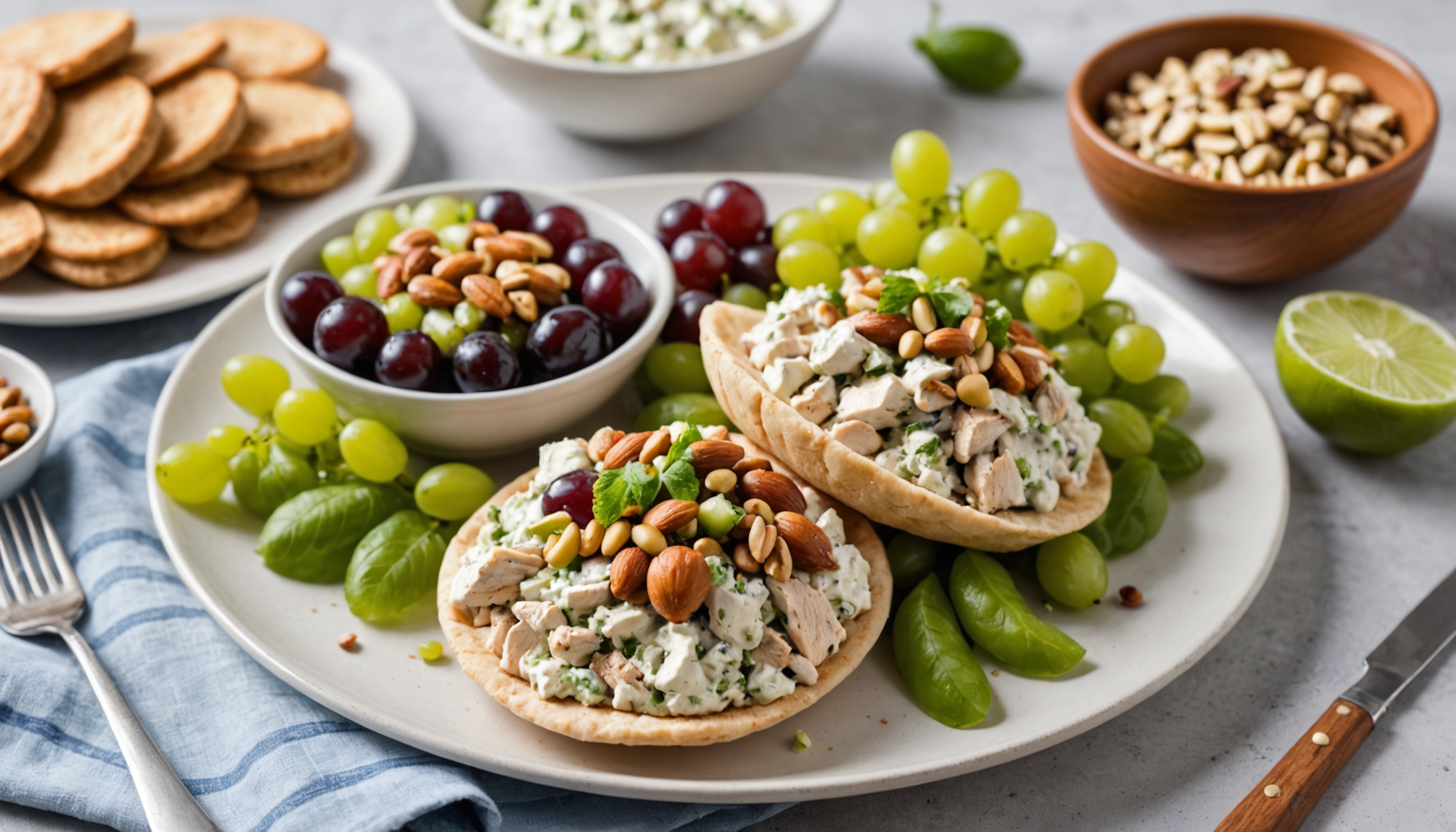
Think of the chicken salad you grew up with—creamy, comforting, usually loaded with mayo and served on squishy white bread. This version keeps all the nostalgic flavor, but quietly leans healthier and higher protein, which is perfect for work lunches, quick family meals, or college students who want something they can scoop straight from the fridge.
Instead of using only mayonnaise, try this:
- Shred or dice leftover roast chicken or a rotisserie chicken.
- Stir together plain Greek yogurt with a spoonful of mayo (for that familiar flavor), a squeeze of lemon, salt, pepper, and a little Dijon mustard.
- Add finely chopped celery, halved grapes or diced apple, and a handful of chopped nuts (walnuts or almonds).
Greek yogurt boosts the protein content significantly while cutting some of the saturated fat, and studies show that higher-protein meals can support better satiety and weight management (Westerterp-Plantenga et al., 2009). You can serve this over salad greens, tucked into a whole-grain pita, or scooped onto cucumber slices if you’re going lighter on carbs.
For picky eaters, keep the mix-ins simple—maybe just chicken, yogurt-mayo, and very finely diced celery—and offer fruit and nuts on the side. For athletes and big appetites, pile it onto toasted whole-grain bread and add a slice of cheese for a little extra staying power.
2. One-pan lemon garlic salmon and potatoes
Salmon can feel a bit “fancy” on a Tuesday night, but if you line a sheet pan with parchment and let the oven do the work, it’s actually one of the easiest easy healthy dinner ideas you can make. Fatty fish like salmon supply high-quality protein plus omega-3 fats, which support heart and brain health (American Heart Association, 2021).
Here’s a simple, very forgiving method:
- Toss small halved baby potatoes with olive oil, salt, and pepper on a sheet pan; roast at 425°F for about 15 minutes.
- Push the potatoes to the sides and place salmon fillets in the center. Brush with olive oil, sprinkle with minced garlic, salt, pepper, and lay a lemon slice on top of each piece.
- Roast another 10–12 minutes, until the salmon flakes easily and the potatoes are golden.
You get about 20–25 grams of protein per 4-ounce serving of salmon, plus those wonderful omega-3s. Serve with a simple side of steamed green beans or a handful of baby spinach tossed with olive oil and lemon right on the plate. If you’ve got a reluctant fish eater at the table, start by serving them a tiny “tasting piece” of salmon alongside something familiar, like a small pile of roasted potatoes or bread. No pressure, no speeches—just gentle exposure.
3. High-protein veggie-loaded turkey meatballs
Meatballs are one of those magical, endlessly adaptable dinners: good over pasta, tucked into a sub roll, or speared with toothpicks and dipped in sauce. This version sneaks in extra vegetables and uses lean ground turkey for a lighter but still very satisfying protein source.
Try this method for a big batch (they freeze beautifully):
- In a large bowl, combine lean ground turkey with very finely grated carrot or zucchini (squeezed dry), minced onion, an egg, whole-wheat breadcrumbs, and a bit of grated Parmesan.
- Season with salt, pepper, garlic powder, and dried Italian herbs.
- Form into small meatballs and bake on a parchment-lined sheet pan at 400°F for about 15–18 minutes, until cooked through.
The vegetables help keep the meatballs moist and tender while adding fiber and micronutrients. Serve them with whole-wheat or chickpea pasta and that veggie-loaded marinara you’ve already got in your repertoire, or pile them into toasted rolls with melted mozzarella for a classic sub that feels indulgent but eats much lighter.
For athletes or anyone needing extra fuel, double up on meatballs and add a side of roasted vegetables or a simple salad. For kid friendly plates, offer a few small meatballs with plain buttered noodles and a little dish of marinara for dipping—same ingredients, just presented in a way that feels less overwhelming.
4. Tofu (or chicken) stir-fry that even skeptics will eat
Stir-fries are a dream for busy nights: quick, colorful, and endlessly flexible. And when you use tofu, tempeh, or lean chicken, you get a nice hit of protein with relatively little prep. Soy-based proteins like tofu provide all nine essential amino acids and can be part of a heart-healthy eating pattern when used in place of higher-fat meats (Messina, 2016).
Here’s a straightforward base you can adapt to whatever’s in your crisper drawer:
- Press extra-firm tofu and cut into cubes, or slice chicken breast thinly.
- Whisk together a simple sauce: low-sodium soy sauce or tamari, a little honey or maple syrup, grated ginger, minced garlic, and a splash of rice vinegar.
- Stir-fry tofu or chicken in a bit of oil until browned and cooked through; remove from the pan.
- In the same pan, cook mixed veggies—bell peppers, broccoli, snap peas, carrots—until just tender.
- Return the protein to the pan, pour over the sauce, and toss until everything is glossy and hot.
Serve over brown rice, quinoa, or even frozen microwavable rice for maximum convenience. If tofu is new in your house, try a half-and-half approach: half chicken, half tofu, all cooked in the same sauce. Let everyone taste both and choose what they like. For very cautious eaters, set aside some plain chicken or tofu before saucing, and offer the sauce on the side as a dip.
5. Protein-boosted “breakfast for dinner” burritos
Breakfast-for-dinner is one of the easiest ways to get a solid protein hit without anyone feeling like they’re eating “health food.” Eggs are a nutritional bargain—packed with high-quality protein, choline, and several vitamins and minerals (USDA, 2020)—and they cook in minutes.
Think of these burritos as a flexible template:
- Scramble eggs with a splash of milk or Greek yogurt for extra creaminess.
- Add black beans or pinto beans for extra protein and fiber.
- Stir in a handful of spinach or finely chopped peppers if your crew will tolerate it.
- Spoon the mixture onto warmed whole-wheat tortillas and top with shredded cheese and salsa.
Roll them up and you’re done. For athletes, tuck some roasted sweet potato cubes or leftover rice inside for extra carbs. For college students or busy professionals, make a batch, wrap each burrito in foil, and refrigerate; they reheat beautifully in the oven or a skillet. You can even freeze them individually for future grab-and-go dinners.
For younger kids or more hesitant eaters, deconstruct the burrito: a small pile of scrambled eggs, a scoop of beans, a sprinkle of cheese, and a tortilla cut into wedges. Same nutrients, but presented in a way that feels more approachable.
6. Creamy lentil and veggie skillet (no one misses the meat)
Lentils are one of those pantry ingredients that quietly do everything: they’re affordable, high in protein and fiber, and cook much faster than most other dried legumes. A ½-cup cooked serving offers around 9 grams of protein plus plenty of iron and folate (USDA, 2020). When you simmer them with vegetables and a few simple flavor boosters, you get a deeply satisfying one-pan dinner.
Here’s an easy approach that feels comforting and cozy:
- Sauté diced onion, carrot, and celery in olive oil until soft.
- Add rinsed lentils (brown or green), a little tomato paste, and vegetable or chicken broth.
- Simmer until the lentils are tender, then stir in chopped spinach or kale.
- Finish with a splash of cream, coconut milk, or a spoonful of plain yogurt to make it silky.
Serve this over brown rice, quinoa, or even mashed potatoes. The texture is a bit like a hearty bolognese or chili, which makes it feel familiar even for people who don’t usually think of themselves as “lentil people.” For meat-lovers or athletes, you can stir in a bit of crumbled cooked sausage or ground turkey for a half-and-half version while you transition toward more plant-based meals.
7. Cottage cheese (or ricotta) baked pasta bake
Baked pasta is such a crowd-pleaser, but traditional versions can tilt heavily toward refined carbs and cheese with relatively little protein. A simple swap—using cottage cheese or part-skim ricotta in the mix—bumps up the protein while keeping that gooey, comforting vibe.
To put this together on a weeknight, you can:
- Cook whole-wheat or protein-enriched pasta until just shy of al dente.
- In a bowl, mix cottage cheese with an egg, a bit of shredded mozzarella, and dried Italian herbs.
- Toss the hot pasta with veggie-rich marinara (from your “hidden veggie” arsenal) and a can of white beans or some cooked ground turkey for extra protein.
- Layer pasta, cottage cheese mixture, and a sprinkle of mozzarella in a baking dish.
- Bake at 375°F until bubbly and golden on top.
Each slice offers a mix of protein from the cheese and beans or meat, plus fiber from the pasta and sauce. For very cautious eaters, keep the vegetables small and well-cooked in the sauce; for more adventurous palates, add visible chunks of roasted zucchini, mushrooms, or eggplant.
This is also a great “cook once, eat twice” recipe. Make a big pan on Sunday night, and you’ve got lunches or an extra dinner ready to reheat later in the week—perfect for busy professionals and students who don’t want to cook from scratch every night.
8. Quick tuna (or salmon) patties with simple sides
Canned tuna and salmon are pantry heroes: shelf-stable, budget-friendly, and naturally rich in protein and omega-3 fats. They’re wonderful for throwing together something that tastes like “real food” in under 20 minutes.
Here’s how to make them into crisp, satisfying patties:
- Drain canned tuna or salmon well and place in a bowl.
- Mix with an egg, whole-wheat breadcrumbs or oat flour, a little mayo or Greek yogurt, lemon juice, salt, pepper, and finely chopped herbs or scallions.
- Form into small patties and pan-sear in a bit of oil until golden on both sides.
Serve with a simple yogurt-lemon sauce or ketchup for kids, plus a quick side salad, roasted vegetables, or even a microwaved baked potato. For carb-loving athletes, tuck the patties into whole-grain buns like burgers.
If someone at your table is wary of “fishy” flavors, start with tuna packed in water and add a little extra lemon and herbs. You could even make a half-batch of tuna patties and a half-batch of turkey patties and serve them side by side so everyone can choose.
Once you start thinking this way—adding beans to eggs, swapping some mayo for Greek yogurt, leaning on salmon, lentils, tofu, or turkey—you’ll see that high-protein, kid friendly dinners don’t have to be complicated or time-consuming. A few smart choices can turn beloved comfort foods into steady-energy, muscle-supporting meals that work for the whole household: athletes, college students, busy parents, and the smallest skeptics at the table.
Better-for-you versions of kid-approved classics
Classic “kid food” doesn’t have to mean a sugar crash or a plate full of ultra-processed ingredients. With a few small tweaks, you can keep the flavors and fun your kids love while quietly improving the nutrition. These better-for-you spins fit seamlessly into your rotation of easy healthy dinner ideas and still feel like the comfort food everyone is craving.
“Small changes, repeated consistently, are what add up to big results over time.” – summarized from behavior-change research in public health nutrition
Below are step‑by‑step, practical upgrades to classic kid friendly favorites—pizza, nuggets, fries, and more—that work for real‑life family meals, even with picky eaters at the table.
1. Lighter, veggie-boosted pizza night
Instead of giving up pizza night, reshape it so it works harder for you nutritionally while staying fun and familiar.
- Choose a smarter base
- Pick whole‑wheat, thin‑crust, or pita/flatbread bases to add fiber and reduce refined flour.
- Keep personal‑size crusts on hand (pitas, naan, or tortillas) so each person can top their own.
- Upgrade the sauce
- Use a veggie-loaded marinara (with blended carrots, peppers, or squash) as your sauce.
- Spread a thin but even layer so every bite has flavor without becoming soggy.
- Balance the cheese
- Sprinkle a moderate layer of part‑skim mozzarella instead of piling it on thick.
- Add a tablespoon of grated Parmesan per pizza for a big flavor boost with little extra cheese.
- Layer on “friendly” veggies
- Start with milder options like finely chopped spinach under the cheese, diced bell pepper, or mushrooms.
- Offer a “toppings bar” with bowls of olives, pineapple, tomatoes, or broccoli and let kids choose 1–2.
- Bake and serve smart
- Bake at 425–450°F until the crust is crisp and the cheese is bubbly.
- Serve with a simple side salad or sliced cucumbers/carrots to naturally round out the meal.
For very hesitant eaters, make half the pizza “plain cheese” and half with veg; offer a tiny square of the veggie side as a no‑pressure taste test.
2. Baked “fried” chicken nuggets that actually crunch
Chicken nuggets are a universal favorite. This version uses the oven (or air fryer) to mimic that fried crunch with far less oil and more control over ingredients.
- Prep the chicken
- Cut boneless, skinless chicken breasts or thighs into bite‑size pieces.
- Pat dry with paper towels so the coating sticks well.
- Season the base
- Sprinkle the chicken with a little salt, pepper, and garlic powder.
- For extra tenderness, toss in a spoonful of plain yogurt or buttermilk and let sit 10–15 minutes.
- Make a crunchy coating
- In one bowl, whisk an egg with a splash of milk.
- In another bowl, combine whole‑wheat breadcrumbs or crushed whole‑grain cereal with:
- a pinch of salt and paprika, and
- optional: 1–2 tablespoons of grated Parmesan for extra flavor.
- Coat and arrange
- Dip each chicken piece in the egg, then roll in the crumb mixture to coat.
- Place on a parchment‑lined baking sheet or air‑fryer basket in a single layer.
- Lightly mist or brush with oil to enhance crispiness.
- Bake or air fry
- Bake at 400°F for 12–15 minutes (turn once), or air fry at 390–400°F for 8–10 minutes.
- Check that the internal temperature reaches 165°F and the coating is golden and crisp.
- Serve with upgraded dips
- Offer ketchup plus yogurt‑based ranch, honey‑mustard (mustard + honey + yogurt), or warm marinara.
- Pair with sliced raw veggies, roasted carrot “fries,” or a small baked potato to complete the plate.
If your kids love frozen nuggets, serve these alongside a few store‑bought ones the first time so the transition feels less dramatic.
3. Oven fries and tots instead of drive‑thru sides
Fries and tater tots are classic sides that can be turned into something more nourishing without losing their appeal.
- Choose your “fry” base
- Cut russet or Yukon potatoes into thin wedges or shoestring fries.
- Try sweet potatoes, carrots, parsnips, or a mix for added vitamins and color.
- Soak for extra crisp (optional, but helpful)
- Soak cut potatoes in cold water for 20–30 minutes to remove some surface starch.
- Drain and dry very well with a towel.
- Season lightly but well
- Toss with 1–2 tablespoons of olive or avocado oil per sheet pan.
- Add salt, pepper, garlic powder, and paprika, or a little parmesan for “pizza fries.”
- Roast at high heat
- Spread fries in a single layer on a parchment‑lined sheet pan; don’t crowd them.
- Roast at 425–450°F, flipping halfway, until edges are brown and crisp (about 20–30 minutes).
- Turn leftover mash into tots
- Mix leftover mashed potatoes or sweet potatoes with:
- grated carrots or broccoli,
- a beaten egg, and
- breadcrumbs and a pinch of salt.
- Shape into small cylinders and bake at 400°F until firm and golden (15–20 minutes).
- Mix leftover mashed potatoes or sweet potatoes with:
- Pair with protein
- Serve fries or tots alongside baked nuggets, grilled fish, or turkey burgers to build a balanced meal.
- Offer yogurt‑based dips to add a little protein to every bite.
Calling these “restaurant fries” or “superhero fries” can make them more enticing for picky eaters without changing the recipe at all.
4. Healthier burgers and sliders with all the fun toppings
Burgers are a powerful comfort food, and they’re an easy place to slip in more fiber and veggies while keeping that familiar juicy bite.
- Boost the patty itself
- Combine lean ground beef or turkey with:
- very finely chopped mushrooms or onions,
- a spoonful of oats or whole‑wheat breadcrumbs, and
- a bit of grated carrot or zucchini (squeezed dry).
- Season with salt, pepper, and a splash of Worcestershire or soy sauce.
- Combine lean ground beef or turkey with:
- Shape smaller sliders
- Form into small slider patties rather than large burgers; they cook faster and feel more manageable to kids.
- Press a small dimple in the center of each patty to help them cook flat instead of puffing up.
- Cook without deep frying
- Pan‑sear in a lightly oiled skillet, grill, or bake at 400°F until fully cooked.
- Let the burgers rest for a few minutes so juices redistribute and stay moist.
- Upgrade the bun and toppings
- Use whole‑wheat buns or mini slider rolls for added fiber.
- Set out toppings like:
- lettuce or baby spinach,
- tomato slices or pickles,
- avocado, and
- a slice of cheese or sprinkle of shredded cheese.
- Serve with smart sides
- Pair with oven fries, corn on the cob, or a fruit and veggie platter rather than chips.
- Offer a small tasting bowl of a new veggie on the side—two or three pieces, no pressure.
For burger‑skeptical kids, serve the patty cut into “meat coins” or strips with toothpicks and dipping sauce; same recipe, friendlier presentation.
5. Mac and cheese with a stealthy nutrition upgrade
Mac and cheese is a non‑negotiable in many homes. The goal isn’t to remove the comfort, but to gently improve the ingredients and add staying power.
- Start with better pasta
- Use whole‑wheat, chickpea, or lentil pasta for extra protein and fiber.
- Choose smaller shapes like elbows, shells, or mini penne that hold sauce well.
- Make a veggie‑based sauce
- Steam or roast butternut squash, sweet potato, or cauliflower until very soft.
- Blend with:
- milk (dairy or fortified plant milk),
- a handful of shredded cheese, and
- a pinch of salt, garlic powder, and onion powder.
- Adjust with more milk for a thinner sauce or more veg for thicker, creamier texture.
- Combine and bake (optional)
- Toss hot cooked pasta with the warm veggie cheese sauce.
- For baked mac, pour into a dish, sprinkle with a small amount of extra cheese or whole‑wheat breadcrumbs, and bake at 375°F until bubbly.
- Add hidden protein
- Stir in:
- Greek yogurt or cottage cheese (blended smooth), or
- finely chopped leftover chicken, turkey, or ham.
- Keep additions small at first so the flavor stays familiar.
- Stir in:
- Serve in friendly portions
- Offer a moderate scoop of mac and cheese with:
- steamed peas or broccoli, or
- a side of fruit for balance.
- If your child is wary of “mixed” foods, serve the veggie or protein on the side but still integrated into the meal.
- Offer a moderate scoop of mac and cheese with:
When kids are used to boxed mac and cheese, start by replacing just half the cheese sauce with your veggie sauce and gradually increase the ratio over a few weeks.
6. Better-for-you “fast food” tacos
Tacos are endlessly adaptable and perfect for family meals with mixed preferences. Tiny upgrades to the shell, filling, and toppings can add up to a much more balanced plate.
- Pick the shell with intention
- Use small corn tortillas or whole‑wheat tortillas instead of oversized flour tortillas.
- Warm them in a dry skillet or briefly in the oven to make them more pliable and tasty.
- Mix in plants with the protein
- Brown lean ground beef or turkey with taco seasoning.
- Finely mince mushrooms, carrots, or zucchini in a food processor and cook with the meat.
- Add a can of black beans or lentils to stretch the mixture and boost fiber.
- Keep toppings simple and colorful
- Set out:
- shredded lettuce or cabbage,
- tomatoes or salsa,
- shredded cheese, and
- plain Greek yogurt in place of sour cream.
- Encourage each person to pick at least one colorful topping they feel okay about.
- Set out:
- Offer deconstructed plates
- For picky eaters, serve:
- a scoop of taco meat/beans,
- a pile of tortilla chips or a warmed tortilla cut in strips, and
- tiny portions of toppings in separate sections.
- Let them assemble at their own pace, or just dip as they please.
- For picky eaters, serve:
- Round out the meal
- Add corn on the cob, sliced fruit, or simple rice on the side for a satisfying, complete dinner.
7. DIY “takeout-style” noodle bowls with upgrades
Many kids love saucy noodles. You can mimic the taste of takeout while leaning on better ingredients and more vegetables.
- Choose the noodles
- Use whole‑wheat spaghetti, soba noodles, or protein‑enriched pasta.
- Cook according to package directions, then drain and set aside.
- Make a simple, lighter sauce
- Whisk together:
- low‑sodium soy sauce or tamari,
- a spoonful of peanut or almond butter,
- a drizzle of honey or maple syrup, and
- a splash of rice vinegar or lime juice.
- Thin with a bit of warm water if needed for a pourable consistency.
- Whisk together:
- Add protein
- Cook:
- chicken strips, shrimp, or tofu cubes in a skillet with a little oil, or
- use leftover rotisserie chicken or edamame for a no‑cook option.
- Cook:
- Fold in vegetables
- Stir‑fry quick‑cooking vegetables like:
- shredded carrots,
- snap peas,
- thin‑sliced peppers, or
- a handful of frozen mixed veggies.
- Toss cooked noodles, sauce, protein, and veggies together until everything is coated.
- Stir‑fry quick‑cooking vegetables like:
- Serve family‑style
- Put the big bowl in the center of the table with tongs for serving.
- Offer toppings like chopped peanuts, sesame seeds, or cucumber slices on the side.
<p
Make-ahead dinners for stress-free evenings
 Preparing parts of dinner ahead of time is like sending a message of kindness to your future self. On nights when the day has run off the rails, “all that’s left to do” might be reheating a casserole, tossing a salad, or assembling burritos from already-prepped fillings. When you plan even one or two components in advance, you don’t just save time—you lower the emotional load of decision-making, which can be the real reason we default to takeout instead of the easy healthy dinner ideas we say we want to cook.
Start by asking yourself: what part of dinner always feels hardest—chopping vegetables, cooking protein, or thinking of what to make? Focus your make-ahead energy right there. If your roadblock is chopping, spend 20 minutes once or twice a week washing and cutting veggies. If it’s protein, cook a big batch of something versatile—chicken, beans, or tofu—that can shift into tacos, bowls, quesadillas, or salads. You’re not “meal prepping” for Instagram; you’re designing a softer landing for your real life.
One of the simplest strategies is to make “double dinners”: anytime a recipe freezes well, cook twice as much and stash half. Turkey meatballs, lentil bolognese, veggie-loaded chili, and baked pasta all hold up beautifully in the freezer. Portion them in flat, labeled freezer bags or small containers so you can defrost quickly and pull out just what you need for that night’s family meals. Over a month or two, you quietly build a “backup menu” that protects you from the nights when nothing goes as planned.
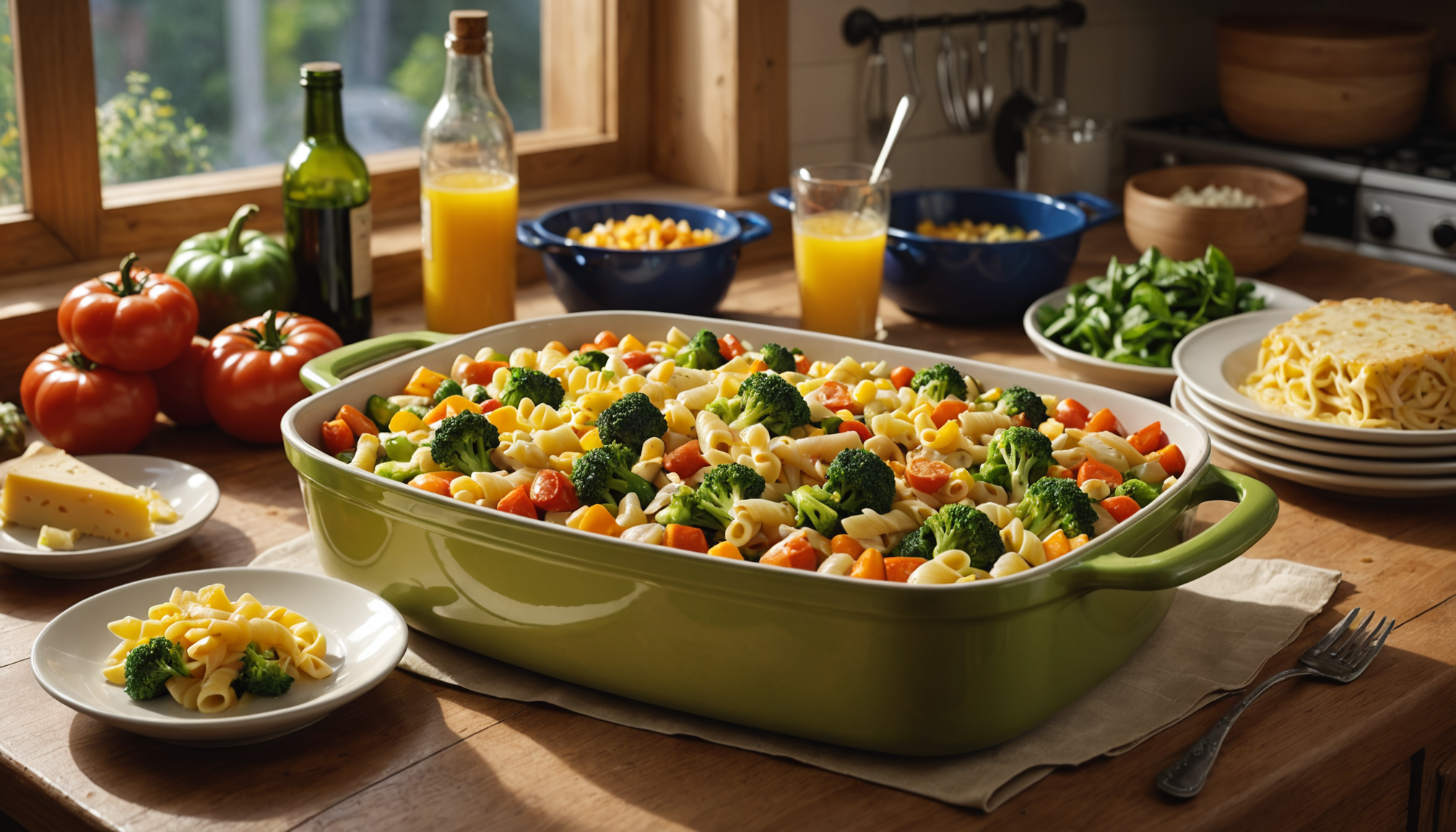
Casseroles and bakes are make-ahead powerhouses, especially if you’re feeding a mix of hungry teens, athletes, busy professionals, and picky eaters. Think of them as “meal frameworks”: a base (pasta, rice, or potatoes), a protein, plenty of vegetables, and a sauce that ties it together. Vegetable and chicken enchilada bake, cottage-cheese pasta bake, or a brown-rice and black-bean “burrito casserole” can all be assembled the night before and simply baked when you walk in the door. For ultra-busy weeks, freeze the casserole unbaked, then thaw in the fridge overnight and bake as usual.
Make-ahead soups and stews work like edible security blankets. A big pot of lentil soup, minestrone, or chicken and vegetable stew can become three different meals just by changing the sides: crusty whole-grain bread and a salad on night one, poured over baked potatoes on night two, and served with grilled cheese or quesadillas on night three. Many soups taste better the next day as flavors meld, and the vegetables soften into a texture that often feels more approachable for kid friendly palates.
Don’t overlook the power of pre-cooked grains. Cooking a large pot of brown rice, quinoa, or farro once gives you a base for grain bowls, stir-fries, and stuffed peppers all week. Store them in the fridge and reheat with a splash of water or broth to bring them back to life. For athletes or very active family members, these grains become the carbohydrate “anchor” that supports recovery and steady energy; for those watching portions, they become one component on a plate that’s still anchored in vegetables and protein.
Freezer-friendly “building blocks” can turn five minutes into a meal. Consider keeping on hand: frozen brown rice, frozen mixed vegetables, pre-cooked chicken strips, turkey or lentil meatballs, and veggie-loaded tomato sauce. In practice, that means you can walk in at 7 p.m. and have meatballs in sauce over rice, or a loaded veggie fried rice with egg and edamame, on the table in under 20 minutes. The freezer stops being a graveyard of mystery leftovers and becomes a curated tool that reflects your values around nourishment and ease.
For households juggling picky eaters and more adventurous diners, make-ahead “bar” nights change everything. Prep taco filling, chopped vegetables, salsa, and shredded cheese ahead of time, then offer them as a taco bar. Do the same with grain bowls (rice, beans, chicken, veggies, sauces) or baked potato bars (pre-baked potatoes, broccoli, beans, Greek yogurt, cheese). Because the hard work was done earlier, you can slow down at the table and let each person build a plate that feels safe to them—crucial for reducing pressure and building trust around new foods.
Think, too, about make-ahead breakfasts-for-dinner, which can be surprisingly balanced and satisfying. Egg muffins, veggie-loaded frittatas, or freezer-friendly breakfast burritos (eggs, beans, a little cheese, and optional veggies) can be baked in batches on the weekend. On a chaotic night, reheating them with a side of fruit and some cut-up veggies is infinitely better than skipping dinner or defaulting to ultra-processed snacks. What would change in your evenings if “dinner” sometimes meant reheating something wholesome instead of starting from zero?
Make-ahead doesn’t have to live only in the fridge and freezer; it can also live in your calendar and your habits. You might designate one “prep pocket” each week—just 30–45 minutes when you cook a pot of grains, roast a tray of vegetables, and grill or bake a tray of protein. Or you might link prep to something you already do: when you boil pasta, you also hard-boil eggs for tomorrow; when you chop tonight’s onions, you dice extra for tomorrow’s soup. These tiny overlaps compound over time, shrinking the distance between wanting to eat well and actually doing it.
Underneath all the chopping, freezing, and reheating lies an invitation to think differently about your time and your energy. What if you saw make-ahead cooking not as another task to squeeze in, but as a way to free up mental space for homework help, stretching after a workout, or simply breathing for a minute between obligations? As you experiment with these strategies, notice which ones genuinely lighten your evenings and which feel like a burden. Why not treat your kitchen like a lab and your week like a hypothesis: “If I prep these three things on Sunday, how will my Thursday self feel?” The answers might surprise you—and they might deepen your curiosity about how food, planning, and well-being weave together in your daily life.
- How far in advance can I safely prep make-ahead dinners?
- Most cooked proteins, grains, and casseroles keep well in the fridge for 3–4 days when stored in airtight containers. Soups, stews, and many baked dishes also freeze well for up to 2–3 months, as long as they’re cooled quickly and labeled with the date.
- What are the best freezer-friendly meals for picky eaters?
- Generally, familiar, soft-textured dishes freeze best for picky eaters: baked pasta, turkey or lentil meatballs, mild soups like chicken noodle or veggie-packed tomato, and quesadilla fillings. Keeping flavors simple and sauces smooth tends to make reheated meals more approachable.
- How do I reheat make-ahead meals without drying them out?
- Add a splash of water, milk, or broth before reheating casseroles, grains, or pasta to restore moisture. Cover the dish (with a lid or foil) and reheat gently on the stove or at a moderate oven or microwave setting, stirring once or twice if possible.
- Can make-ahead dinners still be healthy if I use shortcuts like canned beans or frozen veggies?
- Absolutely—canned beans, frozen vegetables, and pre-cooked grains are nutrient-dense shortcuts that can make easy healthy dinner ideas realistic on busy nights. Choose low-sodium or no-salt-added options when you can, rinse canned beans, and focus on combining them with lean proteins and whole grains.
- How can I involve my kids in prepping make-ahead meals?
- Invite kids to wash produce, tear lettuce, sprinkle cheese, or assemble burritos and grain bowls; give them age-appropriate jobs so they feel ownership without stress. Involving them in choices—like picking veggies for a casserole—can gradually make family meals less of a battle.
- What if my schedule is too unpredictable to plan full meals in advance?
- Focus on prepping flexible “building blocks” instead of full recipes: a pot of grains, a tray of roasted vegetables, a batch of chicken, tofu, or beans. These pieces let you assemble different combinations—salads, wraps, bowls, or pastas—depending on what the day throws at you.
- How do I keep make-ahead meals from getting boring?
- Use the same base ingredients in different ways throughout the week: rice becomes a burrito bowl one night and a veggie fried rice the next, roasted chicken turns into tacos, soup, or pasta. Keeping a few contrasting sauces and toppings—like pesto, salsa, yogurt-based dressings, and fresh herbs—on hand can transform the same core foods into meals that feel new.

Leave a Reply