
- Quick weeknight meals with few ingredients
- Budget-friendly plant-based dinners
- One-pot and sheet-pan recipes
- Make-ahead meals and smart leftovers
- Healthy pantry staples to keep on hand
On those nights when you walk in the door and think, “I cannot possibly cook,” that’s usually when a few smart, simple recipes can save the day. The trick is to lean on a short list of ingredients that you know and love, and let them do the heavy lifting. You don’t need a mile-long shopping list to make easy healthy dinner ideas happen; you just need a few building blocks and a plan that feels do‑able, even when you’re tired, hungry, and two emails away from burnout.
What I’ve found—whether I’m cooking for a busy family, a single friend training for a race, or a college student with a tiny kitchen—is that the dinners we actually make over and over are the ones that are simple, flexible, and forgiving. Think: five to eight ingredients, one pan if possible, and minimal chopping. When you have a few of those up your sleeve, “What’s for dinner?” stops feeling like a pop quiz and starts feeling more like a friendly routine.
Let’s walk through a few ideas you can practically make on autopilot. They’re budget-conscious, mostly under 30 minutes, and don’t require fancy equipment or specialty stores. Just straightforward, wholesome food that tastes good any night of the week.
1. 15-minute skillet lemon-garlic chicken (or tofu)
This is the kind of recipe that works whether you’re cooking for a family of five or just yourself after the gym. It uses pantry basics but tastes bright and fresh.
- Protein: thin chicken cutlets or extra-firm tofu
- Flavor base: garlic, lemon, olive oil, salt, pepper
- Optional extras: a handful of spinach or arugula, or any quick-cooking vegetable
Here’s the rhythm: warm a little olive oil in a skillet, sear your chicken or tofu until golden on both sides, then toss in minced garlic for the last minute so it doesn’t burn. Squeeze in plenty of lemon juice, add a splash of water or broth, and let it simmer just until everything is glossy and fragrant. If you have greens, throw them into the pan and let them wilt in the sauce.
Serve this over microwaveable brown rice, quinoa, or even a slice of whole-grain toast. It feels bright and special, but it’s really just a few ingredients doing their thing. And yes, this absolutely qualifies as one of those “cheap healthy dinners” that still feel like a treat.
2. Five-ingredient roasted veggie and hummus flatbreads
Flatbreads are a lifesaver on nights when nobody can agree on dinner. Everyone gets to “decorate” their own, and you get a balanced meal with very little effort.
- Base: whole-wheat pitas, naan, or tortillas
- Spread: hummus (any flavor you like)
- Veggies: bell peppers, red onion, zucchini, cherry tomatoes, or whatever’s lingering in the crisper
- Seasoning: olive oil, salt, pepper, dried oregano (optional)
- Bonus: a sprinkle of feta or grated Parmesan if you have it
Toss the sliced vegetables in olive oil, salt, and pepper, spread them on a sheet pan, and roast at 425°F until soft and a little caramelized—about 15–20 minutes. Meanwhile, warm the flatbreads directly on the oven rack for a couple of minutes. Spread with hummus, top with the roasted vegetables, and finish with a little cheese or a squeeze of lemon if you’re feeling fancy.
You get protein from the hummus, fiber and color from the vegetables, and complex carbs from the flatbread—all in what feels like a casual, snack‑style dinner. For college students, this is perfect “study fuel”; for families, it’s a fun, low-stress way to get more vegetables on the table.
3. One-pan pasta primavera (with frozen vegetables)
Pasta can absolutely be part of a healthy weeknight routine, especially when you pair it with lots of vegetables and keep portions in check. One of the smartest shortcuts for busy nights is frozen veggies—they’re picked at peak ripeness and often retain nutrients just as well as fresh, sometimes even better.[1]
- Base: whole-wheat or legume pasta (like chickpea or lentil)
- Veggies: a bag of frozen mixed vegetables or frozen broccoli
- Sauce: olive oil or a little butter, garlic (fresh or powdered), lemon or a splash of vinegar
- Topping: grated Parmesan or nutritional yeast
Cook the pasta in salted water. A few minutes before it’s done, add the frozen vegetables straight into the pot. Drain, reserving a little of the cooking water. Put it all back into the pot with olive oil or butter, garlic, and a splash of the pasta water. Stir until it turns into a light, silky sauce. Finish with lemon and cheese.
This is ideal for sport enthusiasts who need quick carbs and vegetables after a workout, and for families who want dinner on the table in under half an hour with only one pot to wash. It’s also wonderfully suited to frugal cooking—frozen vegetables and whole-wheat pasta are both classic budget meals staples.
4. Sheet-pan chili-lime salmon (or beans) with veggies
When you want something that feels “restaurant-y” but only have 20 minutes, this is the move. It’s protein, vegetables, and flavor all on one pan.
- Protein: salmon fillets, or drained canned chickpeas for a plant-based version
- Veggies: broccoli florets, green beans, or sliced carrots
- Seasoning: olive oil, chili powder, garlic powder, lime or lemon, salt
Spread everything on a sheet pan, drizzle with olive oil, and toss with chili powder, garlic powder, and salt. Roast at 425°F until the salmon flakes easily and the vegetables are tender—usually 12–15 minutes. Squeeze lime over everything before serving.
Serve this as is, or over a simple side like microwaveable brown rice. Busy professionals love this kind of meal because it looks impressive but requires almost zero hands‑on time. You can answer emails while dinner cooks itself.
5. Super-fast bean and veggie quesadillas
Quesadillas are one of the most adaptable “use what you have” dinners. They’re particularly good for families with picky eaters and for students working with limited fridge space.
- Base: whole-wheat tortillas
- Protein: canned black beans or pinto beans, rinsed and drained
- Veggies: corn (fresh, canned, or frozen), bell peppers, spinach, or leftover roasted vegetables
- Cheese: shredded cheddar, Monterey Jack, or whatever you’ve got
- Optional: salsa, Greek yogurt, or avocado on the side
Lightly mash the beans with a fork and spread them on half of each tortilla. Add vegetables and cheese, fold, and cook in a dry or lightly oiled skillet until the tortilla is crisp and the cheese melts. Cut into wedges.
Beans give you fiber and plant-based protein, which help keep you full and support stable energy—especially helpful for late-night study sessions or post-practice hunger.[2] Paired with some salsa and a spoonful of Greek yogurt, you’ve got a plate that feels comforting and fun, but still qualifies as one of those “easy healthy dinner ideas on a budget.”
6. Five-minute egg power bowls
Eggs are a weeknight hero. They cook in minutes, they’re incredibly affordable, and they’re rich in high-quality protein and nutrients like choline and vitamin D.[3] When you’re too tired to think, eggs are there for you.
- Base: leftover grains, frozen brown rice, or even a slice of whole-grain toast torn into pieces
- Protein: 2–3 eggs per person
- Veggies: chopped tomatoes, spinach, frozen peas, or pre-shredded carrots
- Topping: a drizzle of olive oil or hot sauce, a sprinkle of cheese, or sliced avocado if you have it
Scramble the eggs in a nonstick pan. While they cook, warm up your grain base (microwave is fine). Pile the eggs on top, add vegetables—raw or quickly sautéed in the same pan—and finish with your favorite toppings.
For athletes, this is a perfect post-workout bowl; for parents, it’s that “breakfast for dinner” secret weapon when everyone’s hungry and you need something on the table yesterday. For students, it’s just really nice to know you can make a complete meal from a few basics in your mini-fridge.
When you start thinking in terms of simple frameworks like these—protein + vegetables + whole grains + flavor—you open up a whole world of “I can actually do this” dinners. You don’t need perfection; you just need a few reliable, no-fuss combinations that fit your life, your budget, and your taste buds. And once you have those in your back pocket, weeknights feel a lot calmer, and eating well becomes something you actually look forward to, instead of one more thing on your to‑do list.
References:
[1] Rickman, J.C., Barrett, D.M., & Bruhn, C.M. (2007). Nutritional comparison of fresh, frozen and canned fruits and vegetables. Part 1. Vitamins C and B and phenolic compounds. Journal of the Science of Food and Agriculture.
[2] Afshin, A. et al. (2014). Dietary intake of major food groups in relation to all-cause mortality: A systematic review and meta-analysis. BMJ.
[3] Department of Agriculture and Department of Health and Human Services. (2020). Dietary Guidelines for Americans 2020–2025.
Budget-friendly plant-based dinners
Plant-based dinners are one of the easiest ways to keep food costs down while still eating nutrient-dense, satisfying meals. A 2023 analysis from the World Resources Institute found that plant-forward meals can cost up to 40% less than comparable meat-based dishes, especially when they rely on staples like beans, lentils, and whole grains. At the same time, large cohort studies continue to link higher plant food intake with lower risks of heart disease, type 2 diabetes, and some cancers, making plant-based options a natural fit for easy healthy dinner ideas that are both budget-conscious and good for long-term health.[4][5]
Instead of thinking about plant-based eating as a total overhaul, it helps to see it as a spectrum. You can have entirely vegan dinners, or simply lean more heavily on beans, lentils, and vegetables while using smaller amounts of meat or cheese for flavor. The real win for frugal cooking is that plant proteins tend to be shelf-stable, versatile, and incredibly forgiving, which means less food waste and more flexibility when you are staring into the pantry at 6 p.m.
1. Bean-centric bowls that cost less than takeout
Canned or dried beans are the cornerstone of budget meals. The USDA estimates that dried beans can cost up to 60–75% less per serving than animal proteins like beef or chicken, especially when bought in bulk.[6] They also bring fiber, iron, and slow-digesting carbohydrates that keep you full for hours.
A simple framework:
– Base: brown rice, quinoa, barley, farro, or even couscous
– Protein: black beans, pinto beans, kidney beans, or chickpeas
– Veggies: frozen corn, spinach, bell peppers, shredded cabbage, or roasted root vegetables
– Flavor: salsa, a spoonful of jarred pesto, tahini-lemon sauce, or a drizzle of olive oil and vinegar
Cook your grain (or use microwaveable pouches), warm the beans with a pinch of salt, cumin, and garlic powder, and pile everything into a bowl with whatever vegetables you have. Top with salsa or a quick sauce. You can layer leftovers into tortillas the next day for a new meal, which helps stretch both your time and your grocery money.
Research from the American Gut Project suggests that people who eat a wider variety of plant foods—aiming for at least 30 different plants per week—tend to have more diverse and resilient gut microbiomes.[7] Bowls like these make that easier, because you can rotate different beans, grains, and vegetables without changing the basic formula.
2. Lentil-based “comfort food” that cooks fast
Lentils are a standout for cheap healthy dinners because they cook much faster than most dried beans (often in 20–25 minutes) and do not require soaking. They are rich in protein, fiber, folate, and minerals, and a 2021 review in Nutrients highlighted legumes as a key component of dietary patterns associated with lower cardiovascular risk and better weight management.[8]
Two versatile ideas:
– Red lentil coconut curry: Simmer red lentils in water or broth with curry powder, garlic, and a can of diced tomatoes. Add a small splash of coconut milk for creaminess (you can freeze the rest in an ice cube tray for later) and toss in frozen spinach or peas at the end. Serve over rice or with whole-grain flatbread.
– Hearty lentil “Bolognese”: Sauté onions, carrots, and celery if you have them (or use frozen mirepoix), add dried brown or green lentils, a jar of marinara, and water. Simmer until the lentils are tender, then serve over whole-wheat pasta or polenta.
By swapping lentils for ground meat, you lower saturated fat, increase fiber, and cut the per-serving cost significantly. This kind of recipe is especially useful for families transitioning toward more plant-based eating because it fits into familiar “pasta night” routines.
3. Vegetable-forward stir-fries with tofu or edamame
Stir-fries are nutrient-dense, fast, and endlessly adaptable to seasonal sales and whatever is left in your fridge. Firm tofu and shelled edamame are among the most affordable soy options, and studies consistently show that moderate soy consumption is safe and linked to improved cholesterol levels and lower heart disease risk.[9]
A basic method:
– Protein: cubed firm or extra-firm tofu (pressed briefly in a towel) or frozen shelled edamame
– Veggies: frozen stir-fry blends, broccoli, green beans, carrots, cabbage, or snow peas
– Sauce: low-sodium soy sauce or tamari, garlic, ginger (fresh or powdered), and a little honey or sugar
– Base: brown rice, soba noodles, or even whole-wheat spaghetti
Stir-fry the tofu in a little oil until golden, set aside, then cook the vegetables in the same pan. Add your sauce and a splash of water, then return the tofu to warm through. Serve over rice or noodles. Buying store brands and frozen vegetables keeps costs down, and you can adjust the sauce to your taste preferences.
Key point: Using frozen vegetables in stir-fries is not only cheaper but also highly nutritious; research shows that frozen produce can preserve vitamins C and B just as well as, or sometimes better than, fresh produce that has been stored for several days.[1] That makes stir-fries both wallet- and nutrient-friendly.
4. Chickpea-based “quick fixes” for busy nights
Chickpeas—canned or cooked from dry—are the ultimate “use anywhere” ingredient for easy healthy dinner ideas. They can stand in for meat in sandwiches, salads, soups, and even “meatballs.”
Several no-stress options:
– Mashed chickpea salad sandwiches: Mash chickpeas with a little mayo or Greek yogurt, mustard, diced pickles or celery, and lemon. Pile onto whole-grain bread with lettuce and tomato.
– Crispy sheet-pan chickpeas and vegetables: Toss chickpeas and chopped vegetables in olive oil, smoked paprika, and garlic powder; roast until crisp at the edges and serve over grains or greens.
– Simple chickpea tomato stew: Sauté onion and garlic (or use garlic powder and onion powder), add chickpeas, a can of diced tomatoes, Italian seasoning, and a handful of spinach. Simmer for 10–15 minutes and serve with crusty bread or over pasta.
A 2020 modeling study in The Lancet Planetary Health found that replacing even a portion of red meat with legumes like chickpeas could significantly reduce both household food costs and diet-related greenhouse gas emissions while improving overall nutrient intake.[10] That means you are not just saving money—you are aligning dinner with environmental and health goals in one move.
5. Vegetable-packed “breakfast for dinner” without the meat
Plant-based scrambles and hashes are fast, inexpensive, and family-friendly. You can use tofu for a fully vegan version or keep eggs and simply load up on vegetables while skipping meat.
– For a tofu scramble, crumble firm tofu into a pan with olive oil, turmeric, garlic powder, and a pinch of salt. Add frozen peppers, onions, spinach, or kale. Cook until hot and slightly browned at the edges. Serve with whole-grain toast or rolled into tortillas with salsa.
– For a veggie-loaded hash, sauté potatoes (or use frozen hash browns) with onions, peppers, zucchini, or any leftover roasted vegetables. Crack a couple of eggs on top if you eat them, or stir in a handful of black beans for plant-based protein.
Eggs and tofu are both comparatively low-cost protein sources, and when combined with vegetables and whole grains, they create balanced, affordable dinners that come together in under 20 minutes. For athletes or busy students, these dishes provide a great mix of protein and carbohydrates for recovery and sustained energy.
6. Strategic use of “flavor boosters” to keep plants exciting
One reason people assume plant-based dinners are boring is that they are often pictured as plain salads or steamed vegetables. In reality, a few inexpensive flavor additions can transform simple staples into crave-worthy meals.
Consider keeping low-cost “boosters” on hand:
– Spices: chili powder, cumin, smoked paprika, curry powder
– Acids: vinegar (apple cider, red wine), lemons or limes
– Condiments: soy sauce, hot sauce, mustard, salsa, tahini
A 2023 survey from the International Food Information Council reported that taste remains the number-one driver of food choices, even among people who say health is a priority.[11] That means if you want plant-based meals to be sustainable, they have to be genuinely enjoyable. Using spices and sauces smartly lets you turn the same basic ingredients—like beans, rice, and frozen vegetables—into Mexican-inspired bowls one night, curry the next, and Mediterranean-style platters later in the week, without buying entirely new ingredients each time.
With a small set of pantry staples, plant proteins, and flexible flavor boosters, it becomes much easier to plan budget-friendly plant-based dinners that feel varied and satisfying. You are not chasing expensive specialty products; you are reusing a core group of low-cost ingredients in different ways. Over time, this approach can noticeably lower your grocery bill while nudging your plate toward more fiber, more color, and more of the nutrients that support long-term health.
References:
[1] Rickman, J.C., Barrett, D.M., & Bruhn, C.M. (2007). Nutritional comparison of fresh, frozen and canned fruits and vegetables. Part 1. Vitamins C and B and phenolic compounds. Journal of the Science of Food and Agriculture.
[4] Satija, A. et al. (2017). Healthful and unhealthful plant-based diets and the risk of coronary heart disease in U.S. adults. Journal of the American College of Cardiology.
[5] Schwingshackl, L. et al. (2019). Food groups and risk of type 2 diabetes mellitus: A systematic review and meta-analysis of prospective studies. European Journal of Epidemiology.
[6] USDA Economic Research Service. (2022). Retail trends in beans and other pulses.
[7] McDonald, D. et al. (2018). American Gut: An Open Platform for Citizen Science Microbiome Research. mSystems.
[8] Viguiliouk, E. et al. (2021). Effect of legume consumption on cardiometabolic risk factors: A systematic review and meta-analysis. Nutrients.
[9] Messina, M. (2016). Soy and health update: Evaluation of the clinical and epidemiologic literature. Nutrients.
[10] Springmann, M. et al. (2020). The healthiness and sustainability of national and global food-based dietary guidelines: Modelling study. The Lancet Planetary Health.
[11] International Food Information Council (2023). Food & Health Survey.
One-pot and sheet-pan recipes
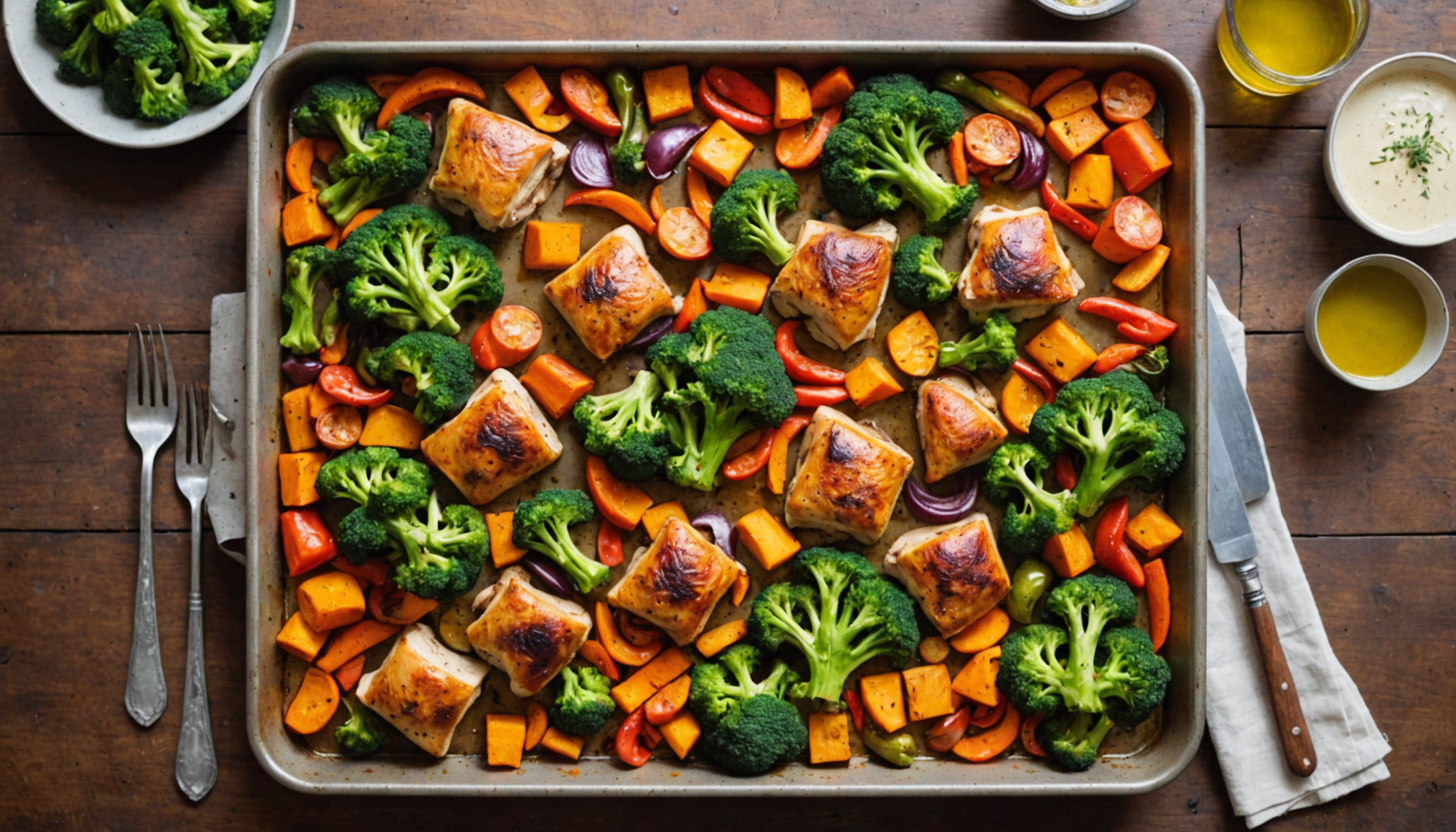
If there’s one thing that truly changes how weeknights feel, it’s discovering the magic of putting everything in one pan, sliding it into the oven, and walking away. One-pot and sheet-pan recipes are like a quiet little gift to your future self: less fuss, fewer dishes, and somehow dinner still tastes like you put in way more effort than you did. For busy families, tired professionals, athletes coming home from training, or college students sharing a tiny kitchen, this style of cooking fits real life beautifully.
What I love most is that these recipes aren’t just convenient—they’re perfect for frugal cooking. When you cook everything together, the flavors mingle, the juices from the vegetables and protein create their own sauce, and you don’t need a dozen ingredients to make something delicious. That’s the sweet spot for easy healthy dinner ideas: minimal prep, affordable ingredients, and maximum payoff.
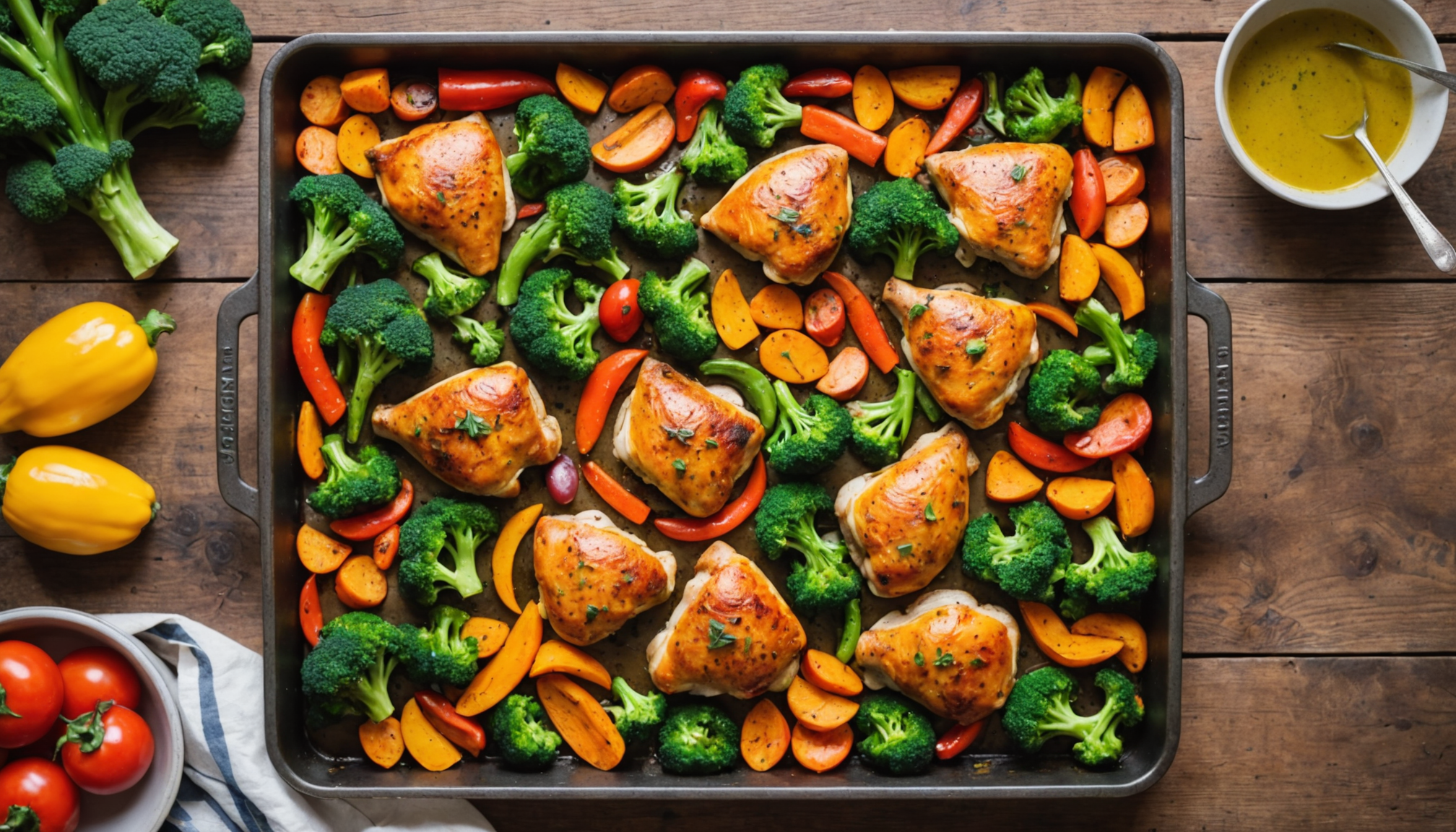
1. Sheet-pan “rainbow” chicken (or chickpeas) and veggies
This is the recipe people end up making over and over, because it’s essentially a formula you can tweak depending on what’s on sale or already in your fridge.
- Protein: chicken thighs or breasts, or canned chickpeas (drained and rinsed)
- Veggies: whatever you have—carrots, bell peppers, onions, broccoli, cauliflower, zucchini, sweet potatoes
- Flavor: olive oil, salt, pepper, garlic powder, and one “fun” spice like smoked paprika, Italian seasoning, or cumin
Preheat your oven to 400–425°F. Spread everything out on a large sheet pan: the key is giving the vegetables a little breathing room so they roast instead of steam. Drizzle with olive oil, sprinkle generously with salt, pepper, garlic powder, and your chosen spice. Toss it all with your hands right on the pan. If you’re using chicken, nestle the pieces in between the vegetables; if you’re using chickpeas, scatter them throughout.
Roast for 20–30 minutes, flipping the vegetables halfway through. You’ll know it’s done when the edges are browned, the chicken juices run clear, or the chickpeas are a little crisp. Serve over rice, quinoa, or just in big bowls as-is. If you want to feel a little fancy, add a squeeze of lemon or a spoonful of Greek yogurt on top.
This is one of those budget meals that quietly checks all the boxes: lean protein, plenty of vegetables, whole grains if you serve it with a starch, and only one pan to wash. For athletes and gym-goers, it doubles as perfect meal-prep—make a big batch and portion into containers for lunches. For families, it’s a nice way to let everyone pick their favorite veggies right off the pan.
2. One-pot tomato-basil pasta that makes its own sauce
There’s something very comforting about throwing dry pasta, vegetables, and seasonings into one pot and letting the whole thing transform into dinner with almost no effort. It feels a bit like cheating, but in the best way.
- Base: whole-wheat or legume pasta (penne, fusilli, or spaghetti broken in half)
- Veggies: cherry tomatoes or canned diced tomatoes, plus spinach or frozen peas
- Flavor: onion (or onion powder), garlic (fresh or powdered), Italian seasoning, salt, pepper
- Liquid: water or low-sodium broth
In a large pot or deep sauté pan, add the dry pasta, tomatoes, onion, garlic, seasoning, and just enough water or broth to barely cover the pasta (usually about 3 ½–4 cups for 12 ounces of pasta, but you can adjust as you go). Bring to a boil, then lower to a simmer, stirring occasionally so the pasta doesn’t stick to the bottom.
As the pasta cooks, the starches release into the liquid and start turning it into a silky, tomato-y sauce. In the last few minutes, stir in spinach or peas so they just wilt or warm through. Taste and adjust salt and pepper. If it looks too dry before the pasta is done, splash in a bit more water; if it’s too saucy when the pasta is ready, just let it simmer uncovered for another minute.
You end up with a creamy, flavorful pasta dish—and you’ve only dirtied one pot and a spoon. This is particularly great for students or anyone with a tiny kitchen, and it’s a perfect baseline recipe to tuck into a rotation of cheap healthy dinners. Add a little grated cheese if you like, or keep it vegan; either way, it feels indulgent without tipping your time or budget.
3. Sheet-pan fajita night for the whole crew
Fajitas are one of those meals that feel like a party even on an ordinary Tuesday. Doing them on a sheet pan means you get all the sizzling flavor with hardly any cleanup. It’s also wonderfully customizable, so it works for mixed households—some people want chicken, some want beans, some want extra veggies only.
- Protein: sliced chicken breast or thighs, or drained black beans or pinto beans
- Veggies: bell peppers (any color), red or yellow onions
- Seasoning: chili powder, cumin, garlic powder, smoked paprika, salt, pepper, and a drizzle of neutral oil
- To serve: whole-wheat tortillas, lime wedges, salsa, Greek yogurt or sour cream, avocado if you have it
Preheat the oven to 425°F. Spread sliced peppers and onions on a sheet pan with your protein of choice. Toss with oil and spices until everything is well coated. Roast for 15–20 minutes, stirring once, until the vegetables are soft and caramelized at the edges and the chicken (if using) is cooked through.
Warm the tortillas (you can wrap them in foil and pop them in the oven for the last few minutes), then set everything out family-style: tortillas, fajita mixture, and toppings in little bowls. Everyone can build their own plate, which tends to lower the drama at the table with kids and gives tired adults a sense of, “Oh, dinner is actually fun tonight.”
For active folks needing carbs and protein, two or three fajitas with beans, chicken, and vegetables make a really balanced meal. For those watching their budget, the vegetables are doing the heavy lifting here, with just enough protein to make it filling, and spices turning simple ingredients into something that tastes way more exciting than the cost suggests.
4. Cozy one-pot grain and greens skillet
This one is for those nights when you want something warm and grounding but don’t want to babysit a lot of pots. It’s also a great way to use up stray vegetables and leftover grains—or cook everything together from scratch if you prefer.
- Base: brown rice, farro, barley, or quinoa
- Veggies: kale, spinach, Swiss chard, or frozen mixed vegetables
- Protein: white beans, lentils, or diced chicken sausage
- Flavor: garlic, onion, a pinch of red pepper flakes, and lemon or vinegar at the end
If you’re starting with raw grains, sauté onion and garlic in a little olive oil in a deep skillet or Dutch oven. Add the grain and toast it for a minute, then pour in broth or water (check the package for exact amounts). Simmer until the grain is nearly tender. If you’re using pre-cooked grains or leftover rice, you can skip straight to warming them with a splash of broth.
Stir in your greens and beans, cover, and let everything simmer together until the greens are wilted and the beans are hot. Finish with a squeeze of lemon or a splash of vinegar and an extra pinch of salt if needed. If you have a bit of grated Parmesan or crumbled feta, sprinkle it on top as a final flourish.
This kind of dish is especially nice for athletes or anyone recovering from a long day because it offers slow-digesting carbs, fiber, and protein in a single bowl. From a frugal cooking standpoint, it’s a clever way to transform odds and ends—the last bit of rice, a stray can of beans, half a bunch of wilting greens—into something cohesive and comforting instead of letting them go to waste.
5. Sheet-pan “bake once, use twice” dinners
One underrated benefit of sheet-pan cooking is how well it sets you up for tomorrow. If you’re going to the trouble of chopping vegetables and turning on the oven, you might as well roast a little extra and stretch your effort into two different meals.
Think about roasting double trays of:
- mixed vegetables (broccoli, cauliflower, carrots, Brussels sprouts)
- sweet potatoes or regular potatoes, cut into cubes
- chicken thighs or tofu cubes seasoned simply with salt, pepper, and garlic powder
On night one, you enjoy them straight off the pan with a simple sauce—maybe a quick yogurt-garlic dip or a drizzle of tahini and lemon. On night two, those same ingredients become something else: toss the roasted vegetables with cooked pasta and a splash of olive oil, or turn the leftover chicken and potatoes into a hearty warm salad over greens. For students or professionals, leftover sheet-pan veggies tucked into a whole-wheat wrap with hummus make an easy packed lunch that feels miles better than grabbing something random and expensive.
This “bake once, use twice” rhythm is one of the quiet secrets behind truly sustainable easy healthy dinner ideas. You aren’t cooking from scratch every single night; you’re building on yesterday’s work in a way that still feels fresh and interesting.
6. One-pot soups and stews that stretch your budget
Soups and stews might be the original one-pot wonder. They are incredibly forgiving, they reheat beautifully, and they’re one of the best ways to turn inexpensive ingredients into satisfying meals that feed a crowd or stock your freezer.
- Base: onion, carrot, celery (or frozen mirepoix mix)
- Protein: lentils, beans, shredded rotisserie chicken, or turkey sausage
- Veggies: canned tomatoes, chopped greens, frozen mixed vegetables, or potatoes
- Liquid: broth or water, plus herbs like bay leaves, thyme, or Italian seasoning
Sauté your base vegetables in a little oil until softened. Add your protein, vegetables, and enough broth or water to cover everything by an inch or so. Bring to a boil, then reduce to a simmer and let it quietly bubble until the flavors come together—20 minutes for most bean and vegetable soups, 30–40 for heartier stews.
You can serve soup with whole-grain bread, crackers, or a side salad if you’re feeling energetic, but it’s also perfectly fine to ladle it into big mugs and call it a day. For athletes and active kids, soups with beans, grains, and vegetables are a great way to rehydrate and refuel at the same time. For anyone watching their budget, a pot of soup often costs less than a single fast-food meal and feeds you for days.
What ties all of these one-pot and sheet-pan ideas together is the sense of ease they bring. You chop a few things, stir once or twice, and then let heat do the work. That’s the kind of cooking that fits into long workdays, late practices, or back-to-back classes while still giving you nourishing, home-cooked food. And once you realize how much you can do with a good pan, a pot, and some basic staples, it becomes very natural to lean on these methods whenever life gets a little too full—which, for most of us, is most of the time.
Make-ahead meals and smart leftovers
Batch-cooking and smart use of leftovers can turn hectic weeks into something far more manageable—and much cheaper. Instead of cooking every night from scratch, you cook strategically a few times and then “remix” those ingredients into fresh-feeling meals. This is where frugal cooking really shines: you save money, reduce food waste, and always have the building blocks of easy healthy dinner ideas ready to go.
“People who cook more meals at home tend to consume fewer calories and more nutrients, and they typically spend less money on food than those who rely heavily on restaurant meals and takeout.” – US Dietary Guidelines, 2020–2025
-
Plan once, cook twice (or three times)
Before you start cooking, it helps to think in terms of “base ingredients” that can be used multiple ways. The goal is to cook these in larger batches, then transform them into different dinners so you never feel like you’re eating the same thing on repeat.
Step-by-step planning method:
-
Choose 2–3 base ingredients for the week.
- Whole grains: brown rice, quinoa, barley, or whole-wheat pasta
- Proteins: beans, lentils, shredded chicken, tofu, or hard-boiled eggs
- Vegetables: a big tray of roasted mixed veggies or a pot of simmered greens
-
Decide on 3–4 “remix” meals that use those bases.
- For example, cooked brown rice can become burrito bowls, fried rice, or soup bulk.
- Roasted vegetables can show up in grain bowls, quesadillas, or pasta.
- Schedule one batch-cook day. Aim for a time when you can spend 60–90 minutes in the kitchen (Sunday afternoon, a quiet weeknight).
- Prep all your base ingredients at once. Cook grains, roast vegetables, and prepare proteins while something else simmers—use your oven and stovetop at the same time for efficiency.
- Store in clear containers. Label with the date and contents so you can quickly see what needs to be used first.
This framework is especially helpful for families juggling activities, college students with odd schedules, and athletes with late practices. You get flexibility and speed without turning to expensive takeout.
-
Choose 2–3 base ingredients for the week.
-
Meal-prep grain bowls that don’t get boring
Grain bowls are one of the easiest budget meals to prep ahead because they store well and can be eaten warm or cold. The trick is to keep the components separate until you’re ready to eat so textures stay fresh.
How to prep a week of grain bowls:
-
Cook a large batch of grains.
- Make 3–4 cups cooked brown rice, quinoa, or farro.
- Cool completely before storing to avoid sogginess.
-
Prepare 1–2 proteins.
- Simmer a pot of lentils or beans.
- Or bake chicken breasts or tofu cubes on a sheet pan with simple seasoning (salt, pepper, garlic powder, paprika).
-
Roast a rainbow of vegetables.
- Toss chopped carrots, broccoli, onions, and bell peppers with olive oil and salt.
- Roast at 400–425°F until browned at the edges.
-
Mix a simple sauce or two.
- Lemon-tahini: tahini + lemon juice + water + salt.
- Yogurt-garlic: plain yogurt + minced garlic + pinch of salt.
-
Assemble as you go, not all at once.
- Store grains, protein, veggies, and sauces in separate containers.
- Each day, combine what you want in a bowl, then add sauce right before eating.
From a frugal cooking perspective, grain bowls are a gold mine: you can use whatever is on sale, add bits of leftover meat or vegetables, and stretch more expensive items (like cheese or avocado) across multiple meals instead of using them up at once.
-
Cook a large batch of grains.
-
Turn one protein into several different dinners
Cooking one big batch of protein and then using it in multiple ways is a classic method for cheap healthy dinners. It reduces cooking time and gives you options on nights when you’re tired.
Example: whole chicken or large batch of beans
-
Day 1 – Roast or simmer your protein.
- Roast a whole chicken, or cook a large pot of black beans or chickpeas.
- Serve with a simple side of vegetables and grains.
-
Day 2 – Use leftovers in handhelds.
- Shred leftover chicken or mash beans.
- Make tacos, quesadillas, wraps, or pitas stuffed with veggies and a quick sauce.
-
Day 3 – Add to soups or salads.
- Chicken: toss into a vegetable soup or grain salad.
- Beans: stir into tomato-based soup or toss with chopped vegetables and vinaigrette.
-
Day 4 – Freeze remaining portions.
- Divide into small freezer bags or containers (1–2 cups each).
- Label and freeze for future nights when you need fast protein.
This approach works just as well with tofu, lentils, or turkey. It’s especially useful for athletes who need quick protein for recovery, and for busy households where you never know exactly what time dinner will happen.
-
Day 1 – Roast or simmer your protein.
-
“Leftover makeovers”: turning repeats into new meals
The key to enjoying leftovers is not serving the exact same plate night after night. Instead, think of yesterday’s dinner as an ingredient for today’s meal. This helps avoid boredom and food waste—two major enemies of staying on track with easy healthy dinner ideas.
Step-by-step makeover ideas:
-
Leftover roasted vegetables
- Day 1: Serve as a side with chicken, tofu, or beans.
- Day 2: Chop and add to omelets, frittatas, or scrambled eggs.
- Day 3: Toss with cooked pasta and olive oil for a quick veggie pasta.
-
Leftover grains (rice, quinoa, barley)
- Day 1: Base for grain bowls.
- Day 2: Turn into fried rice with egg, frozen peas, and soy sauce.
- Day 3: Stir into soups or stews to make them more filling.
-
Leftover meat or beans
- Day 1: Serve with veggies and grains.
- Day 2: Use as filling for tacos, burritos, or quesadillas.
- Day 3: Mix into a casserole, baked pasta, or stuffed peppers.
-
Leftover cooked vegetables and protein
- Combine with broth, canned tomatoes, and seasonings.
- Simmer 10–15 minutes to become a new soup or stew.
Once you get into the habit of “What else could this become?” instead of “Ugh, leftovers,” your fridge becomes a source of fast creativity instead of guilt.
-
Leftover roasted vegetables
-
Prep-ahead casseroles and bakes
Assemble-today, bake-tomorrow dishes are lifesavers for nights when you know you’ll be too busy to cook. They’re also excellent budget meals because they rely on affordable ingredients like pasta, rice, beans, frozen vegetables, and a modest amount of cheese for flavor.
How to build a flexible make-ahead bake:
-
Pick your starch base.
- Cooked whole-wheat pasta, brown rice, quinoa, or potatoes.
-
Add a protein.
- Chicken, tuna, beans, lentils, tofu, or turkey sausage.
-
Fold in vegetables.
- Frozen mixed vegetables, broccoli, spinach, or leftover roasted veg.
-
Bind with a simple sauce.
- Plain tomato sauce with herbs, or
- A light cream-style mix (Greek yogurt + a bit of broth + shredded cheese).
-
Top and chill.
- Sprinkle with a little cheese or whole-wheat breadcrumbs.
- Cover tightly and refrigerate up to 2 days.
-
Bake when needed.
- Bake at 350–375°F until heated through and bubbly (usually 25–35 minutes).
These bakes are ideal for freezing in individual portions for students or single folks. For families, doubling the recipe doesn’t add much extra work but gives you a second meal for a later week.
-
Pick your starch base.
-
Smart storage so leftovers stay safe and tasty
Good storage habits protect both your health and your wallet. If leftovers spoil or get forgotten, that’s money and effort down the drain.
Storage steps to follow:
-
Cool food quickly.
- Divide big pots of soup or grains into shallow containers so they cool faster.
-
Use the “2-hour rule.”
- Refrigerate cooked foods within 2 hours of cooking (1 hour if it’s very hot in the room).
-
Label and date.
- Use masking tape or a marker: write what it is and the date.
- Prioritize eating the oldest items first.
-
Know basic timelines.
- Most cooked grains, beans, and meats: 3–4 days in the fridge.
- Soups and stews: 3–4 days in the fridge, 2–3 months in the freezer.
- Cooked vegetables: 3–5 days in the fridge.
-
Reheat properly.
- Heat leftovers to steaming hot throughout (165°F if you’re using a thermometer).
- Stir or flip once during reheating so they warm evenly.
These small habits make your prepped food safer and more appealing, which means you’re far more likely to use it—instead of letting it quietly expire while you order delivery.
-
Cool food quickly.
-
Freezer-friendly “back-up” meals
Having a few homemade freezer meals is like having your own personal drive-thru, only cheaper and healthier. This is especially valuable for athletes in heavy training blocks, parents with unpredictable evenings, and students during exams.
Good candidates for freezing:
-
Soups and stews
- Bean and vegetable soup, lentil stew, chili, or chicken and rice soup.
- Freeze in single portions so they defrost quickly.
-
Casseroles and pasta bakes
- Assemble, then freeze unbaked; thaw in the fridge overnight and bake.
-
Cooked grains and beans
- Freeze flat in freezer bags for quick defrosting.
- Use later in stir-fries, salads, soups, or burrito bowls.
-
Breakfast-for-dinner items
- Mini frittata muffins or breakfast burritos with eggs, beans, and veggies.
- Wrap tightly and freeze; reheat in the oven, air fryer, or microwave.
-
Cook once, package smartly.
- Freeze foods in meal-sized portions, not giant containers.
- Label with name and date; aim to use within 2–3 months for best quality.
With a small “library” of freezer meals, those nights when everything goes off-schedule no longer push you toward expensive or less healthy options. You’ve already done the work on a calmer day—and your future self gets to reap the benefits.
-
Soups and stews
Healthy pantry staples to keep on hand
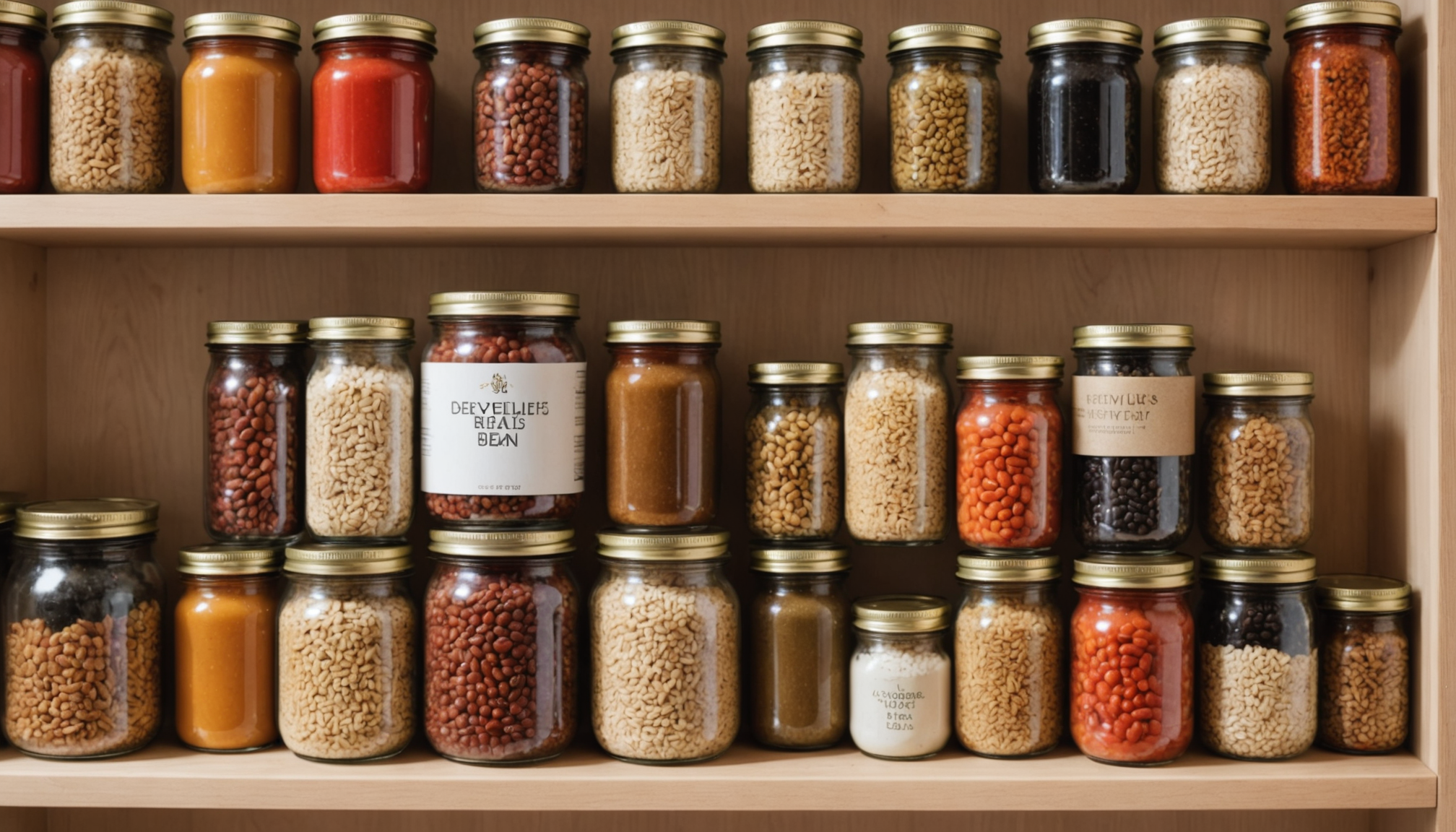 A well-stocked pantry is like a quiet safety net for nights when you’re tired, busy, or low on cash—but still want to eat well. Instead of relying on last‑minute takeout, you can reach for a few reliable staples and pull together easy healthy dinner ideas almost on autopilot. The goal isn’t to cram your shelves with random cans; it’s to choose versatile, nutrient‑dense ingredients that help you build fast, balanced meals: protein + fiber‑rich carbs + colorful veggies + flavor.
Think of your pantry as the “engine” behind your frugal cooking. A small set of smart staples lets you stretch fresh produce, turn leftovers into new dishes, and keep budget meals interesting week after week. As you read through the ideas below, notice which items you naturally gravitate toward, and which ones might open new possibilities in your kitchen.
1. Affordable protein staples that last
Protein doesn’t have to mean expensive meat. Shelf‑stable options make it much easier to assemble balanced dinners without running to the store.
Include a mix of:
- Canned beans: black beans, chickpeas, kidney beans, cannellini
- Dried beans and lentils: especially lentils, which cook quickly
- Canned fish: tuna and salmon in water, sardines if you enjoy them
- Shelf‑stable tofu or vacuum‑packed tofu (if available)
- Nuts and seeds: peanuts, almonds, sunflower seeds, pumpkin seeds
- Nut butters: peanut or almond butter, ideally with minimal added sugar
With these, you can throw together bean chili, lentil soup, tuna pasta, chickpea curry, or peanut‑sauce noodle bowls in under 30 minutes. Canned fish brings omega‑3 fats that support heart and brain health, while beans and lentils deliver fiber and plant protein that help stabilize blood sugar and keep you full. Notice how many different meals you can imagine when you simply pair “bean of choice + canned tomato + spice blend.” That kind of flexibility is the backbone of genuinely cheap healthy dinners.
2. Whole grains and complex carbs that work hard
Carbohydrates get a bad reputation, but when you focus on fiber‑rich whole grains, they become powerful allies for steady energy, good digestion, and athletic performance.
Aim to keep:
- Brown rice (regular and/or quick‑cooking)
- Quinoa (cooks in about 15 minutes)
- Oats: rolled or steel‑cut for breakfasts and savory “oat risottos”
- Whole‑wheat pasta or lentil/chickpea pasta
- Barley, farro, or bulgur for hearty salads, soups, and skillets
- Whole‑grain tortillas or pitas stored in the freezer
These grains turn a simple can of beans or a few eggs into a full meal. Brown rice and quinoa form the base for burrito bowls, stir‑fries, and roasted‑vegetable salads. Whole‑wheat pasta makes fast one‑pot dinners with canned tomatoes and frozen vegetables. If you’re an athlete or have an active job, reflect on how often low energy drives you to convenience food—and imagine instead having pre‑cooked grains in the fridge waiting to become a quick, nourishing bowl.
3. Canned and jarred essentials that build meals fast
Canned and jarred ingredients are often dismissed as “less healthy,” but many are actually nutrient‑dense, affordable, and perfect for last‑minute cooking when fresh produce runs low.
Consider keeping:
- Canned tomatoes: diced, crushed, and tomato paste
- Jarred pasta sauce: low‑sugar, tomato‑based options
- Canned coconut milk: for curries and creamy soups (use in moderation)
- Low‑sodium broth or bouillon: vegetable or chicken
- Canned vegetables: corn, pumpkin purée, green beans (rinsed to reduce sodium)
- Canned fruit in juice (not syrup): pineapple, peaches, or pears
With just canned tomatoes, broth, and lentils, you can make a fast, hearty soup. Tomato paste and spices turn into a rich sauce for beans or tofu. Pumpkin purée can thicken chili or become a savory pasta sauce with garlic and herbs. Ask yourself: how many nights of impulse takeout could you replace if you knew you had the building blocks of soup, chili, or pasta sauce always waiting in your cupboard?
4. Freezer “pantry” items that save the day
Your freezer is an extension of your pantry, especially when you’re focused on frugal cooking. Frozen foods stop time, letting you stock up when prices are low and dramatically cutting food waste.
Make room for:
- Frozen vegetables: mixed veggies, broccoli, spinach, peas, bell peppers
- Frozen fruit: berries and mango for smoothies and oatmeal
- Frozen brown rice or quinoa: for ultra‑fast dinners
- Frozen edamame: quick plant protein for stir‑fries and salads
- Whole‑grain bread and tortillas: to prevent mold and waste
Frozen vegetables are usually picked and frozen at peak ripeness, so they often retain vitamins as well as, or better than, produce that’s been sitting in your fridge for days. Toss frozen broccoli into pasta, stir frozen spinach into eggs, or microwave frozen rice and top with black beans and salsa. How might your weekly routine change if you knew you could always assemble a vegetable‑rich meal in 10 minutes, straight from the freezer?
5. Everyday flavor boosters that make simple food exciting
Healthy eating becomes sustainable when food tastes genuinely good. With the right “flavor boosters,” you can transform very basic ingredients into dishes you crave—without relying on expensive sauces or takeout.
Stock a small but mighty flavor shelf:
- Oils: olive oil for cooking and dressings; a neutral oil for high heat
- Acids: vinegar (apple cider, red wine, rice), lemons, limes
- Dried herbs: Italian seasoning, oregano, thyme, basil
- Spices: chili powder, cumin, smoked paprika, curry powder, garlic powder, onion powder
- Condiments: soy sauce or tamari, hot sauce, mustard, salsa, tahini
A drizzle of olive oil and vinegar turns leftover grains and beans into a quick salad. Soy sauce, garlic powder, and a bit of honey or sugar create an instant stir‑fry sauce. Tahini mixed with lemon juice and water becomes a creamy dressing for roasted vegetables and grain bowls. Take a moment to imagine how different your dinners could feel if you mastered even three simple sauces you can make from pantry ingredients alone.
6. Baking basics and “binder” ingredients that stretch meals
Even if you rarely bake desserts, a few baking staples are incredibly helpful for savory cooking, especially when you want to turn odds and ends into satisfying dishes.
Useful items include:
- Flours: whole‑wheat and/or all‑purpose flour (for flatbreads, pancakes, sauces)
- Rolled oats: for breakfast, veggie burgers, meatloaf, and crumbles
- Baking powder and baking soda: for quick breads and muffins
- Eggs (fridge staple): binders for patties, frittatas, and casseroles
- Plain yogurt: sauces, marinades, and lightened‑up bakes
With flour and baking powder, you can make simple whole‑wheat flatbreads to serve alongside soups or curries. Oats and beans can become veggie burgers; leftover roasted vegetables plus eggs can turn into a crustless quiche. Instead of seeing small leftovers as annoying, you start to see them as ingredients for your next experiment.
7. Budget‑smart shopping habits for stocking your pantry
What you keep on your shelves reflects hundreds of small decisions over time. A few strategic habits can keep your pantry both affordable and inspiring.
Try:
- Buying staples in bulk when it genuinely saves money: beans, lentils, oats, brown rice
- Comparing unit prices on shelf labels rather than just looking at the sticker price
- Choosing store brands for basics like canned tomatoes, beans, frozen vegetables, and oats
- Rotating stock: placing newer items behind older ones so nothing gets forgotten
- Keeping a running list of staples you’re almost out of on your phone or fridge
When your pantry is intentionally stocked, you aren’t at the mercy of last‑minute cravings or high delivery fees. You have the power to look at a few humble items and think, “What can I create from this?” rather than, “There’s nothing to eat.” Ask yourself: which two or three changes—like swapping one processed snack for a can of beans, or keeping frozen vegetables on hand—could have the biggest impact on your ability to make easy healthy dinner ideas a default, not a struggle?
As you refine your pantry over time, you may notice your thinking about food shifting too. You start to see shelves not as storage, but as potential: rows of ingredients waiting to become soups, scrambles, stir‑fries, and bowls that support your health, your goals, and your budget. The more curious you are about how these pieces can fit together, the more creative—and confident—you’ll become every time you open the cupboard.
- How can I start building a healthy pantry on a very tight budget?
- Begin with a short list of high-impact staples: dried or canned beans, brown rice, oats, canned tomatoes, frozen vegetables, and a few basic spices like garlic powder and chili powder. Add one or two new items each week as your budget allows, and focus on ingredients you can use in multiple meals so nothing goes to waste.
- Are canned foods really healthy enough for everyday use?
- Many canned foods—like beans, tomatoes, and fish—are very nutritious, affordable, and convenient. Choose low-sodium options when possible, rinse canned beans and vegetables, and watch for added sugars in canned fruit; used this way, they can absolutely be part of easy healthy dinner ideas throughout the week.
- What pantry items should I prioritize as a beginner cook?
- Focus on versatile basics: oats, brown rice or quinoa, canned beans, canned tomatoes, frozen vegetables, olive oil, and a small set of spices (salt, pepper, garlic powder, chili powder, and Italian seasoning). These few items let you make soups, grain bowls, pasta dishes, and stir-fries without complicated recipes.
- How do I keep my pantry from becoming cluttered and overwhelming?
- Choose a core set of staples and resist buying “single-use” ingredients you’ll only use once. Store items in clear containers when possible, group similar foods together (grains, beans, canned goods, baking supplies), and periodically do a “pantry challenge” week where you plan budget meals around what you already have.
- Can I eat mostly from my pantry and still get enough nutrients?
- Yes—if you include a variety of whole grains, beans or lentils, canned or frozen vegetables, nuts, seeds, and some canned fish or tofu. Pair these with whatever fresh produce and dairy you can afford, and you’ll cover protein, fiber, healthy fats, and many vitamins and minerals.
- What are some fast dinners I can make using only pantry and freezer staples?
- Think bean and tomato chili, lentil soup, pasta with canned tomatoes and frozen spinach, stir-fried frozen veggies with eggs over rice, or chickpea curry with canned coconut milk and spices. Once your pantry is stocked, these kinds of cheap healthy dinners come together in 20–30 minutes with almost no planning.
- How often should I restock and review my pantry staples?
- Glance through your pantry weekly as you plan meals, topping up core items like beans, grains, and frozen vegetables before they completely run out. Every month or two, do a deeper check for expiration dates, rotate older items to the front, and challenge yourself to use anything that’s been sitting for a while in new frugal cooking experiments.

Leave a Reply