
- Quick weeknight salmon skillet meals
- Sheet pan salmon and roasted vegetables
- Light salmon salads and grain bowls
- Healthy salmon pastas and noodle dishes
- Low-carb salmon recipes for special diets
Skillet salmon is where speed and flavor really team up. If you’re juggling work, kids’ activities, gym time, or late-night study sessions, having a couple of go-to skillet salmon recipes means you can get a full meal on the table in 20 minutes or less, with almost no cleanup. The pan does the heavy lifting for you, and you only have to focus on layering flavors in a smart way.
The basic formula is simple and super flexible: sear salmon, build a quick sauce or toss in veggies, and finish everything together in one pan. Think of it as your weeknight blueprint for “what’s for dinner?” panic. When you’ve got salmon fillets, a handful of veggies, and a few pantry staples, you’re already halfway to a rotation of easy healthy dinner ideas.
Start with the salmon itself. For busy nights, I love skin-on fillets because they’re more forgiving and stay juicy. Pat them dry, season with salt, pepper, and maybe a pinch of paprika or garlic powder, then sear them in a hot skillet with a drizzle of olive oil. Aim for medium-high heat so you get that golden crust in 3–4 minutes per side. This quick sear locks in moisture and brings out a rich flavor without needing tons of butter or cream.
From there, you can take your skillet in a few different directions depending on what your day looks like and what’s hanging out in the fridge. Here are some easy frameworks to keep in your back pocket when you want fast, heart healthy dinners:
10-minute lemon garlic skillet salmon: After searing the salmon, set it aside on a plate. In the same pan, add a bit more olive oil, minced garlic, and a squeeze of lemon. Let it sizzle for 30 seconds, then pour in a splash of broth or water to deglaze the pan. Add a handful of baby spinach or kale, let it wilt, and nestle the salmon back in. This one tastes bright and fresh, and it’s perfect for nights when you want something light but still satisfying.
Creamy (but light) tomato basil salmon: Keep the salmon in the pan after the sear and toss in halved cherry tomatoes, a spoon of tomato paste, and a little broth. Let it cook until the tomatoes burst and create a quick sauce. Stir in a bit of plain Greek yogurt off the heat for creaminess without heavy cream, plus fresh or dried basil. It feels like restaurant food, but you’re still getting lean protein and veggies in one skillet.
Teriyaki-style veggie salmon skillet: For athletes, runners, or anyone coming home from the gym, this is an awesome “refuel” meal. After searing the salmon, remove it from the pan. Add sliced bell peppers, snap peas, or frozen stir-fry veggies with a quick homemade teriyaki (soy sauce or tamari, a touch of honey or maple, garlic, and ginger). Let it simmer a minute, then tuck the salmon back in to glaze. Serve over microwave rice or leftover quinoa for a balanced plate of carbs, protein, and those good-for-you fats.
Notice how each of these keeps the steps minimal but layers flavor. You’re using the browned bits left from searing the salmon as a built-in flavor booster for your sauce and veggies. This is exactly how you make weeknight cooking feel special without spending all night in the kitchen.
From a nutrition standpoint, skillet salmon is doing a lot of quiet heavy lifting. Salmon is naturally rich in omega 3 fatty acids, which support brain function and cardiovascular health. Paired with fiber-rich veggies in the same pan, these meals hit that sweet spot for families trying to build better habits, college students wanting to eat more “real food,” and busy professionals who want something beyond takeout. You’re getting protein for muscle repair, healthy fats for satiation, and veggies for vitamins and minerals—all in one pan.
If you’re cooking for a family, one of the easiest ways to customize skillet salmon is to play with the sides and toppings. Serve the same lemon garlic skillet salmon three different ways in the same week and no one will complain:
Over whole wheat couscous or brown rice for kids and anyone who needs more carbs for energy.
On top of a quick side salad for lighter appetites or low-key lunch meal prep.
With roasted or microwaved sweet potatoes for athletes and weekend warriors who need more fuel after a workout.
For college students and people in small spaces, a nonstick or cast-iron skillet can basically replace half your kitchen. You don’t need fancy tools—just a sharp-ish knife, a cutting board, and that one pan. Frozen veggies go straight into the skillet, and you can keep pre-portioned salmon fillets in the freezer. Thaw them quickly in cold water, then cook them exactly the same way. That makes it super realistic to choose something home-cooked over fast food when you’re on a tight schedule and budget.
One more trick: batch your flavor bases. If you chop a big batch of onions, garlic, and bell peppers at the start of the week, you can grab a handful each night and toss them into the skillet while the salmon sears. This tiny bit of prep pays off when you’re exhausted and just want dinner on autopilot. It also makes it easier to lean on these skillet meals as your default option when you’re trying to make more intentional choices around food.
Once you get comfortable with this sear-and-sauce method, those “what can I make with salmon tonight?” moments start to feel much less overwhelming. And from here, it’s an easy step to move from stove-top skillets to oven-based meals that give you that same simplicity, but with even more hands-off time to handle homework, emails, or a quick workout while dinner practically cooks itself.
Sheet pan salmon and roasted vegetables
Sheet pan dinners are the oven’s answer to “I’m too busy to cook” nights. Everything roasts together on one pan, so you get the flavor of slow cooking with almost no hands-on time and just a single sheet to wash. For salmon, this method is ideal: you keep the fish moist, caramelize the vegetables, and can easily scale up for meal prep or feeding a crowd.
From a health perspective, roasting salmon alongside vegetables is a smart way to build balanced, heart healthy dinners with minimal effort. A 2022 analysis in the journal Nutrients linked regular intake of fatty fish like salmon (about two servings per week) with a significantly lower risk of fatal heart disease, thanks largely to its omega‑3 fatty acids and high-quality protein. When you add a generous layer of non-starchy vegetables to the pan, you’re combining those healthy fats with fiber, vitamins, and antioxidants in a format that feels like comfort food. For more on salmon’s cardiometabolic benefits, see this overview from the American Heart Association.
Think of sheet pan salmon as a plug-and-play system: pick a flavor profile, pick your veggies, and let the oven do the work.
A simple starting blueprint looks like this:
1. Preheat the oven to 400–425°F (200–220°C) and line a rimmed baking sheet with parchment for easy cleanup.
2. Arrange chopped vegetables on the pan, drizzle with olive oil, and season with salt, pepper, and any dried herbs or spices you like.
3. Roast the vegetables alone for 10–15 minutes if they’re dense (like potatoes or carrots) so they get a head start.
4. Add seasoned salmon fillets to the same pan and roast another 10–15 minutes, depending on thickness, until the salmon flakes easily and reaches an internal temperature of 125–130°F for medium (or up to 145°F if you prefer well-done).
That’s the core of countless easy healthy dinner ideas, with endless room to adapt to your schedule and what’s in your fridge.
For a bright, Mediterranean-inspired version, toss cherry tomatoes, zucchini, red onion, and bell peppers with olive oil, dried oregano, and a pinch of chili flakes. Give them a 10-minute head start in the oven, then nestle in the salmon fillets brushed with a mixture of olive oil, lemon zest, minced garlic, and a small spoonful of Dijon mustard. Roast until the salmon is just cooked, then finish the whole pan with fresh parsley, crumbled feta, and extra lemon wedges. Served as-is or over a bed of cooked farro or quinoa, you’re getting a balance of protein, whole grains, and a rainbow of vegetables that aligns with the Mediterranean-style pattern associated with lower cardiovascular risk in large cohort studies like the PREDIMED trial.
On colder nights, a sheet pan “salmon and roots” combo feels cozy and filling. Use cubed sweet potatoes, carrots, and Brussels sprouts tossed with olive or avocado oil, smoked paprika, and garlic powder. Because these vegetables take longer to soften, roast them for about 15 minutes first. While they cook, rub the salmon with a simple mix of olive oil, salt, pepper, and maybe a little maple syrup and mustard for a sweet-savory glaze. Add the fillets to the pan and roast until everything is caramelized and tender. This style of meal lines up nicely with research suggesting that pairing omega‑3‑rich fish with high-fiber vegetables can support better blood sugar control and satiety, potentially helping with weight management when part of an overall healthy pattern. A 2023 review in Frontiers in Nutrition found that higher dietary fiber intake was consistently associated with lower body weight and reduced risk of type 2 diabetes.
If you’re feeding picky eaters or trying to win over someone who “doesn’t like fish,” lean into familiar flavors. A “herb ranch” sheet pan is a good entry point. Toss broccoli florets and baby potatoes with olive oil and a sprinkle of garlic powder, onion powder, and dried dill or parsley (all the flavors you’d expect in a ranch seasoning). Roast until the potatoes just start to brown, then add salmon brushed with yogurt, lemon juice, and the same herb mix. Roast until the fish flakes and the edges of the broccoli are crisp. The creamy herbed topping gives the salmon a mild, approachable taste without adding heavy cream or excess saturated fat.
For nights when you want something punchy and bold, try an Asian-inspired sesame ginger pan. On one half of the sheet, spread a mix of green beans, sliced red bell pepper, and thinly sliced carrots with a drizzle of avocado oil. On the other half, place the salmon and spoon over a mixture of low-sodium soy sauce (or tamari), grated ginger, minced garlic, a touch of honey, and a little sesame oil. Roast until the vegetables are tender-crisp and the salmon is lacquered and flaky, then sprinkle everything with toasted sesame seeds and sliced scallions. This style of cooking fits well with research showing that shifting flavor by using herbs, spices, and umami-rich ingredients (like soy and ginger) can help people reduce added salt without sacrificing enjoyment—important because the CDC reports that nearly 90% of US adults consume too much sodium, a key driver of high blood pressure. You can read more about sodium and flavor strategies from the CDC’s sodium reduction resources.
If meal prep is your priority, sheet pans make weekly planning far easier. Roast two or three pans at once, mixing and matching vegetables and seasonings:
– One pan with lemon herb salmon, asparagus, and cherry tomatoes.
– One with smoky salmon, sweet potatoes, and Brussels sprouts.
– One with curry-spiced salmon, cauliflower, and green beans (toss vegetables with curry powder and a touch of olive oil, then add salmon rubbed with the same spices).
Cool everything slightly, then portion into containers with a wedge of lemon or lime and maybe a quick yogurt sauce on the side. Because salmon is rich in omega‑3s that are relatively heat-stable at typical cooking temperatures, reheating leftovers gently (in a low oven or microwave) still delivers those benefits. A 2021 review in Marine Drugs concluded that dietary marine omega‑3s from fish, even in cooked form, are linked to lower inflammation markers and improved lipid profiles in many populations. For a deeper dive into omega‑3 research, see this summary from the National Institutes of Health Office of Dietary Supplements.
To keep sheet pan meals from feeling repetitive, focus on three levers: seasoning, texture, and simple add-ons at the table. Rotate spice blends (Italian herb, taco seasoning, za’atar, curry powder, Cajun), vary your vegetables between crisp-tender (green beans, asparagus) and hearty (squash, potatoes), and finish with quick toppings like chopped nuts, fresh herbs, or a drizzle of plain Greek yogurt mixed with lemon and garlic. These five-minute touches go a long way in turning basic salmon recipes into dinners you actually look forward to eating.
Finally, remember food safety and sustainability. Aim for about 4–6 ounces of salmon per serving and avoid overcooking, which can dry out the fish and make it less appealing, especially for kids or new fish eaters. The USDA’s seafood guidelines note that salmon is a lower-mercury choice and can be enjoyed 2–3 times per week for most people, including children and adults who are pregnant or breastfeeding. Choosing responsibly sourced salmon—whether wild or farmed with strong environmental standards—supports both personal and planetary health, aligning your easy weeknight sheet pan routine with longer-term wellness goals.
Light salmon salads and grain bowls
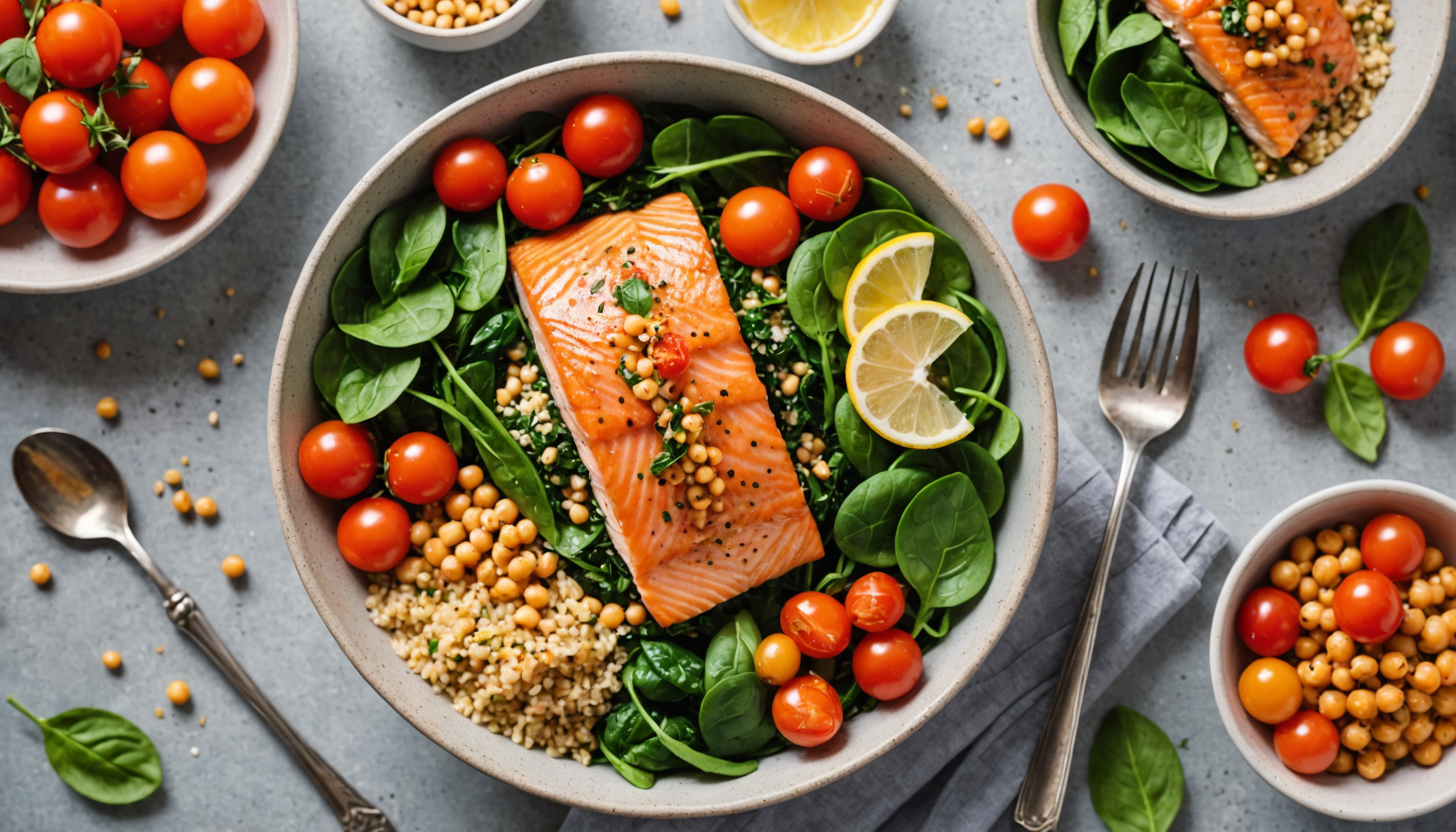
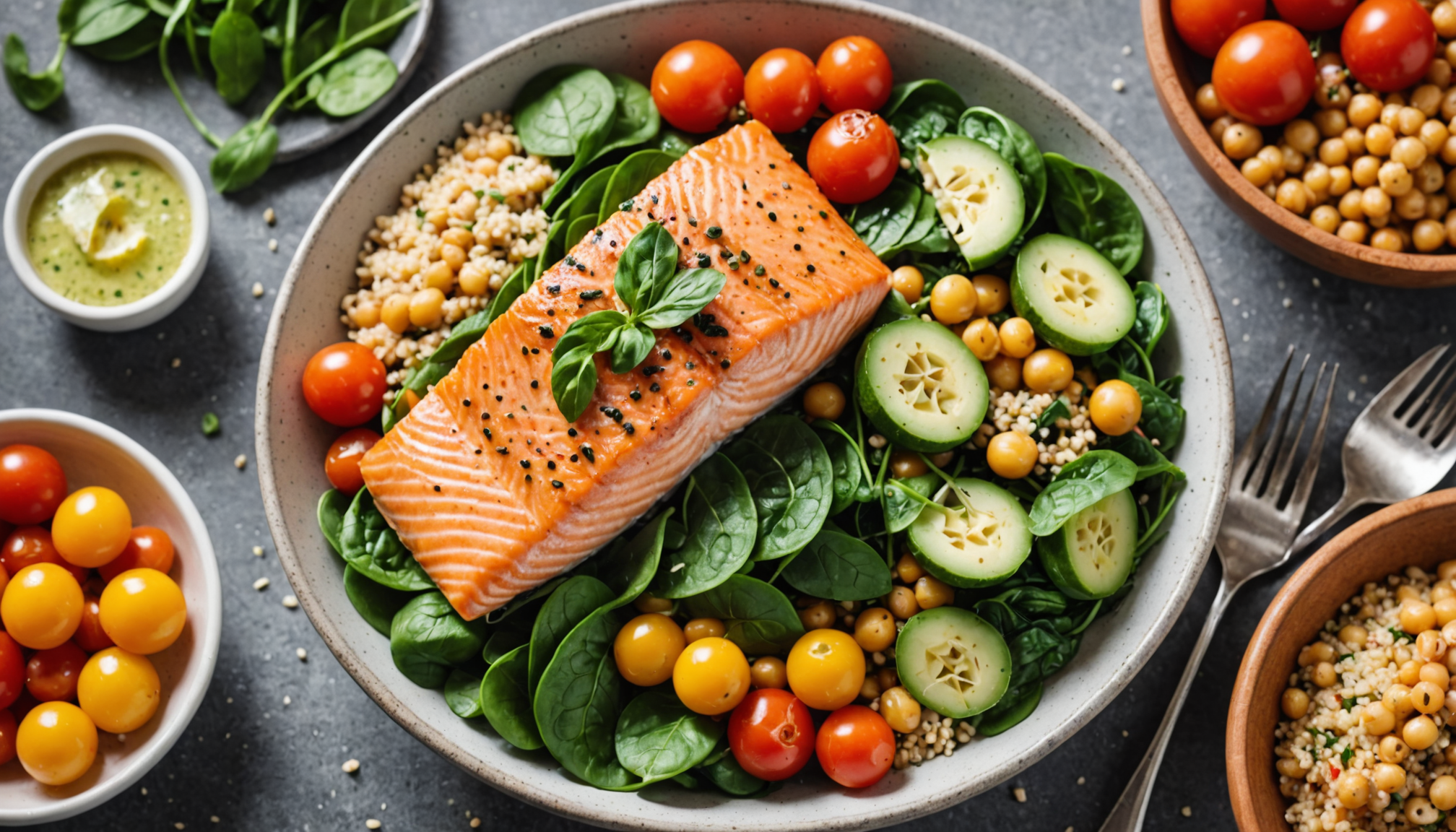
There’s something almost calming about building a bowl. A little here, a little there, colors and textures coming together in a way that feels both intentional and low-pressure. When life is busy and your brain is fried from work, classes, or workouts, salmon salads and grain bowls are basically the “paint by numbers” of easy healthy dinner ideas: follow the outline, fill in the sections, and you end up with something surprisingly beautiful and nourishing.
At their core, these bowls do three big favors for you:
They give you solid protein from salmon for muscle repair, focus, and staying full.
They load you up with fiber and micronutrients from veggies and whole grains.
They keep the door open for fun flavors—so eating well doesn’t feel like punishment.
From a nutrition standpoint, it’s a powerful combo. Salmon brings omega 3 fats that support brain and heart health, and when you pair those with whole grains and veggies, you get a slow and steady energy release instead of a post-dinner crash. Multiple reviews have linked regular fatty fish intake with reduced cardiovascular risk and improved lipid profiles, especially within the context of a generally balanced eating pattern (American Heart Association). Think of these bowls as “everyday insurance” in a form that actually tastes good.
To keep this practical—especially for families, busy professionals, students, and athletes—let’s break salmon salads and grain bowls down into a simple framework you can remix a dozen different ways.
The basic formula looks like this:
Base: greens, grains, or both.
Protein: salmon—baked, grilled, canned, or leftover.
Color + crunch: at least 2–3 vegetables and maybe some fruit.
Good fats: salmon covers a lot of this, but extras like avocado, nuts, or seeds are fair game.
Flavor “pop”: a simple dressing, herbs, citrus, or a sprinkle of cheese.
If you keep even half of these components stocked, you’ve got a safety net for nights when cooking feels like too much.
Let’s walk through some bowl ideas that fit different lifestyles and energy needs.
First up: the lunchbox-friendly, office-fridge-safe option. This one’s perfect if you’re a professional or grad student who needs something you can prep in 10–15 minutes and eat between meetings or classes without feeling like you’re crashing by 3 pm.
Base: a mix of cooked quinoa and chopped baby spinach (the quinoa adds protein and fiber, the spinach shrinks down easily and packs in iron and folate).
Salmon: leftover baked salmon from last night, flaked with a fork, or a drained can of salmon (look for boneless, skinless if that’s your preference).
Veggies + extras: halved cherry tomatoes, sliced cucumber, grated carrot, and a spoonful of canned chickpeas or white beans for extra fiber and staying power.
Dressing: shake together olive oil, lemon juice, Dijon mustard, salt, pepper, and a pinch of dried oregano in a small jar. Keep it separate until right before eating so your greens don’t get soggy.
Portion everything into containers on Sunday night and you’ve basically built your own “salmon salad bar” for the week. Quinoa and canned salmon both bring protein, while the vegetables and beans add fiber, which research consistently links to better appetite control and improved metabolic health over time (Frontiers in Nutrition, 2023). It’s a quiet kind of nutrition: nothing flashy, just steady support.
For sport-minded folks—runners, lifters, people hitting CrossFit or long training rides—your bowl might lean a little heavier on carbs for recovery. You still want that salmon protein and omega-3s, but you’ll probably feel better with a substantial grain base.
Here’s a post-workout option that checks all the boxes:
Base: warm brown rice or farro (both offer fiber and a mix of slow-digesting carbs).
Salmon: pan-seared or baked salmon, sliced or flaked.
Veggies: steamed or roasted broccoli, roasted sweet potato cubes, and thinly sliced red cabbage for crunch.
Good fats: a few avocado slices or a sprinkle of pumpkin seeds.
Sauce: whisk together a spoon of tahini, lemon juice, a little water to thin, garlic powder, and salt. Drizzle over the top.
Carbs from the grains and sweet potatoes help refill glycogen stores after tough workouts, while salmon supports muscle repair. There’s good evidence that combining high-quality protein with carbs after training supports recovery and performance improvements over time (Journal of the International Society of Sports Nutrition). This bowl hits that template without needing a separate “sports drink” or special products—just real food.
Now, if you’re cooking for a family, the game changes slightly: you want flexibility so each person can tweak their bowl without making five different dinners. This is where “build your own” grain bowl nights shine. Think of it like taco night’s more zen cousin.
Here’s a family-friendly setup that works whether you’ve got little kids, teens, or just a mix of preferences in the house:
Make a big batch of a neutral grain—brown rice, barley, couscous, or even small pasta like orzo if that’s what people will actually eat.
Bake a tray of simply seasoned salmon (olive oil, salt, pepper, maybe a little garlic or lemon). Flake it into big chunks.
Lay out bowls of toppings: shredded lettuce or spinach, sliced cucumbers, corn, black beans, cherry tomatoes, shredded cheese, avocado, and maybe some tortilla strips or croutons for crunch.
Offer 1–2 simple dressings: a yogurt ranch and a basic vinaigrette, for example.
Everyone builds their own. One kid goes heavy on rice and cheese, another on veggies, you stack your bowl with greens and extra salmon. You’ve only cooked two main things—the grain and the salmon—but you’ve created multiple versions of dinner at once. This kind of family-style flexibility can be especially helpful if you’re trying to ease kids or reluctant adults into more fish and more vegetables without turning dinner into a standoff.
For college students or anyone with limited space, canned salmon is your best friend. It’s affordable, shelf-stable, and still brings those same omega 3 fats that show up in discussions about brain health and mood regulation. Some observational studies have suggested that higher omega-3 intake is associated with lower rates of depressive symptoms, particularly when it comes from whole foods like fish, though more research is still emerging in this area (NIH Office of Dietary Supplements).
A dorm- or small-kitchen-friendly salmon salad bowl might look like this (no stove required):
Base: pre-washed salad mix or baby spinach from a bag.
Salmon: one small can of salmon, drained and mixed with a spoon of plain Greek yogurt or olive oil mayo, salt, pepper, and a squeeze of lemon or a splash of vinegar.
Add-ins: canned corn, canned beans, or pre-shredded carrots; maybe some whole grain crackers on the side for crunch.
You’re effectively turning a classic “salmon salad” into a full meal instead of just a sandwich filling. It takes about as long as heating up instant noodles, but you’re getting protein, fiber, and healthy fats in the mix—fuel that actually carries you through a late-night study session.
For warmer days or anyone who just wants something light but filling, a salmon-and-greens situation can feel really refreshing. One of my favorite “low-effort but looks impressive” combinations leans into a kind of café-style vibe:
Base: a mix of arugula and baby spinach (peppery + mild).
Salmon: chilled leftover salmon, flaked into big pieces.
Add-ins: sliced strawberries or orange segments, thinly sliced red onion, cucumber, and a small handful of nuts (almonds, walnuts, or pecans).
Dressing: olive oil, balsamic vinegar, a tiny bit of honey or maple, salt, and pepper.
It eats like something you’d grab at a nice café on your lunch break, but you can throw it together at home in 10 minutes. The fruit brings a bit of sweetness that balances the richness of the salmon, the nuts add crunch and extra healthy fats, and the greens are pulling their weight with folate, vitamin K, and antioxidants. It’s a reminder that heart healthy dinners don’t have to be bland or complicated—they can be colorful, a little bit fancy, and still ridiculously quick.
If you prefer your bowls more structured and “meal prep ready,” grain bowls are perfect Sunday projects. A simple system that works well for busy weeks:
Cook a big pot of one or two grains (say, brown rice and farro, or quinoa and barley).
Roast or steam a mix of vegetables—things like broccoli, carrots, cauliflower, green beans, or peppers—on a sheet pan.
Cook a batch of salmon fillets with a neutral seasoning (salt, pepper, olive oil, lemon) so they’ll play nicely with different sauces.
Portion everything into containers: grain on the bottom, veggies and flaked salmon on top.
Then during the week, you change the “accent” instead of cooking from scratch. One night you drizzle a quick soy-ginger sauce and add sliced scallions. Another night you spoon over salsa and a dollop of Greek yogurt for a southwest vibe. Another day you toss with pesto and cherry tomatoes. Same base ingredients, completely different mood.
What’s nice about this approach is that it respects your future tired self. When you come home late or finish a long workout, your only job is to reheat, add a sauce, maybe toss in some fresh greens, and eat. No chopping, no dishes explosion, just a bowl that quietly nudges your overall pattern in a healthier direction.
One last thing that’s easy to overlook: bowls are incredibly forgiving. You can use up half a roasted sweet potato, the last of a bagged salad, or that quarter cup of leftover rice hiding in the back of the fridge. When you start thinking in terms of “bowl building,” random fridge scraps become building blocks instead of guilt-inducing waste. That’s good for your budget, your stress levels, and honestly your sense of control around food.
So whether you’re packing lunch for the office, throwing something together between classes, refueling after a workout, or trying to feed a household with different preferences, salmon salads and grain bowls give you structure without rigidity. You get the benefits of salmon—those protein and omega-3 boosts that so many studies link to better long-term health—wrapped in a format you can tweak a dozen ways, depending on your cravings, your schedule, and what’s actually available.
Healthy salmon pastas and noodle dishes
Pasta and noodles might sound like “comfort food only,” but pair them with salmon, veggies, and lighter sauces and you’ve got a powerful lineup of easy healthy dinner ideas. You still get the cozy, satisfying feel of a bowl of noodles, but with a lot more protein, better fats, and a smarter sauce strategy that keeps things light instead of heavy.
Salmon’s combination of high-quality protein and marine-sourced omega‑3 fats makes it a standout choice for heart-conscious meals, especially when it replaces red or processed meats in familiar dishes.
A simple way to think about healthy salmon pastas and noodle dishes:
- Choose a smarter noodle base (whole grain, legume-based, or portioned regular pasta).
- Cook salmon gently so it stays moist and easy to flake.
- Build a light sauce that leans on broth, citrus, herbs, or a small amount of creamy ingredients.
- Fill the pan with vegetables to add volume, fiber, and color.
- Finish with fresh flavors (lemon, herbs, pepper, a little cheese) instead of lots of butter or cream.
Here are step-by-step ideas you can plug into busy weeknights without feeling weighed down.
Creamy (but light) lemon garlic salmon pasta
This is a great entry point if you love Alfredo-style dishes but don’t want a heavy cream bomb. Greek yogurt and a bit of reserved pasta water give you silkiness and protein with far less saturated fat.
- Cook the pasta:
- Boil a large pot of water, salt it generously (it should taste like mild seawater).
- Add 8 ounces of whole wheat pasta (penne, rotini, or spaghetti) and cook until just al dente.
- Reserve 1 cup of the starchy cooking water before draining.
- Prepare the salmon:
- While the pasta cooks, pat 2–3 salmon fillets dry and season with salt, pepper, and a pinch of paprika or Italian herbs.
- Heat 1–2 tablespoons olive oil in a large skillet over medium-high heat.
- Sear the salmon 3–4 minutes per side, until just cooked through and flaky.
- Transfer salmon to a plate and gently flake it into large chunks with a fork, removing skin if desired.
- Build a veggie-packed base:
- In the same skillet, lower heat to medium and add a bit more olive oil if needed.
- Add 3–4 minced garlic cloves and cook 30 seconds, just until fragrant.
- Stir in 2 cups of chopped vegetables (such as baby spinach, kale, or thinly sliced zucchini). Cook until wilted and tender.
- Make the lighter “cream” sauce:
- Pour in 1/2 cup low-sodium chicken or vegetable broth and bring to a gentle simmer, scraping up any browned bits from the pan.
- In a small bowl, whisk together 1/2 cup plain Greek yogurt with 2–3 tablespoons of the hot broth to temper it (this helps prevent curdling).
- Turn the skillet to low, then stir the yogurt mixture into the pan.
- Add juice and zest from 1 lemon, plus salt and pepper to taste.
- Combine everything:
- Add the drained pasta to the skillet, tossing with tongs to coat in the sauce.
- Use reserved pasta water, a few spoonfuls at a time, until the sauce is glossy and clings nicely to the noodles.
- Gently fold in the flaked salmon so it stays in visible pieces.
- Finish with chopped parsley and a spoonful of grated Parmesan if you like.
This dish delivers protein from both salmon and yogurt, whole-grain carbs from the pasta, and a solid serving of vegetables. You get the cozy feel of creamy pasta while still staying in the lane of heart healthy dinners.
Garlic sesame salmon soba noodles
If you’re craving a takeout-style noodle bowl, buckwheat soba or whole wheat spaghetti dressed in a light sesame-ginger sauce and topped with salmon and veggies hits the spot. It’s a great way to work more omega 3-rich fish into your week without feeling like you’re “dieting.”
- Cook the noodles:
- Bring a pot of water to a boil and add soba noodles (or whole wheat spaghetti).
- Cook according to package directions, then drain and rinse briefly under cool water to stop the cooking and keep them from sticking.
- Prepare a quick marinade/sauce:
- In a bowl, whisk together:
- 3 tablespoons low-sodium soy sauce or tamari
- 1 tablespoon rice vinegar or lime juice
- 1 tablespoon sesame oil
- 1 teaspoon honey or maple syrup
- 1 teaspoon grated fresh ginger
- 1 minced garlic clove
- Set aside 1–2 tablespoons of this mixture for brushing over the cooked salmon.
- In a bowl, whisk together:
- Cook the salmon:
- Season salmon fillets lightly with salt and pepper.
- Heat a nonstick skillet over medium heat with a small drizzle of neutral oil.
- Cook salmon 3–4 minutes per side, until just cooked through.
- Brush the reserved sauce over the tops in the final minute of cooking.
- Remove from the pan and flake into chunky pieces.
- Stir-fry the vegetables:
- In the same pan, add a bit more oil if needed.
- Toss in sliced bell peppers, snap peas, shredded carrots, or any quick-cooking vegetables you like.
- Stir-fry over medium-high heat 3–5 minutes until crisp-tender.
- Assemble the bowl:
- Add the cooked noodles directly into the skillet with the vegetables.
- Pour the remaining sauce over the noodles and toss well to coat.
- Top with flaked salmon, sliced scallions, and toasted sesame seeds.
This noodle dish is a flexible template: swap the veggies based on what’s in your fridge, or double the sauce to keep some on hand for salads and rice bowls. It’s fast, flavorful, and aligns with research suggesting that replacing some red meat with fish in mixed dishes can support better cardiovascular profiles over time.
One-pot tomato basil salmon pasta
One-pot pasta is ideal for exhausted evenings: the pasta cooks in its own sauce, and you add salmon toward the end so it gently poaches instead of drying out.
- Start the base:
- In a large, wide pot or deep skillet, heat 1–2 tablespoons olive oil over medium heat.
- Add 1 diced onion and cook until softened, about 5 minutes.
- Stir in 3 minced garlic cloves and 1–2 tablespoons tomato paste; cook 1 minute to deepen the flavor.
- Add liquids and pasta:
- Pour in 1 (14–15 oz) can of crushed tomatoes and 3 cups low-sodium broth (or 2 cups broth + 1 cup water).
- Add 8 ounces of dry whole wheat pasta and 1 teaspoon Italian seasoning or dried basil.
- Bring to a gentle boil, then reduce to a simmer, stirring occasionally to keep pasta from sticking.
- Add salmon to poach:
- Season 2 salmon fillets with salt and pepper.
- After the pasta has simmered 5–7 minutes, nestle the salmon fillets into the simmering tomato mixture.
- Cover and cook another 6–8 minutes, until the pasta is al dente and the salmon flakes easily.
- Finish with greens and herbs:
- Remove the pot from heat. Gently lift out the salmon, flake it into large pieces, and return to the pot.
- Stir in 2–3 cups baby spinach or kale until wilted.
- Add a handful of chopped fresh basil (or a teaspoon of dried if that’s what you have) and a splash of milk or a spoonful of plain yogurt if you want a slightly creamier texture.
- Season to taste with salt, pepper, and a pinch of red pepper flakes.
Because everything cooks together, cleanup is minimal. The sauce is tomato- and broth-based instead of cream-heavy, but you still get that rich, saucy comfort that makes pasta gratifying after a long day.
Zucchini “noodle” salmon skillet (pasta feel, more veggies)
For nights when you want a lighter, veggie-dense spin without giving up the noodle vibe, zucchini noodles or a half-pasta, half-veggie approach works well. This is especially handy if you’re easing into lower-carb eating patterns or just trying to boost vegetable intake without anyone really noticing.
- Prep the “noodles”:
- Spiralize 3–4 medium zucchinis, or use store-bought zucchini noodles.
- Pat dry with paper towels to remove some moisture and prevent sogginess.
- If you want some actual pasta, cook 4 ounces of whole wheat spaghetti until al dente, then drain.
- Cook the salmon:
- Season salmon with salt, pepper, and Italian herbs.
- Heat olive oil in a skillet over medium heat and cook salmon 3–4 minutes per side.
- Remove from the pan and flake into large pieces.
- Build a quick garlic-herb sauce:
- In the same skillet, add another small drizzle of oil if needed.
- Add minced garlic (2–3 cloves) and cook 30 seconds.
- Pour in 1/3 cup low-sodium broth and juice from half a lemon; simmer 1–2 minutes.
- Stir in a small handful of chopped fresh parsley or basil.
- Toss noodles and finish:
- Add zucchini noodles (and the cooked pasta, if using) to the skillet.
- Toss over medium heat for 2–3 minutes until just tender—don’t overcook, or they’ll get watery.
- Gently fold in the flaked salmon.
- Top with freshly ground black pepper and a light sprinkle of grated Parmesan.
This method keeps the “big bowl of noodles” feeling while front-loading your plate with vegetables and salmon. It’s an easy on-ramp for families exploring more vegetable-forward salmon recipes without sacrificing flavor or satisfaction.
Practical tips to keep salmon pasta dishes healthy and easy
- Right-size the pasta: Use a smaller serving of pasta (about 2 ounces dry per person) and bulk up with vegetables and salmon to stay full without overdoing refined carbs.
- Leverage leftovers: Any of these dishes can start with leftover baked or grilled salmon—just fold it in at the end to warm gently.
- Stock a “pasta kit” drawer: Keep shelf-stable go-tos like whole wheat pasta, canned tomatoes, broth, garlic, and dried herbs. Add frozen vegetables and frozen salmon fillets to your freezer, and you can build a healthy salmon pasta on the fly.
- Watch the salt and cream: Use low-sodium broth, taste as you go, and rely on lemon, herbs, and garlic instead of lots of salt or heavy cream to make the dish pop.
Think of these salmon pastas and noodle bowls as upgraded comfort food: familiar shapes and flavors wrapped around a base of salmon, vegetables, and thoughtful sauces that quietly support long-term health. With a handful of techniques and some pantry planning, they slide easily into your weeknight rotation of easy healthy dinner ideas without costing you extra time in the kitchen.
Low-carb salmon recipes for special diets
When you’re eating low-carb—whether for blood sugar balance, weight management, or a medical condition—it’s easy to fall into a rut of plain proteins and side salads. Salmon changes that completely. Its natural richness and high-quality protein make meals feel satisfying even when you’re skipping pasta, bread, or rice, and its omega 3 fats quietly support heart and brain health in the background. Instead of thinking “what can’t I eat,” you can start with salmon and build meals around flavors, textures, and vegetables that actually excite you.
Low-carb doesn’t have to mean ultra-restrictive. For many people with type 2 diabetes, prediabetes, or insulin resistance, it simply means lowering the load of fast-digesting carbs and focusing more on non-starchy veggies, healthy fats, and lean proteins. Salmon fits this model almost perfectly. It’s naturally carb-free, deeply satisfying, and versatile enough to plug into a lot of different salmon recipes, from simple baked fillets to lettuce wraps, veggie “noodle” bowls, and creamy-but-light casseroles.
Start by thinking in terms of “swap, don’t strip.” What carb-heavy element can you swap for something that still feels generous on the plate?
- Swap pasta for zucchini noodles, spaghetti squash, or a 50/50 mix of veggie noodles and whole wheat pasta.
- Swap tortillas for crisp lettuce leaves or low-carb wraps.
- Swap white rice for cauliflower rice, finely chopped cabbage, or a mix of cauliflower and a small amount of whole grains.
- Swap heavy, sugary sauces for herb-, citrus-, and spice-forward ones that deliver flavor without added carbs.
With those swaps in mind, salmon becomes your anchor. Here are some low-carb ideas that still feel like real, everyday food—not a diet plan.
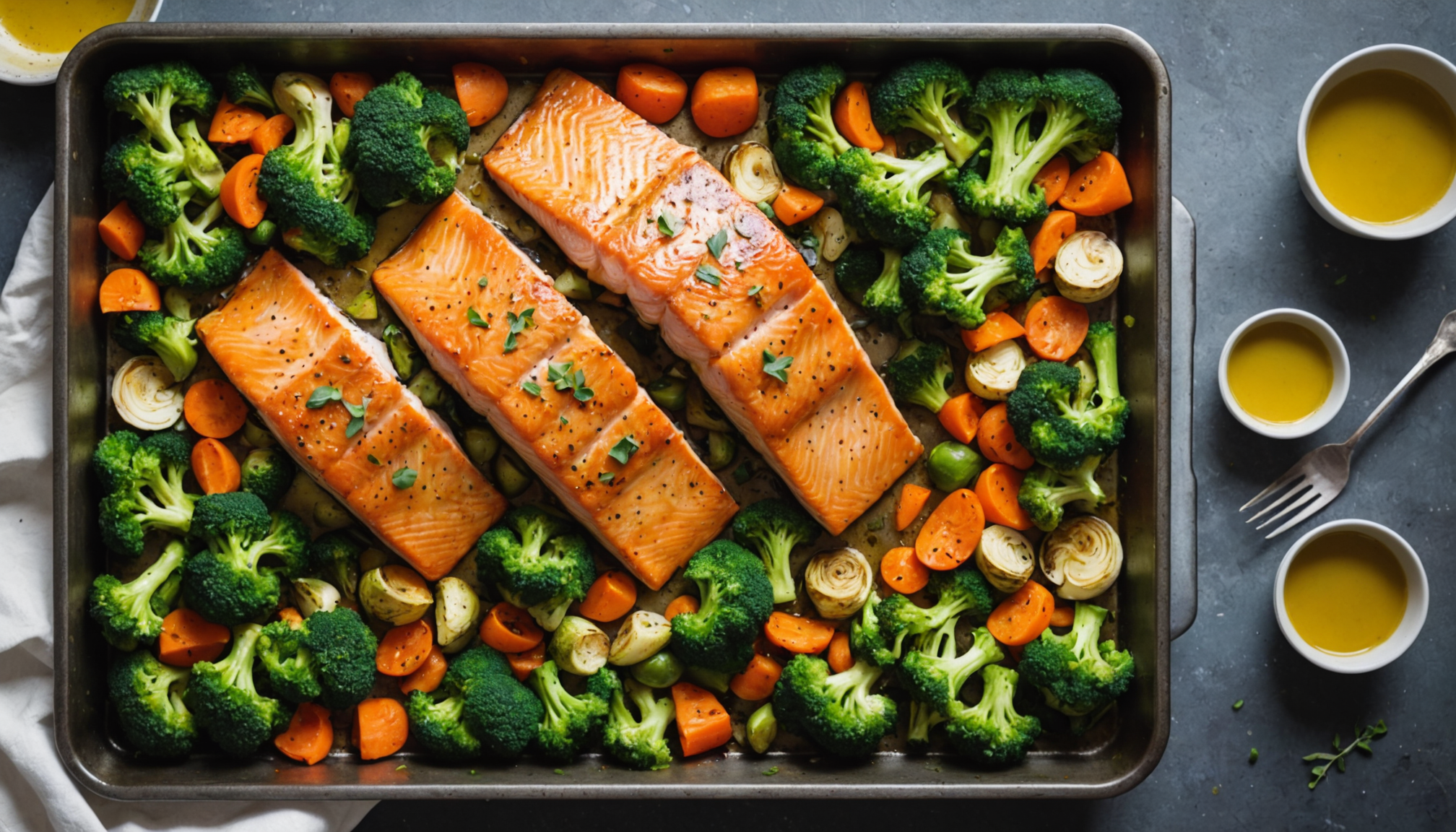
One of the simplest dinners for busy nights is a roasted salmon and vegetable plate built entirely around non-starchy vegetables. Think sheet pan but dialed into low-carb priorities:
- Place salmon fillets on a parchment-lined baking sheet, drizzle with olive oil, and season with salt, pepper, garlic powder, and smoked paprika.
- Around the salmon, scatter broccoli florets, cauliflower, Brussels sprouts, and sliced zucchini tossed in olive oil and your favorite herbs.
- Roast at 400–425°F (200–220°C) until the salmon flakes and the vegetables are caramelized at the edges—about 12–15 minutes for medium-thickness fillets.
You end up with a plate that’s visually generous and nutritionally dense, but very low in carbs. This kind of pattern—high-quality protein plus lots of non-starchy vegetables—aligns with what diabetes and heart-health guidelines often recommend for stabilizing blood sugar and supporting weight management. You still get that “full plate” feeling, without relying on bread, pasta, or rice to fill space.
If you’re craving something that feels like a wrap or taco night, lettuce-wrapped salmon is surprisingly satisfying. It taps into the fun, hands-on vibe of tacos, while keeping things light and fresh.
- Use sturdy lettuce leaves like romaine, butter lettuce, or cabbage as your “shells.”
- Season salmon with chili powder, cumin, garlic, and a pinch of salt, then bake or pan-sear until just cooked.
- Flake the salmon and spoon it into lettuce leaves with toppings like shredded cabbage, diced avocado, salsa, sliced radishes, and a drizzle of lime-yogurt sauce (Greek yogurt, lime juice, garlic, and cilantro).
This setup works well for families or mixed-diet households: others can use small tortillas if they want more carbs, while you load your lettuce wraps and still feel included. It raises a useful question: how often could “taco night” be built around fish and veggies instead of processed meats, shifting your default toward more heart healthy dinners without losing the fun?
For anyone exploring very low-carb or ketogenic patterns, salmon is almost tailor-made. Its fat and protein content help with satiety, which is crucial when you’re relying on your body’s fat stores for fuel. To stay within stricter carb limits, pair salmon with higher-fat but still nutrient-rich ingredients: avocado, olives, nuts, seeds, and lower-carb vegetables like leafy greens, broccoli, cauliflower, and zucchini.
One ketofriendly option: a creamy baked salmon and spinach skillet that skips flour and heavy carb fillers.
- Sear salmon fillets briefly in an oven-safe skillet with olive oil, then set them aside.
- In the same pan, sauté garlic and onions until soft, then add a large handful (or two) of fresh spinach or kale and cook until wilted.
- Pour in a mixture of unsweetened almond milk or a small amount of cream and broth, along with grated Parmesan or nutritional yeast for flavor.
- Nestle the salmon back into the sauce, spoon some greens over the top, and bake until the fish is cooked through and the sauce has thickened slightly.
Served with roasted cauliflower or a simple side salad, this hits the “comfort food” note while still aligning with a low-carb or keto framework. The richness comes from salmon and a modest amount of dairy, not a mountain of pasta or bread. It invites a bigger question: how often do we assume comfort must equal carbs, when it might really be about creaminess, warmth, and seasoning?
Another angle is low-carb “bowl” builds that swap grains for vegetables but still feel hearty. Cauliflower rice bowls are one of the most flexible tools you can have on hand.
- Sauté riced cauliflower in a large skillet with olive or avocado oil until tender but not mushy. Season with salt, pepper, and maybe garlic and onion powder.
- Top with baked, grilled, or pan-seared salmon, plus generous scoops of sautéed or raw vegetables—the more colors, the better.
- Add a drizzle of sauce: tahini-lemon, soy-ginger, or a yogurt-based herb dressing.
You can shape these bowls to fit different cuisines: “Mediterranean” with olives, cucumber, tomato, and feta; “Asian-inspired” with cabbage, scallions, and sesame; “Southwest” with peppers, avocado, and a sprinkle of cheese. As you experiment, it’s worth asking yourself which flavors keep you excited to come back to these easy healthy dinner ideas night after night. Long-term change usually follows enjoyment, not willpower alone.
If you’re managing diabetes or metabolic health, the question isn’t just “Is this low-carb?” but “How does this affect my blood sugar over time?” Salmon-based dinners can be a powerful tool here. Because salmon itself has almost no carbohydrates, it doesn’t spike blood glucose; instead, it brings satiety and valuable nutrients. When you pair it with high-fiber vegetables and modest portions of slow-digesting carbs (or none at all, depending on your plan), you create meals that support more stable energy and fewer post-dinner crashes.
Something as simple as salmon over a large, thoughtfully built salad can become a blood-sugar-friendly staple:
- Base of leafy greens (romaine, spinach, arugula) plus chopped non-starchy vegetables like cucumber, peppers, carrots, and tomatoes.
- Grilled or baked salmon on top, flaked or in a whole fillet.
- Healthy fats from avocado, nuts, or seeds, and a vinaigrette based on olive oil and vinegar or lemon juice (skip the sugary dressings).
When you eat this type of meal regularly, you might start to notice patterns: steadier focus in the evening, less intense cravings, easier sleep. Those signals are worth paying attention to. How does your body respond when salmon and vegetables dominate the plate, instead of bread or pasta?
For people with celiac disease or non-celiac gluten sensitivity, salmon-based low-carb meals can also be a stress reducer. Many classic “fast” dinners—pizza, sandwiches, many takeout dishes—are gluten-heavy, so having a mental catalog of gluten-free salmon recipes gives you more control. Most simple salmon preparations (baked, grilled, pan-seared) are naturally gluten-free as long as you choose gluten-free soy sauce, seasonings, and thickeners.
A simple gluten-free, low-carb dinner idea:
- Pan-sear salmon with salt, pepper, and a squeeze of lemon.
- Serve on a bed of sautéed shredded cabbage and onions cooked with garlic, olive oil, and a splash of gluten-free tamari or coconut aminos.
- Add toasted sesame seeds or slivered almonds on top for texture.
The cabbage acts like “noodles” or a stir-fry base, soaking up flavor and adding fiber without the carbs of rice. Instead of feeling like you’re missing out on takeout, you’re creating your own version that’s tailored to your body’s needs. As you experiment, you might find yourself asking: What other comfort foods could I reimagine with salmon and vegetables as the foundation?
Low-carb salmon dishes can also be incredibly meal-prep friendly, making it easier to stay consistent on busy days. Bake or grill several salmon fillets at once with a neutral seasoning—just olive oil, salt, and pepper—then store them in the fridge for 2–3 days. During the week, you can:
- Flake salmon over a green salad with avocado and a quick vinaigrette.
- Warm it gently and serve with a side of roasted broccoli and cauliflower mash.
- Turn it into salmon “salad” (with Greek yogurt, herbs, and lemon) and spoon it into lettuce cups for instant low-carb lunches.
This kind of planning doesn’t require perfection, just intention. It invites you to step back and ask: if salmon were your default protein two or three nights a week, how might that shift your overall health over the next year? Your energy? Your relationship with food?
Different low-carb approaches—keto, moderate low-carb, carb cycling, or simply “lower carb at dinner”—won’t be right for everyone, and it’s wise to talk with a healthcare provider or dietitian if you have medical conditions. But no matter where you land on that spectrum, salmon gives you a powerful, flexible building block. Its mix of protein and omega 3 fats makes it a cornerstone of many heart healthy dinners, especially when it nudges out processed meats and ultra-refined carbs.
The more you experiment with low-carb salmon meals, the more questions you might start to ask yourself: What flavors make me forget I’m eating “healthy”? Which vegetables actually excite me when they share a plate with salmon? How does my body feel after a week of these dinners compared with a week of takeout and refined carbs? Those questions—and your honest answers—can guide you toward a pattern of eating that feels both sustainable and deeply personal, instead of one more rigid set of rules.
- Is salmon a good choice for low-carb or keto diets?
- Yes. Salmon is naturally carb-free and rich in protein and healthy fats, making it ideal for low-carb and keto eating patterns. It’s also a great source of marine-based omega-3s, which support heart and brain health.
- How often can I eat salmon in a week?
- Most guidelines suggest aiming for about 2–3 servings of fatty fish like salmon per week for general health. If you enjoy it more often, that can still fit into a balanced pattern, especially if you rotate with other protein sources and pay attention to overall variety.
- What vegetables work best with low-carb salmon dinners?
- Non-starchy vegetables are your best friends: broccoli, cauliflower, Brussels sprouts, zucchini, leafy greens, peppers, cabbage, asparagus, and green beans. They add fiber, volume, and micronutrients without many carbs, and they pair well with almost any salmon seasoning.
- Can I use canned salmon for low-carb recipes?
- Absolutely. Canned salmon is low-carb, budget-friendly, and still rich in protein and omega-3 fats. It’s perfect for lettuce wraps, salads, low-carb “salmon salad” bowls, and quick cauliflower rice dishes.
- How can I keep low-carb salmon meals from feeling repetitive?
- Change the flavor profile, not the main ingredients. Rotate seasonings and sauces—lemon herb, garlic butter, chili-lime, curry, soy-ginger—and swap vegetable combinations so dinner feels new even when salmon is the constant.
- Are low-carb salmon dinners suitable for people with diabetes?
- Many people with diabetes find salmon-based meals helpful because salmon doesn’t raise blood sugar and pairs well with high-fiber, non-starchy vegetables. Still, individual needs vary, so it’s wise to discuss your specific carb goals and meal patterns with a healthcare provider or registered dietitian.
- What’s the healthiest way to cook salmon for these easy healthy dinner ideas?
- Gentle methods like baking, grilling, pan-searing in a small amount of healthy oil, or poaching preserve nutrients and keep added fats moderate. Avoid heavily breaded or deep-fried preparations if you’re aiming for truly heart-conscious, low-carb meals.

Leave a Reply