
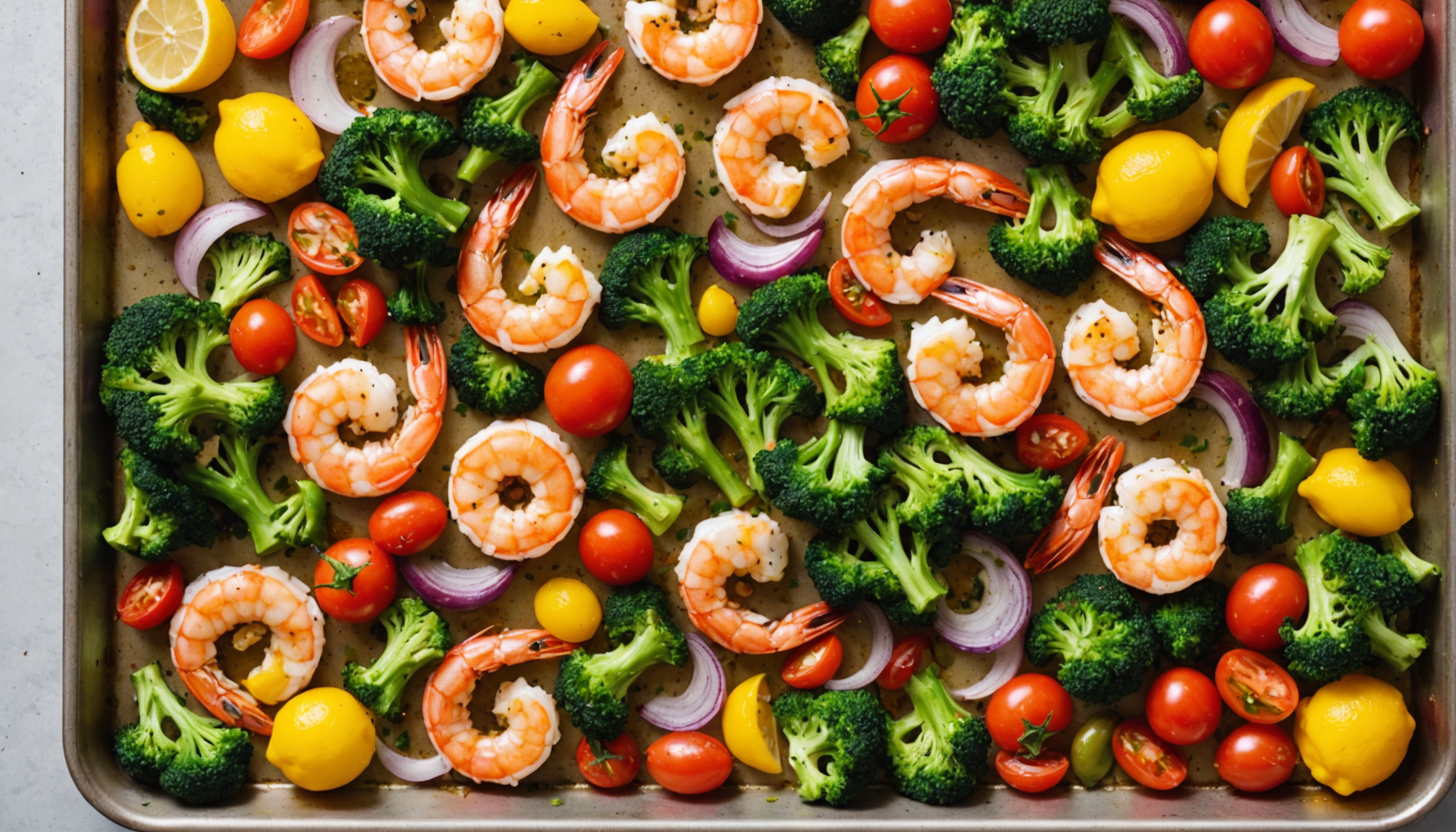
- Quick weeknight shrimp dinners
- Low-calorie shrimp recipes
- One-pan shrimp and veggie meals
- High-protein shrimp bowls
- Healthy shrimp pasta alternatives
When you walk in the door tired, hungry, and already a bit annoyed at the thought of cooking, shrimp is your secret weapon. It cooks in about 5 minutes, it’s lean, and it feels a little bit fancy even when you’ve thrown it together in sweats and sneakers. This is exactly where the best easy healthy dinner ideas live: minimal chopping, one hot pan, and food on the table faster than takeout.
The key with quick weeknight shrimp is to think in simple formulas instead of strict recipes. Once you understand the basic rhythm—season, sear, sauce, done—you can swap flavors depending on what you’ve got in the fridge or pantry. That’s gold for busy families, late-working professionals, college students with tiny kitchens, and anyone chasing performance in the gym who still wants dinner to actually taste good.
Let’s break down a few go‑to frameworks you can lean on any night of the week.
1. 10-minute garlic lemon shrimp (everyone’s starter recipe)
This is your “I can’t think, I just need food” dish. Keep a bag of frozen shrimp in the freezer and a lemon in the crisper, and you’re never more than 10 minutes away from dinner.
Pat your shrimp dry, season with salt, pepper, and a pinch of chili flakes if you like heat. Get a skillet properly hot—medium-high, not timid. A drizzle of olive oil, shrimp go in a single layer. Don’t crowd the pan; if you steam them, you lose that lovely light sear. About 1–2 minutes per side until they just turn pink and opaque. Then in goes a knob of butter (or a touch more olive oil if you’re keeping it lighter), a generous spoon of minced garlic, and a squeeze of lemon. Toss, taste, and adjust the seasoning.
Now, how you serve it depends on your life:
- For families: spoon over brown rice or quinoa with frozen peas microwaved on the side.
- For busy pros: pile it on top of a store-bought salad kit—Caesar, Mediterranean, whatever you’ve got.
- For college students: toss with whole grain couscous (it cooks in 5 minutes with just boiling water).
- For sport-minded folks: serve over a bed of cooked farro with a handful of arugula for extra greens and carbs to refuel.
Same pan, same shrimp, completely different plate every time.
2. Sheet pan fajita-style shrimp (zero babysitting)
Some nights you don’t even want to stand at the stove. Fair enough. That’s where a sheet pan saves you. This one’s a reliable addition to your shrimp recipes rotation and a great way to clear out half-used veggies.
Slice bell peppers and onions, toss them with olive oil, salt, pepper, and a good sprinkle of taco or fajita seasoning. Roast them at 425°F (220°C) for about 10–12 minutes to soften and get some color. Then toss your shrimp with the same seasoning and slide them onto the pan. Back into the oven for another 5–7 minutes until the shrimp are just cooked.
Serve options:
- In warm tortillas with salsa, avocado, and a squeeze of lime.
- Over cauliflower rice if you want to keep things lighter on carbs.
- On top of a big bowl of mixed greens for a fajita salad.
This is perfect for families because everyone can build their own plate. It’s also solid for meal prep—double the recipe, portion it into containers, and you’ve got lunch ready for a couple of days.
3. 15-minute Mediterranean shrimp skillet
When you want something that feels like a proper dinner but you’ve got exactly one pan and zero patience, go Mediterranean. Clean flavors, plenty of color, and it hits that “I’m eating a real meal” note without taking all night.
Sauté a bit of onion and garlic in olive oil until soft. Add halved cherry tomatoes, a pinch of oregano, salt, and pepper. Let the tomatoes cook down a few minutes until they release their juices. Toss in your shrimp, a handful of spinach or kale, and if you’ve got it, a few olives or a spoon of capers. Cook until the shrimp are done and the greens have wilted.
Finish with a squeeze of lemon and a crumble of feta if you eat dairy. Serve over:
- Whole wheat or chickpea couscous for extra fiber.
- Leftover rice or quinoa from the night before.
- Just as is, with a slice of whole grain bread to mop up the juices.
This dish works especially well for busy professionals and athletes because it’s balanced: lean protein, healthy fats, and enough carbs to keep you going, but it doesn’t leave you feeling heavy.
4. 5-minute chili-lime shrimp lettuce cups
If you want something light, fresh, and fast, this one’s for you. Ideal when you’ve got training early the next morning or you just don’t sleep well after huge meals.
Season shrimp with salt, pepper, chili powder or smoked paprika, and a little cumin. Quick sear in a hot pan with a touch of oil—again, a couple of minutes per side. Squeeze lime over them as they come off the heat.
Serve in crisp lettuce leaves (romaine, butter lettuce, even cabbage leaves work) with:
- Thinly sliced red cabbage or coleslaw mix
- A spoon of Greek yogurt or plain skyr instead of sour cream
- A bit of salsa or hot sauce
These are easy to scale. Make a small batch for one or two, or a big platter for a family, game night, or post-workout hangout. It’s the kind of meal that feels like taco night but stays light and high in protein.
5. Quick shrimp stir-fry from freezer staples
There are nights when fresh veggies just aren’t happening. That’s fine. Keep a bag of frozen mixed vegetables and shrimp in the freezer and a bottle of soy sauce or tamari in the pantry, and you’re sorted.
Start by stir-frying the frozen veggies in a hot pan with a little oil. Don’t thaw them; just get them straight into the heat and let the water cook off. Once they’ve got a bit of color, push them to the side, add your shrimp, and sear until they turn pink.
Now add flavor: a splash of soy sauce or tamari, a drizzle of sesame oil if you have it, garlic and ginger (fresh or from a tube/jar), and a pinch of chili flakes. Toss everything together and taste. If you want a bit of sweetness, a tiny squeeze of honey balances the saltiness beautifully.
- Serve over microwaveable brown rice for a complete meal in under 15 minutes.
- Or use pre-cooked noodles (soba, rice noodles, whole wheat spaghetti) tossed straight into the pan.
This one is a lifesaver for college students and anyone with minimal fridge space. It’s cheaper and better for you than most last-minute takeout, and you control the salt, fat, and portion size.
6. Broiled shrimp “cheat” scampi
When you want something that feels like a restaurant dish in record time, broiling is your friend. You get that lovely charred edge on the shrimp without standing over the stove. Perfect for date night at home or when you just need to treat yourself after a brutal day.
Toss shrimp with olive oil, minced garlic, salt, pepper, and a sprinkle of paprika for color. Lay them out on a foil-lined sheet pan in a single layer. Broil on high for about 2–3 minutes per side, depending on the size of the shrimp, until they’re just cooked and slightly browned in spots.
Finish with chopped parsley and a big squeeze of lemon. If you want to make it a bit richer, you can drizzle a tiny bit of melted butter over the top, but you don’t need much.
To keep it aligned with your health goals:
- Serve over steamed broccoli or green beans with a little whole grain bread on the side.
- Or pile onto a plate with a simple tomato and cucumber salad dressed in olive oil and vinegar.
You get all the satisfaction of classic scampi flavors without drowning it in butter or cream.
7. Smart shortcuts that make shrimp nights effortless
To make these weeknight seafood dinners actually happen, set yourself up with a few small habits:
- Keep shrimp in the freezer. Buy peeled and deveined. It defrosts in 10 minutes in a bowl of cold water.
- Stock quick sides. Microwaveable brown rice, quinoa cups, frozen veggies, salad kits—these turn shrimp into full meals in minutes.
- Use seasoning blends. Taco seasoning, Cajun spice, Italian herbs, and curry powder instantly change the flavor profile without extra effort.
- Prep once, eat twice. Cook extra shrimp and use leftovers cold in salads or grain bowls the next day.
Shrimp is one of the easiest ways to build fast, satisfying high protein meals that don’t wreck your schedule. With a hot pan, a handful of pantry staples, and a bit of confidence, you can turn a bag of shrimp into a dozen different weeknight wins—no fuss, no stress, and no reason to default to takeout when you’re tired.
Low-calorie shrimp recipes
If you love shrimp but want to keep calories in check, the good news is you don’t have to sacrifice flavor or satisfaction. Shrimp is naturally lean—about 84 calories and 18 grams of protein in a 3-ounce cooked serving, with virtually no carbs—making it one of the most efficient bases for low-calorie, high protein meals. According to the USDA, shrimp is also a source of selenium, vitamin B12, and iodine, which support thyroid and metabolic health. When you pair it with high-fiber veggies and smart cooking methods, you get meals that feel indulgent while quietly supporting your goals.
“Shrimp offers roughly 18–20 grams of protein per 3 ounces for under 100 calories, making it one of the most calorie-efficient proteins you can put on your plate.”
The core strategy for low-calorie shrimp recipes is simple: emphasize vegetables and broth-based or citrus-based sauces; minimize heavy creams, deep-frying, and oversized portions of refined carbs. That’s where these practical, easy healthy dinner ideas come in.
1. Brothy shrimp “noodle” soup under 300 calories
A light, flavorful soup can feel like comfort food without the calorie overload. This style of dish works especially well if you like big portion sizes but still want to stay lean.
Start with a low-sodium chicken or vegetable broth. Sauté aromatics—garlic, ginger, and a bit of scallion—in a small amount of olive or avocado oil, then pour in your broth. Add sliced mushrooms, shredded carrots, and baby spinach or bok choy. Simmer until the vegetables are tender but still bright.
For “noodles” without the carb hit, use:
– Spiralized zucchini or squash
– Shirataki (konjac) noodles, which typically have 10–20 calories per serving
– Very thin slices of cabbage
Simmer your “noodles” briefly, then add shrimp and cook just until they turn pink. Finish with a splash of soy sauce or tamari, a squeeze of lime, and fresh herbs like cilantro or basil.
A bowl like this usually clocks in around 250–300 calories if you go generous on veggies and light on oil, but it’s deeply filling thanks to the combination of protein, water volume, and fiber. A 2022 review in *Obesity Reviews* highlighted that higher-protein, high-volume meals tend to increase satiety and support weight management by naturally reducing later calorie intake—exactly what this style of soup is designed to do.
2. Citrus-herb grilled shrimp with double veggies
Grilling or broiling is one of the best low-calorie techniques because it adds flavor without needing heavy sauces. You get char, smokiness, and a restaurant feel right at home.
Marinate shrimp for 15–30 minutes in:
– Lemon or lime juice
– A little olive oil
– Garlic
– Chopped fresh herbs (parsley, cilantro, dill, or basil)
– Salt, pepper, and optional chili flakes
Thread onto skewers (or use a grill basket) and grill or broil for 2–3 minutes per side. Serve with a plate that’s half vegetables, one-quarter lean starch, and one-quarter shrimp. For example:
– Grilled or roasted asparagus, zucchini, or bell peppers
– A small scoop (½ cup cooked) of quinoa, farro, or brown rice
– A quick side salad with vinegar-based dressing
“Current dietary guidelines emphasize that filling half your plate with vegetables is one of the most effective, realistic ways to reduce total calorie intake while improving diet quality.”
A 2023 analysis in *Nutrients* found that higher vegetable intake is consistently linked to lower body weight and better metabolic health, largely because vegetables add bulk and fiber for very few calories. Doubling up on veggies and keeping starch modest lets you enjoy grilled shrimp in satisfying portions without overshooting your calorie target.
3. Shrimp “fried rice” with cauliflower or mixed veggies
Fried rice is classic comfort food, but traditional versions can be heavy in oil and white rice. You can capture the same flavor profile for a fraction of the calories with a few swaps.
Use:
– Riced cauliflower, or
– A 50/50 mix of riced cauliflower and cooked brown rice (for texture and extra fiber)
Sauté finely chopped onion, garlic, and mixed vegetables (peas, carrots, corn, green beans) in a teaspoon or two of oil. Add your riced cauliflower and stir-fry until tender. Push everything to one side, scramble an egg or two for extra protein if you like, then fold it all together.
Toss in your shrimp and cook until just opaque. Season with low-sodium soy sauce or tamari, a drizzle of sesame oil (go light—1 teaspoon is plenty for flavor), and optional sriracha. Top with chopped scallions.
Using cauliflower rice instead of a full bowl of white rice can shave off 100–150 calories per serving. Studies on volume-based eating—like those summarized by the Centers for Disease Control and Prevention—show that swapping low-energy-density foods (like cauliflower and vegetables) into familiar dishes is an effective, sustainable way to lower calorie intake without feeling deprived.
4. Shrimp and veggie foil packs (built-in portion control)
Foil packs are one of the most practical shrimp recipes when you want low-calorie meals with zero fuss and almost no cleanup. They also naturally enforce portion control because each packet is a single serving.
On a square of heavy-duty foil, layer:
– A base of sliced zucchini, bell peppers, and onion
– A small handful of halved cherry tomatoes or green beans
– 4–6 ounces of shrimp
Drizzle with a teaspoon of olive oil, season with salt, pepper, paprika, and dried Italian herbs or Cajun spice. Seal the foil into a tight packet and bake at 400°F (205°C) for about 12–15 minutes, or grill over medium heat.
“Portion-controlled meals—like individually wrapped foil packs—have been linked to better weight-loss outcomes because they reduce mindless overeating and make calorie targets easier to hit consistently.”
Research published in *The American Journal of Clinical Nutrition* has shown that structured portion control strategies are associated with improved adherence to calorie-controlled diets, particularly for busy adults who often eat while distracted. Foil packs give you a “set it and forget it” structure that fits neatly into that approach.
Serve your packet with:
– A simple green salad with a light vinaigrette
– A small side of whole grains if you need extra carbs (¼–½ cup cooked quinoa or brown rice)
Each foil pack is typically 250–350 calories depending on how much oil and starch you add, but it feels like a fully loaded dinner.
5. Shrimp lettuce wraps with crunchy slaw
When you want something light that still feels like a complete meal, lettuce wraps are an easy go-to. They mimic the hand-held fun of tacos, but swap tortillas and heavy toppings for crunch and freshness.
Sauté shrimp with a little garlic, ginger, and a splash of low-sodium soy sauce or coconut aminos. Add a drizzle of lime juice and a tiny amount of honey or maple syrup if you want a sweet-salty vibe. For extra volume and bite, toss in finely chopped water chestnuts, shredded carrots, or diced bell peppers during the last couple of minutes of cooking.
Serve the shrimp mixture in:
– Butter lettuce cups
– Romaine hearts
– Cabbage leaves (more sturdy and extra crunchy)
Top with a simple slaw made from shredded cabbage, carrots, rice vinegar, and a teaspoon of sesame seeds. Skip heavy mayo-based dressings and lean on vinegar, citrus, and herbs to keep calories low and flavor high.
A typical serving (3–4 wraps) often lands around 250–300 calories, depending on how much oil you use. That’s a fraction of what you’d see in restaurant-style wraps, which often rely on sugary sauces and heavier fats.
6. Lightened shrimp “scampi” over veggie ribbons
Scampi is usually loaded with butter and served over a big bowl of refined pasta. You can still enjoy the garlicky, lemony sauce and keep it light by changing both the base and the fat balance.
Use a mix of:
– Zucchini ribbons or “zoodles”
– Thinly shaved carrots or yellow squash
– A small portion of whole wheat or chickpea pasta if you want more carbs and fiber
Sauté garlic in a small amount of olive oil (1–2 teaspoons), then add shrimp and a splash of dry white wine or low-sodium broth. Once the shrimp are nearly cooked, stir in lemon juice, chopped parsley, and a tablespoon or two of pasta water or extra broth to create a silky sauce. Add the veggie ribbons (and pasta, if using), tossing just until tender.
By relying on broth, lemon, and pasta water instead of large amounts of butter, you dramatically reduce calories. A 2021 review in *Nutrients* noted that Mediterranean-style patterns—emphasizing olive oil in moderation, seafood, and vegetables—are consistently linked to better weight and cardiometabolic profiles than diets heavy in saturated fats.
“Simple shifts—like swapping cream-based sauces for broth and lemon—can cut hundreds of calories from a meal without reducing satisfaction.”
7. Practical tips to keep shrimp meals low-calorie and satisfying
To make low-calorie shrimp dishes a consistent part of your week, a few small habits go a long way:
– Prioritize cooking methods that don’t need much fat. Searing, grilling, broiling, air frying, and steaming all create flavorful seafood dinners with very little added oil.
– Front-load vegetables. Aim for at least 1–2 cups of non-starchy veggies at dinner. This increases volume and fiber, which several large cohort studies have linked to lower total calorie intake and improved weight control.
– Watch “hidden” calories. Creamy sauces, heavy cheese, and large portions of refined carbs add up fast. Use them as accents, not the base of the meal.
– Lean on bold flavors, not extra fat. Garlic, citrus, fresh herbs, chili, smoked paprika, vinegar, and low-sodium soy sauce add depth for almost no calories.
– Batch-cook components. Prepping a large container of shredded veggies or cauliflower rice and keeping shrimp cleaned and portioned in the freezer makes low-calorie easy healthy dinner ideas as fast as ordering in—only with better nutrition.
When you build around lean protein from shrimp, lots of colorful produce, and smart flavor boosters instead of heavy fats, low-calorie shrimp recipes stop feeling like “diet food” and start feeling like the most satisfying part of your week.
One-pan shrimp and veggie meals
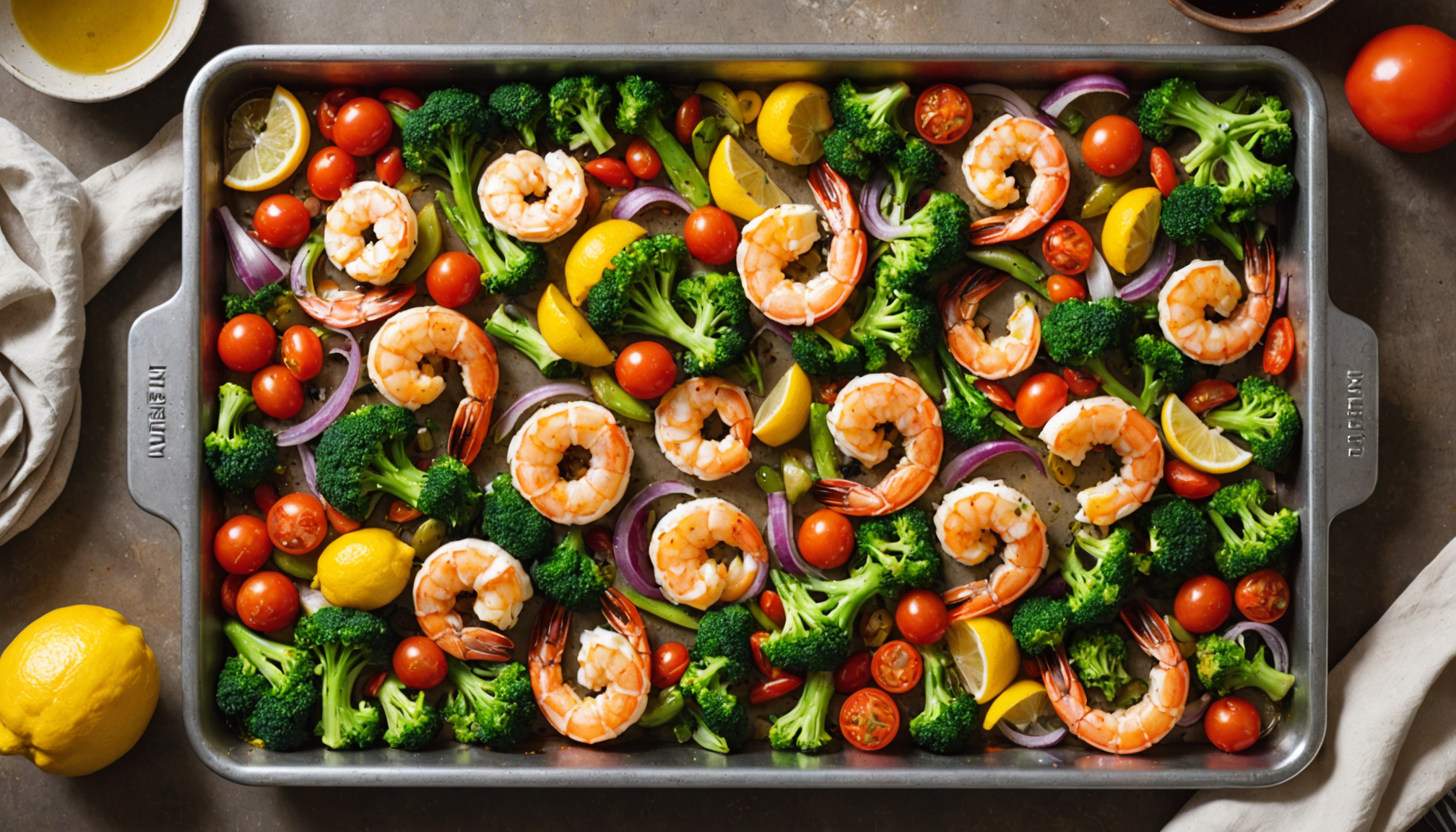
If there’s one trick that completely changed weeknights for me, it’s this: put everything on one pan, turn on the oven, and walk away. That’s it. One-pan shrimp and veggie meals are the sweet spot for those of us who want to eat well but don’t want to spend all night cooking or washing dishes. Busy parents juggling homework and practices, professionals who just survived a long commute, college students with tiny sinks, athletes squeezing dinner in after a workout—this style of cooking was basically made for you.
Think of a one-pan meal as a little roadmap: protein + veggies + seasoning + heat. Once you understand that formula, you can create endless easy healthy dinner ideas with shrimp using what you already have on hand.
Let me walk you through a few go-to combos and how to make them work for your life.
1. Classic roasted shrimp and veggies (the “I’m too tired” tray)
This is the tray you throw together when you’re so hungry you can’t think straight. It’s simple, forgiving, and you can’t really mess it up. The oven does all the work while you change out of work clothes, scroll, help with math homework, or just sit for 10 minutes in silence.
Here’s the easy version: preheat your oven to 400–425°F. Grab a sheet pan. Toss chopped veggies right on the tray with olive oil, salt, and pepper. You want a mix of faster-roasting veggies so everything cooks at about the same time. Some good combos:
- Broccoli florets + bell peppers + red onion
- Green beans + cherry tomatoes + zucchini
- Asparagus + mushrooms + thinly sliced carrots
Spread the veggies in an even layer and roast them for about 12–15 minutes to get a head start. While that’s happening, pat your shrimp dry and toss them in a bowl with a little olive oil, garlic, salt, pepper, and maybe paprika or Italian seasoning. When the veggies are starting to brown on the edges, scatter the shrimp over the top of the tray and roast for another 6–8 minutes, just until the shrimp turn pink and curl.
When the tray comes out, squeeze a lemon over everything and maybe sprinkle some fresh herbs if you have them. Dinner is done. You can eat it straight from the pan if it’s that kind of night—no judgment.
To make it work for different goals:
- Families: Serve with whole grain couscous, brown rice, or small roasted potatoes on the side.
- Busy pros: Portion half into containers for tomorrow’s lunch—two meals in one shot.
- College students: Use store-bought microwave rice or even whole wheat pita to scoop everything up.
- Athletes: Add an extra scoop of carb (quinoa, sweet potato) to support recovery and energy.
Same tray, same method—just tweak how you serve it and it fits everyone at the table.
2. One-pan lemon garlic shrimp with potatoes and green beans
This one feels like a full “Sunday dinner,” but it’s realistic for a Wednesday. You get protein, carbs, and veggies all on one pan, and it tastes like something you’d pay for at a restaurant.
Start with baby potatoes or regular potatoes cut into small chunks. Toss them on a sheet pan with olive oil, salt, pepper, and garlic powder. Roast at 425°F for about 15–20 minutes, until they’re starting to brown and soften.
Next, add trimmed green beans (or asparagus) right onto the same pan, toss quickly with the potatoes so they get some of that seasoned oil, and roast another 8–10 minutes. While that’s happening, toss your shrimp in a bowl with minced garlic, olive oil, lemon zest, salt, pepper, and a pinch of red pepper flakes.
Pull out the pan, push the potatoes and veggies to the sides to make space, and add the shrimp in the center in an even layer. Back into the oven for 5–7 minutes, just until the shrimp are cooked through. Finish with a big squeeze of lemon juice and fresh parsley.
A few ways to adapt this tray:
- For lighter meals: Halve the potato portion and double the green beans while keeping shrimp portions generous for a high protein, veggie-heavy plate.
- For athletes: Keep the potatoes plentiful to refill glycogen stores after a hard workout.
- For meal prep: Make two pans at once—one to eat now, one to portion into containers for 2–3 days of lunches.
It’s balanced, cozy, and still completely weeknight-friendly.
3. Mediterranean one-pan shrimp bake (colorful and fresh)
When you want something that tastes like vacation but you’re definitely not on vacation, this is the tray you make. It’s bright, lemony, and full of color—perfect if you’re trying to eat more veggies without feeling like you’re on a diet.
On a sheet pan, toss together cherry tomatoes, sliced red onion, chunks of zucchini, and bell peppers. Drizzle with olive oil and season with salt, pepper, dried oregano, and a pinch of garlic powder. Roast at 400°F for 12–15 minutes until the tomatoes start to burst.
Meanwhile, season your shrimp with olive oil, salt, pepper, more oregano, and a little paprika. Toss them with a spoonful of capers or a handful of olives if you like that briny flavor. Scatter the shrimp over the semi-roasted veggies and bake for another 6–8 minutes.
When it comes out of the oven, shower the pan with fresh parsley or basil, crumbled feta (optional), and lemon juice. Everything is juicy and saucy without needing a heavy cream or butter sauce.
To turn this into easy, flexible high protein meals:
- Serve over a bed of cooked farro or quinoa for athletes and extra-hungry teens.
- Spoon over cauliflower rice for low-carb or lighter dinners.
- Eat it as-is in a big bowl with a slice of whole wheat bread to mop up the juices.
- Pack leftovers cold for lunch—this actually tastes amazing chilled or at room temp.
This kind of pan is especially great for busy weeks because the ingredients are forgiving; if you’re missing one veggie, just add more of another.
4. One-pan Cajun shrimp and veggie “boil”
If you love the idea of a shrimp boil but don’t want to drag out a huge pot or deal with a ton of cleanup, this sheet pan version gives you all the fun, minus the chaos. It’s bold, filling, and surprisingly easy to keep on the lighter side.
On your pan, add small potato chunks and sliced corn on the cob rounds (or use frozen corn kernels if that’s what you have). Toss with a bit of olive oil, Cajun seasoning, salt, and pepper. Roast at 425°F for 15–18 minutes.
Next, add sliced sausage if you want (use a lean chicken or turkey sausage to keep things balanced) and a big handful of green beans or broccoli florets. Toss right on the pan with a little more seasoning and roast another 8–10 minutes.
Finally, add the shrimp tossed in Cajun seasoning and a bit of oil, then roast 5–7 minutes until pink and cooked through. Finish with lemon wedges and chopped parsley.
To keep this in the “healthy comfort food” lane:
- Use more veggies and shrimp than sausage to keep the protein high and the saturated fat lower.
- For sport-focused eaters, keep the potatoes and corn generous—this tray is perfect after a long run, heavy lift, or double practice day.
- For lighter plates, skip the sausage entirely and double the green beans and shrimp.
You get all the festive, shareable vibe of classic seafood dinners in a way that still respects your health goals.
5. Sheet pan shrimp “stir-fry” for the oven
Sometimes you want stir-fry flavors, but you don’t want to stand at the stove. This one-pan version gives you a similar result, just with a different route. It’s especially handy if you’re cooking for a crowd or doing meal prep for the week.
Toss a mix of thinly sliced bell peppers, snap peas or green beans, carrots, and onions with a tablespoon or two of a simple sauce: low-sodium soy sauce or tamari, a tiny drizzle of sesame oil, garlic, ginger, and a touch of honey or maple syrup. Spread the veggies on a sheet pan and roast at 400°F for 10–12 minutes.
Meanwhile, toss your shrimp in a little of the same sauce. Add the shrimp to the pan and roast another 6–8 minutes, until cooked through. If you like a thicker glaze, you can simmer a small extra batch of the sauce in a tiny pot on the stove to drizzle over everything at the end, or just reduce it in a skillet for a minute or two.
Serve options:
- Over brown rice or quinoa for a classic rice bowl vibe.
- Over cauliflower rice if you’re watching carbs.
- With pre-cooked noodles tossed in at the end (soba, rice noodles, or whole wheat spaghetti) for a fuller, noodle-y meal.
This style of one-pan meal is ideal for college students or busy professionals because you can prep everything the night before, then just toss the pan in the oven when you get home.
6. One-pan shrimp with roasted “sheet pan salad” veggies
This is one of my favorite hacks for anyone who wants to eat more vegetables but doesn’t love cold salads at night. You basically make a warm, roasted salad with shrimp right on the pan, then pile it into bowls. It feels cozy, but it’s loaded with nutrients.
On a sheet pan, toss chopped Brussels sprouts, red onion wedges, and sliced carrots with olive oil, salt, pepper, and a little balsamic vinegar. Roast at 400°F for 15–20 minutes, stirring once, until browned and tender.
Season shrimp with salt, pepper, garlic powder, and smoked paprika, then add to the pan for the last 6–8 minutes of roasting. While it finishes, toss a big handful of baby spinach or arugula into a bowl with a splash more balsamic and a little olive oil.
When the tray is done, scoop the hot shrimp and veggies right over the greens, letting the heat slightly wilt them. Add crunchy toppings if you like—pumpkin seeds, a sprinkle of feta, or sliced almonds.
This kind of bowl is incredibly satisfying on a cold night, and it’s perfect for anyone trying to build more vegetable-forward, high protein meals without feeling like they’re just eating “rabbit food.”
7. Make one-pan shrimp nights your default, not your backup plan
One-pan shrimp and veggie meals become game-changing when you remove as many barriers as possible. A few tiny habits make all the difference:
- Pre-cut when you can. On a calmer day, chop a couple of bell peppers, onions, or broccoli and stash them in containers. Future you will be so grateful on that hectic Thursday.
- Lean on shortcuts. Frozen veggie mixes, pre-trimmed green beans, baby carrots, or bagged florets all work beautifully on sheet pans and save real time.
- Keep shrimp ready. Frozen, peeled, and deveined shrimp are your best friend. They thaw quickly in a bowl of cold water while the oven preheats.
- Make a “house spice mix.” Combine garlic powder, onion powder, paprika, salt, pepper, and dried herbs in a jar. Sprinkle it on shrimp and veggies, add lemon, and your flavor is done in 10 seconds.
- Double the tray. Whenever the oven is on, ask yourself if you can cook one extra pan for tomorrow’s lunch or another dinner. Same effort, twice the payoff.
When you start thinking of the oven and a single sheet pan as your sous-chef, building easy healthy dinner ideas with shrimp stops feeling like another chore on your list. You season, you roast, you eat—and suddenly everyone at the table is getting more veggies, more lean protein, and more real food without you spending your entire evening in the kitchen.
High-protein shrimp bowls
High-protein shrimp bowls are one of the most efficient ways to get a balanced, satisfying meal on the table without much stress. You stack lean protein, smart carbs, healthy fats, and plenty of vegetables into one dish, and you can customize each bowl for different tastes or goals. This is where a lot of the most practical easy healthy dinner ideas live: one base, many variations.
“Combining lean proteins like shrimp with fiber-rich grains and vegetables has been shown to increase satiety and support stable energy, making bowls an ideal framework for high protein meals.”
Below are several step-by-step bowl frameworks you can mix and match. Think of them as blueprints rather than strict shrimp recipes.
1. Build-your-own high-protein shrimp bowl formula
Use this step-by-step structure to design any bowl you want:
- Pick your base (carb or low-carb foundation)
- Whole grains: quinoa, brown rice, farro, barley
- High-protein grains/legume blends: quinoa-lentil mix, canned chickpeas, black beans
- Low-carb: cauliflower rice, shredded cabbage, spiralized zucchini
- Load in vegetables (at least 1–2 cups)
- Raw: shredded carrots, sliced cucumber, cherry tomatoes, mixed greens
- Cooked: roasted broccoli, sautéed peppers and onions, steamed edamame, wilted spinach
- Add the shrimp protein
- Aim for 4–6 ounces cooked shrimp per person (about 20–30 grams of protein).
- Use any seasoning style: Cajun, garlic-lemon, teriyaki, Mediterranean herbs, taco seasoning.
- Include a healthy fat
- ¼ avocado, a sprinkle of nuts or seeds, or 1–2 tablespoons of a yogurt- or olive oil–based dressing.
- Finish with flavor boosters
- Fresh herbs (cilantro, parsley, basil), citrus (lime or lemon), salsa, pickled onions, or hot sauce.
Follow these steps and you can build endless high protein meals with shrimp, just by changing your flavor theme.
2. Mediterranean quinoa shrimp power bowl
This one is ideal for busy professionals and athletes who want something filling but not heavy. It’s rich in protein, fiber, and heart-healthy fats.
- Cook the base
- Cook 1 cup dry quinoa according to package directions (in water or low-sodium broth).
- Fluff with a fork and set aside.
- Prep the veggies
- Dice 1 cucumber and 1 bell pepper.
- Halve 1 cup cherry tomatoes.
- Thinly slice ¼ red onion.
- Optional: massage 1–2 cups chopped kale with a teaspoon of olive oil and a pinch of salt to soften.
- Cook the shrimp
- Pat 1 pound peeled, deveined shrimp dry.
- Toss with:
- 1 tablespoon olive oil
- 1 teaspoon dried oregano
- ½ teaspoon garlic powder
- Salt, pepper, and a squeeze of lemon juice
- Sear in a hot skillet over medium-high heat for 1–2 minutes per side, until pink and opaque.
- Mix a light dressing
- Whisk together:
- 2 tablespoons olive oil
- Juice of 1 lemon
- 1 teaspoon Dijon mustard
- 1 minced garlic clove
- Salt and pepper to taste
- Whisk together:
- Assemble the bowls
- Add ½–1 cup quinoa to each bowl.
- Top with a generous handful of veggies and kale.
- Add 4–6 ounces of shrimp per bowl.
- Drizzle with dressing and finish with:
- 2 tablespoons crumbled feta (optional)
- Fresh parsley or dill
For a lighter version, reduce quinoa slightly and add more vegetables; for post-workout or sport-focused needs, keep quinoa portions generous.
3. Teriyaki shrimp brown rice bowl (meal-prep friendly)
This bowl feels like takeout but gives you full control over sugar, salt, and protein.
- Prepare the rice
- Cook 1–2 cups brown rice (depending on how many portions you want).
- Spread on a tray to cool slightly if you’re meal prepping, so it doesn’t clump.
- Steam or sauté the vegetables
- Use a mix like:
- Broccoli florets
- Snap peas or green beans
- Shredded carrots
- Lightly sauté in a teaspoon or two of oil, or steam until crisp-tender.
- Use a mix like:
- Make a quick teriyaki-style sauce
- In a small bowl, whisk:
- ¼ cup low-sodium soy sauce or tamari
- 2 tablespoons water
- 1 tablespoon honey or maple syrup
- 1 teaspoon rice vinegar
- 1 teaspoon grated ginger
- 1 minced garlic clove
- Optional: 1 teaspoon cornstarch for a thicker sauce
- Simmer in a small saucepan for 1–2 minutes until slightly thickened (longer if using cornstarch).
- In a small bowl, whisk:
- Cook the shrimp
- Season 1 pound shrimp lightly with salt and pepper.
- Sear in a hot pan with a teaspoon of oil until they begin to turn pink.
- Pour in most of the teriyaki sauce and toss until shrimp are coated and just cooked through.
- Assemble and portion
- In each bowl or meal-prep container:
- Add ½–1 cup brown rice.
- Top with a cup or more of vegetables.
- Add a portion of teriyaki shrimp.
- Drizzle with leftover sauce if desired.
- Garnish with sesame seeds and sliced scallions.
- In each bowl or meal-prep container:
These bowls reheat well and make excellent high protein meals for lunch or quick dinners all week.
4. Low-carb cilantro-lime shrimp cauliflower rice bowl
This version keeps carbs lower while still feeling substantial, making it perfect for late dinners or weight-focused goals.
- Make the cauliflower rice
- Pulse fresh cauliflower florets in a food processor until “riced,” or use pre-riced cauliflower.
- Sauté in a large skillet with:
- 1 teaspoon olive oil
- 1 minced garlic clove
- Salt and pepper
- Cook 5–7 minutes until tender but not mushy.
- Stir in:
- Juice of 1 lime
- 2–3 tablespoons chopped cilantro
- Prep the vegetable toppings
- Dice 1 bell pepper.
- Slice 1 avocado (for healthy fats).
- Rinse and drain 1 can black beans (optional for extra protein and fiber).
- Slice some red cabbage or use bagged coleslaw mix for crunch.
- Cook the shrimp
- Toss shrimp with:
- 1 teaspoon olive oil
- 1 teaspoon chili powder
- ½ teaspoon cumin
- ½ teaspoon smoked paprika
- Salt and pepper
- Sear in a hot skillet 1–2 minutes per side until cooked through.
- Squeeze fresh lime over the shrimp just before taking them off the heat.
- Toss shrimp with:
- Assemble the bowls
- Add a generous scoop of cilantro-lime cauliflower rice to each bowl.
- Top with:
- 4–6 ounces of shrimp
- ½ cup black beans (if using)
- Bell pepper and cabbage
- ¼ avocado, sliced
- Finish with salsa, extra cilantro, and more lime juice.
To make it more family-friendly, you can offer both regular rice and cauliflower rice so everyone can choose their base.
5. Greek yogurt shrimp “taco” bowl
This is a high-protein spin on taco night that skips the heavy sauces and piles everything into a bowl instead. Ideal for college students and families who want build-your-own style dinners.
- Prepare the base
- Use cooked brown rice, quinoa, or a mix of shredded lettuce and rice for a lighter feel.
- Make a quick Greek yogurt sauce
- Stir together:
- 1 cup plain Greek yogurt (or skyr)
- Juice of 1 lime
- ½ teaspoon cumin
- ½ teaspoon chili powder
- Salt, pepper, and a little hot sauce if you like heat
- Thin with a tablespoon or two of water if needed to drizzle.
- Stir together:
- Season and cook the shrimp
- Toss shrimp with:
- 1 teaspoon olive oil
- 1–2 teaspoons taco seasoning or your own spice mix
- Sear in a skillet until just cooked.
- Toss shrimp with:
- Prep toppings
- Shredded lettuce or cabbage
- Diced tomatoes
- Corn (fresh, frozen, or canned and rinsed)
- Black beans or pinto beans
- Optional: a small sprinkle of shredded cheese
- Assemble the taco bowls
- Layer base (rice and/or lettuce) in each bowl.
- Add a scoop of beans, corn, and veggies.
- Top with a portion of shrimp.
- Drizzle generously with the Greek yogurt lime sauce.
- Finish with cilantro and a squeeze of lime.
Using Greek yogurt instead of sour cream or heavy dressings increases protein and keeps total calories more in line with your health goals.
6. Warm shrimp and lentil bowl with roasted vegetables
This version is especially good for colder nights or anyone who wants a more “comfort food” style bowl without sacrificing nutrition.
- Cook the lentils
- Rinse 1 cup dry green or brown lentils.
- Simmer in 3 cups low-sodium broth or water with a bay leaf until tender, about 20–25 minutes.
- Drain any excess liquid, remove bay leaf, and season with salt and pepper.
- Roast the vegetables
- On a sheet pan, toss:
- Brussels sprouts halves
- Sliced carrots
- Red onion wedges
- Drizzle with 1–2 tablespoons olive oil, season with salt, pepper, and smoked paprika.
- Roast at 400°F for 20–25 minutes, stirring once, until browned and tender.
- On a sheet pan, toss:
- Cook simple garlic shrimp
- Sauté 1–2 minced garlic cloves in 1 teaspoon olive oil over medium heat for 30 seconds.
- Add shrimp, salt, pepper, and a splash of lemon juice.
- Cook 1–2 minutes per side until pink and opaque.
- Assemble the warm bowls
- Add a scoop of warm lentils as the base.
- Top with roasted vegetables.
- Add 4–6 ounces of shrimp.
- Finish with:
- A spoonful of plain Greek yogurt or a drizzle of tahini
- Fresh parsley or arugula on top
Lentils plus shrimp give you a powerful protein combo with extra fiber and minerals, making this bowl particularly satisfying and supportive of performance and recovery.
7. Practical tips to make shrimp bowls your easiest default dinner
Turning these ideas into real weeknight habits is all about prep and pattern, not perfection.
- Batch-cook your base once
- Cook a large pot of quinoa, brown rice, or lentils on the weekend.
- Store in the fridge and scoop into bowls all week.
- Pre-chop a few “bowl veggies”
- Keep containers of shredded carrots, sliced peppers, and washed greens ready to go.
- Bagged salad mixes also work well for quick bowl building.
- Stock frozen backups
- Frozen shrimp, edamame, and mixed vegetables ensure you can throw together high protein meals even when the fridge looks empty.
- Make one or two “house sauces” per week
- A lemon-herb vinaigrette and a yogurt-based sauce can cover most flavor profiles.
- Store in jars and drizzle over any shrimp bowl on demand.
- Think theme nights, not strict recipes
- “Mediterranean Monday,” “Teriyaki Tuesday,” or “Taco Bowl Thursday” gives you a flavor direction, then you plug in whatever grains and veggies you have.
With a few core components prepped and a simple formula in mind, shrimp bowls become one of the most reliable easy healthy dinner ideas you can lean on—fast, flexible, and built around lean, satisfying protein.
Healthy shrimp pasta alternatives
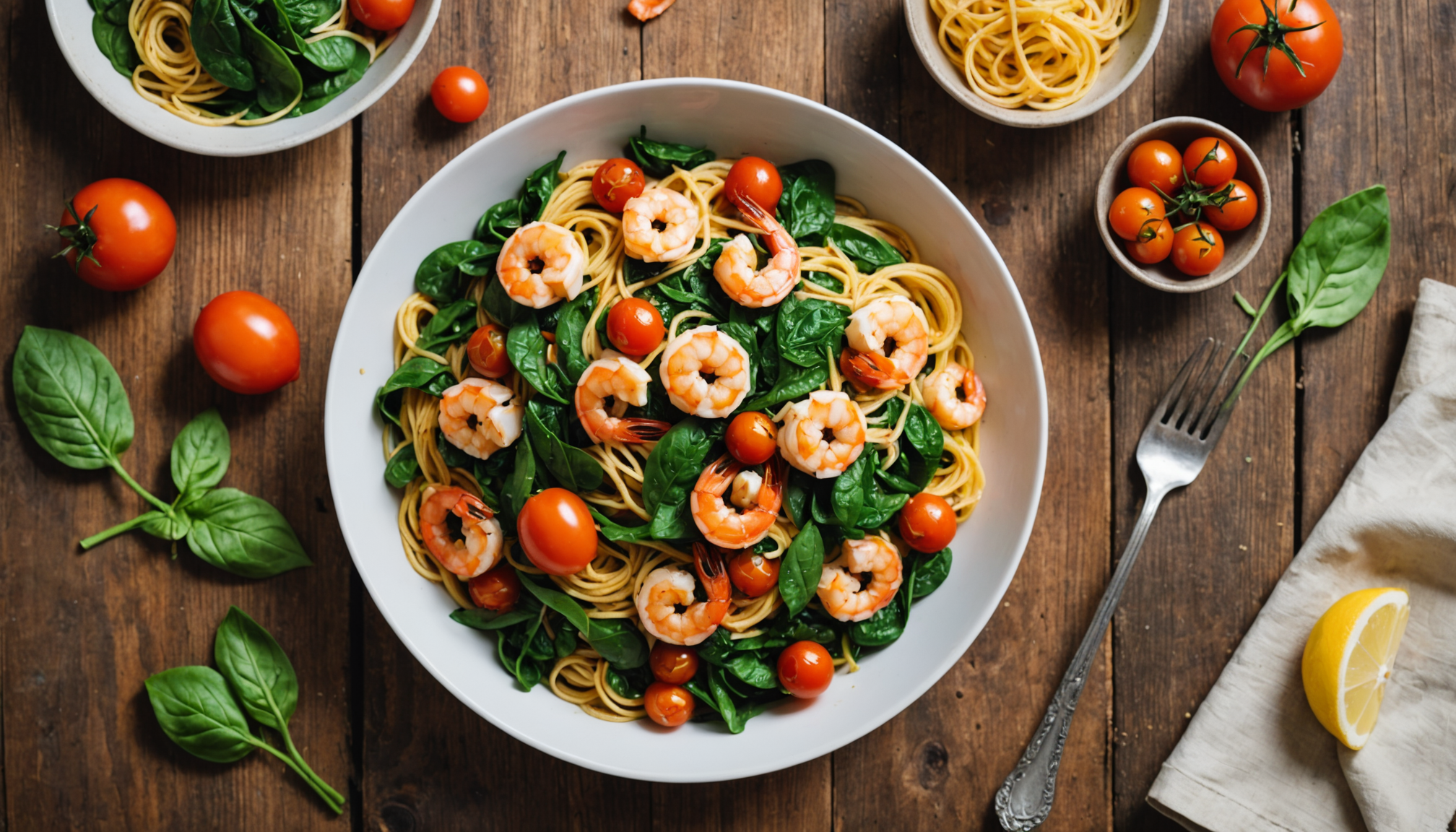 Shrimp and pasta feel like they were made for each other—but traditional bowls can lean heavily on refined flour and cream, leaving you sluggish instead of energized. If you love twirling noodles but want more nutrients, better blood sugar control, or simply a lighter plate at night, you don’t have to give up the ritual. You only need to rethink what “pasta” means and how you build the rest of the dish around your shrimp.
Start by reframing pasta as a texture and a shape rather than a specific ingredient. Long strands, short tubes, chewy bites—you can recreate all of that with plants, whole grains, and legumes. When you combine these smarter bases with shrimp—a lean source of protein and minerals—you turn comfort food into the sort of high protein meals that actually support your goals instead of fighting them.
One of the easiest swaps is to trade white pasta for high-fiber, high-protein noodles made from chickpeas, lentils, or whole wheat. These alternatives typically deliver more fiber and up to double the protein of traditional pasta, which helps keep you full and slows the rise in blood sugar after eating. Imagine your favorite garlicky shrimp “scampi,” but tossed with al dente chickpea spaghetti, roasted cherry tomatoes, and a handful of baby spinach. Use olive oil, garlic, lemon, a splash of broth, and just a touch of Parmesan instead of a butter-heavy sauce. You still get the silkiness and depth, but with more fiber, more protein, and less saturated fat.
If you want to go even lighter, vegetable “noodles” are surprisingly satisfying when you treat them with care. Zucchini ribbons, carrot strips, spaghetti squash, and shaved cabbage all play beautifully with shrimp. The key is not to overcook them: sauté zucchini noodles briefly in olive oil with garlic and chili flakes, then toss them off the heat with just-cooked shrimp, halved cherry tomatoes, and fresh basil. A squeeze of lemon and a tablespoon of grated cheese or nutritional yeast can give you that familiar “pasta bowl” feeling without a heavy starch load. This kind of plate is ideal for late dinners or rest days when you want something comforting but not dense.
Think about hybrid bowls too—half pasta, half veggies. Instead of a giant serving of noodles, mix equal parts whole wheat or lentil pasta with zucchini ribbons or lightly sautéed shredded cabbage. This “volume hack” lets you eat a big, visually satisfying bowl while quietly reducing refined carbs and boosting fiber and micronutrients. Toss everything with shrimp seared in olive oil, garlic, and herbs; add broccoli florets or peas for extra texture. You end up with one of those easy healthy dinner ideas you can repeat weekly, just by changing the herbs and vegetables.
If you’re chasing more staying power from your meals, building legumes and whole grains into your “pasta” framework is game-changing. Try orzo-style whole wheat pasta or tiny shapes like farro or barley pearls tossed warm with shrimp, roasted vegetables, and a lemon-herb vinaigrette. Or go further and skip traditional pasta entirely: mix cooked farro or barley with finely chopped kale, then top with lemon-garlic shrimp and a spoonful of ricotta or cottage cheese for creaminess. You still get the spoonable, saucy comfort of a pasta dish, but with extra protein, minerals, and slow-digesting carbs that feed your training and your brain.
For a richer-feeling bowl without heavy cream, lean on “creamy but light” techniques. Stir a few spoonfuls of plain Greek yogurt into a pan sauce off the heat to avoid curdling, or blend a small amount of soaked cashews with garlic, lemon, and broth to create a silky coating for your noodles. Imagine shrimp tossed with whole wheat penne, steamed broccoli, and a sauce made from Greek yogurt, Parmesan, and black pepper—a lighter nod to Alfredo that still feels indulgent. These tricks let you explore the flavors you crave while keeping your heart and metabolism in mind.
Don’t forget about global-inspired “pasta” alternatives. Soba noodles (made mostly from buckwheat) offer more nutrients than standard white spaghetti and pair beautifully with shrimp in brothy, ginger-scented bowls. Rice noodles can be balanced with a mountain of crunchy vegetables, herbs, and a light lime-fish sauce dressing for a Vietnamese-style shrimp noodle salad. You can even reinterpret Italian classics: shrimp tossed with spaghetti squash strands, roasted garlic, crushed tomatoes, and fresh basil delivers all the comfort of a red-sauce pasta night with a fraction of the calories and more vegetable volume.
Sauces are where many shrimp recipes tip from nourishing to heavy. Instead of relying on large quantities of cream, butter, and cheese, ask yourself: How much flavor can I pull from aromatics, herbs, and acidity? Build depth with sautéed onions, garlic, chili, fresh herbs, lemon zest, roasted tomatoes, or a splash of dry white wine reduced with broth. A small amount of Parmesan, feta, or pecorino goes a long way when paired with these layers. You’ll start to notice how often it’s the seasoning and technique—not the fat and flour—that make a dish memorable.
Portion balance matters just as much as ingredients. If pasta has always been the “main event” on your plate, experiment with flipping that script: let shrimp and vegetables take up two-thirds of the bowl and treat the noodles—whether chickpea, soba, or zucchini—as one component among many. This subtle shift can change the way you feel after dinner: more clear-headed, less weighed down, and less likely to crash on the couch. How would your evenings change if your favorite comfort foods left you energized enough to read, learn, or move instead of just zone out?
As you explore these healthy shrimp pasta alternatives, notice which combinations actually leave you feeling best an hour or two after the meal. Does the zucchini-and-shrimp bowl help you sleep better than a huge plate of white fettuccine? Does a chickpea pasta primavera with shrimp keep you fuller through a busy afternoon? Let those observations guide your kitchen experiments. The most powerful easy healthy dinner ideas are the ones that not only fit nutrition guidelines on paper, but also match how your own body responds in real life.
You don’t need to abandon pasta nights; you can evolve them. The more curious you become—about different grains, legumes, vegetables, and sauces—the more you’ll see that “pasta with shrimp” is actually a wide-open playground for flavor, performance, and long-term health. Which version will you try first, and what might it teach you about what your body and mind actually need from dinner?
- Are shrimp pasta alternatives actually more nutritious than regular shrimp pasta?
- Often, yes—especially when you swap refined pasta for whole grain, legume-based, or vegetable “noodles.” These options usually add more fiber, micronutrients, and sometimes extra protein, which support blood sugar control, digestion, and satiety while keeping the classic shrimp-and-sauce experience you enjoy.
- What’s the best pasta substitute if I still want a traditional pasta taste and texture?
- Whole wheat and chickpea or lentil pastas are closest to the classic experience while boosting fiber and protein. They work particularly well in garlicky, tomato-based, or Mediterranean-style seafood dinners where the sauce and shrimp provide most of the flavor.
- How can I make a creamy shrimp “pasta” dish without heavy cream?
- Use a base of sautéed garlic and onion, then stir in broth, a small amount of olive oil, and finish off the heat with Greek yogurt, ricotta, or a blended cashew cream. This keeps the sauce silky and satisfying while reducing saturated fat and adding protein or healthy fats.
- Are vegetable noodles like zucchini zoodles filling enough for dinner?
- On their own they can feel light, but when you add a solid portion of shrimp, some healthy fats (like olive oil or avocado), and maybe a bit of whole grain pasta or beans, the meal becomes much more substantial. Combining protein, fiber, and volume is key to feeling full and energized afterward.
- How much shrimp should I use to make my pasta alternative high in protein?
- Aim for about 4–6 ounces of cooked shrimp per person, which typically provides 20–30 grams of protein. Pairing shrimp with high-protein bases like lentil pasta, quinoa, or beans can push your meal into an even more satisfying high protein meals range.
- Can I meal prep healthy shrimp pasta alternatives in advance?
- Yes, but store components separately for best texture: keep cooked shrimp, sauces, and pasta or veggie bases in different containers. Reheat the grains or pasta with the sauce, then add shrimp at the end or enjoy it chilled in a pasta-style salad to avoid overcooking.
- What’s the simplest healthy swap if I’m new to changing my shrimp pasta dishes?
- Start by doubling the vegetables in your usual recipe and cutting the pasta portion by about one-third, then use whole wheat or legume-based pasta instead of white. This single shift keeps the meal familiar while nudging it toward the kind of easy healthy dinner ideas that support better energy, digestion, and long-term health.

Leave a Reply