- Quick veggie-packed pasta dishes
- Lean protein pasta pairings
- One-pot healthy pasta dinners
- Light sauces and smart swaps
- Time-saving tips for weeknight pasta meals
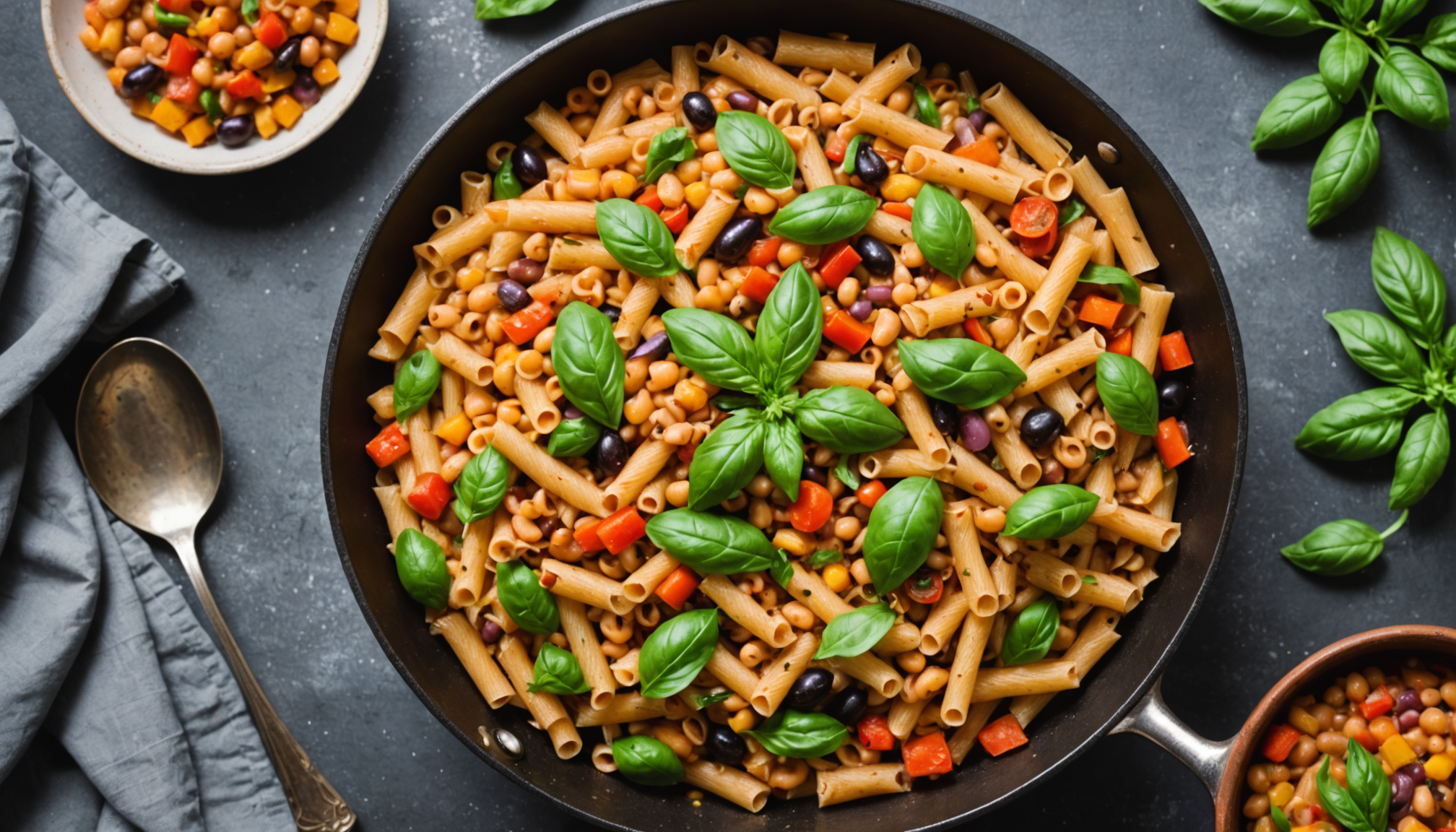
When life gets busy and everyone’s hungry like, five minutes ago, veggie-packed pasta is such a lifesaver. You get the cozy, carby comfort of pasta, but with a huge boost of nutrients and color from all the vegetables. It’s one of my favorite easy healthy dinner ideas because you can literally clean out your fridge, toss it with pasta, and end up with something that looks and tastes like you planned it.
Think of veggie pasta as your “catch-all” meal. Long day at work? Kids’ sports practice running late? Finals week on campus? You boil some pasta, sauté whatever veggies you have, add a simple sauce, and dinner’s done. No fuss, no fancy techniques, and you still feel good about what you’re putting on the table (or eating on the couch – no judgment!).
Let’s walk through a few super simple ways to load up your pasta with veggies so you’re getting more fiber, more vitamins, and more flavor without adding a ton of time.
1. Start with a better base: whole wheat or veggie pasta
Before we even get to the veggies, the pasta you choose can help your meal feel more satisfying and nourishing. Try swapping regular pasta for whole wheat pasta or a legume-based pasta (like lentil or chickpea). They have more fiber and protein, which means you’ll stay full longer and avoid that “I need a snack 30 minutes after dinner” feeling.
- Busy professionals: Whole wheat penne or fusilli holds up well for meal prep, so you can make a big batch and pack it for lunch.
- College students: Lentil or chickpea pasta cooks just like regular pasta but gives you more protein without needing to cook meat.
- Sport-minded folks: Extra protein and fiber are great for muscle recovery and steady energy.
Honestly, once you toss it with sauce and veggies, most people in the family barely notice the difference – especially if you cook it to just al dente and don’t overdo it.
2. Use the “3-veg rule” to build your bowl
A simple way to make any bowl of healthy pasta more balanced is to aim for at least three different veggies in each dish. It keeps things colorful, fun, and more nutritious without you having to count anything or measure perfectly.
Here’s an easy formula you can follow:
- Base veggie: Something that adds bulk like broccoli, zucchini, or bell peppers.
- Leafy veggie: Spinach, kale, or arugula for extra greens.
- Sweet or bright veggie: Cherry tomatoes, peas, carrots, or corn for flavor and color.
So you might end up with a mix like: broccoli + spinach + cherry tomatoes, or zucchini + kale + peas. Just pick what you have and what your family will actually eat. Frozen veggies absolutely count here too.
3. 15-minute skillet veggie pasta
This is perfect for those nights when you walk into the kitchen, open the fridge, and think, “Okay… now what?” You only need one pan and one pot of boiling water.
Here’s the basic method you can recreate with what you have:
- Boil your pasta according to package directions.
- While it cooks, heat olive oil in a large skillet.
- Throw in chopped onions or garlic (totally optional, but adds flavor).
- Add quick-cooking veggies: cherry tomatoes, sliced zucchini, baby spinach, mushrooms, or frozen peas and corn.
- Season with salt, pepper, Italian seasoning, or just a pinch of red pepper flakes.
- When the pasta is done, transfer it straight into the skillet with a little bit of the pasta water.
- Toss everything together, finish with a handful of grated Parmesan or a spoonful of pesto if you like.
That’s it. You’ve got a veggie-loaded pasta done in the time it takes to scroll through your phone. It’s one of those “no recipe” recipes that busy families and students can put on repeat and customize based on what’s around.
4. Sheet pan roasted veggie pasta
If you want something a little more hands-off, try roasting your veggies while the pasta cooks. This method is amazing for packed schedules because the oven does most of the work while you deal with kids’ homework, finish an email, or squeeze in a quick stretch session after the gym.
Here’s how to do it:
- Preheat the oven to 425°F.
- Chop whatever veggies you have: bell peppers, red onion, cherry tomatoes, broccoli, cauliflower, carrots, zucchini – anything goes.
- Toss them with olive oil, salt, pepper, garlic powder, and dried herbs.
- Spread on a sheet pan and roast for 15–20 minutes, until tender and lightly browned.
- While they roast, cook your pasta.
- Toss the hot pasta with the roasted veggies, a splash of pasta water, lemon juice, and a sprinkle of cheese or a dollop of ricotta if you like it creamy.
This is so good for feeding a family because everyone can see the veggies, pick their favorites, and it looks so colorful on the plate. It’s also perfect for meal prep – you can pack it in containers for “grab and go” lunches during the week.
5. Veggie-loaded pasta for picky eaters
If you’ve got little ones (or grown-ups!) who are suspicious of anything green, there are a couple of tricks you can use to sneak in more vegetables without turning dinner into a negotiation.
- Grate and finely chop: Shred carrots, zucchini, or spinach and cook them into a tomato sauce. They basically melt into the sauce and just taste like extra flavor.
- Blend the sauce: Roast carrots, onions, garlic, and bell peppers, then blend with a can of crushed tomatoes and some broth. It becomes a silky orange-red sauce that’s sweet, savory, and packed with veggies.
- Start with a favorite: If everyone loves mac and cheese, stir in peas, tiny broccoli florets, or steamed cauliflower into the mix. Small, soft pieces are less noticeable but still add benefits.
This way, you’re not cooking a separate meal for kids and adults. You’re just making smart tweaks to what everyone already likes.
6. Cold veggie pasta for grab-and-go meals
Pasta doesn’t always have to be hot. Veggie-packed pasta salads can be amazing quick dinners or post-workout meals, especially when it’s warm out or you’re running between classes or meetings.
Try this simple idea you can prep once and enjoy for a couple of days:
- Cook whole wheat rotini or penne and rinse under cool water.
- Toss with chopped cucumbers, cherry tomatoes, olives, bell peppers, shredded carrots, and baby spinach.
- Add chickpeas or black beans for extra protein if you want.
- Dress it with olive oil, lemon juice, salt, pepper, and a little dried oregano or Italian seasoning.
Store it in the fridge, and you’ve got an easy lunch you can scoop into a container in the morning or grab after the gym. It’s also a great option for college students who don’t have time or energy to cook every single night.
7. Make veggies the “main event,” not the side
A simple mindset shift can really change how your pasta dishes look and feel. Instead of thinking of vegetables as a little topping, think of them as the star of the dish, and the pasta as the support act.
On your plate or in your bowl, try to aim for something like:
- About half veggies
- About one-quarter pasta
- The rest protein or healthy fats (like cheese, nuts, beans, or lean meat if you’re adding it later)
You don’t have to be exact, but just visually look for a bowl where you see lots of color from veggies, and the pasta is mixed throughout rather than dominating. This helps you feel full and nourished while still getting that cozy pasta feeling we all love.
Veggie-packed pasta is a total win for busy families, athletes, and students – you get comfort, speed, and nutrition all in one. Once you get in the habit of tossing a few extra vegetables into the pot or pan, those weeknight pastas start looking and feeling a lot more balanced, without any extra stress on your already full plate.
Lean protein pasta pairings
Lean protein turns a bowl of pasta from “just carbs” into a more balanced, satisfying meal that keeps you full longer and supports muscle recovery, steady energy, and better focus. It’s one of the easiest ways to upgrade your favorite “easy healthy dinner ideas” without making cooking more complicated or time-consuming.
Here’s how to add lean protein to your healthy pasta in simple, weeknight-friendly ways.
- Choose lean proteins that cook fast
When you’re aiming for quick dinners, you don’t want to babysit the stove for 45 minutes. Focus on proteins that cook in 10–15 minutes or less and pair easily with different sauces and veggies:
- Chicken breast or tenderloins: Slice into thin strips or small cubes so they cook fast in a skillet.
- Ground turkey or chicken: Browns quickly and works in tomato, pesto, or light cream sauces.
- Shrimp: Cooks in 3–5 minutes; perfect for last-minute meals.
- Canned tuna or salmon: No cooking required—just drain and stir into hot pasta.
- Eggs: A soft-boiled or poached egg on top of pasta adds protein and richness.
- Plant-based proteins: Lentils, beans, tofu, and tempeh are great lean options.
You can rotate these through the week so pasta never feels repetitive: chicken one night, shrimp the next, beans or lentils another.
- Lean chicken pasta ideas for busy nights
Chicken is a go-to for many families because it’s mild, versatile, and budget-friendly. Pair it with whole wheat pasta and veggies, and you’ve got a complete meal.
Try simple combos like:
- Skillet lemon-garlic chicken pasta
- Cook whole wheat spaghetti or penne.
- In a skillet, sear thin-sliced chicken breast in olive oil with garlic, salt, pepper, and Italian herbs.
- Add a splash of chicken broth and lemon juice.
- Toss in cooked pasta and a big handful of spinach until just wilted.
- Chicken veggie “alfredo” lightened up
- Brown bite-sized chicken pieces in a nonstick pan.
- Add steamed or frozen broccoli and peas.
- Stir in a mixture of plain Greek yogurt, a bit of grated Parmesan, garlic powder, and pasta water to make a creamy but lighter sauce.
- Toss with whole wheat fettuccine or rotini.
- Chicken taco pasta
- Brown ground chicken with taco seasoning.
- Add black beans, corn, and diced tomatoes.
- Toss with short pasta (like shells or penne) and top with a small handful of shredded cheese and chopped cilantro.
These kinds of meals are great for families because the pieces are small and easy for kids to eat, and the flavors are familiar.
- Seafood pairings for lighter, high-protein pasta
Seafood is naturally lean and cooks fast, which makes it perfect for healthy pasta dinners when you’re short on time.
Some simple ideas:
- Garlic shrimp and spinach pasta
- Sauté shrimp in olive oil with garlic, salt, pepper, and red pepper flakes.
- Add a big handful of baby spinach and let it wilt.
- Toss with whole wheat linguine, lemon zest, and a sprinkle of Parmesan.
- Tuna tomato penne
- Heat a pan with olive oil, garlic, and a can of crushed tomatoes.
- Stir in drained canned tuna, capers, and olives if you like.
- Toss with cooked penne and a handful of chopped parsley.
- Salmon pasta with peas
- Use leftover baked or grilled salmon; flake it with a fork.
- Warm it gently in a pan with a splash of broth, peas, and lemon juice.
- Mix with whole wheat pasta and a spoonful of Greek yogurt for creaminess.
These are especially good for athletes or anyone focused on heart health and lean protein.
- Plant-based protein options that still feel hearty
You don’t need meat to get a satisfying, protein-rich pasta. Plant-based proteins make pasta feel hearty while keeping things lighter and budget-friendly.
Try adding:
- Beans: Chickpeas, white beans, or black beans stir directly into hot pasta dishes.
- Lentils: Cooked green or brown lentils mimic ground meat in sauces.
- Tofu: Crispy baked or pan-seared tofu cubes are great tossed into noodle bowls.
- Tempeh: Crumbled and sautéed with tomato sauce and Italian herbs as a “meaty” topping.
Example pairings:
- Chickpea Mediterranean pasta
- Toss cooked pasta with chickpeas, cherry tomatoes, cucumbers, olives, red onion, and spinach.
- Dress with olive oil, lemon, garlic, and oregano.
- Lentil “Bolognese”
- Sauté onions, carrots, and celery.
- Add cooked lentils, crushed tomatoes, garlic, and Italian seasoning.
- Simmer and serve over whole wheat spaghetti with a little Parmesan or nutritional yeast.
- Crispy tofu noodle bowl
- Pan-fry tofu cubes until golden.
- Toss with whole wheat spaghetti, shredded carrots, snap peas, and a simple sauce of soy sauce, lime, and a drizzle of honey or maple syrup.
These are excellent for college students or anyone trying to cut back on meat without giving up satisfying meals.
- Eggs and dairy for simple, high-protein comfort
Eggs and dairy can turn basic pasta into a high-protein, comforting bowl—without needing to cook meat at all.
Ideas to try:
- Egg-topped pasta bowls
- Cook whole wheat spaghetti with garlic, olive oil, and chili flakes.
- Top each bowl with a soft-boiled or poached egg.
- When you cut into the egg, the yolk becomes a rich sauce.
- Greek yogurt “cream” sauce
- Stir plain Greek yogurt into warm (not boiling) pasta with a bit of pasta water and Parmesan.
- Add peas, spinach, or mushrooms for extra nutrition.
- Cottage cheese pasta
- Blend cottage cheese with garlic, lemon juice, and a little olive oil.
- Toss with hot pasta and roasted or sautéed veggies.
These tricks are great for nights when you want something comforting but still packed with protein.
- Balance your plate: how much protein to aim for
To keep your pasta meal balanced and more in line with easy healthy dinner ideas, think in rough visual portions rather than counting anything:
- About 1/4 plate protein: Chicken, shrimp, beans, lentils, tofu, eggs, or fish.
- About 1/4 plate pasta: Preferably whole wheat or legume-based.
- About 1/2 plate veggies: Fresh, frozen, roasted, or sautéed.
Some quick examples:
- Busy family night: Whole wheat penne + ground turkey tomato sauce + frozen mixed veggies stirred in.
- Post-workout meal: Whole wheat pasta + grilled chicken or shrimp + broccoli and spinach.
- Dorm-friendly option: Shelf-stable pasta + canned tuna or chickpeas + jarred marinara + bagged salad mix stirred in at the end.
This simple structure helps your pasta feel like a full, nourishing meal instead of just a big bowl of noodles.
- Prep once, use twice: protein for multiple pasta meals
To save time on weeknights, cook extra lean protein once and use it in different pasta dishes across a few days.
You can:
- Batch-cook chicken breasts: Slice or shred and use in:
- Tomato-based pasta one night.
- Pesto veggie pasta another night.
- Cold pasta salad for lunch later in the week.
- Cook a big pot of lentils or beans:
- Turn some into lentil Bolognese.
- Use the rest in a Mediterranean pasta salad or quick skillet pasta with veggies.
- Grill or bake extra salmon or tofu:
- Enjoy it with rice and veggies the first night.
- Flake or cube leftovers into a light lemony pasta the next.
With a little planning, lean protein becomes an easy add-on to your favorite pasta recipes, making them more filling, nutritious, and supportive of your goals—whether that’s fueling workouts, feeding a family, or getting through a long week of classes and work.
One-pot healthy pasta dinners
One-pot pasta dinners are the sweet spot where comfort food and real life actually get along. You toss everything into a single pot or pan, let the heat do the heavy lifting, and end up with a balanced meal and barely any dishes. For busy parents, late-working professionals, athletes coming home from training, or college students sharing a tiny kitchen, this kind of cooking can make the difference between actually eating well and just grabbing whatever’s fastest.
The best part? One-pot doesn’t mean “boring” or “heavy.” With a few smart choices, these can easily be some of your go-to easy healthy dinner ideas that you rely on week after week.
Why one-pot pasta works for busy lives
Traditional pasta cooking has you boiling noodles in one pot, heating sauce in another, maybe roasting veggies on a sheet pan. It’s good, but it’s a lot of moving parts—especially at 7 p.m. when everyone’s hungry and tired.
With one-pot pasta, the noodles, veggies, protein, and sauce all cook together. That means:
- Less cleanup (huge when you’re washing dishes at 10 p.m.).
- Less hands-on time—you can stir occasionally and walk away.
- More flavor, because the pasta absorbs the broth and seasonings as it cooks.
- Easier portioning, since everything’s mixed in one big pot or skillet.
It’s like a shortcut to a home-cooked meal that still feels thoughtful and nourishing.
The basic one-pot pasta formula
Once you understand the simple formula, you can build endless combinations without really needing a strict recipe. Here’s the general structure:
- Base: 8–12 ounces of pasta (short shapes like penne, rotini, shells, or even whole wheat pasta work best).
- Liquid: About 3–4 cups total of low-sodium broth, water, or a mix (enough to just cover the pasta and veggies).
- Veggies: 2–3 cups of chopped fresh or frozen vegetables.
- Protein (optional but encouraged): Pre-cooked or quick-cooking lean protein like shrimp, chicken, beans, or tofu.
- Flavor: Garlic, onions, herbs, spices, lemon juice, or a spoonful of pesto or tomato paste.
- Finish: A small amount of cheese, olive oil, or Greek yogurt for richness—totally optional.
You put everything (except any delicate greens or final toppings) into the pot, bring it to a boil, then simmer and stir until the pasta is tender and the liquid has mostly absorbed into a silky sauce. That’s it. Dinner.
Family-friendly one-pot tomato basil pasta
This is a great starter one-pot meal because the flavors are familiar and kid-approved—tomato, garlic, a little cheese. Think of it as your “pizza pasta” night with less cleanup and more veggies.
- Add to a large pot or deep skillet:
- Whole wheat penne or rotini
- 2–3 cups of veggies (diced zucchini, bell peppers, mushrooms, or frozen spinach work well)
- 1 can of diced tomatoes (with juices)
- 2–3 cups of low-sodium vegetable or chicken broth
- Minced garlic, a pinch of salt, pepper, and dried Italian herbs
- Bring it to a boil, then reduce to a simmer and stir every few minutes until the pasta is cooked and the liquid thickens into a sauce.
- Right at the end, stir in:
- A handful of fresh basil (or a spoonful of pesto if you have it)
- A light sprinkle of Parmesan or mozzarella
This works well for families because you can easily adjust the veggies—more mushrooms for you, fewer greens for the kids, or let everyone add toppings at the table like extra cheese or red pepper flakes.
Protein-packed one-pot pasta for active days
If you’re running from work to the gym to home, or you’ve got kids in sports, you want one-pot meals that actually keep everyone full and support recovery. The good news is you can layer in lean protein without making the recipe complicated.
Here’s a simple approach for a higher-protein one-pot dish:
- Start your pot with:
- Whole wheat pasta
- 1 can of white beans or chickpeas (drained and rinsed)
- Chopped veggies like broccoli, carrots, or frozen peas
- Broth, garlic, and herbs
- Cook until the pasta is tender and the beans are warmed through.
- Finish with:
- A squeeze of lemon juice
- A spoonful of Greek yogurt or a little olive oil
For extra protein, you can also stir in leftover grilled chicken, shrimp, or baked tofu during the last few minutes of cooking. This works especially well for athletes or anyone wanting to feel steady energy instead of a big carb crash.
One-pot creamy veggie “alfredo” without the heaviness
Sometimes you just want something cozy and creamy after a long day, but you don’t necessarily want a super heavy sauce. One-pot pasta is perfect for a lighter, veggie-forward “alfredo” that still feels like comfort food.
- In one large pot, combine:
- Short pasta (whole wheat if you like)
- 2 cups small broccoli florets
- 1 cup sliced mushrooms or peas
- 2–3 cups low-sodium broth
- Minced garlic, salt, and pepper
- Simmer and stir until the pasta is cooked and there’s a bit of liquid left in the bottom.
- Turn the heat to low and stir in:
- Plain Greek yogurt or a small splash of milk
- A handful of grated Parmesan
Because the pasta releases starch into the cooking liquid, you naturally get a silky sauce without needing heavy cream. It’s a nice middle ground for anyone who wants that creamy flavor in their healthy pasta without feeling weighed down afterward.
Dorm- and small-kitchen-friendly skillet pasta
If you’re in a dorm, studio apartment, or just don’t have a ton of kitchen gear, one-pot skillet pastas are incredibly practical. A single deep pan and a basic burner can get you a lot of mileage.
Here’s a simple combo that works well for students and anyone cooking for one or two:
- Add to a skillet:
- Dry pasta
- 1 can of diced tomatoes or jarred marinara
- Enough water or broth to just cover the pasta
- A handful of frozen mixed vegetables
- Seasonings like garlic powder, onion powder, and Italian herbs
- Simmer, stirring occasionally, until the pasta is just cooked and the sauce has thickened.
- Stir in canned tuna, beans, or pre-cooked chicken sausage slices at the end if you want more protein.
No need for a colander, separate pot, or oven. You can eat it straight out of the pan if you’re really minimizing dishes—that’s real-life efficiency.
Mediterranean-style one-pot pasta for light, fresh flavor
For nights when you want something bright and fresh instead of heavy, a Mediterranean-inspired one-pot pasta is a great option. It leans on olive oil, veggies, and herbs for flavor rather than thick sauces.
- In your pot, combine:
- Pasta (short shapes work well here)
- Cherry tomatoes (fresh or frozen), sliced olives, and chopped spinach or kale
- Broth or water, enough to just cover
- Garlic, oregano, a little salt, and pepper
- Cook until the pasta is tender and most of the liquid is absorbed into a light sauce.
- Finish with:
- A drizzle of olive oil
- Lemon juice
- Crumbled feta or a sprinkle of Parmesan (optional)
This style of dish is especially nice if you’re trying to eat more vegetables and healthy fats without complicated prep. It also packs well for lunch the next day.
One-pot pasta for meal prep and leftovers
One-pot meals aren’t just for same-day dinners. They can be incredibly helpful for meal prepping a few days’ worth of food, especially for busy weeks with work, training, or classes stacked back-to-back.
A few tips to make your one-pot pasta more meal-prep friendly:
- Undercook the pasta slightly: Leave it just a touch firmer than usual so it doesn’t get too soft when reheated.
- Go generous on veggies: They help the dish hold up better in the fridge and make leftovers feel more balanced.
- Store saucey: If the dish seems a bit dry, stir in a splash of broth or a drizzle of olive oil before storing so it reheats nicely.
- Pack in single portions: Especially helpful for office lunches, post-gym meals, or late-night study sessions.
For athletes or anyone managing long days, having a container of one-pot pasta with lean protein and veggies ready to grab from the fridge can be a game-changer. It beats vending machines and random snacks almost every time.
Make it truly one-pot: smart ingredient choices
To keep things genuinely simple, it helps to lean into ingredients that don’t need a lot of extra work. A few ideas:
- Use quick-cooking proteins: Shrimp, thin-sliced chicken, canned beans, or pre-cooked tofu cubes can be stirred right into the pot.
- Rely on frozen veggies: Frozen peas, spinach, mixed veggies, and broccoli go straight from the freezer to the pot—no chopping, washing, or peeling.
- Flavor with pantry staples: Garlic powder, onion powder, dried basil, Italian seasoning, red pepper flakes, and a jar of pesto or marinara can carry a lot of flavor with very little effort.
- Choose sturdy pastas: Short shapes and whole wheat pasta tend to hold their texture better in one-pot cooking than very delicate noodles.
This is the kind of cooking that plays really well with real life—you can walk in the door, throw everything into one pot, and let it quietly turn into dinner while you change, answer a few texts, or help with homework.
One-pot pasta dinners are a simple way to keep your weeknight meals in that sweet spot: fast, comforting, and still aligned with how you want to eat. With a few basic patterns in your back pocket, you can mix up flavors and ingredients based on what you have on hand and what your day looked like, without ever feeling stuck in a rut or chained to the kitchen sink.
Light sauces and smart swaps
Lightening up your pasta doesn’t mean sacrificing flavor or satisfaction. With a few simple tweaks, you can keep everything you love about pasta night while making it gentler on your stomach, your energy levels, and your long-term health. This is where light sauces and smart swaps really shine as part of your go-to list of easy healthy dinner ideas.
“Small, consistent changes in ingredients often have a bigger long-term impact on health than occasional drastic diet overhauls.”
Here’s how to do it step by step.
-
Start by rethinking your pasta base
- Pick a pasta that gives more than just carbs:
- Choose whole wheat pasta or legume-based pasta (chickpea, lentil) for extra fiber and protein.
- Look for shapes you enjoy—penne, rotini, shells—so the swap feels familiar.
- Cook it right:
- Boil in well-salted water until just al dente (slightly firm).
- Drain but save 1 cup of pasta water to help build lighter sauces without cream or butter.
- Use portion as a “lever”:
- Plan for about 2 ounces (dry) pasta per person.
- Bulk up the rest of the meal with veggies and lean protein instead of more noodles.
- Pick a pasta that gives more than just carbs:
-
Build lighter, flavor-packed olive oil–based sauces
Olive oil sauces are fast, flexible, and ideal for quick dinners. You only need a small amount when you combine it with aromatics and pasta water.
- Make a simple garlic and herb base:
- Warm 1–2 tablespoons of extra-virgin olive oil in a large skillet on low–medium heat.
- Add 2–3 cloves of minced garlic (or 1 teaspoon garlic powder if you’re in a rush).
- Sprinkle in dried herbs (Italian seasoning, basil, oregano) and a pinch of red pepper flakes if you like heat.
- Use pasta water for a silky “emulsion”:
- Add a small splash (2–4 tablespoons) of hot pasta water to the skillet.
- Whisk or stir vigorously so the oil and water blend into a light, glossy sauce.
- Taste and adjust salt and pepper.
- Toss with pasta and vegetables:
- Add your cooked pasta straight into the skillet.
- Stir in cooked or sautéed veggies (spinach, zucchini, broccoli, cherry tomatoes).
- Finish with lemon zest or juice for brightness and a small sprinkle of Parmesan.
- Make a simple garlic and herb base:
-
Use Greek yogurt and cottage cheese for “creamy” without cream
Instead of heavy cream or large amounts of butter, thick, high-protein dairy can give you that cozy, creamy feel while keeping your healthy pasta lighter and more filling.
- Make a quick Greek yogurt cream sauce:
- In a bowl, whisk together:
- 1/2–3/4 cup plain Greek yogurt,
- 2–3 tablespoons grated Parmesan,
- 1–2 tablespoons pasta water,
- Pinch of salt, pepper, and garlic powder.
- Let the cooked pasta cool for 1–2 minutes so it’s hot but not boiling.
- Toss the pasta with the yogurt mixture off the heat, adding more pasta water a tablespoon at a time until it’s smooth and creamy.
- In a bowl, whisk together:
- Try a blended cottage cheese sauce:
- Add to a blender:
- 1 cup low-fat cottage cheese,
- 1–2 tablespoons olive oil or a splash of milk,
- 1 clove garlic or 1/2 teaspoon garlic powder,
- Salt, pepper, and a squeeze of lemon juice.
- Blend until completely smooth.
- Warm gently in a pan (do not boil), then toss with hot pasta and steamed or roasted veggies.
- Add to a blender:
- Keep it from curdling:
- Always remove the pan from direct heat before adding yogurt or cottage cheese–based sauces.
- Add them last, with small splashes of warm pasta water, stirring constantly.
- Make a quick Greek yogurt cream sauce:
-
Lighten classic tomato sauces the smart way
Tomato-based sauces can already be fairly light, but store-bought versions often hide extra sugar and oil. A few tweaks make them both healthier and more satisfying.
- Upgrade jarred marinara:
- Heat 1–2 teaspoons olive oil in a saucepan.
- Sauté minced garlic and chopped onions or carrots until soft.
- Pour in your jarred sauce; taste and adjust with:
- A pinch of salt if needed,
- Red pepper flakes,
- Italian herbs,
- A splash of balsamic vinegar instead of sugar if the sauce tastes too acidic.
- Boost veggies into the sauce:
- Grate or finely chop zucchini, carrots, mushrooms, or spinach.
- Sauté them in the pot before adding tomato sauce.
- Let everything simmer 10–15 minutes so the flavors blend and the veggies soften.
- Use tomato paste for richness without heavy cream:
- Stir 1–2 tablespoons tomato paste into your sauce for deeper flavor.
- Add 1/4 cup pasta water to thin to your preferred consistency.
- Finish with a spoonful of Greek yogurt or ricotta if you want just a hint of creaminess.
- Upgrade jarred marinara:
-
Make lighter “cream” and cheese sauces step by step
Instead of a full-fat Alfredo or heavy cheese sauce, use a combination of broth, milk, and a modest amount of cheese.
- Build a light base:
- Warm 1 tablespoon olive oil or a small pat of butter in a saucepan.
- Whisk in 1 tablespoon flour (whole wheat flour works) to form a thin paste.
- Slowly add 1 1/2 cups low-fat milk or unsweetened milk alternative and 1/2 cup low-sodium chicken or vegetable broth, whisking constantly to avoid lumps.
- Thicken gently:
- Simmer over medium-low heat for 5–7 minutes, stirring often, until slightly thickened.
- Season with salt, pepper, garlic powder, and a pinch of nutmeg if you like.
- Add cheese in moderation:
- Turn heat to low and stir in 1/4–1/2 cup grated Parmesan or a small handful of shredded part-skim mozzarella.
- Taste before adding more cheese—you often need less than you think.
- Toss with hot pasta and plenty of vegetables (broccoli, peas, spinach) so the sauce spreads over more volume.
- Build a light base:
-
Swap heavy ingredients for lighter, flavorful options
Simple ingredient swaps can transform your usual favorites into healthier weeknight staples without feeling like “diet food.”
- Smart swaps for cream and butter:
- Use:
- Evaporated milk instead of heavy cream,
- Olive oil instead of butter in many sauces,
- Greek yogurt or ricotta for partial cream replacement.
- Replace at least half the cream or butter in a recipe with these lighter options.
- Use:
- Smarter cheese usage:
- Choose bold, hard cheeses (Parmesan, Pecorino, aged cheddar) so you can use less and still taste them.
- Finely grate cheese and sprinkle on top instead of mixing huge amounts into the sauce.
- Measure with your hand: aim for about a small palm-sized amount of shredded cheese per serving.
- Swap salty meats:
- Replace:
- Heavy sausage with lean chicken or turkey sausage,
- Bacon with a small amount of turkey bacon or smoked paprika for flavor,
- Large amounts of pepperoni or salami with olives, sun-dried tomatoes, or roasted mushrooms for richness.
- Replace:
- Smart swaps for cream and butter:
-
Use vegetables to stretch and lighten every sauce
Vegetables help you use less pasta and fewer heavy ingredients while adding volume, nutrients, and texture.
- Fold greens into almost any sauce:
- Add a few big handfuls of spinach, kale, or arugula to hot sauce in the last 2–3 minutes of cooking.
- Let them wilt down, then toss with pasta.
- Blend veggies directly into the sauce:
- Steam or roast:
- Cauliflower florets,
- Butternut squash,
- Carrots or red peppers.
- Blend with broth, a small amount of olive oil, garlic, salt, and pepper until smooth.
- Use this as a naturally creamy base to toss with pasta and a small sprinkle of cheese.
- Steam or roast:
- Use chunkier veggies to bulk up:
- Sauté mushrooms, zucchini, eggplant, or bell peppers in a pan first.
- Add your lighter sauce on top and simmer briefly.
- Toss with pasta so your bowl is at least half veggies by volume.
- Fold greens into almost any sauce:
-
Turn heavy favorites into lighter weeknight versions
Instead of giving up your favorite dishes, adjust them so they fit better into a regular rotation of easy healthy dinner ideas.
- Lighter “Alfredo”:
- Use whole wheat fettuccine instead of regular.
- Make a sauce from:
- Low-fat milk + a little broth,
- Greek yogurt at the end for creaminess,
- A modest amount of Parmesan.
- Stir in sautéed garlic, steamed broccoli, and grilled chicken or shrimp.
- Lighter mac and cheese:
- Use whole wheat elbows or shells.
- Make a sauce that’s half pureed butternut squash or cauliflower and half lighter cheese sauce.
- Top with a small layer of whole wheat breadcrumbs and a sprinkle of sharp cheddar, then bake until bubbly.
- Lighter pesto pasta:
- Blend:
- 1 cup fresh basil,
- 1–2 cups spinach or arugula,
- 1–2 tablespoons olive oil,
- 1–2 tablespoons water or broth,
- 2 tablespoons nuts or seeds,
- 2–3 tablespoons Parmesan.
- Toss a small amount of this concentrated pesto with pasta, using pasta water to thin.
- Add cherry tomatoes and white beans or grilled chicken for extra protein.
- Blend:
- Lighter “Alfredo”:
-
Put it together: a simple light-sauce pasta template for busy nights
Use this quick blueprint when you get home hungry and need something fast and balanced.
- Boil 8 ounces of whole wheat pasta in salted water; reserve 1 cup pasta water.
- While it cooks, in a large skillet:
- Warm 1–2 tablespoons olive oil.
- Sauté garlic and any quick-cooking veggies (spinach, cherry tomatoes, mushrooms, zucchini).
- Stir in a light sauce base:
- Either:
- A splash of pasta water + lemon juice + herbs, or
- 1/2 cup Greek yogurt mixed with Parmesan (off the heat).
- Either:
- Add the drained pasta to the skillet and toss, adding more pasta water a little at a time until everything is lightly coated.
- Top with:
- A small sprinkle of cheese,
- Fresh herbs or extra lemon zest,
- Optional lean protein (canned beans, leftover chicken, or shrimp).
Time-saving tips for weeknight pasta meals
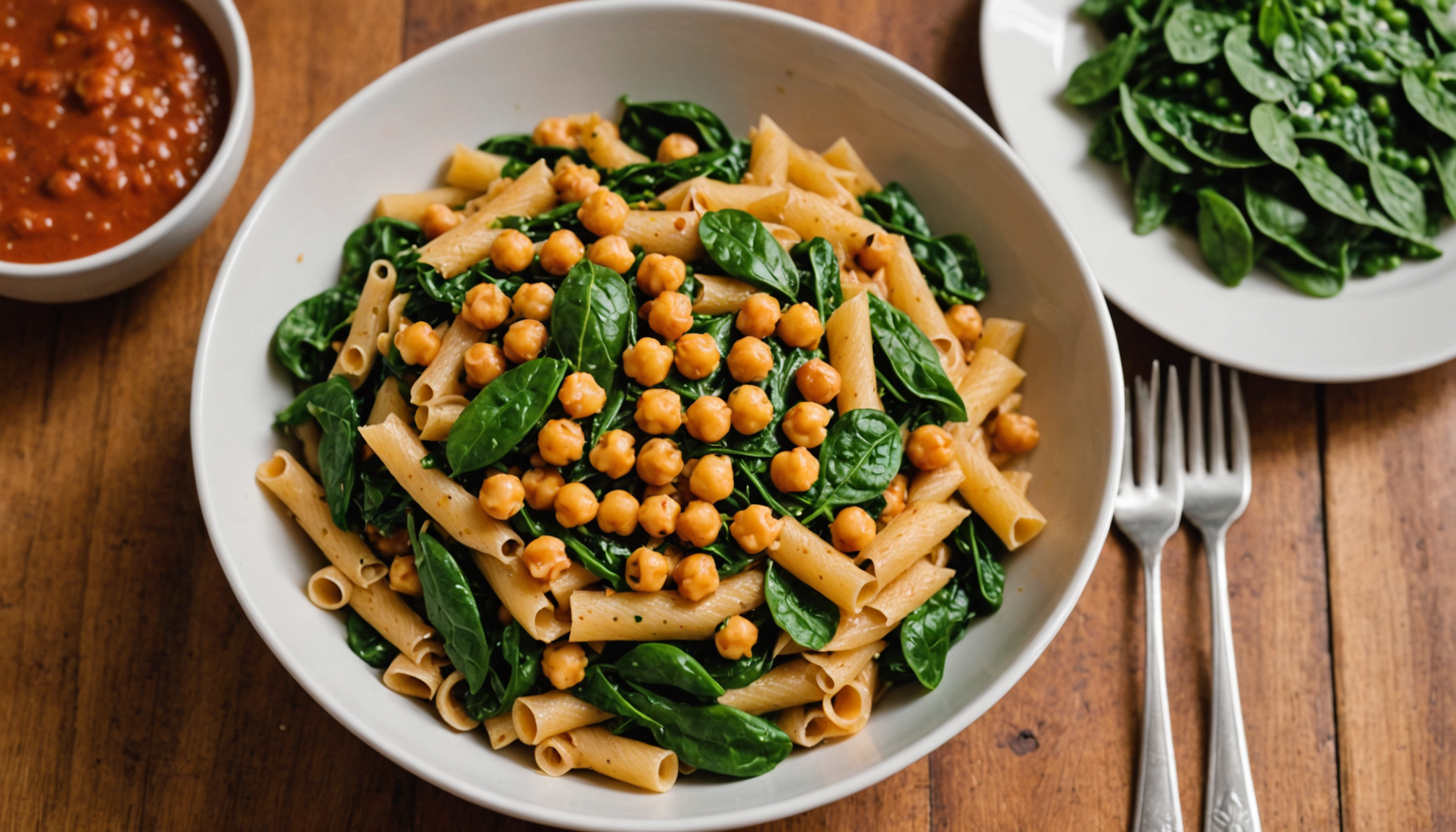 When your evenings are packed—late meetings, practices, workouts, or studying—the difference between ordering takeout and putting a nourishing meal on the table often comes down to strategy, not willpower. Pasta is already one of the best bases for quick dinners; the key is setting yourself up so a healthy pasta meal takes almost no thought and very little time. Imagine opening your fridge and pantry and knowing you’re no more than 15–20 minutes away from something warm, balanced, and truly satisfying.
Start by building a “pasta emergency kit” in your kitchen. Keep a few types of whole wheat pasta or legume-based pasta on hand, plus at least one jar of marinara or pesto, a couple of cans of beans (chickpeas, white beans, or black beans), and basic seasonings like garlic powder, onion powder, Italian herbs, and red pepper flakes. In the freezer, stash frozen spinach, peas, broccoli, and a mixed veggie blend. These staples turn your kitchen into a little weeknight safety net: no matter how tired you are, you can pull together easy healthy dinner ideas without scrolling recipes or grocery apps.
Next, let your appliances do more of the work. Boil water and preheat a pan the moment you walk into the kitchen—before you even decide what you’re making. While the water heats, you can quickly chop a few veggies, open a can of beans, or grab pre-washed greens. Multitasking this way can shave 10–15 minutes off the total time without you feeling rushed. Consider using an electric kettle to boil water faster, then pour it into your pasta pot. Little process tweaks like this may seem small, but over a busy week they’re often the difference between actually cooking and giving up.
Batch-prepping ingredients once or twice a week is another powerful time saver. Take 30–40 minutes on a Sunday or any less-busy day to cook a few building blocks:
– Roast a large tray of vegetables (broccoli, carrots, peppers, zucchini, onions).
– Cook a pot of lentils or beans.
– Grill or bake a few chicken breasts or tofu slabs.
– Wash and dry salad greens or spinach.
Store each in separate containers in the fridge. On weeknights, you’re not really “cooking” from scratch; you’re assembling: boil pasta, toss in pre-cooked veggies and protein, add a simple sauce (olive oil and garlic, jarred marinara, or a Greek yogurt–Parmesan mixture), and dinner is ready in the time it takes to set the table.
Think in templates instead of recipes. If you memorize a few basic pasta formulas, you won’t need to think hard when you’re exhausted:
– “Veg + Bean + Sauce” template:
– Whole wheat pasta + frozen mixed veggies + canned chickpeas + jarred marinara.
– “Green & Creamy” template:
– Pasta + spinach or kale + Greek yogurt + lemon + Parmesan.
– “Mediterranean Bowl” template:
– Pasta + cherry tomatoes (fresh or frozen) + olives + canned tuna + olive oil + herbs.
Rotate these patterns with small changes—swap chickpeas for white beans, spinach for broccoli, tuna for leftover chicken—and you suddenly have dozens of quick dinners that feel different but rely on the same easy moves.
Pre-cut and pre-washed ingredients are absolutely worth leaning on during hectic weeks. If buying pre-chopped onions, bagged salad mixes, spiralized veggies, or pre-sliced mushrooms makes you more likely to cook at home, that’s a smart health investment, not “cheating.” You can also prep your own: dice a large onion and store it in an airtight container, wash and spin-dry a big batch of greens, slice bell peppers into strips. When it’s 8 p.m. and you’re hungry, the difference between “I’ll throw this together” and “Ugh, too much work” often comes down to whether the knife has to come out.
Another strategic shortcut is cooking extra whenever you can. If you’re boiling pasta, cook double. If you’re roasting vegetables or grilling chicken, make more than you need. Then:
– Turn last night’s pasta into a cold pasta salad by adding raw veggies, beans, and a light vinaigrette.
– Use leftover roasted veggies in a quick skillet pasta with garlic and olive oil.
– Flake leftover salmon or chicken into a lemony whole wheat pasta with peas.
Leftovers aren’t just repeats; they’re ingredients for faster, healthier meals later in the week. For athletes, students, and busy professionals, this kind of intentional “cook once, eat twice” pattern can radically lower stress around food.
Timing tricks also matter. You can layer tasks to keep things moving:
– Start the pasta water.
– Immediately prep a simple sauce base (garlic and oil, or warming marinara).
– Toss frozen veggies straight into the pasta water for the last 3–4 minutes of cooking.
– Stir in canned beans or cooked protein during the final minute so everything heats together.
Instead of cooking three separate components, you’re merging steps. The result: fewer dishes, less time, and a bowl that still hits the marks for protein, fiber, and color.
If evenings are truly slammed, consider doing a “pasta night station” once a week. Boil a big pot of whole wheat pasta, set out a couple of sauces (tomato, pesto, or light yogurt-based), and a few toppings—roasted veggies, beans, leftover chicken, olives, nuts, or cheese. Let each person build their own bowl. This works beautifully for families with different tastes and for roommates who eat on slightly different schedules. You’re still eating from the same base ingredients, but everyone customizes their plate in minutes.
Finally, use your own life as a guide. Notice which nights are consistently chaotic and plan your fastest pasta meals for those evenings: maybe a 10-minute olive oil–garlic spaghetti with frozen spinach and canned tuna, or a one-pot tomato and bean pasta. Save slightly more involved dishes for slower nights or weekends. Over time, you can build a personal “busy-night pasta playbook” that fits your schedule, your goals, and your cravings. Ask yourself: What tiny prep step could I do today—chopping one onion, cooking one batch of beans—that would make tomorrow’s dinner almost effortless?
The more you experiment with these time-saving strategies, the more you’ll see that eating well on weeknights doesn’t have to be complicated. It’s about designing your kitchen, your habits, and your expectations so that healthy pasta becomes the easy choice, not the hard one. Let your curiosity guide you: which single change—batch-prepping, templates, leftovers, or smarter pantry stocking—could transform your next rushed evening?
- How can I make weeknight pasta meals healthier without spending more time?
- Lean on small shifts: use whole wheat pasta or legume-based pasta, add a couple of cups of veggies (fresh or frozen), and include a quick protein like beans, tuna, or leftover chicken. These tweaks turn the same cooking time into a much more balanced meal.
- What are the best ingredients to keep on hand for fast, healthy pasta dinners?
- Stock whole wheat pasta, jarred marinara or pesto, canned beans, tuna or salmon, and frozen veggies like spinach, peas, and broccoli. With those and a few basic seasonings, you can build multiple easy healthy dinner ideas in 15–20 minutes.
- How do I avoid overcooking pasta when I’m multitasking on busy nights?
- Set a timer for 1–2 minutes less than the package directions and taste as you go for an al dente texture. If you’re using the pasta in a skillet or one-pot dish, slightly undercook it so it finishes perfectly as it absorbs the sauce.
- Can I meal prep pasta without it becoming mushy?
- Yes—undercook the pasta slightly, toss it with a little olive oil to prevent sticking, and store it with extra veggies and protein. When reheating, add a splash of water or broth so it softens gently without turning soggy.
- What’s a fast way to add protein to pasta if I don’t have time to cook meat?
- Stir in canned beans, lentils, or chickpeas, or use canned tuna or salmon—they require no cooking and heat through quickly in hot pasta. You can also top your bowl with a soft-boiled or fried egg for instant extra protein.
- Are frozen vegetables okay to use in healthy pasta dishes?
- Frozen vegetables are often just as nutritious as fresh and can save a lot of prep time. Add them directly to boiling pasta water in the last few minutes of cooking or toss them into a hot skillet with sauce to warm through.
- How can I keep pasta dinners interesting when I’m short on time?
- Use simple templates and switch just one or two elements each time—change the sauce (tomato, olive oil, yogurt-based), the protein (beans, chicken, shrimp, tofu), or the veggie mix. Small variations keep meals exciting while letting you rely on the same fast, familiar methods.

Leave a Reply