

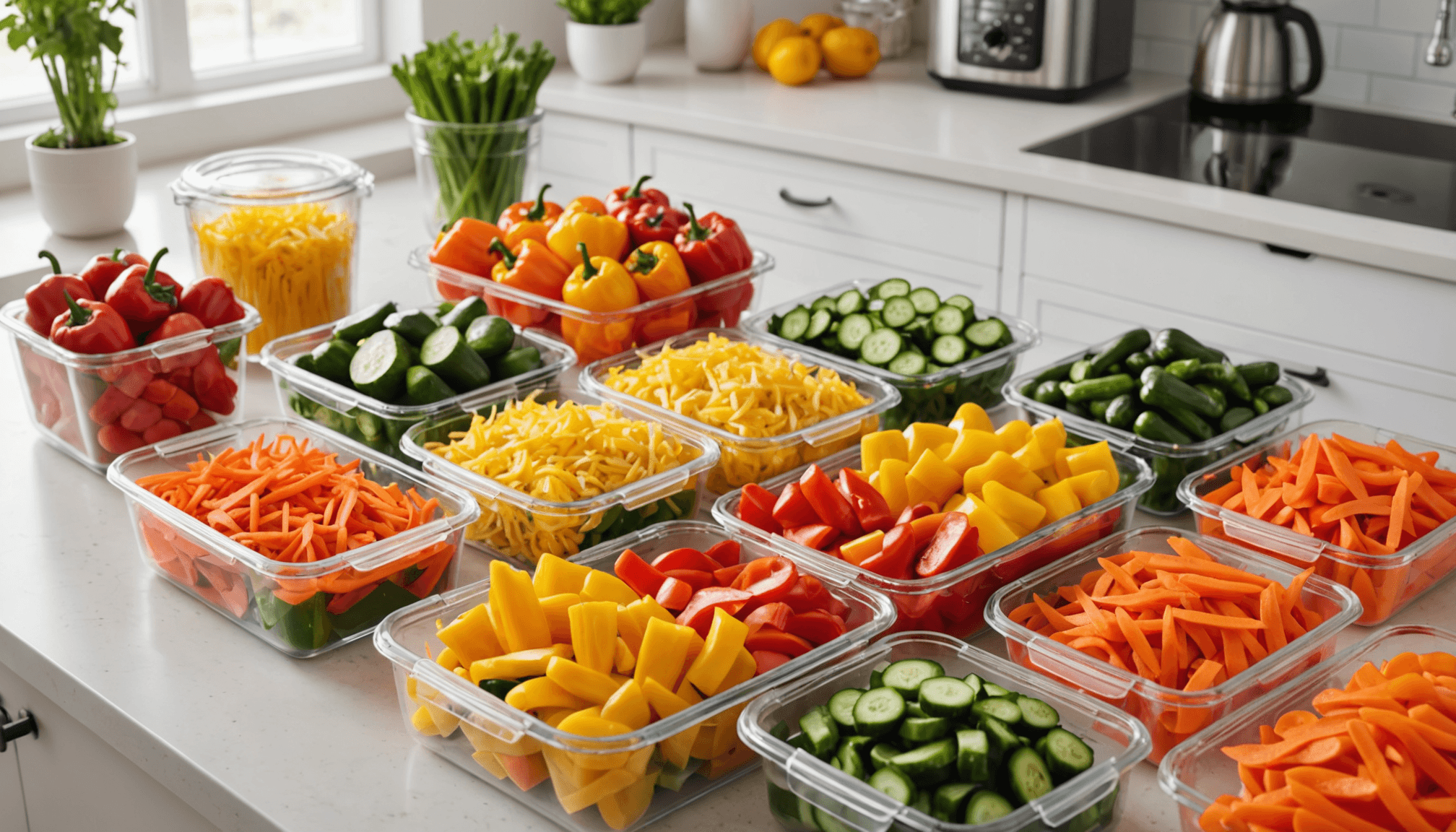
- Healthy ingredients for vibrant salads
- Flavorful dressings to enhance taste
- Meal prep tips for efficiency
- Creative combinations to try
- Storing and serving suggestions for freshness
When it comes to crafting salads for healthy meal prep, the sky’s the limit on what you can include. The secret to a vibrant salad lies not just in the dressing but in the selection of fresh ingredients that bring color, texture, and flavor to your bowl. Imagine opening your fridge and seeing a rainbow of veggies waiting for you; it’s like having your own little farmer’s market right at home!
Start with a base of greens. Whether you opt for classic romaine, peppery arugula, or crisp spinach, each offers unique benefits. Spinach, for instance, is packed with iron and vitamins A and C, while kale is a powerhouse of nutrients. Mixing different greens gives you a variety of textures and flavors that keep your salads interesting.
Next up, let’s add some crunchy vegetables. Think bell peppers, cucumbers, or radishes. They not only provide a satisfying crunch but also contribute to the colorful appeal of your dish. For instance, chopped bell peppers add sweetness and vibrant color, while shredded carrots can bring in a slightly earthy flavor. If you’re feeling adventurous, throw in some roasted beets for a lovely sweetness and that deep red hue.
Now, let’s not forget the protein component—an essential part of any healthy meal prep. Grilled chicken, chickpeas, or quinoa can transform a light salad into a fulfilling meal. If you’re short on time, canned beans are a fantastic option because they need minimal preparation. Simply rinse and drain, and they’re ready to mix into your creation! For those who enjoy seafood, grilled shrimp or canned tuna can also pack a protein punch.
Don’t overlook healthy fats, either! Avocados are not only creamy but also loaded with heart-healthy fats that make your salads more satisfying. A handful of nuts or seeds, like walnuts or sunflower seeds, can add that needed richness and crunch while also providing essential nutrients. Plus, they are easy to keep on hand for a quick sprinkle over your meals.
Finally, add some fresh herbs for an aromatic twist. Chopped basil, cilantro, or even mint can elevate the flavor profile of your salad to a whole new level. These fresh herbs don’t just enhance the taste; they also infuse your salads with delightful aromas that make healthy meal prep a true feast for the senses.
With a little creativity and thoughtful ingredient selection, you can craft salads that are not only nutritious but also visually appealing and satisfying. So next time you’re preparing for a busy week ahead, keep these fresh ideas in mind to make your salad game strong!
Flavorful dressings to enhance taste
Creating a salad that is both satisfying and exciting often comes down to the dressing—a key element that can either elevate or diminish the overall experience. When embarking on your healthy meal prep journey, having a variety of flavorful dressings at your disposal can transform a simple salad into a gourmet experience.
Classic Vinaigrette: The cornerstone of many salads, a classic vinaigrette is incredibly versatile. Simply whisk together three parts oil to one part vinegar, adding your favorite herbs and seasonings for an extra kick. Olive oil adds heart-healthy benefits, while balsamic vinegar lends a sweet-tart flavor. A touch of Dijon mustard can also add creaminess and depth.
“With just a few simple ingredients, you can craft a dressing that elevates any salad.”
Creamy Dressings: For those craving something richer, try making a creamy dressing using Greek yogurt or avocado as a base. Blending yogurt with garlic, lemon juice, and a splash of olive oil creates a tangy, protein-packed dressing. Avocado offers a silky texture and healthy fats, perfect for heavier salads with grains or proteins like chicken or tofu.
Herbed Dressings: Fresh herbs can make all the difference. Consider blending fresh basil, cilantro, or parsley with lemon juice and a touch of olive oil for a vibrant herbed dressing. This method not only enhances the flavor but also adds a pop of color. A study published in the Journal of Nutritional Biochemistry emphasizes the benefits of herbs, noting that they contribute antioxidants and can aid in digestion (Szenajch et al., 2012).
Spicy Additions: For those who enjoy a kick, incorporating chili flakes or sriracha into your dressings can add a fun surprise. Mixing these spicy elements with honey or maple syrup can balance the heat, making a dressing that’s perfect for salads featuring grilled vegetables or proteins.
Citrus-Based Dressings: Citrus dressings also deserve a mention, as they can brighten up the dullest of greens. A concoction of lemon or lime juice with olive oil, a hint of honey, and sea salt can create a refreshing and zesty flavor. Such dressings work beautifully with both fruit salads and leafy greens, making them ideal for summer months when freshness is paramount.
“Experimenting with dressings can open a world of flavor possibilities in your salads.”
Finally, consider batch-making your dressings during your weekly meal prep. Store them in airtight containers in the fridge, and they will keep for up to a week. This not only saves you time but ensures that you have quick access to delicious dressing options to complement your salads, keeping your healthy meal prep exciting and varied.
With these flavorful dressings in your arsenal, each salad can be a delightful culinary adventure, ensuring you’ve got fresh ideas to keep your meals engaging and nourishing.
Meal prep tips for efficiency
Efficiency in meal prep can be a game changer, especially for those juggling busy schedules. The key to mastering this aspect is to organize, plan, and execute with intention. By adopting a systematic approach, you can save time and reduce stress, ensuring that your healthy salads stay both delightful and accessible throughout the week.
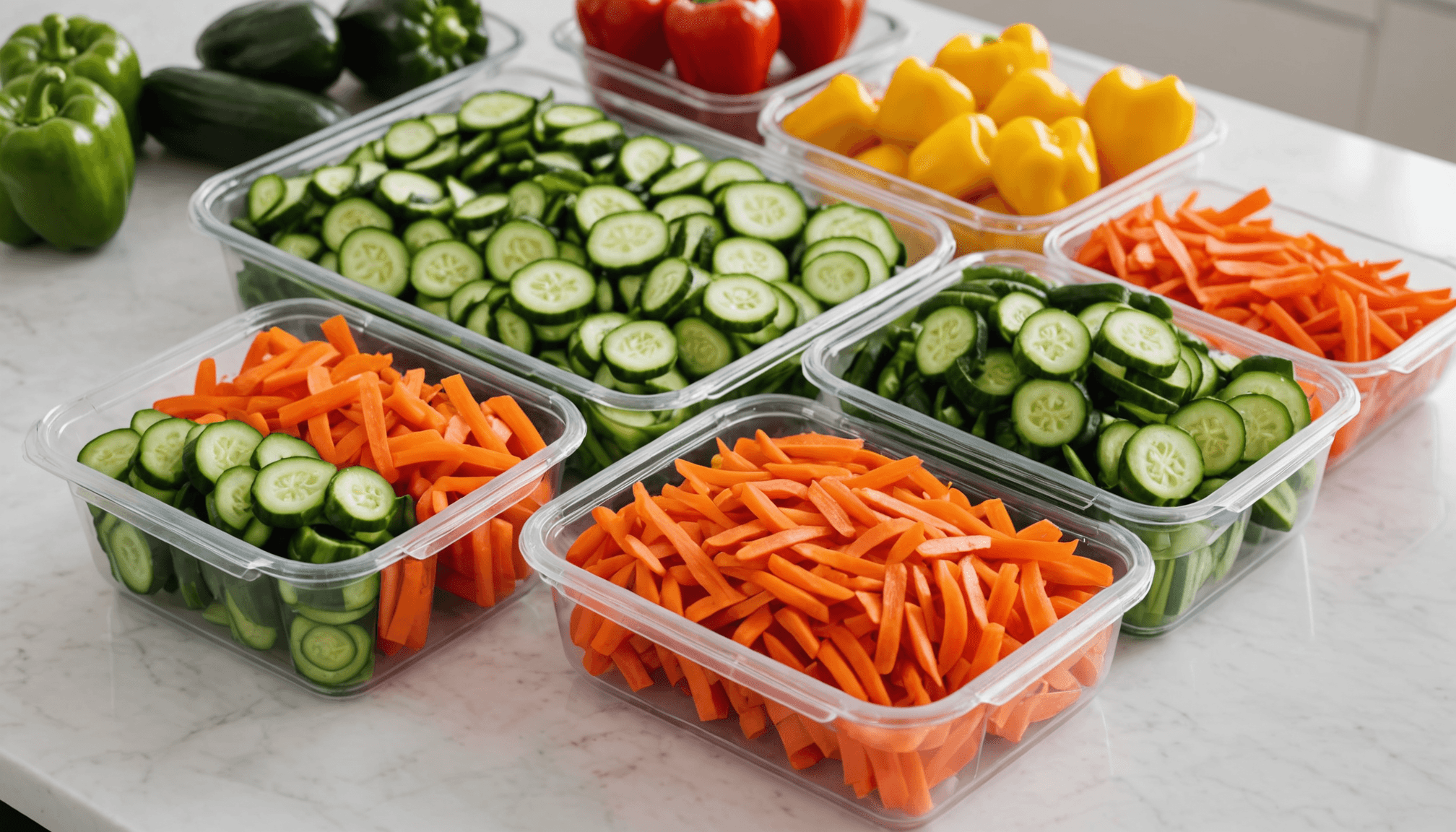
Start by dedicating a specific day for meal prep. Many find it helpful to set aside a few hours on Sunday or another convenient day to prepare ingredients. During this time, wash, chop, and store your vegetables. For instance, you can slice bell peppers, chop cucumbers, and shred carrots—all of which can be kept fresh in airtight containers in the refrigerator for up to a week. This not only streamlines your process during the week but also minimizes the temptation to skip healthy meals due to time constraints.
Batch cooking is another cornerstone of efficient meal prep. Consider grilling or roasting a large portion of protein, such as chicken breast or chickpeas, to use in various salads throughout the week. Additionally, quinoa or brown rice can be cooked in advance and stored in the fridge or pantry, providing a hearty base that can be added to multiple salad combinations. When everything is prepped in advance, you merely need to grab the ingredients, toss them together, and add your desired dressing—dinner is served in mere minutes!
Investing in quality storage containers is vital. Choose clear, stackable containers that allow for easy visibility of your prepped ingredients. Not only do they keep everything organized, but they also encourage you to embrace variety and creativity. When you can see the fresh veggies, grains, and proteins you’ve prepared, you’re more likely to mix and match them into exciting salads throughout the week.
Mixing and matching various flavor profiles can also streamline your meals. For instance, you could use a Moroccan spice blend on your grilled chicken, then switch to an Italian herb mix for your chickpeas, providing distinct flavors while keeping meal prep simple. This approach lets you create diverse salads using the same core ingredients, leading to delightful variations without the extra work.
Lastly, consider keeping a list or menu of your favorite salads handy. Knowing which combinations you enjoy makes it simple to assemble meals quickly. You might have a classic Greek salad one day, a protein-packed quinoa salad the next, and perhaps a roasted veggie salad later in the week. Having a plan not only saves time but also stimulates creativity, allowing you to explore fresh ideas without the need for daily decisions in a time-crunched environment.
With these meal prep tips in mind, you’ll find that creating healthy salads becomes a seamless part of your routine rather than a chore. Being efficient is not about rushing; it’s about making thoughtful choices that promote both health and satisfaction in your meals.
Creative combinations to try
- Start with a base of leafy greens: Use a mix of greens like spinach, kale, and arugula for a variety of flavors and nutrients. Aim for 2-3 cups of greens per serving, ensuring your salad is generously packed.
- Add colorful vegetables: Incorporate bell peppers, cherry tomatoes, shredded carrots, and grated beets. Aim for 1-2 cups of mixed veggies for contrast and crunch. For example, roasted sweet potatoes add warmth and a hint of sweetness.
- Include grains and legumes: Adding quinoa, chickpeas, or black beans can increase the protein and fiber content. Use about ½ cup per serving, which contributes to making your salads more filling and nutritious.
- Incorporate healthy fats: Top your salad with sliced avocado, a handful of nuts, or seeds—like pumpkin or sunflower seeds—for added richness. A quarter of an avocado and a tablespoon of nuts or seeds are excellent choices.
- Choose a protein: Include grilled chicken, tofu, or edamame to make your salad a complete meal. Use about 3-4 ounces of protein for each salad, ensuring you feel satisfied after your meal.
- Enhance with fresh herbs: Chopped cilantro, parsley, or basil can elevate the flavor profile of your salads. Utilize a tablespoon or two, which adds a fresh zing and enhances nutrient diversity.
- Experiment with dressing combinations: Prepare a dressing that complements your salad’s flavors. Try a lemon-tahini dressing or a spicy soy-ginger mix—just whisk together the ingredients or blend them for a creamy finish.
- Don’t forget fruits: Add seasonal fruits like berries, apple slices, or citrus segments to introduce natural sweetness and contrasting textures. About ½ cup per serving works well to balance flavors.
- Mix and match ingredients wisely: Plan for diverse combinations throughout the week, like a Mediterranean salad with feta and olives, or an Asian-inspired salad with sesame dressing to keep things exciting and appealing.
- Involve crunchy elements: Toss in something crunchy, like roasted chickpeas, croutons, or tortilla strips, for texture. A small handful will add that satisfying crunch without overwhelming the salad.
“A great salad is not just about the ingredients; it’s about the art of balancing flavors and textures.”
By thoughtfully considering combinations that bring together various textures, colors, and flavors, you can create salads that not only nourish but also excite the palette. Consider preparing these creative combinations in bulk during your weekly meal prep to enjoy fresh ideas every day.
Storing and serving suggestions for freshness
 To maintain the freshness of your salads throughout the week, proper storage is essential. Start by ensuring that all ingredients are thoroughly washed and dried. Excess moisture can lead to soggy greens and spoilage, so investing in a salad spinner can be a game changer. Once prepped, store your greens and other delicate ingredients such as herbs separately in airtight containers lined with paper towels to absorb any moisture. This simple step can keep your greens crisp and flavorful for several days.
When it comes to sturdier vegetables like carrots or bell peppers, feel free to chop them in advance. They can be stored in containers without the need for extra moisture absorption. Additionally, keep proteins like grilled chicken or beans in separate containers. This will allow you to mix and match your salads creatively each day without the risk of everything wilting together.
As for dressings, store them in individual jars. This not only allows you to control the amount you use but also keeps the flavors vibrant. Remember to give your dressings a good shake before use, as the ingredients may settle over time. For an added benefit, consider making small batches of yogurt-based or creamy dressings, as these can typically last around five days when covered tightly in the refrigerator.
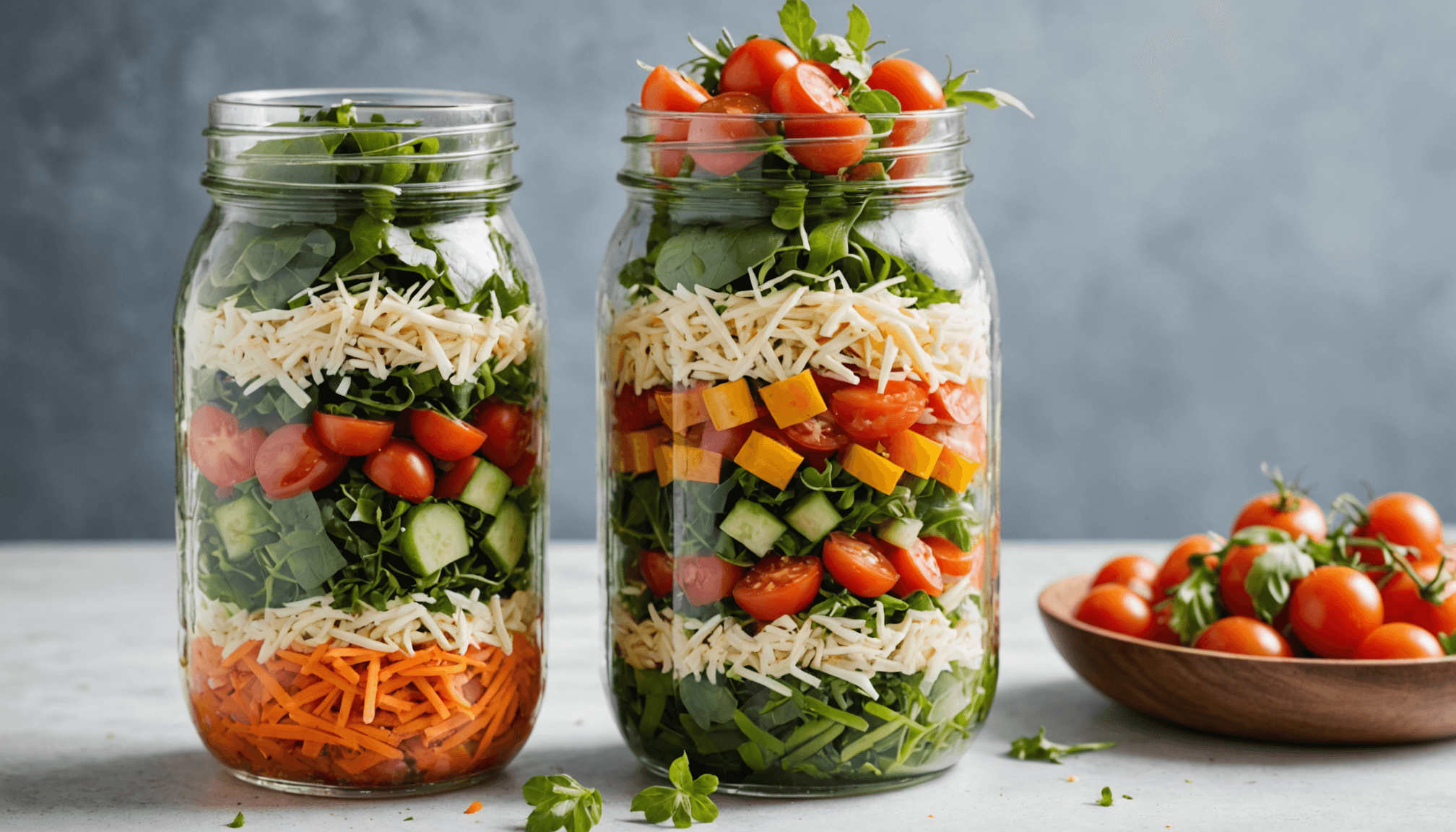
When serving salads, think about layering. If you’re bringing salads for lunch, for instance, layer your ingredients thoughtfully to prevent wilting by placing dressings at the bottom of the container. Follow this with harder vegetables, then proteins, and finally, your leafy greens on top. This method keeps everything fresh until it’s time to eat.
Finally, when it comes to enjoying your salads, look at possibilities beyond the bowl. Serve them in jars for a trendy and portable option or use whole grain wraps to turn your salad into a portable meal. With these storage and serving suggestions, you can ensure that your salads remain fresh and ready to enjoy, making healthy meal prep an exciting part of your routine.
- How long can I store prepared salads in the fridge?
- Prepared salads can typically last in the fridge for about 3 to 5 days, depending on the ingredients used. It’s best to store ingredients separately until you’re ready to eat to maintain freshness.
- Can I freeze salads for later use?
- Freezing salads is generally not recommended, as many ingredients, especially leafy greens, lose their texture and flavor when thawed. However, you could freeze certain components like beans or grains separately.
- What ingredients are best for meal prep salads?
- Sturdy ingredients such as kale, quinoa, cherry tomatoes, and shredded carrots work well for meal prep salads. Avoid highly perishable items like avocado or cucumber if you’ll be storing the salad for several days.
- How can I make my salads more filling?
- Incorporate protein sources like grilled chicken, chickpeas, or tofu, along with healthy fats like avocado or nuts. Adding whole grains such as quinoa or brown rice can also increase the fullness factor of your salads.
- Are there specific dressings that last longer?
- Oil-based dressings tend to last longer than cream-based ones and can be stored for up to a week. Additionally, vinaigrettes can enhance your salad experience without compromising freshness.
- How can I keep my salad greens from spoiling?
- Washing and drying salad greens thoroughly before storing them is key. Keep them in airtight containers lined with paper towels to absorb moisture, which helps maintain crispness.
- What are some portable options for serving salads?
- Consider using mason jars for layered salads or wrapping your salad in whole grain tortillas for easy transport. These methods ensure your ingredients stay fresh and flavorful until mealtime.

Leave a Reply