

- Healthy meal prep essentials
- Choosing nutritious ingredients
- Planning your meals for the week
- Efficient cooking techniques
- Storing and reheating meals safely
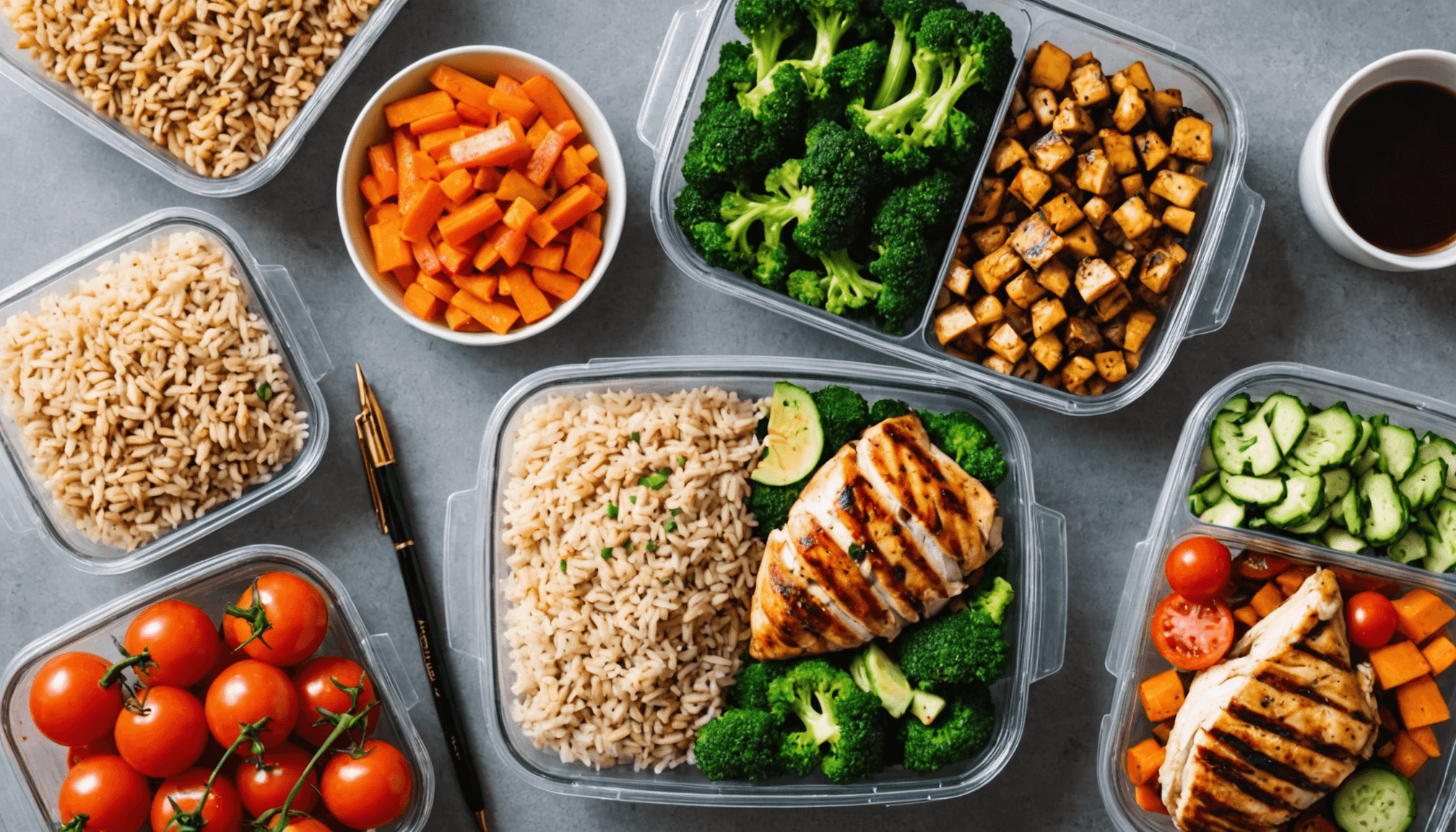
To kick off your journey into the world of healthy meal prep, you’ll need a few essentials that make the process seamless and enjoyable. First things first, having the right kitchen tools can be a game changer. Consider investing in a good set of kitchen knives; they don’t just speed up your chopping time, they also help ensure precision in your cuts, which can affect cooking times and consistency in your meals. A reliable cutting board, preferably one that’s easy to clean and sanitize, is equally important.
Next up, let’s talk about storage. Having a variety of meal prep containers is key. Look for BPA-free plastic or glass containers with airtight lids. Not only do these keep your meals fresh, but they also stack nicely in your fridge—a practical feature for managing space, especially in a busy household. You might also want to grab some freezer bags. They’re perfect for bulk prepping, allowing you to store portions for later use easily.
Don’t forget about your cooking gadgets! A slow cooker or an Instant Pot can be incredibly helpful for busy weeks. These devices allow for hands-off cooking, meaning you can prep your meals while you focus on other tasks. A blender is also an invaluable tool, especially if you’re planning to whip up smoothies or sauces that add flavor to your meals.
Another key element is understanding your divide and conquer approach with meal prepping. Separate your proteins, grains, and veggies into different sections of your meal plan. This not only makes cooking more efficient but also creates visually appealing plates that keep your aesthetic alive when it comes to presentation—important for anyone looking to indulge in those stress-free meals.
Also, try to make meal prepping a community affair—enlist your family members, or invite some friends over for a meal prep party. This can transform what often feels like a mundane chore into a fun, engaging activity. Not only will you knock out your weekly prep, but you’ll also enjoy some quality time together. Plus, prepping meals in a group often leads to new ideas and shared recipes, enriching your culinary repertoire.
Lastly, always remember to keep your goals in mind. Whether you’re looking for weight management, enhanced performance in sports, or just trying to make weeknight dinners a breeze, having a clear objective will steer your meal prep decisions. With these essentials in place, you’ll not only make healthy meal prep more accessible but also set yourself up for a week filled with nourishing and satisfying meals.
Choosing nutritious ingredients
Choosing the right ingredients is fundamental to achieving nutritious and delicious meals that support a healthy lifestyle. Here’s how to navigate the grocery store and select the best options for your meal prep:
– Whole Grains: Opt for whole grains over refined grains when selecting your carbohydrates. They are higher in fiber, which aids digestion and helps keep you fuller for longer. Examples include:
– Brown rice
– Quinoa
– Oats
– Whole grain pasta
– Lean Proteins: Incorporating lean proteins is essential for muscle repair and overall health. Aim for a variety of sources to keep meals interesting. Examples include:
– Skinless chicken breast
– Turkey
– Fish (salmon, tilapia, sardines)
– Legumes (lentils, chickpeas, black beans)
– Colorful Vegetables: Fill your cart with a rainbow of vegetables, which indicates a variety of nutrients. The more colors you include, the better equipped you are for balanced meals. Consider:
– Spinach and kale for leafy greens
– Bell peppers and carrots for crunch and sweetness
– Broccoli and cauliflower for fiber and antioxidants
– Sweet potatoes for a hearty source of vitamins
– Healthy Fats: Don’t shy away from fats, as they are essential for nutrient absorption and health. Choose sources of healthy fats that can enhance flavor and provide satiety. Some great options are:
– Avocados
– Olive oil
– Nuts and seeds (almonds, chia seeds, walnuts)
– Fatty fish like salmon
– Fruits for Snacking and Sides: Fruits can add natural sweetness and variety to your meals. They can be included in salads, smoothies, or enjoyed as snacks. Look for:
– Apples and bananas for convenience
– Berries for antioxidants
– Citrus fruits for freshness and zest
– Frozen fruits for smoothies or quick desserts
When you’re making selections, consider the concept of seasonal eating. Seasonal produce is often fresher, tastier, and more affordable. Creating meals around what’s in season can inspire your weekly prep and result in healthier, stress-free meals.
Lastly, it’s important to be mindful of added sugars and preservatives often found in processed foods. Check labels and choose products with fewer ingredients and recognizable items. By focusing on these holistic guidelines when choosing ingredients, you’ll set yourself up for success with your healthy meal prep routine, ensuring that every bite boosts both your physical and mental well-being.
Planning your meals for the week
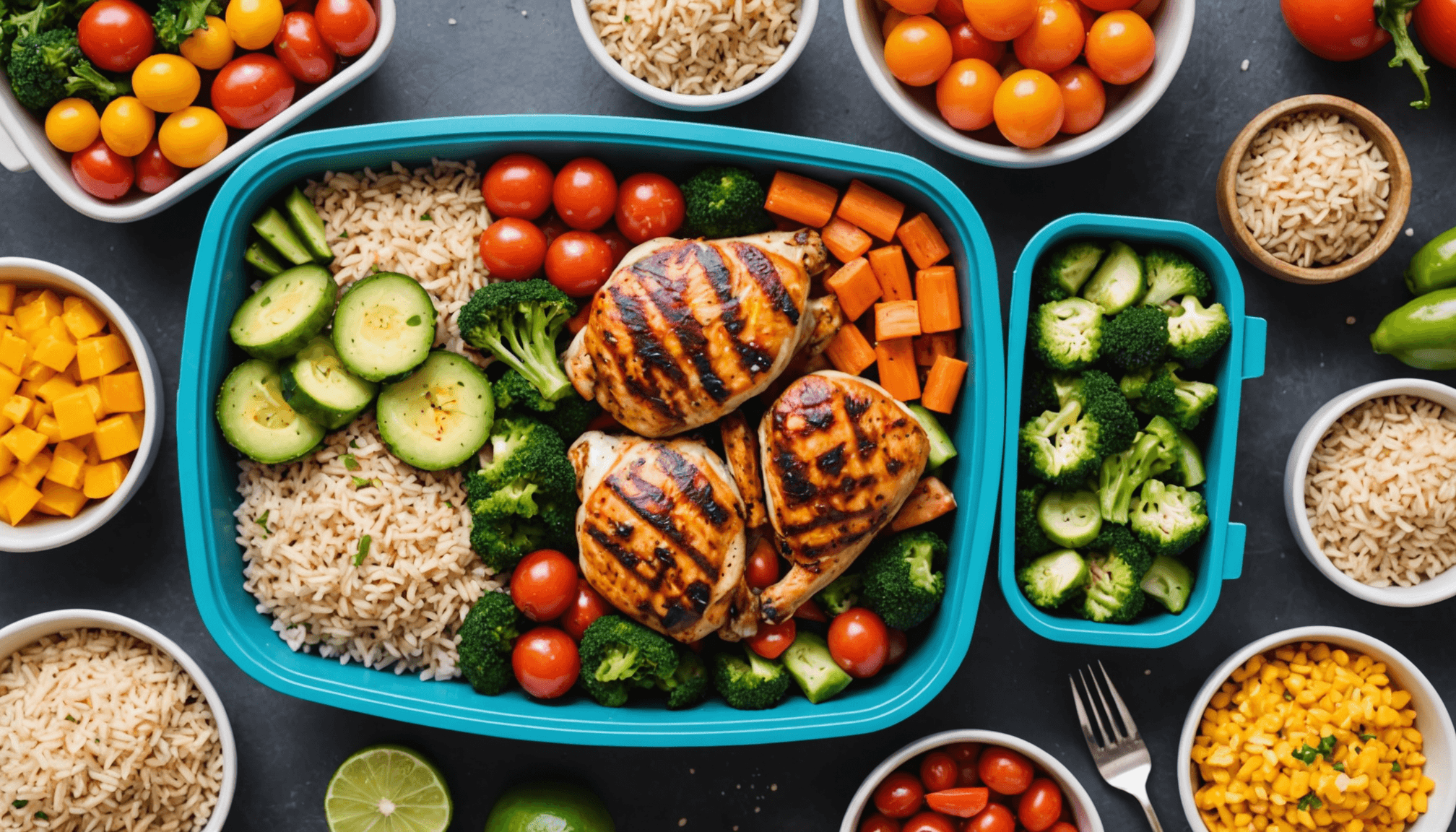
Planning your meals for the week can sound a bit daunting at first, but trust me, once you get the hang of it, it’s a total game changer! Let’s break it down together. Start by picking a day that works best for you to do your meal planning—some like Sunday, while others might prefer a weekday evening. The key is consistency! Grab a notebook or open up your favorite meal-planning app, and let’s get to work.
First up, take a peek at your calendar for the week ahead. Do you have any busy days where cooking might feel impossible? Maybe you’ve got a late meeting or the kiddos have after-school activities. Mark those days off on your planner because those are the perfect times to rely on your prepped meals. This will help you allocate time to cook on lighter days, ensuring you don’t resort to unhealthy take-out when you’re short on time.
Next, think about what you’re craving. Got a hankering for tacos or maybe a hearty soup? Write it down! It’s important to plan meals that excite you rather than boring ones that feel like a chore. Try to mix it up with proteins, grains, and lots and lots of veggies. Variety not only keeps meals interesting but also ensures you’re getting a balance of nutrients.
- Pick a protein: Will it be grilled chicken, black beans, or perhaps some baked salmon? Choose a couple to keep it versatile.
- Choose your carbs: Think brown rice for a filling bowl, whole grain pasta for a twist on Italian night, or quinoa for something light yet hearty.
- Veggie time: Load up on seasonal veggies—like zucchini, bell peppers, or whatever fresh ingredients catch your eye. They’re not just healthy; they add great taste too!
- Snack options: Don’t forget to plan for snacks! Fresh fruits, yogurt, or even homemade veggie chips can keep your energy up and cravings at bay.
After you’ve written down the meals, create a shopping list based on your selections. This is crucial for saving money and reducing food waste. Sticking to a list means you won’t impulse buy stuff that’s not part of your meal prep plan. And, when you hit the grocery store, well, you’ll feel like a boss gliding through those aisles with purpose!
Another super helpful tip is to batch meals. Let’s say you’re making a big stir-fry; double the recipe! This way, you’ve got leftovers for lunches or quick dinners later in the week. You can never have too many prepared meals in your fridge for those busy nights. And remember, healthy meal prep doesn’t have to mean eating the same dish on repeat. Get creative with seasoning and sauces to switch up flavors. That same grilled chicken can become BBQ one night and an Asian-inspired dish another!
Lastly, try to keep your prep simple. There’s no need to overcomplicate things with intricate recipes when you’re looking for stress-free meals. Stick to what feels manageable and fun. Keep experimenting until you find a routine that works for you, and soon enough, making a meal plan will feel as easy as pie. The more you do it, the quicker you’ll get, and before long, you’ll be a pro at planning your weekly prep like a champ!
Efficient cooking techniques
To maximize your cooking efficiency during meal prep, try these techniques designed to save time and simplify the process:
- Mise en Place: This French cooking principle translates to “everything in its place.” Before starting to cook, gather and prepare all your ingredients. Wash, chop, and measure everything you need. This will prevent the chaos of scrambling for ingredients mid-cooking and streamline your workflow.
“Cooking is like love; it should be entered into with abandon or not at all.” – Harriet Van Horne
- Batch Cooking: Cook large quantities of base ingredients (like grains, proteins, and roasted vegetables) that can be used in multiple meals throughout the week. For example, prepare a big pot of quinoa or brown rice and use it in stir-fries, bowls, or salads. This eliminates the need to start from scratch for every meal.
“The best way to find yourself is to lose yourself in the service of others.” – Mahatma Gandhi
- One-Pan Meals: Utilize sheet pans or large pots to create meals that allow ingredients to cook together. This not only saves on washing dishes but allows flavors to meld beautifully. For instance, roast chicken breasts alongside seasonal vegetables—simply season everything and let the oven do the work!
- Slow Cooker or Instant Pot: Harness the power of these appliances to create easy, hands-off meals. Simply add your ingredients, set the timer, and go about your day. When you return, you’ll have a delicious, fully cooked meal waiting for you.
- Freezer Meal Prep: Prepare meals or ingredients in bulk and freeze them in portions. Soups, stews, and casseroles often freeze well. Label containers with the date and contents to ensure you use them within a reasonable time. This helps keep your freezer organized and your meals ready to go for future weeks.
- Efficient Cleanup: As you cook, clean up any tools and surfaces you no longer need. This keeps your workspace manageable and speeds up the cooking process. Consider soaking pots and pans while you enjoy your meal so they are easier to wash afterward.
Implementing these techniques into your healthy meal prep routine will not only save you time, making weeknights more stress-free, but it will also ensure you enjoy a variety of delicious meals throughout the week. Remember, the key is to find methods that feel natural and enjoyable for you, so don’t hesitate to adapt and experiment!
Storing and reheating meals safely
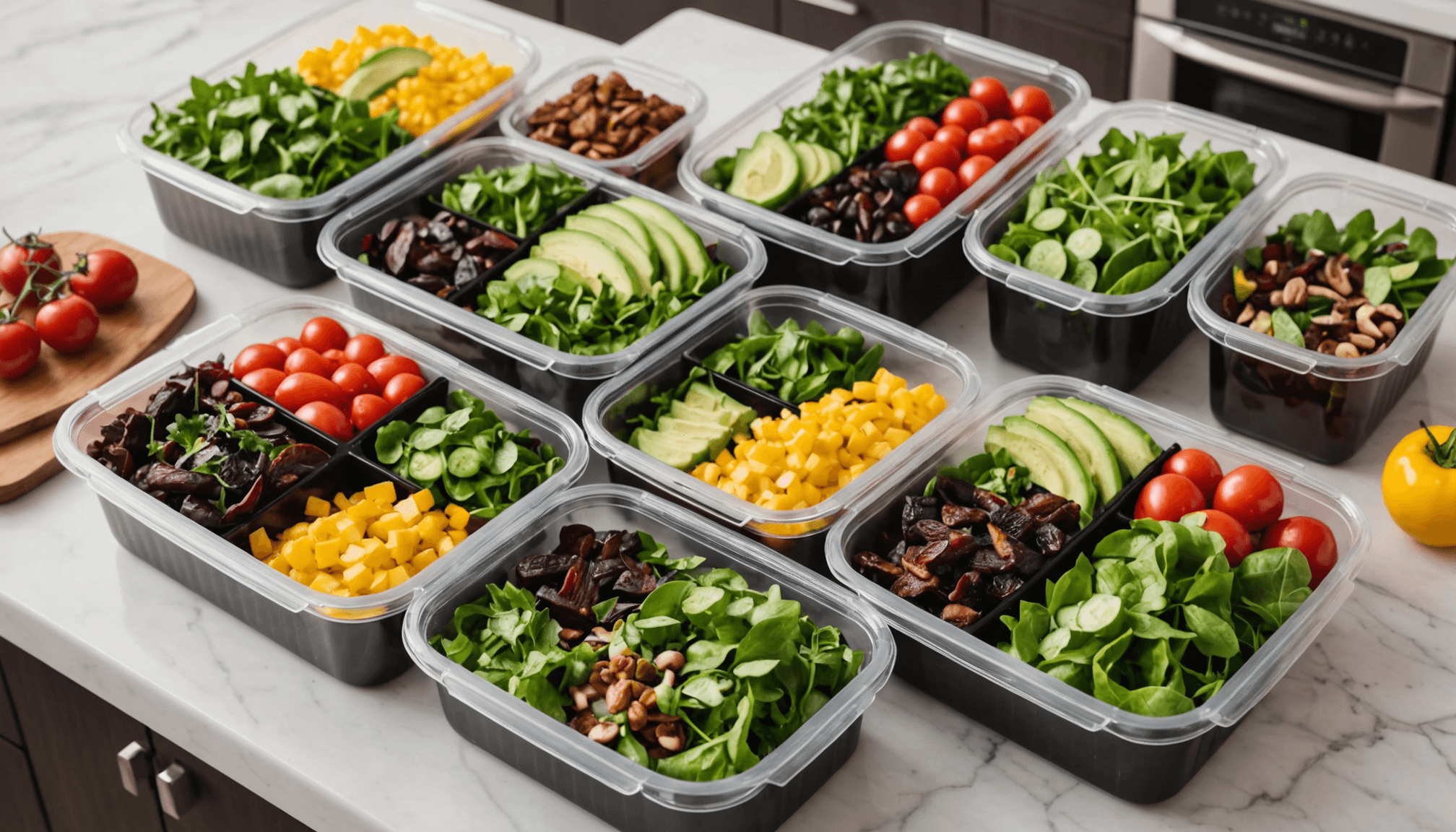
Storing your prepared meals correctly is critical to ensuring they remain fresh and safe to eat throughout the week. Begin by allowing any cooked food to cool to room temperature before storing it. This step helps reduce moisture and bacteria growth and preserves the meal’s texture and flavor. After cooling, portion your meals into containers that are the right size for a single serving. This not only helps with controlled portion sizes but also makes it easier to grab a meal when you’re in a rush.
When it comes to refrigeration, utilize the top shelves where the temperature is more consistent and typically colder. Foods should be stored in airtight containers to keep out moisture and odors, maintaining freshness for longer. Label each container with the meal name and the date you prepared it to ensure you consume older meals first. This will help reduce food waste and avoid the risk of consuming spoiled food.
For longer storage, freezing is an excellent option. Many meals freeze well, particularly soups, stews, and casseroles. Use freezer-safe containers or heavy-duty freezer bags to minimize the risk of freezer burn. Remember to leave a little space in containers for expansion, which occurs when foods freeze. When you’re ready to enjoy a frozen meal, thaw it in the refrigerator overnight or use the microwave for quicker options. Never thaw food at room temperature, as this can lead to bacterial growth.
Reheating your meals also requires some attention to food safety. When reheating in the microwave, aim for even heating by stirring halfway through to warm your meal uniformly. Ensure the internal temperature reaches 165°F (74°C) to safely eliminate any harmful bacteria, and be mindful not to overheat which can lead to drying out your food. Investing in a food thermometer can help monitor temperature accurately, providing you peace of mind as you enjoy your stress-free meals.
Lastly, it’s key to recognize that while meal prep may seem tedious, understanding the proper storing and reheating techniques can transform this process into an integral part of your healthy meal prep journey. By implementing these practices, you’ll not only enhance the longevity of your meals but also embrace a more organized and health-conscious lifestyle. Dive deeper into your meal prepping routine, and you’ll soon discover the benefits extend far beyond just saving time!
- What containers are best for meal prep storage?
- BPA-free plastic or glass containers with airtight lids are ideal for meal prep storage. They keep food fresh and are convenient for stacking in the fridge or freezer.
- How long can I store prepared meals in the refrigerator?
- Generally, cooked meals can be stored in the refrigerator for 3-4 days. Always follow safe food practices and trust your instincts—if something smells or looks off, it’s best to discard it.
- Can I freeze all types of meals?
- Not all meals freeze well, but soups, stews, casseroles, and fully cooked grains typically do. Foods with high water content, like salads or dishes with creamy sauces, often don’t freeze well.
- What is the best way to reheat meal prep food?
- The microwave is a quick method for reheating, but stovetop or oven reheating can yield better flavor and texture. Always ensure food reaches a safe internal temperature of 165°F (74°C).
- How can I avoid freezer burn on my meals?
- Use freezer-safe containers or bags and ensure you remove as much air as possible before sealing. Labeling with dates helps to ensure you consume meals before they lose quality.
- Is it okay to meal prep for more than a week?
- It’s generally safe to meal prep for up to one week, but if you want to prepare in advance, consider freezing meals for later use. Just remember that quality may vary the longer they are stored.
- How can I keep my food flavorful after reheating?
- To maintain flavor, consider adding fresh herbs, spices, or a squeeze of lemon juice after reheating. This approach can revitalize your meal and make leftovers feel fresh and exciting!

Leave a Reply