

- Healthy meal prep tips for busy professionals
- Choosing nutritious ingredients
- Easy recipes for delicious lunches
- Storage solutions for freshness
- Time-saving meal prep techniques
When it comes to juggling a busy work schedule, the last thing you want is to feel rushed during lunchtime, or worse, tempted by less-than-healthy options. That’s where some solid healthy meal prep tips can come into play. Think of meal prepping as your secret weapon against the lunchtime chaos that can derail even the best intentions. First things first, make planning a part of your weekly routine. Set aside a little time each Sunday to map out your week’s lunches. Grab a notebook or open a note on your phone, and jot down what you feel like eating. This is where your creativity can shine! Knowing in advance what you’ll be whipping up can save you from those last-minute unhealthy grabs.
Next, make sure you’re finding a balance in your meals. Focus on incorporating a mix of protein, healthy fats, and complex carbohydrates. Your body needs fuel to keep up with the demands of your workday, and having meals packed with nutrients can keep your energy levels stable. For instance, think grilled chicken alongside a quinoa salad mixed with colorful veggies. This gives you an easy way to incorporate those healthy meal prep ideas into your routine. And don’t forget to include some snacks! A small tub of hummus with sliced veggies or a handful of nuts can help you stave off hunger between meals.
One of my go-to strategies is to batch-cook ingredients that you can use across multiple meals throughout the week. Roasting a large tray of sweet potatoes, for instance, means you can toss them into a salad, wrap them in a whole-grain tortilla, or simply have them as a side dish. This not only saves time but also keeps those office lunches varied and exciting. You can also play around with spices and dressings to change the flavor profile of your meals, so you’re not eating the same thing every day.
Speaking of variety, don’t hesitate to get a little adventurous with grains. Switching up your usual brown rice for something like farro or barley could add a nice twist to your routine without much extra effort. Just cook a big batch at once and portion it out for the week so you’ve got a base ready to go.
Utilize your freezer! A lot of those hearty meals — think stews, soups, or even pasta dishes — can be made in bulk and stored in individual containers. They make for fantastic office lunches and can be enjoyed simply by heating them up. Plus, this eliminates the last-minute scramble when you’re running late on a Monday morning.
Lastly, remember that meal prep doesn’t have to be a solo activity. Involve your family or roommates by turning it into a fun cooking session. Each person can contribute in some way—whether it’s chopping veggies, mixing dressings, or even deciding on what meals to prepare. It’s a great way to connect and make sure that everyone has their favorite healthy meal ready to go.
Choosing nutritious ingredients
Choosing nutritious ingredients involves more than just filling your cart with what seems healthy; it’s about understanding what will fuel your body throughout the demanding workday. As John H. Holmes said, “There is no exercise better for the heart than reaching down and lifting people up.” In the context of meal prepping, this suggests that nourishing yourself enables you to better support those around you.
Here are some key considerations for selecting the right ingredients for your healthy meal prep:
– Prioritize Whole Foods: Start with whole, unprocessed foods as your base. Incorporate a variety of vegetables, fruits, whole grains, healthy fats, and lean proteins. For instance, leafy greens like spinach or kale can be a staple for salads, while colorful vegetables such as bell peppers and broccoli add diversity and nutrients.
– Protein Powerhouses: Including protein-rich options is crucial for sustaining your energy levels through office lunches. Opt for sources such as grilled chicken, tofu, lentils, or chickpeas. As renowned chef Alice Waters said, “Good food is the foundation of genuine happiness.” Proper protein intake contributes to that happiness by keeping you full and satisfied.
– Healthy Fats: Don’t shy away from healthy fats, which can help reduce inflammation and keep your heart healthy. Include avocados, nuts, seeds, or olive oil. These can easily be incorporated into salads or used in dressings to enhance flavor while also supporting overall health.
– Complex Carbohydrates: Choosing the right carbohydrates fuels your body effectively. Complex carbohydrates, like brown rice, quinoa, or sweet potatoes, release energy slowly and help maintain stable blood sugar levels. These should be a fundamental part of your meal prep, ensuring sustained energy throughout hectic office days.
– Colorful Fruits and Vegetables: Aim for a rainbow in your meals. Each color typically represents different vitamins and minerals essential for your body’s needs. As the saying goes, “Eat the rainbow.” Blueberries can be a fantastic snack option while carrots and cucumbers serve well in salads or as crunchy, satisfying dips with hummus.
– Herbs and Spices: Don’t overlook the importance of herbs and spices in meal preparation. They not only elevate the flavor of your dishes but also come with numerous health benefits. Fresh herbs like basil, cilantro, or parsley can brighten a dish, while spices like turmeric and ginger have anti-inflammatory properties.
– Smart Snacking Options: Incorporate snacks that are both nutritious and easy to pack. Think Greek yogurt with honey, nuts, or fruit with nut butter. These will keep you energized and prevent unhealthy snacking on less nutritious items during your busy work hours.
– Flexibility and Experimentation: Lastly, be open to trying new ingredients. Seasonal produce often packs more flavor and nutrients. Embrace different cuisines to help keep your meals exciting and diverse. The more varied your nutritional intake, the better off you’ll be.
By carefully selecting your ingredients and focusing on whole, nutrient-dense options, you can ensure that your healthy meal prep is satisfying and energizing, setting you up for success throughout your busy workdays. This approach to planning not only simplifies easy packing but also makes a significant difference in how you feel during and after your office lunches.
Easy recipes for delicious lunches
Creating delicious lunches that you’ll look forward to all week is a key component of any healthy meal prep strategy. Let’s dive into some easy recipes that are not only satisfying but also packed with nutrients to keep you energized throughout the day. These recipes are tailored for busy professionals who need to whip up meals without spending hours in the kitchen.
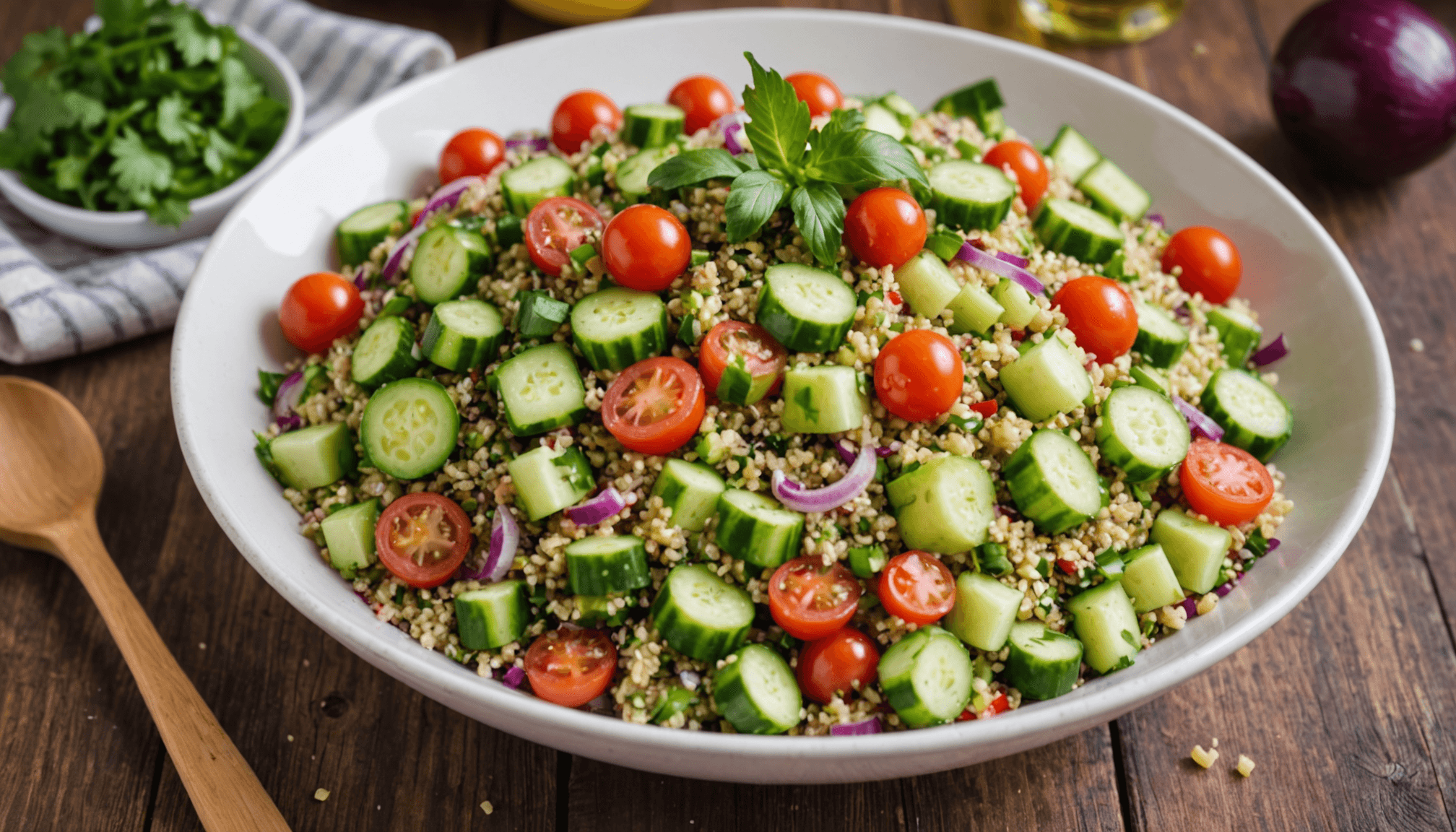
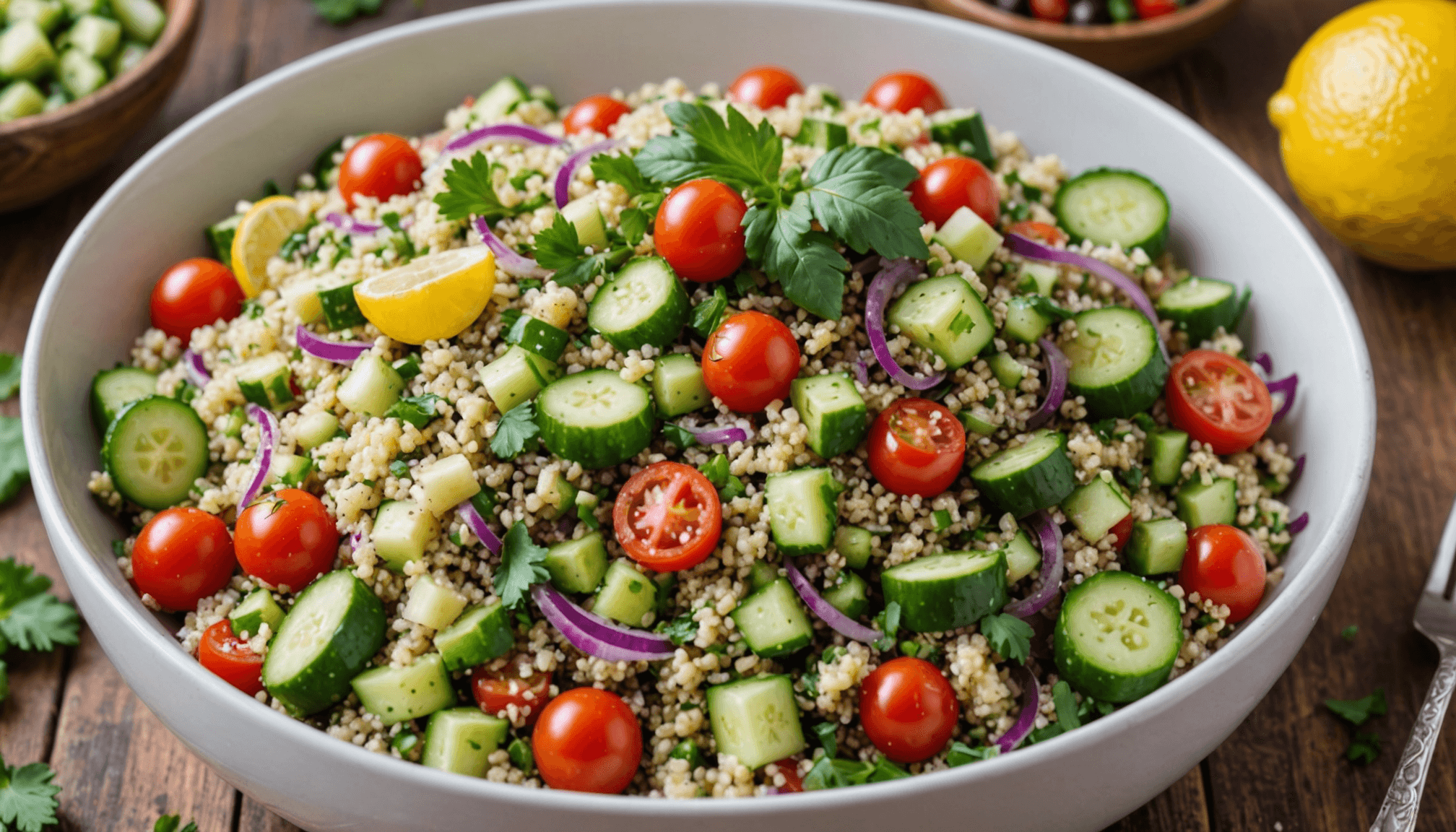
Start off with a vibrant quinoa salad. Cook a large batch of quinoa—it’s as easy as boiling water! Mix in diced cucumbers, cherry tomatoes, red onion, and a handful of chopped parsley or cilantro for freshness. For added protein, toss in some black beans, chickpeas, or grilled chicken. Drizzle with olive oil, lemon juice, salt, and pepper, and you have a meal that can be customized to your taste. You can easily swap out ingredients based on what you have at home or what’s in season.
Next on our list is the classic wrap, perfect for easy packing and portability. Use whole grain or gluten-free tortillas and fill them with lean proteins like turkey or hummus, spinach, grated carrots, and any other veggies you have on hand. You can add a spread like mustard or avocado for flavor and healthy fats. Wrap them tightly in foil or parchment paper to keep them intact for lunch. These are great for a quick pick-me-up and can be easily made on a Sunday night for grab-and-go convenience during your busy week.
If you’re in the mood for something heartier, consider making a veggie stir-fry. Sauté a mix of your favorite vegetables such as bell peppers, broccoli, and snap peas in a bit of sesame oil. Add in cubed tofu or chicken for protein, and finish with a splash of soy sauce, garlic, and ginger. Serve this over brown rice or cauliflower rice for a filling, nutritious meal. The flavors meld beautifully, and it’s a fantastic way to incorporate more veggies into your office lunches.
Another standout is the sheet-pan dinner—yes, even for lunches! These are utterly foolproof. Simply toss your choice of protein (like salmon or chicken thighs) with a medley of seasonal vegetables (think zucchini, asparagus, and bell peppers) on a single baking tray with a dash of olive oil and your favorite herbs. Roast at 400°F for about 20-25 minutes. Portion it out for your lunches throughout the week. The beauty of this method is its simplicity and the minimal cleanup required afterwards.
Don’t forget about the power of soup, especially as the seasons change. A big batch of tomato basil or lentil soup can be storehouse of vitamins and fiber. Simmer your ingredients with vegetable or chicken broth; herbs and spices can be added for depth. Once cooled, portion the soup into jars or containers for easy reheating at work. This meal not only warms the soul but also fills you up in a healthy way.
Lastly, for those sweet cravings, consider making energy bites. Combine oats, peanut butter, honey, and a sprinkle of dark chocolate chips or dried fruit. Roll them into balls that can be stored in the fridge and grabbed whenever you need a quick snack. These not only satisfy your sweet tooth but also keep you away from unhealthy office vending machine temptations.
By having these easy recipes in your meal prep arsenal, you’ll elevate your office lunches from mundane to marvelous. Embrace the variety and flavors as you become your own healthy meal prep champion, ensuring each lunchtime is a delightful experience that fuels your day!
Storage solutions for freshness
“The kitchen is a place of discovery.” – Thomas Keller
To ensure that your healthy meal prep remains fresh throughout the week, selecting the right storage solutions is essential. Proper storage not only keeps your food tasting great but also helps to maintain its nutritional value. Here’s a comprehensive guide to effective storage techniques that will keep your office lunches flavorful and fresh.
- Invest in Quality Containers: Choose airtight, BPA-free plastic or glass containers that come with secure lids. These containers will prevent air from entering and moisture from escaping, which helps to keep your meals fresh. Look for options that are microwave-safe and freezer-friendly for maximum versatility.
- Use Portion Control: Preparing your meals in individual portions not only aids in easy packing but also prevents overindulging. This is particularly useful when you’re in a rush and need a quick grab-and-go option. Use smaller containers for meals and larger ones for bulk items like grains or salads that can be mixed together at lunchtime.
- Label Everything: Use labels or markers to write the date and contents on each container. This will help you keep track of what you have and when you need to consume it, minimizing food waste. Make it a habit to rotate meals based on expiration and freshness.
- Invest in Vacuum Seal Bags: For short-term storage, vacuum seal bags can be a game changer. By removing air, these bags significantly extend the life of your meals. Not only that, but they are also excellent for batch cooking and freezing items like soups or stir-fry ingredients without taking up much space.
- Utilize the Freezer Wisely: Freeze meals that you won’t consume within the week to preserve their freshness. Label the containers with the date and contents, so you can ensure you’re eating the oldest items first. Soups, stews, and grains freeze particularly well and can easily be reheated in the microwave or on the stove.
- Opt for Clear Containers: Using clear containers can help you see what you have at a glance. This encourages you to use items before they go bad and keeps your meal prep exciting as you can quickly identify your colorful creations at any time.
- Layer Ingredients for Salads: If you enjoy salad for lunch, store the ingredients in layers within the container. Place the dressing at the bottom, followed by hearty veggies like carrots and bell peppers, then grains, and finally leafy greens on top. This method prevents the greens from getting soggy while allowing you to enjoy a fresh salad when you’re ready to eat.
- Transport Coolers: If you commute to the office, consider using an insulated lunch bag or cooler to keep your meals fresh until lunchtime. Ice packs can keep your food cold and safe, especially if you have perishable items that need to remain chilled.
- Use Mason Jars: Mason jars are not only trendy but also practical for salads, overnight oats, or snack packs. Their tight seal helps to maintain freshness and offers convenient visibility. Plus, they are easy to carry around.
- Regularly Clean Your Storage Equipment: Make sure that your containers are regularly cleaned to avoid any lingering odors or stains from previous meals. This ensures that every meal prepped is as enjoyable and appetizing as it should be.
By implementing these storage solutions, you can maintain the freshness and flavor of your healthy meal prep, allowing you to enjoy nutritious and satisfying office lunches throughout the week. With the right organization and planning in place, lunchtime can truly become a highlight of your day.
Time-saving meal prep techniques
Embracing time-saving meal prep techniques can revolutionize your weekly routine, transforming your lunch experience from mundane to extraordinary. Start by designating a specific day each week for your meal prep—Sunday often works well for many. By setting aside a few hours to cook, chop, and assemble your meals, you lay the groundwork for effortless office lunches throughout the week. Consider making this a family affair or a weekly ritual with friends; not only does it save time, but it also makes the process enjoyable.
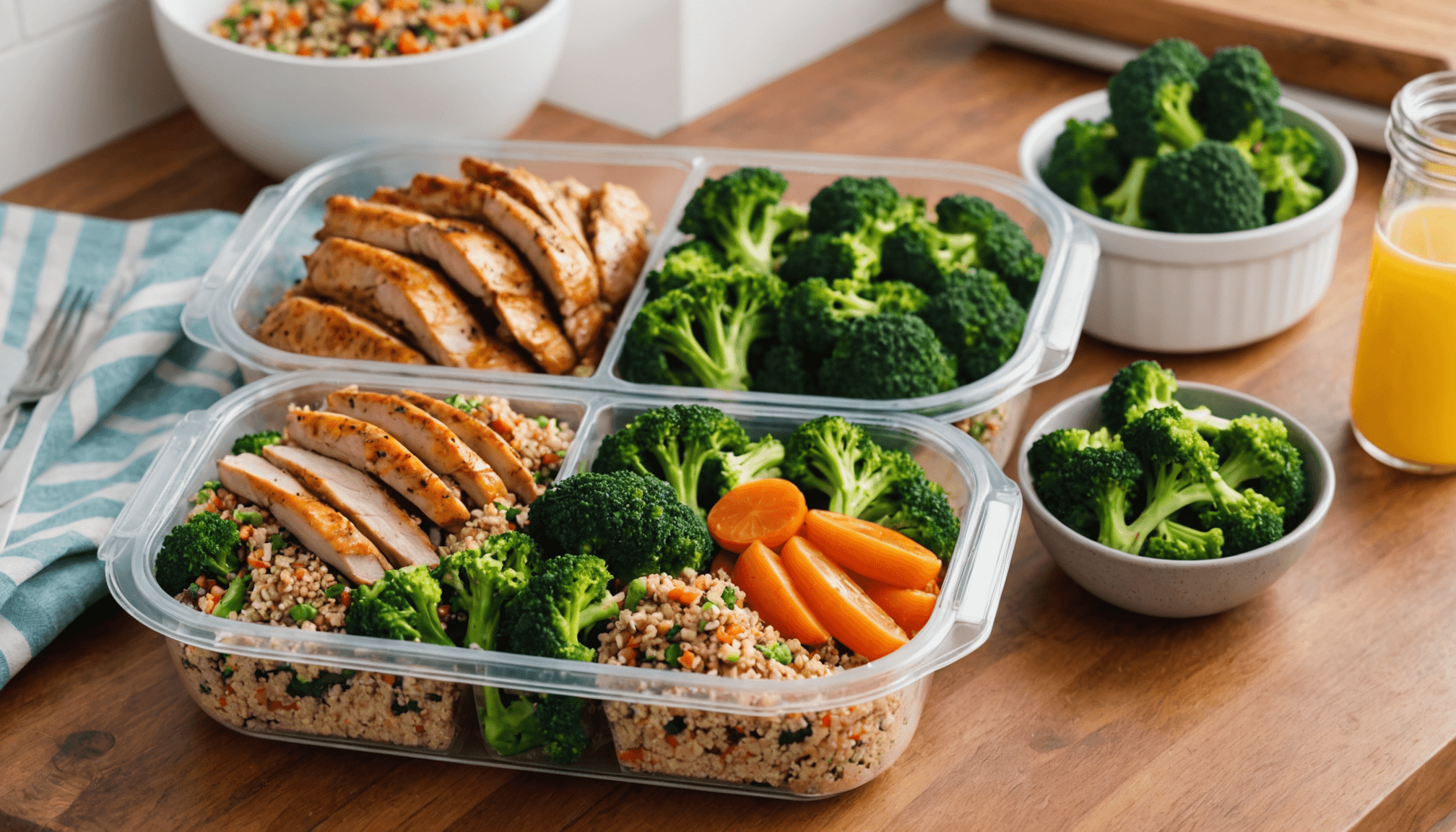
One of the most effective strategies is to combine batch cooking with a menu plan. Choose a few versatile ingredients and batch cook a variety of dishes that can be easily mixed and matched. For example, roast a large portion of chicken, steam some broccoli, and cook an ample supply of quinoa. These can be mixed in various combinations—chicken and quinoa salad one day, stir-fried broccoli with sliced chicken the next. This method provides diversity in flavors and textures without requiring additional cooking time during the week.
Another trick is to invest in kitchen gadgets that can speed up food preparation. A quality food processor can cut down on chopping time, while an Instant Pot can significantly reduce cooking time for grains, beans, meat, and soups. Embrace the use of these devices to streamline your meal prep process. Consider also using slow cookers for overnight meals; set your ingredients in the morning, and you’ll return home to a fully cooked dinner that can double as next day’s office lunch.
Incorporating freezing into your meal prep can create a stockpile of ready-to-go meals, making it convenient for those especially hectic weeks. Soups, stews, and casseroles tend to freeze well. Portion them out in single-serving containers so all you need to do is thaw and reheat. This way, even on days when time is scarce, you’ll have nutritious meals at your fingertips, ready to accompany you to the office.
Don’t overlook the power of creativity in your meal prep. Stock your pantry with a variety of sauces, spices, and dressings that can easily elevate simple base meals into enticing dishes. A dash of lemon juice and dill can transform steamed veggies, while a little soy sauce and sesame oil can breathe new life into a rice bowl. Enjoy experimenting with flavors as you prepare your office lunches; not only will it keep the meals exciting, but it will also encourage you to stick with this healthy habit long-term.
Lastly, take full advantage of prepare-ahead snacks. Portion out items like mixed nuts, yogurt cups, or sliced fruits into ready-to-go packs. These quick snacks can bridge the gap between meals and help mitigate the urge to grab unhealthy options during a busy day at work. By focusing on easy packing and incorporating these time-saving techniques into your meal prep strategy, you’ll be setting yourself up for success. Lunchtime doesn’t have to be a hassle; with a little planning, it can be enjoyable and nourishing!
- What are the benefits of meal prepping?
- Meal prepping saves time and helps you avoid unhealthy food choices during busy weeks. It allows you to control portions, ensure nutritional balance, and reduces food waste.
- How can I keep my meal prep ingredients fresh?
- Use airtight containers and ensure proper cooling techniques. Freezing meals you won’t consume within a week is a great way to maintain freshness for future use.
- Can I meal prep for more than one week at a time?
- Yes! Many meals can be frozen or stored for longer periods. Just remember to label them with dates to ensure freshness and safety.
- What types of containers work best for meal prep?
- Airtight glass or BPA-free plastic containers are ideal. Choose microwave-safe and freezer-friendly options to improve versatility.
- Are there specific foods that are better for meal prep?
- Foods that freeze well, such as grains, soups, and stews, are great choices. Lean proteins, roasted vegetables, and leafy greens are also ideal for meal prepping.
- How can I ensure variety in my meal prep?
- Rotate ingredients weekly, experiment with different spices and sauces, and try incorporating seasonal produce. This keeps meals exciting and prevents boredom.
- Is meal prepping suitable for everyone?
- Absolutely! Meal prepping can be customized to fit any dietary preference or lifestyle. It’s a versatile approach that helps anyone maintain healthy eating habits amidst a busy schedule.

Leave a Reply