

- Healthy meal prep ideas from around the world
- Global flavors for meal prep
- Nutrient-rich ingredients to include
- Quick and easy international recipes
- Meal prep tips from different cultures
- Sustainable practices for meal preparation
Incorporating healthy meal prep ideas from various cultures not only adds diversity to our plates but also enhances our nutritional intake. Each corner of the globe boasts unique flavors and ingredients, allowing us to create delightful meals that can be prepared in advance and enjoyed throughout the week. One of the most fascinating aspects of international cuisine is how it often centers around healthy meal prep principles, emphasizing fresh, whole foods.
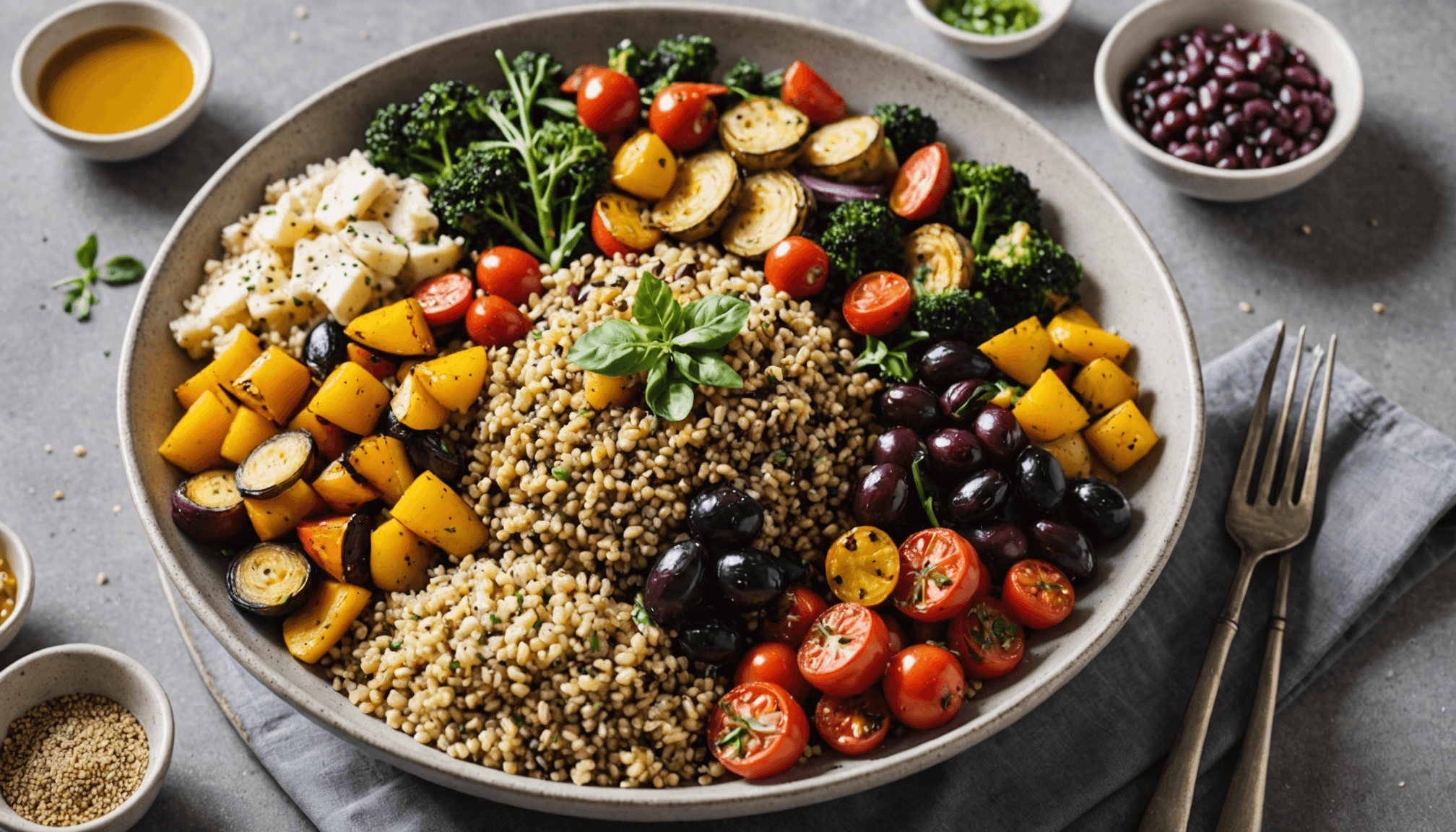
For instance, consider the vibrant dishes found in Mediterranean countries. The emphasis on fresh vegetables, whole grains, and healthy fats like olive oil makes meal prep a breeze. A simple Greek grain bowl can be assembled with cooked quinoa, cherry tomatoes, cucumbers, Kalamata olives, and a sprinkle of feta cheese. This colorful combination not only provides a great balance of macronutrients but can be stored in the refrigerator for several days, making it a perfect candidate for busy lifestyles.
Moving towards Asia, we find the concept of bento boxes in Japan, which epitomizes meal prep with flair. A bento box typically includes a variety of small portions of different foods, ensuring a balanced intake of various nutrients. You can prepare rice, steamed vegetables, and grilled chicken or tofu, packing them into compartments for easy reheating and eating. The idea of portion control provided by bento boxes can be especially beneficial for those watching their calorie intake while still enjoying a variety of flavors.
In Latin America, the use of beans and legumes as a staple offers another excellent resource for meal prep. Meals like chili or bean salad can be made in larger batches and stored for the week. They’re high in protein and fiber, keeping you full longer and making meal times both satisfying and nutritious. Adding ingredients like avocados or fresh herbs can kick the flavor up a notch, and they are great for topping on tortilla wraps or serving alongside rice.
Exploring Indian cuisine can also expand your healthy meal prep repertoire. Dishes like dal (lentil soup) or vegetable curries can be made in advance, packed with spices that not only flavor the food but also provide health benefits. By preparing these meals on a Sunday, busy professionals can enjoy a week’s worth of hearty, satisfying lunch or dinner options without scrambling during the week.
These diverse international recipes represent just a fraction of what global cuisine has to offer in terms of meal prep. By tapping into the recipes and traditions from around the world, we can ensure we’re eating wholesome, enjoyable meals that suit our busy lives and health-conscious choices. Embracing such global flavors in your meal prep could lead to not only more nutritious eating but also a joyful exploration of the culinary world, right from your kitchen!
Global flavors for meal prep
A world of flavors awaits those willing to explore and embrace the art of international meal prep. By introducing global cuisine into your weekly routine, you can turn mundane meal prep into a flavorful adventure. Each dish tells a story, and as the famous culinary author Julia Child once said, “No one is born a great cook, one learns by doing.”
For a taste of Africa, consider the dish known as jollof rice</strong>. This vibrant, one-pot meal integrates tomatoes, onions, and spices with rice, often served alongside grilled chicken or fish. Jollof rice not only embodies rich flavors but is also great for meal prepping, as it thrives in the refrigerator, gaining more depth over time. It is a nutrient-rich choice packed with carbohydrates, vitamins, and healthy fats when combined with a side of sautéed greens.
Traveling to the Middle East, one might find inspiration in the traditional mezze platters. These small dishes include hummus, tabbouleh, and baba ganoush, making a delightful meal prep option that requires minimal cooking. Preparing a mezze platter is highly customizable; you can incorporate seasonal vegetables, olives, and whole grain pita for a balanced approach. “Food brings us together,” noted James Beard, reminding us that meals crafted from a variety of simple, healthy ingredients help us connect and savor the moment.
Another delightful international recipe comes from the bustling streets of Thailand. Think of pad thai, a popular stir-fry dish that can be prepped with rice noodles, shrimp or tofu, eggs, and a colorful array of vegetables. A homemade sauce of tamarind, fish sauce, and lime adds a tangy punch that keeps this dish fresh and exciting throughout the week. This meal prep staple showcases how vibrant flavors can coexist with nutritious ingredients, making it a favorite among health-conscious foodies.
Meanwhile, in the vibrant kitchens of Italy, meals like minestrone soup</strong> offer a hearty option for healthy meal prep. Bursting with seasonal vegetables, beans, and pasta, this dish not only provides comfort but is also easily batch-cooked to store for the week. As philosopher Anthelme Brillat-Savarin aptly said, “Tell me what you eat, and I will tell you what you are.” A bowl of minestrone reflects a nourishing, wholesome identity that can remind us of the Mediterranean’s warmth.
By exploring these international recipes, you’re opening a door to creativity in the kitchen. The synergy of flavors and cultures in each dish can transform your meal prep experience from routine to something truly special. The world is filled with diverse culinary treasures waiting to be discovered, each contributing to a healthier, more exciting approach to eating well.
Nutrient-rich ingredients to include
When it comes to selecting ingredients that can transform your meals into nutritious powerhouses, it’s all about incorporating a variety of nutrient-rich foods that not only deliver exceptional taste but also pack a significant health punch. The foundation of successful meal prep lies in understanding the benefits of each ingredient and how they can work together to bolster your energy and well-being.
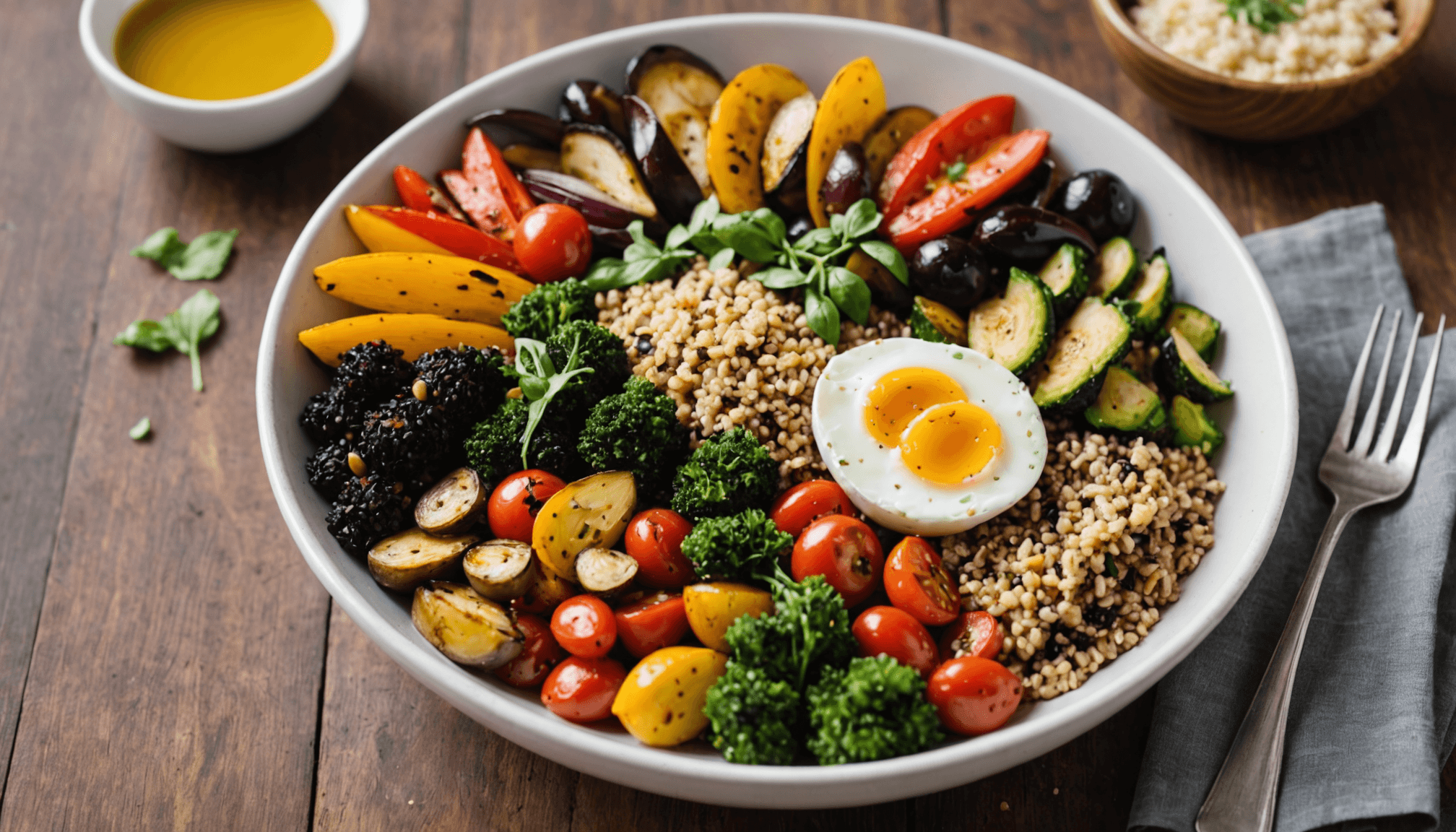
Start with whole grains, which are fantastic sources of complex carbohydrates, fiber, and essential nutrients. Think quinoa, brown rice, or farro, which serve as filling bases for salads and bowls. For instance, you can prepare a big batch of quinoa at the beginning of the week, storing it in the fridge for easy use in various dishes. Toss it into a Mediterranean-inspired grain bowl with roasted vegetables and a drizzle of olive oil, or mix it into a refreshing salad with black beans, corn, and lime for a protein boost. Whole grains not only help sustain energy levels but also support digestive health, which is crucial for busy lifestyles.
Legumes also deserve a prominent place in your meal prep. Rich in protein and fiber, beans, lentils, and chickpeas are cost-effective and incredibly versatile. Preparing a pot of lentils, for instance, can yield delicious soups, stews, or salads that are ready in minutes. A chickpea salad with diced cucumbers, tomatoes, garlic, and a squeeze of lemon can refresh your palate and keep you full. Pairing legumes with whole grains creates complete proteins, essential for muscle repair and maintenance, making it especially beneficial for sport-minded individuals.
Don’t overlook the power of greens and vegetables. Leafy greens like spinach, kale, and Swiss chard are low in calories but high in vitamins A, C, and K, as well as minerals like iron and calcium. Incorporating a variety of colorful vegetables—not just for their visual appeal but for their different nutrients—is a smart way to guarantee that you get a broad spectrum of minerals and antioxidants. You might prep a large batch of roasted vegetables, seasoned with your favorite herbs and spices, that can be tossed into pastas, served as sides, or even folded into omelets for a quick breakfast option.
Seeds and nuts are also excellent additions to your meal prep arsenal. Items like chia seeds, flaxseeds, almonds, and walnuts are rich in healthy fats, protein, and fiber, which help keep you satiated throughout the day. Adding a handful of nuts or seeds to your morning oatmeal or yogurt not only elevates the taste but also boosts your nutrient intake. For a quick energy snack, mix nuts with some dried fruits; it’s the perfect on-the-go pick-me-up that’s a step above typical quick snacks.
Finally, spices and herbs shouldn’t be treated as mere flavor enhancers—they’re nutritional powerhouses on their own! Ingredients like turmeric, ginger, garlic, and basil aren’t just for their aromatic qualities; they offer anti-inflammatory properties and play a significant role in supporting your immune system. A dash of turmeric in your lentil soup or ginger in your stir-fry can elevate your meal prep to a whole new level of healthy goodness.
When you mix and match these nutrient-dense ingredients, you’re not just preparing food; you’re crafting meals that genuinely nourish your body and excite your taste buds. By embracing a diverse array of whole grains, legumes, greens, seeds, and vibrant spices, you can easily turn your ordinary meal prep into an extraordinary journey across flavors and cultures.
Quick and easy international recipes
“Cooking is an act of love, a gift to those around you, a way of sharing with others the bounty of the earth.” — Ina Garten
To create quick and easy international recipes that can be prepped ahead of time, you can follow these simple guidelines that capture flavors from various cuisines while keeping health in check. Here are some recipes from around the globe that are easy to make and perfect for meal prep:
- Mexican Quinoa Salad
- In a pot, combine 1 cup quinoa and 2 cups water. Bring to a boil, then reduce the heat to low, cover, and simmer for about 15 minutes, until the quinoa is fluffy.
- In a large bowl, mix the cooked quinoa with 1 cup black beans, 1 cup diced tomatoes, 1/2 cup corn, and 1/2 diced bell pepper.
- Add a dressing made of 2 tablespoons lime juice, 1 tablespoon olive oil, 1 teaspoon cumin, and salt to taste.
- Toss everything together and garnish with chopped cilantro. This salad can be served chilled or at room temperature.
- Asian Stir-Fried Noodles
- Cook 8 oz rice noodles according to package instructions, then drain and set aside.
- In a wok or large skillet, heat 1 tablespoon sesame oil. Add 2 cups mixed vegetables (such as bell peppers, broccoli, and carrots) and stir-fry for 5-7 minutes until tender.
- Add the cooked noodles to the skillet along with 3 tablespoons soy sauce and toss well. You can also add 1 cup cooked shrimp or tofu for protein.
- Top with chopped green onions and a sprinkle of sesame seeds before serving. This dish can be enjoyed fresh or reheated throughout the week.
- Italian Lentil Soup
- In a large pot, sauté 1 chopped onion, 2 diced carrots, and 2 diced celery stalks in 2 tablespoons olive oil over medium heat for 5 minutes.
- Add 1 cup lentils, 4 cups vegetable broth, and 1 can diced tomatoes to the pot. Season with 1 teaspoon thyme, 1 bay leaf, and salt and pepper to taste.
- Bring to a boil, then reduce heat and simmer for about 30 minutes until the lentils are tender.
- Remove the bay leaf before serving. This soup can be made ahead and stored in the fridge for several days or frozen for later use.
- Middle Eastern Chickpea Wrap
- In a bowl, mash 1 can of drained chickpeas with a fork. Mix in 1/4 cup tahini, 2 tablespoons lemon juice, 1 minced garlic clove, and salt to taste.
- Spread the chickpea mixture onto whole grain wraps, and top with shredded lettuce, sliced cucumbers, and diced tomatoes.
- Wrap tightly and cut in half for easy eating. These wraps can be made in advance and are perfect for lunchboxes.
By preparing these international recipes as part of your healthy meal prep routine, you can easily enjoy a variety of flavors and nutrients throughout the week. Each of these dishes embodies the essence of global cuisine while being simple, nutritious, and quick to prepare, adding a delightful twist to everyday meals.
Meal prep tips from different cultures
 Incorporating meal prep strategies from various cultures allows you to explore diverse culinary traditions while keeping your meals healthy and manageable. Many cultures have their unique approaches to meal preparation that emphasize simplicity, flavor, and nutritional balance. For instance, in Scandinavian countries, meal prep often revolves around the concept of preserving seasonal produce, utilizing techniques like pickling and fermenting. Try preparing pickled vegetables to elevate your meals all week long. They can be added as tangy toppings on salads, tacos, or grain bowls, offering a nourishing crunch filled with probiotics.
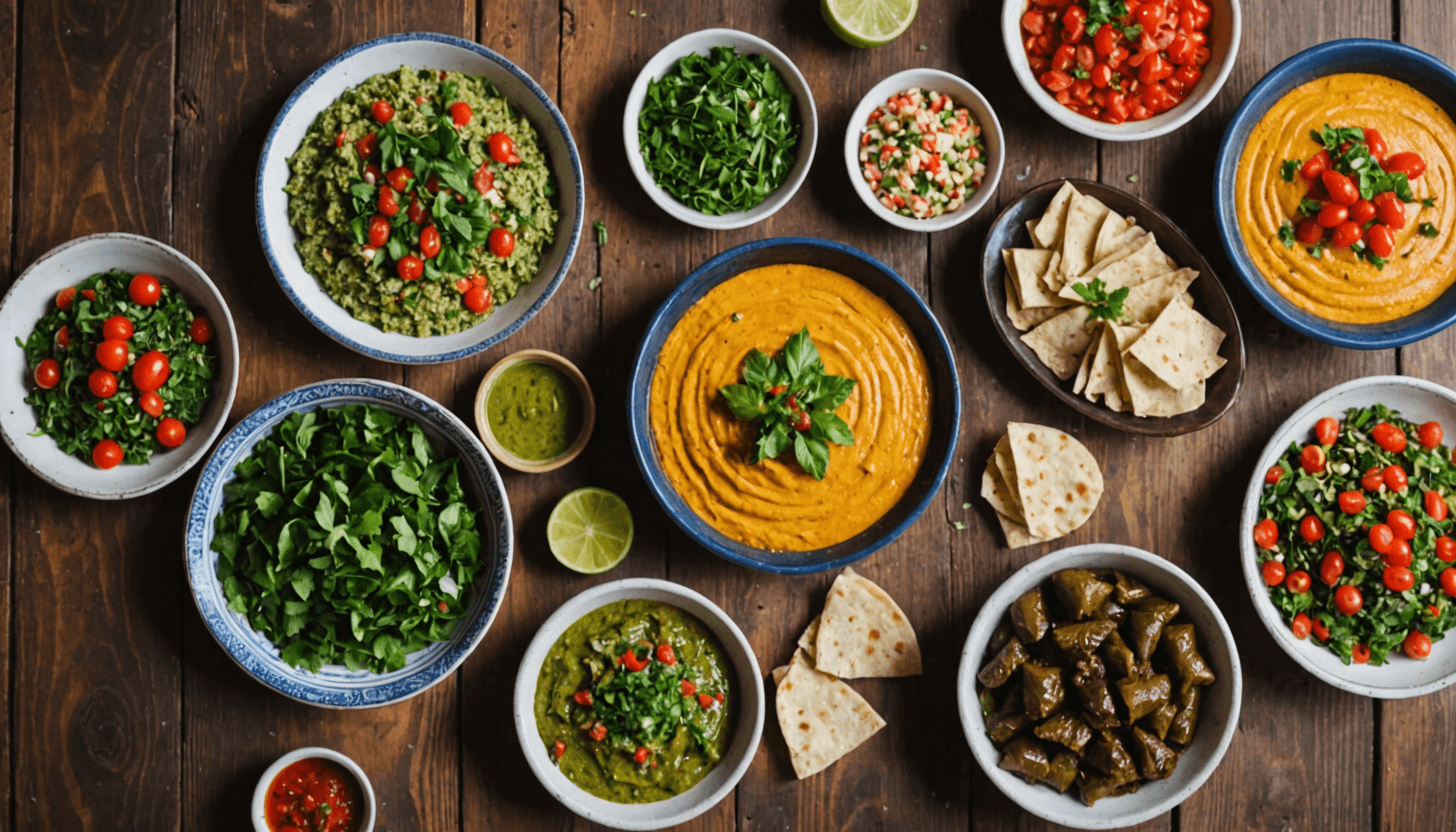
From the Middle East comes a beautiful practice of meal sharing known as “mezze.” This involves preparing an array of small dishes that can be enjoyed at once or throughout the week. Think of creating a colorful spread of hummus, tabbouleh, and stuffed grape leaves, which allows for nibbling and variety without much cooking each day. This not only enhances the flavor profile but also keeps mealtime inviting and engaging.
Turning towards Southeast Asia, cooking in bulk is commonplace, with families often making large pots of stews or curries that improve in flavor over the next few days. Emulate this by making a spicy Thai red curry with vegetables or lean protein, which can be easily reheated and serve as a comforting meal or a satisfying base for grain bowls. The fragrant spice blends contribute not just to taste but also to health, incorporating beneficial herbs like lemongrass and ginger.
Lastly, looking to the Caribbean, where jerk seasoning features prominently, consider preparing jerk marinated chicken or vegetables that can be grilled in batches and stored in the refrigerator. This dish not only adds a bold flavor punch but is also a fantastic source of lean protein that poses well for meal prep longevity. Serve it with a side of brown rice and black beans for a complete meal packed with nutrients.
Each of these cultural approaches to meal prep highlights how food can be prepared thoughtfully and deliciously, making healthy eating both exciting and sustainable. Understanding these diverse traditions may inspire you to adopt new techniques in your own kitchen, ultimately enriching both your palate and your health.
- What is meal prep?
- Meal prep involves preparing meals or components of meals in advance to save time throughout the week. This can include cooking entire dishes, preparing ingredients, or portioning out meals for easy grab-and-go options.
- How can I incorporate global cuisine into my meal prep?
- Consider exploring international recipes that utilize local ingredients. Start with simple dishes from various cultures, like Mediterranean grain bowls or Asian stir-fries, that can easily be prepared in large batches.
- What are some healthy meal prep ideas?
- Healthy meal prep ideas can include grain bowls, vegetable-rich curries, and protein-packed wraps. Mixing fresh produce with whole grains and lean proteins ensures balanced, nutritious meals.
- Can meal prep save money?
- Yes, meal prep can significantly reduce food costs by allowing you to buy in bulk, reduce food waste, and eliminate the need for last-minute takeout. Planning meals can help utilize the ingredients you already have.
- How long do meal prepped meals last?
- Most meal prepped meals last between 3-5 days if stored properly in the refrigerator. Freezing portions can help extend their shelf life, but certain dishes may need to be reheated and consumed sooner for optimal taste and texture.
- Is meal prepping difficult?
- Meal prepping can vary in complexity depending on the recipes and your cooking skills. Starting with simple recipes and gradually incorporating more difficult techniques can help ease the process over time.
- What are the benefits of meal prepping?
- Meal prepping can lead to healthier eating habits, save time during busy weeks, and help manage portion sizes. Being organized with meals encourages mindfulness in your food choices and reduces the likelihood of impulsive eating.
Sustainable practices for meal preparation
When it comes to sustainable meal preparation, we can take inspiration from various cultures that truly understand the concept of minimizing waste and optimizing food resources. Adopted by many around the globe, these practices can not only make your meal prep more eco-friendly but also enhance the flavors and traditions behind the dishes you’re cooking.
Start by embracing the idea of seasonality. Many cultures prioritize using ingredients that are in season, as they tend to be fresher, tastier, and more affordable. For example, in Mediterranean cuisine, chefs often create meals using what’s available at local markets. This means that your meal prep can easily adapt to include vibrant vegetables that are peaking in flavor at the time, like tomatoes in summer or hearty root vegetables in the winter. Making a big batch of roasted seasonal veggies not only reduces waste but also keeps your meals varied and exciting!
Fermentation is another traditional practice beloved in many global cuisines. Think of Korean kimchi or German sauerkraut; these not only add depth and flavor to your meals but also extend the shelf life of your ingredients. Just imagine incorporating homemade pickled veggies into your salads or grain bowls; not only are they a tasty addition, but they offer numerous probiotic benefits. Plus, learning to ferment is a fun and creative way to engage with your cooking. It’s about taking simple, available ingredients and turning them into something extraordinary.
Another savvy practice is batch cooking, which is common across various cultures. For example, in Indian cuisine, a pot of lentil dal or a large batch of vegetable curry can be made and enjoyed throughout the week. By cooking versatile staples, you ensure that nothing gets wasted, and you have ready meals that can be mixed and matched. Don’t hesitate to prepare a big pot of rice, quinoa, or farro; these grains can form the base for different dishes throughout the week, making it a breeze to create a quick, wholesome meal. Toss in whatever veggies or proteins you have on hand, and you have a feast ready in no time!
Utilizing every part of the ingredient is also a fantastic approach that roots itself in sustainability. In many cuisines, there’s a focus on using stems, skins, and leaves that would otherwise be discarded. For instance, herbs like cilantro or parsley have edible stems that can be blended into sauces or added to stocks for extra flavor. Vegetable scraps can be used to make broth, giving your meal prep another layer of flavor while cutting down on food waste. These little adjustments can transform your cooking methods, making your meals even more nourishing.
Lastly, consider the way you store your food. Invest in reusable containers for your meal prep. Not only do they help keep your meals fresh, but using reusable bags or glass containers minimizes single-use plastic waste. When you create a healthy meal prep for the week, pack your meals into these sustainable options, ensuring that your delicious dishes are kind to both your body and the environment.
Ultimately, by infusing your meal prep with these sustainable practices inspired by cultures around the world, you not only make conscious choices that support the planet, but you also invite a world of flavor and nutrition into your home. It’s about crafting your meals mindfully, knowing that what you’re putting on your plate carries both health and cultural significance.

Leave a Reply