

- Healthy smoothie benefits
- Essential ingredients for meal prep
- Easy smoothie recipes to try
- Storage tips for smoothies
- Nutritional considerations for breakfast smoothies
When it comes to breakfast, we often find ourselves in a rush, scrambling to grab whatever’s convenient. But let’s be honest, starting your day with a poorly balanced meal isn’t just unsatisfying; it can leave you dragging by mid-morning. Enter smoothies—a solution that’s not only quick but also packed with nutrition. These vibrant blends are a powerhouse of healthy meal prep goodness, and here’s why you should consider making them a staple in your morning routine.
First off, smoothies provide a fantastic way to incorporate a variety of nutrients into your diet. With just a handful of ingredients, you can achieve a blend rich in vitamins, minerals, and antioxidants. This can be especially beneficial for those who struggle to consume the recommended daily servings of fruits and vegetables. For instance, a simple smoothie made with spinach, banana, and almond milk can provide essential nutrients like potassium, magnesium, and Vitamin K—all in a smooth and tasty format that’s easy to digest.
Furthermore, smoothies can be a fantastic ally for weight management. By incorporating fiber-rich ingredients like oats or chia seeds, you’ll feel satisfied for longer periods, reducing the likelihood of unhealthy snacking before lunch. The key here is to be strategic; when done right, your smoothie can be a filling meal that curbs your cravings without sacrificing flavor.
Don’t overlook the convenience factor, either! Busy professionals, college students, and sports-minded individuals can whip up a smoothie in minutes—you can even prep your ingredients in advance. Just toss everything into a blender, and you’ll have a nutritious breakfast idea that beats any drive-thru option. Plus, the variety is endless. Whether you prefer a tropical mango delight or a rich chocolate protein blend, there’s a smoothie recipe that aligns perfectly with your taste.
Let’s talk about digestion. Smoothies are often easier on the stomach than whole foods, particularly if you have a sensitive system. The blending process breaks down the ingredients, making it simpler for our bodies to absorb the nutrients. This means you can give your body a good boost without the heavy, sluggish feeling that often accompanies traditional breakfasts.
Lastly, the aesthetic appeal of smoothies deserves a shout-out. Who doesn’t love a brilliantly colored drink to kick off their day? The visual appeal can have a surprisingly positive impact on your mood and motivation. So why not whip up a gorgeous berry smoothie or a vibrant green kale mix? You’ll find that taking the time to prepare these meals can elevate your breakfast game significantly.
Essential ingredients for meal prep
When considering essential ingredients for meal prep smoothies, focus on a balanced combination of fruits, vegetables, proteins, healthy fats, and liquids. Each component plays a unique role in ensuring your smoothie is nutritionally complete and satisfying, paving the way for a great start to your day.
Fruits serve as the cornerstone of any great smoothie. They not only provide natural sweetness but also essential vitamins, antioxidants, and fiber. Popular choices include bananas, which lend creaminess and are rich in potassium, and berries like blueberries and strawberries that are high in antioxidants and low in sugar (Chiva-Blanch & Estruch, 2010). Adding a mix of frozen fruits can give your smoothie a refreshing chill without compromising on the nutrients.
Vegetables are equally important, adding bulk and nutrition without excess calories. Spinach and kale are excellent choices because they are packed with vitamins A, C, and K, and they blend seamlessly into smoothies without overpowering the flavor (Michaelsen et al., 2009). For a different texture and taste, consider adding avocado; its healthy fats also contribute to a creamier consistency.
To boost the protein content, consider incorporating Greek yogurt, cottage cheese, or a scoop of your favorite protein powder. These ingredients not only enhance the smoothie’s texture but also help sustain energy levels throughout the morning, keeping you fuller for longer. A serving of protein can also support muscle repair and growth, making it a great option for those with active lifestyles (Phillips & Van Loon, 2011).
Healthy fats are another essential component of meal prep smoothies. Ingredients like chia seeds, flaxseeds, or nut butter can provide omega-3 fatty acids and fiber, which can enhance heart health and further promote satiety. Just a tablespoon of nut butter or a sprinkle of seeds can elevate the nutritional profile while adding a delightful flavor.
The liquid you choose to blend your smoothie is crucial for achieving the desired consistency. Options include water, coconut water, almond milk, or dairy milk, depending on your taste and dietary preferences. Unsweetened almond milk or coconut water can keep the smoothie light while also adding a hint of flavor without added sugars (Tucker et al., 2011).
By selecting a well-rounded mix of these ingredients, you can tailor your smoothies to fit your nutritional needs and personal tastes. Preparing your smoothie components in advance—washing and chopping your fruits and vegetables, and measuring out the protein and fat sources—allows for quick assembly during your busy mornings.
Get started with meal prep today! [Order your smoothie ingredients now!]
Stay tuned for easy smoothie recipes you can try to kickstart your healthy breakfast routine! [Discover the recipes here!]
References
– Chiva-Blanch, G., & Estruch, R. (2010). Wine, beer, and spirits: Health benefits and risks. Nutrition Reviews, 68(12), 18-26.
– Michaelsen, K. F., et al. (2009). The role of dietary fat in children’s health and development. Food & Nutrition Research, 53.
– Phillips, S. M., & Van Loon, L. J. (2011). Dietary protein for athletes: From requirements to metabolic advantage. Applied Physiology, Nutrition, and Metabolism, 36(5), 647-661.
– Tucker, K. L., et al. (2011). Public health impact of diet and nutrition on individuals. American Journal of Clinical Nutrition, 94(5), 1353S-1362S.
Easy smoothie recipes to try
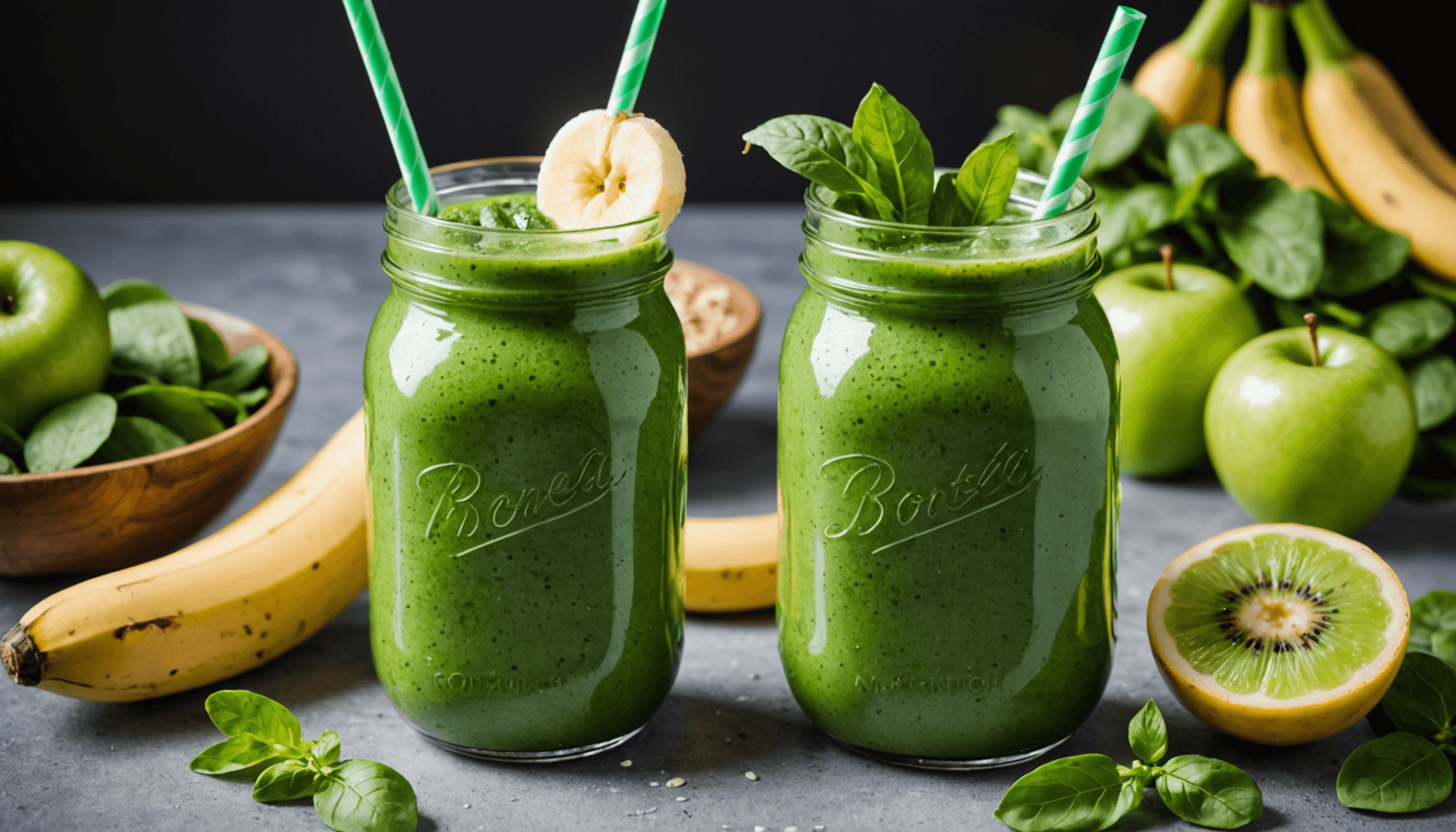
Now that you understand the benefits and essential ingredients for your healthy smoothie journey, let’s dive into some easy and delicious recipes. These smoothies are not just quick to make; they are also packed with flavor and nutrition, perfect for busy mornings. Whether you’re aiming for a tropical twist or a chocolatey treat, there’s something for everyone in your household.
- Green Power Smoothie:
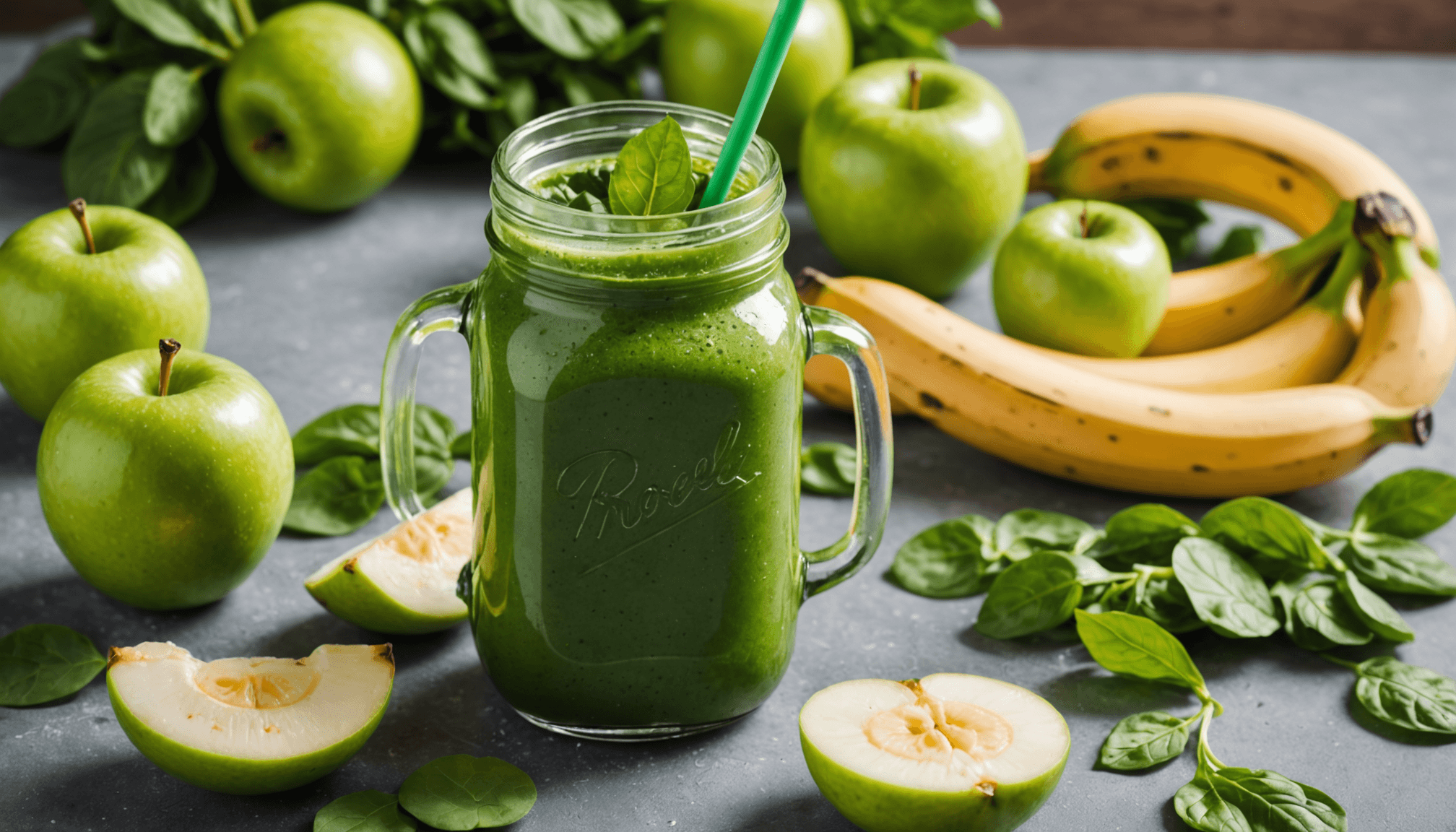
This vibrant concoction is great for kickstarting your day. Blend together 1 cup of spinach, 1 banana, ½ cup of green apple, ½ cup of Greek yogurt, and 1 cup of coconut water. The combination will leave you feeling refreshed and energized, thanks to the natural sugars in the fruits and the probiotics in yogurt.
- Berry Blast Smoothie:
Perfect for berry lovers, this smoothie is a burst of antioxidants. Blend 1 cup of mixed berries (strawberries, blueberries, raspberries), ½ cup of almond milk, 1 tablespoon of chia seeds, and a hint of honey if you’re craving sweetness. It not only tastes amazing but also helps in fighting inflammation.
- Chocolate Peanut Butter Protein Smoothie:
For those days when you need a little indulgence, this smoothie does the trick. Combine 1 banana, 1 tablespoon of unsweetened cocoa powder, 2 tablespoons of natural peanut butter, 1 cup of milk (dairy or non-dairy), and a scoop of your favorite protein powder. It’s like a dessert for breakfast, packed with protein to keep you full and satisfied.
- Mango Tropical Smoothie:
If you’re dreaming of a beach getaway, this one’s for you. Use 1 cup of frozen mangoes, 1 banana, 1 tablespoon of flaxseeds, and 1 cup of orange juice. This mixture provides a vibrant dose of flavor and Vitamin C to help boost your immune system.
- Creamy Avocado and Pineapple Smoothie:
This unique combination might sound unusual, but it works wonders. Blend ½ avocado, 1 cup of pineapple, 1 cup of spinach, and 1 cup of coconut milk. The creaminess from the avocado adds a luxurious texture, while the pineapple gives a refreshing tang. It’s a smoothie that’s both satisfying and exciting.
Feel free to customize these recipes according to your taste preferences or dietary restrictions. You can swap liquids, change the fruit combinations, or add supplements like spirulina or protein powder for an extra nutritional boost. Preparing these smoothies ahead of time is also a great idea; just store the blended mixture in jars for grab-and-go convenience in the morning.
Now that you’ve got your blender whirring with these delightful breakfast ideas, you’re on your way to creating smooth mornings filled with health and happiness! Don’t be afraid to experiment, and most importantly, enjoy every sip!
Storage tips for smoothies
“Smoothies are a great way to utilize healthy meal prep for busy mornings.” – Nutrition Expert
To ensure that your smoothies remain fresh and delicious, proper storage is essential. Here’s how to effectively store your smoothies, whether you plan to consume them right away or save them for later.
- Choose the right containers: Opt for airtight containers or mason jars to prevent oxidation and maintain the smoothie’s freshness. Glass containers are preferred as they do not absorb odors and are safe for the fridge or freezer.
- Fill them properly: When filling your containers, leave about an inch of space at the top. This allows for expansion if you decide to freeze your smoothies, preventing the risk of messy spills.
- Label your jars: Use labels to jot down the date and contents of each smoothie. This way, you’ll know how fresh each one is and can keep track of what you have available.
- Refrigerate or freeze: If you plan to consume your smoothies within a couple of days, store them in the refrigerator. For longer storage, freeze them. Smoothies can last up to three months in the freezer without a significant loss in taste or nutrients.
- Thaw smartly: When you’re ready to enjoy a frozen smoothie, transfer it to the fridge the night before to thaw. If you’re in a hurry, you can blend it directly from the freezer; just add a little extra liquid for consistency.
- Give it a shake or blend: Refrigerated smoothies can separate over time. Before consuming, give your container a good shake or pop it back into the blender briefly to restore the original consistency.
Following these steps will help you make the most of your healthy meal prep smoothies, ensuring you have nutritious breakfast ideas at your fingertips whenever you need a quick and satisfying morning boost.
Nutritional considerations for breakfast smoothies
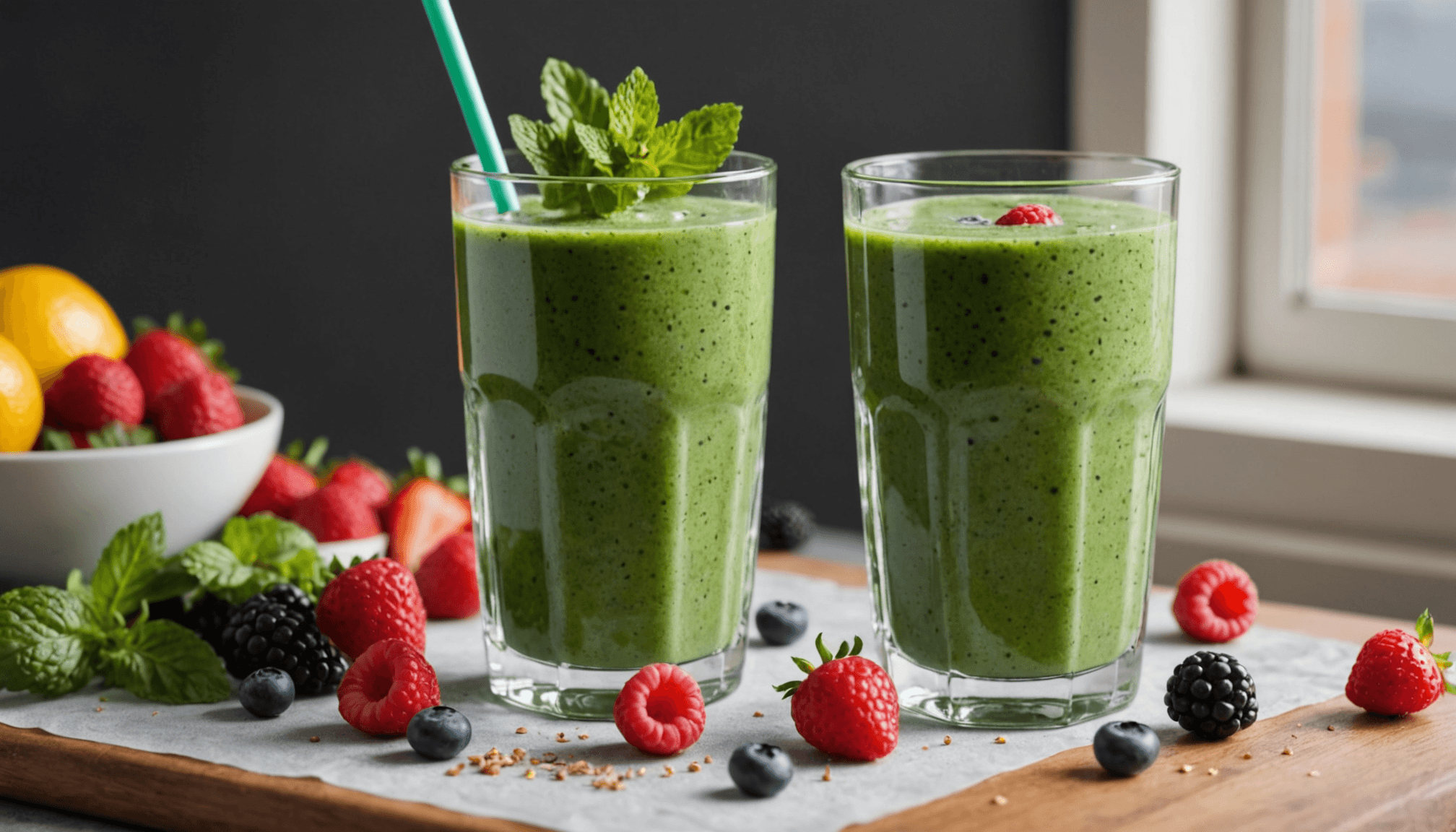 Smoothies can be an excellent breakfast option when considering nutritional content. To build a balanced meal that supports energy and wellness, pay attention to protein, fiber, and healthy fats within your smoothie. Achieving adequate protein levels can bolster muscle development and repair, particularly crucial if you’re active. Options like Greek yogurt, cottage cheese, or protein powders can elevate your smoothies to fulfilling meals.
Don’t overlook the importance of fiber, which plays a significant role in digestion and satiety. Ingredients like oats, chia seeds, and leafy greens can enhance the fiber content of your smoothie, helping to regulate blood sugar levels and prolong feelings of fullness. This is a thoughtful approach to avoid mid-morning crashes—energy dips that can lead to unhealthy snacking.
Healthy fats, often overlooked, are also key players in breakfast smoothies. They’re essential for absorbing fat-soluble vitamins and keeping you satiated. Consider adding avocado, nut butters, or seeds to your blends. These contribute a creaminess to your smoothies while ensuring you have the necessary nutrients for optimal performance throughout the day.
Moreover, always be mindful of added sugars. While fruits offer natural sweetness, it’s best to limit additional sweeteners like honey or syrups to maintain a healthy balance. This is especially true for anyone trying to keep a close eye on their caloric intake or sugar consumption.
Lastly, vary your ingredients to guarantee a broad spectrum of vitamins and minerals. By rotating your smoothie bases and add-ins, not only will you enhance your nutritional profile, but you’ll also keep your breakfasts exciting and delicious. Are you ready to experiment and create your perfect blend?
- Can smoothies replace a full breakfast?
- Yes, smoothies can serve as a complete breakfast if they include a balance of protein, healthy fats, and carbohydrates. Ensure they are nutrient-dense to support your energy levels through the morning.
- How can I make my smoothie more filling?
- Incorporate protein sources like Greek yogurt or protein powder, add fiber-rich ingredients like oats or chia seeds, and include healthy fats such as nut butter or avocados to increase satiety.
- Are there any ingredients I should avoid in my smoothies?
- Avoid excessive added sugars and pre-packaged ingredients that may be high in preservatives. Focus on whole foods like fresh or frozen fruits, vegetables, and wholesome fats.
- How long can I store a smoothie?
- When stored in the refrigerator, smoothies can last for up to 48 hours. For longer storage, freeze them in airtight containers, where they can last for up to three months.
- Can I use vegetables in my smoothies?
- Absolutely! Spinach, kale, and avocados are excellent choices that add nutrients without overpowering the flavor. They help create a nutritious base for your smoothies.
- What’s the best liquid base for smoothies?
- The choice of liquid depends on personal preference. Milk (dairy or plant-based), coconut water, or fruit juice can all serve as good bases, providing hydration and additional nutrients.
- Can smoothies be used for weight loss?
- Yes, when made with balanced ingredients, smoothies can support weight loss. Focus on high-fiber and protein ingredients to enhance satiety while keeping calories in check.

Leave a Reply