

- Incorporating superfoods into meal prep
- Benefits of superfoods in your diet
- Choosing the right superfoods
- Delicious superfood recipes for meal prep
- Tips for storing and using superfoods
Now, let’s dive right into how we can sneak some of those fabulous superfoods into our meal prep routine without turning your kitchen into a science lab! The beauty of meal prepping is that it saves time and makes healthy eating a breeze, but we want to enhance those meals with nutrient-dense ingredients that pack a punch.
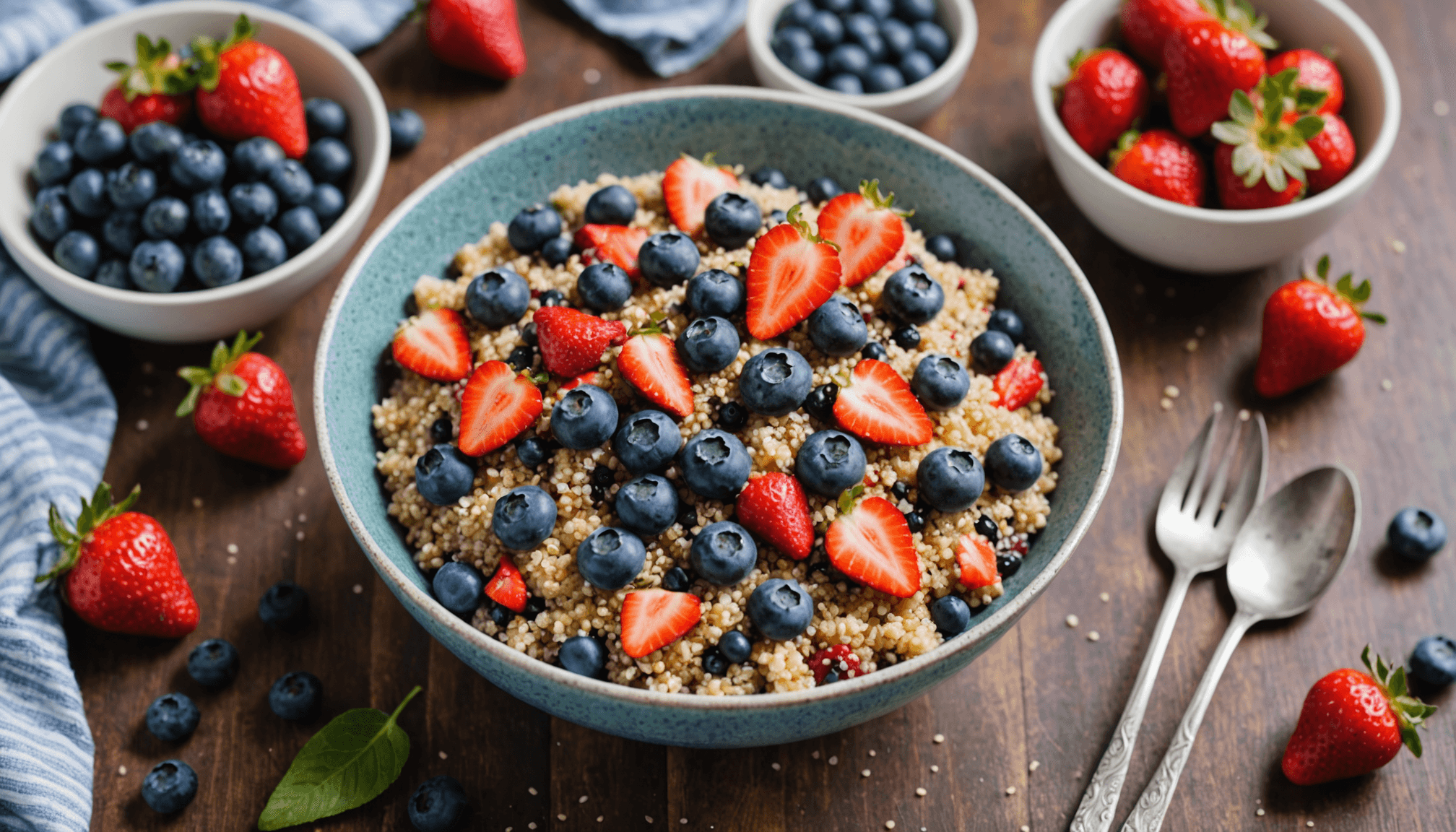
First off, think about bulk cooking. When you’re preparing your meals for the week, cook up a big batch of quinoa or brown rice. They’re hearty bases that can soak up flavors beautifully and they serve as an excellent backdrop for your superfood toppings. Toss in some roasted sweet potatoes or butternut squash for sweetness and a splash of color!
Next, let’s talk greens. You know how I love my kale and spinach! They’re easy to integrate. You can throw a handful of chopped kale into a soup or mix spinach into your morning smoothie. If you’re making a big batch of soup or stew, toss in some shredded kale at the end—just enough for it to wilt and soften, but retain that vibrant green color. It’s power-packed with nutrients yet surprisingly subtle in flavor!
Let’s not forget about beans! They’re not just affordable; they’re packed with protein and fiber. A can of chickpeas or black beans can transform your salads into a meal. Drain and rinse them, then add them to a big bowl with your favorite superfood like quinoa, diced bell pepper, and avocado. Drizzle with olive oil and a squeeze of lemon, and you’ve got a healthy meal staple right there!
Don’t shy away from adding snacks to your meal prep. Make energy bites using oats, nut butter, and a scoop of chia seeds—or if you have a serious sweet tooth, throw in some dark chocolate chips! These bite-sized treats can give you a quick energy boost between meetings or workouts.
When stocking your pantry, I like to keep things simple and versatile. Superfoods like chia seeds, flaxseeds, and goji berries can easily make their way into smoothies, oatmeal, or homemade granola. They’re little powerhouses that don’t require any fuss; just mix them in and let the ingredients do the work!
Lastly, think outside the box! You can incorporate spirulina powder into your pancake mix for a colorful twist, or blend it into your favorite salad dressing. And yes, even your kids won’t know what’s good for them when it tastes this fabulous. Making meals fun and colorful can turn meal prep into an exciting adventure rather than a chore.
So there you have it, a delightful journey into how to effortlessly incorporate superfoods into your healthy meal prep. With a little creativity and some thoughtful choices, you’ll whip up nutrient-dense recipes that keep everyone feeling nourished and energized!
Benefits of superfoods in your diet
Superfoods offer a multitude of benefits that can significantly enhance your diet and overall health. By incorporating these nutrient-dense ingredients, you can boost your meals with essential vitamins, minerals, and antioxidants, contributing to better well-being. Here are some key advantages:
– Rich in Nutrients: Superfoods are typically packed with vitamins, minerals, and other nutrients that support body functions. For example, blueberries are high in antioxidants, vitamin C, and fiber, while spinach is a great source of vitamins A and K, iron, and calcium.
– Antioxidant Properties: Many superfoods contain powerful antioxidants that help combat oxidative stress in your body. Foods like acai berries and green tea are well-known for their high antioxidant content, which can help reduce inflammation and lower the risk of chronic diseases.
– Supports Immune Health: Certain superfoods can boost your immune system. Foods such as garlic and ginger have natural antibacterial and anti-inflammatory properties. Incorporating them into your meals can help fortify your body’s defenses.
– Weight Management: Many superfoods are low in calories yet high in fiber, making them great for weight management. Foods like quinoa and lentils can provide a feeling of fullness, reducing the likelihood of overeating.
– Heart Health: Superfoods such as oats and fatty fish (like salmon and mackerel) contain healthy fats and fiber that can lower cholesterol levels and reduce the risk of heart disease. Including these in your healthy meal prep can contribute to a healthier heart.
– Improved Digestion: Foods rich in probiotics, like yogurt and fermented vegetables, offer gut health benefits. Probiotics help maintain a healthy gut flora, which can enhance digestion and nutrient absorption.
– Enhanced Energy Levels: Many superfoods provide sustained energy without the crash associated with sugary snacks. Consider incorporating nuts, seeds, and whole grains like quinoa into your meal prep for a steady energy boost throughout the day.
– Versatility in Cooking: Superfoods can be incorporated in various ways, making them easy to use in different meals. For instance, adding hemp seeds to smoothies, salads, or oatmeal not only boosts nutrition but also adds texture and flavor.
– Mood Support: Some superfoods, such as dark chocolate (in moderation), can improve mood and cognitive function due to their ability to increase serotonin levels. Including this in your healthy meal prep can be a delicious way to elevate your spirits.
By recognizing and embracing the benefits of superfoods in your diet, you can transform your healthy meal prep routine into a powerhouse of nourishment, making every meal not just a task, but an opportunity to fuel your body effectively.
Choosing the right superfoods
When it comes to choosing the right superfoods, it’s important to think about not just their nutritional profiles, but also how they fit into your lifestyle and meal prep routine. Superfoods can be a bit of a buzzword, but let’s break down what makes some of them stand out while keeping your meals nutritious and delicious.
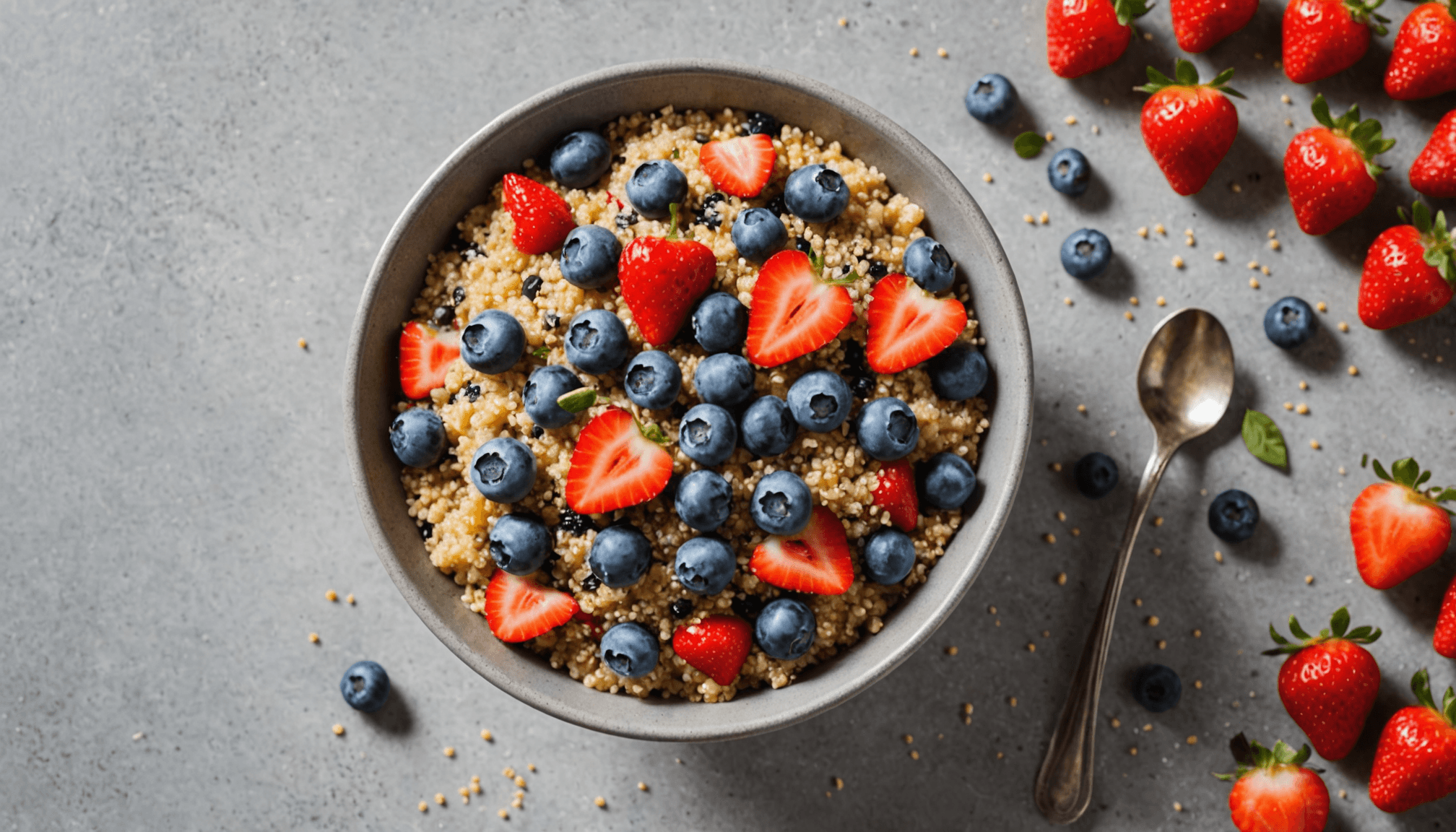
First, consider the flavor and texture you want to achieve. Some superfoods, like quinoa and farro, offer a nutty taste and chewy texture, making them perfect for grain bowls or salads. Others, like spirulina and chlorella, can pack a nutritional punch but might require some creativity to incorporate, while sometimes imparting a strong taste. You could blend them into smoothies or mix them into dips to mask the flavor while reaping the benefits!
Next, don’t overlook seasonal and local superfoods. Fresh blueberries or strawberries can be richer in antioxidants than their frozen counterparts and can be an excellent topping for yogurt or oatmeal. Likewise, kale and collard greens are often abundant in cooler months; making them staples for hearty soups or sautéed dishes not only makes financial sense but also aids in supporting local agriculture.
Think about convenience too. For busy lifestyles, freeze-dried superfoods like acai or spirulina powder can be effortlessly added to smoothies or overnight oats. You can even mix them into pancake batters or energy balls for a quick grab-and-go option that still aligns with your healthy meal prep goals.
While you’re selecting superfoods, consider your dietary restrictions and preferences. For example, if you’re vegan or lactose intolerant, nutritional yeast can add a cheesy flavor while being an excellent source of B-vitamins. Or if you’re gluten-free, look to buckwheat or amaranth as great grain alternatives that still offer fantastic nutritional value. These options can easily be integrated into your meal prep without sacrificing flavor or variety!
Lastly, don’t forget to bring your family into the mix! Involving kids in the process can make them more open to trying new ingredients. Ask them to help pick out superfoods at the grocery store or even let them sprinkle chia seeds onto their yogurt. This collaborative approach can make meal times more enjoyable and ensures that your superfood options are relatable and fun for everyone.
Choosing the right superfoods isn’t just about what’s trending; it’s about finding those nutrient-dense recipes that will resonate with your taste buds while aligning with your health goals. By thoughtfully selecting ingredients that you enjoy and can easily prepare, you’ll find that bringing these powerful foods into your kitchen can be exciting and rewarding!
Delicious superfood recipes for meal prep
- Superfood Quinoa Salad: Combine one cup of cooked quinoa with a cup of chopped vegetables such as cucumber, bell pepper, and cherry tomatoes. Add 1/4 cup of diced avocado for healthy fats and toss in 1/4 cup of black beans for additional protein. For dressing, mix olive oil, lemon juice, salt, and pepper to taste. Finish with a sprinkle of feta cheese and chopped parsley.
- Chia Seed Pudding: Mix 1/4 cup of chia seeds with one cup of almond milk and let it sit for at least 4 hours or overnight in the refrigerator. Add a tablespoon of honey or maple syrup for sweetness and top with seasonal fruits like berries or sliced bananas before serving. This makes for a nutritious breakfast option that can be prepared in advance.
- Oven-Roasted Sweet Potato and Kale Bowl: Preheat your oven to 400°F (200°C). Dice two medium sweet potatoes and toss them with olive oil, salt, and pepper. Roast for 25-30 minutes until tender. In the last five minutes, add a handful of chopped kale to the tray. Serve the sweet potatoes and kale over a bed of cooked brown rice or farro, topped with tahini sauce.
- Green Smoothie: Blend one cup of spinach, half a banana, one cup of almond milk, and one tablespoon of flaxseeds for a nutrient-dense smoothie. You can also add a scoop of protein powder or spirulina for an extra boost. This can be a quick breakfast or snack that’s easy to prepare and packed with superfoods.
- Superfood Energy Balls: In a bowl, combine one cup of oats, 1/2 cup of nut butter, 1/4 cup of honey, 1/4 cup of chia seeds, and optional dark chocolate chips. Mix until well combined, then roll into bite-sized balls. Store in the refrigerator for a quick and healthy snack option that you can grab on the go.
“Let food be thy medicine, and medicine be thy food.” – Hippocrates
By incorporating these delicious recipes into your healthy meal prep routine, you’ll create nourishing meals that delight your taste buds while fueling your body with superfoods!
Tips for storing and using superfoods
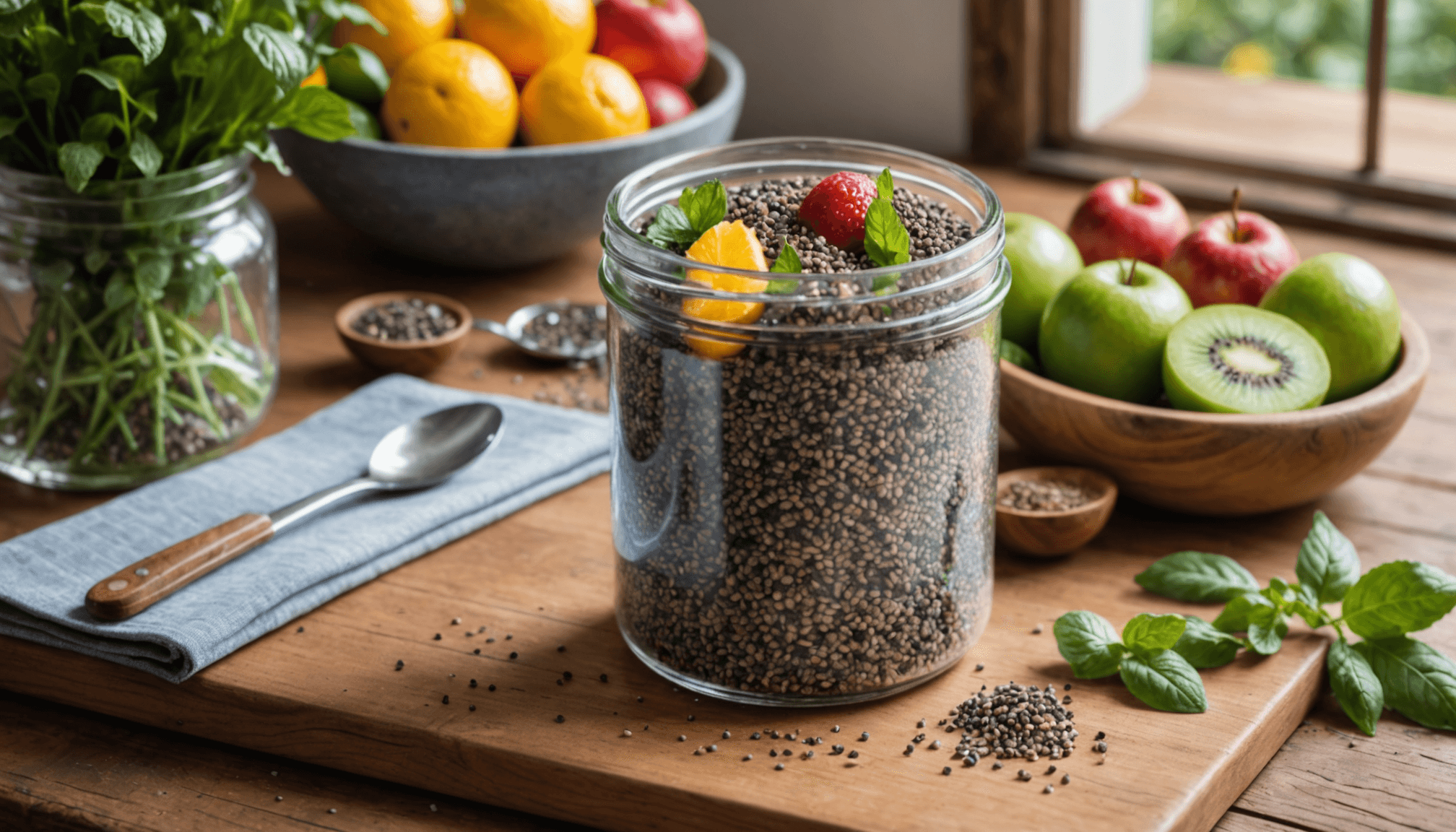 When it comes to storing superfoods, freshness is key to maintaining their nutritional value. Many superfoods, like chia seeds and flaxseeds, can be stored in an airtight container in a cool, dark place to protect them from moisture and light. For those that may spoil quicker, such as leafy greens or berries, consider storing them in the refrigerator, wrapped loosely in a damp paper towel to keep them crisp without excess moisture.
Using these superfoods effectively means being mindful of their properties. For example, if you’re preparing smoothies, blend fresh fruits and veggies right before consumption to retain their vibrant color and nutrient integrity. Prepare your ingredients in bulk but only mix what you plan to consume that day to minimize nutrient loss. Similarly, consider that flavors can intensify over time; dishes made with fresh herbs often taste best when eaten soon after preparation.
Experimentation can also lead to delightful culinary discoveries. If you’re new to using certain superfoods, start with small amounts and see how they enhance the flavor and texture of your dishes. For instance, start adding a teaspoon of spirulina into smoothies, soups, or dressings to see how it complements other ingredients. As you grow accustomed to their unique flavors, you can gradually increase the quantity.
When meal prepping, consider how to best use your superfoods across different meals. You might sprinkle some hemp seeds on oatmeal for breakfast, toss in some goji berries for a midday snack, and blend kale into your dinner’s pasta sauce. This not only ensures a variety of nutrients but also keeps your meals exciting and delicious each day. Rethinking how you use superfoods allows you to create nutrient-dense recipes that are as flavorful as they are nourishing.
- What are superfoods?
- Superfoods are nutrient-dense foods that provide significant health benefits, including a high concentration of vitamins, minerals, and antioxidants. Examples include berries, leafy greens, nuts, and seeds.
- How can I incorporate superfoods into my daily meals?
- You can add superfoods to smoothies, salads, or energy bites. Experiment by mixing them into your favorite dishes, such as soups or granola, to enjoy their health benefits without compromising on taste.
- Do superfoods still retain their nutrients when cooked?
- Some superfoods can lose certain nutrients when cooked, while others may become more bioavailable. For example, cooking tomatoes increases the availability of lycopene, whereas some vitamins in vegetables may degrade. It’s best to incorporate a mix of both raw and cooked superfoods.
- Are all superfoods expensive?
- Not necessarily! While some superfoods can be pricey, many affordable options are available, such as beans, oats, and seasonal fruits. Look for local options or bulk purchasing to save costs.
- How should I store superfoods to keep them fresh?
- Store dry superfoods like seeds and powders in airtight containers in a cool, dark place. For perishable items such as greens or berries, keep them in the refrigerator, ideally wrapped in a damp paper towel to maintain freshness.
- Can children enjoy superfoods?
- Absolutely! Incorporating superfoods in fun and tasty ways can help children develop a love for healthy eating. Try blending spinach in smoothies or adding cocoa powder to chia pudding for a delicious treat.
- What’s a good beginner superfood to include in meal prep?
- Chia seeds are a great starting point since they can easily be added to smoothies, oatmeal, or yogurt. They are high in fiber and omega-3 fatty acids and can help bulk up meals without altering the flavor significantly.

Leave a Reply