

- Understanding the Importance of Meal Prep
- Setting Realistic Goals
- Creating a Consistent Schedule
- Keeping it Interesting with Variety
- Overcoming Common Challenges
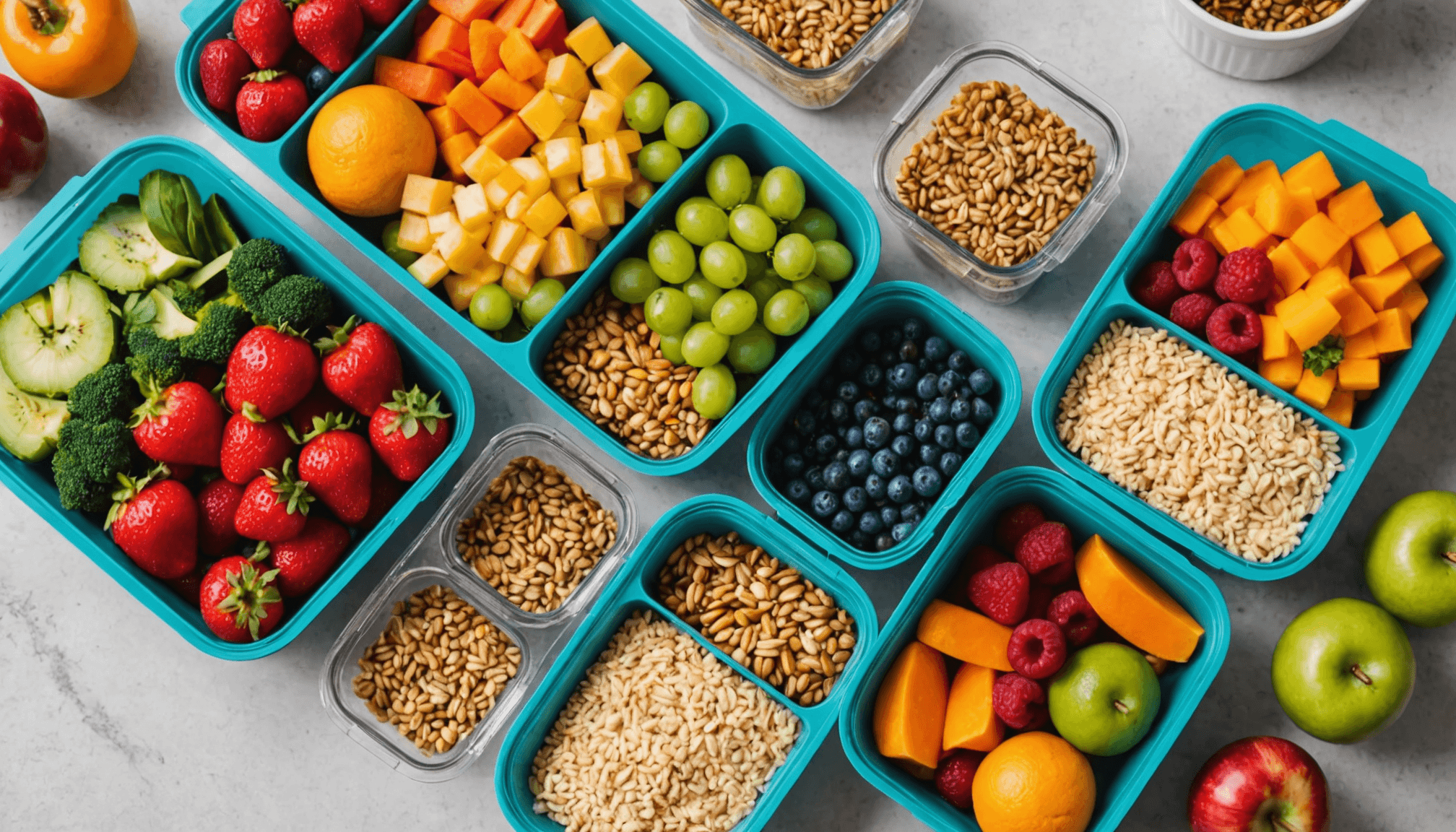
Meal prep isn’t just a trend; it’s a game changer, especially for those of us navigating busy lives while trying to keep our nutrition on point. It’s incredible how preparing meals in advance can save time, reduce stress, and ultimately help you stick to your health goals. Think about it: when you have your meals ready to go, you’re more likely to make choices that align with your intentions, rather than reaching for that takeout menu or unhealthy snacks. It’s all about setting yourself up for success!
The beauty of healthy meal prep is that it empowers you. You get to take control of your meals, choosing exactly what goes into them. This means you can easily incorporate seasonal fruits and veggies, lean proteins, and whole grains in a way that meets your family’s tastes and dietary needs. Imagine sitting down at the end of a long day with a fridge stocked with your favorite homemade dishes—no last-minute decisions required! You’ll save time and energy while nourishing your body with wholesome ingredients.
And let’s be real, meal prep can also be a delightful form of self-care. It’s a little ritual where you carve out time to focus on yourself and your health. Whether it’s chopping fresh produce and enjoying cooking to some upbeat music or simply basking in the aroma of roasted veggies filling your kitchen, it can be such a rewarding experience. Plus, prepping meals gives you the chance to experiment with new flavors and cuisines during your downtime, making it feel less like a chore and more like a culinary adventure.
For busy professionals or parents juggling work and family life, this approach alleviates the daily “What’s for dinner?” anxiety. Instead of scrambling for ideas or rushing to cook, you already have satisfying options ready to heat up. Think quick stir-fries, wholesome grain bowls, or zesty salads—these can all be made in advance and stored for the week, saving you precious time during hectic days.
Don’t forget, meal prep isn’t just for those sitting down to meals at home. College students, for instance, can thrive with a few simple prep tips. A well-stocked pantry and some meal prep can turn busy schedules into satisfying meal times without distrustfully eyeing questionable cafeteria options. Imagine packing a mason jar full of overnight oats or a hearty quinoa salad to fuel your studies—easy, nutritious, and budget-friendly!
For our friends who love to stay active, meal prepping can ensure you have nutrient-dense options post-workout. Preparing things like roasted sweet potatoes, grilled chicken, or nutrient-packed smoothies ahead of time means you’re never tempted by those convenience foods that can sidetrack your progress. Instead, you have the satisfaction of diving into flavors that work for your training and health ambitions.
Ultimately, understanding the importance of meal prep isn’t just about convenience. It’s a way to cultivate a mindful approach to your eating habits, allowing you to nourish yourself and your loved ones while creating lasting habits. So the next time you’re thinking about why you should spend that few hours in the kitchen, just remember: it’s your secret weapon for staying on track and feeling your best, day in and day out!
Setting Realistic Goals
Setting realistic goals is crucial for maintaining the momentum of your meal prep routine. If your expectations are too high, it can lead to disappointment and frustration, which can derail your motivation. Start by identifying achievable milestones that resonate with your lifestyle, preferences, and personal commitments.
Research shows that setting specific and measurable goals significantly enhances the likelihood of achieving them. For instance, instead of saying “I will meal prep every week,” try “I will prepare three healthy meals each week.” According to a study published in the Journal of Nutrition Education and Behavior, participants who set specific, actionable goals were 30% more successful in adhering to their meal planning schedules.
Consider utilizing a SMART (Specific, Measurable, Achievable, Relevant, Time-bound) goal framework. For example, one might set a goal to increase the variety of ingredients used in meal prep each week. This could involve trying a new vegetable or protein source that’s physically available at your local market. Acknowledging progress, even if small, can help you stay motivated.
Pull Quote: “When goals are clear and attainable, the focus shifts from overwhelming tasks to fulfilling achievements, fueling further commitment and excitement for meal prep.”
Additionally, take stock of your actual cooking time and the complexity of recipes you choose. If you can’t spare two hours a day for meal prep, don’t schedule it! Instead, opt for shorter sessions or simpler recipes that align with your available time. This realistic approach helps in maintaining consistency. A recent survey by the Meal Prep Institute revealed that individuals who prepared meals in sessions of one hour or less were more likely to continue with their meal prep routines compared to those who allocated larger blocks of time.
Incorporate accountability into your goals, whether by tracking your progress in a meal planning app or sharing your intentions with friends or family. The concept of buddy systems can also be beneficial; accountability partners can provide mutual encouragement and share meal prep tips. Engaging with a community on social media platforms can also keep the motivation alive, allowing you to share successes and challenges.
Pull Quote: “Having a support system not only boosts your commitment to meal prep but also opens the door to fresh ideas and motivation through shared experiences.”
As you navigate your meal prep journey, remember to celebrate each success and adjust your goals as necessary. Whether it’s mastering new cooking techniques or simply fitting meal prep into your routine, the aim should be to create a sustainable practice that fuels your health and well-being. By setting realistic goals, you’re not just planning meals; you’re shaping a more organized and healthier lifestyle that aligns with your aspirations.
Creating a Consistent Schedule
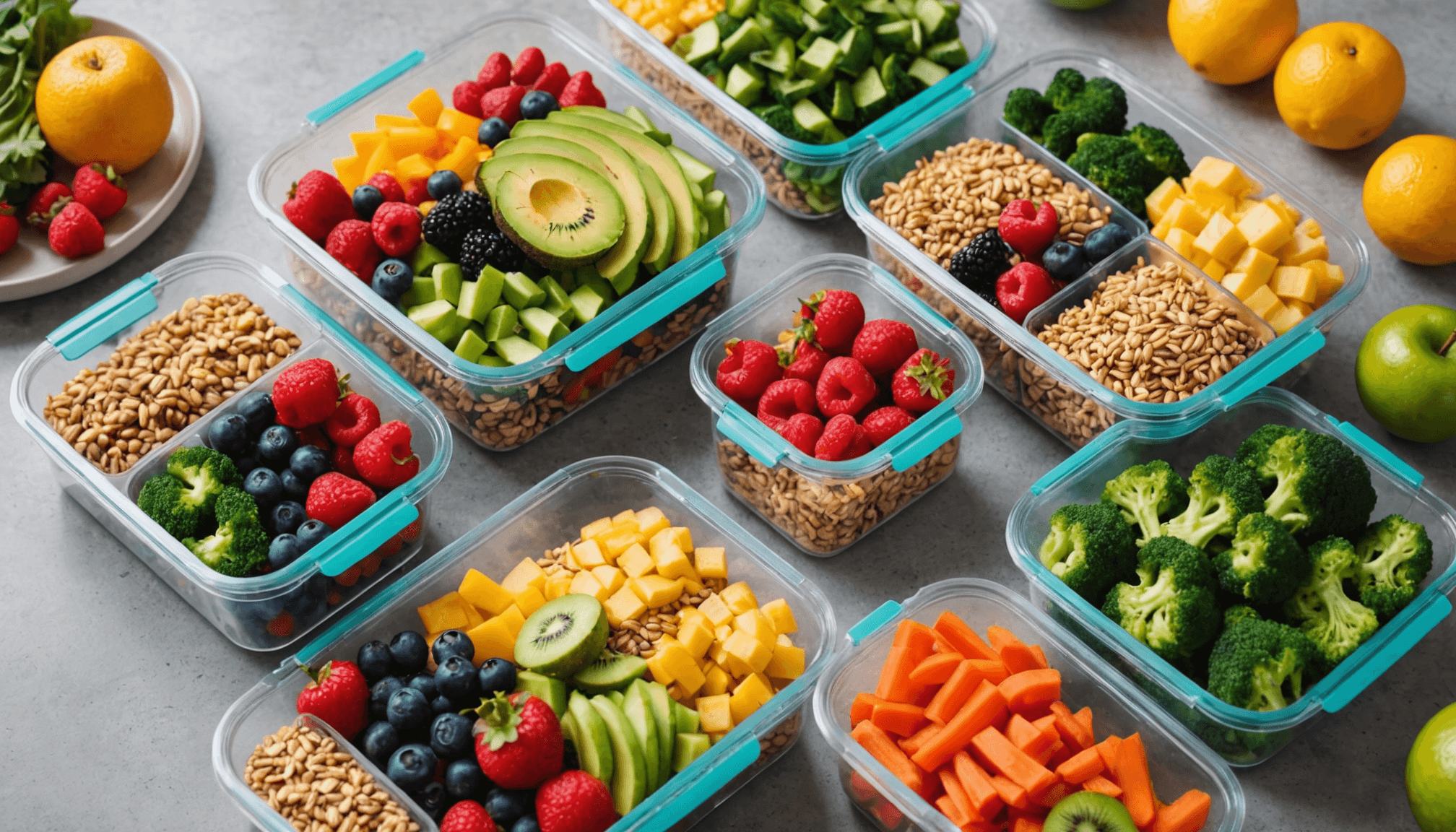
Creating a consistent schedule for meal prep is essential in establishing a routine that supports your health and productivity. Life can get busy quickly, and without a solid plan, meal prep can fall down on the to-do list, leading to poor food choices and unnecessary stress. By designating specific days and times for meal prep, you can ensure it becomes a seamless part of your weekly rhythm rather than an afterthought.
The key to success lies in finding what works best for you. Consider your weekly commitments—family activities, work obligations, or personal projects—and choose a time when you can devote uninterrupted attention to meal prep. Many people find success by allocating a block of time during the weekend, such as Sunday afternoons, to prepare for the week ahead. This allows you to start the week feeling organized and empowered, knowing you have healthy meals ready to go.
Another approach is to integrate meal prep into your current schedule. For instance, if you already spend some time cooking a few meals for dinner, make it a habit to double up on those recipes and pack leftovers for lunch or future dinners. This not only streamlines your cooking process but also minimizes waste. According to a study published in the International Journal of Behavioral Nutrition and Physical Activity, individuals who made cooking part of their routine reported a greater ease in sticking to their meal prep practices.
Having a specific meal prep day is also about creating a ritual that fits your lifestyle. You might decide to make it a fun family activity by involving everyone in the prepping process. Kids can help with washing fruits and vegetables or packaging snacks, which not only teaches them valuable skills but also fosters their interest in healthy eating. Engaging the whole family during meal prep increases accountability and adds a communal spirit, making healthy eating a shared goal.
Moreover, aligning your meal prep schedule with grocery shopping is crucial. After heading to the store stocked with fresh ingredients, take some time to wash, chop, and package them immediately when you return home. This setup means that when Sunday rolls around, you can assemble meals quickly without the overwhelm of last-minute prep. Keeping your kitchen organized plays an important role in this—you’ll want to have your storage containers ready and a clear space for chopping and cooking. Invest in high-quality containers that are easy to label for organization, making it simple to grab meals on the go.
If your schedule requires more flexibility, consider batch cooking for shorter periods, breaking your sessions into manageable chunks that fit into your calendar. For example, if you have only an hour on Wednesday evenings, focus on preparing a few essential components for your meals, like grains or proteins. This way, you can mix and match throughout the week without the pressure of extensive cooking sessions. Meal prep apps can also help you keep track of your planned meals, reducing decision fatigue and enhancing your motivation.
As you craft your meal prep schedule, remember that consistency is more effective than perfection. There will be times when life throws you a curveball, and that’s okay. Embrace flexibility; if you miss your usual meal prep day, simply adjust and find another time that works for you. The goal isn’t just about sticking rigidly to a plan; it’s about forming healthy habits that fit within your lifestyle. By integrating meal prep into your regular routine, you’ll ultimately create a balanced approach to eating that nurtures your health and well-being.
Keeping it Interesting with Variety
To keep your meal prep engaging and enjoyable, it’s essential to introduce variety into your routine. This not only prevents boredom but also ensures you’re getting a well-rounded array of nutrients. Here are some actionable steps to add exciting new elements to your healthy meal prep:
- Experiment with New Recipes: Challenge yourself to explore at least one new recipe each week. This could be a different cuisine or a unique dish that incorporates ingredients you usually don’t use.
- Theme Nights: Designate certain days of the week for specific themes—like Taco Tuesday, Meatless Monday, or Stir-fry Sunday. These themes can serve as a fun guideline, inspiring creativity and consistency.
- Rotate Ingredients: Keep a list of your go-to ingredients and make it a goal to rotate them every couple of weeks. For instance, if you often use chicken, try swapping it for turkey or tofu. This simple change can refresh your meals significantly.
- Plan for Leftovers: When making your meals, always consider how they can be repurposed into another dish. For example, roasted vegetables can be added to a grain salad, while grilled chicken can become the star of a wrap or a soup. This not only adds variety but also reduces food waste.
- Include Seasonal Produce: Incorporate seasonal fruits and vegetables into your meal prep. Seasonal produce is often more flavorful and nutrient-dense. Research seasonal guides to discover what’s fresh in your area.
- Utilize Different Cooking Methods: Explore various cooking techniques to prepare your meals, such as grilling, steaming, roasting, and even slow-cooking. Each method can bring out different flavors and textures in the same ingredient.
- Get Inspired by Others: Follow meal prep enthusiasts on social media or join online cooking groups. Sharing ideas and seeing what others are creating can provide a wealth of inspiration and motivation.
- Engage with Flavor Profiles: Experiment with different herbs, spices, and marinades to enhance the taste of your meals. A simple spice blend can completely change the character of a dish, making it feel new and exciting.
“Variety is the spice of life, and in the kitchen, it keeps your meal prep fresh and enjoyable.”
By implementing these meal prep tips, you can transform your routine into an exciting culinary adventure, ensuring that every week offers something new while you stay committed to your healthy eating goals. Embrace the process and discover the joy in trying out new flavors and dishes as you prepare meals for yourself and your loved ones.
Overcoming Common Challenges
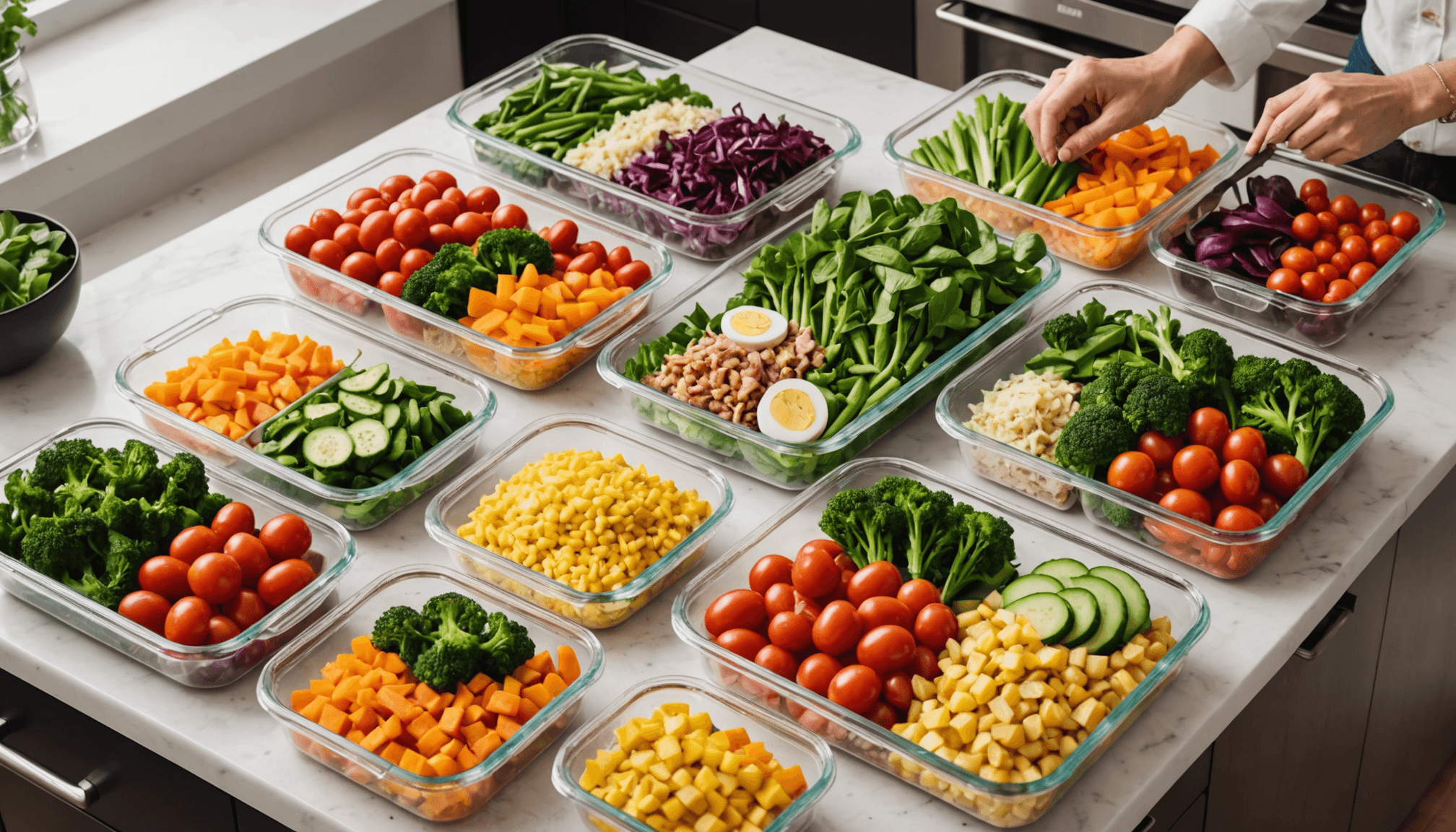 Overcoming common challenges in meal prep is part of the journey toward establishing a healthy and sustainable routine. Many people start with enthusiasm, but as the novelty wears off, various obstacles can arise, such as time constraints, lack of inspiration, or overwhelm with grocery shopping and cooking.
One significant challenge is the time it takes to prepare meals. It might feel impractical to allocate chunks of time to chop, cook, and clean. However, by organizing your weekends or choosing a less busy day, you can create a more manageable meal prep session. Consider also breaking down your preparation into two shorter sessions instead of one lengthy one, making it easier to fit into your week. This approach not only alleviates the pressure but keeps meals fresh.
Another common hurdle is the tendency to recycle the same few recipes. It’s easy to fall into a rut, but this can lead to burnout and decreased motivation over time. To counteract this, embrace the creativity of meal prep! Invest some time each month to try new recipes or ingredients, which will keep your meals exciting and encourage you to delve into diverse cuisines. Follow food blogs, subscribe to meal prep channels on social media, or pick up a cookbook filled with innovative ideas. Remember, the goal is to enjoy the process!
Sometimes, inadequate storage or organization can hinder your meal prep journey. Make investing in a good set of containers a priority. Opt for clear, stackable containers that can organize your meals neatly in the fridge and make it easy to grab and go. Labeling your containers with dates and meal names will help keep the fridge tidy and ensure that nothing goes to waste.
Additionally, dealing with leftover food can be tricky. A useful strategy is to plan meals that can be easily repurposed. For instance, if you roast a chicken one night, use the leftovers in wraps, salads, and soups over the next few days. This way, nothing goes to waste, and you’ll enjoy variety without additional cooking.
Another challenge is managing your cravings for fast food or takeout, especially during busy weeks. To combat this, make your meal prep routine a little easier by preparing snacks along with your meals. Think about portioning out healthy snacks—such as veggies and hummus or fruit and yogurt—right alongside your main dishes. Having quick, nutritious options on hand will prevent you from reaching for unhealthy alternatives when hunger strikes.
Lastly, be prepared for life to throw you off course. There will be weeks when your meal prep schedule doesn’t quite happen as planned. It’s crucial to remain flexible; allowing yourself to adapt is part of a sustainable lifestyle change. Each week is different, so if one doesn’t go as planned, focus on making a plan for the next week instead of dwelling on it.
As you confront these challenges, think critically about what works best for your lifestyle and keep experimenting. Cultivating a positive mindset is crucial; acknowledge your accomplishments, however small, and lean into the motivation that comes from taking charge of your health through meal prep.
- What are some quick meal prep ideas for busy weeks?
- Consider batch cooking staples like grains or proteins and pairing them with pre-cut veggies for quick meals. Dishes like stir-fries, salads, or grain bowls can be versatile and quick to prepare.
- How can I ensure my meal preps are healthy?
- Focus on incorporating a variety of fresh fruits, vegetables, lean proteins, and whole grains. Planning ahead allows you to select nourishing ingredients instead of reaching for convenience foods.
- How can I make meal prep more enjoyable?
- Put on your favorite music, invite friends to join, or experiment with new recipes. Turning meal prep into a social or creative activity can re-energize your enthusiasm.
- What tools do I need for effective meal prep?
- High-quality containers for storage, sharp knives, cutting boards, and meal prep apps are excellent tools to have. They help organize and streamline your cooking process.
- Can meal prepping help me save money?
- Absolutely! Planning meals allows you to buy in bulk and reduce impulse purchases at grocery stores. Taking advantage of sales and shopping seasonally can also cut costs.
- What if I don’t have time to meal prep on the weekends?
- If weekends are too busy, try to find a smaller window during the week. Even an hour on a weekday can set you up for success by prepping a few key ingredients.
- How can I stay motivated to keep meal prepping?
- Set specific, achievable goals, keep things varied, and celebrate your successes. Connecting with a community of fellow meal preppers can also provide encouragement and inspiration.

Leave a Reply