
- Low-calorie meal prep essentials
- Benefits of meal prepping
- Easy low-calorie recipes
- Storage tips for meal prep
- Healthy snacking options
When diving into the world of meal prepping, especially for those focused on keeping it low-calorie, there are a few essentials you can’t overlook. First off, having the right tools can make a significant difference in your meal prep efficiency and enjoyment. Let’s talk basics.
A good set of kitchen knives is crucial. You’ll want something that can handle everything from vegetables to lean proteins with ease. A sturdy cutting board is next on the list—preferably one that’s easy to clean and versatile enough for all your chopping needs. This sets the stage for quick and efficient prep sessions.
Next, invest in quality storage containers. You may be tempted by those plastic ones, which can be handy, but glass containers are your best bet for longevity and maintaining the freshness of your meals. Choose ones that are stackable, so they don’t take up too much space in the fridge. Look for BPA-free options that are safe for both the microwave and dishwasher to make your life even easier.
Oh, and let’s not forget about good-quality kitchen scale and measuring cups! Precision is vital when counting calories, especially if you’re focusing on weight management. A scale can ensure you’re portioning out proteins and grains correctly, which will help you stay on track while enjoying a variety of delicious meals.
Alongside these essentials, having a solid supply of spices and herbs will elevate your low-calorie dishes, adding flavor without the extra calories or guilt. Fresh or dried, they can transform a simple meal into something extraordinary. You’d be amazed at how a sprinkle of smoked paprika or a dash of garlic powder can make those veggies sing.
Lastly, plan your grocery list ahead of time to ensure you’re sticking to your healthy meal prep goals. Stick to nutrient-dense ingredients like leafy greens, lean meats, whole grains, and legumes. Avoid the aisles filled with processed foods; they can derail your efforts quicker than you can say “meal prep.” So, grab your essentials, gather your tools, and let’s get cooking!
Benefits of meal prepping
The advantages of meal prepping are substantial, especially for individuals aiming for low-calorie diets and effective weight management. By planning and preparing meals in advance, several benefits can be reaped that extend beyond mere convenience.
– Time-Saving: One of the most significant benefits is the time saved during the week. By dedicating a few hours on the weekend or a designated day to prepare meals, you eliminate the daily stress of deciding what to eat. Research indicates that people who meal prep save an average of 2-3 hours per week in cooking time (Garnett, T., & Goddard, E. (2015). “Meal Prepping: Less stress, better nutrition?” Journal of Nutrition Education and Behavior).
– Portion Control: Meal prepping allows for better control over serving sizes, which is crucial in maintaining a low-calorie diet. By dividing meals into appropriate portions, you can avoid unintentional overeating. This practice is especially helpful for those seeking to manage their weight, as it helps reinforce mindful eating habits.
– Cost-Effective: Preparing meals at home is generally more economical than constantly purchasing takeout or dining out. Ingredients can be purchased in bulk, which lowers the cost per meal. Moreover, meal prepping reduces food waste, as planned meals often utilize the same ingredients, leading to fewer items being thrown away (Liu, S. (2018). “The Economics of Home Cooking vs. Eating Out.” International Journal of Culinary Arts).
– Nutritional Benefits: Meal prepping offers full control over ingredients, aiding in healthier choices. With careful planning, you can incorporate nutrient-dense foods—like lean proteins, whole grains, and plenty of vegetables—into your meals. This focus on wholesome ingredients can significantly enhance dietary quality, as it allows you to avoid unhealthy fats and excess sugars prevalent in restaurant meals.
– Stress Reduction: Knowing that meals are already prepared can decrease the overwhelming feeling of daily cooking, especially after a long day. This reduction in stress can lead to better food choices, as individuals are less likely to opt for quick, unhealthy options when nutritious meals are readily available in the fridge.
– Variety and Experimentation: Meal prepping doesn’t have to mean monotonous meals. This approach encourages creativity, as you can experiment with new recipes and ingredients each week. Trying different low-calorie healthy meal prep recipes keeps your diet exciting and enjoyable, which is vital for long-term adherence (Hobbs, M. (2020). “Eating Healthy: Meal Prep Strategies.” Nutrition and Health).
Implementing these benefits in daily life can lead to a more balanced diet and contribute to achieving fitness and weight management goals effectively.
Easy low-calorie recipes
When it comes to easy low-calorie recipes, simplicity is key. You want meals that are not just quick to prepare but also bursting with flavor and nutrients. Let’s dive into some fantastic options that are perfect for busy lifestyles, keep things light, and make meal prep a breeze.
First up, let’s talk about a classic chicken and vegetable stir-fry. This dish is not only colorful but can be thrown together in about 20 minutes! Start with some lean chicken breast—about 8 ounces will do. Cut it into bite-sized pieces and sauté in a hot pan with a splash of low-sodium soy sauce and a sprinkle of ginger. As the chicken cooks, toss in your favorite veggies—think bell peppers, broccoli, and snap peas—whatever you have on hand! Cook until everything is tender-crisp. Serve it over a bed of cauliflower rice or steamed brown rice for a filling, low-calorie meal that’s sure to please everyone in the family.
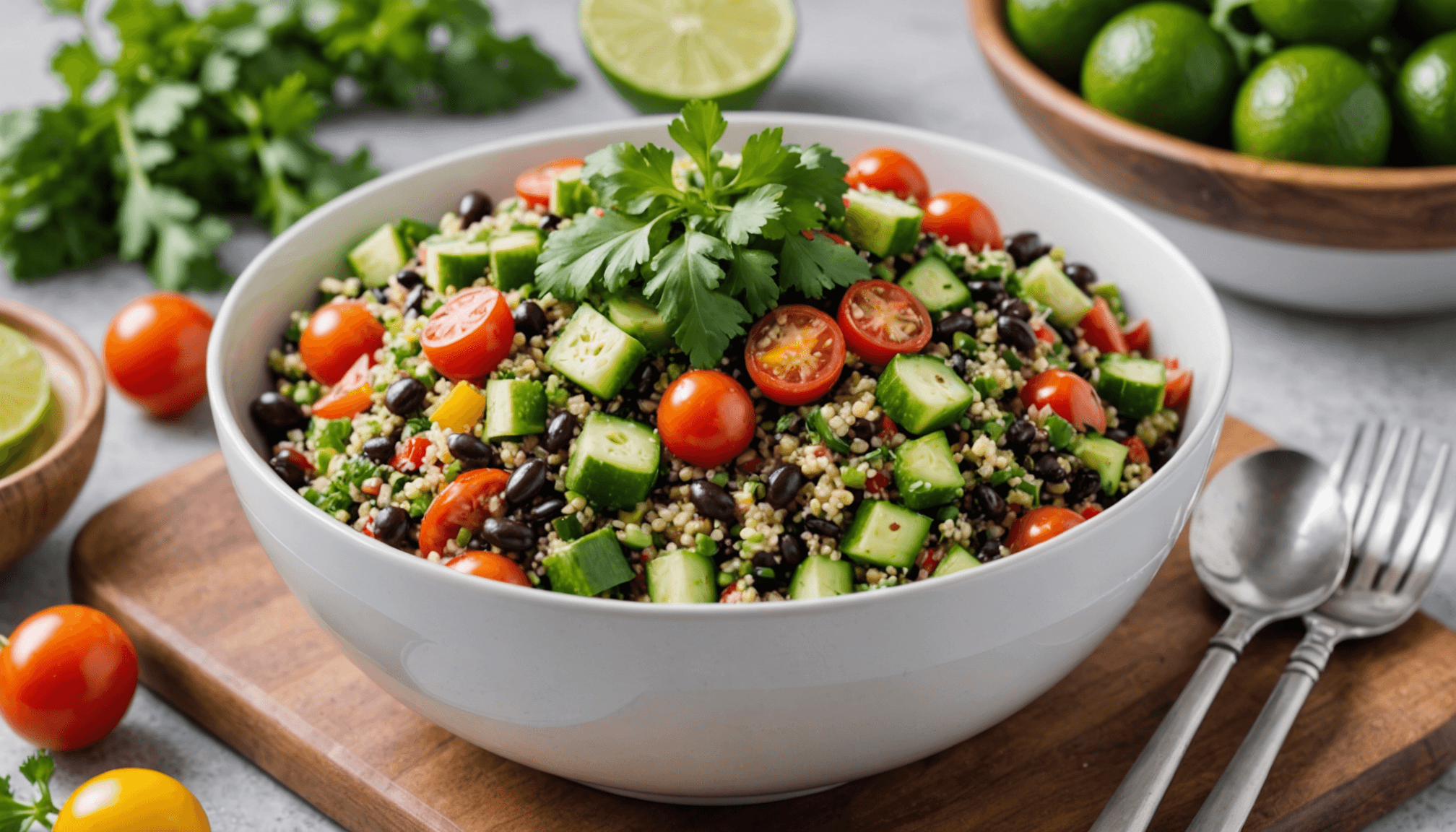
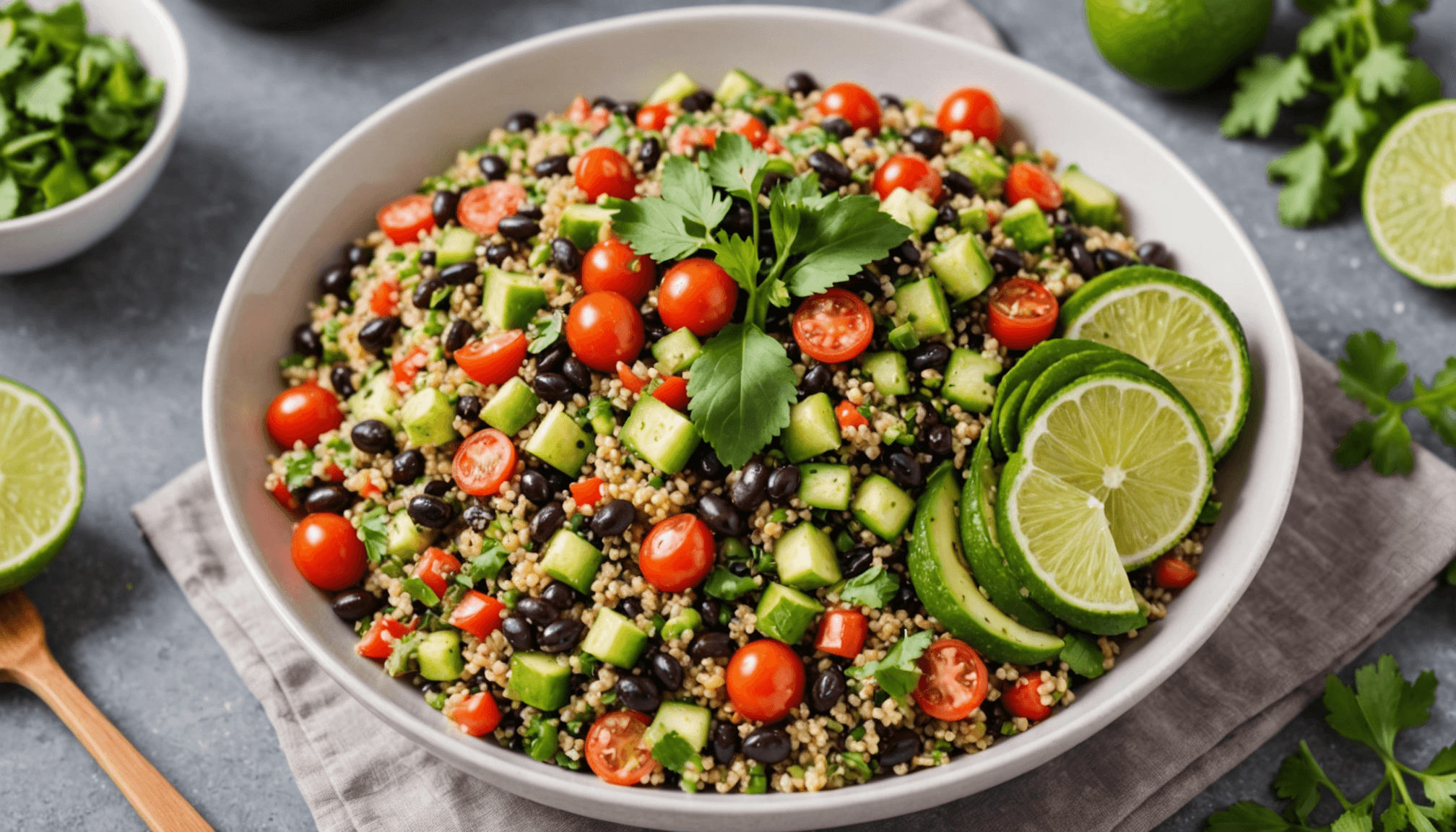
Next, let’s not forget about the quinoa salad. This one is a total game-changer because you can make it in bulk, and it’s delicious cold. Cook up a batch of quinoa (about 1 cup dry) and let it cool. In the meantime, chop up fresh veggies like cucumbers, cherry tomatoes, and red onion. Toss them into a large bowl with the quinoa. Add a can of rinsed black beans for protein and a squeeze of lime juice, plus a drizzle of olive oil. Season with salt, pepper, and fresh cilantro for that extra zing. This salad is perfect for lunch or as a side dish at dinner, and it keeps well in the fridge for several days.
If you’re in the mood for something cozy, you can’t go wrong with a vegetable soup. Just grab whatever vegetables are in your fridge—carrots, celery, zucchini—and chop them up. Sauté them in a large pot with some garlic and olive oil, then add vegetable broth and let it simmer. You can throw in some herbs like thyme or bay leaves for added flavor. For an even heartier option, toss in lentils or beans. This meal is not only low-calorie, but it’s also packed with fiber and makes for a great way to utilize the odds and ends of your produce.
Let’s spice things up with some zucchini noodles. They’re all the rage right now, and for a good reason! Use a spiralizer to create those beautiful zoodles, or simply slice your zucchini into thin strips. Lightly sauté them with garlic and a bit of olive oil—just a few minutes until they’re tender. Pair them with a homemade tomato sauce made from canned tomatoes, onions, and lots of Italian herbs. Add a sprinkle of nutritional yeast on top for a cheesy vibe without the calories. It’s a quick meal that feels indulgent but is totally on point for those low-calorie goals.
Lastly, let’s not skip breakfast! Meal prepping some overnight oats can be a lifesaver during busy mornings. Start with rolled oats and mix in your choice of milk or yogurt, a scoop of chia seeds, and some fruit—like berries or sliced bananas. Sweeten with a drizzle of honey or maple syrup, and let them sit in the fridge overnight. In the morning, you’ll have a tasty, ready-to-eat breakfast that’s satisfying and low-calorie.
With these easy low-calorie recipes, you’re all set to tackle your week with delicious meals that support your healthy meal prep journey and keep you on track with weight management. Remember, the key is to have fun and be creative in the kitchen—it makes all the difference when you’re preparing food for yourself and your loved ones!
Storage tips for meal prep
“The secret of success is to be ready when your opportunity comes.” – Benjamin Disraeli
When it comes to properly storing your healthy meal prep creations, there are several tips and techniques that can help maintain freshness, flavor, and quality throughout the week. Proper storage is crucial for ensuring your low-calorie meals remain safe to eat and enjoyable. Follow these steps to make the most of your meal prep storage:
- Cool Down Your Meals: Before storing your prepared meals in the fridge or freezer, allow them to cool to room temperature. This prevents condensation from forming inside the containers, which can lead to sogginess and spoilage. Aim to let them cool for about 30 minutes after cooking.
- Use Airtight Containers: Invest in high-quality airtight containers to help keep your meals fresh. Glass containers with secure lids or BPA-free plastic containers are excellent choices. Make sure the lids fit tightly to prevent air and moisture from entering.
- Label and Date Your Meals: Use stickers or a marker to label your containers with the date of preparation and the contents. This will help you keep track of what meals need to be eaten first and reduces the chances of food waste. Aim to consume your meals within 4-5 days if stored in the refrigerator.
- Store Items Separately: If your meal includes components that could affect each other’s texture or flavor—like sauces and proteins—try to store these separately. This way, your vegetables won’t become soggy, and your lean protein will retain its original texture. For instance, you might keep salad dressings in smaller containers to add just before serving.
- Utilize the Freezer Wisely: If you know you won’t eat certain meals within a few days, consider freezing them. Prepare meals that freeze well, like soups, stews, or casseroles, and portion them into single servings. Make sure to allow for some expansion, especially with liquids, by not overfilling your containers.
- Thaw Safely: When you’re ready to enjoy a frozen meal, make sure to thaw it safely. The best method is to transfer the container from the freezer to the fridge the night before you plan to eat it. If you need a quicker option, you can use the microwave’s defrost setting, but be cautious to not overcook the edges.
- Keep Track of Inventory: Maintain a list of what meals you have stored in your fridge and freezer. This inventory will help in meal planning for the week and ensure that you’re eating what you’ve prepared in a timely manner.
- Check for Freshness: Regularly inspect your stored meals for signs of spoilage. If you notice any unusual odors, colors, or textures, it’s better to err on the side of caution and dispose of the food.
- Reheat with Care: When you’re ready to enjoy your meal, reheat it thoroughly to at least 165°F (74°C). Use the microwave, stovetop, or oven, ensuring that the meal is heated evenly to eliminate any potential bacteria.
By following these storage tips, you can ensure your healthy meal prep remains safe, flavorful, and satisfying, enhancing your low-calorie meal options and supporting your weight management goals effectively.
Healthy snacking options
 Healthy snacking is an essential component of any low-calorie meal prep plan, providing you with the energy and nutrients needed to keep you satisfied throughout the day. Finding the right balance of flavors, textures, and nutritional value can transform ordinary snacks into healthy bites that not only curb hunger but also support your wellness goals.
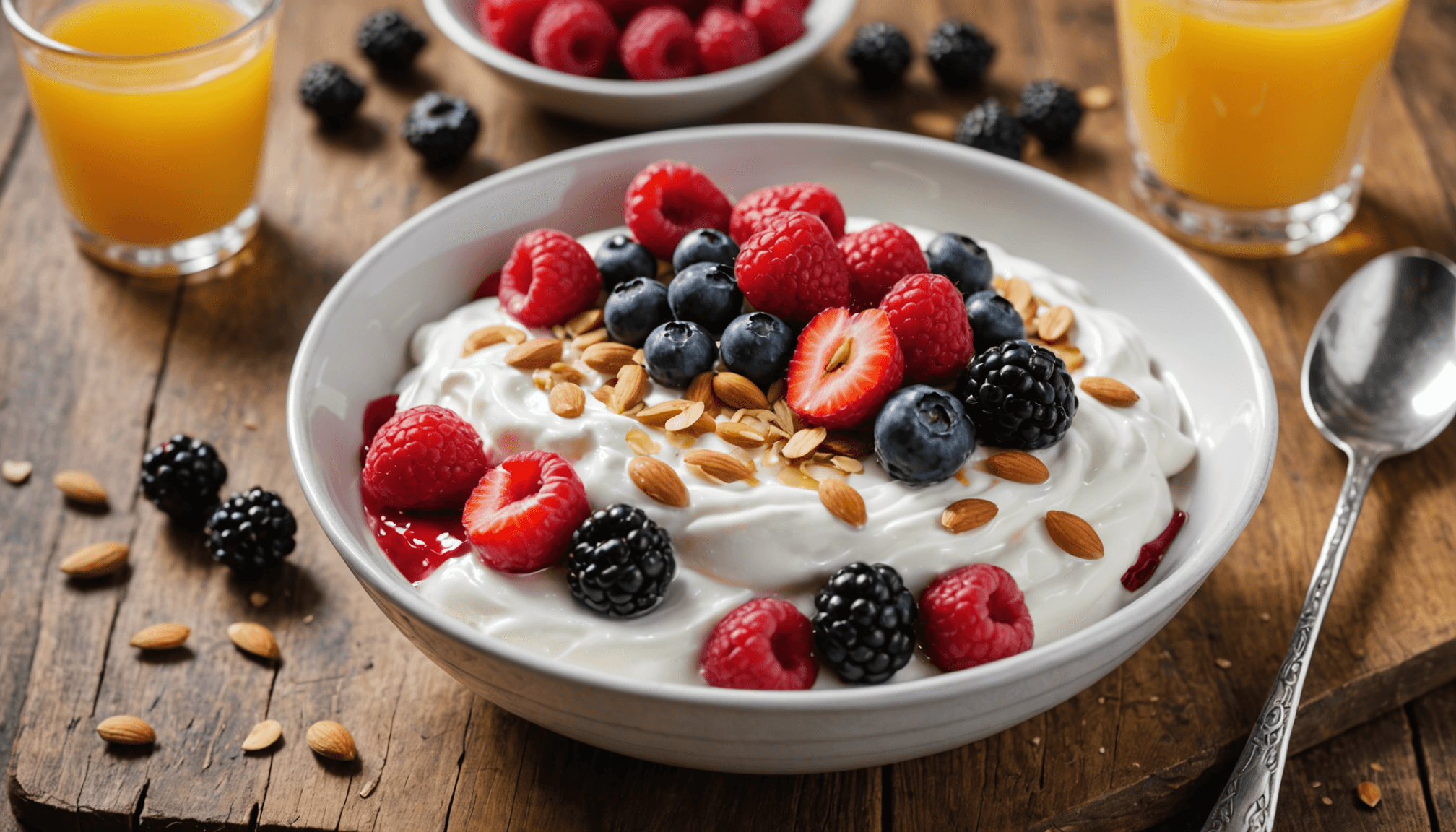
Start by considering a variety of options that are rich in whole foods. Fresh fruits, like apples, pears, and berries, make for delightful snacks packed with fiber and vital vitamins. Pair them with a protein source such as almond butter or Greek yogurt to create a balanced snack that will sustain you longer. The combination of fiber and protein will stabilize blood sugar levels, helping you avoid energy crashes and those mid-afternoon cravings for sugary treats.
Another fantastic option is to incorporate vegetables into your snacking routine. Crunchy options like carrot sticks, cucumber slices, and bell pepper strips are low in calories but high in vitamins and minerals. Dip them in hummus or guacamole for an added flavor boost. These dips provide healthy fats and protein, enhancing the overall nutritional value of your snack.
Grabbing some air-popped popcorn is also a great way to satisfy the need for crunch without going overboard on calories. Popcorn is a whole grain and can be enjoyed without added butter or excessive salt. Instead, try seasoning it with nutritional yeast, which gives it a cheesy flavor without the fat, and add some spices like paprika or cayenne for an extra kick.
Protein-packed snacks, like hard-boiled eggs or homemade energy balls made from oats, nut butter, and seeds, are also smart choices. These snacks are incredibly portable, making them perfect for on-the-go nourishment. They have the added benefit of keeping you full longer, thanks to the healthy fats and proteins.
By integrating these healthy snacking options into your meal prepping routine, you’ll not only keep hunger at bay but also maintain a positive relationship with food and support your weight management journey. Inspire yourself to explore new flavors and ingredients, and remember that snacking doesn’t have to be a guilty pleasure—it can be a celebration of wholesome foods that nourish and energize.
- 1. What makes a snack healthy?
- A healthy snack typically includes a balance of macronutrients: protein, healthy fats, and carbohydrates. Low-calorie options rich in fiber or protein can keep you satisfied and support weight management.
- 2. How can I meal prep my snacks?
- To meal prep snacks, prepare portions in advance and store them in containers for easy access. Use a variety of foods like fruits, veggies, and nuts to keep your snacks interesting and nutritious.
- 3. Are store-bought snacks healthy?
- Many store-bought snacks can be high in sugars, unhealthy fats, and preservatives. Always check nutrition labels and choose options with simple, whole ingredients whenever possible.
- 4. How often should I snack while following a low-calorie diet?
- It’s best to listen to your body’s hunger cues. Healthy snacks can be a great way to maintain energy levels throughout the day, particularly between meals, but should remain in moderation to stay within your calorie goals.
- 5. Can I snack if I’m trying to lose weight?
- Yes! Healthy snacking can actually support weight loss by preventing overeating during meals. Choosing low-calorie, nutrient-dense snacks can help you stay satisfied without exceeding your calorie limits.
- 6. What are some low-calorie snack ideas?
- Low-calorie snack ideas include fresh fruit with nut butter, raw veggies with hummus, air-popped popcorn with spices, or yogurt with some berries. Consider snacks that provide fiber and protein for maximum satiety.
- 7. How can I make my snacks more nutritious?
- Enhance your snacks by incorporating protein sources, such as nuts, seeds, or Greek yogurt, and adding a variety of colors to include different vitamins and minerals. Whole foods with minimal processing are usually the most nutritious.

Leave a Reply