
- Meal prep essentials for healthy eating
- Budget-friendly grocery shopping tips
- Smart meal planning techniques
- Creative recipes for meal prep
- Storing and reheating meals effectively
First off, let’s get real. To nail your healthy meal prep, you need a few key essentials in your kitchen arsenal. We’re talking about more than just the obligatory pots and pans – it’s time to stock up on tools that’ll make your life easier and your meals tastier.
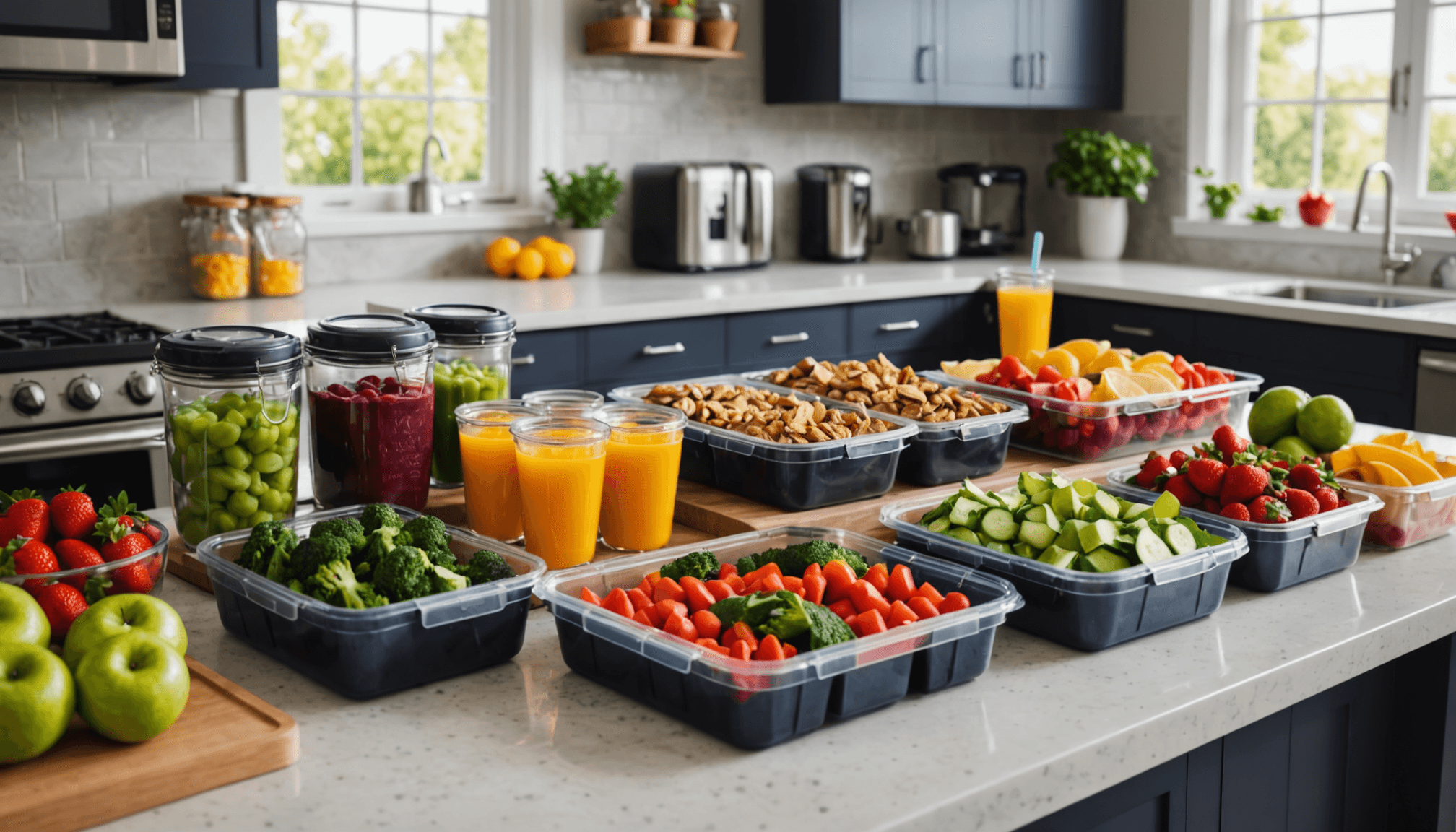
Start by grabbing some quality storage containers. You want ones that are airtight and stackable. Think glass or BPA-free plastic. Why? Because not only do they keep your meals fresh and vibrant, they also make a tidy fridge a reality. Nobody wants to dig through a chaotic sea of Tupperware, right? Label them up, too – it saves time and that “What on earth is in here?” dilemma when you reheating. Trust me, you’ll thank yourself later when you grab last week’s chili instead of discovering it’s a mystery soup.
Next up, let’s talk about your basic ingredient toolkit. Stock your pantry with staples that are versatile and nutritious. Canned or dried beans, whole grains like quinoa or brown rice, and frozen veggies are your best friends. They’re not just budget-friendly; they’re also a breeze to throw into any dish for a protein and fiber punch. If you’re prepping for the week, consider batch cooking grains. Cook a big pot of quinoa, let it cool, and store it for use in salads or bowls throughout the week. Adaptable and healthy – that’s how we roll!
Mise en place, folks! It’s a fancy French term for “everything in its place,” and it’s crucial for seamless cooking. Before you even think about turning on that stove, chop up all your veggies and have them ready to go. It makes the cooking experience smoother and cuts down on that overwhelming feeling when you’re staring at a mountain of ingredients. Plus, it’s another great opportunity for your kids to help out – they can feel like mini chefs and you get to enjoy quality time together. Win-win!
Kitchen gadgets can be a game changer too. A good chef’s knife is a must, as is a cutting board that gives you plenty of space to work with. Don’t forget a reliable slow cooker or Instant Pot. These gadgets can transform simple ingredients into beautiful, hearty meals while you go about your day. You pop in some chicken, a few spices, and let it do its thing while you finish up work or help the kids with homework. Easy peasy!
Finally, embrace the art of seasoning. A dash of herbs and spices can elevate a basic dish from drab to fab without breaking the bank. Stock your spice rack with a variety of herbs, chili powders, and seasoning mixes. They last a long time, and a sprinkle here and a pinch there can completely transform your meals. Be bold; let your taste buds run wild! You don’t want bland meals when healthy eating can be delicious too.
So, there you have it. Equip your kitchen with the essentials, be smart about your ingredients, and bring a bit of zing to your meals. This is how you ignite your journey into becoming a master meal prepper.
Budget-friendly grocery shopping tips
When embarking on your quest for healthy eating while being mindful of your wallet, grocery shopping requires strategic planning. The right approach can help you maximize your resources without sacrificing nutrition or flavor.
Focus on Seasonal Produce
Buying fruits and vegetables that are in season not only enhances the flavor of your meals but also reduces costs significantly. Seasonal produce is typically more abundant, leading to lower prices. For example, buying fresh tomatoes in the summer or squash in the fall ensures that you’re getting the best taste for your money. According to the USDA, produce that is in season can be up to 50% cheaper than out-of-season alternatives (USDA, 2022).
Make a List and Stick to It
Creating a detailed shopping list based on your meal prep plan is essential to avoid impulse buys that can derail your budget. Aim for meals focused on whole, minimally processed foods. This ensures you aren’t just filling your cart with expensive snacks or prepackaged meals. By sticking to your list, you can resist marketing temptations found in the aisles and keep your spending in check (Consumer Reports, 2023).
Utilize Coupons and Loyalty Programs
Taking advantage of store coupons, loyalty programs, and digital apps can result in substantial savings. Many grocery stores offer discounts for members or digital coupons that can cut your total bill. Websites like Coupons.com or your local grocery store’s app often have deals that are simple to redeem at checkout. This is a practical step for everyone aiming for a budget-friendly grocery shopping experience that aligns with healthy meal prep.
Buy in Bulk
Purchasing items like grains, legumes, and spices in bulk can lead to significant cost savings. Bulk bins often allow customers to buy only the amount they need, which minimizes waste. Items like brown rice, lentils, or nuts can be found at lower prices compared to pre-packaged versions. Furthermore, storing these staples at home allows for easy incorporation into meals throughout the week (Smith, 2021).
Sticking to Generic Brands
Don’t shy away from generic or store brands, as they are usually cheaper than name-brand products but often have similar quality. Many supermarkets have their own line of products that include everything from canned goods to frozen vegetables. By opting for these alternatives, you can save consistently without compromising on nutrition.
Be Mindful of Discounts
Many grocery stores often mark down perishable items that are nearing their sell-by date. If you’re flexible with your meal prep, consider making a meal out of these discounted items or freezing them for later use. Buying these products can substantially reduce your grocery bill while ensuring that you make use of healthy food options that might otherwise go to waste.
Plan for Leftovers
Designing your meals with leftovers in mind is an effective technique. When prepping meals, cook larger quantities intentionally to create extra servings that can be eaten later in the week. This not only saves time but reduces the need to purchase additional groceries since you have convenient meals ready to go.
Incorporating these budget tips into your grocery shopping can align seamlessly with your goal of healthy meal prep. With strategic planning and smart choices, indulging in delicious, nutritious meals doesn’t have to mean busting your budget.
References:
– USDA. (2022). Seasonal Produce Guide.
– Consumer Reports. (2023). Smart Shopping: How to Save Money While Grocery Shopping.
– Smith, J. (2021). The Benefits of Buying in Bulk: A Comprehensive Guide.
Smart meal planning techniques
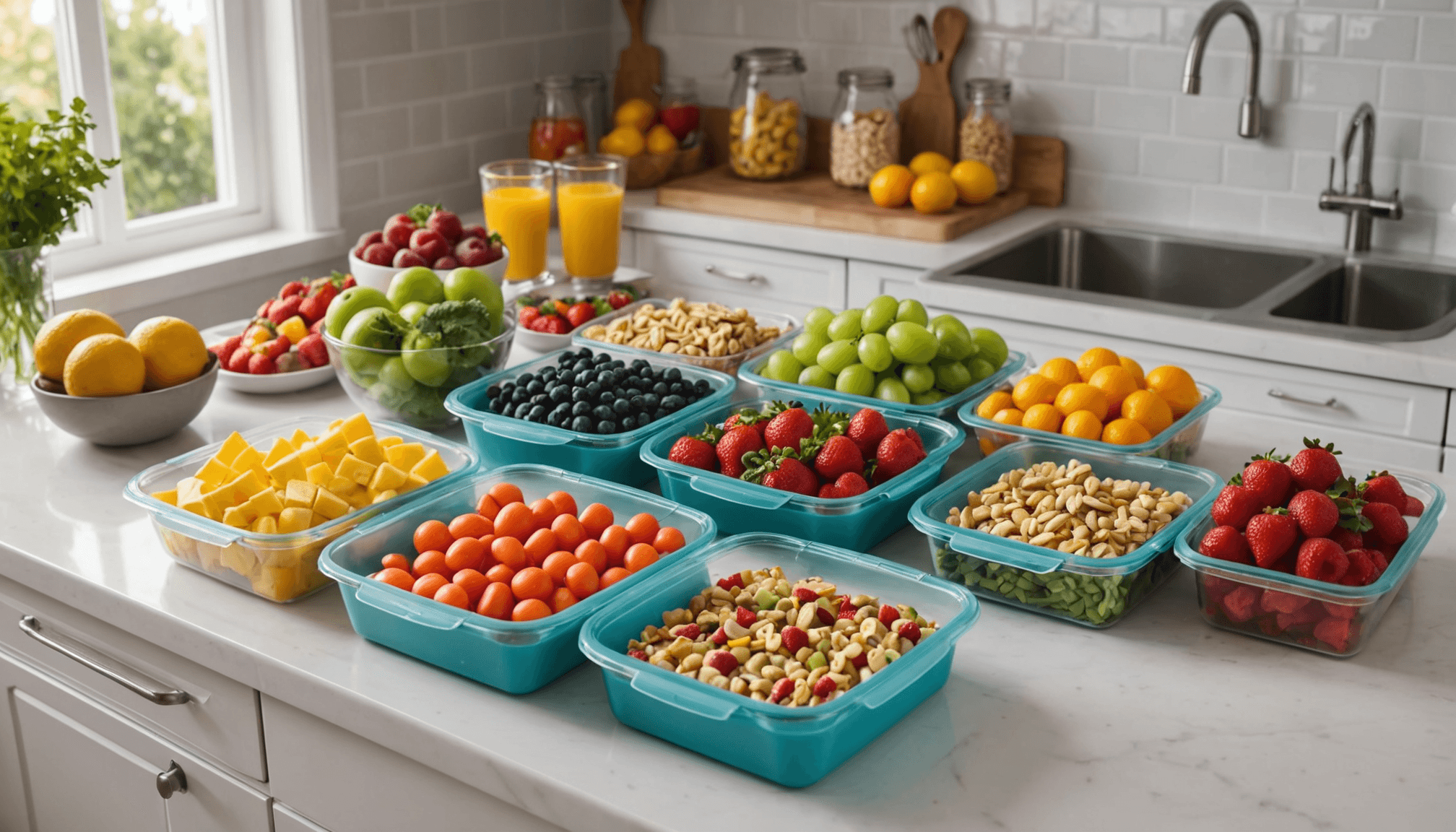
When it comes to coaching yourself through the week, strategizing your meal planning is a true game changer. It’s all about creating a blueprint that works for your schedule, your palate, and your health goals. Start by carving out some time each week – a Sunday afternoon works wonders – to sit down and look at your week ahead. What nights will be busy? Are there days when a quick meal is a must? This insight will guide your decisions on what to prep and how much you’ll need.
Next, consider building a rotating menu. This doesn’t mean you have to eat the same thing every week; rather, it’s about designing a framework where you have a mix of go-to meals that can be easily customized. For example, if you love tacos, one week you could prep black bean and corn tacos with avocado, and the next week switch it up with grilled chicken and fresh salsa. A solid rotation not only saves you time but also prevents the dreaded meal fatigue.
Batch cooking is another sensible technique. Instead of cooking each meal individually, pick a couple of recipes that complement each other and prepare them simultaneously. For instance, cook up a hearty vegetable soup and roast a tray of seasonal veggies. These sides can be mixed and matched throughout the week, giving you healthy variety without hassle. Plus, many recipes freeze beautifully, so you can store your creations for those days when you just don’t feel like cooking.
Dive into your recipe book or browse online to find meals that can be made with similar ingredients. This allows you to purchase fewer items while maximizing their use. For instance, if you buy a bulk pack of chicken, consider meals that incorporate it in different ways, like grilled chicken salads, stir-fries, or a comforting chicken soup. By being intentional about your ingredient choices, you’ll love your meals while sticking to your healthy eating goals.
Dont forget the importance of preparing snacks as well. Keeping healthy snacks on hand can curb those mid-afternoon cravings and help you avoid the temptation of unhealthy options. Think fruit, cut-up veggies with hummus, or homemade energy bites using oats, nut butter, and honey. Portion them out into grab-and-go bags so they’re easily accessible during your busy day.
Finally, set yourself up for success by employing a meal planning app. There are wonderful free tools available that can help you digitally organize your meals, grocery lists, and even track what you have in your pantry. Some even offer recipe suggestions based on what you already have at home, saving you time and money. This tech-savvy approach to meal planning makes healthy meal prep a breeze!
By embracing these smart strategies, not only will your meal prep be efficient and effective, but you’ll also find joy in the process. Knowing that you’re setting yourself up for success each week enhances the experience, making healthy eating a delightful and sustainable journey.
Creative recipes for meal prep
“Let food be thy medicine, and medicine be thy food.” – Hippocrates
Exploring creative recipes for meal prep can transform your approach to healthy eating while sticking to a budget. Here’s how to whip up delightful and nutritious meals that keep things exciting throughout the week:
- Embrace One-Pot Wonders: Maximize flavor and minimize dishes by preparing one-pot meals. They’re simple to make and can be customized based on what you have on hand.
- Choose a base: Start with a grain like quinoa, brown rice, or whole wheat pasta.
- Add protein: Incorporate chicken, fish, beans, or lentils for that essential boost.
- Toss in veggies: Use fresh, frozen, or leftover vegetables. Think bell peppers, spinach, or broccoli.
- Season well: Add spices and herbs like garlic, oregano, and pepper for a delicious kick.
- Cook: Combine everything in a large pot, cover, and let simmer until cooked through.
- Use Mason Jars for Salads: Salads can stay fresh all week when stored correctly. Layering ingredients in mason jars allows you to prep ahead with flair.
- Start with a dressing at the bottom to keep greens from wilting.
- Add hearty veggies like cucumbers and carrots next.
- Follow up with a protein source, such as grilled chicken or chickpeas.
- Top with grains or noodles, then add leafy greens last.
- Seal tightly, and shake before serving for a fresh meal on-the-go.
- Master Freezable Meals: Learn to prepare meals that freeze well for those busy weeks when time is short. Consider these options:
- Soups and stews: They often taste better after the flavors meld in the freezer.
- Casseroles: Create healthy versions using whole grains and plenty of vegetables.
- Chili: A filling and nutritious dish that can be packed with beans and veggies.
- Pasta bakes: Use whole grain pasta, lean meats, and plenty of vegetables.
- Experiment with Wraps and Bowls: Versatile and easy to customize, wraps and bowls can be made with various ingredients based on your preferences.
- Select a wrap: Whole-grain tortillas or lettuce leaves work well.
- Layer with proteins and toppings: Try turkey slices, tofu, avocados, and roasted veggies.
- Add sauces or spreads: Hummus, tzatziki, or salsa can elevate flavors.
- For bowls, use a mixture of grains, proteins, and dressing for a complete meal.
- Sweet Treats with Nutrition: Don’t forget where to sneak in healthy options! Healthy snacks like energy balls or baked oatmeal bites are perfect meal prep additions.
- Combine rolled oats, nut butter, honey, and mix-ins like dark chocolate chips or nuts.
- Form into balls and refrigerate for easy grab-and-go snacks.
- For baked oatmeal, combine oats, almond milk, fruit, and a touch of sweetener, bake until set.
These creative and versatile recipes not only make healthy meal prep a joy, but also help you save money by maximizing the use of ingredients. By thinking outside the box, you can look forward to delicious and nutritious meals every day of the week.
Storing and reheating meals effectively
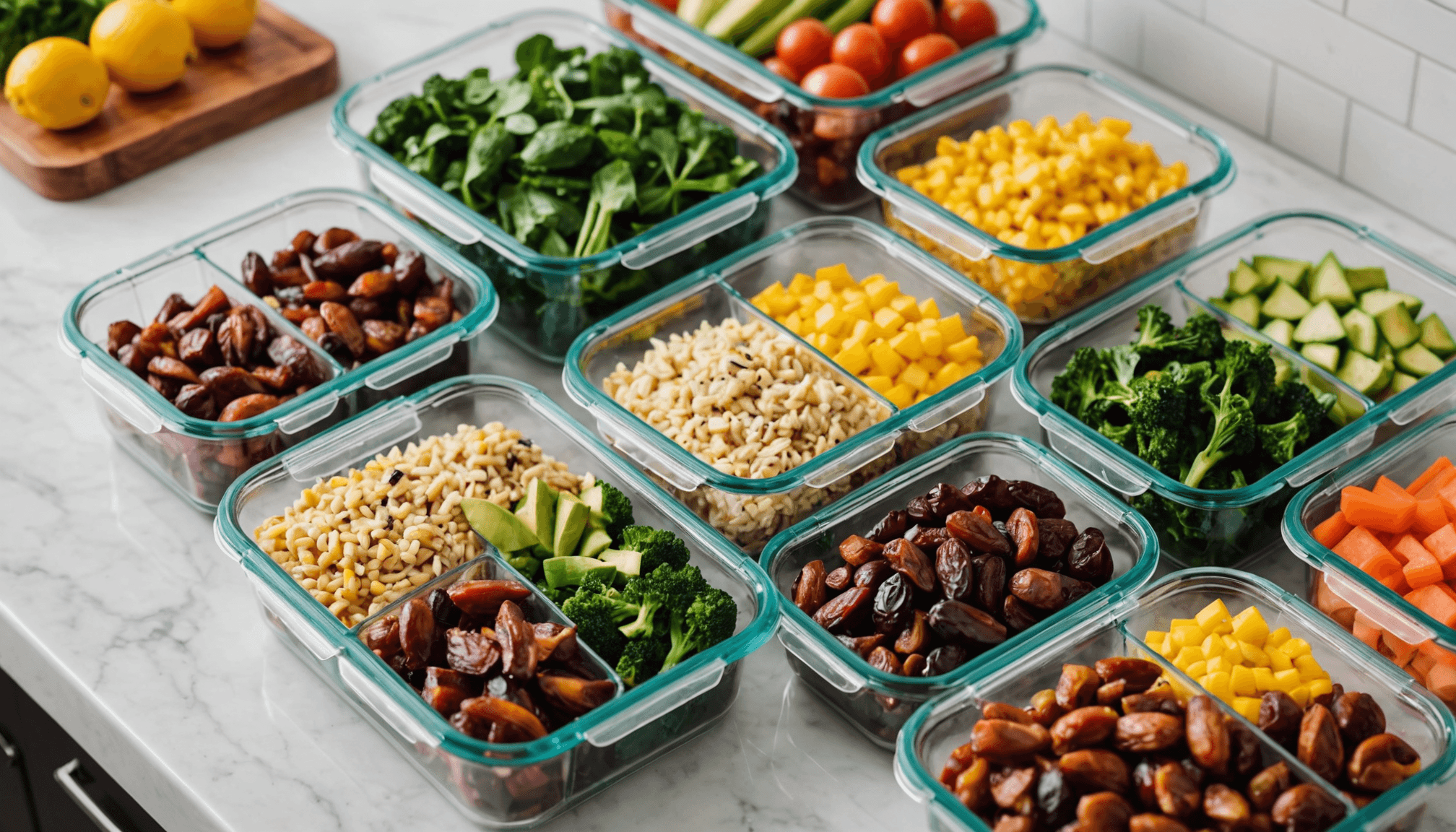
Storing your meals properly is just as important as preparing them in a healthy manner. The right techniques can extend the shelf life of your dishes and maintain their flavors and nutrients. First and foremost, invest in high-quality airtight containers. Glass containers are not only environmentally friendly but also don’t have the chemical leaching issues associated with some plastics. A variety of sizes will allow you to store different portions, whether it’s a single serving of soup or a large salad to be enjoyed over several days.
When you’ve cooked your healthy meal prep, allow the food to cool down at room temperature for around 30 minutes before sealing it in the fridge. This helps prevent condensation, which can lead to a soggy texture. Additionally, label your containers with the date and contents to easily identify what you’ve prepared. This simple practice will also help minimize food waste, as you’ll know exactly when each dish was made.
For optimal freshness, consider the best storage practices for different types of meals. For instance, cooked grains can be stored in the fridge for about four to six days, while most vegetables maintain their best quality for around three to five days. If you find you won’t use certain items in time, freezing is a great option. Most soups, stews, and cooked proteins freeze well; just ensure they cool completely before transfer to freezer-friendly containers to avoid ice crystals which can affect texture.
Reheating is another crucial aspect. To retain the moisture and flavors of your meals, use the stovetop or a microwave with a damp paper towel over the dish. This will help steam the food, keeping it tender and delicious instead of dry. Consider breaking large portions into smaller servings when reheating; this not only helps with even heating but also allows you to enjoy fresh meals throughout the week.
By understanding and utilizing proper storing and reheating techniques, you can ensure that your healthy meals stay delicious and nutritious, empowering you to stick to your meal prep goals. The journey of healthy eating can be greatly enhanced with a proactive approach to meal storage, fostering creativity and ensuring you enjoy every bite.
- What containers are best for meal prep storage?
- Opt for airtight glass or BPA-free plastic containers. Glass is environmentally friendly and doesn’t leach chemicals, making it ideal for meal prep.
- How long can I store cooked meals in the fridge?
- Most cooked meals can be stored in the fridge for about four to six days. Always check for any signs of spoilage before consuming.
- Can I freeze my meal prep dishes?
- Yes, many dishes like soups, stews, and proteins freeze well. Just ensure they are cooled completely before transferring them to freezer-friendly containers.
- How can I prevent food from getting soggy while stored?
- Allow your meals to cool down before sealing the containers and use airtight storage to minimize moisture build-up.
- What is the best way to reheat meal prep dishes?
- The stovetop or microwave is ideal for reheating. Cover with a damp paper towel to retain moisture and prevent drying out.
- How can I minimize food waste from my meal prep?
- Label containers with dates and contents to track freshness. If dishes won’t be consumed in time, consider freezing them for future use.
- Is it safe to eat leftovers that have been in the fridge for a week?
- It’s best to consume leftovers within four to six days for optimal freshness and safety. Always use your senses to gauge if food is still good to eat.

Leave a Reply