
- Healthy pantry staples for meal prep
- Quick and easy recipes
- Flexible meal prepping strategies
- Nutritional benefits of pantry ingredients
- Storing and organizing your pantry essentials
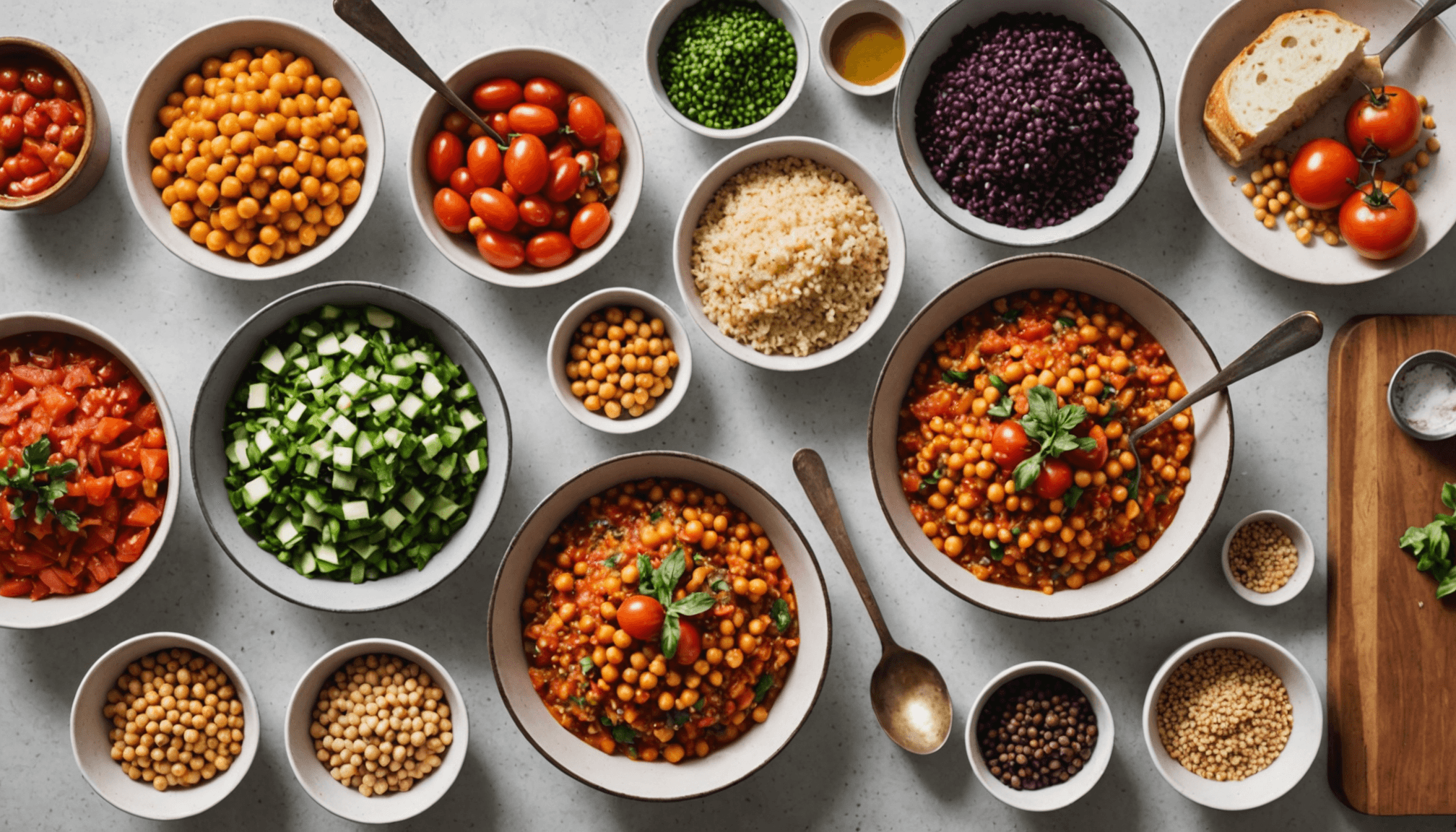
When you’re diving into healthy meal prep, you need to stock up on some trusty pantry staples. These aren’t just random ingredients; they’re your culinary best friends that make whipping up tasty and nutritious meals a total breeze. Let’s chat about some essentials that should definitely make their way into your kitchen cabinets!
- Canned Beans – So versatile, these little powerhouses are packed with protein and fiber. Toss them into salads, soups, or even mash them for a quick dip.
- Whole Grains – Think quinoa, brown rice, and whole wheat pasta. They are not only filling but also provide sustained energy. Just a cup of cooked quinoa can transform your meal from basic to brilliant.
- Canned Tomatoes – Perfect for those moments you need a quick sauce or a base for soups and stews. They add depth to any dish without much effort, trust me!
- Nut Butters – Smooth or crunchy, they’re great for spreading on whole-grain toast or adding to smoothies. Just a spoonful can boost the flavor and nutrition of your breakfast.
- Dried Herbs and Spices – Don’t underestimate how these can elevate your meals. A sprinkle of oregano, thyme, or chili flakes can take a simple dish to the next level. Your taste buds will thank you!
- Frozen Vegetables – Yes, frozen! They’re just as nutritious as fresh, and they last much longer. You can easily toss them into stir-fries or soups, making it a no-brainer for a healthy meal prep.
- Oils and Vinegars – Olive oil for cooking, balsamic vinegar for dressings – having a few options means you can whip up flavors in no time. They’re key players in making your meals satisfying and delish!
By filling your pantry with these essentials, you set yourself up for easy recipes that are not only quick to prepare but also healthy. And let’s be real, having these basics on hand can save you from those “what’s for dinner?” panic moments.
Quick and easy recipes
Whether you’re pressed for time on a busy weekday or simply looking to create a satisfying meal with minimal effort, quick and easy recipes are a game-changer that brings your healthy meal prep dreams to life. Here, we share some delicious options that harness the power of pantry staples, ensuring that you can whip up meals in no time—no gourmet skills required!
One of the simplest recipes to consider is a Chickpea Salad. All you need are canned chickpeas, diced tomatoes, cucumbers, and a drizzle of olive oil and vinegar. Toss with some dried herbs for added flavor. Chickpeas provide a hefty dose of protein and fiber, making this salad a filling option that can be prepared in under 10 minutes. A study published in the American Journal of Clinical Nutrition found that legumes like chickpeas can significantly improve satiety and help with weight management, making this dish a nutritious choice.
Another quick option is a Quinoa and Black Bean Bowl. Start by cooking a cup of quinoa (which you can prep in advance) and then mix in canned black beans, thawed frozen corn, and salsas—a great way to bring together various textures and flavors. This meal not only hits the mark on taste but also offers a balanced profile of protein, carbohydrates, and healthy fats.
For those seeking a warm meal, consider a Tomato and Spinach Pasta. Cook whole wheat pasta according to package instructions, and in the last few minutes, add in frozen spinach. Drain and mix with your canned tomatoes and a splash of olive oil. Sprinkle with dried basil for a dish that’s rich in antioxidants and easy on your wallet. Whole grains and tomatoes are also linked to various health benefits, including heart health as noted in recent dietary research.
If you’re in the mood for something creamy yet healthy, try a Peanut Butter Banana Smoothie. Blend together a ripe banana, a tablespoon of nut butter, and a cup of your choice of milk. This breakfast or snack option is not only quick but also energizing, making it a perfect addition to your meal prep rotation. Research indicates that smoothies can be a fantastic way to increase fruit and nut consumption, fitting seamlessly into a healthy meal prep routine.
Utilizing these easy recipes that rely on your pantry staples makes meal prep not just simple, but also enjoyable. To further streamline your cooking process this week, why not get started on your meal prep journey?
With these ideas in hand, you’ll never find yourself scrambling for healthy options again. Keep an eye on portion sizes and the balance of ingredients to ensure that your quick meal creations are as nutritious as they are delicious!
Download Easy Meal Prep Recipes!
Flexible meal prepping strategies
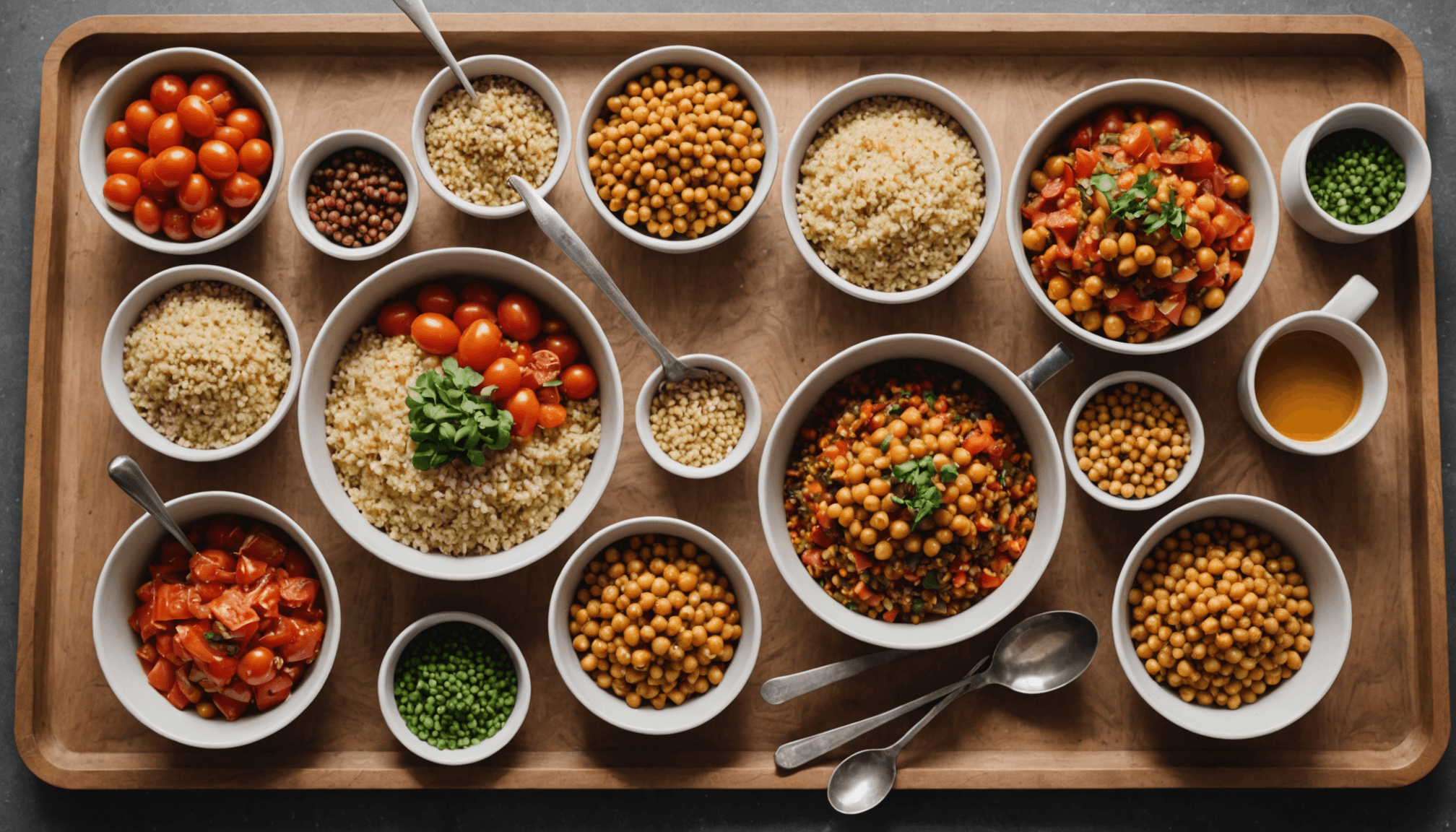
So, you’ve got your pantry stocked, and a few quick recipes up your sleeve. Now, let’s talk about how to flexibly work this all into your busy life. Meal prepping doesn’t have to be this rigid, overwhelming task. Instead, think of it as a fluid way to get healthy meals on the table with minimal fuss. The key is to embrace a few adaptable strategies that fit right into your lifestyle!
First off, consider batch cooking. This is where you cook larger portions of your pantry staples and then repurpose them throughout the week. For example, if you cook a big batch of quinoa or brown rice, you can use it in different meals like stir-fries, salads, or even as a base for a hearty soup. The beauty of this is that you’re saving time while making sure you have healthy, delicious meals ready to go. Just imagine—one cooking session and you have meals lined up for days!
Another nifty trick is to embrace a theme for your meal prep. Say, for instance, you dedicate a day to Italian meals. Cook a big pot of your favorite pasta, some sauce with canned tomatoes, and a side of roasted veggies (your frozen veggies will come in handy here!). This kind of thematic prepping makes grocery shopping easier too, as you can think of the meals you plan to make and buy your ingredients accordingly.
On busy weeks, don’t shy away from using convenience products. Pre-chopped vegetables, canned legumes, and pre-cooked grains can save you precious time. Just be sure to check labels for added sugars or preservatives. They can be an absolute lifesaver when you’re running against the clock. For instance, toss some pre-cooked lentils into a quick stir-fry with your frozen veggies, and boom—dinner is served in minutes!
And here’s a fun one—plan your meals around what you already have. Check your pantry staples and think of creative combinations. Maybe you’ve got a can of chickpeas, some forgotten pasta, and a jar of pesto. Why not whip up a quick chickpea pasta with pesto? This way, you’re utilizing what’s in stock and minimizing waste. It keeps your meals fresh and exciting while also being budget-friendly!
Finally, don’t forget about the power of leftovers. If you make a yummy meal, double the recipe! This way, not only do you have meals ready for later in the week, but it also cuts down on cooking time. Plus, many dishes taste even better the next day after the flavors have had time to meld together—hello, next-day chili! Just pack those leftovers in suitable containers at the end of your meal prep to make them grab-and-go ready.
By mixing in these flexible strategies into your meal prep routine, you’ll not only simplify your cooking process but also maintain variety and nutrition in your meals. The secret is to keep experimenting and adjusting based on what works for you, your schedule, and your family’s tastes. Remember, healthy meal prep is all about adaptability and making your cooking life a whole lot easier!
Nutritional benefits of pantry ingredients
The use of pantry ingredients in your meal prep can greatly enhance not only the flavor but also the nutritional value of your meals. These essentials are often rich in vitamins, minerals, protein, and fiber, providing a solid foundation for a healthy diet. Here are some key nutritional benefits of commonly used pantry staples:
- Canned Beans: These legumes are a powerhouse of nutrition. Rich in protein and fiber, they help improve digestion and promote satiety. They can also support heart health by lowering cholesterol levels. A half-cup serving of beans can contain up to 7 grams of protein and 6 grams of fiber.
- Whole Grains: Whole grains like quinoa, brown rice, and whole wheat pasta are not only filling but also loaded with essential nutrients such as B vitamins, iron, magnesium, and fiber. These nutrients play a crucial role in energy production, immune function, and maintaining healthy blood sugar levels. Incorporating whole grains can help in reducing the risk of chronic diseases like heart disease and diabetes.
- Canned Tomatoes: They are rich in antioxidants, especially lycopene, which has been linked to a reduced risk of certain types of cancer and heart disease. Canned tomatoes can also be a good source of vitamin C and potassium, supporting the immune system and maintaining healthy blood pressure.
- Nut Butters: Almond, peanut, or cashew butter provides healthy fats, protein, and a variety of vitamins and minerals. For instance, they are high in magnesium, which is crucial for muscle and nerve function and energy production. Just a spoonful can also help stabilize blood sugar levels, making them an excellent addition to meals.
- Dried Herbs and Spices: Spices like turmeric and cinnamon pack powerful antioxidants and anti-inflammatory properties. Regularly incorporating a variety of herbs and spices can enhance the nutrient profile of meals without added calories. For example, oregano is known to have antibacterial properties and may support digestive health.
- Frozen Vegetables: They retain their nutritional value because they are typically frozen shortly after harvest. Frozen vegetables are an excellent way to ensure you’re getting your daily servings of fruits and vegetables, rich in vitamins A and C, fiber, and other nutrients. They can easily be added to meals, offering a convenient way to boost your nutrient intake.
- Oils and Vinegars: Healthy fats from oils like olive oil can help improve blood cholesterol levels. They also enhance the absorption of fat-soluble vitamins (A, D, E, and K) from your meals. Balsamic vinegar, on the other hand, can aid digestion and may also help regulate blood sugar levels.
“Eating foods from your pantry and refrigerator can lead to a significant increase in overall nutrient intake, creating a well-balanced diet.”
Incorporating these pantry staples into your meal prep not only bolsters the health content of your meals but also adds variety and flavor, making it easier to stick to your healthy eating goals. By understanding the nutritional benefits of these ingredients, you can maximize your meal prepping efficiency and health.
Storing and organizing your pantry essentials
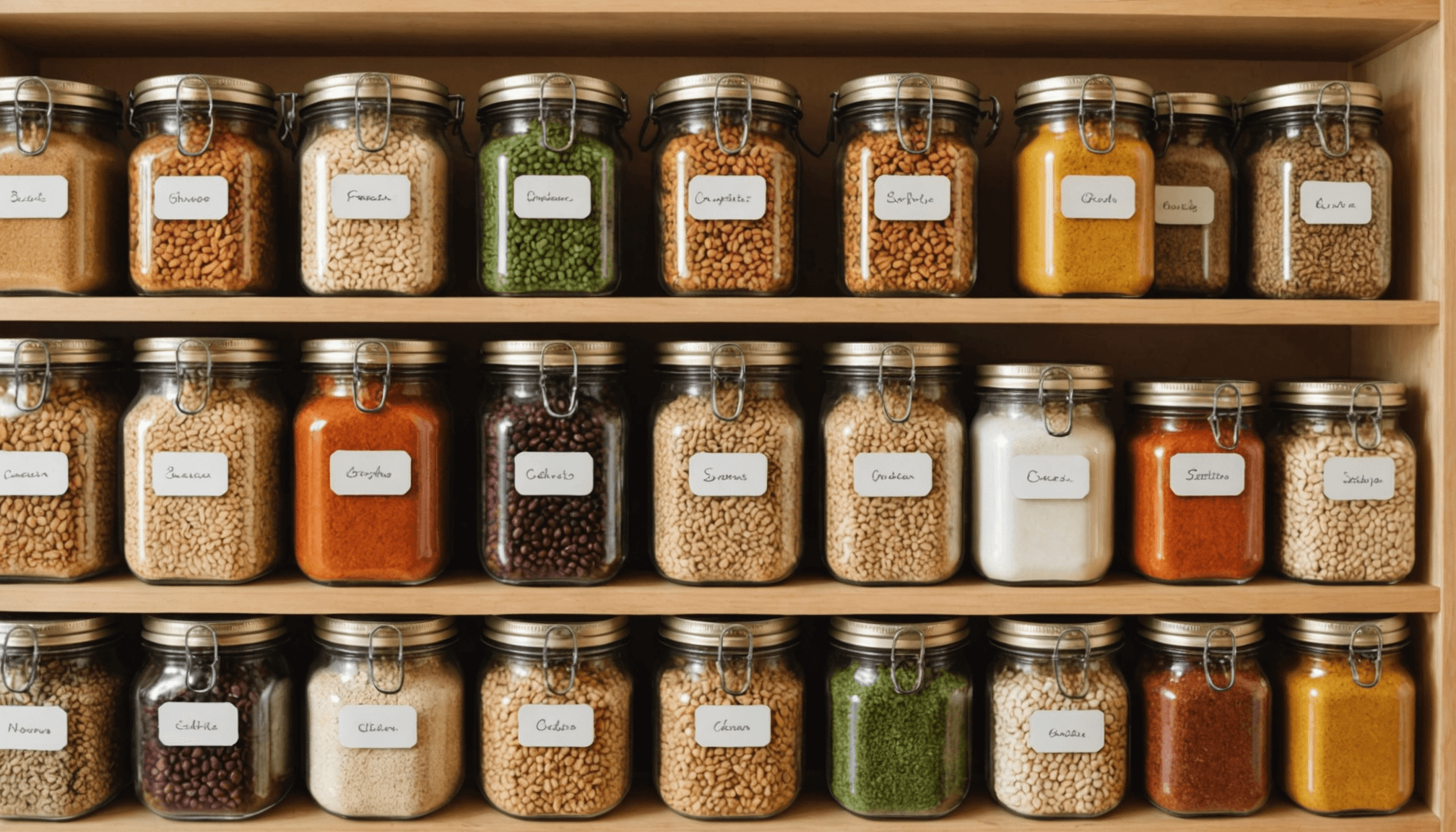 Organizing your pantry is more than just a task; it’s a transformative step towards making healthy meal prep feel effortless and exciting. Start by categorizing your pantry staples into clearly labeled sections—dry goods, canned items, snacks, and cooking oils are typical categories that help you quickly find what you need. This way, you won’t waste precious time digging through a chaotic stack when you’re trying to whip up an easy recipe after a long day.
Consider utilizing clear containers for bulk items like grains, beans, and spices. Not only do they keep your ingredients fresh, but they also make it easy to see what you have on hand, minimizing waste. Opt for airtight containers to preserve freshness, and label them clearly to ensure you can quickly locate ingredients. A well-organized pantry can inspire creativity; when you can see your ingredients clearly, you’re more likely to experiment with exciting flavors instead of falling back on the same old meals.
Rotate your supplies regularly to keep track of expiration dates. Place newer items behind older ones to encourage using what’s been sitting on your shelf, preventing them from going to waste. Implement a ‘first in, first out’ system—something as simple as this can make a world of difference in your meal prep routine.
Don’t overlook the power of vertical space! Use shelving, bins, or tiered racks to optimize your storage. You can stack items like canned goods neatly or use risers to keep smaller jars visible and accessible. Let’s not forget grab-and-go baskets for items you use frequently, such as nuts, seeds, or snacks. Having these handy helps with consistency in making healthy choices.
Lastly, embracing an organized pantry nurtures not only your cooking process but also your mindset. It fosters a sense of calm in the kitchen and encourages you to embrace healthy meal prep as a creative, enjoyable experience rather than a chore. So, take a moment to think about your own pantry; how can you refine it to empower your meal prep journey?
- What are pantry staples for meal prep?
- Pantry staples include canned beans, whole grains, canned tomatoes, and various dried herbs and spices. These ingredients serve as the foundation for quick and healthy meals, allowing you to whip up nutritious dishes with ease.
- How do I organize my pantry for meal prep?
- Organize your pantry by categorizing items into sections such as grains, canned goods, snacks, and oils. Use clear containers for easy visibility and label everything to minimize time spent searching for ingredients.
- Can I use frozen vegetables in meal prep?
- Absolutely! Frozen vegetables are just as nutritious as fresh ones and offer convenience, making them a perfect addition to quick meals. They can easily be incorporated into stir-fries, soups, and casseroles.
- What are some easy recipes I can make with pantry staples?
- Some easy recipes include chickpea salad, quinoa and black bean bowls, and tomato and spinach pasta. These meals can be prepared quickly using staples like canned legumes and frozen veggies.
- How can I prevent food waste when meal prepping?
- To prevent waste, regularly check your pantry and plan meals around items that are nearing their expiration dates. Implementing a ‘first in, first out’ strategy can help ensure older items are used before they go bad.
- What is the benefit of meal prepping?
- Meal prepping can save you time during weeknights, promote healthier eating habits, and reduce food waste. By preparing meals ahead of time, you’re also more likely to stick to nutritious options instead of junk food.
- Can meal prep help with weight management?
- Yes, meal prep can aid in weight management by promoting portion control and preventing the consumption of unfocused, calorie-dense foods. By planning healthy meals, you’ll have nutritious options readily available, making it easier to stay on track.

Leave a Reply