
- Planning Your Meals Effectively
- Essential Tools and Equipment
- Choosing Nutritious Ingredients
- Meal Prep Techniques and Tips
- Storing and Reheating Your Meals
Getting your meal prep game on point starts with a solid plan. You’re busy—whether you’re juggling work, college, or running around after kids—and the last thing you want is to stare blankly into your fridge wondering what to whip up for dinner. So, let’s dive into some practical strategies that will really make your life easier and help you stay on track with your healthy meal prep.
First off, set aside a little time each week to plan. Grab a pen and paper (or your favorite app) and jot down what you feel like eating the next week. It doesn’t have to be extravagant; just think about the meals you really enjoy and what fits into your busy schedule. Consider your upcoming activities too—like if you have a late night at work or soccer practice with the kids. If you anticipate those busy evenings, plan for something easy to grab or heat up, like a hearty stew or some grain bowls packed with your go-tos.
Next up, let’s talk variety. Aim to mix things up to keep your meals exciting. Think about different proteins like chicken, fish, beans, or tofu, and pair them with various grains and vegetables. Maybe a quinoa and black bean salad one night, and then a stir-fry with shrimp and broccoli the next. By changing the flavor profiles, you’ll never feel like you’re eating the same boring stuff every day.
Write down your meals in a way that’s clear and organized. A simple chart can work wonders—list the days of the week down one side, and put your meals next to them. This also helps when it’s time to hit the grocery store. You’ll have a shopping list ready based on your menu for the week, allowing you to stock up on nutritious ingredients without wandering aimlessly through the aisles. Plus, this method reduces food waste because you’ll be buying exactly what you need.
And let’s not forget about those snacks! Don’t overlook planning for quick, healthy snacks between meals. Whether it’s cut veggies with hummus, Greek yogurt with berries, or a handful of nuts, having these on hand can curb cravings and keep you from reaching for processed options. Toss a couple of these into bags for easy grab-and-go access.
Lastly, be flexible! Life happens, and maybe you won’t follow your meal plan perfectly. If that’s the case, don’t stress! Just make adjustments as needed. If you have leftovers from last night’s dinner, that can easily count for lunch the next day. Being adaptable makes meal prepping less of a chore and more of an enjoyable routine.
Essential Tools and Equipment
When it comes to meal prep, having the right tools and equipment can streamline your cooking process and make the experience much more enjoyable. Investing in quality tools not only saves time but also ensures that you can execute your healthy meal prep efficiently. Here’s a list of essential items you should consider adding to your meal prep arsenal:
1. Cutting Boards: A good set of cutting boards, preferably color-coded, can help prevent cross-contamination. Use different boards for fruits, vegetables, and proteins to maintain hygiene.
2. Chef’s Knife: A sharp, versatile chef’s knife is crucial for chopping vegetables, slicing meat, and preparing all types of ingredients. Studies show that efficient cutting can reduce meal prep time by up to 30%.
3. Measuring Cups and Spoons: Precision in ingredient quantity is key in cooking and baking. Having a set of measuring cups and spoons will help you stick to your meal prep guide and follow nutrition tips accurately.
4. Prep Containers: Invest in high-quality, BPA-free meal containers with airtight lids. Glass containers are often preferred due to their durability and safety for microwaving. Standard sizes are ideal for portion control and easy stacking in the fridge.
5. Food Scale: For those serious about their nutrition, a food scale can be a game-changer. By weighing ingredients, you can ensure you’re getting the right serving sizes, which can be particularly beneficial for weight management.
6. Blender or Food Processor: These appliances are indispensable for making smoothies, soups, and sauces. A recent survey revealed that areas with easy access to blended foods report higher consumption of fruits and vegetables.
7. Slow Cooker or Instant Pot: These devices can significantly reduce cooking time and are great for hands-off meal prep. They allow you to prepare large batches of dishes like stews, beans, or grains, which can be used throughout the week.
8. Baking Sheets and Pans: If you enjoy roasting vegetables or cooking grain bowls, good quality baking sheets and pans are a must-have. Non-stick options can help speed up clean-up time.
9. Labels and Markers: Keeping track of what you’ve prepped and when it was made is crucial for food safety. Labels make it easy to remember what’s in each container and when it needs to be consumed.
10. Spices and Herbs: A well-stocked spice rack allows you to add flavor without extra calories. Fresh herbs can elevate meals and help make healthy choices more appetizing without added sugars or fats.
Incorporating these tools into your kitchen can transform your healthy meal prep routine. According to a study published in the Journal of Nutrition Education and Behavior, individuals who engage in meal prep report a higher index of nutritional quality in their diets. With the right equipment, you can embrace a prep routine that not only saves time but also enhances the quality of your meals.
Choosing Nutritious Ingredients
When it comes to creating nourishing meals, the ingredients you choose can make all the difference. Opting for whole, unprocessed foods not only boosts the flavor of your dishes but also enhances their nutrient profile. It can sometimes feel overwhelming with so many options out there, but don’t worry; it’s all about keeping it simple and delicious!
Start by focusing on your protein sources. Incorporating lean proteins like chicken breast, turkey, tofu, or legumes, such as lentils and chickpeas, can be a fantastic way to build meals that keep you full and energized. For example, a simple roasted chicken with broccoli and sweet potatoes makes for a balanced plate packed with vitamins and fiber.
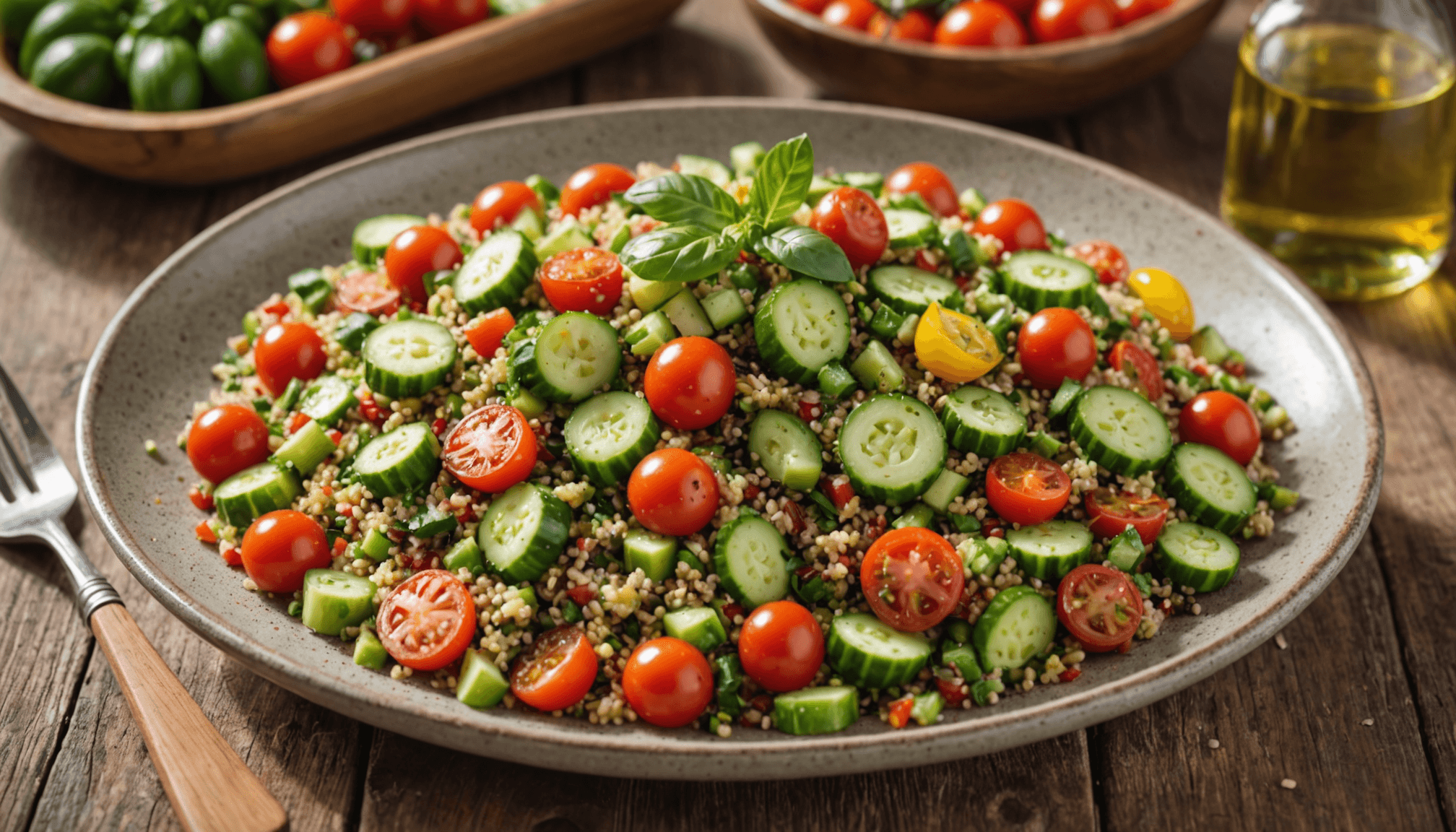
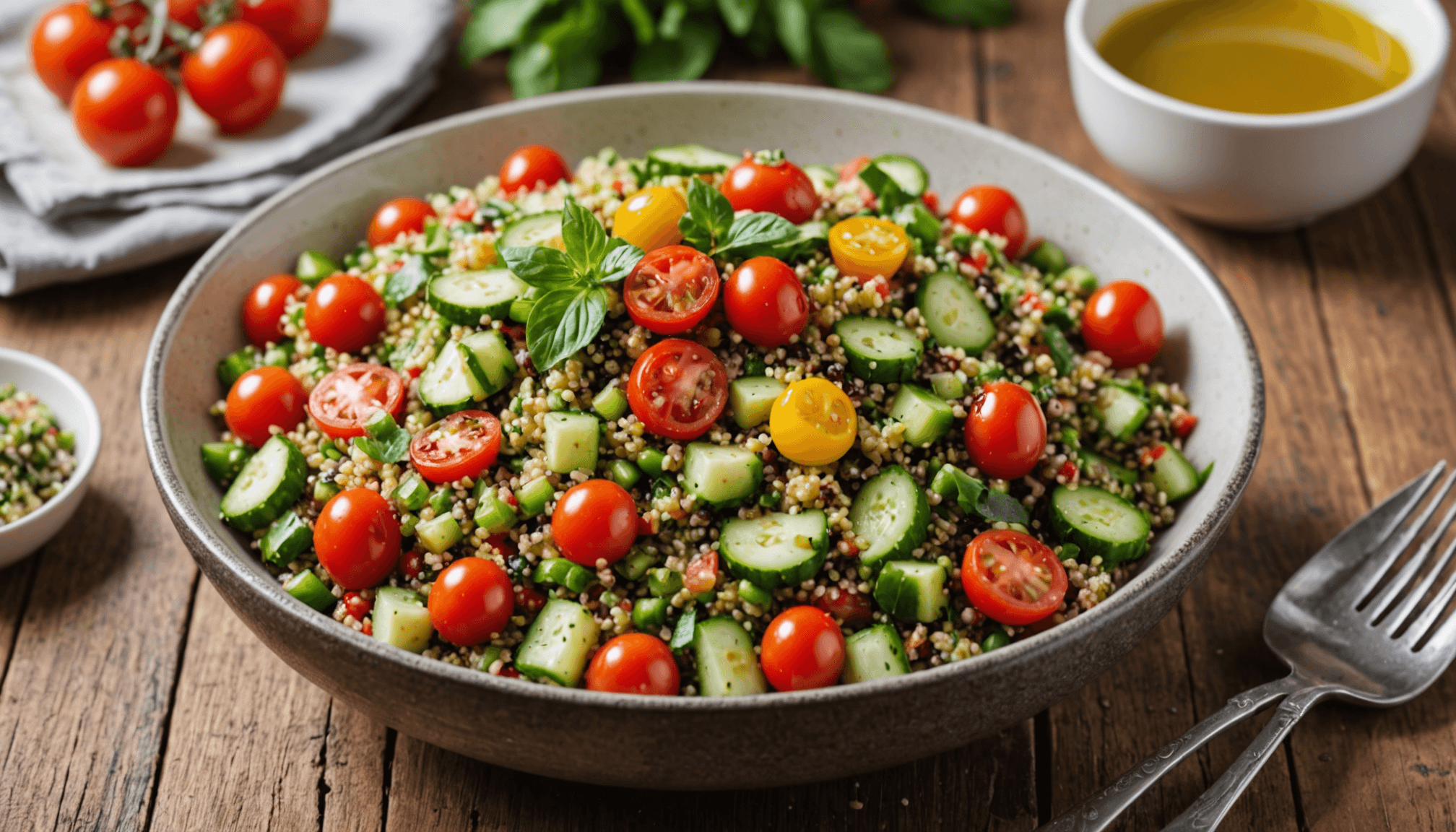
Next, let’s chat about whole grains. Switching to whole grains, like brown rice, quinoa, or farro, can elevate your meals while keeping them hearty. Not only do whole grains provide essential nutrients, but they also help you maintain energy throughout the busy day. Have you tried making a quinoa salad tossed with cherry tomatoes, cucumber, and a drizzle of olive oil? It’s refreshing and perfect for lunch!
Don’t forget about vegetables! The more colors you bring into your meals, the better. Seasonal veggies offer the best nutrients, so explore local farmers’ markets or the produce section of your grocery store. Green leafy vegetables like spinach or kale are nutrient-dense and versatile. You can throw them into salads, smoothies, or sauté them as a side dish. Pairing stir-fried bell peppers and zucchini with your grains not only adds crunch but also a rainbow of nutrients.
Fruits are another vital part of your nutrition narrative. They can make wonderful snacks or be used in meal prep as natural sweeteners in dishes. For instance, dice some apples or berries into your oatmeal for breakfast, or blend bananas into your smoothie for a creamy texture. This is an easy way to incorporate healthy choices that feel indulgent!
When picking pantry staples, opt for condiments and seasonings that enhance flavor without added sugars or unhealthy fats. Stock up on spices and herbs like garlic, ginger, and fresh basil to elevate your meals without much effort. A sprinkle of cumin can add warmth to a chili, while fresh cilantro can brighten up a taco bowl. The power of herbs and spices in your meal prep guide can’t be underestimated.
Finally, consider your fats. Healthy fats, like avocado, nuts, and olive oil, provide not just flavor but also help our bodies absorb those all-important nutrients. A drizzle of olive oil over your roasted vegetables or a tablespoon of nut butter in your smoothie can go a long way in enhancing both taste and health benefits.
By making thoughtful choices about your ingredients, you’ll build a strong foundation for your meal prep routine. It’s about being mindful of what you cook, keeping things fresh, and creating delicious meals that satisfy your taste buds while nurturing your body. Over time, you’ll develop your own rhythm and preferences, ensuring that each prep session is enjoyable and fulfilling.
Meal Prep Techniques and Tips
“Proper meal prep is not just about saving time; it’s about feeding your body right.”
To maximize the efficiency and effectiveness of your healthy meal prep, implementing a few key techniques and tips can make all the difference in simplifying your cooking process and ensuring consistency in your meals throughout the week.
- Batch Cooking: Prepare large quantities of staple ingredients at once. This can include grains like brown rice or quinoa, protein sources like grilled chicken or baked tofu, and roasted vegetables. By having these components ready, you can mix and match them to create various meals quickly.
- Choose a day each week (like Sunday) to dedicate to batch cooking.
- Portion out cooked ingredients into separate containers for easy access throughout the week.
- Simple Recipes: Focus on recipes that require minimal ingredients and preparation time. Stir-fries, sheet pan meals, and one-pot dishes can significantly simplify your cooking. Look for meals that you can prepare in 30 minutes or less.
- Gather recipes that use similar ingredients to reduce waste and save time shopping.
- Rotate these recipes weekly to maintain variety in your menu.
- Pre-chopping Vegetables: Invest some time in washing, peeling, and chopping vegetables when you get home from the store. Store them in clear containers in the refrigerator for quick access during the week.
- Label containers with the date they were prepared to ensure freshness.
- Try to keep a mix of different veggies ready to keep meals interesting.
- Use Freezer Wisely: The freezer is your best friend when it comes to meal prep. Portion out extra servings of soups, stews, or even cooked grains. Freezing can extend the life of your meals while maintaining nutritional value.
- Utilize freezer-safe bags or containers, and label them with the contents and date.
- Make sure to freeze in portions that match your meal sizes for easier thawing.
- Meal Prepping Tools: Utilize appropriate tools to streamline your process. Tools like a slow cooker, pressure cooker, and blenders are invaluable.
- Consider prepping ingredients in the evening for the next day’s meals, so you can easily throw them in your appliance in the morning.
- Organize your kitchen to have all tools and ingredients easily accessible.
- Plan for Leftovers: Incorporate leftovers into your meal prep strategy. If you have a meal that typically makes extra, plan its usage in your following days’ lunch or dinner.
- Transform leftovers creatively; for example, use grilled chicken from dinner in a salad for lunch the next day.
- Keep a few staple ingredients on hand to add variety to leftovers, like fresh herbs, new sauces, or different grains.
- Mindful Portioning: When filling your meal prep containers, pay attention to portion sizes to ensure you’re meeting your nutritional needs.
- Use measuring cups or a food scale for accuracy in portioning.
- Be conscious of creating a balanced plate that includes vegetables, proteins, and whole grains.
- Utilize Leftover Ingredients: Find ways to repurpose ingredients across different meals to minimize waste. For example, roasted vegetables can be used in a salad one day and a grain bowl the next.
- Get creative with spices and herbs to change the flavor profile of similar ingredients.
- Try marinating proteins differently or using sauces that alter the taste significantly.
By adopting these techniques, your healthy meal prep will become a more efficient, enjoyable, and effective practice that supports your dietary goals. The right strategies in place mean you’ll not only save time but also enhance the quality and enjoyment of your meals, fueling your body well for the week ahead.
Storing and Reheating Your Meals
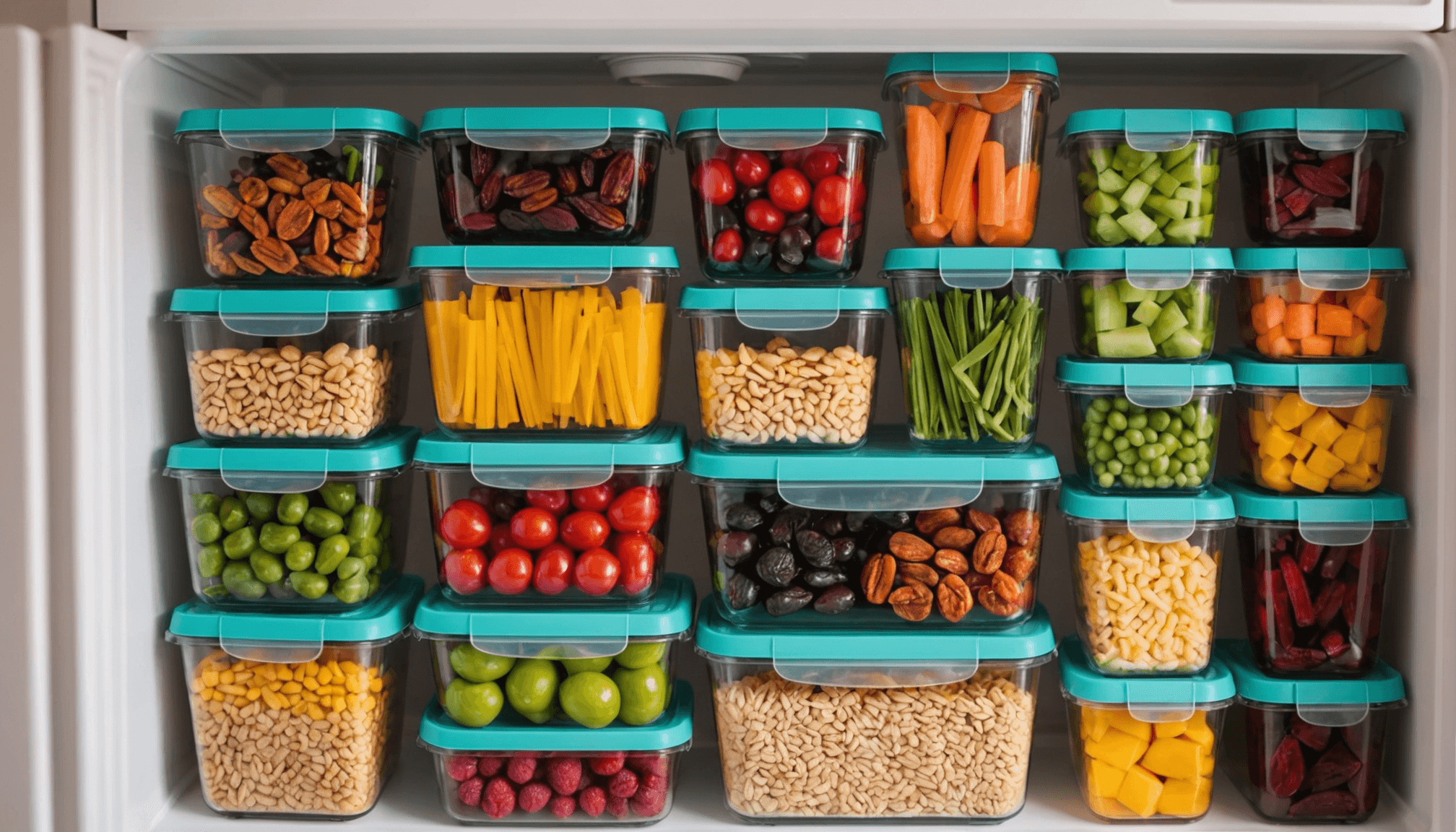 Storing meals effectively is a key component of the meal prep process, ensuring that the nutritious dishes you’ve carefully prepared maintain their quality and flavor throughout the week. Proper storage techniques not only preserve the integrity of your ingredients but also minimize the risk of foodborne illness. Start by choosing appropriate containers that are airtight and made from BPA-free materials. Glass containers are an excellent option as they are durable, microwave-safe, and do not absorb odors or stains, allowing you to easily reheat and enjoy your meals.
When it comes to storing meals in the refrigerator, manage your portions wisely. Ideally, you want to store meals in single servings to make it easier to grab and go during your busy week. By portioning out your meals into individual containers, you not only reduce waste but also help control portion sizes, which is essential for maintaining a balanced diet.
For longer storage, consider freezing portions. Many soups, stews, and grain dishes freeze beautifully, making them great options for meal prep. Be sure to use freezer-safe containers, and remember to leave a little space at the top of each container, as liquids expand when frozen. Label each container with the contents and date to keep track of freshness, ensuring you consume the meals within a safe timeframe. Generally, cooked meals can last in the freezer for about three months without losing quality.
When it’s time to reheat your meals, do so with care. Microwave reheating is convenient, but be mindful of the materials your container is made of—avoid using plastic containers in the microwave unless they are labeled as microwave-safe. Ideally, try reheating meals on the stovetop or in the oven whenever possible, as these methods often preserve texture and flavor better than microwaving. Stir your food midway through heating to ensure even warmth throughout.
Don’t forget to check your meals for freshness before consuming. Pay attention to any off smell or changes in texture that might signal spoilage. By utilizing effective storage and reheating methods, you can enjoy your healthy meal prep with peace of mind, knowing you’re savoring nutritious meals, just as you intended.
- How long can I store meal-prepped food in the fridge?
- Generally, properly stored meal-prepped food can last in the refrigerator for about four to five days. Always ensure your meals are cooled before placing them in the fridge to maintain freshness.
- Can I freeze all types of meals?
- Not all meals freeze well, but many can! Soups, stews, and casseroles typically do well in the freezer, while items with high water content such as lettuce do not. It’s best to freeze meals that you know will maintain their texture and flavor after thawing.
- What is the best way to reheat frozen meals?
- The best way to reheat frozen meals is to allow them to thaw in the refrigerator overnight and then reheat on the stovetop or in the oven, which helps retain texture. If you’re using a microwave, ensure you stir the food midway through to promote even heating.
- Should I let my food cool before freezing it?
- Yes, allowing your food to cool completely before freezing is essential as it helps maintain texture and minimize ice crystals. This can enhance the quality of your meals once thawed.
- How do I keep meals from getting soggy while stored?
- To keep meals from getting soggy, avoid storing watery ingredients together, and consider storing sauces separately until you are ready to eat. For example, keep dressings aside from salads until serving to maintain crispness.
- Is it safe to reheat food multiple times?
- Ideally, try to reheat only once to ensure food safety and maintain quality. Repeatedly reheating food can increase the risk of bacterial growth and diminish the flavor and texture of your meals.
- Can I meal prep for an entire month?
- While it’s possible to meal prep for a month, it’s best to focus on one to two weeks at a time to ensure freshness. You can freeze meals that you won’t consume within this timeframe to maintain quality.

Leave a Reply