

- Essential tools for a meal prep kitchen
- Creating an efficient workspace
- Organizing pantry staples for easy access
- Food storage solutions to maintain freshness
- Meal planning strategies for success
When it comes to setting up your meal prep space, having the right tools can make all the difference. You don’t need a fancy setup; just the essentials will set you up for success. First on the list is a quality chef’s knife. Invest in one that’s comfortable to hold and sharp enough to handle all types of vegetables, fruits, and proteins. A good knife can speed up your prep time significantly and make chopping a breeze!
Next, grab a sturdy cutting board. Choose one that’s easy to clean and won’t warp over time—bamboo or plastic boards are excellent choices. If you can, get a large board to give yourself plenty of room to work. Pairing your knife and board will make your kitchen organization flow smoothly.
Don’t forget about mixing bowls! A set of nested mixing bowls in various sizes is a lifesaver. They’re great for marinating meats, tossing salads, or mixing up your hearty grain bowls. Look for bowls with lids, as they can double as storage containers when you need to stash leftovers, saving you a step.
A reliable set of measuring cups and spoons is essential, too. Cooking is at least partially an art, but when you’re prepping meals, precision is key, especially for those healthy meal prep recipes where nutrition counts. Having a good set will help ensure your proportions are spot-on, so you build balanced meals without guesswork.
Next up, consider investing in meal prep containers. Look for BPA-free options that are microwave and dishwasher safe. Glass containers are great because they keep food fresh and can easily transition from the fridge to the oven. Avoid flimsy plastic ones that warp or stain; you want your meal prep space to be inviting and clean, not cluttered with mismatched, broken containers.
A food scale can also be a game-changer, particularly if you’re portioning meals for specific dietary goals. It helps in tracking your intake accurately, ensuring you stay on top of those healthy choices. Plus, it makes it easier to replicate successful recipes in the future!
Finally, don’t overlook the importance of a good blender or food processor. Whether you’re whipping up smoothies for busy mornings or pureeing soups for the week, these tools are versatile enough to support a range of meals. They can help you prepare sauces, marinades, and even dips that can elevate your meal prep game.
With these essential tools at your disposal, you’ll find that creating healthy meals becomes a much more enjoyable process. Whether you’re a busy professional trying to balance work and health, a college student with a packed schedule, or a family making the most of your time, these items will help streamline your kitchen routine. Let’s keep moving forward and create a workspace that makes all this even easier!
Creating an efficient workspace
To truly harness the benefits of your essential tools, it’s crucial to create an efficient workspace that complements your healthy meal prep activities. A well-organized kitchen not only enhances your cooking experience but also reduces the time and stress involved in meal preparation.
Layout Matters
First, consider the layout of your meal prep space. The “kitchen work triangle,” which connects the sink, stove, and refrigerator, is a popular concept that optimizes movement. Ensure these key areas are within easy reach of each other to minimize unnecessary steps while prepping meals. For instance, keep your cutting board near the sink for easy rinsing and your meal prep containers near the fridge for convenient storage after cooking.
Zone Your Kitchen
Create distinct zones in your kitchen for various activities: prep, cooking, and storage. Having a designated prep area helps streamline tasks. Set up your chopping station with your knife, cutting board, and mixing bowls within arm’s reach. Utilize countertop trays or caddies to keep utensils and ingredients organized—this will make your meal prep space look tidy and functional.
Use Vertical Space
If counter space is limited, utilize vertical storage solutions. Wall-mounted shelves can hold jars of spices and frequently used items, keeping them easily accessible while freeing up counter space. Magnetic strips can store knives and metal utensils, allowing for intuitive access and keeping your workspace clutter-free. Consider also hanging a pegboard to organize utensils and tools; it’s an effective way to make everything visible and easy to grab.
Optimize Storage Solutions
Drawer organizers can help manage utensils, while clear bins in cabinets can categorize items like grains, canned goods, and pantry staples for quick identification. Labeling these bins not only aids in organization but also helps you quickly find what you need, making your meal prep sessions smoother. Use stackable containers for ingredients like pasta or legumes to maximize space and keep everything neat.
Lighting and Cleanliness
Never underestimate the importance of proper lighting in your kitchen. Good lighting not only improves visibility but also influences your mood while prepping meals. If your kitchen is dimly lit, consider adding under-cabinet lighting to brighten work areas. Moreover, maintaining cleanliness in this environment is vital. Clean as you go; having a tidy space fosters a more enjoyable cooking experience.
Workflow Efficiency
Finally, think about your workflow. When you get into the rhythm of meal prepping, it’s often most efficient to batch similar tasks. For example, chop all your vegetables at once before moving on to proteins or grains. This method allows you to assemble meals more quickly, making your healthy meal prep routine more manageable and less daunting.
By establishing an efficient workspace tailored to your meal prep needs, you’ll find that creating healthy meals becomes significantly more enjoyable and rewarding. A few thoughtful adjustments in your kitchen organization can lead to a streamlined process that makes healthy cooking a breeze.
Organizing pantry staples for easy access
Let’s dive right into getting those pantry staples organized like a pro! We all know that a cluttered pantry can induce stress faster than a kitchen fire. So, the first step is to clear everything out and take stock of what you’ve got. You might be surprised by the vintage cans of chickpeas and half-empty bags of quinoa lurking in the back. Go on, pull everything out and give it a good clean before we get into the nitty-gritty of organization.
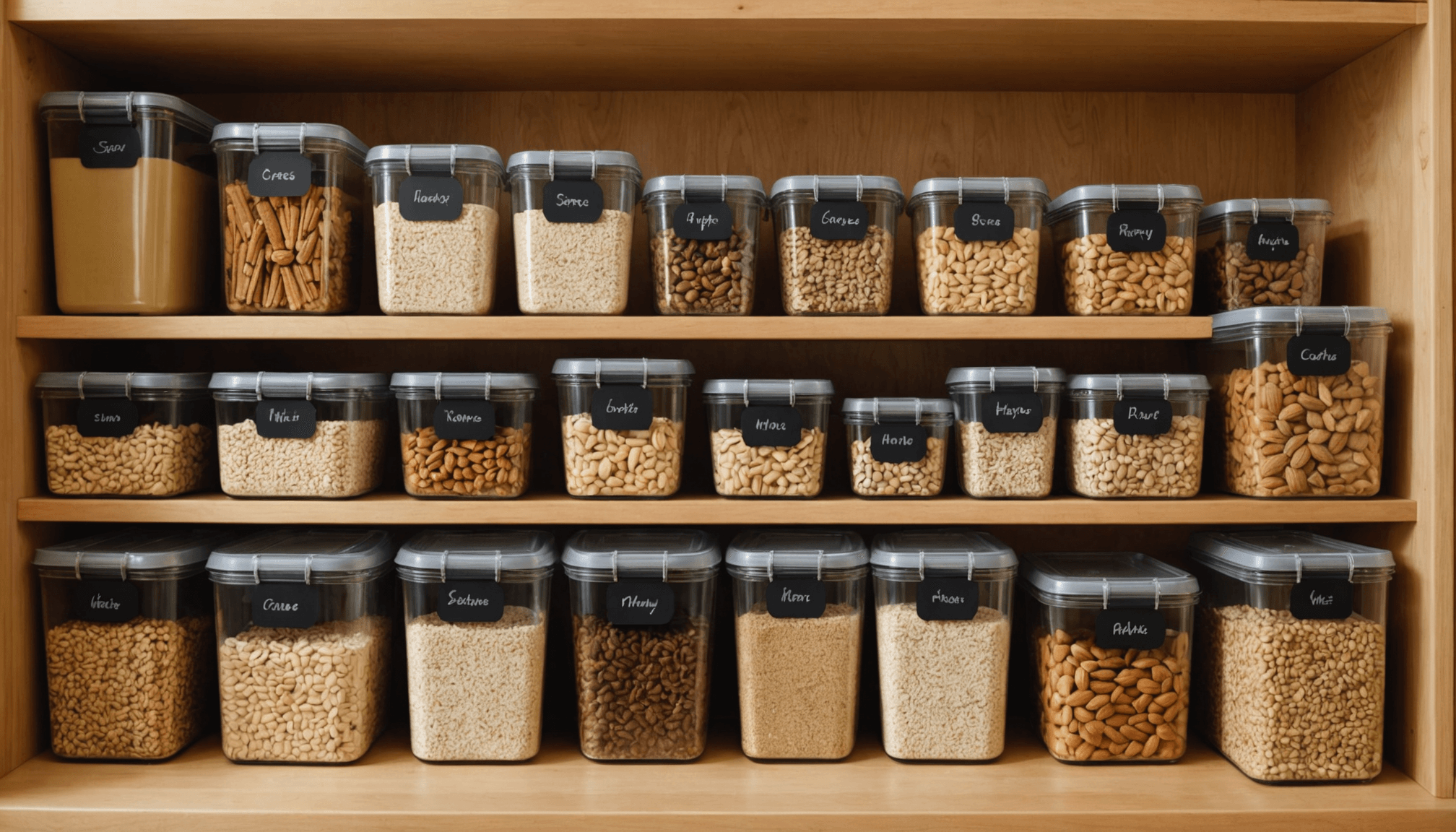
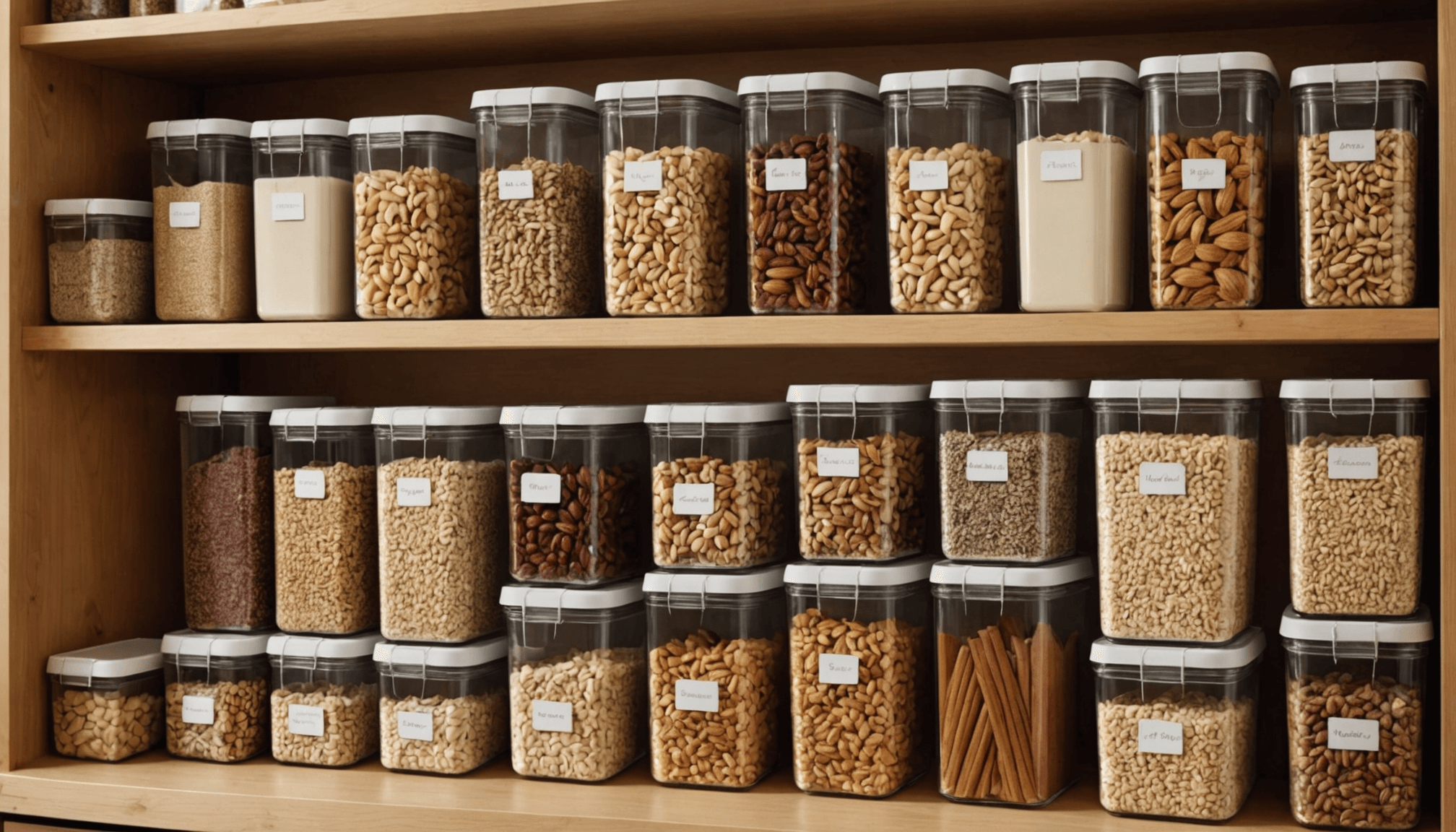
Once you’ve given it a fresh start, think about investing in some clear, stackable containers. They’re not just aesthetically pleasing; they keep your pantry looking tidy and make it so much easier to find what you need at a moment’s notice. Grab yourself a set of containers for your grains, nuts, and dried fruits. You wouldn’t believe how much more inviting it feels to have everything visible and at hand, ready for your healthy meal prep! Plus, it cuts down on cooking time, which is a massive win when you’re juggling a busy schedule.
Don’t forget about labels! It’s a small detail that packs a mighty punch. Use a label maker or some neat chalkboard labels to categorize your items. Not only does this help in keeping everything efficiently organized, but it also saves you from that panic moment when you’re scrounging for a key ingredient and end up diving into the depths of your pantry like it’s a treasure hunt. Labeling brings order to chaos; trust me, your future self will thank you for not having to rummage through bags of lentils and rice every time you’re in a rush.
Speaking of quick access, try to position your frequently used items at eye level. You should be able to reach for your go-to spices and meal prep staples without having to excavate the shelf. Herbs and spices are your best friends when it comes to healthy cooking, so make sure they’re in a prime location! You can even group them according to cuisine—Italian, Mexican, Asian—whatever works for you. This will make whipping up a flavorful dinner as easy as grabbing a bag of frozen spinach.
Now, let’s talk about organizing that pantry space in a way that promotes efficiency. Group similar items together, like all your canned goods, snacks, or baking essentials. It streamlines your cooking process significantly, so when you plan meals, you can easily pull together ingredients without making a mess. Trust me, you don’t want to be in a cooking frenzy looking for that elusive can of diced tomatoes.
Lastly, consider the depth of your shelves. If you’re dealing with deeper cabinets, use tiered shelf organizers. This way, you won’t have to play ‘What’s behind door number three’ when you’re searching for that last can of black beans. Keeping everything visible not only puts an end to the chaos but also preserves the freshness of your pantry goods. No one wants to find out their five-year-old spices have gone to the land of the expired!
With a few simple strategies, you’ll turn your pantry into an organized haven, perfect for a quick and efficient meal prep space. You’ll be dining like a champion in no time, because when it comes to healthy cooking, organization is key. Get it right, and you’ll soon find yourself enjoying the process of cooking without the stresses of disarray creeping up on you!
Food storage solutions to maintain freshness
To keep your ingredients fresh and safe for consumption, it’s essential to use effective food storage solutions tailored to your meal prep needs. Proper storage not only preserves the taste and nutritional value of your food but also extends its shelf life, reducing waste and saving money. Here’s a step-by-step guide to help you implement the best food storage methods in your meal prep space:
- Choose the Right Containers: Select airtight containers made from glass or high-quality BPA-free plastic. Glass containers are ideal for maintaining freshness, as they do not absorb odors or stains. Look for containers that are freezer, microwave, and dishwasher-safe to enhance convenience.
- Label Everything: Use clear labels to indicate the contents and the date of storage. This practice helps you keep track of freshness and prevents confusion when searching for ingredients. You can use a label maker or write directly on painter’s tape for an easy solution.
- Store Herbs and Greens Properly: To maintain the freshness of herbs and leafy greens, consider placing them in a damp paper towel and sealing them in a container or plastic bag. This method keeps moisture in without causing sogginess. Alternatively, you can store herbs in water like a bouquet, covering the leaves with a plastic bag to prolong their life.
- Practice the FIFO Method: FIFO stands for “First In, First Out.” When you add new items to your pantry or fridge, place them behind older ones. This ensures that you use the older items first, reducing spoilage and waste.
- Employ Vacuum Sealing: For longer-term storage, vacuum-sealing foods can significantly extend shelf life by removing air that promotes oxidation. This method is perfect for meats, bulk grains, and seasonal vegetables, allowing you to buy in bulk and store for future healthy meal preparations.
- Use the Right Temperature: Be mindful of storing foods at proper temperatures. Set your refrigerator to around 37°F (3°C) and the freezer to 0°F (-18°C). Regularly check temperatures to ensure all items are kept at their ideal storage conditions.
- Organize Your Fridge: Create zones in your refrigerator for different types of food—meat, dairy, vegetables, sauces, and prepared meals. Use bins to compartmentalize these categories, making it easy to find what you need without rummaging through everything each time you prepare a meal.
- Take Advantage of Freezer Bins: When freezing meals, use appropriate freezer bins or bags to store single servings or larger portions. Clearly label each with contents and freeze dates. You can also categorize meals by cuisine type or dietary preference for swift access.
- Keep Snacks Accessible: Store snacks in easy-to-reach bins, preferably at eye level, to promote healthy choices. Consider separating snacks from meals to prevent mixing and ensure that you’re consistently choosing healthier options.
“The secret of success is to be ready when your opportunity comes.” – Benjamin Disraeli
By applying these food storage strategies, you’ll be able to maintain the freshness and quality of your ingredients, making your healthy meal prep more successful and enjoyable. Implementing these practices will not only organize your kitchen but will significantly reduce the time spent searching for ingredients, allowing you to focus on creating delicious and nutritious meals.
Meal planning strategies for success
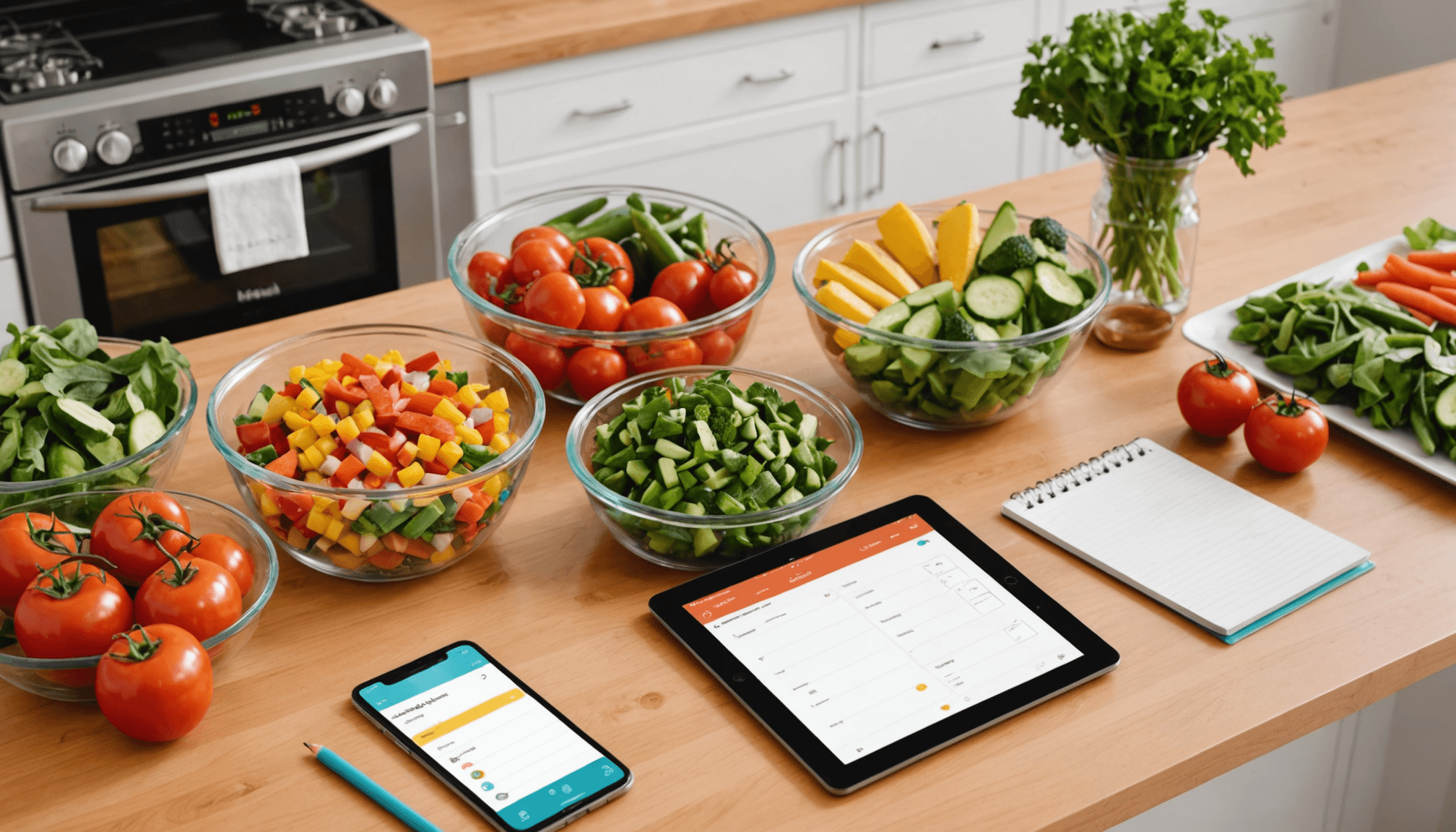 It’s essential to structure your week with a solid plan that prioritizes both nutrition and convenience. Start by dedicating a specific day for meal planning and prep—perhaps Sunday, when you have a little more time to dedicate to the kitchen without the usual weekday rush. Create a weekly menu by selecting a handful of healthy recipes that utilize similar ingredients, which not only reduces waste but simplifies shopping. Focus on balancing protein, carbs, and healthy fats in each meal, ensuring flavor and variety to keep you excited about eating your creations.
Once your recipes are sorted, generate a shopping list. Group items by category to streamline your grocery store visit. Utilize a digital or physical shopping list that syncs with your meal planning; it not only helps you remember what to buy but makes the process more efficient. When you’re at the grocery store armed with your list, you’re less likely to be distracted by unhealthy options and can stick to your healthy meal prep goals.
After shopping, take a moment to wash, chop, and pre-portion your ingredients as soon as you get home. This proactive approach saves time later in the week. Store chopped veggies in clear containers for easy access, so they’re ready to be tossed into salads or stir-fries. Consider cooking large batches of grains or proteins to quickly assemble meals throughout the week.
Additionally, think about batch cooking versatile staples like grilled chicken, quinoa, or roasted vegetables. These can easily be mixed and matched to create different dishes each night, maximizing flavor while minimizing food prep time. Don’t hesitate to incorporate leftovers into your meal plan. Repurposing last night’s stir-fry into a delicious breakfast bowl the next morning keeps things fresh and exciting.
Moreover, consider keeping a food diary to track your meals and snacks. This can help you stay accountable and provide insights into your eating habits. Make notes of what worked well and what didn’t, refining your approach as you gain experience.
Remember that meal prep is a skill that can be honed over time. As you develop your strategies, reflect on the process and be adaptable. Discovering what works best for you is key. By incorporating these meal planning strategies into your routine, you will not only enhance your kitchen organization but also pave the way for a healthier lifestyle.
- What are the benefits of meal planning?
- Meal planning helps you save time and money, reduces food waste, and ensures you maintain a balanced diet. By knowing what you’ll eat in advance, you can make healthier choices and avoid impulse purchases.
- How can I make my meal prep more efficient?
- To enhance efficiency, batch cook ingredients that can work in multiple recipes, organize your workspace thoughtfully, and create a routine that makes meal prep a seamless part of your week.
- How long can I store prepped meals in the fridge?
- Generally, most prepped meals can be safely stored in the refrigerator for about 3 to 4 days. Make sure to keep them in airtight containers to maintain freshness.
- What ingredients should I always keep on hand for healthy meal prep?
- Stock up on versatile staples like brown rice, quinoa, canned beans, canned tomatoes, frozen vegetables, and lean proteins. These can form the foundation of a wide range of meals.
- How do I prevent getting bored with my meal prep?
- Keep your meals enjoyable by experimenting with different herbs and spices, rotating your recipes weekly, and including various colors and textures in your dishes.
- Can I meal prep for a whole week at once?
- Yes! You can prepare multiple meals at once, just ensure you store them properly to maintain freshness. Use freezer-safe containers for long-term storage.
- Is meal prep only for singles and couples?
- No, meal prep is beneficial for families as well. It helps ensure everyone has access to healthy meals throughout the week and can save you time during busy days.

Leave a Reply