

- Seasonal ingredients for optimal nutrition
- Using seasonal produce for meal prep
- Top seasonal fruits and vegetables
- Benefits of seasonal eating
- Tips for incorporating seasonal ingredients into meals
- Sample meal prep ideas with seasonal ingredients
When it comes to whipping up healthy meal prep, knowing what’s in season can make a world of difference not just for your health, but also for your palate. Seasonal ingredients are at their peak flavor and nutrition, meaning you’re getting the best of both worlds—delicious food that fuels your body. Think about it: when you shop for fresh ingredients that are currently in season, you’re choosing produce that’s ripened naturally, without those pesky preservatives or artificial treatments. Plus, it’s often more affordable since local farms supply what’s plentiful.
Eating with the seasons helps you diversify your meals throughout the year. You won’t find that same old broccoli in your fridge every week! Instead, you can look forward to fresh asparagus in spring, juicy peaches in summer, hearty squashes in fall, and vibrant citrus in winter. Each season brings a whole new flavor palette, allowing you to keep it exciting and nourishing.
Not to mention, many seasonal fruits and vegetables come packed with vital vitamins and minerals essential for your overall well-being. For instance, spring greens like kale and arugula are vibrant sources of vitamin K, while autumn pumpkins give you a great dose of fiber and beta-carotene. This variety not only means more nutrients in your meals but also encourages you to experiment with different recipes and cooking techniques. Trust me, cooking with the seasons will ignite a spark in your kitchen adventures!
So, the next time you stroll through the farmers market or navigate the produce aisle, pay close attention to what’s looking good that day. Your meals will not only look more colorful but also taste way better, keeping you and your family happy and healthy. Let’s get cooking with some vibrant, seasonal goodness!
Using seasonal produce for meal prep
Using seasonal produce for meal prep can transform your cooking experience and the health of your meals significantly. When you rely on ingredients that are fresh and in their natural harvest period, you’re not just benefiting from their peak flavors; you’re also enhancing the nutritional quality of your dishes.
“Fresh ingredients deliver flavors and nutrients that are often lost in imported or out-of-season produce.”
By focusing on seasonal fruits and vegetables, you can create a variety of meal prep options that cater to different tastes and dietary needs. For example, using vine-ripened tomatoes in the summer can elevate a simple pasta dish to something extraordinary, while roasting winter root vegetables provides a hearty and satisfying addition to any meal.
A practical benefit of utilizing seasonal produce is its availability; farmers usually offer discounts when crops are at their peak, making your healthy meal prep more cost-effective. This abundance not only inspires creativity in the kitchen but also encourages you to tackle new recipes and cooking styles. When ingredients are abundant, the possibilities for healthy, diverse meals become endless.
“Seasonal cooking encourages a connection with the local ecosystem and promotes sustainable eating habits.”
Meal prepping with seasonal produce also results in less food waste. Since you’re purchasing fresh ingredients that are naturally plentiful, they often have a longer shelf life when compared to out-of-season items, which may lose their freshness during transport or storage. This means ingredients can go straight from the farm to your table, enhancing flavor and nutrient content.
To incorporate seasonal produce into your meal prep effectively, consider planning your meals around what you find at your local farmers market or grocery store each week. For example, if it’s winter and you find an abundance of winter squash and kale, think about preparing a hearty soup or salad to enjoy throughout the week. This not only creates variety but allows you to fully embrace the tastes of the season.
“Using fresh, seasonal ingredients equips your meals with a sense of place and timing that transcends simple nutrition.”
Through this approach, you can create balanced meals that are rich in vitamins and minerals, tailoring your diet to the natural rhythms of the seasons. As you adapt your meal prep routine to the changing availability of produce, you’ll find it easier to maintain a healthy lifestyle while enjoying the process of cooking and sharing distinct flavors with family and friends.
Top seasonal fruits and vegetables
When we talk about top seasonal fruits and vegetables, we’re diving into a colorful and diverse world that not only tantalizes your taste buds but also nourishes your body. Depending on the time of year, different produce items are at their peak, packed with flavors and essential nutrients that can elevate your healthy meal prep game. So, let’s break down what you can look for each season to keep your meals vibrant and nutritious!
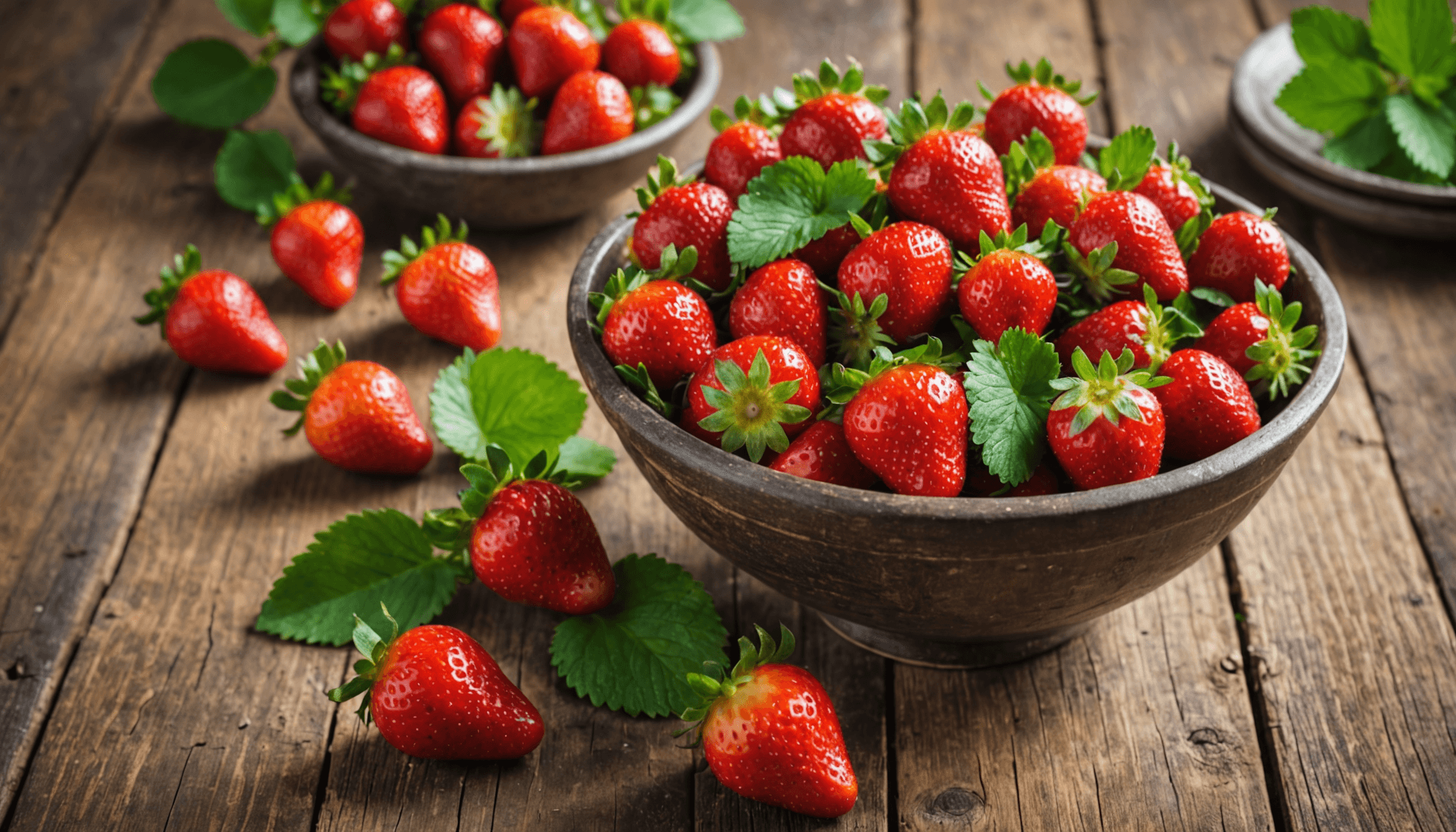
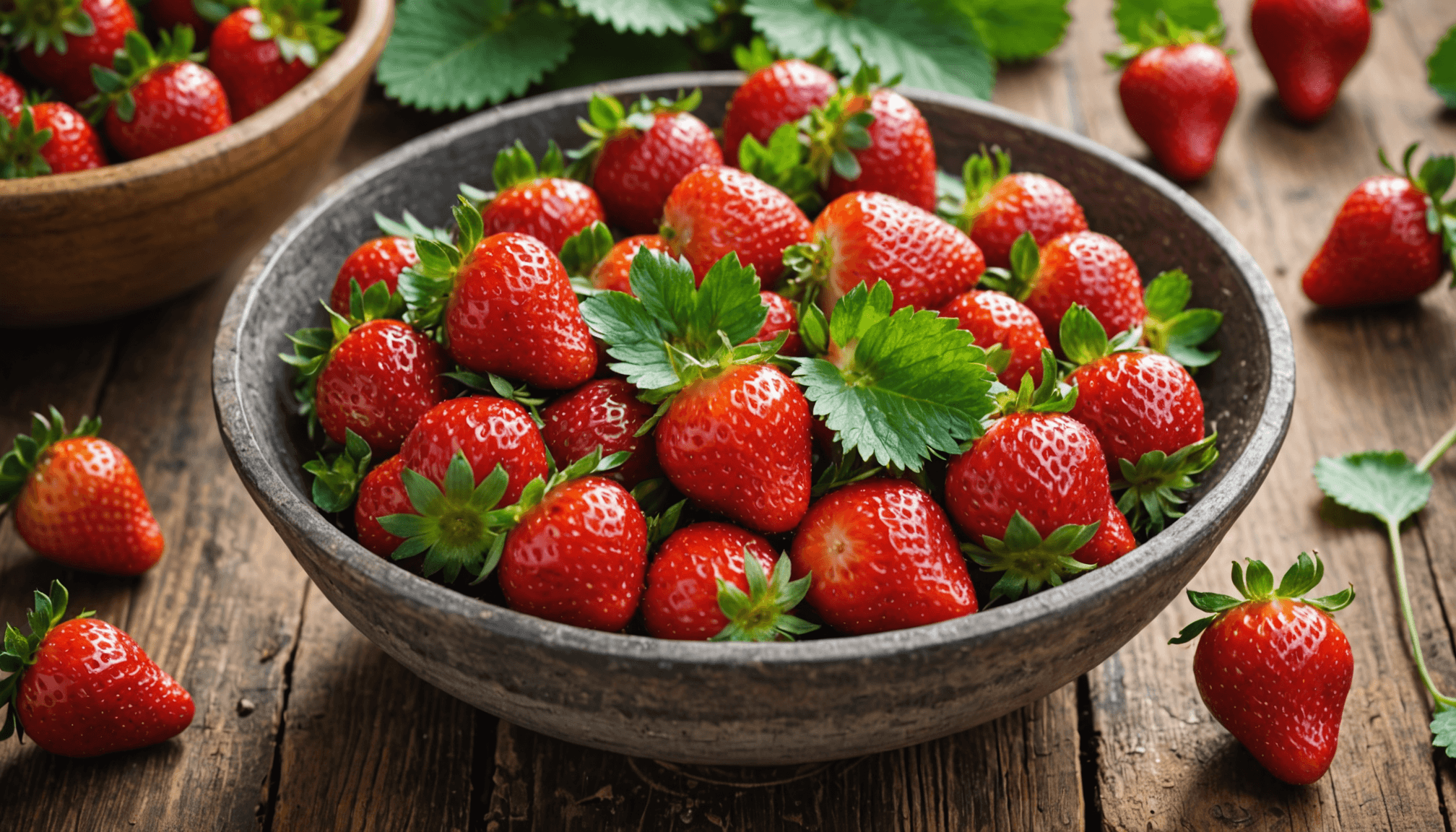
Starting with spring, it’s a fantastic time to incorporate greens like asparagus and spinach into your dishes. These vegetables are bursting with iron and vitamins A and C, making them excellent choices for salads and stir-fries. Don’t forget about strawberries! They’re not just delicious; they have a high antioxidant content that’s perfect for healthy snacking or topping your morning yogurt.
As we transition into summer, the produce is nothing short of a feast! Think juicy tomatoes, sweet corn, and bell peppers, which all shine in this sunny season. Tomatoes are known for their lycopene content, a powerful antioxidant that promotes heart health. Bell peppers, with their vibrant colors, are rich in vitamins A and C, offering a crunchy addition to any meal prep. And let’s not overlook the beautiful stone fruits like peaches and cherries—perfect for tossing in salads or grilling for a unique dessert.
Once autumn rolls around, we’re greeted with hearty vegetables like pumpkins, squash, and Brussels sprouts. Pumpkins are sometimes overlooked, but they’re not just for pie; they’re a fantastic source of potassium and fiber. Roasted Brussels sprouts make a delightful side dish and are packed with vitamin K, making them an excellent addition to your healthy meals. Apples also come into play, adding sweetness and nutrition to salads or baked dishes.
Finally, winter ushers in an array of citrus fruits like oranges, grapefruits, and lemons. These beauties are brimming with vitamin C, helping to boost your immune system during the chilly months. Root vegetables like carrots, beets, and sweet potatoes are also at their best. Roasting these root veggies not only brings out their natural sweetness but also provides a wholesome addition to any hearty meal prep you might be planning.
In each season, selecting the right fruits and vegetables means choosing ingredients that are full of flavor and bursting with nutrients. This seasonal cooking approach allows you to experience a diverse range of tastes and textures throughout the year while ensuring that your plate is as colorful as it is nutritious. Remember, the fresher your ingredients, the more vibrant your dishes will be!
Benefits of seasonal eating
“Eating with the seasons not only nourishes the body but also connects you to the earth and its rhythms.”
Seasonal eating offers numerous benefits that enhance your overall health and support a sustainable lifestyle. Here are key advantages of incorporating seasonal ingredients into your diet:
- Enhanced Nutritional Value: Seasonal produce is often harvested at its peak ripeness, which maximizes its nutrient content. When you choose ingredients that are in season, you’re providing your body with the vitamins and minerals it craves. For instance, summer tomatoes are rich in lycopene, promoting heart health, while winter citrus fruits offer a healthy dose of vitamin C to support your immune system.
- Improved Flavor: Ingredients in season tend to be fresher and more flavorful. Consuming food that has been picked recently means you’re enjoying the best possible taste. For example, ripe peaches in late summer can transform a simple salad when compared to out-of-season, imported fruits that may lack flavor.
- Support for Local Farmers: Purchasing seasonal produce often means buying from local farmers or markets, which helps support the community and fosters a sustainable food system. Supporting local agriculture reduces the carbon footprint associated with transporting food over long distances.
- Cost-Effectiveness: Seasonal ingredients are typically more abundant, which can lower their cost. This makes it easier to stick to a budget while still enjoying fresh ingredients. For instance, buying winter squash when it’s in season can be much more economical than during off-peak months.
- Less Environmental Impact: Eating seasonally means you are consuming foods that require less energy for transportation and storage. This reduces the overall environmental impact of your meals, promoting more sustainable eating habits.
- Variety in Your Diet: Seasonal cooking encourages you to explore a wider variety of fruits and vegetables throughout the year. Each season introduces new and exciting options, such as fresh asparagus in spring or brussels sprouts in fall, making it easier to keep your meals interesting and nutritious.
- Reduced Food Waste: By focusing on ingredients that are currently in season, you’re likely to purchase items that are fresher and last longer. This helps reduce the chance of spoilage, minimizing food waste. You can store seasonal root vegetables for longer periods, ensuring they’re always available for your healthy meal prep.
- Encouragement for Mindful Cooking: Embracing seasonal ingredients fosters a deeper connection to your food and the environment. It encourages you to think about what’s available and be innovative in the kitchen, enhancing your cooking skills and culinary confidence.
By recognizing the benefits of seasonal eating, you can make healthy meal prep not only nutritious but also exciting and connected to the world around you. This mindful approach to cooking allows you to harness the full potential of the fresh ingredients available throughout the year, creating delicious and varied meals in harmony with nature.
Tips for incorporating seasonal ingredients into meals
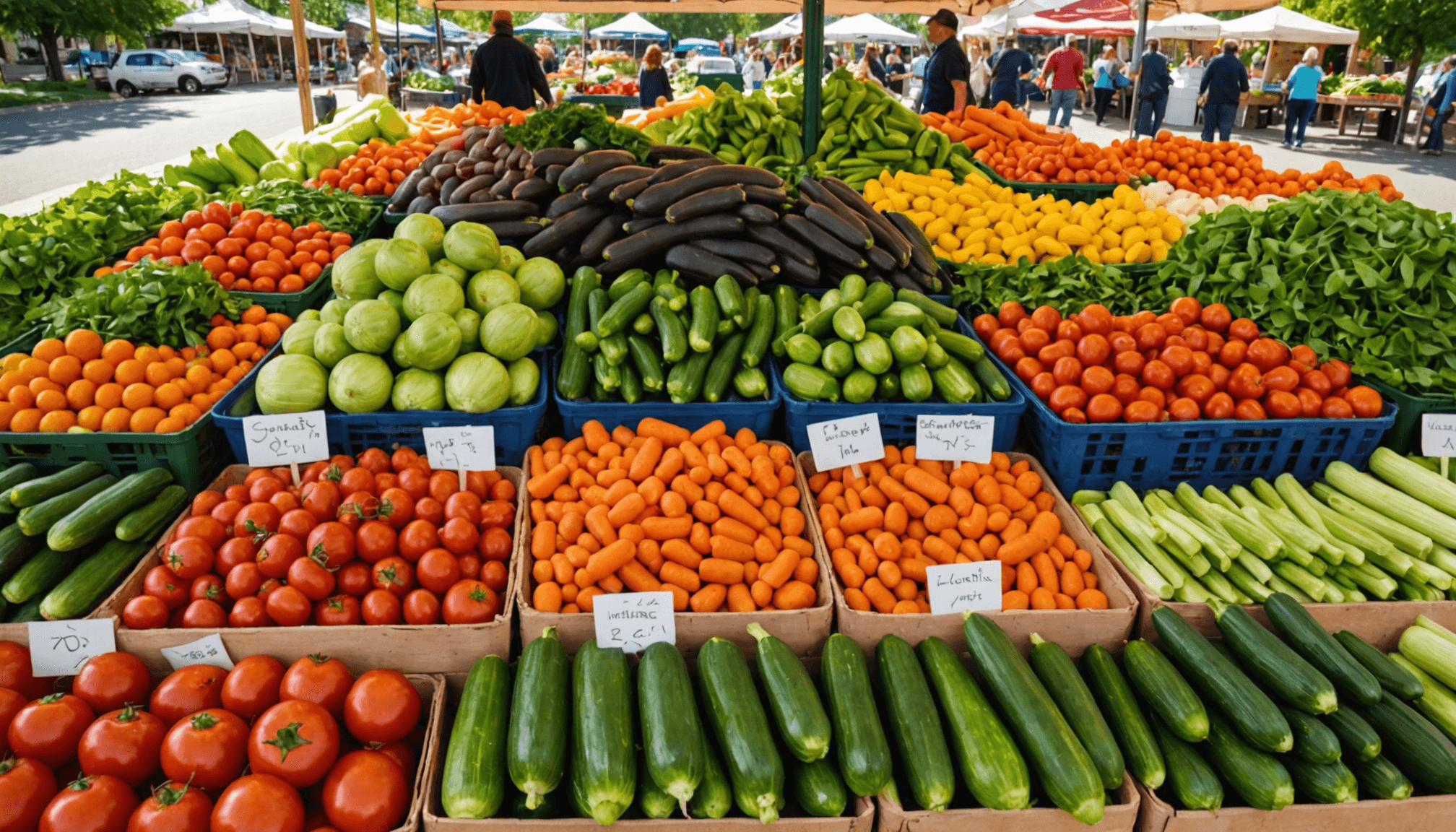 To effectively incorporate seasonal ingredients into your meals, start by planning your weekly menu around what produce is currently available. This will not only inspire creativity but also promote the use of fresh ingredients that are at their peak flavor and nutrition. Visit local farmers markets or browse seasonal produce lists online to identify what’s in season. This can help make your grocery shopping more intentional and enjoyable.
Experiment with cooking techniques that enhance the natural flavors of seasonal fruits and vegetables. For instance, roasting root vegetables in the autumn caramelizes their natural sugars, providing a sweet and hearty addition to any dish. In the summer, grilling fresh corn or zucchini adds a smoky depth that brings out their essence, perfect for salads or as sides. Consider incorporating these seasonal delights in various forms, like making pesto from spring herbs or pureeing fall squash into delightful soups.
Don’t forget to engage all your senses while cooking. Take time to appreciate the vibrant colors and aromas of fresh produce as you prepare your meals. This not only elevates your culinary experience but also connects you more deeply to the food you’re eating, further enhancing the dining experience. Lastly, think about preserving seasonal ingredients to enjoy their benefits year-round. Consider freezing or canning excess fruits and vegetables during peak harvest times, allowing you to savor that seasonal goodness even in the depths of winter.
- Why is eating seasonal produce important for health?
- Seasonal produce is often harvested at its peak ripeness, which means it has higher nutrient content and better flavor. Eating seasonal foods also helps you consume a diverse range of vitamins and minerals throughout the year, promoting overall health and well-being.
- How can I find out which fruits and vegetables are in season?
- Check local farmers markets, grocery store seasonal guides, or use online resources that provide lists of seasonal produce based on your region. Many states have agriculture websites that outline what’s in season at different times of the year.
- What are some easy ways to incorporate seasonal ingredients into meal prep?
- Start by planning your meals around seasonal produce, incorporating them into salads, stir-fries, or soups. Additionally, try roasting, grilling, or pickling seasonal vegetables for added flavor and variety while prepping your meals.
- Are there cost benefits to eating seasonal produce?
- Yes! Seasonal ingredients are typically more abundant, making them less expensive than out-of-season options. This means you can enjoy healthy meal prep without breaking the bank, especially when shopping at local farmer’s markets.
- How can I store seasonal produce to minimize waste?
- Store your produce correctly based on its type; for instance, keep leafy greens in a sealed container or bag with a paper towel to absorb excess moisture. Consider freezing or canning surplus seasonal items to preserve their freshness for later use.
- What are some seasonal dishes I can prepare?
- Try hearty winter soups using root vegetables and legumes, fresh spring salads featuring asparagus and peas, summer salsas made from tomatoes and corn, or fall vegetable gratins featuring squash. These dishes maximize seasonal flavors while keeping your meals diverse and nutritious.
- Can seasonal cooking help reduce my carbon footprint?
- Absolutely! Eating seasonally often means purchasing local produce, which reduces the distance food travels from farm to table, minimizing transportation emissions. Integrating seasonal ingredients into your diet supports sustainable practices and a healthier planet.
Sample meal prep ideas with seasonal ingredients
Let’s dive into some practical meal prep ideas that will have you raving about seasonal cooking and tackling your week like a champ! The beauty of seasonal ingredients is that they lend themselves perfectly to quick, nutritious meals that feed not just your hunger but your family’s soul as well. Imagine a week where healthy meal prep is a breeze, and you’re working with the freshest ingredients available. What’s even better? You’ll have flavorful options ready to go without breaking a sweat. So, grab your aprons, and let’s get inspired!
First up, let’s talk about a vibrant summer grain bowl. Start with a base of quinoa or farro—these grains are quick to cook and provide a hearty foundation. Toss in some cherry tomatoes and fresh corn, ideally grilled for that smoky essence. A handful of chopped basil drizzled with a homemade lemon vinaigrette will make those ingredients sing. It’s the perfect make-ahead dish to bring along for lunch or serve as a quick dinner after a long day.
In the cooler months, a root vegetable soup is a no-brainer. Take advantage of your local farmers’ markets by selecting whatever is in season—think sweet potatoes, carrots, and parsnips. Roast them to bring out their natural sweetness and then blend them with low-sodium vegetable broth and a healthy dash of spices like cumin and coriander for warmth. This soup not only freezes beautifully, making it a great option for busy weeks, but it also enhances your healthy meal prep by utilizing those hearty root vegetables that thrive in fall and winter.
Feeling like something light? A spring salad with asparagus and strawberries can’t be beaten. Blanch your asparagus to keep it crisp and vibrant, then toss that with mixed greens, juicy strawberries, and crumbled feta. Drizzle with a balsamic glaze for a refreshing meal or side dish that bursts with color and flavor. It can be prepped ahead and kept in the fridge, just remember to keep the dressing separate until you’re ready to eat to maintain that crunch!
Now let’s talk snacks—because what’s meal prep without some nibbles, right? How about prepping some homemade seasonal veggie sticks? Carrot and cucumber sticks paired with a flavorful yogurt dip infused with fresh herbs make an excellent grab-and-go option. It’s colorful, nutrient-packed, and perfect for those quick cravings between meals.
For breakfast, you can’t go wrong with overnight oats. Use seasonal fruits like peaches or apples, slice ’em up, and let them mingle with oats soaked in almond milk overnight. A sprinkle of cinnamon and a touch of honey can elevate these oats to a whole new level. It’s quick, easy, and utterly satisfying when mornings get hectic!
As we can see, incorporating seasonal ingredients into your meal prep doesn’t just enhance nutrition and flavor, it also opens up a world of creative possibilities. Whether it’s a simple salad or a hearty soup, working with what’s in season allows you to maximize taste and minimize stress in the kitchen. So, let’s get cooking with fresh ingredients this week, shall we?

Leave a Reply