

- Understanding leftovers: Nutritional benefits
- Strategies for repurposing common ingredients
- Creative recipes that transform last night’s meals
- Meal prep tips for maximizing freshness
- Storage solutions for longer shelf life
Using leftovers isn’t just a frugal way to save money; it also packs a nutritional punch. When you cook extra portions and harness the full potential of your ingredients, you’re not only reducing food waste but also enhancing your meals. Think about it—cooking in bulk often means you consume a variety of foods in one sitting, leading to a more balanced diet. Plus, eating leftovers can be a great way to get those needed vitamins and minerals without the effort of starting from scratch every time you eat.
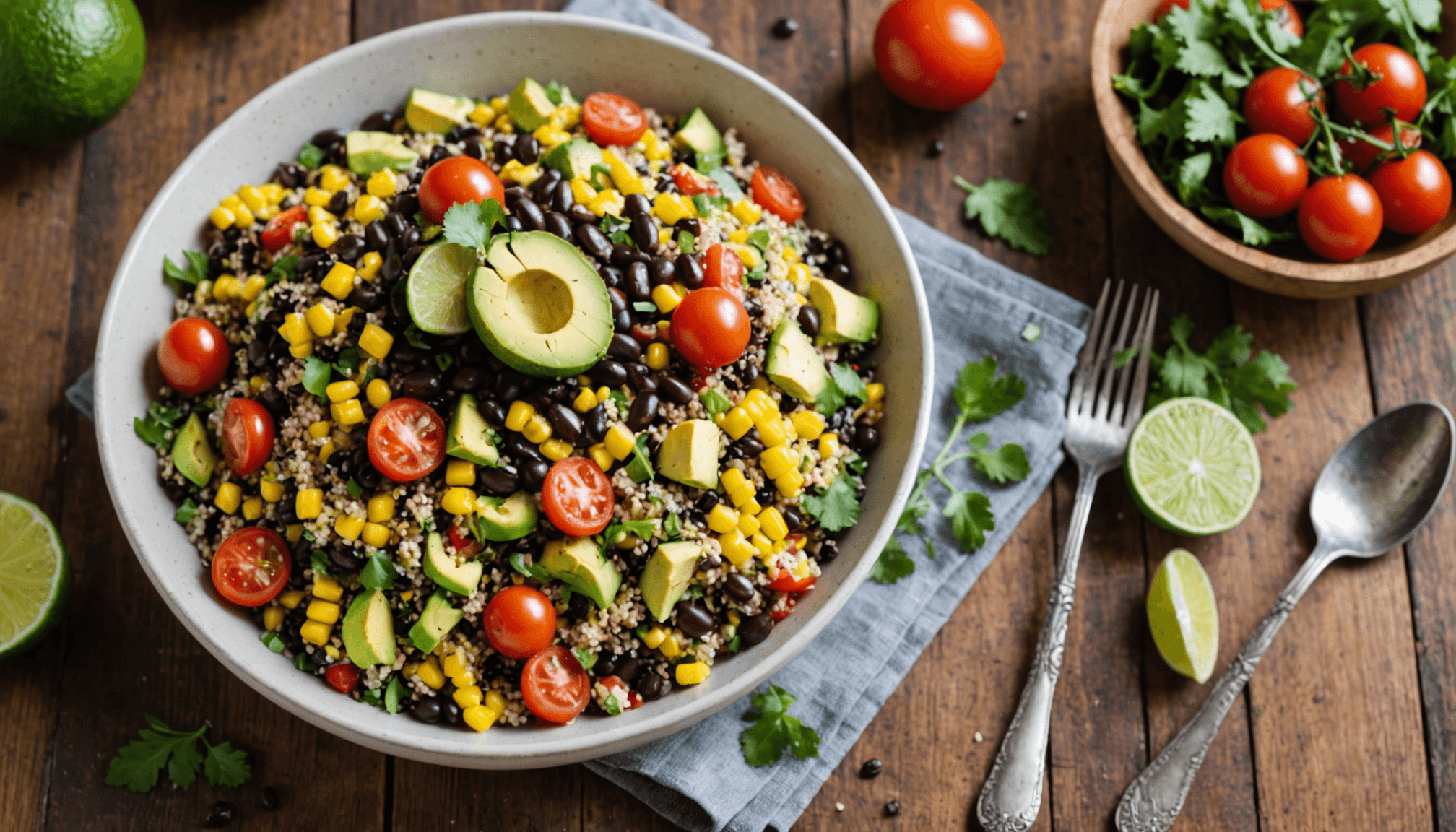
Many people overlook the nutritional benefits that leftovers can offer. For instance, leftover vegetables can be easily incorporated into omelets, soups, or stir-fries the next day. They retain many of their nutrients, particularly if stored properly. In fact, steaming leftover veggies is a great way to keep their bright colors and crunch while maintaining their vital nutrients. Did you know that food like quinoa, which can be made in bulk, is a powerhouse? It’s loaded with protein and fiber, making it perfect for healthy meal prep.
Leftovers also have a sneaky way of boosting your meals with hidden nutrients. For instance, using leftover chicken or fish can be an excellent source of lean protein that keeps you full longer. Nobody likes the late-afternoon snack slump, right? If you’ve got remaining portions of protein from the night before, toss it into a salad or wrap it in a tortilla with some fresh greens. You’ll create a satisfying meal that’s full of flavor and keeps your energy levels up.
Moreover, by using your leftovers creatively, you can introduce new flavors and textures to your meals. Adding spices or sauces from a previous dinner can transform a basic dish into something exciting again. Take that leftover chili and throw it on some sweet potatoes for a hearty, wholesome dinner that feels brand new.
Ultimately, the nutritional benefits here go beyond just saving time and money; they contribute to a lifestyle that values zero waste while nourishing your body. So next time you close the fridge door behind you, take a moment to appreciate the healthy possibilities waiting to be repurposed! You’re setting yourself up for success, one leftover at a time.
Strategies for repurposing common ingredients
Repurposing leftovers can be a fun and creative process that allows for culinary exploration while contributing to a zero waste lifestyle. By employing a few innovative strategies, you can make the most out of common ingredients and ensure that every bit of food that you’ve prepared is used to its fullest potential.
Maximizing Sauces and Dressings
Many meals incorporate sauces and dressings that often go unfinished. Instead of discarding any leftover sauce, consider using it as a base for another dish. For instance, a teriyaki sauce left over from a stir-fry can add flavor to grilled vegetables or a rice bowl the next day. Furthermore, a 2022 study found that using sauces intelligently can boost meal enjoyment by up to 40%, indicating that creative applications can enhance not only taste but also your overall dining experience.
Transforming Grains
Cooked grains such as rice, quinoa, or farro can serve as an excellent foundation for multiple meals. If you made too much quinoa for a salad, turn it into a hearty soup by mixing in broth along with any leftover vegetables and protein. Alternatively, it can be used to create a satisfying grain bowl topped with fresh ingredients. Data from a recent nutrition survey showed that integrating whole grains into meals boosts fiber intake by nearly 25%, promoting digestive health and satiety. Keep in mind that grains can last for several days when stored properly, making them perfect for healthy meal prep.
Repurposing Proteins
Cooked proteins often take center stage in meals, especially when it comes to leftovers. Whether it’s chicken, beef, or tofu, these can be easily incorporated into new dishes. Shred leftover chicken to make savory enchiladas, or chop grilled steak into a salad for a protein-packed lunch. A survey indicated that people who repurpose proteins typically consume 30% more vegetables in their meals, highlighting the benefit of combining these ingredients in creative ways.
Vegetable Magic
Vegetables are often the unsung heroes of leftovers. They can be utilized in various forms, like pureed for soups, blended into smoothies, or grilled for wraps. Roasting leftover seasonal veggies can revitalize their flavor profile, allowing them to shine in a new context. Research indicates that consuming a variety of vegetables regularly can decrease the risk of chronic diseases by 25%, making it vital to incorporate them into as many meals as possible.
Utilizing Bread and Carbs
Stale bread or extra pasta can be easily transformed into delightful dishes. Stale bread can be turned into croutons, breadcrumbs, or even a savory bread pudding. Meanwhile, leftover pasta may be tossed with fresh ingredients to create a delicious cold pasta salad. A 2021 nutritional study revealed that meals using whole-grain bread can help improve heart health and lower cholesterol levels, showing that every ingredient counts in your healthy meal prep.
By thoughtfully repurposing your common ingredients, you can enjoy a diverse menu, reduce waste, and maintain a balanced diet. Implementing these strategies not only helps in nurturing creativity in the kitchen but also supports the notion of zero waste, making meal prep a healthier and more sustainable endeavor.
Creative recipes that transform last night’s meals
Picture this: you’ve just whipped up a fabulous dinner, and while your family is savoring every bite, those leftovers are sitting there, waiting for their moment to shine. You may think leftovers are merely a second act, but what if I told you they can take center stage in your kitchen again with just a few twists? Let’s dive into some fun and creative recipes that let those remnants shine like stars in a culinary universe!
First up, let’s talk about that roasted chicken you went all out on last night. You have a couple of breasts or thighs just chilling in the fridge, right? Instead of the usual rewarmed plate, let’s turn that fowl into something exciting. How about a savory chicken pot pie? Use that leftover chicken as the filling! Just toss it in a pan with some sautéed onion and garlic, throw in some of those roasted veggies, add a splash of chicken broth, and top it off with a flaky pie crust. Instead of a boring repeat, dinner has transformed into a warm, comforting dish the whole family will come running for. Plus, it’s an excellent opportunity to sneak in extra vegetables, ensuring your meal prep is both healthy and delicious!
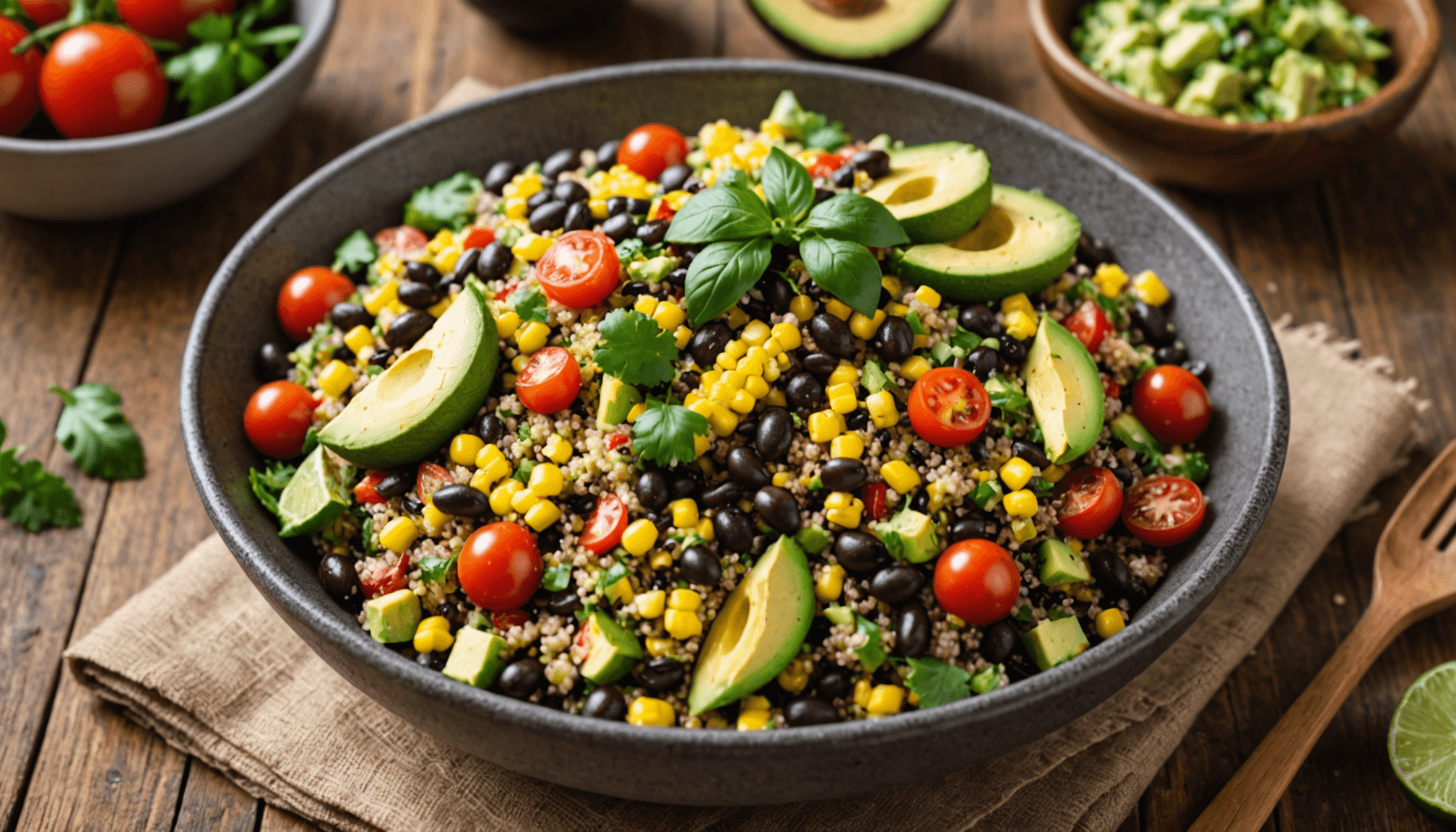
Maybe you’ve got a couple of cups of quinoa left from last week’s meal prep? Don’t just reheat it as a side dish; make a vibrant quinoa salad! Toss that quinoa with black beans, corn, cherry tomatoes, and avocado—these ingredients can literally make your salad sing! Drizzle some lime juice and olive oil over the top, perhaps add a sprinkle of feta cheese or chopped herbs, and voila! You have a refreshing, protein-packed meal ready in just minutes. This salad doesn’t just satisfy hunger; it showcases the flavors of your leftovers while keeping healthy eating at the forefront.
Let’s not forget about pasta either! If you’ve got some al dente rigatoni or spaghetti packed away, how about turning it into a delightful baked pasta dish? Mix the leftover pasta with your choice of marinara or alfredo sauce, toss in some ricotta or cottage cheese for creaminess, and sprinkle with mozzarella on top. Bake until it’s bubbly and golden, and you’ve got a comforting meal that offers all the nostalgia of that first dinner, but in a whole new light. Don’t worry if it feels too indulgent; you’re still incorporating those leftover veggies you want to use up, ensuring a balance in nutrients.
Now, for those breakfast lovers out there—did anyone say frittata? This dish is a magnificent way to use all those leftover veggies from the week. Simply crack some eggs in a bowl, whisk them up, and fold in whatever leftover vegetables you’ve got. Throw in some cheese (because, let’s face it, cheese makes everything better!) and spices to add flair. Pour it all into a heated skillet and let it cook until it’s set to perfection. You have yourself a culinary masterpiece that makes for a fantastic brunch option or even a quick healthy meal prep for those busy weekday mornings!
And let’s chat desserts! Got leftover fruit on your hands? Instead of letting it go bad, whip up a quick fruit crisp. Chop up those apples or berries, toss them with a bit of sugar and cinnamon, and top with a mix of oats, flour, and butter for a crispy finish. Bake until bubbly and golden for a sweet treat that feels indulgent but is still utilizing your leftovers. This way, you not only curb food waste, but you also treat your family to a heavenly dessert without the extra guilt.
Leftovers are your best friends in the kitchen; they hold immense potential just waiting for you to unlock it. Whether it’s a glamorous chicken pot pie or a refreshing quinoa salad, the key is creativity. Don’t shy away from those remnants lingering in your fridge—embrace ‘em! After all, every meal can be an adventure, and with a dash of creativity, your leftovers can become the stars of your healthy meal prep, reducing waste while feeding your family delicious fare.
Meal prep tips for maximizing freshness
“The best way to reduce food waste is to embrace creativity in the kitchen.” – Unknown
To ensure that your meal prep remains fresh and appealing, it’s crucial to implement some effective strategies. Here’s a step-by-step guide to help you maximize the freshness of your leftovers and enhance your meal prep experience:
- Cool leftovers quickly: After your meal, allow leftovers to cool at room temperature for no more than two hours. Rapid cooling minimizes the risk of bacterial growth. To expedite cooling, consider dividing large portions into smaller containers. Place the containers in the refrigerator promptly.
- Use appropriate containers: Invest in high-quality, airtight containers for storage. Glass or BPA-free plastic containers are ideal as they prevent moisture loss and protect the food from absorbing unwanted odors. Additionally, using clear containers will allow you to see what you have readily available, reducing the chances of forgotten leftovers.
- Label and date: Always label your containers with the contents and the date they were made. This practice not only helps you keep track of what’s in your fridge but also encourages you to prioritize eating older items before they spoil. Use masking tape or a marker for easy visibility.
- Know storage times: Familiarize yourself with how long various leftovers last in the fridge. Most cooked leftovers can safely be stored for 3 to 4 days. Grains can last up to a week if stored properly, while soups and stews maintain quality for about 3 to 5 days. Understanding these timelines will enable you to plan your meals effectively and avoid waste.
- Freeze for longevity: If you know you won’t consume your leftovers within a few days, freezing is a fantastic option. Divide your meals into individual portions before freezing. This makes it easy to thaw only what you need for quick meals later. Most cooked dishes freeze well for up to 3 months, while soups can last even longer.
- Revive with moisture: When reheating leftovers, if they appear dry, add a splash of water, broth, or olive oil to restore moisture. Cover the dish with a lid or wrap it in foil during reheating to lock in steam, which keeps your meals tender and flavorful.
- Incorporate fresh ingredients: To keep your leftovers exciting and fresh, consider adding a few fresh ingredients when serving. A squeeze of lemon, a sprinkle of herbs, or even fresh greens can elevate flavors and make your leftover meal feel new and revitalized.
- Rotate your stock: Use the FIFO (First In, First Out) method for your leftovers. Consume older items first to ensure nothing gets pushed to the back of the fridge and forgotten. This will not only maximize freshness but will also align with a zero waste philosophy, making your meal prep more sustainable.
By following these straightforward steps, you can ensure that your leftovers remain fresh and flavorful while embracing a zero waste approach in your healthy meal prep. Getting the most out of every ingredient not only saves money but keeps your meals nutritious and enjoyable.
Storage solutions for longer shelf life
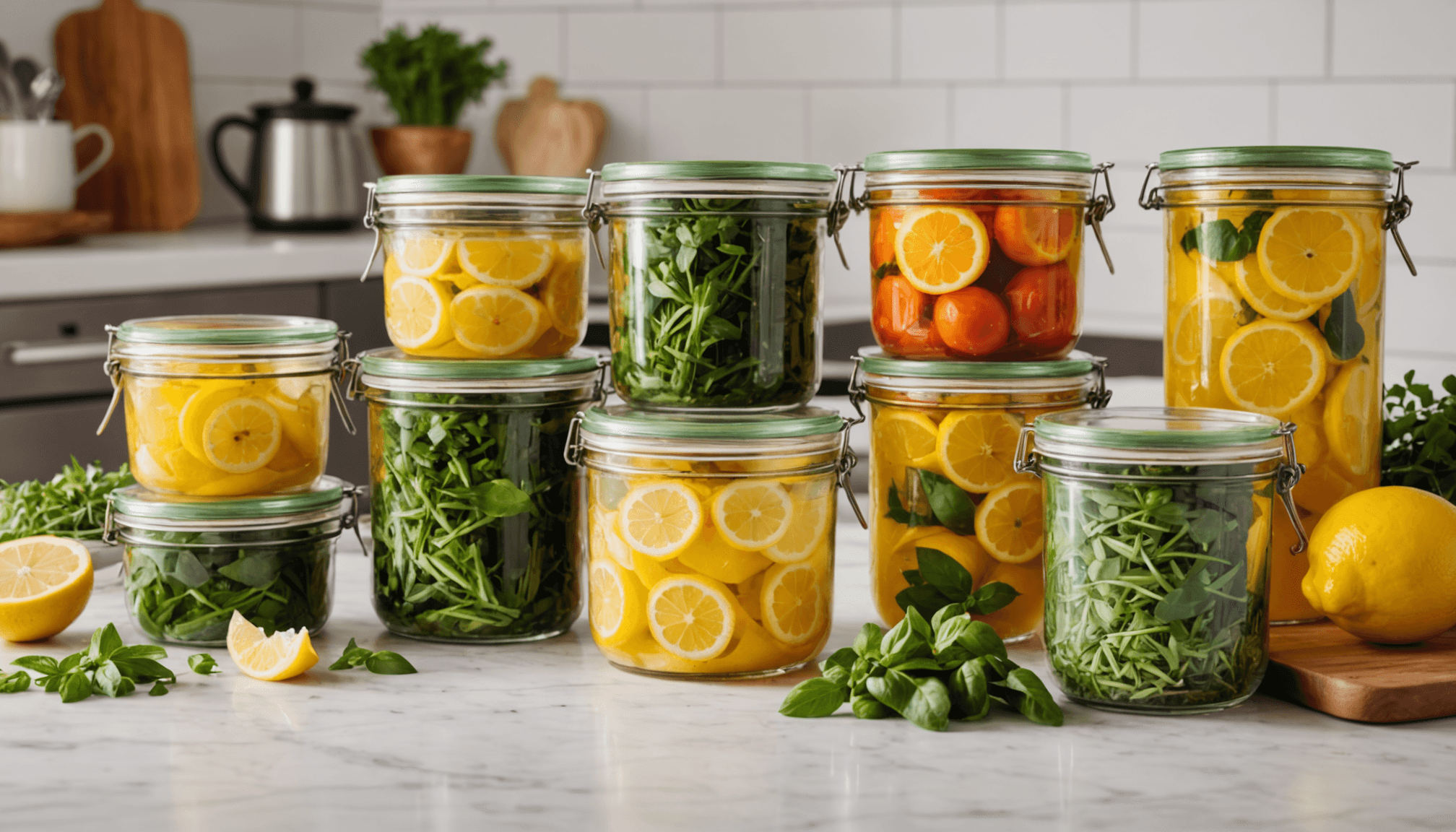
Proper storage solutions for leftovers are essential to extending their shelf life and maintaining their quality. To begin, it’s crucial to cool your leftovers quickly and effectively. After serving, allow food to sit out for no more than two hours to prevent bacteria growth. The quicker you can get your food into airtight containers and into the refrigerator or freezer, the better. Dividing larger portions into smaller containers not only facilitates the cooling process but also promotes quicker reheating for healthy meal prep later in the week.
Equipping yourself with high-quality, airtight storage containers can make a significant difference in maintaining the freshness of your leftovers. Opt for glass or BPA-free plastic containers that are both durable and effective in preventing moisture loss and unwanted odors, which could compromise the taste. Clear containers are particularly helpful; they allow you to easily see what you have available so you can enjoy your leftovers without letting them languish unseen at the back of your fridge.
Labeling is another best practice that can contribute immensely to your food management strategy. Use masking tape or a permanent marker to note the contents and the date they were cooked. This simple step will keep you aware of what you have and encourage you to use older items before they spoil, promoting a zero waste mentality in your kitchen.
Additionally, familiarizing yourself with the storage times for various types of leftovers can guide your meal prep efforts. Generally, cooked foods can be safely stored in the fridge for approximately 3 to 4 days. Grains like rice and quinoa can last up to a week, while soups and stews are good for about 3 to 5 days. Understanding these timelines will prevent waste and help you plan your meals around what needs to be used first.
If you anticipate that you won’t use certain leftovers within a few days, freezing is a wise option. Portion your meals into single servings before placing them in the freezer, making it much easier to thaw just what you need later. Most cooked dishes can be stored in the freezer for up to 3 months, and some soups can last even longer without losing their quality. This not only preserves the food but also ensures that you always have healthy meal prep options ready to go.
When you reheat leftovers, a common issue is dryness; however, reviving your meals is straightforward. Just add a splash of water or broth and cover the dish while reheating to keep moisture locked in. This will help maintain the integrity of the food, ensuring it tastes fresh and flavorful.
To further elevate your leftover meals, consider adding a few fresh ingredients when serving. This doesn’t just enhance flavor but also introduces new textures and nutrients. A squeeze of lemon, a sprinkle of herbs, or some fresh greens can transform a leftover dish into something vibrant and exciting.
Implementing these storage solutions not only extends the lifespan of your leftovers but also reinforces sustainable practices in your kitchen. Embracing strategies that prioritize reducing waste and enhancing freshness allows you to make the most out of every meal, ensuring healthy, enjoyable dishes at your fingertips.
- How should I store my leftovers to maximize freshness?
- Always store leftovers in airtight containers and refrigerate them promptly after meals. Consider dividing large portions into smaller containers to facilitate cooling and reheating.
- How long can I keep leftovers in the refrigerator?
- Generally, most cooked leftovers can be safely stored in the fridge for about 3 to 4 days. Grains can last about a week, while soups and stews may be good for up to 5 days.
- Is it safe to freeze leftovers?
- Yes, freezing is a great way to preserve leftovers. Just make sure to portion them into single servings, and they can usually be kept in the freezer for up to 3 months without losing quality.
- What containers are best for storing leftovers?
- Opt for high-quality, airtight containers made of glass or BPA-free plastic. These materials effectively prevent moisture loss and keep food fresh.
- How can I revive dry leftovers when reheating?
- Add a splash of water, broth, or olive oil when reheating, and cover the dish to lock in moisture. This approach will help restore texture and flavor.
- What should I do with leftovers that I won’t use in time?
- If you won’t consume leftovers within a few days, consider freezing them to extend their shelf life. Portion them into individual servings for easier reheating later.
- How can I incorporate fresh ingredients into my leftover meals?
- Adding fresh ingredients like herbs, citrus, or greens when serving can enhance flavors and provide a nutritious boost to your leftover dishes. This keeps each meal vibrant and enjoyable.

Leave a Reply