
- Healthy meal prep strategies
- Understanding diverse dietary needs
- Meal prep essentials and tools
- Recipes for various diets
- Tips for maintaining meal prep consistency
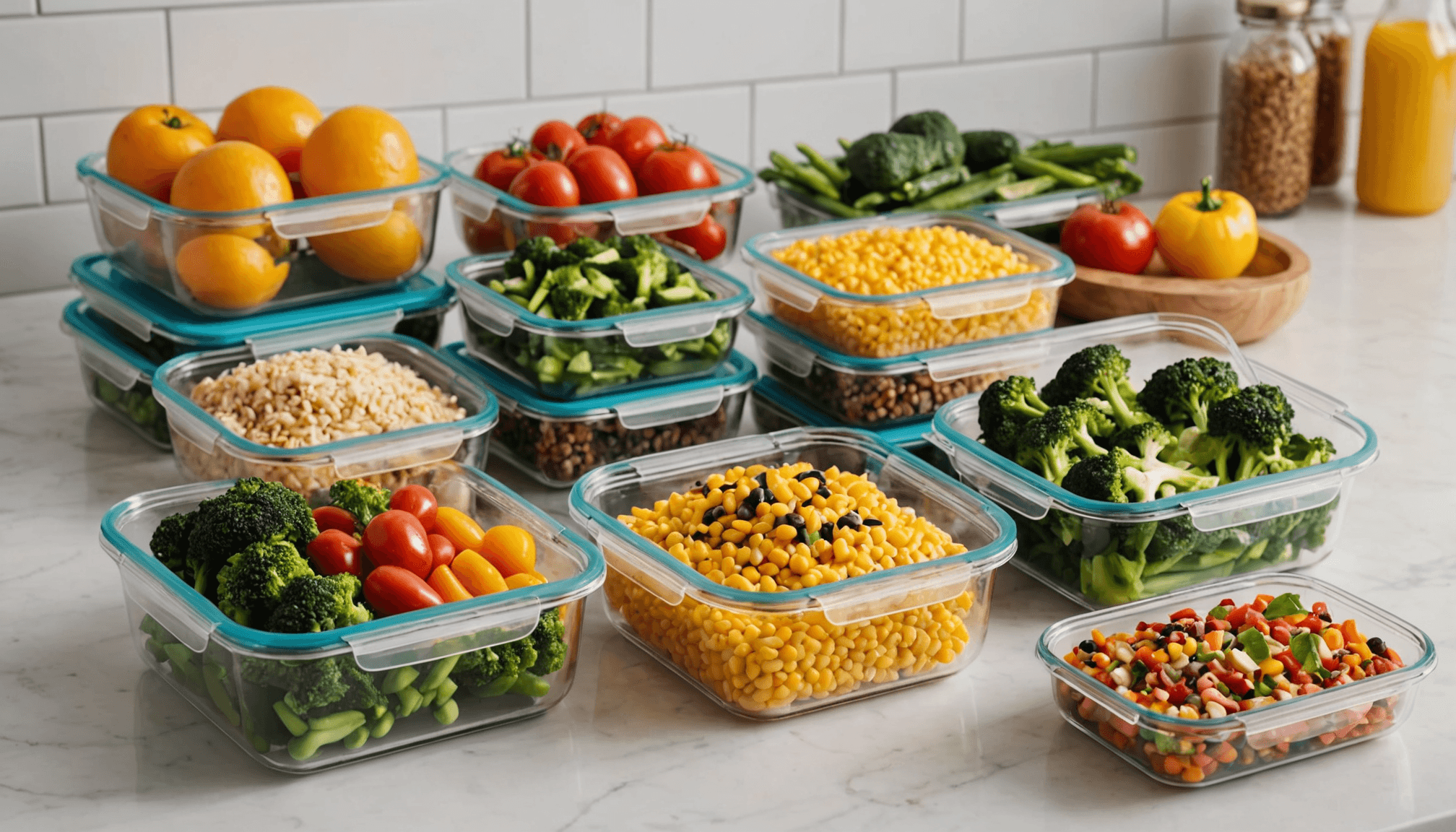
When diving into healthy meal prep, it’s all about kicking off with a solid game plan. One of the first strategies to embrace is to carve out just a couple of hours a week dedicated to prepping your meals. Imagine saving time during the week while making sure you’re sticking to your goals. Start by selecting a day that works for you, maybe Sunday or even a weeknight when you can unwind a bit. This ritual will soon become a welcome routine.
Another key strategy is to embrace batch cooking. Whipping up larger portions of your favorite staples—like quinoa, brown rice, or grilled chicken—makes it easy to mix and match throughout the week. This way, you can swap out ingredients to create variety without spending all your time stuck in the kitchen. Think of it as your foundation for the week; once you have your basics sorted, you can get creative with different seasonings and sauces for each meal.
Don’t overlook the power of planning your meals. Chalk out a weekly menu that accommodates your busy schedule and reflects those dietary preferences you’re targeting. Make a note of what you want to cook and highlight any special ingredients you might need to grab at the grocery store. Having a visual plan not only energizes your meal prep session but gives you a clear roadmap to stay on track.
Keep your pantry stocked! That’s right—having essentials at the ready, like canned beans, frozen veggies, nuts, and whole grains, plays a huge role in pulling together healthy meal prep options quickly. You’ll be surprised how much easier meal prep becomes when you aren’t scrambling for ingredients or stopping by the store last minute. It’s all about being prepared.
Lastly, leverage technology to your advantage. There are tons of apps that can help you with meal planning, grocery lists, and even finding new recipes that cater to diverse diets. These tools can simplify your process and keep things interesting. Plus, you can share your discoveries with friends, making meal prep a collective journey rather than a solo mission. Don’t be afraid to get creative and play around with flavors and cuisines to keep your meals exciting and satisfying!
Understanding diverse dietary needs
Understanding dietary preferences is crucial for creating meals that not only nourish the body but also align with individual lifestyles and cultural backgrounds. The diversity of dietary needs can stem from several factors, including health conditions, ethical beliefs, and personal preferences. Each of these factors shapes one’s eating habits, making it essential to consider them in the context of healthy meal prep.
Many people follow specific dietary patterns, such as vegetarianism, veganism, gluten-free, or ketogenic diets, each with unique requirements. For instance, a vegetarian or vegan diet excludes meat and animal products, necessitating an emphasis on plant-based proteins, such as legumes, nuts, and seeds. As Mahatma Gandhi once said, “The greatness of a nation and its moral progress can be judged by the way its animals are treated.” This reflects the ethical standpoint many adopt when choosing their food. Therefore, meal prep must incorporate ingredients that align with these values while ensuring they maintain a balanced nutrient intake.
On the other end of the spectrum, individuals with dietary restrictions due to allergies or intolerances need meals tailored specifically for their needs. For example, gluten-intolerant individuals require gluten-free grains and alternative sources of carbohydrates. Creating spaces in meal prep for diverse diets means being meticulous about cross-contamination and employing labels on prepped meals to avoid any dietary mishap. As author Michael Pollan rightly notes, “Eat food, not much, mostly plants.” This perspective emphasizes the importance of inclusivity in meal preparation, allowing everyone to enjoy wholesome meals that respect their dietary choices.
Understanding that not everyone has the same nutritional needs also means recognizing the importance of macronutrient balance. Individuals adhering to a high-protein diet, for instance, should focus on incorporating sufficient protein sources while balancing their carbohydrate and fat intake. A well-prepped week might include grilled chicken or tofu alongside whole grains and plenty of vegetables, demonstrating how flexibility enhances variety. For meal prep enthusiasts, being aware of these dietary macros aids in crafting meals that are both enjoyable and compliant with diverse diets.
Moreover, understanding cultural backgrounds can significantly influence meal prep strategies. Many traditional diets, such as Mediterranean or Asian cuisines, offer rich nutritional values while highlighting cultural significance. Incorporating dishes from different cultures can introduce new flavors and ingredients into one’s healthy meal prep. As nutritionist Joy Bauer points out, “Food is not just what we eat; it is how we connect with others.” Recognizing and embracing this aspect in meal preparation fosters a sense of community and inclusivity, inviting everyone to partake in diverse culinary experiences.
In conclusion, acknowledging the spectrum of dietary preferences ensures that healthy meal prep is not just about convenience but also about respect, creativity, and nourishment. By carefully considering these needs, we can create meals that are not only balanced and nutritious but also representative of the rich tapestry of dietary diversity present in today’s society.
Meal prep essentials and tools
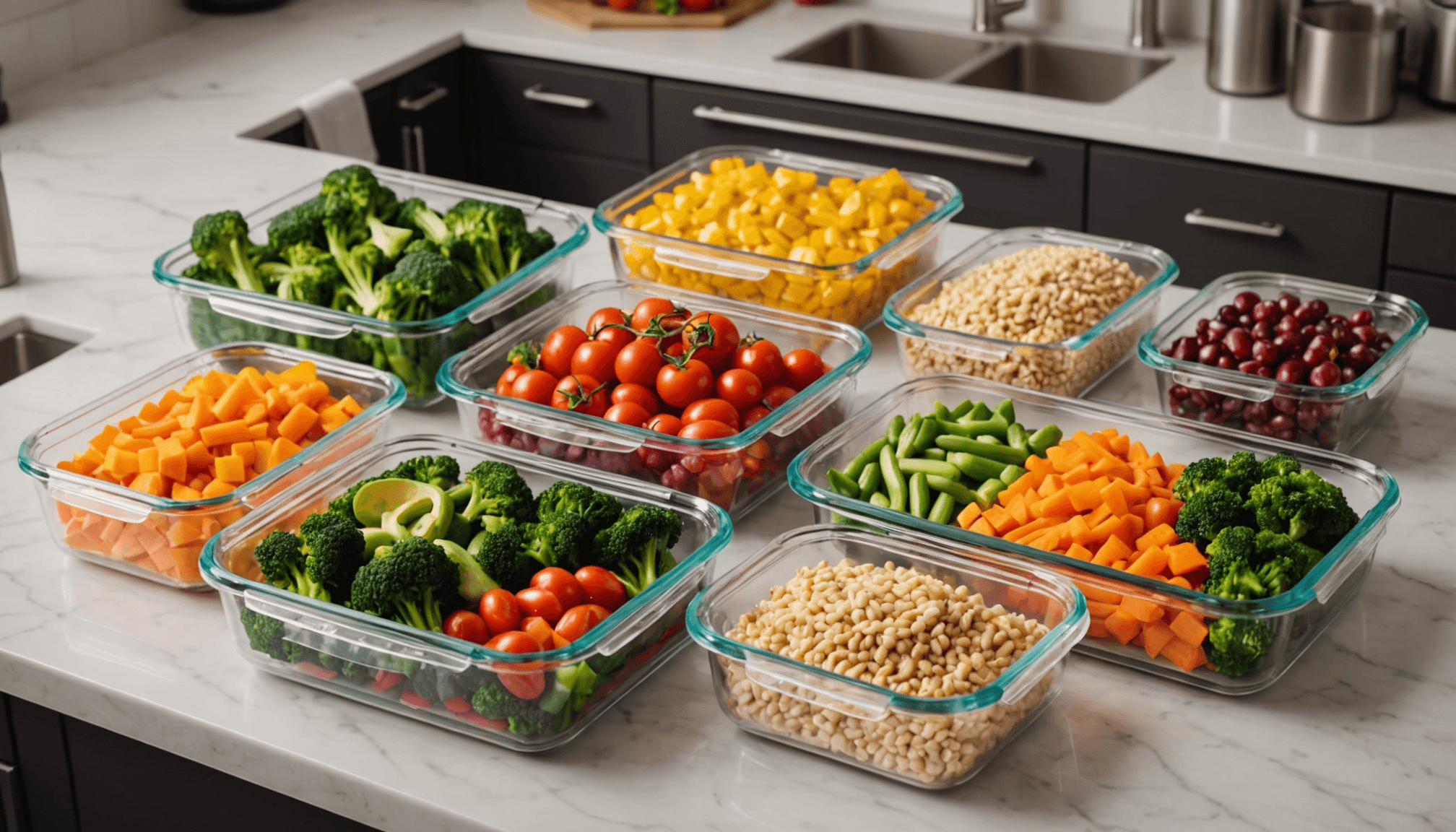
When it comes to meal prep, having the right tools and essentials can make all the difference. Think of your kitchen as your workshop, and just like a craftsman needs the right tools to create something beautiful, you need the right gear to whip up healthy meals effortlessly. The first piece of the puzzle? Quality storage containers. Invest in a variety of sizes—glass containers are fabulous for reheating and often last longer than plastic. Plus, they just look nicer in the fridge, don’t you think?
Then, there’s the importance of a good set of kitchen knives. Trust me, if you’ve ever struggled with a dull blade, you know that the right knife can turn meal prep from a laborious task into a simple joy. A chef’s knife, paired with a paring knife for those intricate cuts, will speed up your chopping and slicing, allowing you to focus on actually enjoying the cooking process rather than just grinding through it.
Next, let’s talk cooking equipment. If you don’t already have one, consider adding a multifunctional instant pot to your kitchen arsenal. It’s a game-changer for busy folks. You can steam veggies, cook grains, or even make soups in a fraction of the time it would take on the stove. Plus, you can throw in frozen ingredients and get a wholesome meal ready in no time. For the oven enthusiasts, a roasting pan or a baking sheet lined with parchment is essential for quick, simple one-pan meals.
Now, don’t forget about those handy measuring tools. A set of measuring cups and spoons helps you stay precise in your recipes. It’s tempting to wing it sometimes, but especially when you’re experimenting with diverse dietary preferences, having exact measurements can help create consistent results that you and your loved ones will enjoy.
And let’s talk about those whimsical kitchen gadgets that can spark creativity! A spiralizer, for example, can turn a simple zucchini into spaghetti, making it a fun way to play around with healthy meal prep and incorporate more veggies into your meals without sacrificing taste. Or how about a food processor? This gem can make quick work of chopping, blending, and even pureeing dips or dressings to really elevate your simple dishes.
Speaking of dressings and dips, let’s not overlook the pantry essentials that lend flavor to your meals. Stock your shelf with spices and herbs, as they can turn basic ingredients into delightful dishes. Having a variety of olive oil, balsamic vinegar, and herbs like basil or thyme readily available can help you whip up quick marinades or dressings to toss in with your prepped veggies and proteins, making each meal feel fresh and exciting.
Finally, let’s add a touch of technology to your meal prep. Apps that help you plan your meals or track your inventory can save precious time. Picture this: you whip out your phone, quickly scan what you have on hand, and voila! You’ve got a meal in mind that caters to your dietary preferences, all without ever stepping foot in the store. League together with your friends in the kitchen through these apps too, as meal prep can be a fun, communal experience. The tech-savvy times allow us to be smarter about our meal prep strategies.
Whether you’re a busy professional craving healthy options, a college student juggling studies, or a sports-minded individual aiming to fuel your performance, having these essentials can make meal prep not just easy, but enjoyable. Embrace these tools and watch your confidence in the kitchen soar as you craft meals that resonate with your goals and taste buds!
Recipes for various diets
- Quinoa Salad with Roasted Vegetables
- Ingredients:
- 1 cup quinoa
- 2 cups water or vegetable broth
- 2 cups mixed vegetables (zucchini, bell peppers, broccoli)
- 2 tablespoons olive oil
- Salt and pepper to taste
- 1 tablespoon lemon juice
- Fresh herbs (parsley or cilantro)
- Instructions:
- Preheat the oven to 400°F (200°C).
- Rinse the quinoa under cold water, then add it to a pot with water or vegetable broth. Bring to a boil, then reduce to low heat, cover, and simmer for about 15 minutes until all liquid is absorbed.
- While the quinoa cooks, chop the mixed vegetables into bite-sized pieces and spread them on a baking sheet.
- Drizzle olive oil over the veggies, season with salt and pepper, and toss until evenly coated.
- Roast in the oven for 20-25 minutes, stirring halfway through, until vegetables are tender and slightly caramelized.
- Once the quinoa is ready, fluff it with a fork and mix in the roasted vegetables.
- Drizzle with lemon juice and sprinkle with fresh herbs before serving.
- Ingredients:
- Chickpea Stir-Fry
- Ingredients:
- 1 can chickpeas, drained and rinsed
- 2 cups broccoli florets
- 1 bell pepper, sliced
- 2 tablespoons soy sauce or tamari (for gluten-free)
- 1 tablespoon sesame oil
- 2 cloves garlic, minced
- 1 teaspoon ginger, grated
- Sesame seeds for garnish
- Instructions:
- In a large skillet or wok, heat sesame oil over medium-high heat.
- Add garlic and ginger, sautéing for about 30 seconds until fragrant.
- Add broccoli and bell pepper, stirring frequently until they start to soften, about 3-4 minutes.
- Stir in the chickpeas and soy sauce, cooking for an additional 5 minutes or until everything is well combined and heated through.
- Serve warm, garnished with sesame seeds.
- Ingredients:
- Overnight Oats
- Ingredients:
- 1 cup rolled oats
- 2 cups almond milk (or any milk of choice)
- 2 tablespoons chia seeds
- 1 tablespoon maple syrup (optional)
- Fresh fruits (berries, banana, apple slices)
- Nuts or seeds for topping
- Instructions:
- In a mason jar or container, combine rolled oats, almond milk, chia seeds, and maple syrup.
- Stir well to ensure everything is mixed and the oats are fully submerged in liquid.
- Seal the jar and place it in the fridge overnight.
- In the morning, top with fresh fruits and nuts or seeds before serving.
- Ingredients:
“Let food be thy medicine and medicine be thy food.” – Hippocrates
These recipes are not only simple and quick to prepare but also accommodate various dietary preferences, making them perfect for anyone engaging in healthy meal prep. By incorporating a mix of whole grains, proteins, and fresh vegetables, they ensure a nutritionally balanced approach that respects the principles of diverse diets.
Tips for maintaining meal prep consistency
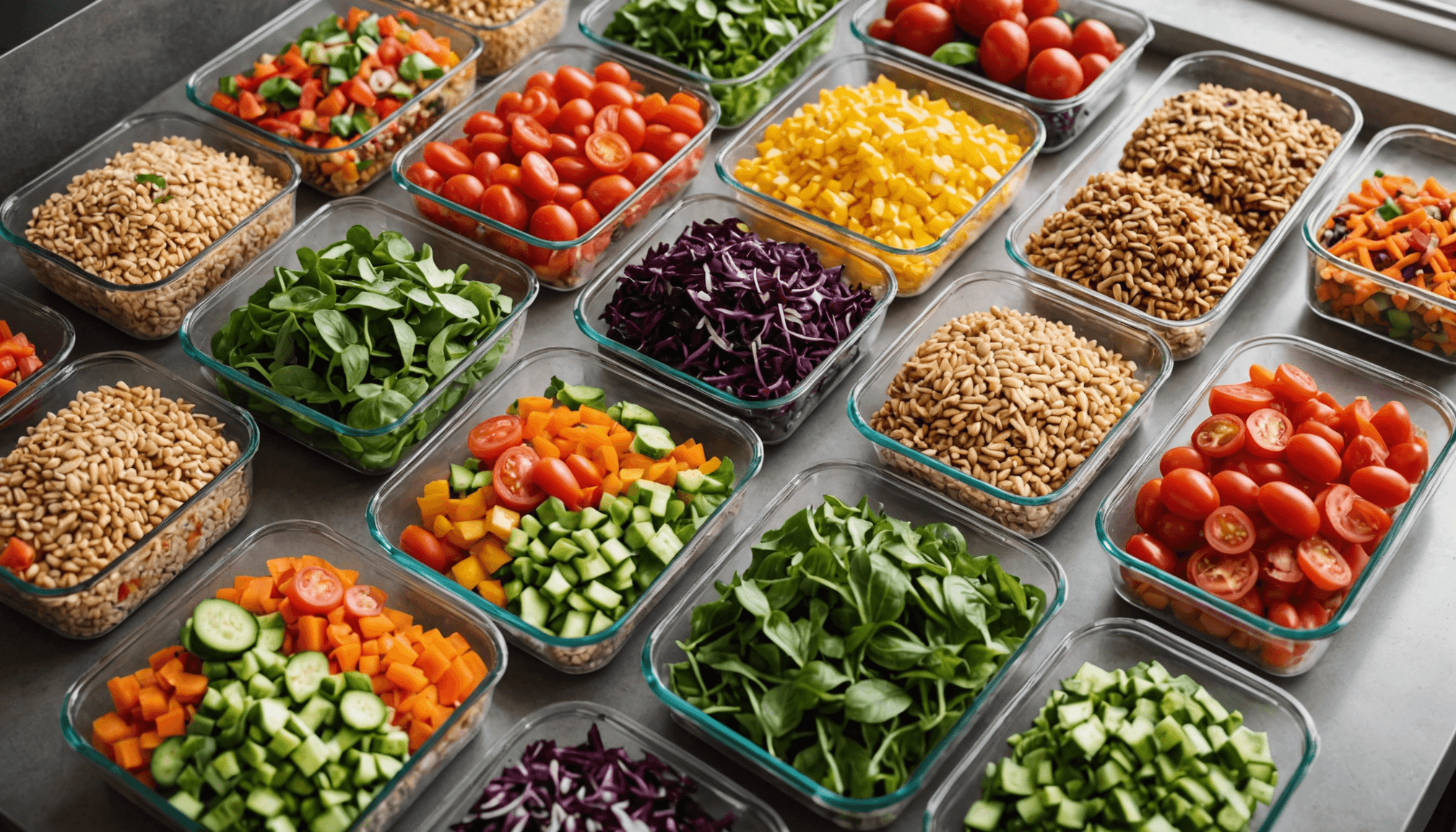 It’s essential to create a sustainable rhythm in your healthy meal prep routine. Keeping motivation high and ensuring consistency involves setting realistic goals and adjusting your expectations as needed. Start by committing to a specific number of meals to prep each week, and gradually increase that number as your confidence grows. It’s easy to become overwhelmed if you aim too high from the start, so embracing a step-by-step approach can foster long-term habits.
Your schedule plays a crucial role in meal prep consistency. Consider your week ahead and identify the busiest days. This foresight will allow you to prep extra on lighter days, ensuring you have delicious and nourishing meals ready when time is tight. Alternatively, creating a backup plan with quick, no-cook meals can save you on particularly hectic days. Think salads, wraps, or grain bowls with prepped ingredients that require minimal assembly; this strategy helps maintain a steady flow of healthy eating despite a busy lifestyle.
Another way to stay consistent is through variety. While it’s important to have go-to recipes that you can whip up with ease, incorporating different cuisines and flavors keeps your meal prep exciting. Explore cooking techniques or ingredients you haven’t tried yet; this not only stimulates creativity but can also broaden your culinary knowledge. Consider monthly themes or challenges—like Mediterranean month or vegan week—to encourage discovery and prevent monotony in your meals.
Engaging with a community can bolster your meal prep consistency. Share your plans, successes, and even challenges with friends or family members who support your healthy eating journey. This can be done through social media platforms, cooking classes, or even simple meal swaps, where you and a friend prepare and exchange different meals. Encouragement and camaraderie make the process more enjoyable and sustainable.
Ultimately, it’s vital to celebrate your successes, no matter how small. Whether you’ve successfully prepped meals for the week or simply found a new recipe that excites you, acknowledging your efforts boosts your motivation. Regularly remind yourself of your reasons for embarking on this meal prep journey, whether it’s for health, convenience, or enjoyment. This reflection keeps you aligned with your goals and invigorates your commitment to maintaining this practice long-term.
- How can I start meal prepping for the first time?
- Begin by dedicating a few hours each week to plan your meals. Choose a specific day for shopping and prepping, starting with simple recipes that require minimal time and ingredients to build your confidence.
- What are some easy recipes for busy people?
- Look for one-pot meals, sheet pan dinners, or make-ahead breakfasts like overnight oats. These recipes offer convenience and can be prepared in bulk, saving you time throughout the week.
- How many meals should I prep at once?
- This depends on your personal schedule and how many meals you need for the week. Start with prepping two to three meals and increase as you become comfortable with the process.
- Can meal prep help with weight management?
- Yes! By planning and preparing meals in advance, you can control portion sizes and ensure that you have healthy options available, reducing the temptation to eat out and make less nutritious choices.
- How do I store my meal-prepped food optimally?
- Use airtight containers to keep your meals fresh. Glass containers are preferable as they’re microwave-safe and allow you to see the contents easily. Labeling your containers with dates can also help maintain freshness.
- What if I have dietary restrictions?
- It’s important to tailor your meal prep to accommodate any dietary restrictions. Focus on whole, unprocessed foods and substitute ingredients to align with your needs, ensuring that you maintain a balanced diet.
- How can I keep my meal prep interesting?
- Incorporate a variety of spices, herbs, and different cooking techniques to transform basic ingredients into exciting meals. Experimenting with themes or cuisines each week can also help to keep things fresh and enjoyable.

Leave a Reply