
- Understanding the benefits of meal prep
- Essential tools for meal prep success
- Planning your meals for the week
- Healthy ingredient choices and substitutions
- Storing and reheating meals effectively
Meal prep isn’t just a trendy buzzword floating around social media; it’s a game changer for anyone looking to make healthier choices without sacrificing time and taste. Picture this: you’ve had a long day, and the last thing you want to do is spend an hour in the kitchen rustling up a meal that’s both nutritious and delicious. With effective meal prep, you can wave goodbye to those stressful evenings and embrace a smoother, more organized approach to eating.
First off, let’s talk about the benefits of healthy meal prep. For one, it saves you a tonne of money! When you plan your meals ahead of time, you’re less likely to splurge on takeout or pre-packaged meals that are often overpriced and not the best for your waistline. Buy your ingredients in bulk, and not only will you cut costs, but you’ll also reduce unnecessary food waste. It’s a win-win! Plus, you’ll find that it promotes better portion control. When you pre-prepare your meals, you’re less likely to overindulge, and you have set servings ready to go, keeping you in check.
Then there’s the time factor. Seriously, do you want to spend half your weekend in the kitchen, or would you rather whip up a batch of meals in a couple of hours that will last you through the week? That’s right! Imagine chopping up a rainbow of vegetables, grilling some chicken or tofu, and portioning it out into containers while your favorite tunes are blasting in the background. Before you know it, you’ve turned your kitchen into a well-oiled meal prep machine!
Now, let’s not forget about nutrition. When you take charge of what goes into your meals, you gain complete control over the quality and sourcing of your ingredients. You can sneak in wholesome grains, vibrant fruits, and leafy greens without any fuss. Think of all those delicious quinoa bowls, zesty chickpea salads, or hearty veggie stir-fries. When you make a habit of prepping healthy dishes, you’re fueling your body with the nutrients you need to keep you energized throughout those busy days.
And here’s a little secret: meal prepping can somehow feel like a creative outlet! You can experiment with flavors and dishes you’ve always wanted to try but never had the time. Why not take a stab at a homemade curry or a fresh salsa to elevate those bland chicken breasts? Getting together with family or friends for a prep session can even make it more fun! Think of it as a mini cooking class in your own kitchen.
In addition to all these benefits, let’s not ignore the peace of mind that comes with knowing what’s for dinner! Gone are the days of standing in front of the fridge at 6 PM, riddled with indecision. With meals prepped, you can simply grab, heat, and enjoy without the stress. You’ll find yourself more relaxed and ready to face whatever challenges the week throws your way.
So, if you’re still on the fence about diving into meal prep, just remember the magical intersection of efficiency, savings, health, and creativity that it brings into your life. Trust me, once you get a taste of this system, you won’t look back. It’s all about working smarter, not harder, my friends!
Essential tools for meal prep success
When it comes to embarking on your healthy meal prep journey, having the right tools can make all the difference. Equipping your kitchen with essential items not only streamlines the process but also enhances your overall cooking experience. Let’s explore the must-have tools that will elevate your meal prepping game.
Food Storage Containers
Investing in high-quality food storage containers is crucial. Opt for BPA-free plastic or glass containers with airtight lids to keep your meals fresh and free from contamination. Studies show that meal prep using proper storage can extend the shelf life of your meals by up to 50%. Consider containers in various sizes—some for snack portions, others for full meal servings. This range allows you to customize your portions effectively, making it easier to adhere to your healthy eating goals.
Cutting Board and Sharp Knives
Cutting vegetables and proteins efficiently can save you a lot of prep time. A sturdy cutting board paired with sharp knives is essential for chopping ingredients swiftly. Consider a multi-use cutting board with measurement markings or sections for different food types to avoid cross-contamination. Research suggests that having the right tools can speed up meal prep time by up to 30%, allowing you to spend less time in the kitchen and more time enjoying your healthy meals.
Blender or Food Processor
A blender or food processor can be a game changer for your meal prep. They enable you to create smoothies, sauces, dips, and even pre-chopped vegetables quickly. With the ability to blend up greens into nutritious smoothies or to mix homemade dressings in seconds, these appliances are indispensable. Data indicates that smoothies can help you increase your fruit and vegetable intake, which is essential for a well-rounded diet.
Measuring Cups and Spoons
Precision is key in healthy meal prep, especially when it comes to portion sizes and ingredient ratios. A set of measuring cups and spoons ensures that you’re using the correct amounts of grains, proteins, and spices in your meals. This not only keeps your recipes consistent but also helps in maintaining nutritional value. According to nutrition studies, consistent portion sizes can help with weight management and dietary success.
Instant Pot or Slow Cooker
If you want to simplify cooking while you prep meals in bulk, consider investing in an Instant Pot or a slow cooker. These appliances allow you to set it and forget it, with the ability to prepare soups, stews, grains, and even proteins with minimal effort. Research has shown that using slow cookers can help maintain nutrient density in meals, making them a great option for healthy eating—especially for busy lifestyles.
Kitchen Scale
Measuring ingredients by weight can lead to improved accuracy in your meal prep. A kitchen scale is a worthwhile tool, especially for recipes that require precision or when tracking macronutrients. Weight-based portioning can significantly reduce guesswork and ensure you’re meeting your dietary goals. Studies reveal that using a kitchen scale can promote healthier eating habits and enhance meal satisfaction levels.
Labels and Markers
As you prep your meals, it’s important to know what you’ve made and when it’s good to eat. Having labels and markers is a simple yet effective way to stay organized. Labeling containers with the meal name and date not only helps keep track of freshness but also serves as a reminder to consume meals before they expire. A study published in the Journal of Nutrition found that meal labeling positively impacts food consumption patterns, encouraging healthier choices over time.
With these essential tools at your disposal, your healthy meal prep journey will be smoother and more enjoyable. By investing in the right kitchen gadgets, you’re setting yourself up for success, making meal preparation an integral part of your healthy lifestyle. Remember, the best meal prep tips come not only from recipes but from also being equipped with the appropriate tools to execute those recipes effectively.
Planning your meals for the week
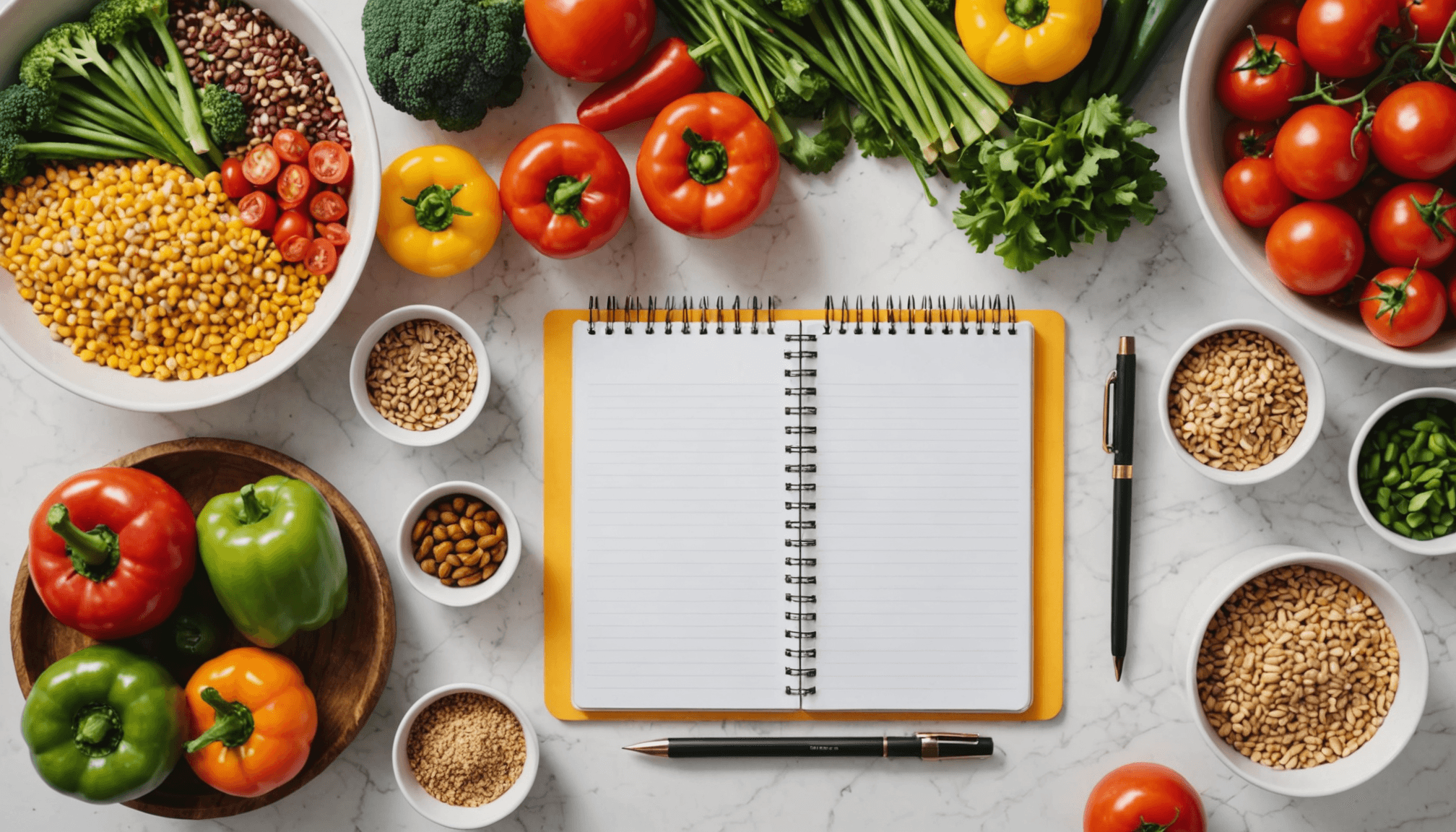
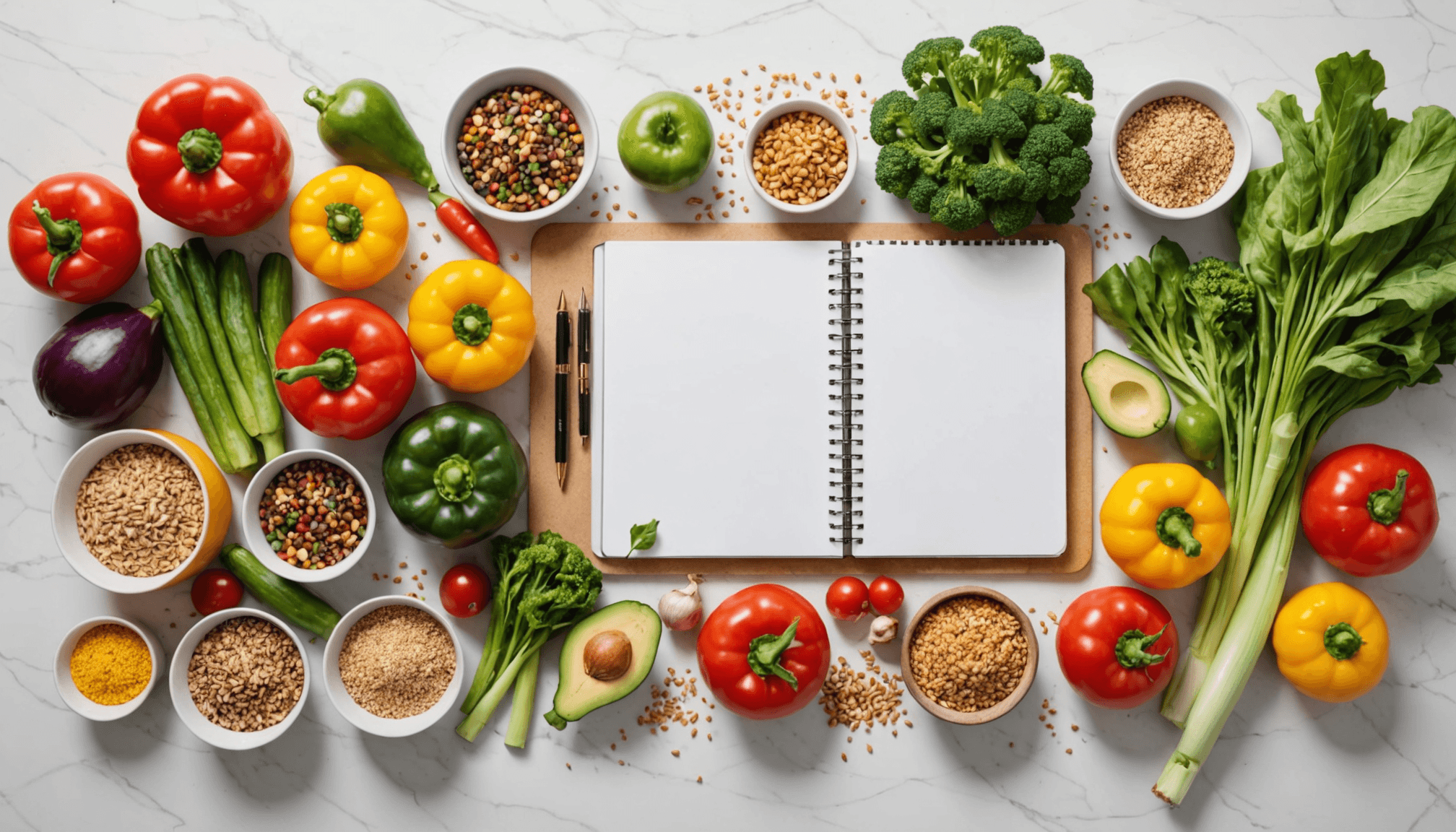
Planning your meals for the week is an essential step in the meal prep process that lays the groundwork for success. It’s not just about picking out a random healthy recipe or throwing together some old ingredients; it’s about crafting a thoughtful menu that caters to your nutritional needs, time constraints, and personal taste. So, let’s roll up our sleeves and dive into the nitty-gritty of creating your weekly meal plan!
Start with a blank slate—grab a notepad or use a digital tool that you like. There’s something undeniably satisfying about physically writing things down or clicking through an app. Begin by reflecting on your schedule for the upcoming week. Are there days when you’re busier than others? Perhaps you have a meeting or a sports event that’ll keep you out later than usual. Mark those days, as they will affect your meal choices. On busier days, opt for quick, ready-to-eat meals or utilize the freezer for pre-prepped dishes.
Next, focus on variety. Eating the same thing every day can become monotonous and may lead to meal prep burnout. Consider a roster of different proteins, grains, and veggies for the week. For instance, perhaps you have grilled chicken with quinoa and broccoli on Monday, a vegetarian stir-fry on Tuesday, a fish taco night on Wednesday, and so on. Aim for a colorful plate; the more diverse the colors, the more likely you are to incorporate a range of nutrients into your diet. This is where meal prep tips become crucial—think about theme nights or specific cuisines each day to keep things exciting, like “Meatless Monday” or “Taco Tuesday.”
Don’t forget to incorporate leftovers into your planning. Plan meals that can easily be converted into something new for lunch or dinner the next day. For example, if you roast a whole chicken on Sunday, use it for a classic chicken salad on Monday, and then turn any remaining meat into a hearty soup by Wednesday. This not only reduces food waste but also saves you prep time. It’s all about being strategic!
An important aspect of your meal plan is balancing your macronutrients—proteins, fats, and carbohydrates. Consider using resources like the USDA’s MyPlate, which provides a straightforward way to visualize how your meals should be composed. Aim for lean proteins like chicken or beans, healthy fats from avocados or olive oil, and complex carbohydrates like brown rice or sweet potatoes. This consideration will make your meals satisfying and fuel your busy lifestyle, whether you’re chasing kids around, working long hours, or hitting the gym.
When it comes time to write down your grocery list, refer back to your meal plan. Keep it focused on whole foods and avoid highly processed items. Stick to the perimeter of the grocery store where the freshest ingredients are usually found. A tip that always helps? Group items by category (fruits, veggies, proteins, etc.) to streamline your shopping experience, reducing the time spent wandering the aisles.
Also, remember to write down snacks. These small bites can make or break your healthy lifestyle. Include things like carrot sticks with hummus, Greek yogurt, or mixed nuts. Pre-cut veggies and pack them in individual containers for grab-and-go options during those hectic workdays. Those kitchen hacks can save you from the temptation of junk food when hunger strikes!
Ultimately, the more thought you put into your meal planning, the more streamlined your healthy meal prep becomes. You’ll become a pro at navigating your week, ensuring you have delicious and wholesome meals ready, minimizing those late-night takeout temptations. And as you get into this rhythm, you’ll find it’s not just a chore but an enjoyable part of your weekly routine where creativity can flow. Happy planning!
Healthy ingredient choices and substitutions
Choosing the right ingredients is essential for successful meal prep, as this not only influences the nutritional value of your meals but also affects their overall taste and satisfaction. To ensure you’re making healthy choices, here’s a practical guide for selecting ingredients and finding alternatives to enhance your meal prep.
- Focus on Whole Foods. Start by filling your cart with whole, unprocessed foods. These include fresh fruits and vegetables, whole grains, lean proteins, and healthy fats. Aim for a variety of colors and types; for example, select greens like spinach and kale, colorful bell peppers, and robust root vegetables like sweet potatoes and carrots. The more diverse your selection, the more nutrients you’ll be incorporating into your diet.
- Choose Lean Proteins. When deciding on proteins, opt for lean sources that support muscle growth and recovery while minimizing saturated fats. Go for options like skinless chicken breast, turkey, fish, and plant-based proteins such as lentils, chickpeas, and tofu. Incorporating different protein sources throughout the week can add interest and flavor to your meals.
- Incorporate Whole Grains. Instead of refined grains, select whole grains that provide more fiber and nutrients. Quinoa, brown rice, farro, and barley are fantastic choices. These grains will keep you feeling fuller for longer, which is essential in maintaining energy levels throughout your busy days.
- Explore Healthy Fats. Healthy fats are crucial for proper nutrient absorption and overall health. Include sources such as avocados, olive oil, nuts, and seeds. Not only do these items enhance the flavor of your dishes, but they also make meals more satisfying. For instance, drizzling a bit of olive oil on your roasted vegetables can elevate their taste considerably.
- Smart Substitutions. If you’re looking to make your meal prep even healthier, consider swapping out certain ingredients with lighter alternatives. Here are a few meal prep tips:
- Use Greek yogurt instead of sour cream or mayonnaise in recipes to reduce calories while adding protein.
- Replace pasta with spiralized vegetables like zucchini or spaghetti squash to create low-carb versions of your favorite dishes.
- Try cauliflower rice as a substitute for white rice to cut down on carbs while boosting your vegetable intake.
- Seasoning Wisely. Instead of relying on salt or sugary sauces that can hinder your health goals, experiment with herbs and spices for flavor. Garlic, ginger, basil, cumin, and paprika can add zest and excitement to your meals while keeping them healthy. Not only will this help you minimize added sugars and sodium, but you’ll also enjoy more flavorful dishes.
- Keep an Eye on Portions. It’s vital to understand the portion sizes of both your ingredients and the finished meals. Utilizing measuring cups while prepping can ensure you’re not overloading on caloric foods. Maintaining appropriate portion sizes helps in adhering to your dietary goals and promoting balanced eating.
- Plan for Leftovers. When preparing meals, designate some dishes to be leftovers. For instance, roast a large batch of vegetables or grill extra chicken so that you can incorporate them into salads, wraps, or grain bowls later in the week. This is a great way to save time and reduce wasted food.
“The most important thing about cooking is that your family and friends can be with you; it’s about sharing love, sharing life, and sharing food.” – Unknown
By keeping these ingredient choices and substitutions in mind, you can elevate your healthy meal prep game, ensuring that the meals you prepare are not only nutritious but also delicious and satisfying. Whether you’re a seasoned pro or a beginner in the kitchen, these insights will empower you to create meals that you’ll look forward to enjoying throughout the week.
Storing and reheating meals effectively
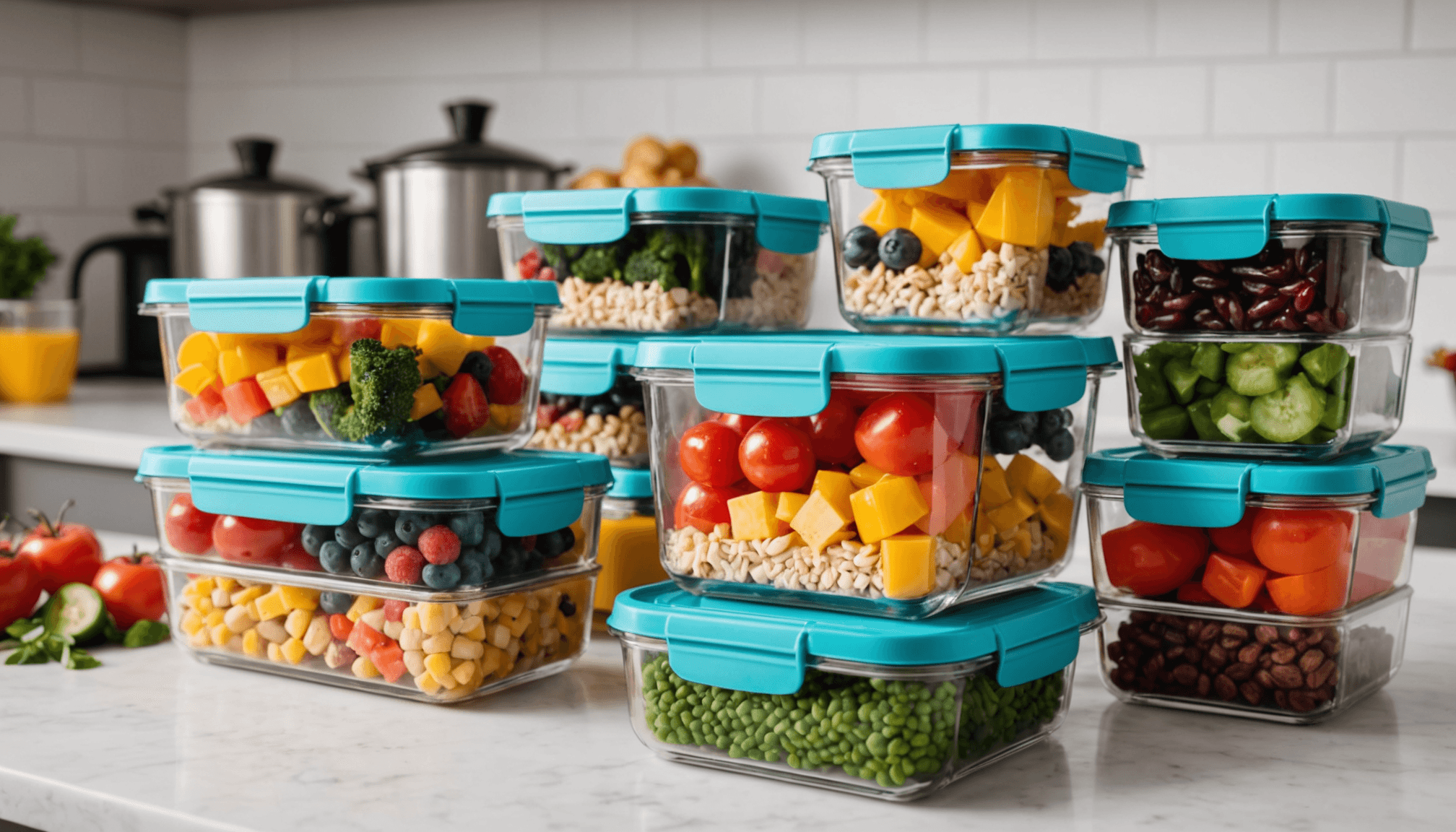 When it comes to storing and reheating your prepared meals, the way you manage your food can greatly influence both its longevity and its taste. Proper storage techniques preserve the nutrients in your meals and prevent spoilage, while effective reheating methods ensure you maintain the delicious flavors you’ve worked so hard to create.
Start with the right containers. Choose airtight, BPA-free containers that are suitable for both the refrigerator and microwave. Glass containers are fantastic for reheating, as they resist staining and can go from freezer to oven without issues, while plastic containers are lightweight and easy to stack. Make sure to label each container with the meal name and date it was prepared, this ensures you will eat your meals within the safe time frame, usually up to four days for most cooked items. Consider using a freezer-safe option for meals you want to store longer; many dishes can last up to three months in the freezer if appropriately packed.
When it comes to reheating, use methods that preserve the texture and flavor of your meals. Microwaving is quick and convenient, but it’s vital to use a microwave-safe cover to prevent splatters and maintain moisture. Additionally, try reheating on medium power to avoid overcooking; this allows for a more even warming process. Stirring occasionally can also help distribute the heat evenly. If you’re reheating a more delicate item like fish or a sauce, consider using a stovetop or an oven instead, as these methods can help achieve a tender texture without drying out the food.
For meals made from pasta, rice, or grains, adding a splash of broth or water while reheating can introduce moisture, reducing the risk of a dry outcome. Soups and stews are best reheated gently on a stove, where you can control the heat and stir frequently to prevent sticking. Heat your meals to at least 165°F to ensure they are safe to eat, especially for items that have been previously frozen.
It’s also essential to recognize when it’s time to discard meals. While it’s tempting to hold onto leftovers, food safety is paramount. If there’s any doubt about a meal’s freshness, it’s better to prioritize your health and toss it out than take unnecessary risks.
By following these food storage and reheating techniques, you can enjoy your meals fully, experiencing the nourishment and satisfaction they were meant to provide.
- How long can I store prepped meals in the refrigerator?
- Most cooked meals can be stored in the refrigerator for up to four days. Ensure your food is in airtight containers to maintain freshness.
- Can I freeze all types of meals for later use?
- Yes, many meals can be frozen, especially soups, casseroles, and stews. However, some items, like salads, may not retain their texture after freezing.
- What’s the best way to reheat meals without losing flavor?
- Microwaving is convenient, but opt for medium power and add a little water or broth to maintain moisture. For better flavor retention, consider reheating on the stovetop or oven.
- How do I know if a meal has gone bad?
- Look for any off-smells, unusual textures, or visible mold. If you’re ever uncertain, it’s safer to discard the meal.
- Should I add water when reheating pasta or rice?
- Yes, adding a splash of water or broth while reheating can help revive moisture and improve the dish’s texture.
- Is it safe to reheat food multiple times?
- It’s best not to reheat food more than once. Each time food is cooled and reheated, the risk of bacterial growth increases.
- What types of containers are best for freezing meals?
- Opt for freezer-safe glass or BPA-free plastic containers. Make sure they’re airtight to prevent freezer burn and maintain quality.

Leave a Reply