
- Understanding special dietary needs
- Essential meal prep strategies
- Planning balanced meals
- Storage tips for meal-prepped foods
- Quick and easy recipes for diverse diets
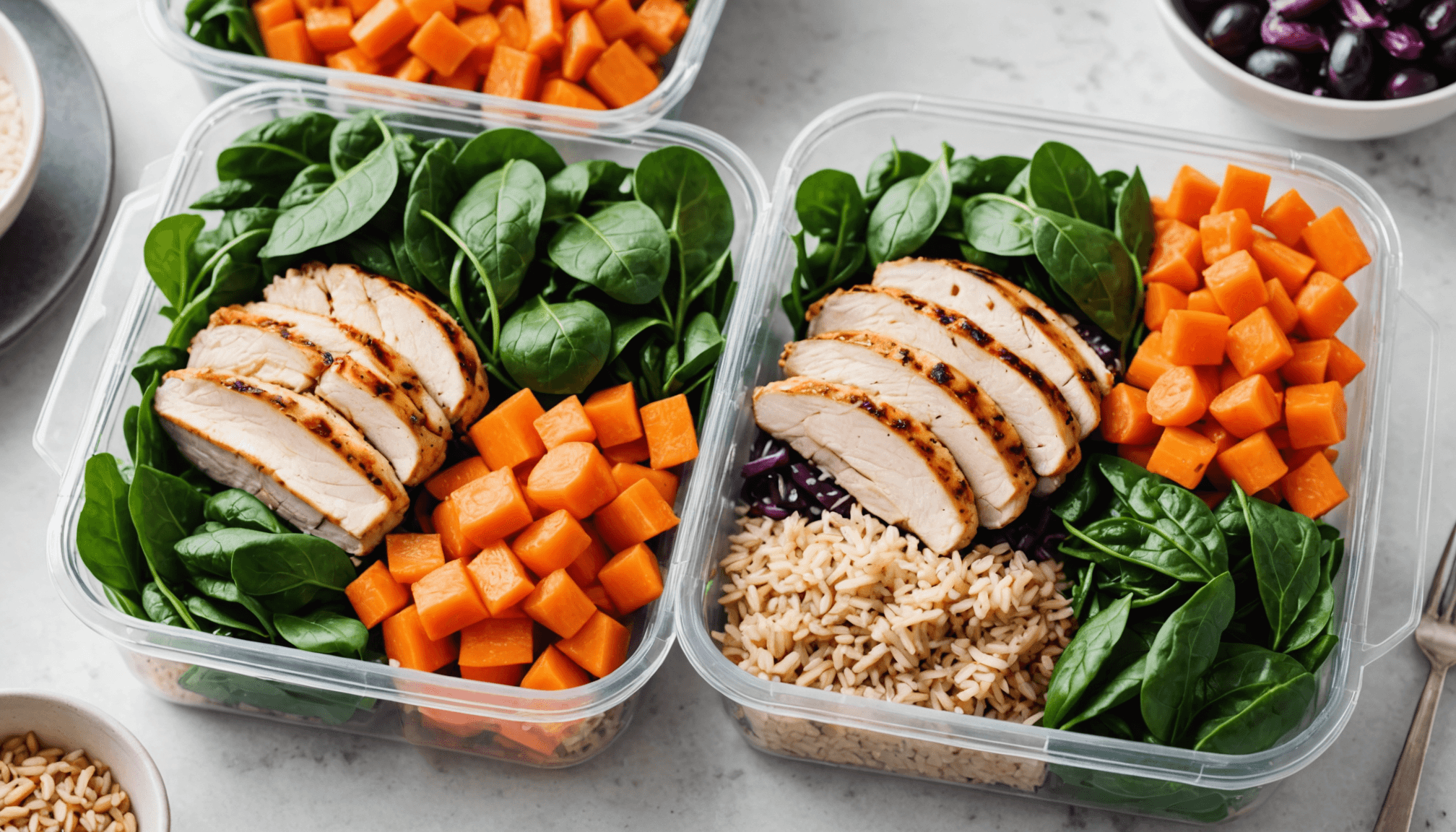
We’ve all got our unique health needs, and understanding those special dietary requirements is the first step to a happier, healthier you. Whether you’re dealing with dietary restrictions, food allergies, or simply trying to eat healthier, it’s crucial to know what works best for your body. It feels a lot like being a chef in your own kitchen—experimenting and finding the right balance of flavors and nutrients.
Take gluten-free diets, for example. This means saying goodbye to wheat-based products like bread and pasta, but hello to delicious alternatives like quinoa, brown rice, and chickpeas! There’s a whole world of grains and legumes that can jazz up your meals while keeping them gluten-free. Imagine whipping up a satisfying quinoa salad loaded with colorful veggies and a zesty lemon dressing—yum!
Then we have those who are lactose intolerant or follow a dairy-free lifestyle. Not only is there an abundance of plant-based milks like almond or oat, but you can also find some incredible vegan cheeses nowadays. Think cheesy roasted veggies or a creamy pasta sauce made from cashews. Seriously, you wouldn’t believe it until you try it!
For anyone managing diabetes, focus on balancing carbohydrates with proteins and fats. Opt for whole foods that maintain stable blood sugar levels. Beans, lentils, and plenty of non-starchy veggies make fantastic meal prep bases. Perhaps a hearty lentil soup infused with fresh herbs, or a wrap made with whole grain tortillas filled with loads of greens, lean turkey, and a dash of mustard?
And let’s not forget those who are simply looking to eat cleaner. Think about packing your meals with vibrant fruits and vegetables, lean proteins, and healthy fats. When you know your dietary needs, meal prepping becomes a colorful canvas where you can mix and match ingredients according to what nourishes and delights you the most!
In this journey, knowledge is power. Getting familiar with nutrition labels, experimenting with new ingredients, and taking time to prep meals that are not only healthy but appeal to your taste buds is key. It adds the fun back into cooking and caring for yourself. So, embrace those healthy meal prep habits, and make your kitchen a delightful space for creating meals that feel good, taste good, and are good for you! It’s all about feeling empowered in your choices and celebrating whatever makes you sparkle.
Essential meal prep strategies
To effectively navigate your meal prep journey, it’s essential to adopt a series of strategies tailored specifically for your dietary needs. Choose versatile ingredients that can fit various dietary restrictions, ensuring you can create diverse and satisfying meals without feeling limited. For instance, bulk-buying items like quinoa, brown rice, and legumes provides a solid foundation that can adapt to multiple culinary directions, whether you’re vegan, gluten-free, or just aiming for a balanced plate.
Utilize batch cooking as a cornerstone of your meal prep approach. Cooking larger portions of staple items like grains, roasted vegetables, or proteins and then portioning them out can drastically reduce daily cooking times. For example, roasting a big batch of sweet potatoes and chickpeas can serve as a base for numerous meals, from salads to grain bowls. This not only saves you time but also reduces the temptation to resort to convenience foods that may not align with your dietary goals.
When planning your meals, prioritize a balance of macronutrients—carbohydrates, proteins, and fats—while being mindful of specific dietary restrictions. Incorporate a variety of colors in your meals to ensure a wide range of nutrients. This could mean mixing leafy greens with vibrant bell peppers and protein sources like grilled chicken or tofu. Aim for three main components in each meal: a grain, a protein, and plenty of vegetables to create nourishment that supports overall health.
Consider prepping snacks alongside your meals to maintain energy levels and satisfy cravings throughout the week. Options like sliced vegetables with hummus, mixed nuts, or energy balls made with oats and nut butter can easily fit various dietary needs while helping avoid the pitfall of unhealthy snacking.
Additionally, labeling your meal containers can streamline your process and make it easy to keep track of what works for you. Use clear markers to denote ingredients that might be critical for those with dietary restrictions or allergies, ensuring that anyone consuming the meal is informed and safe.
Make use of time-saving appliances, such as slow cookers or instant pots, which can assist with meal prep and provide a wide range of healthy options all at once. These tools allow you to cook large quantities effortlessly. For instance, throw in some beans or lentils with spices, and by dinner time, you have a protein-rich base ready to go.
Maintaining a flexible mindset is crucial. Meal prep should not feel restrictive. Instead, view it as an opportunity to explore flavors and textures while accommodating your unique dietary needs. Embrace the experimentation that comes with trying new recipes and ingredients, ensuring your meal prep is as enjoyable as it is functional.
Employing these strategies not only promotes a healthier lifestyle through conscious choices but allows you to respect your body’s signals and cravings while navigating any dietary restrictions you may face. Empower yourself to create healthy meal prep routines that resonate with your taste and nutritional goals.
Planning balanced meals
When it comes to planning balanced meals, let’s break it down into manageable pieces that resonate with you and fit your busy lifestyle. Picture this: it’s Monday morning, you’ve got a packed week ahead, and your mind whirls with thoughts of what to eat. The key is to create a framework that takes the guesswork out of mealtime while ensuring that every dish not only satisfies your hunger but meets your dietary needs.
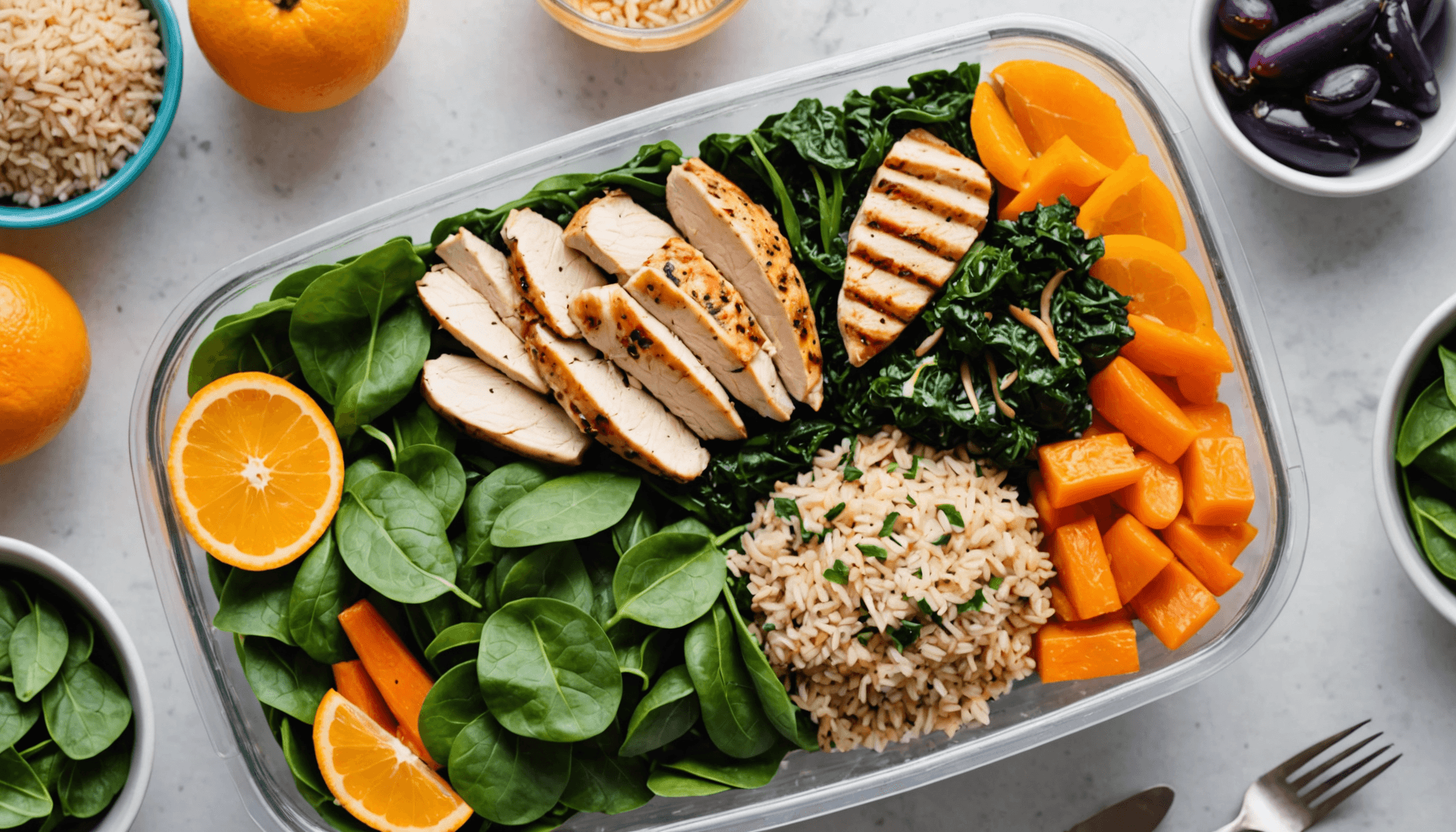
First up, think about your macronutrient balance. A well-rounded meal generally consists of three core components: carbohydrates, protein, and vegetables. These elements work together to fuel your body efficiently. For example, let’s say you’re prepping for the week. You might cook a big batch of brown rice or quinoa as your carb base. Then, grill some chicken or pan-sear tofu for that protein punch, and finish with a colorful medley of roasted or steamed vegetables. Toss in a sprinkle of herbs or a splash of olive oil, and voilà! You’ve got a well-balanced meal that showcases flavor and nutrition.
Speaking of colors, let’s not overlook the vegetables. Aim for a variety of hues on your plate, as this often corresponds to a wider range of nutrients. Think green spinach, vibrant orange carrots, and deep purple eggplant. By incorporating a spectrum of colors, you’re not only making your plate visually appealing but ensuring you’re getting all those vital vitamins and minerals your body craves.
But let’s be real, meal prepping can sometimes feel monotonous if you don’t switch things up. This is where creativity shines! Try different cooking techniques to maintain variety: sauté your greens one day, roast them the next, and maybe even toss them into a soup. You can swap out proteins too—one meal could feature grilled chicken, while another could highlight roasted chickpeas.
- Think outside the box with your grains as well. Instead of sticking to boring old rice every time, why not experiment with farro, millet, or even polenta? Each offers a distinct flavor and texture that can jazz up your meals.
- Don’t forget about legumes – they’re incredibly versatile. Beans can be added to salads, blended into dips, or even incorporated into casseroles. You’ll be packing in protein and fiber without sacrificing taste.
Now, let’s address portion sizes. It’s about finding that sweet spot. You want enough on your plate to stave off hunger between meals without overloading your system. Use your hands as a guide: a fistful of grains, a palm-sized portion of protein, and a mountain of vegetables are great visual cues. This method is intuitive and helps you stay connected with your body’s needs without needing to count calories.
Next, integrate snack time into your meal prep plans. Think of it as an opportunity to keep your energy levels steady throughout the day. Prepping hearty snacks like cut-up fruits, yogurt with granola, or even energy bars made with oats and nut butter can help you avoid the temptation of unhealthy grab-and-go options when those hunger pangs strike.
And while we’re at it, it’s essential to keep everyone’s dietary restrictions in mind if you’re cooking for a family or a group. Meal prep should be inclusive, so consider creating a “base” meal that can be customized. For example, a burrito bowl could feature brown rice topped with a choice of proteins, assorted veggies, and various toppings like salsa, guacamole, or dairy-free cheese. This way, everyone can tailor their meal to what suits them best, ensuring no one feels left out or dissatisfied.
Finally, don’t shy away from indulging a bit in your meal prep. Planning balanced meals shouldn’t mean sacrificing flavor. Experiment with herbs, spices, and sauces to elevate your dishes. A bit of garlic, a squeeze of lemon, or a sprinkle of chili flakes can turn a simple dish into something extraordinary.
Remember, the framework you create for meal planning should enhance your life, making healthy choices more accessible without becoming a chore. It’s about building a rhythm with your meals that aligns with your dietary needs and keeps you feeling your best as you tackle each busy day ahead. So roll up those sleeves and get cooking—delicious, balanced meals await!
Storage tips for meal-prepped foods
“Storing food properly is essential for maintaining safety, quality, and freshness.”
When it comes to maximizing the benefits of your meal prep, understanding how to properly store your prepped foods plays a crucial role. Proper storage not only helps maintain the nutritional integrity of your meals but also ensures that they remain safe to eat throughout the week. Follow these systematic steps to make sure your meal-prepped items are stored effectively:
- Choose the Right Containers: Invest in high-quality, airtight containers that are BPA-free. Look for glass or durable plastic options that suit your portion sizes. For optimal meal storage, choose containers that can go from the freezer to the microwave for convenience.
- Label Everything: Use labels to clearly mark the contents of each container along with the date it was prepared. This practice helps you keep track of freshness and prevents items from being forgotten in the fridge. Consider using a waterproof marker or label maker for easy legibility.
- Cool Meals Before Storing: Allow your cooked meals to cool down to room temperature before placing them in the refrigerator. This step reduces the risk of condensation forming in the container, which can lead to spoilage. Aim to cover your food loosely while it cools to allow some ventilation.
- Practice FIFO (First In, First Out): When organizing your fridge, place newer items at the back and older items at the front to encourage using up older meals first. This habit minimizes food waste and ensures you enjoy your meals at their peak quality.
- Store Food in Portions: Divide larger batches into individual serving sizes before storing. This approach not only makes it easier to grab a meal when you’re in a hurry but also allows for more portion control, especially for those adhering to specific dietary restrictions.
- Utilize Freezing for Long-Term Storage: For dishes that you won’t consume within a few days, consider freezing them. Most cooked meals freeze well, but be mindful of how long they can sit in the freezer—generally, aim for about 3-4 months for optimal quality. To further enhance preservation, vacuum seal your meals when possible.
- Store Ingredients Separately: If you’re prepping components of a meal, like grains, proteins, and vegetables, consider storing them separately to maintain their individual textures and flavors. For example, if you’re making stir-fry, store the rice, veggies, and protein in different containers until you’re ready to combine them.
- Thaw Safely: If you’re using frozen meals, plan ahead for safe thawing. The best methods include leaving them in the fridge overnight or using the defrost setting on your microwave. Never thaw food at room temperature, as this can encourage bacterial growth.
- Regularly Check for Spoilage: Make it a habit to regularly inspect your prepped meals for any signs of spoilage such as off-smells, changes in color, or unusual textures. When in doubt, it’s safer to discard potentially spoiled food.
By implementing these storage tips, you can ensure that your healthy meal prep remains effective and enjoyable throughout the week. With the right practices, you’ll be able to focus on savoring your meals without the worry of waste or spoilage, all while accommodating any dietary restrictions you may have.
Quick and easy recipes for diverse diets
 When it comes to creating quick and easy recipes that cater to diverse dietary needs, embracing simplicity and versatility is key. The right approach can transform your kitchen into an inclusive haven where everyone’s preferences and restrictions are respected. Start with basic ingredients that can metamorphose into delicious meals. For example, consider using versatile grains like quinoa, brown rice, or even cauliflower rice as a base. These options offer gluten-free choices while providing a hearty foundation for countless dishes.
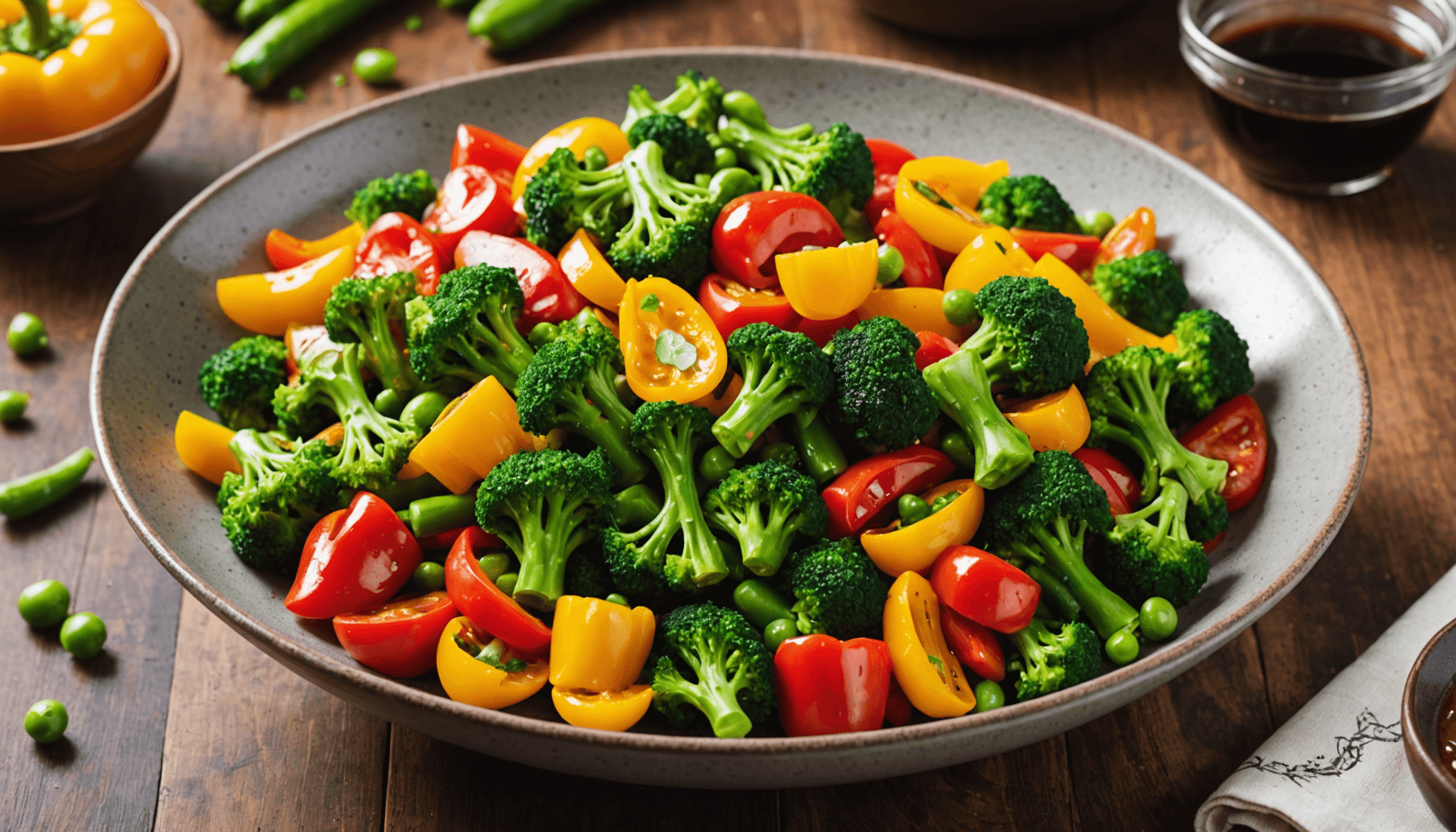
One delicious quick recipe is a veggie-loaded stir-fry. Sauté a mix of colorful bell peppers, broccoli, and snap peas with a splash of low-sodium soy sauce or a gluten-free tamari. Throw in a protein option like grilled chicken, tofu, or tempeh for an extra nutritional boost. Serve this mixture over your choice of grain, and you have a complete meal in under 30 minutes, showcasing both vibrant colors and essential nutrients.
Next, let’s whip up a batch of veggie-packed wraps. Use gluten-free tortillas or crisp lettuce leaves as a vessel for stuffing. Fill them with hummus or avocado as a spread, then add fresh veggies like cucumbers, shredded carrots, and spinach. Layer on a protein like sliced turkey or chickpeas, and you’re set for an on-the-go lunch that’s filling and allergy-friendly.
For a delightful and nutritious breakfast option, consider overnight oats made with almond milk or any other plant-based milk that suits your dietary requirements. Combine rolled oats with chia seeds, diced fruits, and a pinch of cinnamon in a jar. Let it sit overnight, and in the morning, enjoy your ready-to-eat, healthy meal prep that’s rich in fiber and flavor.
Don’t overlook the power of soups for quick meals. A comforting lentil soup can be easily prepared by cooking lentils with diced tomatoes, carrots, and herbs in a vegetable broth. Batch-cook this soup and freeze portions, ensuring that you have a quick, nutritious option whenever you need it.
With a bit of ingenuity, snack time can also be transformed. Make energy balls with oats, nut butter, seeds, and dried fruits. These bite-sized treats are not only satisfying but also packed with energy-boosting ingredients that cater to various dietary restrictions.
As your culinary experiments unfold, remember to keep things fun and flavorful. Explore spices and herbs to enliven your creations, from fresh basil in salads to spicy paprika in stews. By embracing quick and easy recipes tailored to diverse diets, you empower yourself and those around you to enjoy nourishing meals that comply with all nutritional needs.
- What are some easy meal prep ideas for gluten-free diets?
- Start with staples like quinoa, brown rice, and gluten-free grains. Create simple dishes such as buddha bowls with roasted veggies and protein, or soups with lentils and herbs.
- Can meal prep accommodate special dietary restrictions?
- Absolutely! Meal prep can easily be tailored for various dietary restrictions. Just focus on using whole ingredients that follow the guidelines of the specific diets, like gluten-free grains or dairy-free alternatives.
- How do I ensure my meal prep is allergy-friendly?
- Always read labels carefully to avoid allergens and be mindful of cross-contamination. Choose whole foods and focus on naturally gluten-free and dairy-free options.
- Are there quick recipes for those who follow a vegan diet?
- Yes! Vegan meals like chickpea salads, lentil stews, and vegetable stir-fries are not only quick to prepare but also packed with nutrients and flavor.
- How do I store meal-prepped foods effectively?
- Use airtight containers, label them with dates, and separate ingredients for optimal freshness. Store meals in portion sizes for easy accessibility throughout the week.
- What is an easy meal prep option for busy individuals?
- Overnight oats, sheet-pan dinners, and one-pot meals are fantastic quick and easy options. They save time while providing nutritious meals ready for busy days.
- How can I keep my meal prep interesting?
- Experiment with different spices, herbs, and cooking techniques. Try new recipes weekly and incorporate seasonal ingredients to keep your meal prep fresh and exciting!

Leave a Reply