

- Healthy meal options for picky eaters
- Tips for involving kids in meal prep
- Creative ways to disguise healthy ingredients
- Meal prep ideas for various preferences
- Storing and reheating meals for maximum freshness
When it comes to cooking for picky eaters, finding the right balance between nutrition and appealing flavors can feel like a daunting task. But fear not! There are plenty of healthy meal options that can satisfy even the fussiest of eaters while still keeping it nutritious. Let’s dive into some foolproof ideas!
One great option is to create a healthy meal prep assembly line of customizable bowls. Think grain bowls, where you can lay out a variety of bases like brown rice, quinoa, or even cauliflower rice. Then offer toppings such as roasted veggies, grilled chicken, beans, and a plethora of sauces and dressings. This way, the picky eaters in your family can choose what they want while you can sneak some nutritious components in there without them even noticing!
If your picky eater is a fan of pasta, try whipping up some zucchini noodles or whole wheat pasta paired with a mellow tomato sauce. You can blend in some veggies like spinach or carrots into the sauce for added nutrients without overwhelming flavors. A sprinkle of cheese on top can work wonders in making it more appealing.
Consider making mini healthy pizzas using whole grain pita or tortilla as the base. Let them add their favorite toppings—whether it’s mozzarella, bell peppers, or even pineapple—making it interactive and fun. This way, you ensure they’re getting their whole grains and veggies while enjoying a meal that feels like a treat!
An easy go-to might also be the classic stir-fry. Cut colorful veggies into bite-sized pieces and toss them in some olive oil with a simple soy sauce or teriyaki glaze. Serve this over rice or noodles. Plus, you can add chicken, shrimp, or tofu for protein, tailoring it to what your picky eater prefers.
How about breakfast? Healthy smoothies can be a game-changer! Throw in some spinach, banana, and a scoop of peanut butter, and blend it all into a delicious drink that’s packed with nutrients. It’s an easy way to sneak in some greens into their diet without the fuss. You could even freeze portions for quick grab-and-go meals during busy mornings.
Tasty recipes don’t have to sacrifice nutrition just because someone is picky. By keeping their preferences in mind and presenting meals in an engaging way, you can create a positive eating experience that encourages them to try new things while still packing in the healthy goodness!
Tips for involving kids in meal prep
Involving kids in meal prep not only makes them more invested in what they eat, but it also fosters a sense of responsibility and creativity in the kitchen. Start by assigning them specific tasks that are age-appropriate, ensuring they feel capable and empowered. For younger kids, simple tasks like washing vegetables, tearing lettuce for salads, or stirring ingredients can be engaging activities. As they grow older, they can participate in chopping vegetables (using kid-friendly knives) or measuring ingredients under supervision.
Encourage your children to explore their palates by letting them pick out recipes or ingredients during shopping trips. Creating a “meal prep menu” together can be a fun way to engage their interest. Use this process to educate them about healthy choices, discussing why certain foods are beneficial while allowing them to suggest their favorites. Show them how to find and follow easy, tasty recipes to help them see that cooking can be an adventure rather than a chore.
Involve them in planning themed meal nights, such as Taco Tuesday or Family Pizza Night. Letting them personalize their meals with toppings or fillings tailored to their tastes can make healthy meal prep more appealing. Consider setting up a mini-kitchen station where they can build their meals; this not only gives them control but also encourages creativity and variety.
Additionally, make it a point to discuss where food comes from. This can be as simple as visiting a local farmer’s market together or starting a small herb garden at home. Understanding the route their food takes from farm to table can create a greater appreciation for what they eat.
Create fun names or games around meal prep. Kids love creativity, and associating their meals with something fun can make the process enjoyable. For instance, you could turn smoothie-making into a “Smoothie Science” experiment, where they blend different fruits and vegetables to see what new flavors emerge.
Lastly, reinforce the idea that trying new foods is part of the cooking journey. Encourage them to take “one bite” of a new ingredient to expand their culinary horizons, making sure to celebrate their bravery with positive reinforcement.
Start your journey towards incorporating kids into meal prep with these tools:
– Get Kids Cooking: Essential Kitchen Tools: Equip your kitchen with age-appropriate tools to make cooking safe and fun.
– Explore Healthy Recipes Together: Discover tasty recipes that appeal to picky eaters.
– Join Our Meal Prep Challenge: Engage in a fun weekly challenge that encourages the whole family to prepare meals together.
By actively involving your kids in healthy meal prep, you not only teach them valuable cooking skills but also promote a more adventurous and balanced approach to eating that can lead to lifelong healthy habits.
Creative ways to disguise healthy ingredients
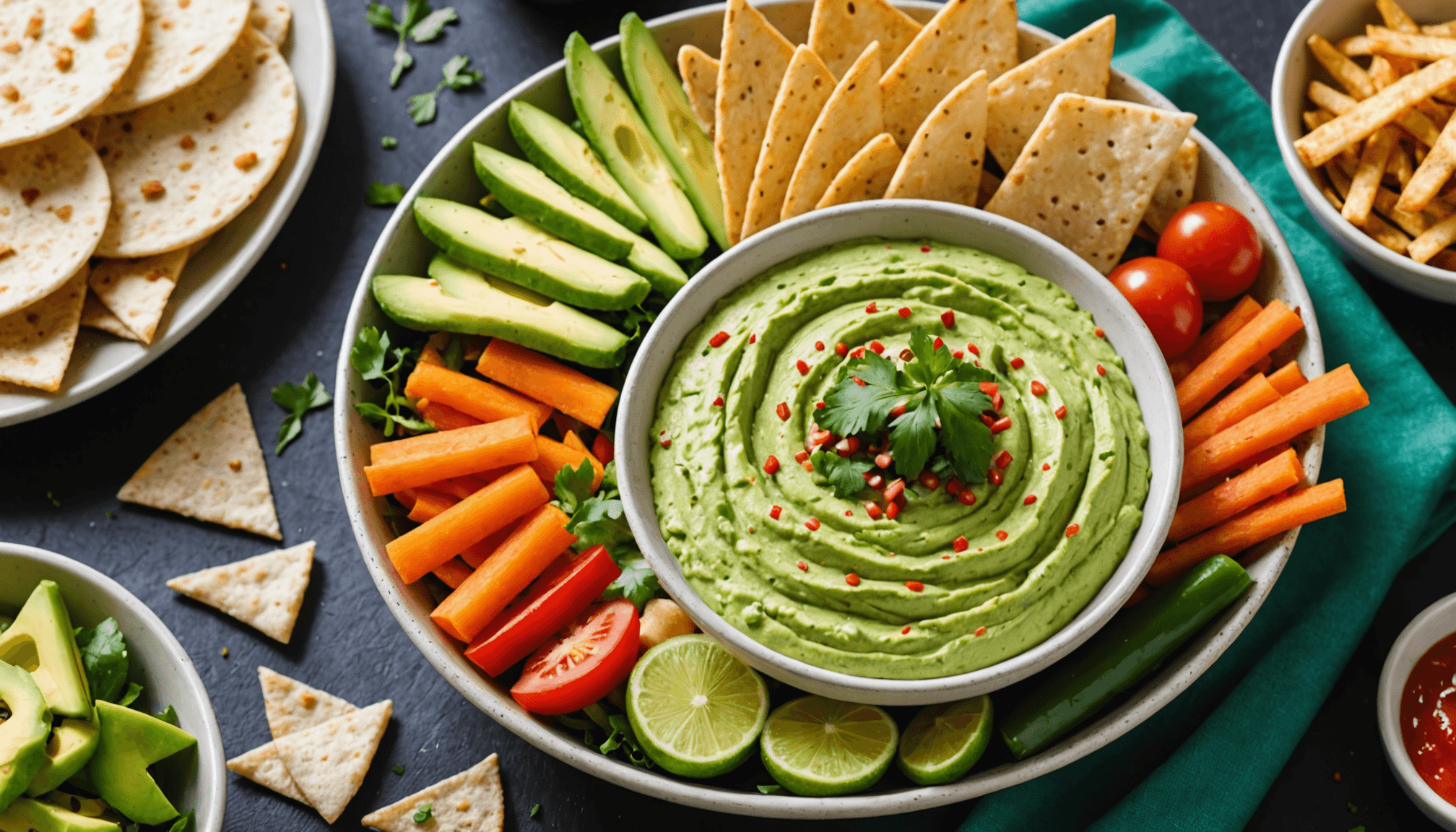
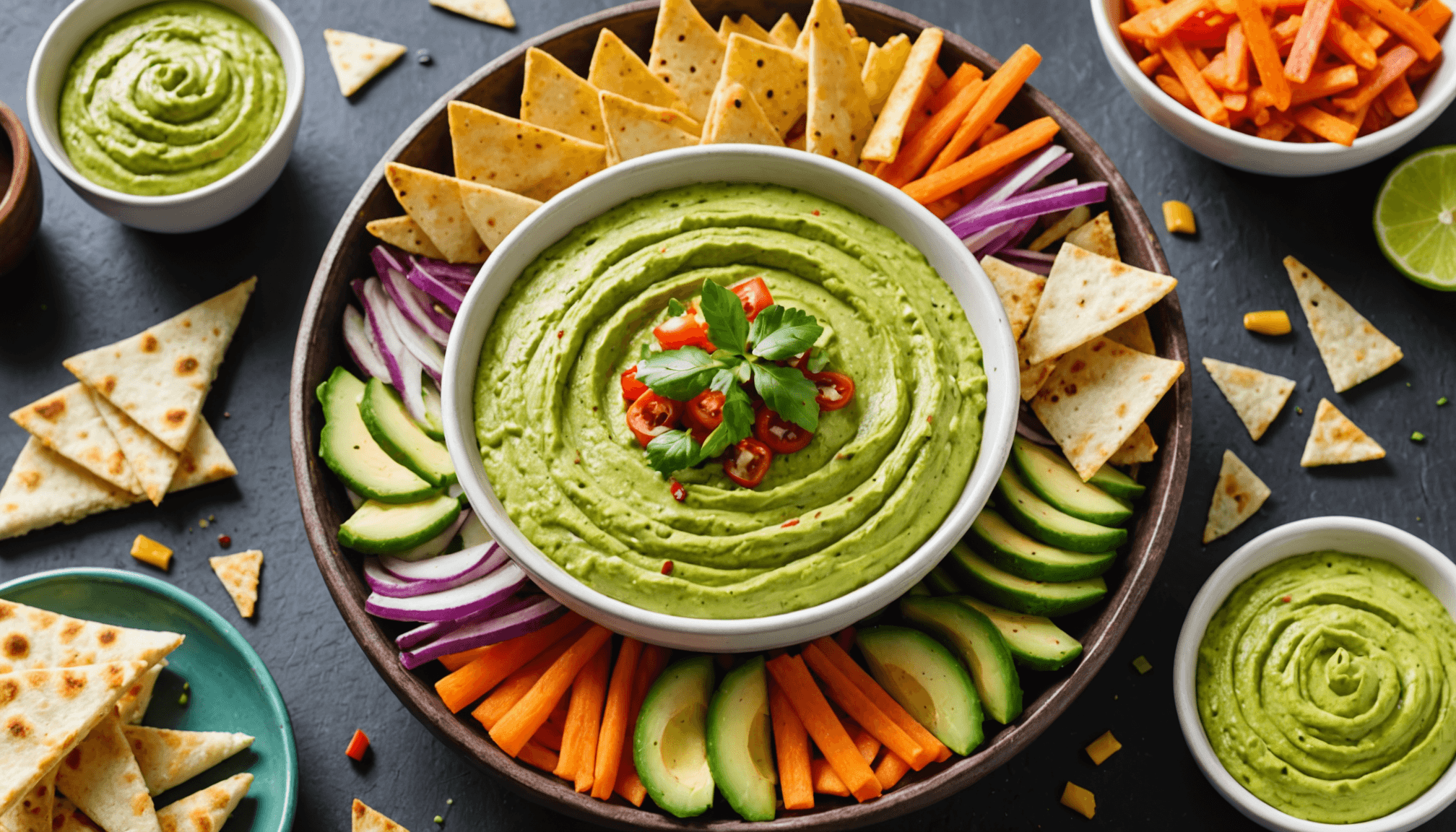
When it comes to sneaking healthy ingredients into meals for picky eaters, creativity is your best friend. Let’s face it, kids (or even some adults!) can be quite discerning about what lands on their plates. But with a little ingenuity, you can transform healthier components into something they’ll love. One delightful approach is to get playful with textures and flavors. For example, who could resist a creamy, smooth dip? Consider creating a luscious avocado hummus. Just blend a ripe avocado with chickpeas, tahini, lemon juice, garlic, and a pinch of salt. It’s packed with healthy fats and fiber, yet kids will devour it with their favorite pita chips or veggie sticks, completely unaware of its nutritious credentials.
If your little ones love quesadillas—a frequent household favorite—you can craft a veggie-forward version they’ll gobble up. Mix grated zucchini and finely chopped spinach into the cheese before grilling. The cheese’s melting magic makes the veggies nearly invisible. Serve these with a side of mild salsa for added flavor, and watch them savor each bite without fussing over the greens hidden within.
Another fun trick is to incorporate pureed vegetables into sauces. For example, start your spaghetti sauce with a base of blended carrots or bell peppers. Let the sauce simmer until thick and rich, and toss in a generous handful of herbs. To a picky palate, the flavors feel familiar and comforting, and they won’t even realize they’re getting a serving of vegetables with every plate. You can even create a “sneaky mac and cheese” by adding pureed butternut squash into the cheese, creating a creamy texture that’s both vibrant and delightful.
Then there’s the method of baking—Oh, the beauty of baking! Think of all the possibilities! Imagine homemade muffins packed with shredded carrots or zucchini, or even chocolate avocado brownies that taste like a decadent treat but are brimming with nutritious ingredients. Not only do these baked goods make ideal snacks, but they also double as a great way to infuse daily meals with extra vitamins and minerals, all while feeling indulgent.
Remember, presentation can influence flavor perception. Set up a build-your-own taco night with all sorts of toppings—grated cheese, guacamole, and seasoned meat or beans. Include some diced bell peppers or shredded cabbage till the last layer, and let them sprinkle these on themselves. Making food interactive can draw them in, making them more likely to try those extra toppings they might usually avoid. Kids love the illusion of control, and when they create their own meals, they’re often more willing to experiment.
Lastly, never underestimate the power of smoothies! They can be a glorious format for disguising a multitude of healthy ingredients. Toss in spinach, half a banana for sweetness, and your choice of berries or yogurt for a creamy finish. When everything is blended, the vivid color often masks the green goodness, enticing even the most skeptical eater to take a sip. You can keep frozen bags of pre-measured smoothie ingredients on hand for quick, nutritious breakfasts on the go or after-school snacks that are sure to keep their energy up.
With these creative approaches, enticing picky eaters with healthy ingredients becomes a lot more manageable. Tasty recipes can be as simple as incorporating fun methods of presentation and prep, allowing your family to enjoy all kinds of nutrients disguised as their favorite meals.
Meal prep ideas for various preferences
“Cooking with children is not just about ingredients, recipes, and eating; it’s about harnessing imagination, empowerment, and creativity.” – S.L. Meller
When planning meals for both children and adults with different dietary preferences, it’s vital to create options that can cater to everyone’s tastes while being healthy and nutritious. Here are some versatile meal prep ideas that accommodate various preferences.
- Customizable Wraps:
- Start with a variety of wrap bases, such as whole grain tortillas, lettuce leaves, or corn tortillas.
- Offer a selection of proteins, including grilled chicken, turkey, chickpeas, or hummus for vegetarian options.
- Provide an array of fillings like shredded carrots, spinach, cucumbers, and avocado.
- Include different dips and sauces such as ranch, tzatziki, or salsa, allowing everyone to craft their personalized wrap.
- Build-Your-Own Bowl Stations:
- Set up a base of brown rice, quinoa, or lettuce for the bowls.
- Arrange a choice of proteins, such as stir-fried tofu, chicken, or black beans.
- Prepare a selection of toppings, including roasted vegetables, fresh salsa, corn, or sliced avocado.
- Create a range of dressings, from vinaigrettes to creamy sauces for added flavor variations.
- Oven-Baked Dishes:
- Prepare trays of roasted veggies and seasonal produce, seasoned lightly with herbs and olive oil.
- Choose a protein among options like fish, chicken, or plant-based substitutes, seasoned with similar spices.
- Once roasted, everyone can mix and match their plates for a wholesome meal while enjoying the delicious scents of baking.
- Creative Breakfast Stations:
- Set up a “breakfast bar” with options for oatmeal, yogurt, and smoothies.
- Include toppings like fresh fruits, nuts, seeds, and honey for oatmeal; and granola, berries, and nut butters for yogurt.
- For smoothies, provide a variety of fruits and greens, and let everyone blend their own concoction using a simple recipe base.
- Seasonal Stir Fry:
- Select varying seasonal vegetables, ensuring a range of colors and textures.
- Choose a protein—either shrimp, chicken, or tofu—and season lightly, then stir-fry with the veggies.
- Pair the stir-fry with either brown rice or whole-wheat noodles, allowing everyone to combine their preferred elements.
This approach keeps meals exciting and allows your family members, whether picky eaters or adventurous spirits, to engage in meal prep actively. Each option not only encourages creativity and personal choice but also promotes healthy eating by incorporating a variety of nutritious ingredients. By creating tasty recipes that consider individual preferences, you ensure that everyone is satisfied and nourished, leading to happier, healthier mealtimes.
Storing and reheating meals for maximum freshness
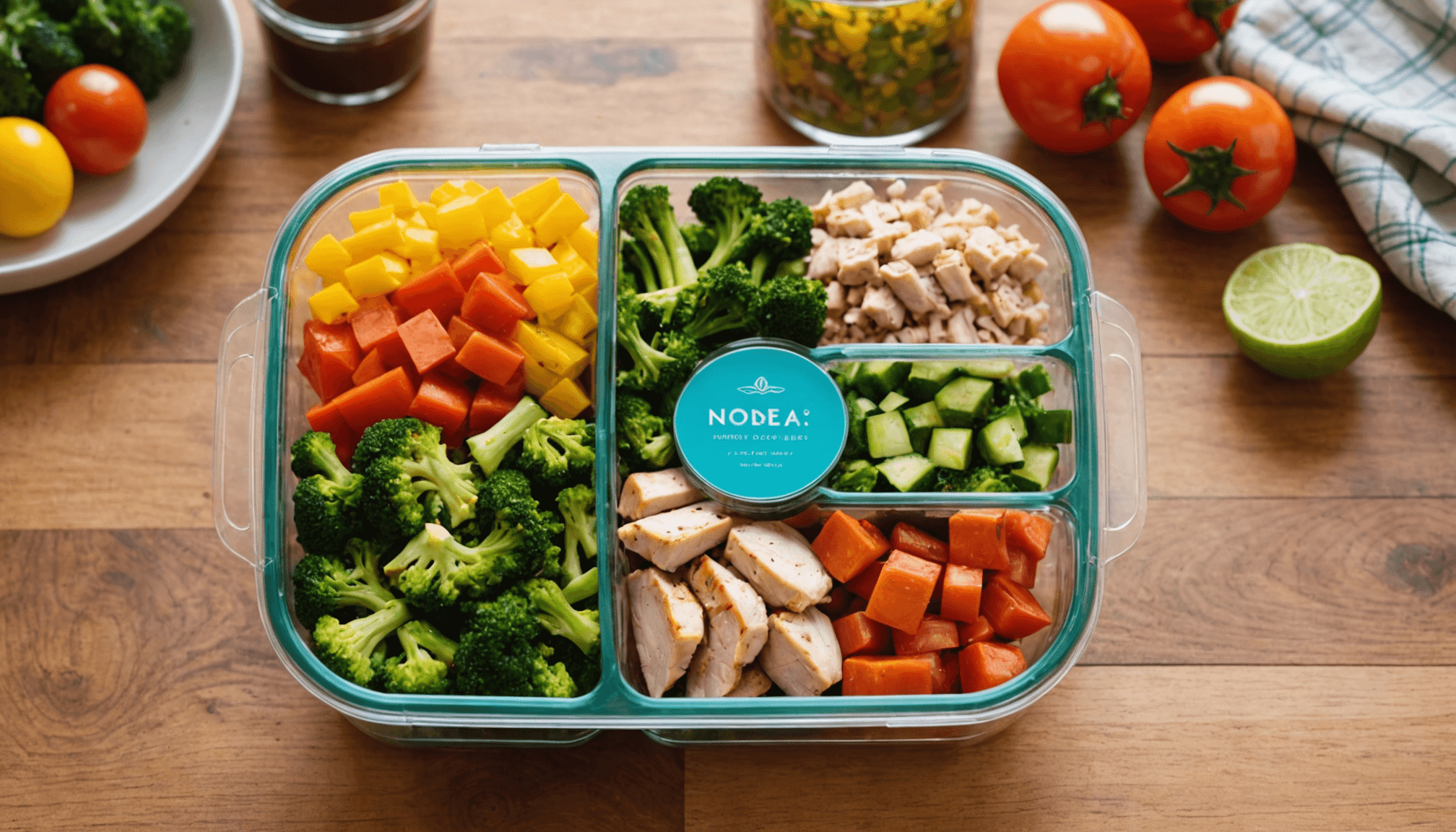 Maximizing freshness in your prepared meals is crucial for maintaining flavors and ensuring that healthy ingredients stay nutritious. Proper storage techniques begin when you first prepare your meals. Invest in high-quality, airtight containers to keep your food fresh for longer periods. Glass containers are particularly effective, as they don’t retain odors or stains, and they’re microwave-safe for easy reheating.
Before you store your meals, allow them to cool to room temperature. This prevents condensation from forming, which can lead to sogginess and spoilage. Separate each component of your meal when possible; for example, keep grilled chicken separate from salads, or serve sauces in small containers. This way, each element retains its texture and flavor, making mealtime more enjoyable.
When it comes to freezing meals, that’s another excellent option for maximizing freshness. Many cooked dishes freeze well, such as soups, stews, and casseroles. To freeze, utilize freezer-safe containers and label each with the date and contents, ensuring you consume them within a few months for optimal taste. Be mindful of portion sizes—freezing in individual servings will allow you to defrost only what you need at a time, keeping the rest fresh.
Reheating meals can also impact the quality of your food. It’s best to reheat at low temperatures to avoid overcooking, which can dry out proteins and alter the textures of veggies. Use the stovetop or microwave, and consider adding a splash of water or broth to keep things moist. If you’re using the oven, covering dishes with foil can help retain moisture while they heat.
Lastly, don’t overlook the importance of proper meal rotations. Keep older items at the front of your fridge or freezer, reminding you to use them before they go bad. This way, you make sure your healthy meals don’t go to waste while fostering an appreciation for freshness as you enjoy them.
- How long can I store meal prep in the fridge?
- Most cooked meals can be stored in the fridge for about 3 to 4 days. Make sure to keep them in airtight containers to maintain freshness.
- Can I freeze meals after cooking them?
- Yes, many cooked meals freeze well. Just ensure they cool before storing and use freezer-safe containers to keep them fresh for a longer period.
- What is the best way to reheat frozen meals?
- The best way to reheat frozen meals is by allowing them to thaw in the fridge overnight and then warming them in the microwave or oven. Add a little moisture, like water or broth, to prevent drying.
- Are there meals that should not be frozen?
- Yes, some meals like those with creamy sauces or delicate vegetables may not freeze well as their textures can suffer once thawed. It’s always good to check the specific recipe.
- How do I keep veggies from getting soggy in storage?
- To prevent sogginess, store cut veggies in a dry container with a paper towel inside to absorb moisture. Alternatively, keep veggies uncut until just before use.
- Can I use the microwave to reheat meals directly from the fridge?
- Yes, you can use the microwave, but make sure to cover the meal to retain moisture. Stir halfway through to ensure even heating.
- What is the best way to label my meal prep containers?
- Use freezer-safe labels or masking tape, and write the date and contents with a permanent marker. This helps you keep track of what to use first.

Leave a Reply