

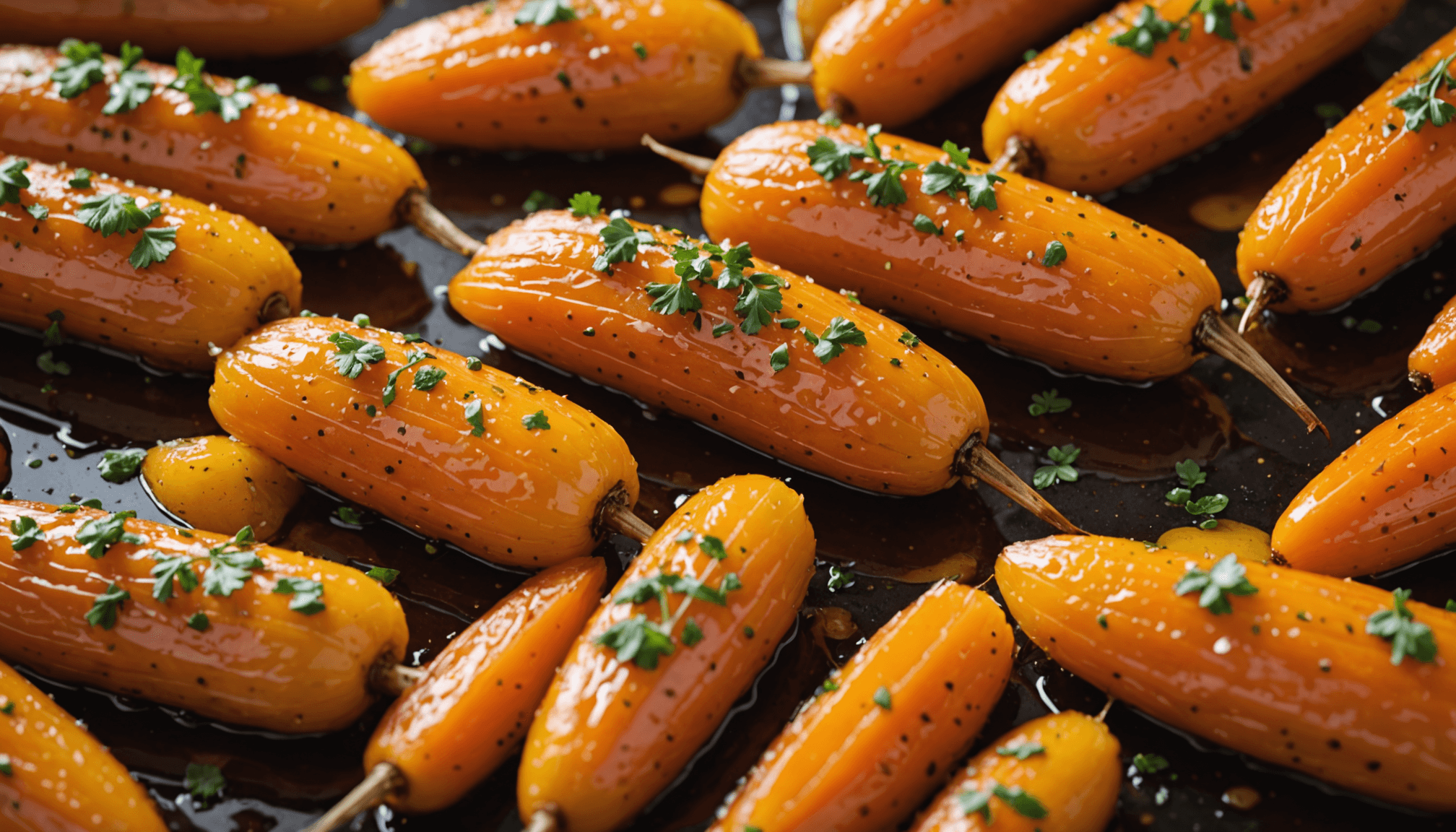
- Essential herbs and spices for flavor
- Techniques for seasoning proteins
- Balancing flavors: sweet, salty, sour, and bitter
- Tips for seasoning veggies and grains
- Batch seasoning for convenient meal prep
When diving into the world of seasonings, you must think of it like painting a canvas. Each herb and spice is a color that adds depth and character to your healthy meal prep. If you’re merely slapping a piece of chicken in a pan with no thought for seasonings, you might as well be cooking cardboard! Now, let’s talk about the true stars of flavor—those little powerhouses that will elevate your meals from drab to fab.
First up, we have herbs. Fresh herbs like basil, cilantro, and parsley are your best friends. They not only bring vibrancy to dishes but also infuse a freshness that is absolutely irresistible. Imagine a beautifully grilled salmon fillet topped with vibrant chimichurri—just the smell of it is enough to make your taste buds dance! If you can’t get fresh, dried herbs like thyme and oregano are still fantastic options. They may lack that garden-fresh aroma, but they can conjure up some serious flavor when used correctly.
Next, let’s sprinkle in some spices. This is where the magic really happens. Ingredients like cumin, paprika, and coriander can turn a mundane dinner into an exotic feast. Ever tried sprinkling smoked paprika over roasted sweet potatoes? It’s a revelation! And don’t forget about crushed red pepper flakes—just a pinch can elevate a dish from comforting to tantalizing. Also, let’s not overlook garlic powder and onion powder—they’re your secret weapons for adding depth without the fuss of chopping. Yes, they’re a bit of cheat, but who doesn’t like a good shortcut that doesn’t compromise flavor?
Now, for those who like to keep it simple—salt and pepper. They’re not just basic; they’re essential! A pinch of good quality sea salt can enhance the natural flavors of any ingredient. And black pepper? It’s like the glue that holds everything together, injecting warmth and a bit of a kick into your dishes. Just be mindful of how much you use; you want to highlight flavors, not drown them.
When you layer these herbs and spices into your meal prep, consider the end results. Are you going for something uplifting and fresh for summer salads, or are you craving warm, comforting flavors for hearty stews? By strategically choosing your seasonings, you can create mood-enhancing meals that fit the occasion.
Incorporating optional extras, like citrus zest—think lemon, lime, or orange—can brighten up even the heaviest of dishes. A squeeze of lemon over a bed of quinoa can completely transform the dish from dull to vibrant. Use that zest like a painter would use bright colors to make their piece pop!
Lastly, if you really want to amp up your flavor game, try experimenting with blends. Something like taco seasoning can be a delightful shortcut. You’ll find everything you need in a single jar, so you can whip up quick, tasty meals in a jiffy. Just be sure to taste as you go; seasoning is just as much an art as it is a science.
So, the next time you’re prepping a healthy meal, think about the spectacular palette of flavors waiting to be discovered. You’ve got the tools at your fingertips—now, unleash your creativity and make those meals sing!
Techniques for seasoning proteins
When it comes to enhancing the taste of proteins, the technique you use can drastically change the outcome of your dish. Marinating is one of the most effective methods for seasoning proteins, as it allows time for flavors to penetrate deeply into the meat. A recent study published in the Journal of Culinary Science & Technology revealed that marinating chicken in a mixture of yogurt, spices, and herbs significantly improved its flavor profile while also making it more tender. This is due to the lactic acid in yogurt, which breaks down protein fibers, yielding a more succulent final dish. If you’re meal prepping, consider a variety of marinades—herb-based, citrus-infused, or even spicy—so you can switch up your meals throughout the week without getting bored.
Dry rubs are another fantastic way to season proteins. Crafting a rub involves mixing together spices and herbs that create a flavor bomb when applied to meat. This is particularly useful for grilling or roasting. For example, a mix of brown sugar, paprika, garlic powder, and smoked cumin can create a sweet, smoky crust on pork that is nothing short of addictive. Research shows that applying dry rubs at least an hour before cooking can enhance the flavor significantly, as the dry ingredients have time to lock in moisture and flavor.
Don’t overlook the power of salt brining, which is an effective technique, especially for lean proteins like chicken and turkey. By soaking your meat in a saltwater solution for a few hours, you facilitate moisture retention and flavor infusion. Studies show that salt penetrates meat effectively, ensuring that your healthy meal prep remains juicy and flavorful. A simple brine—just water, salt, and any herbs or spices you’d like to infuse—can work wonders for your next batch of grilled chicken.
Additionally, pay attention to the timing of your seasoning. While marinating requires some foresight, for grilling or pan-searing, it’s often best to season proteins just before cooking. This method helps prevent pulling moisture out of the meat, which can happen if salted too early. Remember to allow proteins like steak or fish to come to room temperature before cooking; this not only ensures even cooking but also encourages more robust flavor development.
If you’re opting for slow cooking or braising, consider adding seasoning mid-cook—especially strong-flavored ingredients like garlic, ginger, or fresh herbs. These flavors will meld in a different way over longer cooking times, bringing a depth to your healthy meal prep that you wouldn’t achieve with quicker cooking methods.
Ultimately, the key to effectively seasoning proteins lies in the right combination of techniques. By thoughtfully applying marinating, dry rubbing, and brining, and choosing the right timing, you can turn ordinary proteins into extraordinary focal points of your meals—ensuring your week of meal prep is not only healthy but bursting with flavor.
Balancing flavors: sweet, salty, sour, and bitter
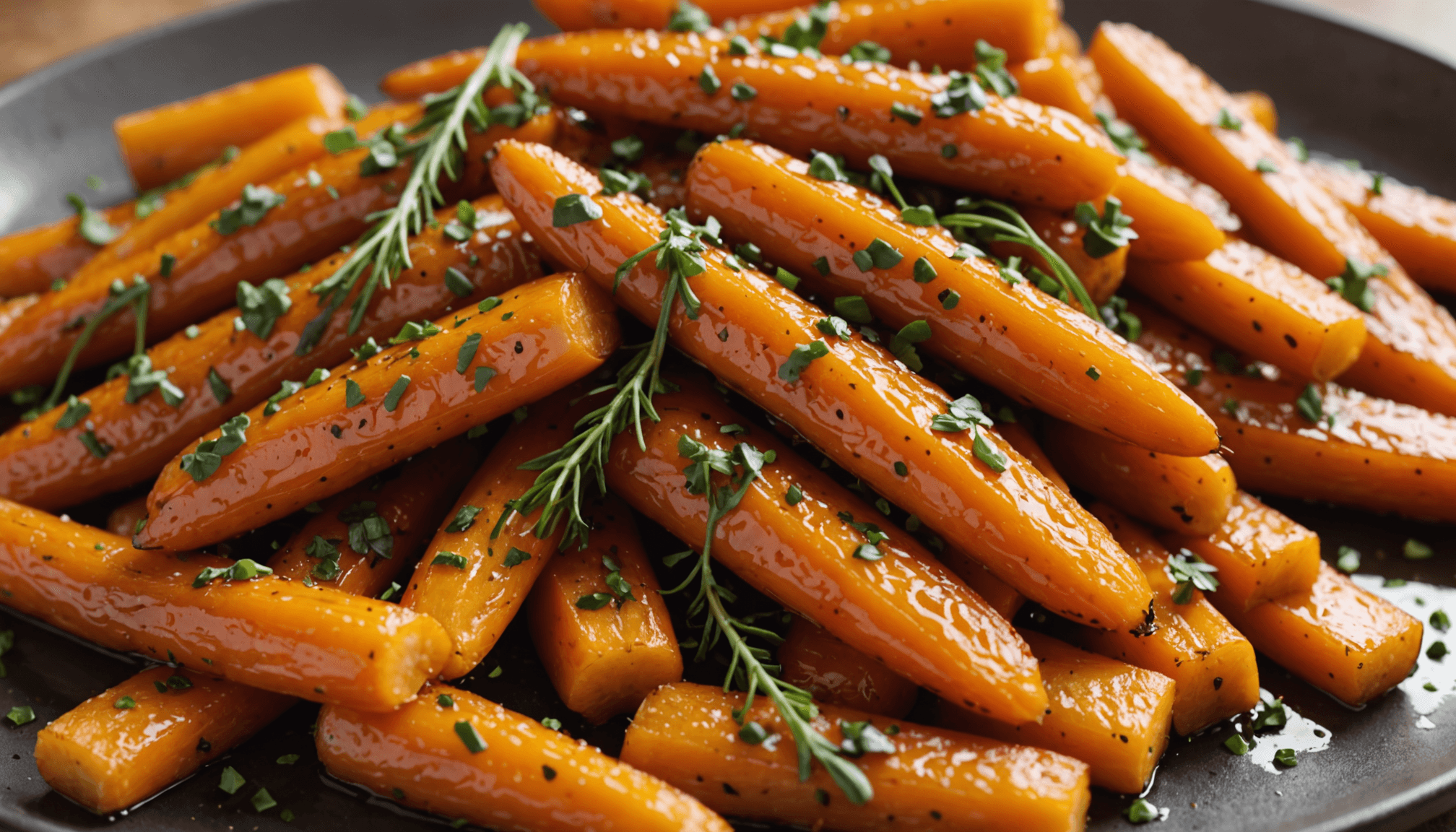
When you think about meal prep, it’s crucial to remember that flavor isn’t just one note—it’s a symphony of tastes that come together to create a mouthwatering experience. Balancing the four foundational flavors—sweet, salty, sour, and bitter—can elevate your healthy meal prep into something truly outstanding. Think of each flavor as an ingredient in a perfectly mixed cocktail; when balanced just right, you have a hit. If one flavor dominates, however, it can overshadow everything else, leaving you with something that’s just not quite right.
Let’s kick things off with sweetness. This doesn’t just mean sugar; think about natural sources like honey, maple syrup, or fruits. Adding a touch of sweetness can round out savory flavors brilliantly. For instance, a dash of honey drizzled over roasted carrots can really highlight their natural sweetness and balance any bitterness that comes from roasting. Don’t shy away from using dried fruits like raisins or apricots in grain salads; they not only provide sweetness but also a satisfying chewiness that complements crunchy veggies beautifully.
Now, onto the stars of seasoning: salt. It’s the flavor enhancer, the magic dust that brings life to your food. Salt acts like a spotlight, illuminating the nuanced flavors of ingredients. Whether it’s a sprinkle of sea salt on a piece of grilled fish or a saltier ingredient like feta cheese crumbled over a salad, just the right amount can make everything pop. However, the trick is in moderation. You want to elevate your dish without overwhelming it. Remember, this is about harmony, not chaos!
Sourness, often neglected, is a fantastic flavor to play with as well. Think about adding acidity through citrus juice, vinegar, or even fermented ingredients like kimchi or pickles. A squeeze of lime over your tacos, or a splash of apple cider vinegar in your grain bowls, can brighten flavors and cut through richness. Ever tried a simple vinaigrette made with lemon juice and olive oil? It’s a powerhouse of flavor that can transform a dull salad into something you can’t wait to dig into.
Finally, we have bitterness—the unsung hero of your flavor balancing act. Ingredients like arugula, dark leafy greens, or even a little coffee or cocoa powder can add depth to dishes. Pairing these bitter elements with sweeter or saltier components creates a well-rounded flavor profile. For instance, a dark chocolate nibs sprinkled over a sweet potato dish might sound unusual, but trust me—it works wonders! It’s all about contrast—letting those bold flavors play off each other to create something greater than the sum of its parts.
When you embark on your healthy meal prep adventure, keep these balancing acts in mind. Experiment with different combinations until you find what resonates with your taste buds. Trust your instincts, taste as you go, and make adjustments. The best part about meal prep is that you can try new things, and if something doesn’t hit the mark, you can always tweak it in your next batch. After all, cooking is as much about the journey as it is about the final dish. Enjoy the exploration of flavors, and watch as your healthy meal prep transforms into delightful creations that you and your family can’t wait to enjoy!
Tips for seasoning veggies and grains
“Cooking is like love. It should be entered into with abandon or not at all.” – Harriet Van Horne
To season your veggies and grains effectively, follow these steps to ensure each component shines with flavor while maintaining the essence of your healthy meal prep.
- Choose the Right Seasoning Base: Start with a flavorful base for your veggies and grains. Options include olive oil, avocado oil, or broth. For grains, consider adding a splash of low-sodium vegetable broth during cooking to enhance flavor without extra calories.
- Herb Infusion: Fresh or dried herbs should be your go-to for flavoring. Opt for herbs like dill, basil, thyme, or rosemary. If using fresh herbs, add them toward the end of cooking to retain their vibrant taste. For dried herbs, incorporate them early on to allow their flavors to bloom.
- Flavor Pairing: Think about complementary flavors. Pair sweet vegetables like carrots or sweet potatoes with spices like cinnamon or nutmeg for a warming effect. For cruciferous veggies such as broccoli or Brussels sprouts, a pinch of garlic powder or red pepper flakes can add depth and a bit of heat.
- Sour Elements: Incorporate citrus zest or a splash of vinegar to brighten up your veggies and grains. A squeeze of lemon or lime juice immediately before serving can enliven grilled vegetables or quinoa bowls, enhancing the overall flavor profile.
- Salting Strategically: Season your veggies with salt at different stages: sprinkle some onto raw veggies before roasting to draw out moisture and intensify their flavor. For grains, add a pinch of salt while cooking to ensure every grain absorbs flavor throughout.
- Experiment with Heat: Don’t shy away from adding a dash of heat to some dishes. A pinch of chili powder or cayenne can really elevate a vegetable stir-fry or grain salad, giving it an unexpected kick without overpowering the overall flavors.
- Final Touches: Just before serving, consider adding finishing touches like a drizzle of balsamic glaze or a sprinkle of toasted seeds for extra texture and flavor. This elevates the dish, making it not only healthy but visually appealing as well.
These tips will help you create flavorful, vibrant veggies and grains that stand out in your healthy meal prep, ensuring they are as enjoyable to eat as they are nutritious. Experiment with different combinations and savor the process of transforming simple ingredients into delicious, memorable meals.
Batch seasoning for convenient meal prep
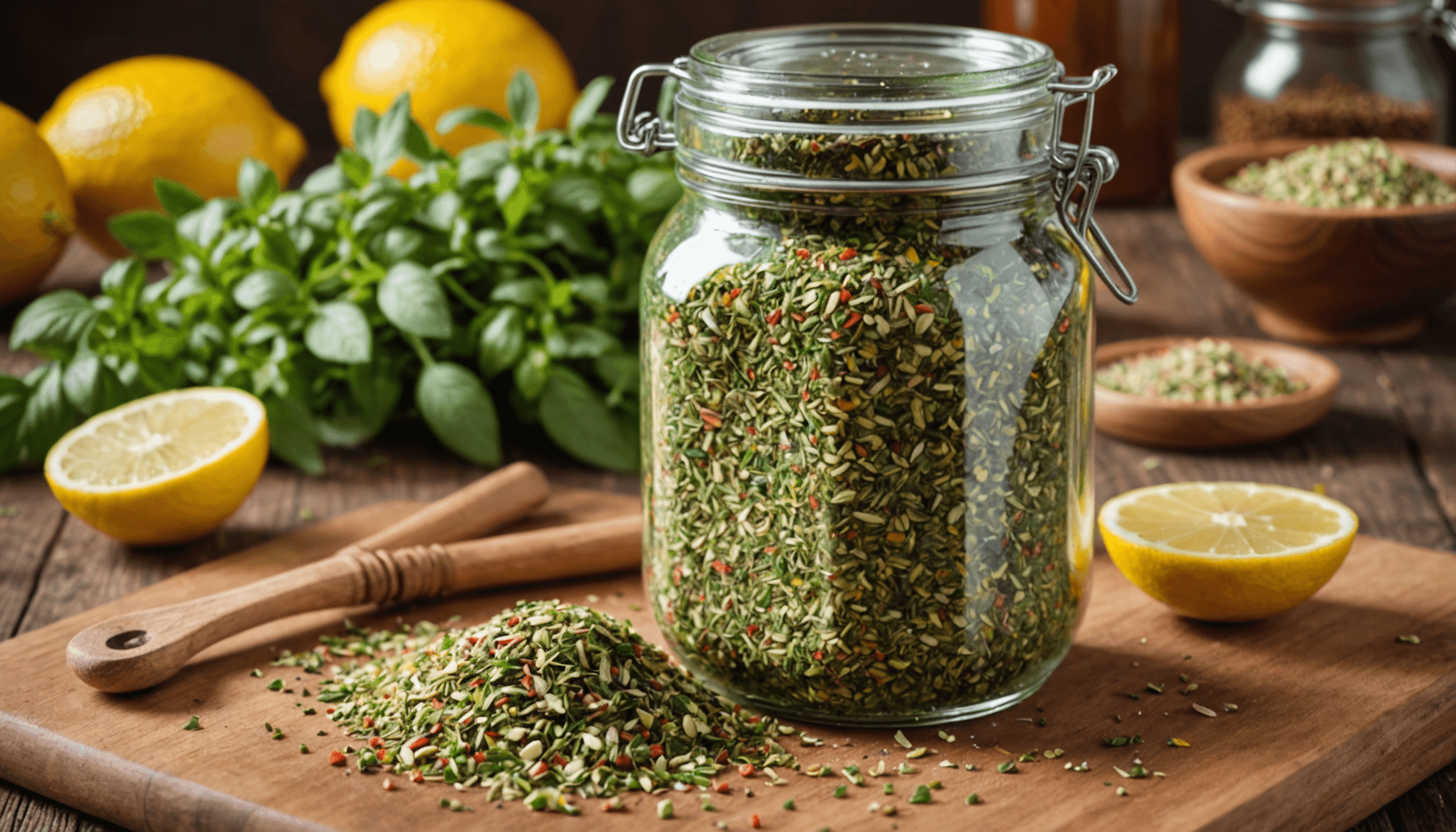
Batch seasoning is a game changer when it comes to convenient meal prep. Imagine walking into your kitchen and having an array of pre-seasoned proteins, grains, and vegetables at your fingertips, ready to cook and serve. By dedicating some time to batch seasoning, you not only save time during the week but also ensure that every meal you prepare bursts with flavor without the last-minute scrambling. To start, consider creating your own seasoning blends that cater to different cuisines—Mediterranean, Asian, or Mexican. This variety not only keeps your meals exciting but also gives you a head start on flavor, allowing the spices to meld over time.
One effective technique is to prepare large quantities of your favorite spice blends, portions them out into small jars or bags, and label them for easy access. For example, a versatile Mediterranean blend of oregano, garlic powder, and lemon zest can enhance chicken, fish, or even roasted vegetables. Just imagine the ease of grabbing a seasoned jar on a busy evening and transforming a simple dish into a gourmet meal in minutes.
An additional powerhouse approach is to pre-marinate your proteins in flavorful mixtures. By marinating chicken, tofu, or fish in sauces and spices, not only do you infuse them with deep flavors, but you also create proteins that are tender and juicy. Just be sure to store them in airtight containers in the fridge; they’re ready to be grilled, baked, or sautéed when you need them. You can think of it as a time-saver that enhances both ease and culinary delight.
When it comes to grains, consider seasoning them as you cook. For rice, quinoa, or farro, adding broth, spices, or herbs can elevate their flavor profile from plain to extraordinary. You can also batch-cook these grains and toss them with contrasting flavors like roasted vegetables or pickled ingredients right before serving, ensuring they stay vibrant and appealing all week long.
Don’t forget about your vegetables! When pre-chopping a variety of veggies for the week, toss them in a big bowl with your favorite seasoning blend, olive oil, and some salt. Roast a large batch in the oven for meal supplies or prepare them for stir-fry dishes. This will not only save time but also guarantee that each veggie is coated with love—making your healthy meal prep both simple and tasty.
Batch seasoning is all about making your life easier while inspiring your culinary creativity. Once you get into the habit, you’ll be amazed at how efficiently and joyfully you can prepare meals, all while indulging in a diverse array of flavors that keep you anticipating each dish you serve.
- What is batch seasoning?
- Batch seasoning involves preparing and storing pre-portioned seasoning blends that can be easily added to your meals. This technique saves time during cooking and ensures consistent flavor in your meals throughout the week.
- How can I prevent my batch-seasoned foods from becoming too salty?
- When batch seasoning, use a balanced approach by including herbs and spices without relying solely on salt. Tasting as you go and adjusting gradually can also help maintain flavor without over-salting.
- Can I freeze pre-seasoned proteins or vegetables?
- Yes! Freezing pre-seasoned proteins and vegetables can save time and improve convenience. Just be sure to use airtight containers or freezer bags to prevent freezer burn and retain flavor.
- How long can I store batch-seasoned foods?
- Generally, batch-seasoned foods can be stored in the refrigerator for up to 3-5 days depending on the ingredients. If frozen, they can last for several months while maintaining quality.
- What’s the best way to marinate proteins for batch cooking?
- Combine your favorite marinade ingredients—like olive oil, acids (vinegar or citrus juice), herbs, and spices—then coat the protein and store it in an airtight container. Marinate for at least 30 minutes before cooking, although longer marinating times often yield better flavors.
- Are there specific spices that work best for batch seasoning?
- Spices like garlic powder, onion powder, paprika, cumin, and dried herbs such as oregano or thyme work wonderfully for batch seasoning as they enhance flavors without overpowering other ingredients.
- How do I know what flavors to combine for batch seasoning?
- Experimenting with flavor profiles based on cuisines can be a good start—like pairing cumin and coriander for Mexican dishes or rosemary and thyme for Mediterranean meals. Taste testing your blends can help refine combinations to suit your palate.

Leave a Reply