

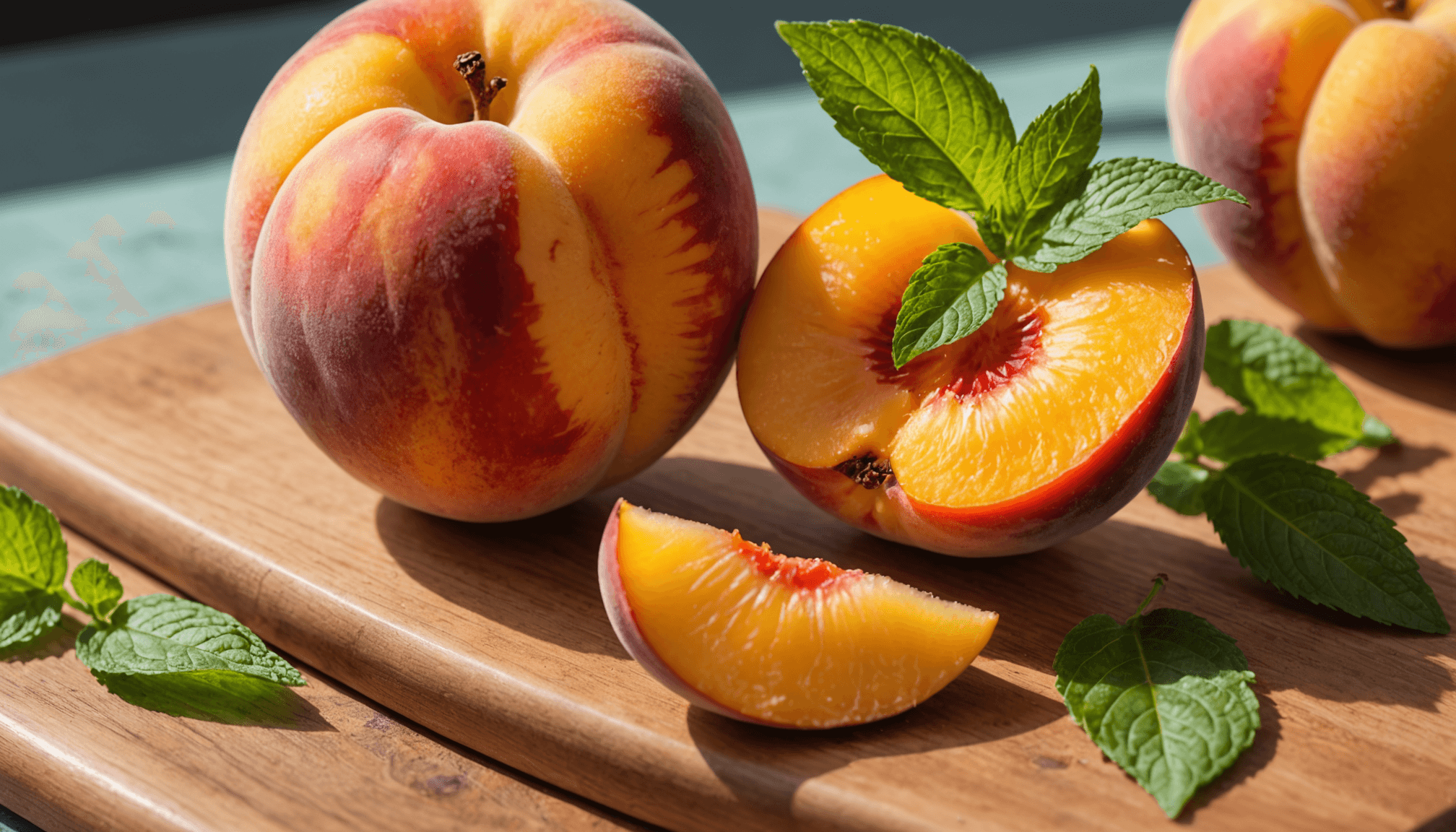
- Healthy meal prep ideas with seasonal fruits
- Benefits of incorporating seasonal fruits in meal prep
- Top seasonal fruits to consider for your meals
- Creative meal prep ideas using seasonal fruits
- Tips for storing and preserving seasonal fruits
- Quick and easy recipes featuring seasonal fruits
Picture this: you’ve had a bustling week and now the weekend is here, beckoning with the promise of relaxing and recharging. And what better way to set yourself up for success than with some healthy meal prep? Adding seasonal fruits not only elevates your dishes but also fills your meals with flavors that resonate with the time of year. So, let’s dive into a few amazing ideas that’ll make your meal prep a breeze!
First up, think about creating vibrant fruit salads. Grab some juicy summer peaches, sweet strawberries, or even tart cherries, depending on the season. Dice them all up, sprinkle a little lemon juice to keep them fresh, and maybe toss in a handful of mint. Not only does this look beautiful, but it’s a refreshing side that pairs perfectly with grilled chicken or fish. You can prepare a big batch that lasts a few days in the fridge, perfect for those busy weekday lunches.
If you’re looking for something a bit more substantial, consider making smoothies in advance. Choose fruits that are ripe and ready, such as bananas, berries, or kiwi, blend them up with some spinach for extra nutrients, and pour them into mason jars. You’ll have smoothies that are ready to go—just grab one in the morning, and you’re set! This little hack helps you sneak in those seasonal fruits without a fuss, perfect for busy mornings!
Don’t forget about oatmeal! Cook a big pot of oats at the beginning of the week and add a variety of toppings to customize each bowl. You can top them with sliced apples or pears and a sprinkle of cinnamon for an autumn twist, or throw in some chopped pineapples and coconut for a tropical vibe. A quick microwave reheat and you have breakfast sorted for a few days, packed with flavor and nutrition.
Another fun idea is to make fruit-infused water. Just throw some berries, citrus slices, or cucumber in a jar of water and let it sit overnight. This makes drinking water way more exciting and encourages you to hydrate more throughout the day. Plus, it doubles as a delightful addition to your meal prep routine, making those plain days feel a bit more fancy.
For dinners, consider roasting seasonal root vegetables alongside your favorite fruits. For example, think butternut squash paired with apples or sweet potatoes with orange slices. Drizzle with a bit of olive oil, add your preferred seasonings, and roast them until they’re beautifully caramelized. Not only do these meals look stunning, but they also pack a nutritional punch that leaves you satisfied.
With all these delightful options, you can easily incorporate fruit recipes into your meal prep while enjoying the benefits of seasonal produce. The beauty of this approach is that it keeps your meals vibrant and enticing, making healthy eating joyful rather than a chore.
Benefits of incorporating seasonal fruits in meal prep
Incorporating seasonal fruits into meal prep not only enhances flavor and nutrition but also contributes positively to overall well-being. Here are several compelling benefits to consider:
– Nutritional Value: Seasonal fruits are typically harvested at their peak ripeness, which means they are packed with nutrients. For instance, strawberries are rich in vitamin C, while cherries provide powerful antioxidants (USDA, 2021).
– Taste and Freshness: When fruits are in season, their flavors are more robust and fresh compared to off-season varieties. This leads to meals that are more enjoyable and satisfying, making healthy meal prep a delightful experience.
– Cost-Effective: Seasonal fruits are often more affordable as they are abundant in supply. Buying in-season fruits can significantly reduce grocery costs, helping you stick to a budget while enjoying variety in your meals (University of California Agriculture and Natural Resources, 2019).
– Environmental Impact: Choosing seasonal and local fruits supports sustainable farming practices and reduces the carbon footprint associated with transporting out-of-season produce from distant locations. This aligns with eco-friendly meal prep practices.
– Variety in Diet: Incorporating a rotating array of seasonal fruits encourages diversity in your diet, exposing you to different vitamins and minerals. Eating a wide variety of fruits can help reduce the risk of chronic diseases (Harvard T.H. Chan School of Public Health, n.d.).
– Creative Cooking Opportunities: Seasonal fruits can spark creativity in the kitchen. They provide an array of colors and textures to experiment with in smoothies, salads, and desserts, making meal prep exciting rather than mundane.
By leveraging these benefits, you can create a healthy meal prep routine that not only nourishes your body but also delights your senses, ensuring that eating healthy feels enjoyable and satisfying. Integrating seasonal fruits into your meals is a straightforward way to enhance both the quality of your diet and your overall health.
Top seasonal fruits to consider for your meals
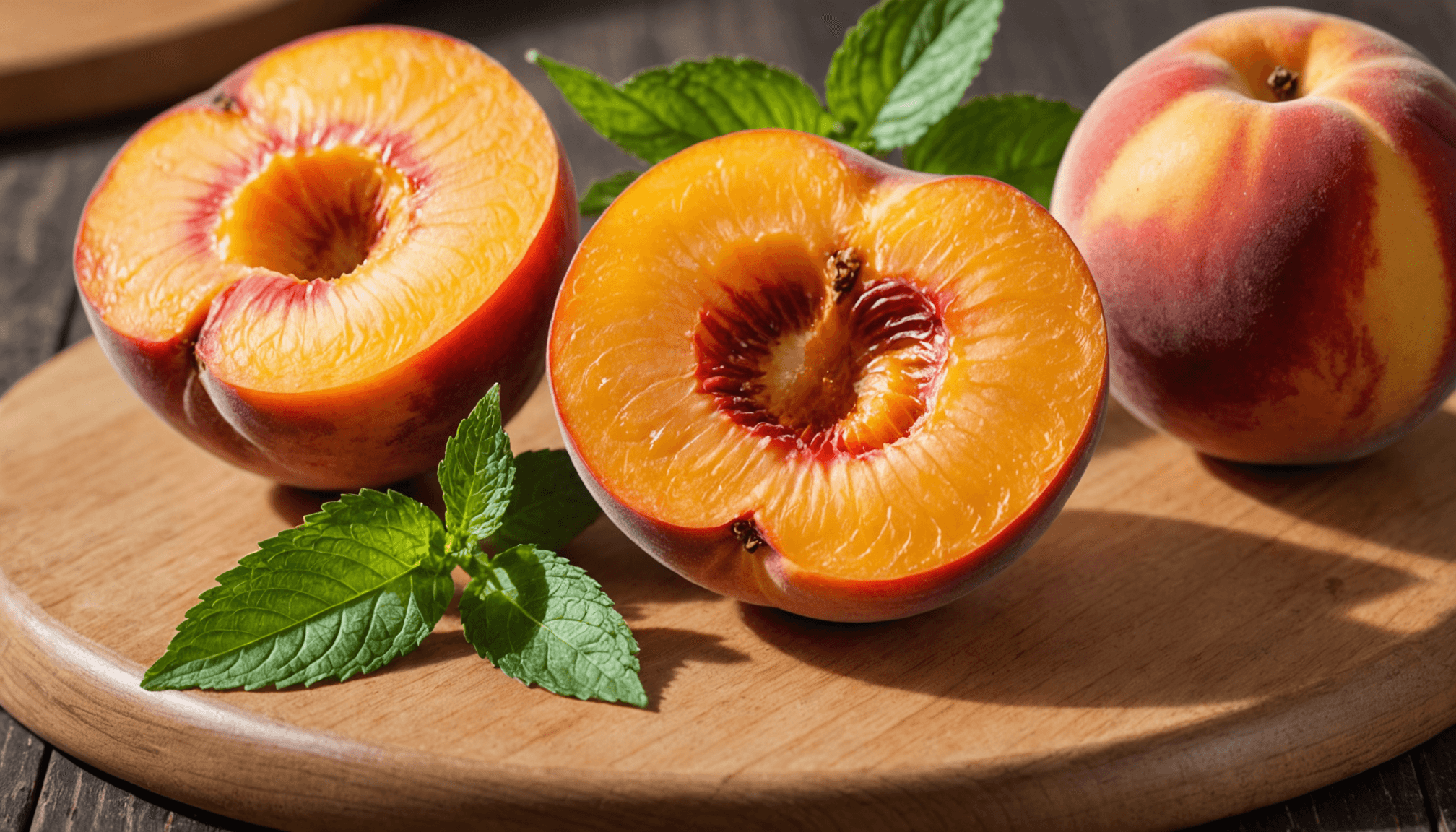
When it comes to seasonal fruits, your options are as varied as the seasons themselves. Each fruit carries its unique flavor profile, and they have the potential to elevate your meals in really exciting ways. Let’s break down some top seasonal fruits you should consider including in your healthy meal prep.
First off, let’s talk about berries. Whether it’s strawberries in the spring, blueberries in summer, or cranberries in the fall, they are versatile and packed with nutrients. They’re perfect for smoothies, salads, or just as a snack on their own. Not to mention, they’re rich in antioxidants, which can help combat oxidative stress in your body. Toss them into your morning oatmeal or yogurt for a delicious and colorful breakfast.
Next up are stone fruits, which include peaches, plums, cherries, and apricots. These juicy gems are typically at their best during the summer months. They can be enjoyed fresh or grilled for a smoky, rich flavor. Consider adding grilled peaches to a spinach salad with goat cheese or even mixing cherries into a BBQ marinade for chicken. These fruits can add a touch of sweetness to savory dishes, balancing flavors beautifully.
In the fall, don’t overlook apples and pears. These fruits are not just great for snacking; they can also be roasted, baked, or turned into a delightful sauce. Think about whipping up a batch of apple cinnamon overnight oats where you slice in some fresh apples and a sprinkle of cinnamon for a warming breakfast. Or add diced pears to your salads for a pop of sweetness—pair them with nuts and cheese for a well-rounded dish.
Citrus fruits like oranges, grapefruits, and tangerines shine in the winter months. They offer a refreshing zest that can brighten up your meals during the colder season. Citrus slices can be a great addition to salads or be used to make a marinade for fish or chicken. And don’t forget about their juice! A freshly squeezed orange juice can be a quick beverage that packs a punch for breakfast or snack time.
Lastly, we can’t overlook melons like cantaloupe and watermelon, which thrive in the summer heat. These fruits are not just hydrating; they also provide a refreshing contrast to heavier dishes. Watermelon can be cubed for a summer fruit salad or pureed into a chilled soup topped with a sprinkle of feta cheese. Cantaloupe can be paired with prosciutto for a sweet and salty combination that’s perfect for a light dinner or appetizer.
Every season brings its stars when it comes to fruits, and keeping your meal prep varied with these seasonal choices can help keep things fresh and exciting in your kitchen. So as you’re planning your meals, think about how you can incorporate these fruits into your healthy meal prep routine, making each bite a burst of seasonal goodness!
Creative meal prep ideas using seasonal fruits
“Seasonal fruits not only add flavor to your meals but also ensure you’re eating ingredients at their peak ripeness and nutritional value.”
One creative approach to meal prep with seasonal fruits is to design themed bowls. Here’s how to create a variety of meal bowls throughout the week:
- Select a Base: Start with a healthy base for your bowl. Options include quinoa, brown rice, leafy greens, or even whole grain pasta. Choose a different base for each day to keep things interesting.
- Pick Your Seasonal Fruits: Choose fruits that are in season and pair well with your base. For instance, use strawberries and blueberries with a spinach base; or opt for apples and pears when using a quinoa base.
- Add Protein: Incorporate a protein source such as grilled chicken, chickpeas, or tofu. This balances the sweetness of the fruits with a savory element, making the bowl satisfying.
- Toss in Some Crunch: Consider adding nuts or seeds for texture. Almonds, walnuts, or pumpkin seeds provide a nice crunch that contrasts beautifully with the juiciness of the fruits.
- Dress It Up: Make a simple dressing or use a store-bought one that complements the fruits. A light citrus vinaigrette works well with peach and spinach bowls, while a creamy dressing might be great with apple and walnut combinations.
- Assemble Ahead of Time: Prepare your bowls in meal prep containers for easy grab-and-go lunches or dinners. Layer the ingredients in a way that the dressing stays at the bottom until you’re ready to eat, keeping everything fresh.
Another fun idea is to create seasonal fruit popsicles, which can be a refreshing snack or dessert:
- Gather Your Ingredients: Collect a mix of seasonal fruits, such as berries, mangoes, or watermelon. You can also add yogurt or coconut milk for a creamier texture.
- Blend: In a blender, combine your chosen fruits with your liquid (like yogurt or coconut milk). Blend until smooth. You can keep some fruit chunks for added texture, if you like.
- Taste and Adjust: Taste your mixture and adjust sweetness if necessary. You might add a bit of honey or maple syrup if the fruit isn’t sweet enough.
- Pour and Freeze: Pour the mixture into popsicle molds, adding sticks as you go. Freeze for at least 4-6 hours until solid.
- Enjoy: To enjoy your popsicles, run warm water over the outside of the mold for a few seconds, and gently pull the popsicles out to savor a refreshing treat.
If you’re looking to incorporate seasonal fruits into snacks, consider making fruit energy balls. They are simple yet delicious:
- Choose Your Base: Start with rolled oats or nut flour as a base.
- Add in Fruits: Incorporate finely chopped seasonal fruits such as apricots or cranberries. Dried fruits work well if fresh ones might alter the texture.
- Mix in Nuts or Seeds: Add a handful of nuts, seeds, or nut butter to create a chewy texture and boost protein content.
- Sweeten if Needed: You can add a drizzle of honey or maple syrup if you desire extra sweetness.
- Roll Into Balls: Form the mixture into small balls using your hands. Keep them about the size of a tablespoon.
- Chill: Place the balls in the fridge to set for about 30 minutes. Once they’ve hardened, store them in an airtight container for a quick snack throughout the week.
These creative meal prep ideas with seasonal fruits not only enhance the variety and flavor of your meals but also contribute to a healthy meal prep strategy that is both enjoyable and nutritious. Use these techniques to make the most out of the seasonal produce available, keeping your meals vibrant and your palate excited!
Tips for storing and preserving seasonal fruits
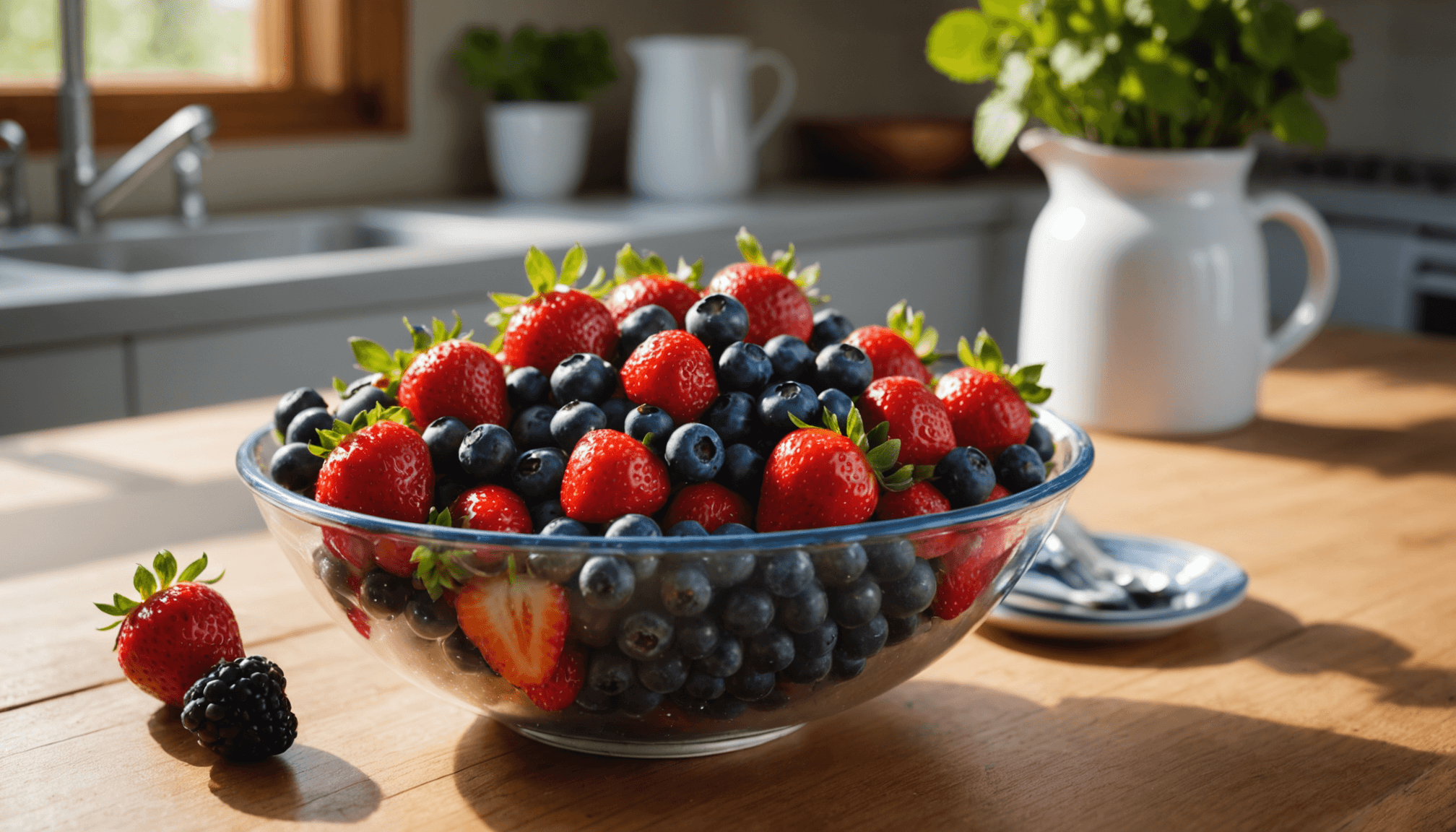 Storing and preserving seasonal fruits properly is crucial to maintaining their freshness and nutritional value. Understanding the right techniques can help you enjoy these delicious offerings for a longer period. One of the simplest methods is to keep fruits in the refrigerator, particularly those like berries and citrus fruits, which are best stored in the produce drawer. This environment slows down spoilage and keeps them crisp.
When it comes to delicate fruits such as peaches or avocados, it’s best to let them ripen at room temperature until they reach the desired softness, after which they can be transferred to the fridge to extend their shelf life. For fruits with higher moisture content, like melons and stone fruits, consider wrapping them in a paper towel to absorb excess moisture, preventing mold growth.
Freezing is another excellent option for preservation, especially if you have an abundance of seasonal fruits. You can freeze fruits like strawberries, blueberries, or sliced bananas to use later in smoothies or baking. To freeze, wash and dry the fruits thoroughly, then spread them out on a baking sheet in a single layer until they harden. Transfer them to airtight containers or freezer bags for long-term storage.
Dehydrating is a method to concentrate flavors while also extending the shelf life of fruits. Dried fruits can be a wonderful addition to snacks and baked goods. You can use a dehydrator or a conventional oven on a low setting to dry fruits like apples or pears, transforming them into tasty, chewy treats that retain much of their original nutrition.
Pickling is another creative approach for preservation, especially for fruits like peaches or cherries. A quick pickling brine can give these fruits a tangy twist, making them an interesting addition to salads or charcuterie boards.
Exploring these storage methods opens up a world of possibilities for enjoying seasonal fruits beyond their peak season. Each technique not only protects the fruits but also allows you to appreciate the range of flavors they offer in various forms, encouraging you to get creative in the kitchen.
- How should I store seasonal fruits to maximize freshness?
- Seasonal fruits should be stored in the refrigerator, particularly in the produce drawer, to keep them crisp and fresh. For fruits like peaches and avocados, allow them to ripen at room temperature before refrigerating.
- Can I freeze seasonal fruits?
- Yes, freezing is an excellent way to preserve seasonal fruits. Wash and dry them, spread them on a baking sheet to freeze individually, then transfer to airtight containers or bags for long-term storage.
- How can I tell if seasonal fruits are ripe?
- Ripe fruits will usually have a firm yet slightly soft texture when gently pressed, a fragrant aroma, and vibrant color. Check specific fruits for their distinctive ripeness signs, such as color changes or slight give.
- What is the best way to keep berries fresh?
- Berries should be kept refrigerated in a container with ventilation. Avoid washing them until right before use to prevent moisture from accelerating spoiling.
- Are there any fruits that shouldn’t be refrigerated?
- Yes, some fruits such as bananas, tomatoes, and avocados should be kept at room temperature until they ripen. Refrigeration can alter their texture and flavor.
- Can I use seasonal fruits in baking?
- Absolutely! Seasonal fruits can enhance baked goods, adding moisture and flavor. You can use them in muffins, breads, and desserts to bring a seasonal twist to your baking.
- What are some ways to use dried fruits in my meals?
- Dried fruits can be added to oatmeal, trail mixes, or salads for added sweetness and texture. They can also be incorporated into baked goods or used as an energy booster for snacking.
Quick and easy recipes featuring seasonal fruits
Now that we’ve explored some practical meal prep strategies, it’s time to dive into quick and easy recipes that let seasonal fruits shine! These dishes are perfect for busy mornings, simple lunches, or even last-minute dinners, and they’ll make your taste buds dance with delight.
One of the easiest ways to enjoy seasonal fruits is by whipping up a fruit parfait. Start with your favorite yogurt—whether it’s Greek, coconut, or almond—and layer it with granola and a medley of fruits. If you’ve got fresh strawberries and blueberries on hand, toss them in with a drizzle of honey or a sprinkle of chia seeds for added nutrition. Not only is this visually stunning, but it’s also a fantastic grab-and-go breakfast or snack. Make a few jars at the start of the week, and you’ll always have a nutritious option ready in the fridge.
If you’re after something a bit heartier, how about a savory fruit salad? Pair ripe mangoes with avocado, drizzle a lime vinaigrette over the top, and toss in some black beans for added protein. This salad not only balances flavors but also provides a lovely textural contrast between the creamy avocado and juicy mango. Serve it alongside grilled fish or as a refreshing lunch option—it’s satisfying and packed with nutrients!
Let’s not forget our good old smoothies! The beauty of smoothies is their versatility. Grab whatever seasonal fruits you have on hand—maybe some bananas, kale, and a handful of peaches—and blend them together with some almond milk or coconut water. Add a spoonful of nut butter for protein, and you’ve got yourself a quick breakfast or post-workout refuel that tastes like dessert! You can even pour it into popsicle molds for a healthy frozen treat, which is always a hit, especially with kids.
For a simple yet delightful dessert, try making baked apples. Core some of those crisp autumn beauties and stuff them with a mixture of oats, cinnamon, a bit of maple syrup, and chopped nuts. Bake them until they’re soft and bubbly, and serve warm with a scoop of vanilla yogurt. This dish is comforting, healthy, and brings a homey vibe to any dinner table, celebrating the sweetness of seasonal apples.
If you’re looking for something to impress your friends, consider a refreshing watermelon salad. Dice up fresh watermelon and toss it with crumbled feta cheese, fresh mint leaves, and a splash of balsamic reduction. The sweet and salty combination will have everyone raving, and it’s incredibly easy to pull together. This salad is wonderful as a side for barbecues or as a light, airy lunch option.
Lastly, let’s simplify breakfast with overnight oats topped with your choice of seasonal fruits. Mix rolled oats with milk or a dairy-free alternative, add a dollop of yogurt, and layer in sliced bananas and a sprinkle of nuts. Let it sit overnight in the fridge, and by morning, you’ll have a creamy, delicious meal waiting for you. This is not only quick to prepare but also allows for endless variations based on what fruits are in season!
These recipes are not just quick and easy; they celebrate the flavors of the season and bring a burst of health benefits with every bite. Incorporating seasonal fruits into your meals is a joyful way to nourish your body and satisfy your cravings, proving that healthy meal prep can absolutely be delightful! So grab those seasonal fruits, roll up your sleeves, and start creating some tasty magic in your kitchen!

Leave a Reply