

- Whole30 essentials for meal prep
- Planning your week: Tips and tricks
- Quick and easy recipes to try
- Storing and reheating your meals
- Staying motivated and on track
When diving into Whole30 meal prep, it’s all about setting yourself up for success with the right tools and ingredients. You want to keep things simple, low-stress, and maximally rewarding. Think of this as your go-to guide to ensure your healthy meal prep not only sticks to the guidelines but also fits into your busy lifestyle.
First things first, you need to stock your kitchen with Whole30-approved staples. This means filling your pantry with things like olive oil, coconut oil, and ghee for cooking, along with various spices and herbs to bring flavors to life. Don’t forget your protein sources! Grass-fed meat, chicken, seafood, and eggs are fantastic options. And for those who love a plant-based twist, consider lentils or beans; just make sure they fit into your meal plan.
Fruits and vegetables should fill up your fridge. Aim for a rainbow of options here—think leafy greens, broccoli, bell peppers, sweet potatoes, and berries. The more vibrant, the better! These not only pack in nutrients but also add variety and color to your meals. And remember to keep some compliant snacks on hand, like nuts or seeds, to fight off hunger pangs during the day.
Investing in a solid set of storage containers is key. Opt for glass or BPA-free containers to ensure your meals stay fresh and are microwave-safe for easy reheating. If you can, get a variety of sizes to suit different meals—some smaller ones for snacks and larger ones for main dishes.
Now, let’s talk about time-saving tools. A slow cooker or an Instant Pot can be a lifesaver, allowing you to whip up meals with minimal effort. Another handy item is a good chef’s knife; chopping vegetables will become a breeze, making your meal prep feel less like a chore and more like a culinary adventure!
Creating a simple meal prep routine is essential. Dedicate a couple of hours on the weekend, for example, to prep your meals for the week ahead. Cook larger portions, maybe a big batch of grilled chicken and roasted veggies, and portion them out into your containers. This way, when you’re busy with work or school, you’ll have your healthy, flavorful meals ready to go without having to cook every single day.
Planning your week: Tips and tricks
To make the most of your Whole30 journey, planning your week effectively can significantly reduce the stress associated with meal prep. One of the best ways to set yourself up for success is to establish a consistent meal prep schedule. Allocate a specific day—typically Sunday or a day that fits your routine—to plan, shop, and prepare your meals. As the renowned author Stephen R. Covey said, “The key is not to prioritize what’s on your schedule, but to schedule your priorities.” This mindset will help you weave healthy meal prep seamlessly into your weekly schedule.
Creating a Weekly Menu
Start your week by preparing a simple menu based on Whole30 principles. Consider the meals you enjoyed in the past and aim to recreate them with compliant ingredients. Use a calendar or meal prep app to outline what you’ll eat each day. Focus on variety by incorporating a range of proteins, vegetables, and flavors throughout the week. For instance, if Monday’s dinner is grilled salmon with asparagus, think about a veggie-packed stir-fry for Tuesday, followed by taco bowls with cauliflower rice on Wednesday. This not only keeps boredom at bay but also ensures you’re consuming a balanced diet filled with essential nutrients.
Grocery List and Shopping Tips
Once your menu is set, it’s time to create a detailed grocery list. Organize it by sections of the store—produce, meats, pantry items—to make your shopping trip more efficient. This practice not only saves time but also reduces impulse purchases that might lead you away from your Whole30 goals. As Oscar Wilde noted, “The only thing worse than being talked about is not being talked about.” While this is true for celebrity gossip, it also applies to shopping—less time in the store means less temptation from non-compliant items.
Shopping during off-peak hours can also enhance your experience, allowing you to navigate crowded aisles more easily. Don’t hesitate to explore local farmers’ markets for fresh, organic produce; the flavors are often superior, and you’ll support your community.
Batch Cooking and Prep
Batch cooking is your secret weapon in maintaining a Whole30 lifestyle. When preparing your meals, cook larger portions of recommended proteins such as chicken, beef, or fish, along with a variety of seasonal vegetables. Roasting a large tray of mixed veggies or boiling a pot of sweet potatoes can also provide easy sides that can be paired with multiple meals throughout the week. The thoughtful author Anthony Bourdain once said, “Your body is not a temple, it’s an amusement park. Enjoy the ride.” With batch cooking, you can enjoy diverse meals while embracing the fun aspects of food.
During your prep time, consider pre-chopping ingredients for salads or marinating proteins for quicker cooking throughout the week. Store these prepped components in clear containers, making it easy to visualize your meals at a glance.
Utilizing Leftovers
Don’t shy away from using leftovers creatively. Prepare extra portions to hold during the week, making them the foundation for versatile meals. Leftover grilled chicken can become a soup, salad topping, or a component in stir-fried rice. Author Julia Child once wisely advised, “No one is born a great cook, one learns by doing.” Embracing your leftovers and experimenting with new combinations allows you to gain culinary confidence and skills.
Flexibility in Planning
While having a set plan is important, maintain flexibility in your approach. Life can get busy, and unexpected events may arise. If you find yourself short on time one evening, a simple, quick meal—think steamed veggies and a protein—is better than veering off your plan entirely. Remember that the goal is to foster a healthy relationship with food while ensuring that Whole30 remains a positive aspect of your life.
Quick and easy recipes to try
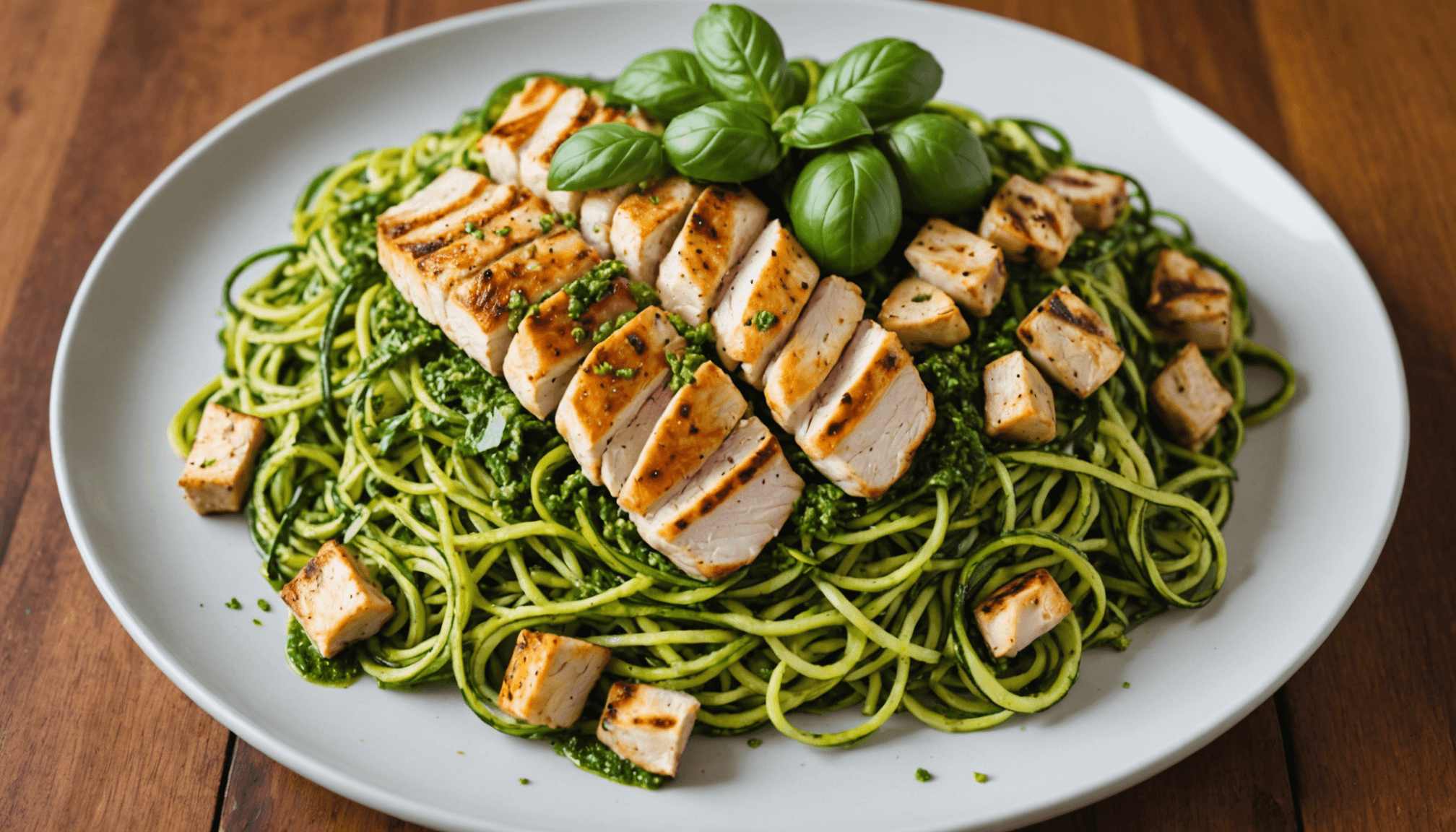
- Zucchini Noodles with Pesto and Grilled Chicken
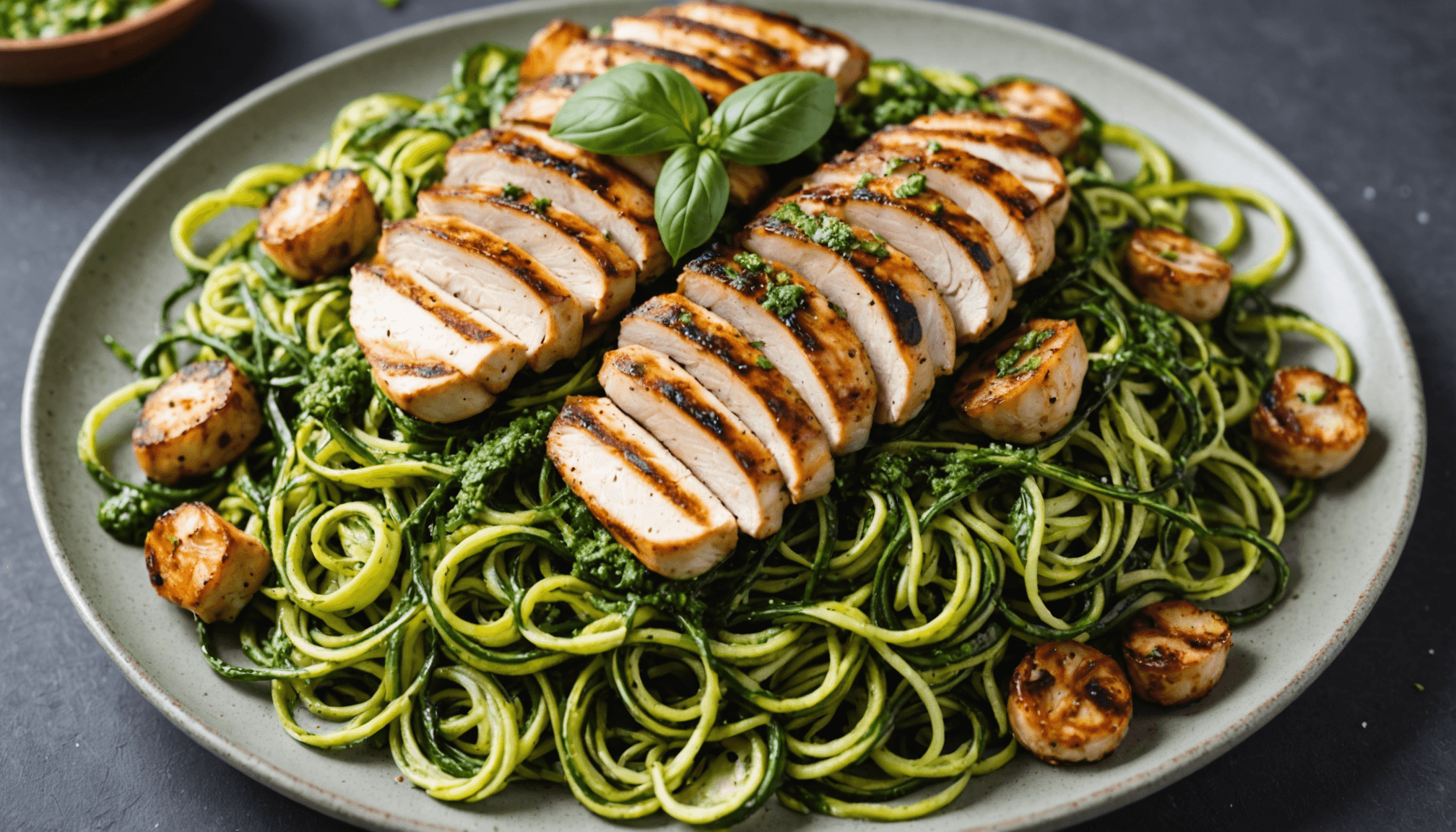
This recipe transforms simple zucchini into a satisfying meal. Using a spiralizer, create noodles from fresh zucchini, sauté them lightly, and add a dollop of homemade or store-bought Whole30-approved pesto. Top with grilled chicken for protein and crunch. It’s a quick assembly that can be prepped in 15 minutes, making it perfect for a busy weeknight.
- Egg Frittata with Bell Peppers and Spinach
Start your day with a protein-packed egg frittata. Whisk together eggs, season with salt and pepper, and mix in chopped bell peppers, spinach, and any other veggies you have on hand. Pour the mixture into a greased skillet, cook on the stovetop until the edges are set, then finish under the broiler until puffed and golden. This dish is great for meal prep—slice it into portions and store in the fridge for quick breakfasts throughout the week.
- One-Pan Roasted Chicken Thighs with Sweet Potatoes and Brussels Sprouts
For an effortless dinner that delivers flavor and is perfect for Whole30, try roasting chicken thighs alongside cubed sweet potatoes and halved Brussels sprouts. Toss everything with olive oil and your favorite herbs, spread the ingredients on a baking tray, and roast until the chicken is crispy and the veggies are tender. This dish not only feeds a crowd but also leaves you with delicious leftovers for lunch.
- Taco-Stuffed Bell Peppers
Switch up Taco Tuesday with these wholesome stuffed peppers. Halve bell peppers and stuff them with a mixture of ground beef or turkey, diced tomatoes, onion, and taco seasoning (just make sure it’s compliant!). Bake until the peppers are tender. These beauties are colorful, fun, and make for an easy meal that packs well for work or school.
- Shrimp and Cauliflower Rice Stir-Fry
This quick stir-fry comes together in minutes. Sauté shrimp in coconut oil with garlic and ginger, then add a mix of bell peppers and snap peas. Serve over cauliflower rice for a grain-free alternative. This dish not only satisfies your savory cravings but also aligns perfectly with a healthy meal prep routine.
These recipes highlight how easy it can be to adhere to Whole30 while preparing simple, satisfying meals for you and your family. The key is to create a few go-to dishes that can be modified based on what you have on hand, ensuring you remain excited and engaged throughout your meal prep journey. Remember, the simpler, the better! Embrace the creativity in your cooking and explore various combinations—it can feel like you’re experimenting in your personal kitchen labs!
Storing and reheating your meals
When it comes to maintaining the freshness and quality of your meals, proper storing and reheating techniques are essential. By following a few straightforward steps, you can ensure that your Whole30 meal prep remains delicious and stress-free throughout the week.
- Choosing the Right Containers
Select airtight containers to store your meals, which is crucial for keeping them fresh. Consider using glass containers, as they are non-toxic and microwave-safe. Look for containers in varying sizes to accommodate different meal components, whether they are small for snacks or larger for main dishes. - Portioning Your Meals
Divide cooked meals into single-serving portions before storing them. This makes it easier to grab a meal on-the-go and helps with portion control, ensuring each serving aligns with Whole30 guidelines. Use clear labeling on your containers, including the meal name and date, so you can easily identify what’s inside and when it was made. - Storage Guidelines
– For cooked proteins and vegetables, store in the refrigerator and consume within 3 to 4 days for optimal freshness.
– If you’re prepping for a longer period, consider freezing portions. Most meals can be frozen for up to 3 months. Ensure they are cooled before sealing to prevent moisture buildup and freezer burn.
– Utilize labels to indicate the contents and date of preparation; this helps you track what needs to be eaten first. - Reheating Techniques
– Microwave: If using a microwave, transfer your meal to a microwave-safe dish or remove the lid from containers to prevent steam buildup. Heat in short intervals, stirring occasionally to ensure even heating.
– Oven: For leftovers that benefit from a crispy texture, reheat in the oven. Preheat to 350°F (175°C), place your meal in an oven-safe dish, and cover with foil to prevent drying out. Heat for about 15-20 minutes or until warmed through.
– Stovetop: Consider reheating on the stovetop for stir-fries or similar dishes. Add a splash of broth or water to the pan to avoid sticking, and stir until hot. - Utilizing Leftovers Creatively
Embrace the idea of reimagining your leftovers! Use remaining grilled chicken in a salad, blend leftover roasted vegetables into a soup, or create a new stir-fry with the remains of your protein and fresh vegetables. This not only minimizes food waste but keeps your meals exciting. As the culinary icon Julia Child said, “No one is born a great cook, one learns by doing.” Experimenting with these combinations will enhance your cooking skills and palate.
“The only way to make sense out of change is to plunge into it, move with it, and join the dance.” – Alan Watts
By implementing these smart storage and reheating strategies, you can ensure your healthy meal prep remains a joyful and hassle-free part of your daily routine. Stick with these practices to maximize flavor, nutrition, and convenience in your Whole30 experience.
Staying motivated and on track
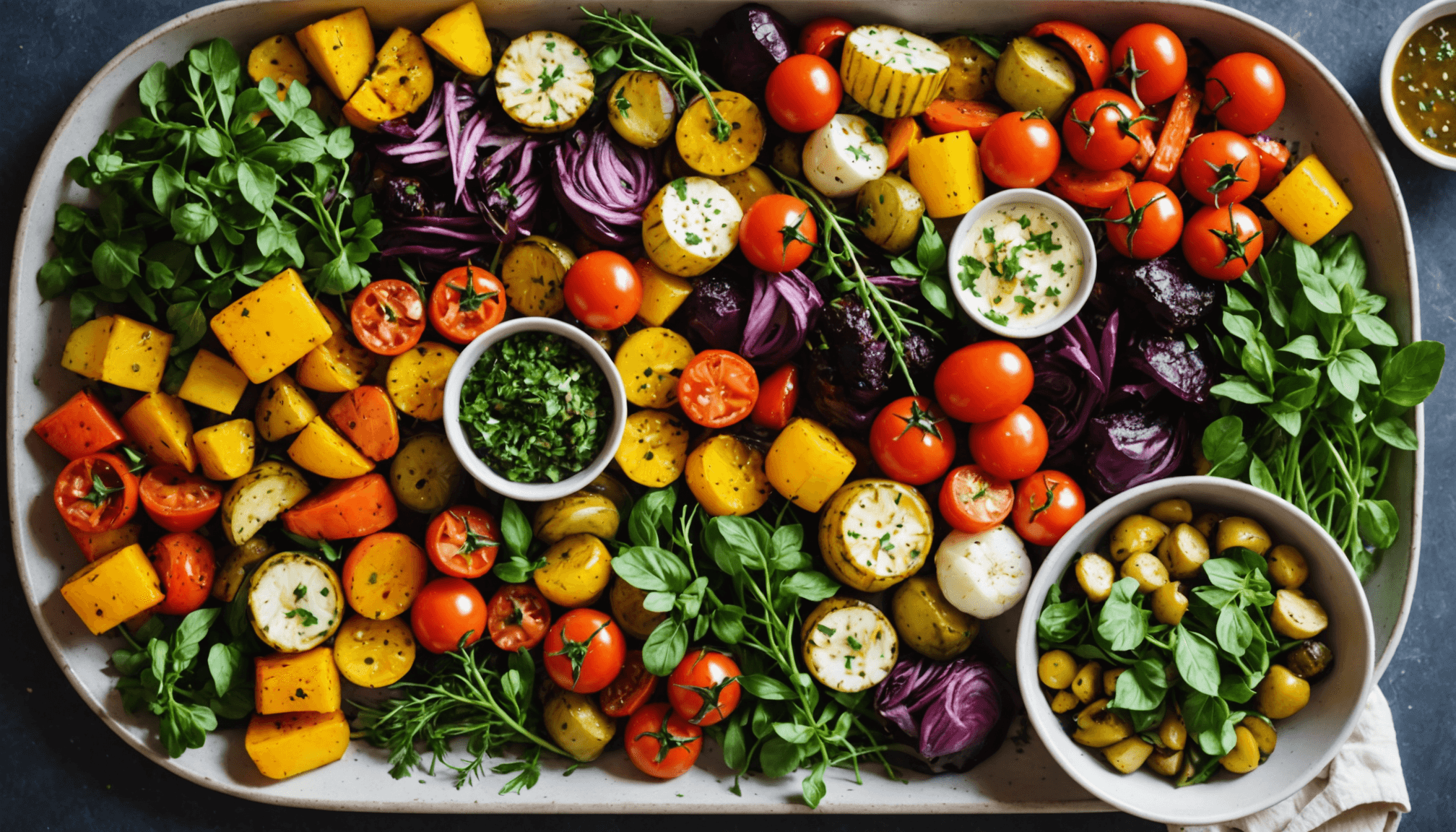 Staying focused on your Whole30 journey requires a blend of discipline, creativity, and inspiration. To keep your meals exciting and adhere to the program, it’s essential to cultivate a positive mindset. Boredom can be a major roadblock, so actively seek out new recipes and flavor combinations that can rejuvenate your meal prep. For instance, swapping out cooking methods—from grilling to roasting to steaming—can add a new twist to your staples. Experiment with spices and herbs, exploring new cuisines that comply with Whole30 guidelines.
In addition, don’t underestimate the power of community support. Engaging with others who are on similar journeys can offer motivation and accountability. Consider joining social media groups or local meetups focused on Whole30. Sharing tips, recipes, and even struggles can promote a sense of belonging and shared purpose.
It’s also important to build a routine that works for you. Recognize that some days will be more challenging than others, and that’s completely normal. Embrace flexibility within your structure—if you find yourself pressed for time, having readily available snacks or quick-to-prepare meals can keep you on track without feeling overwhelmed. Your focus should always remain on how to approach food as a source of nourishment and enjoyment, rather than a restriction.
To enhance your understanding and application of the Whole30 lifestyle, take the time to research benefits, inflammatory foods, and nutritious whole ingredients. Explore documentaries, books, or podcasts that discuss the impact of food choices on health, which can empower and inspire your journey. Each meal can be a new opportunity for exploration and learning—how exciting is that?
- What is Whole30?
- Whole30 is a 30-day nutritional program designed to eliminate cravings, improve food relationships, and increase awareness of how foods affect the body. It focuses on whole, unprocessed foods while eliminating added sugars, grains, legumes, dairy, and alcohol.
- Can I meal prep while doing Whole30?
- Yes! Meal prepping is not only doable but highly encouraged on Whole30. Preparing compliant meals in advance can save you time and ensure you stay on track throughout the month.
- Are there any snacks that are Whole30 compliant?
- Absolutely! Snacks like raw veggies, compliant nuts, and seeds or fresh fruit are great Whole30 choices. It’s important to choose items that support your goals and make your Whole30 experience enjoyable.
- What should I do if I feel deprived on Whole30?
- Feeling deprived can happen, especially when you eliminate certain food groups. It’s crucial to focus on the wide variety of delicious Whole30 meals available! Exploring new recipes, flavors, and cooking methods can help shift your mindset.
- How can I incorporate more vegetables into my meals?
- Get creative with your vegetable prep! Try spiralizing zucchini, making cauliflower rice, or using them in stir-fries. Roasting with herbs can bring out wonderful flavors that make veggies exciting.
- Can I eat out while on Whole30?
- Yes! Many restaurants offer Whole30 compliant options. However, it’s important to communicate your needs clearly to the staff and confirm how food is prepared. Research menus in advance to help make wise choices.
- What if I mess up during my Whole30?
- Mistakes happen, and it’s crucial not to be too hard on yourself. If you accidentally consume non-compliant ingredients, acknowledge it, learn from the experience, and simply start fresh the next day. It’s about progress, not perfection!

Leave a Reply