- Healthy meal prep basics
- Choosing the right containers
- Freezing techniques for freshness
- Thawing and reheating meals
- Storage tips and best practices
Let’s dive right into the heart of the matter—meal prepping in a way that not only preserves your precious time but also nourishes your body. When you’re looking to embrace healthy meal prep, it’s all about creating a routine that aligns with your lifestyle and goals. First off, think about the foods that work for you. Are you a fan of vibrant, roasted veggies or does a hearty grain bowl make your heart sing? Grab your favorite ingredients and get ready to roll.
Now, one important step is planning out your meals for the week. It doesn’t have to be a massive undertaking; just a simple sketch can set you up for success. Picture this: it’s Sunday afternoon, you’ve got your favorite tunes blasting, and you’re setting aside a couple of hours to put together delicious meals. You might roast some veggies, cook a pot of quinoa or brown rice, and whip up a batch of lean protein—like chicken, turkey, or chickpeas. Mixing and matching these components keeps it exciting. One day, you can toss everything together in a colorful salad, and the next, you can create a stir-fry with a dash of soy sauce or teriyaki. Just like that, you’ve jazzed up your week!
Don’t hesitate to embrace the power of freezing meals in your prep routine. After all, there will be those busy evenings when reaching for a healthy option feels like a Herculean task. With a stash of ready-to-eat meals in the freezer, you’ll be able to enjoy a wholesome dinner without any fuss. Labeling your containers also makes a huge difference. You wouldn’t want to thaw what you thought was chili, only to find it’s actually a creamy pasta bake. So, pull out some masking tape and a pen, and get labeling!
For inspiration, consider versatile options like healthy soups and stews that freeze beautifully. A big pot of minestrone packed with beans and green veggies can be your go-to when it’s chilly outside. Just think of coming home, tossing a serving in the microwave, and enjoying its warmth within minutes. Even breakfast is fair game! Meal prep some overnight oats or smoothie packs—just grab, blend, and go!
Incorporating seasonal ingredients can also elevate your meal prep game. For instance, summertime zucchinis and tomatoes make for lovely ratatouille, while fall brings you hearty pumpkin and sweet potatoes—such a joy to partake in these flavors as the seasons change. And let’s not forget the joy of discovering how a simple herb can change the whole dish; fresh basil can take your meals from drab to fab in seconds.
Ultimately, healthy meal prep should suit your taste and your life. It’s all about building a habit that feeds your body and soul while making your busy schedule a bit lighter. Before you know it, meal prep will become your new best friend, giving you that crucial head start you need as life keeps you on your toes!
Choosing the right containers
When it comes to storing your meticulously prepared meals, the choice of containers can make all the difference in preserving the freshness and integrity of your food. Opt for high-quality, food-safe materials that provide an airtight seal to prevent freezer burn. Glass containers are an excellent choice because they are durable, non-toxic, and microwave-safe, making them versatile for reheating when you’re ready to eat. In the words of the famous chef Julia Child, “A cookbook is only as good as its cover.” Similarly, the right container helps ‘cover’ your meals effectively until it’s time to enjoy them.
Plastic containers are lightweight and convenient, but ensure that they are BPA-free and designed specifically for freezing. Look for options that have compartments if you prefer to keep different food items separate while frozen. This not only keeps flavors distinct but also gives you portions ready to be heated and enjoyed. Investing in silicone bags or reusable freezer bags can also aid in minimizing waste. Their flexible nature allows you to expel excess air and maximize space in your freezer.
Labeling is an essential part of your meal storage strategy. It’s not just about knowing what you have; it’s about tracking when you made it. Investing in freezer-safe labels or even using a marker on masking tape will do wonders for your frozen meal inventory. Try writing the date and contents on each container, so you always know what to expect—and when to enjoy it. As the saying goes, “You can’t manage what you can’t measure.” In this case, managing your meals means knowing what’s in your freezer.
Consider also the size of the containers. It’s often tempting to use larger containers for bulk meals, but smaller individual portions can improve convenience when serving. Instead of defrosting an entire casserole, grab a single serving for a quick lunch at work or a late-night snack. Ready-to-eat meals keep you aligned with your healthy eating goals and save time in the kitchen.
For those who love variety, it’s helpful to rotate your meals. Adopt the FIFO—First In, First Out—method to ensure that older meals are consumed first. This practice helps to minimize waste and keeps your meal prep exciting. You can also customize your meal sizes; don’t hesitate to prepare several smaller portions for days when you might not have a big appetite.
Take a moment to reflect on your meal storage needs, and adjust your container choices accordingly. As you begin to fill your freezer with your beautifully prepped meals, remember that the right containers can keep your healthy meal prep thriving. And speaking of thriving, why not dive deeper into the world of healthy meal prep?
Explore More Meal Prep Tips
Visit Container Store for Quality Containers
Freezing techniques for freshness
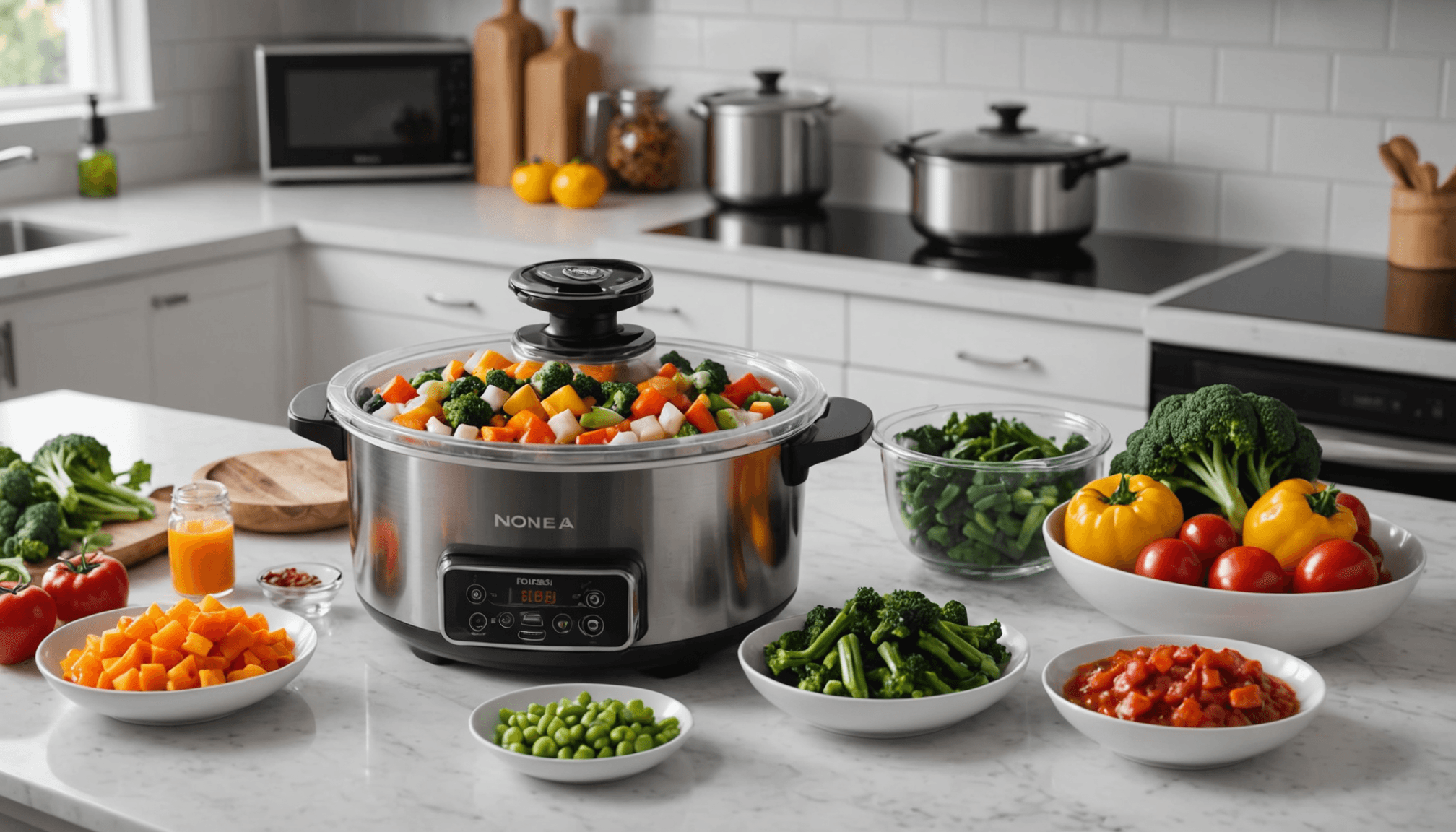
When it comes to freezing meals, you want to treat your food like the precious gems they are. The way you freeze can significantly impact the texture and flavor when you’re ready to devour your creations. Let’s get into the nitty-gritty of the techniques that’ll keep your meals as fresh as the day you made them.
First and foremost, it’s crucial to cool your meals before they hit the freezer. Sticking a hot stew straight into your freezer? Recipe for disaster! Not only can it raise the freezer’s temperature, but it also leads to uneven freezing, turning your lovely soup into an icy block of mush. A 30 to 60-minute cooling time on the countertop is all it takes to save your meal’s integrity. Use the ‘ice bath’ technique if you’re in a rush—let’s just put your container in a larger bowl filled with ice to speed up the cooling process.
Next, consider portioning. Freezing meals in single or double servings makes it so much easier to grab what you need without defrosting everything. Got a busy work week ahead? Freeze meals in plastic or glass containers that are perfectly sized for your needs. You can even use muffin tins to freeze single servings of soups, stews, or healthy smoothies. Toss them into freezer bags once solidified and voilà—personalized meal portions ready to go!
Now let’s talk about the air. Freezer burn is a meal’s worst enemy, turning your hard work into a sad, icy mess. To combat this, use vacuum sealers if you can; they effectively remove air and prevent freezer burn better than anything else out there. If you don’t have one, simply use high-quality freezer bags, squeezing out as much air as possible before sealing. That’s right—don’t leave your meals gasping for breath! Every bit of effort to minimize air exposure pays off in the long run.
For those soups and stews, don’t forget about the “fill line.” Leave a bit of space at the top of your containers. Liquids expand when frozen, and you certainly don’t want explosions in your freezer. Trust me, cleaning up melted lasagna sauce from your favorite container is just about as fun as banging your head against a wall!
Labeling is your best friend in this journey. Use a permanent marker to jot down the name of the dish and the date you cooked it. When you’re on the go, nothing’s worse than rummaging through your freezer, squinting at mystery containers. This simple step will help keep your healthy meal prep organized and your family’s taste buds satisfied.
Finally, embrace the ‘flat-frozing’ technique for one-off items. Lay those bags of cooked grains or veggie mixes flat in your freezer until they’re solid, then stack them. This not only conserves space but allows for quicker thawing. You might even start an entire flat-frozen revolution—who knew meal preppers could start trends, right?
Freezing your meals properly can make all the difference in turning a busy week into a breezy one. When the days get overwhelming, knowing you have a healthy meal waiting in the wings can be incredibly reassuring. So, give these techniques a whirl, and revel in the joy of delicious food, minus the hassle!
Thawing and reheating meals
When it comes to thawing and reheating meals, understanding the proper techniques can make a significant difference in maintaining the taste and texture of your healthy meal prep creations. Here’s a straightforward guide to ensure you enjoy your frozen meals just as much as when they were freshly prepared.
- Thawing Options:
- Refrigerator Thawing: The safest method is to transfer your frozen meal from the freezer to the refrigerator. This slow thawing process typically takes several hours or overnight, depending on the meal size. For optimal flavors and safety, consume the meal within a few days after thawing.
- Cold Water Thawing: If you’re short on time, submerge the sealed container or bag of food in cold water for about 30 minutes to an hour. Change the water every 15 minutes to ensure it stays cold. This method is faster than refrigerator thawing but still retains the meal’s quality.
- Microwave Thawing: For a quick fix, you can use the microwave. Set it to the defrost setting and follow the manufacturer’s instructions. It’s crucial to monitor the process, as some parts of the meal may start cooking while others are still frozen.
- Reheating Techniques:
- Microwave: Start by transferring your meal to a microwave-safe container if it’s not already. Cover it with a microwave-safe lid or plate to retain moisture. Heat in intervals of 1-2 minutes, stirring in between to ensure even heating. Aim for an internal temperature of 165°F to ensure food safety.
- Oven: Preheat your oven to 350°F. Place your meal in an oven-safe dish, cover it with aluminum foil to prevent drying out, and heat for about 20-30 minutes, depending on the size. This method is great for casseroles or dishes that benefit from a crispy top.
- Stovetop: For soup or stew, pour it into a pot over medium heat. Stir occasionally and heat until it reaches a gentle simmer, ensuring it’s warmed thoroughly. This method helps preserve the meal’s texture and flavors.
- Keep It Safe: Once your meal is thawed or reheated, remember not to refreeze it unless it has been thoroughly cooked. It’s best to consume leftovers within three days for optimal freshness and flavor.
- Portioning: Consider reheating only the portion you plan to eat. This will help minimize waste and keep the remaining meals in the freezer intact for future use.
“Food safety is critical. Any time you are heating or reheating frozen meals, always ensure to double-check the temperature.”
By following these guidelines, you can enjoy your healthy meal prep at its best—tasty, safe, and satisfying. Mastering the art of thawing and reheating will enhance your meal storage strategy significantly, allowing you to enjoy healthy options that are both convenient and delicious!
Storage tips and best practices
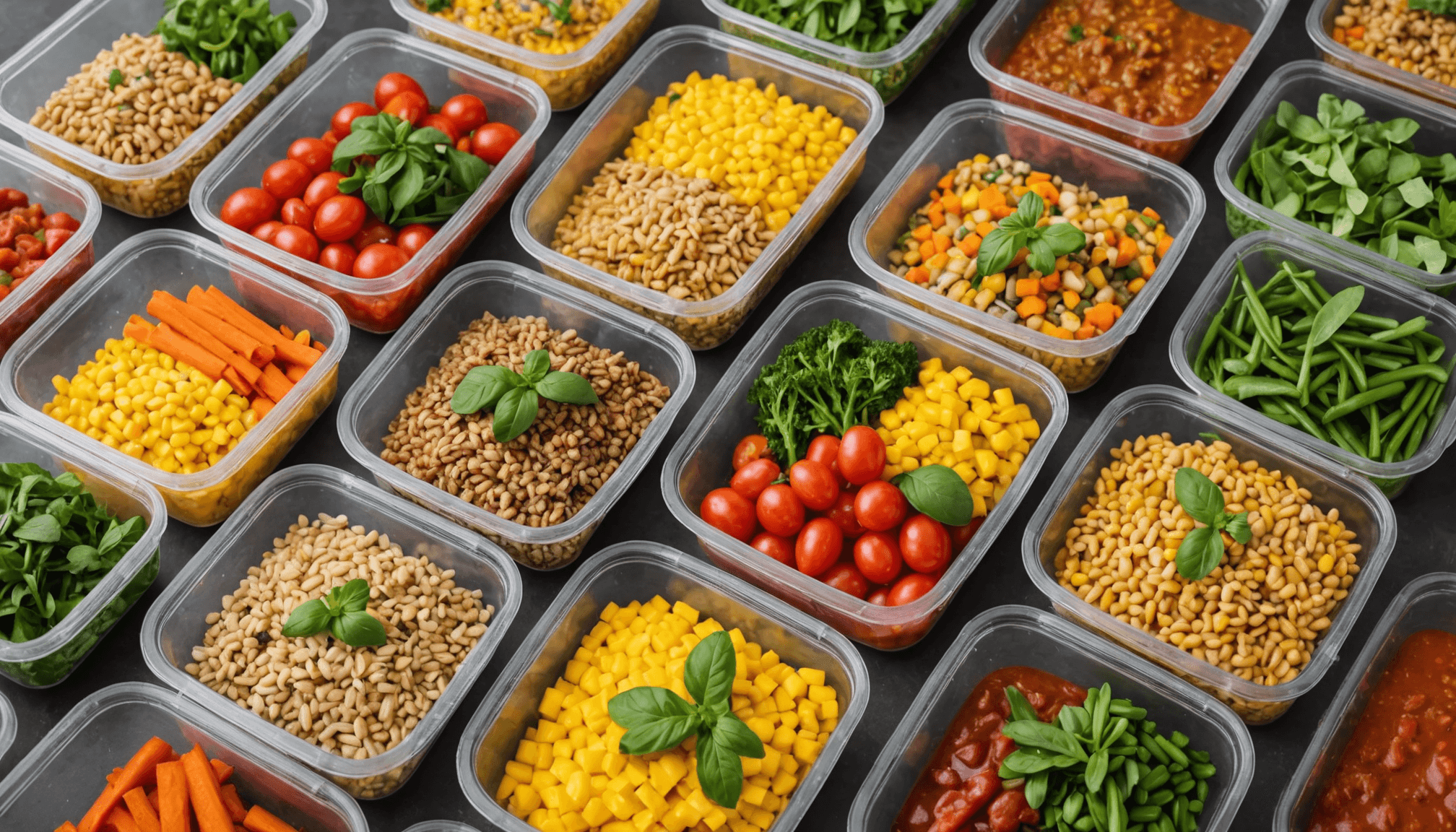 When it comes to maximizing the effectiveness of your meal storage, you’ll want to embrace a few refined practices that go beyond just putting your healthy meal prep in the freezer. Start by paying attention to your meal rotation; consuming older meals first not only ensures freshness but also keeps you excited about your options. Think of it as a flavor adventure—never knowing what culinary delight awaits you next!
Consider investing time in preparing meals that freeze well. Think about dishes that hold their flavor and texture exceptionally well after freezing. Foods like hearty grains, soups, and baked meals can be made in bulk and safely stored, allowing you to mix and match throughout the week, ensuring you never grow tired of your options. Experiment with creating variety in your meals by alternating different spices and fresh herbs, which can invigorate even the most basic preparation.
For effective meal storage, ensure that your freezer is set to zero degrees Fahrenheit for optimal food preservation. This temperature is crucial for keeping your meals frozen and maintaining their quality, so make that a key part of your meal prep routine. Also, be mindful of how you stack your containers; giving them a little space ensures that air circulates properly, reducing the risk of freezer burn—a meal’s nemesis!
Make it a point to check your freezer periodically. Regularly surveying your inventory allows you to keep track of what you have and prevents meals from being forgotten deep in the frost. Think about establishing a monthly “unfrozen feast” where you consciously select meals to eat. This not only helps reduce waste but can also inspire new meal ideas as you discover forgotten treasures all while enjoying quality time with family or friends.
There’s a certain joy that comes from knowing your meals are not just stored but preserved with care. The practices you implement today can lead to healthier eating habits tomorrow and a lifestyle that embraces wellness and conscientious choices.
- How long can I freeze healthy meal prep meals?
- Most healthy meal prep meals can be stored in the freezer for up to three months while retaining their taste and nutritional value. For optimum freshness, aim to consume them within this timeframe.
- Can I freeze all types of meals?
- Not all meals freeze equally well. Dishes with high water content, like salads or meals containing creamy sauces, may not maintain their texture after thawing. It’s best to stick to soups, stews, and baked meals.
- Should I cool my meals before freezing?
- Yes, it’s important to cool your meals to room temperature before placing them in the freezer. This prevents raising the freezer’s temperature and helps ensure even freezing.
- Can I freeze meals in any type of container?
- It’s best to use airtight, freezer-safe containers to prevent freezer burn and maintain meal quality. Glass, BPA-free plastic, and silicone bags are excellent choices.
- How should I label my frozen meals?
- Label your meals with the content and date using freezer-safe labels or masking tape and a permanent marker. This will help you keep track of what you have and when it needs to be consumed.
- Is it safe to refreeze thawed meals?
- Only refreeze meals if they have been cooked after thawing. Generally, it’s best to consume them within three days once thawed to ensure freshness and food safety.
- What are some tips for reheating frozen meals?
- Reheat frozen meals using methods like the microwave, oven, or stovetop, depending on the type of dish. Always ensure they reach an internal temperature of 165°F for safety.

Leave a Reply