- Quick weeknight rice bowls
- One-pan rice and veggie skillets
- Lightened-up rice casseroles
- Protein-packed rice stir-fries
- Make-ahead rice meal prep ideas
Picture this: you walk in the door, you’re starving, your brain is fried from the day, and the idea of cooking feels… ambitious. But you also don’t really want to blow your goals with takeout (again). This is where rice bowls quietly swoop in like the weeknight hero nobody talks about enough.
Rice bowls are basically the “choose your own adventure” of weeknight dinners: a base of rice, some protein, a pile of veggies, and a sauce that makes it all taste like you tried way harder than you did. They’re perfect if you’re a college student cooking in a tiny kitchen, a parent feeding two kids who like totally different things, a busy professional who barely has 20 minutes, or a sport-minded person trying to hit protein and carbs without overthinking it.
Think of them as grown-up lunchables, but actually nourishing.
Here’s the simple formula I come back to over and over when I need easy healthy dinner ideas that don’t feel like diet food:
- 1 part rice (or another grain)
- 1–2 parts veggies (fresh, frozen, roasted, whatever you’ve got)
- 1 part protein (beans, tofu, chicken, salmon, eggs, etc.)
- 1 punchy sauce or topping (yogurt sauce, salsa, tahini, peanut sauce, pesto, chimichurri)
- Something crunchy (nuts, seeds, shredded cabbage, crushed tortilla chips) – totally optional but highly recommended
That’s it. Once you’ve got the formula, you can build endless combos without needing a recipe every time. It’s why dietitians love “grain bowls” – they make it ridiculously easy to hit that balance of carbs, protein, fat, and fiber that keeps you full and energized instead of raiding the pantry at 10 p.m. [1]
Let’s walk through a few go-to bowl ideas you can throw together on a random Tuesday, even if all you have is a half-empty fridge and 30 minutes or less.
1. 15-minute rotisserie chicken taco rice bowl
This is the bowl you make when you’re two clicks away from ordering burritos.
- Base: Warm cooked rice. White, brown, frozen microwave pouches – whatever is fastest. If you use brown rice recipes more often, cook a big batch on Sunday and stash it in the fridge.
- Protein: Shredded rotisserie chicken (or canned chicken if that’s what you’ve got). Toss it with taco seasoning and a splash of water in a pan for 3–4 minutes until hot.
- Veggies: Drain and rinse a can of black beans and a can of corn. Add to the pan with the chicken, just to warm through. If you have bell peppers, dice and sauté them quickly, or throw in a handful of pre-shredded lettuce or coleslaw mix at the end.
- Sauce: Mix plain Greek yogurt with salsa and a squeeze of lime. It tastes like a lightened-up crema but adds extra protein.
- Crunch + extras: A handful of crushed tortilla chips, sliced avocado (or guac), and some cilantro if you’re feeling fancy.
In 15 minutes, you’ve got a bowl that checks all the boxes: protein from the chicken and beans, fiber and complex carbs from the rice and beans, and healthy fats from avocado. That combo helps stabilize blood sugar and keep you full longer, which is especially helpful for athletes and anyone trying not to snack their way through the night [2].
Want to make it even easier for a family? Line up the toppings and let everyone build their own bowl. Same meal, different versions: one kid skips the beans, another skips lettuce, you pile on everything. No separate cooking, no complaining (well… less complaining).
2. Five-ingredient teriyaki salmon rice bowl
This one’s for the post-gym, post-practice, “I need something real but I don’t want to cook” nights.
- Base: Rice, reheated. Jasmine or sushi rice is great here, but brown works too.
- Protein: Salmon fillets. Brush with store-bought teriyaki sauce and bake at 400°F for 10–12 minutes, or air fry for about 8–10 minutes.
- Veggies: While salmon cooks, microwave a bag of frozen stir-fry veggies or broccoli. Done.
- Sauce: Extra teriyaki on top, plus a drizzle of sesame oil if you have it.
- Crunch: Sesame seeds, sliced green onion, maybe some shredded carrots for color.
Assemble your bowl: rice, veggies, flaked salmon on top, sauce, sprinkle of seeds. That’s it. Omega-3 fats from the salmon support heart and brain health, and may even help with post-exercise recovery and inflammation [3]. This is one of those dinners that looks fancy enough for a date night but takes less actual effort than scrolling through a food delivery app.
If you’re cooking for one or two, make extra salmon. Tomorrow’s lunch becomes a cold leftover salmon bowl with rice, cucumber, and a little mayo + sriracha situation. Zero extra thinking required.
3. Budget-friendly veggie-loaded burrito bowl
This is the college special, the “I get paid Friday” special, the “I blew my grocery budget on protein powder” special. High in fiber, cheap, and still feels like comfort food.
- Base: Rice or another grain – brown rice, quinoa, or even barley if that’s what you have. Whole grains add extra fiber, which supports digestion and helps with appetite control [1].
- Protein: Canned black beans or pinto beans, rinsed and heated with a little cumin, garlic powder, and salt.
- Veggies: Whatever’s around: chopped tomatoes, canned corn, shredded lettuce, sautéed onions and peppers, or just a scoop of salsa if you’re really running low.
- Sauce: Salsa and a spoonful of Greek yogurt or light sour cream. Hot sauce if you like it.
- Crunch: Crushed tortilla chips, pumpkin seeds, or sliced radishes.
Layer everything in a bowl and you’ve basically built a deconstructed burrito. For athletes or anyone training hard, this kind of bowl delivers a solid mix of complex carbs and plant protein to refill glycogen and support muscle repair, especially if you bump up the beans or add a fried or boiled egg on top [4]. For families, this is the kind of dinner that stretches ingredients and still feels fun.
4. Breakfast-for-dinner egg and veggie rice bowl
When the day has gone off the rails and cereal is calling your name, this is the slightly more grown-up version that still takes about the same effort.
- Base: Warm leftover rice, preferably brown or mixed grain if you’ve got it.
- Protein: Eggs – scrambled, fried, soft-boiled, whatever you like. Two per person makes it extra satisfying.
- Veggies: Grab a handful of whatever: spinach, cherry tomatoes, mushrooms, zucchini. Sauté in olive oil with garlic until soft and a little browned.
- Sauce: A drizzle of soy sauce, hot sauce, or a spoonful of pesto. Or just olive oil and salt if you’re keeping it simple.
- Crunch: Toasted nuts or seeds (sunflower seeds, almonds, or even chopped walnuts).
Stack it up: rice, veggies, eggs, sauce, crunch. Eggs add high-quality protein and key nutrients like choline and vitamin D, and pairing them with veggies can help your body absorb more of certain fat-soluble vitamins like A, D, E, and K [5]. Translation: this bowl quietly does a lot of work for your health while still tasting like comfort food.
This one also works surprisingly well for picky eaters: keep everything separate on the plate if needed, and let each person decide what actually touches.
5. High-protein Greek-inspired rice bowl
This is the bowl for the “I want something fresh, not heavy, but I also want to be full for more than an hour” mood.
- Base: Rice mixed with a handful of chopped parsley or spinach and a squeeze of lemon.
- Protein: Grilled or sautéed chicken, chickpeas, or a combo of both. Toss with oregano, garlic, salt, and pepper.
- Veggies: Cucumber, tomato, red onion, and maybe some olives if you like them.
- Sauce: Quick tzatziki: grated cucumber squeezed dry + plain Greek yogurt + garlic + lemon + salt.
- Crunch: Crumbled feta and a sprinkle of toasted pine nuts or almonds, if you have them.
Assemble and enjoy. The mix of lean protein, fiber from the veggies and chickpeas, and slow-digesting carbs from the rice makes this a great option if you’ve got a late workout, a long study night, or back-to-back evening meetings. Mediterranean-style patterns like this are consistently linked to better heart health and long-term wellness [6]. But in the moment, it just tastes like a really satisfying bowl of food.
Make the formula work on autopilot
Once you start thinking in “bowl mode,” your weeknights get easier. Instead of asking, “What recipe do I make?” you’re asking, “What do I have for base, protein, veg, sauce, crunch?” It turns random leftovers into dinner, keeps you from defaulting to drive-thru, and lets everyone at the table tweak their own bowl without turning you into a short-order cook.
If you want this to feel even more on autopilot, here’s one tiny habit that helps a lot: cook a big pot of rice once at the start of the week and stash it in the fridge. Suddenly you’re one step away from a meal at all times – and those “I’m too tired to cook” nights start to feel a lot more doable.
Next time you’re standing in the kitchen thinking, “I don’t have it in me to cook,” try building a quick bowl instead. Grab your rice, look around your fridge, and start stacking. It doesn’t have to be perfect. It just has to get you fed, nourished, and back to your life.
References:
[1] U.S. Department of Agriculture & U.S. Department of Health and Human Services. Dietary Guidelines for Americans, 2020–2025.
[2] Slavin, J. (2013). Fiber and satiety: the effects of fiber on appetite and food intake. Nutrition Bulletin.
[3] Mozaffarian, D., & Wu, J. H. Y. (2011). Omega-3 fatty acids and cardiovascular disease. Journal of the American College of Cardiology.
[4] Thomas, D. T., Erdman, K. A., & Burke, L. M. (2016). Position of the Academy of Nutrition and Dietetics, Dietitians of Canada, and the ACSM: Nutrition and Athletic Performance. Journal of the Academy of Nutrition and Dietetics.
[5] Miranda, J. M. et al. (2015). Egg consumption and health outcomes: a review. Food & Function.
[6] Estruch, R. et al. (2013). Primary prevention of cardiovascular disease with a Mediterranean diet. New England Journal of Medicine.
One-pan rice and veggie skillets
- Why one-pan rice skillets are a weeknight powerhouse
- Everything cooks in the same pan: rice, veggies, protein, and seasonings. That means fewer dishes and less cleanup on nights when “one more pan” feels like too much.
- Because the rice absorbs flavor from broth, spices, and vegetables as it cooks, you get way more taste out of simple, budget-friendly ingredients.
- Recent survey data from the FMI Foundation found that US households are cooking at home more often post-2020, but still cite time and cleanup as top barriers to healthy eating; one-pan meals directly tackle both issues by cutting total time in the kitchen.
- Using brown rice, wild rice, or other whole grains bumps up fiber and magnesium intake, nutrients many Americans fall short on according to the 2020–2025 Dietary Guidelines for Americans, while still giving you the comfort-factor of classic skillet dishes.
- If you like the freedom of grain bowls but hate multiple pots, one-pan skillets give you the same balanced-macro payoff in a more hands-off format.
- Basic one-pan rice and veggie skillet formula
- Think of these like “deconstructed rice casseroles” that stay lighter and fresher:
- Step 1 – Flavor base: Sauté aromatics like onion, garlic, carrots, or celery in olive or avocado oil until fragrant.
- Step 2 – Toast the rice: Stir uncooked rice into the pan for 1–2 minutes. Light toasting deepens flavor and can help improve texture.
- Step 3 – Add liquid: Pour in low-sodium broth or water (typically about 2 cups liquid per 1 cup white rice; slightly more for brown rice). Add spices and salt.
- Step 4 – Layer veggies + protein: Add firmer vegetables (like carrots, cauliflower, or broccoli stems) early so they have time to soften. More delicate veggies (spinach, peas, zucchini) can go in during the last 5–10 minutes.
- Step 5 – Cover and simmer: Keep the lid on to trap steam so the rice cooks evenly. Resist lifting it too often.
- Step 6 – Finish with freshness: Stir in herbs, citrus juice, or a small amount of cheese or yogurt at the end to brighten everything up.
- This pattern works with white, jasmine, basmati, or brown rice. For fast weeknights, partially cook brown rice in advance (or use frozen pre-cooked brown rice) so one-pan dishes still fit into 30–35 minutes.
- Think of these like “deconstructed rice casseroles” that stay lighter and fresher:
- Veggie-loaded Mediterranean rice skillet
- This skillet version brings the same flavors as the Greek-inspired rice bowls, but in cozy, one-pan form.
- What you’ll need:
- 1 tablespoon olive oil
- 1 small onion and 2–3 cloves garlic, minced
- 1 cup uncooked brown or white rice
- 2 cups low-sodium vegetable or chicken broth
- 1 cup cherry tomatoes (halved) or canned diced tomatoes (drained)
- 1 cup chopped zucchini or bell pepper
- 1 can chickpeas, drained and rinsed
- 1 teaspoon dried oregano, 1 teaspoon smoked or sweet paprika, salt and pepper
- 2–3 cups baby spinach or kale
- Fresh lemon juice and a sprinkle of feta (optional but recommended)
- How it comes together:
- Sauté onion and garlic in olive oil until softened.
- Add rice and spices; toast for 1–2 minutes, stirring.
- Stir in broth, tomatoes, zucchini/pepper, and chickpeas; bring to a simmer.
- Cover, reduce heat, and cook until the rice is tender and liquid absorbed (about 15–20 minutes for white rice, 35–40 for brown).
- Stir in spinach or kale at the end until just wilted; finish with lemon juice and feta.
- Why it’s a smart choice:
- Chickpeas add plant protein and soluble fiber, which has been linked to better cholesterol profiles and improved satiety in multiple randomized trials.
- Patterns that mimic a Mediterranean eating style are consistently associated with lower cardiovascular risk and better long-term metabolic health; this skillet keeps those flavors in a streamlined, easy healthy dinner ideas format.
- Southwest black bean and veggie rice skillet
- All the comfort of a burrito bowl or taco night, but cooked together in a single pan.
- Key ingredients:
- 1 tablespoon oil
- 1 onion, diced, and 1 bell pepper, chopped
- 1 cup uncooked rice (white or brown)
- 2–2½ cups low-sodium vegetable or chicken broth
- 1 can black beans, rinsed
- 1 cup corn (frozen or canned, drained)
- 1–2 teaspoons chili powder, 1 teaspoon cumin, ½ teaspoon smoked paprika, salt
- Optional: diced canned green chiles or a little salsa
- Optional toppings: Greek yogurt, avocado, cilantro, shredded cheese, crushed tortilla chips
- Method overview:
- Sauté onion and pepper; stir in rice and spices to toast briefly.
- Add broth, black beans, and corn; bring to a boil, then cover and simmer until rice is tender.
- Fluff with a fork and top with yogurt, avocado, herbs, and a few chips for crunch.
- Nutrient highlights:
- Black beans and corn together provide a complementary amino acid profile, making the meal more complete in protein, especially when paired with dairy like yogurt or cheese.
- Data from large observational studies, including the Adventist Health Studies, suggest higher legume intake (like black beans) is associated with lower risk of type 2 diabetes and improved weight management.
- Colorful veggie “fried rice” skillet (no takeout needed)
- This is the ideal recipe for using leftover rice and vegetables when you’re craving something like takeout but want to stay closer to your goals.
- You’ll need:
- 2 cups cooked and chilled rice (brown rice works especially well for extra fiber)
- 1 tablespoon oil (plus a little sesame oil if you have it)
- 2–3 cups mixed vegetables: peas, carrots, bell pepper, broccoli, cabbage, or frozen stir-fry mix
- 2–3 eggs or 1 cup tofu/edamame for protein
- 2–3 tablespoons low-sodium soy sauce or tamari
- Garlic, ginger (fresh or powdered), and green onions
- Quick process:
- Scramble eggs in the pan and set aside (or brown tofu/heat edamame).
- Sauté garlic, ginger, and veggies until crisp-tender.
- Add chilled rice, breaking up clumps; push into contact with the pan so some grains brown slightly.
- Stir in soy sauce, sesame oil, and green onions; fold eggs or tofu/edamame back in.
- Why chilled rice?
- Cold, cooked rice has more “resistant starch,” which behaves somewhat like fiber and may modestly improve blood sugar response compared with freshly cooked rice, according to small controlled feeding studies.
- Using brown rice recipes here can significantly increase total fiber, which NHANES data show most Americans underconsume by about 40–50% versus recommendations.
- One-pan lemon-garlic rice with seasonal vegetables
- This skillet leans bright and fresh, and it’s easy to adapt to whatever produce you have.
- Core ingredients:
- 1 tablespoon olive oil or grass-fed butter
- 3–4 cloves garlic, minced
- 1 cup rice
- 2¼ cups low-sodium broth
- 2–3 cups mixed seasonal veggies (asparagus, green beans, snap peas, broccoli florets, or a frozen mix)
- Zest and juice of 1 lemon
- Fresh parsley or basil, grated Parmesan (optional)
- Basic steps:
- Sauté garlic briefly in oil/butter.
- Add rice and toast lightly.
- Pour in broth and bring to a simmer; add the firmer vegetables.
- Cover and cook until rice is nearly done; stir in more tender veggies for the last 5 minutes.
- Finish with lemon zest/juice, herbs, and a small sprinkle of Parmesan if you like.
- How it fits your goals:
- The mix of carbohydrates from rice and fiber from vegetables supports stable energy; observational research consistently links higher vegetable intake with reduced risk of chronic disease and improved overall diet quality scores.
- This kind of one-pan dish makes it easier to hit the MyPlate guideline of filling half your plate with fruits and vegetables without feeling like you’re eating a salad for every meal.
- Tips for making one-pan rice skillets even easier
- Batch-cook your base:
- Cook a big pot of rice once a week and store it in the fridge in flat containers for faster reheating and easier portioning.
- This lets you move seamlessly between rice bowls and one-pan skillets depending on how much energy you have that night.
- Lean on frozen vegetables:
- Frozen veggies are typically frozen at peak ripeness and have nutrient levels similar to fresh; a 2022 review in Nutrients found minimal differences in vitamin and mineral content between fresh and frozen produce for most items.
- Stash stir-fry blends, peas, spinach, and mixed vegetables so you always have a way to bulk up your skillet without chopping.
- Use broth and acid for flavor instead of heavy sauces:
- Low-sodium broth, citrus juice, vinegar, and herbs can add a lot of flavor for very few calories and minimal saturated fat.
- Research on flavor enhancement suggests that herbs, spices, and acidic ingredients can improve satisfaction with lower-sodium, lower-fat dishes, which is helpful if you’re watching blood pressure or overall calorie intake.
- Think “protein add-ons” instead of separate mains:
- Fold in canned beans, rotisserie chicken, tofu cubes, or frozen shrimp during the last 10 minutes of cooking so the meal stays firmly in the one-pan category.
- For active people or anyone trying to maintain muscle, aim to get at least 20–30 grams of protein at dinner; combining plant proteins in these skillets can help you hit that target without always relying on meat.
- Batch-cook your base:
Lightened-up rice casseroles
Let’s be honest: when most of us hear “rice casserole,” we picture a heavy, creamy, beige situation that sits in your stomach like a brick. Cozy? Yes. Helpful when you’re trying to feel light, energized, and maybe fit in a workout tomorrow? Not so much.
The good news is you can absolutely have that same cozy, feed-a-crowd convenience in a lighter, fresher way. Think: all the ease of a throw-it-in-the-oven dinner, but with more veggies, lean protein, and smart swaps so it works for busy parents, late-working professionals, college students, and anyone training hard and needing real fuel.
The idea here is to keep what we love about casseroles—make-ahead friendly, good leftovers, feeds multiple people—while ditching the “extra everything” that makes them feel heavy. It’s the same spirit as rice bowls or grain bowls, just baked and hands-off.
Start with a smarter base
Traditional casseroles often start with white rice and a can of something creamy. You don’t have to go that route. A few simple tweaks make a big difference:
- Use brown rice or a brown-and-white mix for more fiber and B vitamins. If you’re worried about cook time, use par-cooked brown rice or frozen pre-cooked rice so the casserole can bake in about 30–40 minutes instead of an hour.
- Swap canned “cream of” soups for a quick mix of low-sodium broth, a little milk (or unsweetened plant milk), and plain Greek yogurt stirred in at the end. You still get creaminess and body, without that heavy, sticky feeling.
- Think “half rice, half veg.” If your casserole calls for 2 cups of rice, use 1½ cups rice and bump up the vegetables. It stretches the dish, saves money, and helps you hit that “half your plate veggies” goal automatically.
That alone is enough to turn a lot of old-school dishes into genuinely easy healthy dinner ideas without anyone at the table noticing they got “lightened up.”
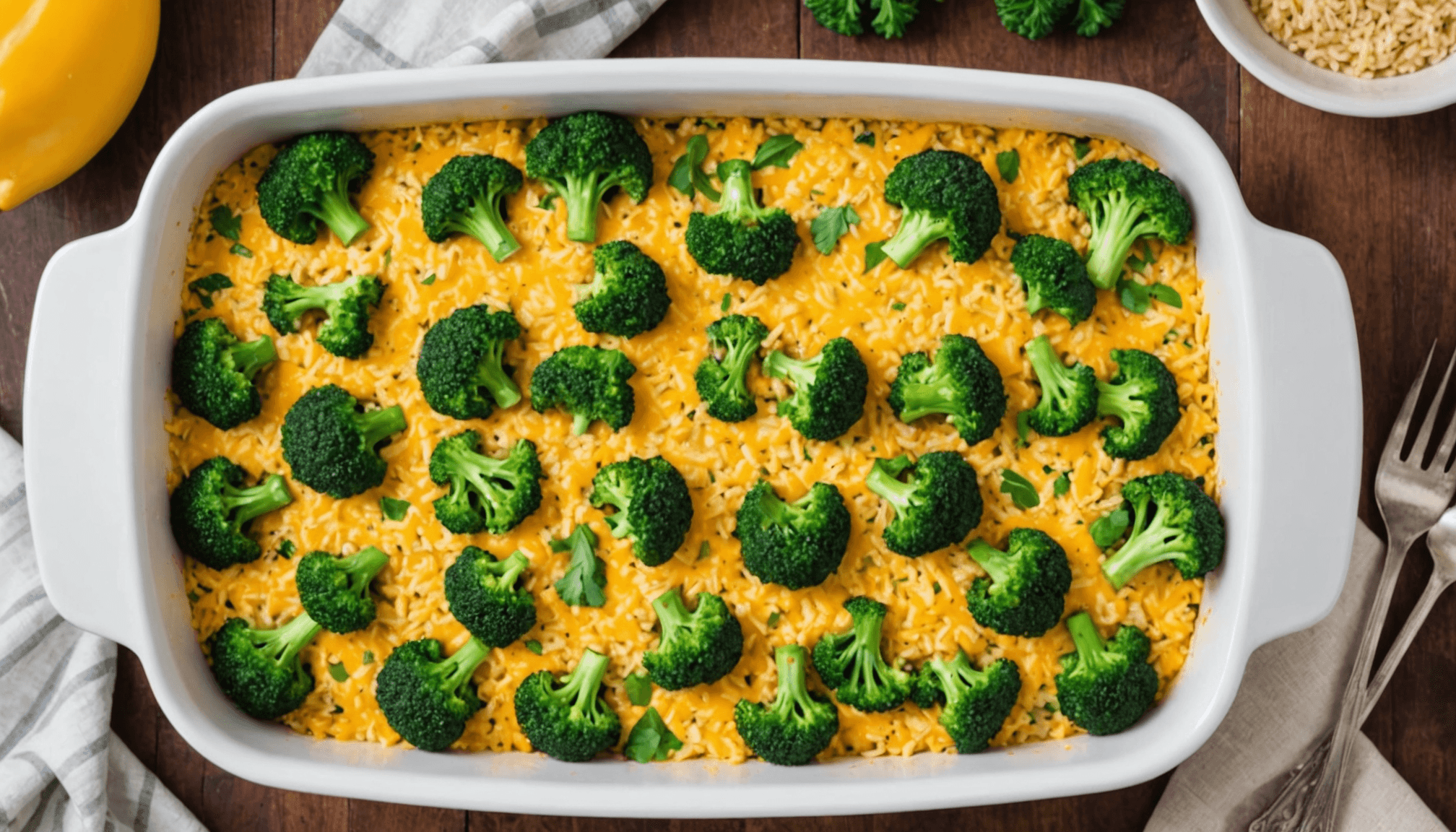
Lighter chicken and broccoli rice bake
This is the classic everyone grew up with, just cleaned up a bit. It’s great for family nights, meal prep for the week, or a post-practice dinner when everyone’s coming in at different times.
What you’ll need (about 4–6 servings):
- 2 cups cooked brown rice (or a brown/white rice mix)
- 2–3 cups chopped broccoli florets (fresh or frozen, no need to thaw)
- 2 cups cooked shredded chicken (rotisserie works beautifully)
- 1 tablespoon olive oil or butter
- 1 small onion, finely chopped
- 2 cloves garlic, minced
- 1½ cups low-sodium chicken broth
- ½ cup milk (dairy or unsweetened almond/soy)
- ¾ cup plain Greek yogurt
- ½–1 cup shredded cheese (sharp cheddar or mozzarella), divided
- ½ teaspoon each salt, pepper, and paprika (plus a pinch of dried thyme if you have it)
- Optional topping: a few tablespoons whole-wheat breadcrumbs mixed with a drizzle of olive oil
How to pull it together:
- Preheat your oven to 375°F and lightly oil a baking dish.
- In a skillet, sauté onion in olive oil until soft, then add garlic for 30 seconds.
- Whisk in broth and milk. Let it come to a gentle simmer, then turn off the heat and stir in Greek yogurt, ½ cup cheese, salt, pepper, and paprika. You’ll have a light, creamy sauce.
- In the baking dish, mix cooked rice, broccoli, and shredded chicken. Pour the sauce over and stir until everything is coated.
- Top with remaining cheese and, if you like, a sprinkle of oiled breadcrumbs for crunch.
- Bake for 20–25 minutes, until bubbly and lightly golden on top.
You get all the comfort of the old creamy bake, but the Greek yogurt adds protein instead of just fat, the brown rice brings fiber, and the broccoli means you’re not scrambling for a side dish. For athletes or anyone lifting regularly, this hits that nice combo of complex carbs and lean protein you want after a workout—without feeling like you need a nap afterward.
Veggie-loaded Mexican-inspired rice casserole
This one is a cross between a burrito, enchiladas, and your favorite rice bowls—baked and very low-effort. It’s perfect when you want something fun and a little cheesy, but still packed with plants.
Here’s what goes into the baking dish:
- 2 cups cooked rice (white or brown)
- 1 can black beans, rinsed and drained
- 1 cup corn (frozen or canned, drained)
- 1 bell pepper, diced
- 1 small onion, diced (or ½ cup pre-chopped if you’re tired)
- 1–2 cups chopped spinach or shredded cabbage (optional but great for extra veg)
- 1–1½ cups salsa (choose a brand with simple ingredients)
- ½ cup low-sodium vegetable or chicken broth
- 1 teaspoon chili powder, 1 teaspoon cumin, ½ teaspoon smoked paprika
- ¾–1 cup shredded cheese (Monterey Jack, cheddar, or a blend)
- Optional toppings: avocado, Greek yogurt or light sour cream, cilantro, hot sauce
Assembly is easy:
- Preheat oven to 375°F.
- In a large bowl or straight in the baking dish, mix rice, beans, corn, bell pepper, onion, spinach/cabbage, salsa, broth, and spices.
- Sprinkle cheese on top.
- Cover with foil and bake for 20 minutes, then uncover and bake another 5–10 minutes until the top is melty and the edges are bubbling.
Serve it with a dollop of Greek yogurt instead of sour cream and some sliced avocado. For families, this is the kind of dinner where everyone can add their own toppings—one kid wants extra cheese, you want extra hot sauce, someone else just wants it plain. For college students, it reheats beautifully and can even be rolled into tortillas the next day for instant burritos.
Beans plus rice give you a complete set of essential amino acids, which is a nice perk if you’re eating more plant-based or lifting and trying to support muscle. It’s a great fit for sport-minded folks who want a big, satisfying meal that still lines up with their goals.
One-dish Mediterranean rice and veggie bake
If you love those fresh, herby grain bowls but want something that feels more like comfort food, this is your “sit on the couch with a bowl and a blanket” version.
You’ll need:
- 2 cups cooked brown rice (or other whole grain like farro or barley)
- 1 can chickpeas, rinsed and drained
- 1 cup cherry tomatoes, halved (or canned diced tomatoes, drained well)
- 1 zucchini, chopped
- ½ red onion, thinly sliced
- 2–3 cups chopped spinach or kale
- 2–3 tablespoons olive oil
- Juice and zest of 1 lemon
- 2 teaspoons dried oregano, 1 teaspoon garlic powder, salt and pepper
- ½ cup crumbled feta cheese
- Optional: olives, fresh parsley, a spoonful of plain Greek yogurt on top
Here’s how it comes together:
- Preheat the oven to 375°F.
- In a large baking dish, toss chickpeas, tomatoes, zucchini, onion, and greens with olive oil, lemon zest, lemon juice, oregano, garlic powder, salt, and pepper.
- Stir in the cooked rice until everything is evenly distributed.
- Scatter feta (and olives, if using) over the top.
- Bake for about 20–25 minutes, until the veggies are tender and the edges are slightly caramelized.
This one is naturally lighter because the moisture mostly comes from the vegetables and lemony olive oil rather than heavy sauces. It’s essentially a baked grain bowl with Greek flavors. Mediterranean-style patterns like this are linked with better heart health and long-term wellness, and here you’re getting it in a format that you can bake on Sunday and eat for lunch all week.
Lean turkey and mushroom “stuffed pepper” casserole
Stuffed peppers are wonderful, but on a busy weeknight, individually filling each pepper can feel like a lot. So this is the deconstructed version: all the same flavors, tossed in a dish and baked. It’s high in protein and surprisingly light.
Ingredient list:
- 1 pound lean ground turkey (or chicken)
- 1 tablespoon olive oil
- 1 onion, diced
- 2–3 bell peppers, chopped
- 1–2 cups sliced mushrooms
- 2 cups cooked rice (white or brown)
- 1 can (14–15 oz) tomato sauce or crushed tomatoes
- ½ cup low-sodium broth or water (if mixture seems dry)
- 1 teaspoon Italian seasoning or oregano + basil
- ½ teaspoon garlic powder, salt, and pepper
- ½–1 cup shredded part-skim mozzarella or Italian blend cheese
Quick method:
- Preheat oven to 375°F and grease a baking dish.
- In a skillet, heat olive oil and cook onion, peppers, and mushrooms until softened.
- Add ground turkey, breaking it up and cooking until no longer pink. Season with Italian seasoning, garlic powder, salt, and pepper.
- Stir in cooked rice and tomato sauce (plus a splash of broth if it looks dry). Taste and adjust seasoning.
- Transfer to the baking dish, top with cheese, and bake 15–20 minutes until hot and bubbly.
This dish is especially great if you’re training or trying to hit a higher protein target: the turkey plus cheese plus rice gives you that 25–30 grams of protein per serving range most active adults benefit from at dinner. It also freezes nicely, so you can bake it in two smaller dishes and freeze one for a future “I cannot cook” night.
Keep things light without losing the “comfort” factor
The trick with all these lighter casseroles is that you’re not taking away everything fun—you’re just shifting the balance a bit:
- Add more vegetables than you think you need. Most casseroles can easily handle an extra cup or two of chopped veggies. Frozen broccoli, spinach, peas, and mixed vegetables are your best friends here.
- Use cheese thoughtfully. Instead of loading cheese throughout, sprinkle most of it on top where you’ll really taste and see it. You end up using less but getting more flavor payoff.
- Rely on herbs, spices, and acids for flavor. Garlic, onion, smoked paprika, Italian seasoning, cumin, lemon juice, and vinegar can make a dish taste rich without adding a lot of calories or heavy cream.
- Start with cooked rice. It saves time and gives you more control over texture. Plus, if you’ve got a batch of rice in the fridge from earlier in the week (maybe leftover from rice bowls), turning it into a casserole is as easy as tossing everything together and baking.
For busy households, these lighter rice casseroles are a nice middle ground between the “dump-and-bake” classics and the super-fresh grain bowls you might make when you have more energy. They’re forgiving, they reheat like a dream, and they give you that warm, cozy, “someone took care of me” feeling—without knocking you off your health goals.
Protein-packed rice stir-fries
Stir-fries are where rice really earns its place as a weeknight MVP, especially if you care about protein. With a hot pan, a bit of oil, and a few smart ingredients, you can turn leftover rice into a colorful, satisfying meal in 20 minutes or less. Think of these as the “high-performance” cousins of fried rice—leaner, more veg-forward, and loaded with protein to keep you full and support muscle recovery.
“Meals that combine carbohydrates with 20–30 grams of high-quality protein, plus vegetables, are consistently linked to better appetite control, improved body composition, and more stable energy across the day.”
Below are step-by-step ideas you can rotate through on busy nights. Each one follows the same basic pattern, so once you learn the method, you can freestyle with whatever’s in your fridge.
- Master the basic protein rice stir-fry method
Use this as your template for all the easy healthy dinner ideas in this section.
- Prep and chill your rice
- Cook rice ahead of time (white, jasmine, or brown rice recipes all work).
- Spread the cooked rice on a tray or in a wide container to cool quickly.
- Refrigerate for at least 2 hours, or overnight, so the grains firm up and don’t turn mushy in the pan.
- Cut everything before you start cooking
- Dice your protein (chicken, tofu, shrimp, tempeh, etc.) into bite-size pieces.
- Chop vegetables into small, similar-sized pieces so they cook quickly and evenly.
- Stir together your sauce ingredients in a small bowl (soy sauce, garlic, ginger, a little honey, etc.).
- Preheat your pan properly
- Use a large nonstick skillet or wok if you have one.
- Heat the pan over medium-high until it’s hot—this helps you get some char without overcooking the veg.
- Add a tablespoon of oil (avocado, canola, or peanut are great for high heat).
- Cook the protein first
- Add your protein in a single layer.
- Let it sear for 1–2 minutes before stirring, so it browns instead of steams.
- Cook until just done, then transfer to a plate and keep warm.
- Stir-fry the vegetables
- Add a bit more oil if the pan looks dry.
- Start with firmer veggies (carrots, broccoli, green beans), giving them 2–3 minutes.
- Add quicker-cooking ones (bell peppers, snap peas, cabbage, spinach) and cook until crisp-tender.
- Add rice and sauce
- Push veggies to the side, add a drizzle of oil to the empty space, then add the chilled rice.
- Break up any clumps with a spatula, pressing the rice against the pan to get some contact and light browning.
- Pour your sauce over the rice and veggies and toss to coat evenly.
- Finish with protein and extras
- Return the cooked protein to the pan and toss everything together.
- Taste and adjust with a splash more soy sauce, a squeeze of lime, or a pinch of salt if needed.
- Turn off the heat and finish with fresh herbs (green onion, cilantro) or a sprinkle of nuts/seeds for crunch.
Once you’ve got this down, mixing up flavors and proteins feels as simple as building grain bowls or rice bowls, just in a hot pan instead of a cold bowl.
- Prep and chill your rice
- High-protein chicken and veggie stir-fry with brown rice
This is a lighter, more veg-heavy take on classic chicken fried rice, with enough protein to actually keep you full.
- Gather your ingredients (about 3–4 servings)
- 2 cups cooked and chilled brown rice
- 1 pound boneless, skinless chicken breast or thighs, cut into small cubes
- 2 cups mixed vegetables (e.g., broccoli florets, sliced carrots, bell pepper strips)
- 3 cloves garlic, minced
- 1-inch piece fresh ginger, minced (or 1 teaspoon ground ginger)
- 2–3 green onions, sliced
- 2 tablespoons low-sodium soy sauce or tamari
- 1 tablespoon oyster sauce (optional but flavorful)
- 1 teaspoon honey or maple syrup
- 1 tablespoon rice vinegar or lime juice
- 2 tablespoons neutral oil for cooking
- Make the sauce
- In a small bowl, whisk together soy sauce, oyster sauce, honey, and rice vinegar.
- Taste and adjust—add a splash more soy for saltiness or a bit more vinegar for brightness.
- Cook the chicken
- Heat 1 tablespoon oil in a large skillet or wok over medium-high heat.
- Add chicken in a single layer and let it sear for 1–2 minutes without moving.
- Stir and cook another 3–4 minutes, until chicken is cooked through.
- Transfer chicken to a plate and set aside.
- Stir-fry the vegetables
- In the same pan, add the remaining tablespoon of oil.
- Add garlic and ginger; cook for 30 seconds until fragrant (don’t burn).
- Add firmer veggies (like carrots and broccoli) first; cook 2–3 minutes.
- Add softer veggies (like bell peppers) and cook until everything is crisp-tender.
- Add rice and finish
- Push vegetables to the side of the pan.
- Add chilled brown rice to the center and break up clumps with your spatula.
- Pour the sauce over the rice and veggies.
- Toss everything together, then stir the chicken back into the pan.
- Cook 1–2 more minutes, stirring, until everything is hot and coated.
- Turn off heat and sprinkle with sliced green onions before serving.
The combo of brown rice, lean chicken, and plenty of vegetables makes this feel like classic comfort food that still fits squarely in the “fuel for tomorrow’s workout” category.
- Gather your ingredients (about 3–4 servings)
- Tofu and edamame power stir-fry
This plant-based option is loaded with complete protein, thanks to tofu plus edamame. It’s great for anyone eating more meatless meals without wanting to sacrifice protein.
- Gather your ingredients (about 3–4 servings)
- 2 cups cooked and chilled jasmine or brown rice
- 1 (14-oz) block firm or extra-firm tofu, pressed and cubed
- 1 cup shelled edamame (frozen is fine)
- 2 cups vegetables (e.g., snap peas, shredded carrots, red cabbage, bell pepper)
- 2 cloves garlic, minced
- 1 teaspoon minced ginger
- 2 tablespoons low-sodium soy sauce or tamari
- 1 tablespoon hoisin or teriyaki sauce (optional)
- 1 teaspoon sesame oil
- 1–2 teaspoons rice vinegar or lime juice
- 2 tablespoons neutral oil for cooking
- Sesame seeds and green onions for topping
- Prep the tofu
- Press tofu in a clean towel or paper towels with a heavy object for 10–15 minutes to remove excess moisture.
- Cut into small cubes.
- Optional: Toss cubes with 1 teaspoon soy sauce and 1 teaspoon cornstarch for extra browning.
- Crisp the tofu
- Heat 1 tablespoon oil in a large skillet over medium-high heat.
- Add tofu in a single layer and cook 3–4 minutes per side, until golden and crisp.
- Transfer tofu to a plate and set aside.
- Cook veggies and edamame
- In the same pan, add remaining oil.
- Add garlic and ginger; cook 30 seconds.
- Add vegetables and edamame; stir-fry 3–4 minutes until bright and just tender.
- Add rice and sauce
- Stir in the chilled rice, breaking up clumps.
- Whisk soy sauce, hoisin (if using), sesame oil, and rice vinegar together in a bowl.
- Pour sauce over the rice and veggies and toss well.
- Gently fold the crispy tofu back into the pan.
- Heat 1–2 more minutes, then top with sesame seeds and green onions.
The combination of tofu and edamame delivers all the essential amino acids and a solid hit of fiber, making this stir-fry especially filling without feeling heavy.
- Gather your ingredients (about 3–4 servings)
- Beef and broccoli stir-fry with rice
This takeout favorite becomes a more balanced, home-cooked option when you control the oil, sugar, and portion of rice.
- Gather your ingredients (about 3–4 servings)
- 2 cups cooked and chilled white or brown rice
- ¾–1 pound flank steak or sirloin, thinly sliced against the grain
- 3 cups broccoli florets
- ½ onion, thinly sliced (optional)
- 3 cloves garlic, minced
- 2 teaspoons minced ginger
- 2 tablespoons low-sodium soy sauce
- 1 tablespoon oyster sauce
- 1 teaspoon cornstarch
- 1 teaspoon honey or brown sugar
- 2 tablespoons water
- 2 tablespoons neutral oil
- Marinate the beef
- In a bowl, mix soy sauce, oyster sauce, cornstarch, honey, and water.
- Add sliced beef and stir to coat.
- Let it marinate 10–15 minutes while you prep vegetables.
- Stir-fry the beef
- Heat 1 tablespoon oil in a hot skillet or wok.
- Add beef in a single layer, shaking off extra marinade.
- Sear 1–2 minutes per side until mostly cooked; remove to a plate.
- Cook broccoli and aromatics
- Add remaining oil to the pan.
- Add garlic, ginger, and onion (if using); cook 30–60 seconds.
- Add broccoli and 2–3 tablespoons water; cover with a lid for 2 minutes to steam slightly.
- Uncover and stir-fry another 2 minutes, until crisp-tender.
- Add rice and finish the dish
- Stir chilled rice into the pan, breaking up clumps.
- Return beef and any juices to the pan.
- Toss everything together over medium-high heat for 1–2 minutes, until hot and glossy.
- Taste and add a splash of soy sauce or a squeeze of lime if needed.
You get classic beef-and-broccoli flavors, but the added rice and extra veg turn it into a full, balanced meal with protein, carbs, and fiber in one pan.
- Gather your ingredients (about 3–4 servings)
- Shrimp and veggie stir-fry with citrus-ginger sauce
This is fast enough for nights when you’re tempted to skip cooking altogether, but still feels special.
- Gather your ingredients (about 3–4 servings)
- 2 cups cooked and chilled jasmine or basmati rice
- 1 pound raw shrimp, peeled and deveined
- 2 cups mixed vegetables (e.g., snap peas, bell pepper, thinly sliced carrots, baby bok choy)
- 2 cloves garlic, minced
- 1 teaspoon minced ginger
- Zest and juice of 1 orange (or ½ cup orange juice)
- 2 tablespoons low-sodium soy sauce
- 1 teaspoon honey
- 1 teaspoon sesame oil (optional)
- 2 tablespoons neutral oil
- Whisk the citrus-ginger sauce
- In a bowl, combine orange zest, orange juice, soy sauce, honey, ginger, and sesame oil.
- Set aside near the stove.
- Cook the shrimp
- Heat 1 tablespoon oil in a large skillet over medium-high.
- Add shrimp in a single layer and cook 1–2 minutes per side until pink and opaque.
- Transfer shrimp to a plate.
- Stir-fry veggies and rice
- Add remaining oil to the pan.
- Stir-fry vegetables 3–4 minutes until crisp-tender.
- Add chilled rice, breaking up clumps, and cook 1–2 minutes.
- Combine with sauce and shrimp
- Pour the citrus-ginger sauce over the rice and vegetables.
- Toss to coat, then add shrimp back to the pan.
- Cook another minute, just until everything is hot and glossy.
Shrimp cooks in minutes, making this one of the fastest high-protein stir-fries you can pull off with leftover rice.
- Gather your ingredients (about 3–4 servings)
- Tips to keep your protein-packed stir-fries light and satisfying
- Prioritize the protein
- Aim for roughly a palm-sized portion of protein per person (about 3–4 ounces cooked).
- Don’t be afraid to mix proteins—chicken plus edamame or tofu plus egg—for better texture and amino acid balance.
- Load up the vegetables
- Use at least as much veg as rice by volume; often 2 cups veggies per 1 cup cooked rice works well.
- Keep frozen veggie blends on hand so you can always bulk up the pan.
- Let the sauce be a flavor booster, not the main ingredient
- Use a few tablespoons of sauce, not cups—just enough to coat.
- Layer flavor with garlic, ginger, chili flakes, and citrus instead of relying only on bottled sauces.
- Batch-cook rice once, stir-fry all week
- Cook a big pot of rice once, cool it, and refrigerate in flat containers.
- Use it across the week for rice bowls, casseroles, and quick stir-fries so healthy, protein-rich dinners feel
Make-ahead rice meal prep ideas
 Batch-cooking rice is like giving your future self a gift. With just a little planning, those “I have nothing to eat” moments start to look more like “I can throw this together in five minutes.” Rice bowls, grain bowls, casseroles, and stir-fries all get easier when you already have your starch cooked and ready.
Start by choosing a base rice that fits your goals. Brown rice recipes give you more fiber, magnesium, and a slightly nuttier flavor; white rice is softer and faster, and can be easier to digest around intense training sessions. You don’t have to pick one forever—many people do a mix, or keep brown rice for everyday and white rice for pre- or post-workout meals when they want something lighter on the stomach.
Cook a big batch once or twice a week. For most people, 4–6 cups cooked rice is enough to cover several dinners and a few lunches. As soon as it’s done, spread it out in a wide container or baking sheet to cool faster—this helps reduce clumping and keeps the texture firm for later stir-fries and rice bowls. Then transfer it to airtight containers and refrigerate; use within 4–5 days, or freeze in smaller portions if you want a longer runway.
Think of your week in “building blocks” instead of rigid recipes. One night, that rice becomes a quick veggie-and-egg bowl. Another night, it’s the base of a lighter casserole you can reheat after practice. On the busiest nights, it turns into a 15-minute stir-fry with frozen vegetables and canned beans. The more you practice this flexible style, the less you’ll depend on takeout or ultra-processed convenience foods to bail you out.
To keep things fresh and nourishing, prep a few mix-and-match components alongside your rice. Roast a tray of whatever vegetables you like—carrots, broccoli, zucchini, Brussels sprouts—tossed with olive oil, salt, and pepper. Cook one or two proteins in bulk: maybe baked chicken breasts, marinated tofu, or a big pot of lentils or black beans. Store each in its own container so you can swap and combine them into different easy healthy dinner ideas without feeling like you’re eating the exact same plate every night.
Sauces are where your meal prep comes alive. A small jar of tahini dressing, yogurt-garlic sauce, or homemade vinaigrette can flip the same base ingredients into a totally different flavor profile. For example, rice + chickpeas + roasted broccoli + tahini-lemon sauce feels Mediterranean; the next night, rice + black beans + corn + salsa yogurt sauce feels like a burrito bowl. With two or three sauces on hand, you can cycle flavors all week without extra cooking time.
When you assemble meals, keep a loose structure in mind: base, protein, vegetables, sauce, and a little texture on top. For a quick bowl, start with 1 cup of rice, add ½–1 cup of protein (like beans, tofu, chicken, or eggs), then at least 1–2 cups of vegetables—fresh, frozen, or leftover. Finish with a spoonful or two of sauce and something crunchy like nuts, seeds, shredded cabbage, or toasted breadcrumbs. This simple pattern works whether you’re packing lunch for the office, feeding hungry teenagers after practice, or fueling yourself between classes.
If your schedule is truly packed, consider prepping full “rice bowl kits.” Use divided containers or separate small jars: cooked rice on the bottom, vegetables and protein on top, sauce in a tiny side container. In the morning, grab one from the fridge and you’ve got a balanced lunch ready to go. For people training or working irregular hours, this kind of grab-and-go setup can be the difference between a meal that supports your goals and whatever is left in the vending machine.
You can also freeze complete rice-based meals for nights when even chopping an onion feels impossible. Casserole-style dishes with rice, vegetables, and lean protein often freeze well—portion them into single servings, let them cool completely, then freeze. Reheat with a splash of water or broth so they don’t dry out. Keeping two or three different frozen options on hand gives you variety and helps you avoid the “I guess we’ll just order pizza” default.
Pay attention to how different combinations make you feel. Maybe you notice that bowls with more veggies and beans keep you full longer, while meals heavier on rice and light on protein leave you hungry an hour later. Use that feedback to tweak your own formula: more chickpeas here, an extra egg there, maybe an extra handful of greens. Your body is constantly giving you data—meal prep is your way of responding intentionally, not just reacting when you’re already starving.
Over time, you might find yourself asking bigger questions: How does planning a few simple components change your stress level during the week? What happens to your energy, your training, your mood when nourishing meals are the default instead of the exception? The humble pot of rice at the start of the week is more than a side dish—it’s a quiet anchor you can build habits around, one small system that frees up your brain for everything else you care about.
- Can I meal-prep rice safely without it going bad?
- Yes, as long as you cool and store it properly. Spread cooked rice out to cool quickly, refrigerate within 1 hour in shallow containers, and use it within 4–5 days, reheating until steaming hot.
- Is brown rice always healthier than white rice for dinner?
- Brown rice has more fiber, vitamins, and minerals, which can support digestion and longer-lasting fullness. White rice can still fit into a healthy pattern, especially around intense workouts or if you have digestive issues; the big picture of your overall diet matters more than choosing one type forever.
- How much rice should I use in a make-ahead bowl to keep it balanced?
- For most adults, about ½–1 cup cooked rice per meal works well, depending on your energy needs and activity level. Aim to match or exceed that volume with vegetables, and add a solid portion of protein (around a palm-sized amount) to stay satisfied.
- What proteins work best for rice meal prep?
- Versatile options include baked chicken, tofu, tempeh, lentils, black beans, and hard-boiled eggs. Choose proteins that reheat well and hold their texture, and consider prepping two types so your rice bowls and grain bowls feel different across the week.
- How do I keep prepped rice meals from tasting boring by day three?
- Rotate flavors through sauces, herbs, and toppings rather than completely different base ingredients. A few small jars of different dressings (like tahini-lemon, salsa yogurt, or soy-ginger) can transform the same rice, veg, and protein into totally new meals.
- Can I freeze cooked rice for future easy healthy dinner ideas?
- Absolutely—cooked rice freezes very well. Cool it quickly, portion into freezer bags or containers, flatten for faster thawing, and reheat with a splash of water in the microwave or a covered pan until hot.
- How do I know if my rice portions match my training or weight goals?
- As a rough guide, more intense or frequent training usually means you can comfortably use the higher end of the ½–1 cup cooked rice range (or even more), especially around workouts. If your goal is weight loss or better blood sugar control, focus on slightly smaller rice portions, generous vegetables, and plenty of protein, then adjust based on how your hunger, energy, and progress look over a few weeks.
- Prioritize the protein
 Batch-cooking rice is like giving your future self a gift. With just a little planning, those “I have nothing to eat” moments start to look more like “I can throw this together in five minutes.” Rice bowls, grain bowls, casseroles, and stir-fries all get easier when you already have your starch cooked and ready.
Leave a Reply