
How can you get your very own personalized session and free nutrition consult? Call today at Call Dan Hendrix: +1 334-300-0389.
Find out how important a balanced body chemistry truly is. Get on the right track to improved health today!
- Homemade Pizza Basics
- Choosing Your Toppings
- Dough Preparation Techniques
- Cooking Methods and Tips
- Fun Family Activities While Baking
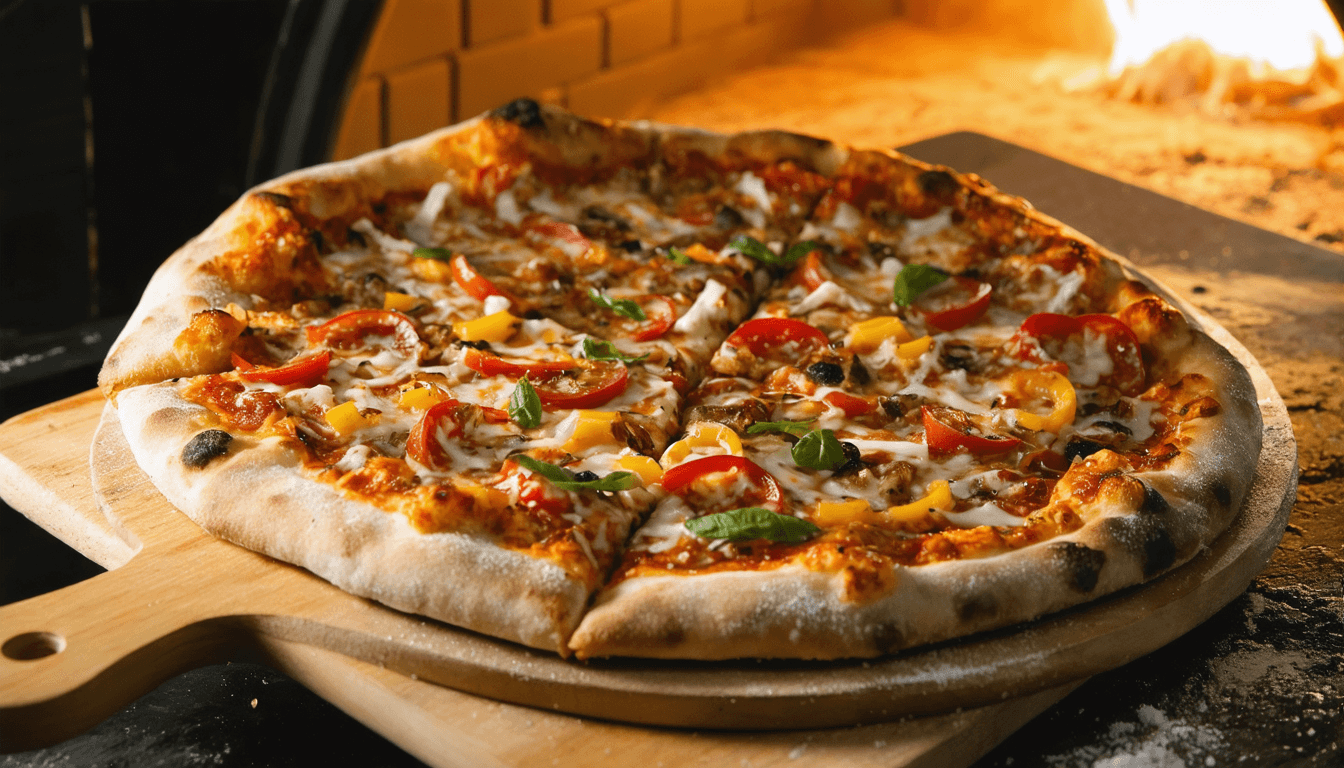
Making pizza at home is a delightful adventure that can bring everyone together, creating a lively kitchen atmosphere that’s hard to beat. The beauty of homemade pizza lies in its simplicity and the ability to customize it to suit every taste preference, making it one of the best easy dinner ideas for a busy weeknight. All you really need are a few key ingredients and a little bit of love.
Start with the dough—it’s the heart of your pizza. You can either make your own from scratch using flour, yeast, water, and olive oil or opt for a pre-made option if time is of the essence. If you’re feeling ambitious, let the dough rise while you prepare your toppings. This waiting time can be a lovely moment to squeeze in a family chat or even let the kids help with sprinkling flour on the counter. The aroma of yeast and flour filling the room makes everything feel a little more special.
Once your dough is ready, you’ll want to roll it out. This is where the fun truly begins! Dust your work surface with a sprinkle of flour, and use a rolling pin to shape your dough. Aim for a thickness that you enjoy; some like it thin and crispy, while others prefer a soft, chewy crust. It’s perfectly fine if it doesn’t come out looking like a perfect circle—this is homemade pizza, after all! It’s all about encouraging creativity in the kitchen, turning each pie into a unique creation.
Next comes the sauce, which can be as easy as opening a jar of store-bought marinara or whipping up a quick blend of crushed tomatoes, garlic, and herbs if you’re up for it. The sauce is your canvas, so spread it out evenly over the crust, leaving a bit of space at the edges for that delicious crust to shine. Don’t be shy, a good sauce is vital for a great flavor!
Now, let’s talk about cheese. Mozzarella is the classic choice, but feel free to experiment with provolone, feta, or even a sprinkle of goat cheese for something a bit different. Cheese is like the icing on the cake, binding all those flavors together and creating that gooey, melty goodness that everyone loves. If you’re health-conscious, look for lower-fat options or go heavy on the veggies instead to keep things light yet satisfying.
Your homemade pizza is your playground, so load it up with whatever toppings speak to you. Pepperoni, bell peppers, mushrooms, or even a handful of spinach—there’s no right or wrong here! Just be mindful of the amount; too many toppings can make your pizza soggy. A great rule of thumb is to keep it simple and let each ingredient shine.
As you prepare your pizza, consider the excitement it brings to the family. It’s a chance to gather around the kitchen, share stories, and make memories—all while creating something delicious together. This quality time is just as important as the meal itself, enhancing the experience and making it truly special.
Choosing Your Toppings
Choosing the right toppings for your homemade pizza can transform a simple meal into an extraordinary culinary experience. Given that pizza is incredibly versatile, it’s essential to strike a balance between flavors and textures, ensuring everyone in the family can revel in the creation.
Flavor Profiles
When selecting toppings, think about contrasting flavors and textures. For example, combining the saltiness of pepperoni with the sweetness of caramelized onions creates a well-rounded taste that’s satisfying. Research from the Culinary Institute of America suggests that dishes with a balance of salty, sweet, bitter, and sour elements capture the palate’s attention, making each bite more enjoyable. Aim to include a variety of fresh ingredients, such as ripe tomatoes, aromatic basil, and creamy mozzarella, which not only enhance flavor but also offer a colorful presentation and visual appeal.
Nutritional Considerations
While indulging in pizza night, consider the nutritional value of your toppings. According to the USDA, vegetables can add vital nutrients—like vitamins A and C, fiber, and antioxidants—to your meal. Opting for a base of leafy greens, grilled vegetables, or even artichokes can boost the nutritional profile of your homemade pizza without sacrificing flavor. For protein, consider lean choices like grilled chicken or turkey sausage, which can satisfy cravings without excessive fat. Keep in mind that a study published in the Journal of Nutrition found that meals high in vegetables can significantly reduce calorie intake while still providing flavorsome options.
Cooking Techniques for Toppings
Before adding toppings, consider their cooking requirements. Some ingredients, like mushrooms and bell peppers, benefit from a quick sauté to intensify their flavor and reduce moisture—preventing a soggy crust. Other toppings, like pre-cooked meats or raw fresh herbs, should be added toward the end of the cooking process to preserve their texture and taste. Ensure your oven is preheated to achieve optimal crispness of the base and toppings. The high temperature can evaporate excess moisture from ingredients, creating a perfectly balanced pizza.
Family Favorites and Personalization
Encourage each family member to create their own section of the pizza with their preferred toppings, allowing for personalization that caters to diverse preferences. This not only alleviates any debates over choice but fosters an environment of creativity—taking simple pizzas to extraordinary culinary heights. Additionally, involving children in this process enhances their culinary skills and introduces them to the importance of making healthy food choices. A recent survey indicated that families that engage in making meals together report higher satisfaction and communication levels, reinforcing the value of these homemade experiences.
Incorporating all these elements into your pizza night can make it not only a delicious meal but also an enjoyable time spent together, creating memorable family moments around the dinner table. The combination of selecting toppings thoughtfully and the act of crafting a unique homemade pizza can elevate a regular evening into a special event, fostering connections that last well beyond the meal.
Dough Preparation Techniques
Now that you’ve rolled out that beautiful dough, let’s dive into the exciting techniques for preparing your pizza base. This step is crucial because it sets the stage for everything that comes after—including the toppings that we’re going to explore soon. You’ll want that crust to be just right for all those delicious ingredients that are about to come your way.
First things first, let’s talk about kneading. If you’ve decided to make your dough from scratch, kneading is where the magic happens. It’s your chance to develop those gluten strands that give your crust its chewy texture. Aim for about 8-10 minutes of kneading by hand—trust me, it’s a fun way to get some energy out, and it can also be a little workout! If you’re short on time, a stand mixer with a dough hook can make this process a breeze and save your arms from feeling like they went to the gym. Just make sure to let your dough rest afterward, so it can relax and rise beautifully. This resting time usually takes about 30 minutes, and it’s the perfect opportunity to start prepping your toppings or having a little chat with family members. Everyone’s getting involved, and it truly enhances that family night vibe!
Once your dough has risen and you’re excited to shape it, there’s a technique you might find helpful: using your hands instead of a rolling pin. Gently press down with your fingertips to expand the dough, working from the center outward and leaving a little thicker crust at the edges. This approach keeps all those air bubbles intact, which results in a light, airy crust when baked. If you’re feeling adventurous, you might even try tossing the dough in the air, just like the pros do—though I recommend doing this over a clean counter to avoid any sticky situations!
Now let’s get momentarily techy here—most home cooks prefer to achieve that restaurant-style crust all thanks to the right temperature. Preheat your oven to the highest setting, usually around 475°F to 500°F (245°C to 260°C). This high heat is what makes that crust come out golden and crispy! A pizza stone or a baking sheet can really help with this; just make sure it’s been heating along with the oven, so when your pizza hits it, it makes that delightful sizzle.
For an extra layer of flavor in your crust, consider brushing the outer edges with a bit of olive oil and sprinkling on some garlic powder or Italian seasoning. This little touch creates a golden, aromatic crust that everyone will love picking off. And if you’ve been thinking about how to make your pizza night a bit healthier, you can swap regular flour for whole wheat or even almond flour. It’s a fantastic way to sneak in some more nutrients without compromising on taste. Plus, whole grain options provide more fiber to keep everyone satisfied longer, which is great for busy families or anyone on the go.
So, as you see, dough preparation is about more than just slapping some flour together; it’s an art form that requires a dash of technique and plenty of love! Once this base is ready, you’ll be even more excited to pile on those toppings and bake up a homemade masterpiece. Now, who’s ready to choose their favorite flavors and create something truly special together?
Cooking Methods and Tips
When it comes to cooking your pizza, there are several methods you can choose from, each offering unique advantages that can elevate your homemade creation. Here’s a detailed step-by-step guide on how to master the art of pizza cooking, ensuring that every bite is just right.
- Preheat Your Oven: Before you even think about placing your pizza in the oven, make sure to preheat it. Set your oven to its highest temperature, typically around 475°F to 500°F (245°C to 260°C). A hot oven is crucial for a crispy crust.
- Use a Pizza Stone or Baking Sheet: For the best results, consider investing in a pizza stone. Place it in the oven while preheating. If you’re using a baking sheet, ensure it’s also heated before placing the pizza on it. This will help create an ideal environment for your crust to cook evenly and become golden brown.
- Prepare Your Pizza: Once your dough is rolled out and topped, transfer it carefully to a pizza peel or a parchment-lined baking sheet. If you’re using a peel, sprinkle it lightly with flour or cornmeal to prevent sticking. This will make it easier to slide your pizza onto the stone or into the oven.
- Bake Your Pizza: If using a pizza stone, slide your pizza onto the preheated stone in the oven. If using a baking sheet, simply place it directly in the oven. Bake for about 10-15 minutes, depending on your oven’s temperature and the thickness of your crust. Look for a bubbly, golden-brown crust and melted cheese as indicators that your pizza is ready.
- Broil for Extra Crispiness: For an additional touch, if you like a little char on top, you can turn on the broiler for the last couple of minutes of cooking. Just keep a close eye on it to prevent burning.
- Let It Cool Slightly: Once your pizza is out of the oven, let it cool for a few minutes before slicing. This helps set the cheese and makes it easier to cut without all the toppings sliding off.
- Slice and Serve: Use a sharp pizza cutter or a large knife to slice your pizza into wedges. Serve immediately to enjoy the warm, melty goodness! Consider providing various dipping sauces on the side, like garlic butter or marinara, to enhance the experience.
“The secret to success in cooking is always maintaining high heat to ensure those delicious golden crusts.” – Culinary Wisdom
Trying out different cooking methods not only makes the preparation of pizza enjoyable but also allows you to experiment with textures and flavors. Each method adds a personal touch, transforming your homemade pizza night into an exciting culinary adventure. Enjoy the process, and don’t hesitate to get creative with your cooking techniques to find what works best for you and your family!
Fun Family Activities While Baking
While your pizza rises and the scents of tomato and herbs waft through the kitchen, there are numerous ways to engage your family and create memorable experiences together. Start with a playful pizza-making contest where each member decorates their personal pie, encouraging creativity and fostering a bit of healthy competition. Add some fun challenges such as who can come up with the most unusual topping combination or who can flip the dough in the air without dropping it!
Another idea is to create a pizza-themed music playlist to energize the cooking experience. As you work together, the lively atmosphere and music can inspire dancing and laughter, turning the kitchen into a family gathering spot filled with joy. You could also introduce themed pizza nights, such as “Italian Night” featuring Mediterranean toppings, or “Movie Night” where pizza pairs with a favorite family film. It’s a fantastic way to make the evening memorable.
Beyond cooking, consider storytelling or sharing pizza-related fun facts while waiting for dough to rise. You could dive into the history of pizza, discussing how it evolved from a simple flatbread to the beloved dish it is today. Engaging everyone in conversations about food adds depth to the experience and expands everyone’s culinary knowledge.
Let your family’s personalities shine through this pizza night—experiment with toppings, share favorites, and try new combinations. The process of coming together to create something delicious is what truly makes pizza night an easy dinner idea and a cherished family tradition.
- What are some tips for making pizza dough from scratch?
- Start with quality ingredients: flour, yeast, water, and a bit of olive oil. Knead the dough until it’s smooth and elastic, and let it rest until it doubles in size. This develops flavor and texture.
- How can I make a healthier pizza at home?
- Use whole wheat flour for the dough to increase fiber content and top your pizza with a variety of colorful veggies. Opt for lean meats or plant-based proteins and reduce cheese to lower overall fat.
- Can children help in the pizza-making process?
- Absolutely! Kids can assist with rolling out the dough, spreading the sauce, and adding toppings. This involvement enhances their cooking skills and fosters a love for healthy eating.
- What are some creative topping ideas for pizza?
- Get imaginative with toppings like grilled vegetables, fresh herbs, fruits like pineapple or figs, and unique cheeses like goat or blue cheese. Don’t forget to experiment with different sauces like pesto or ranch!
- What’s the best cooking method for homemade pizza?
- Using a pizza stone in a preheated oven offers the best results, creating a crispy crust. Alternatively, a cast-iron skillet on the stovetop can also achieve great results when combined with finishing under the broiler.
- How do I prevent my pizza from getting soggy?
- Limit the amount of wet toppings and pre-cook or drain items like mushrooms and spinach before adding them to your pizza. Also, preheating your stone or baking sheet ensures the crust cooks quickly and crisply.
- Can I freeze leftover pizza dough?
- Yes, you can! After the dough has risen, wrap it tightly in plastic wrap and store it in an airtight container. It can be frozen for up to three months. Just let it thaw in the fridge before using.
How can you get your very own personalized session and free nutrition consult? Call today at Call Dan Hendrix: +1 334-300-0389.
Find out how important a balanced body chemistry truly is. Get on the right track to improved health today!

Leave a Reply